10 Types Of Antiques That Lose Value Over Time And 5 That Are Now Totally Worthless
Collecting antiques has long been a passion for many, but not all vintage treasures hold their value. Market trends change, tastes evolve, and what was once highly sought-after can suddenly become yesterday’s forgotten fad.
Whether you’re a seasoned collector or just inherited grandma’s prized possessions, understanding which antiques are dropping in value can save you from disappointing investments.
1. Hummel Figurines
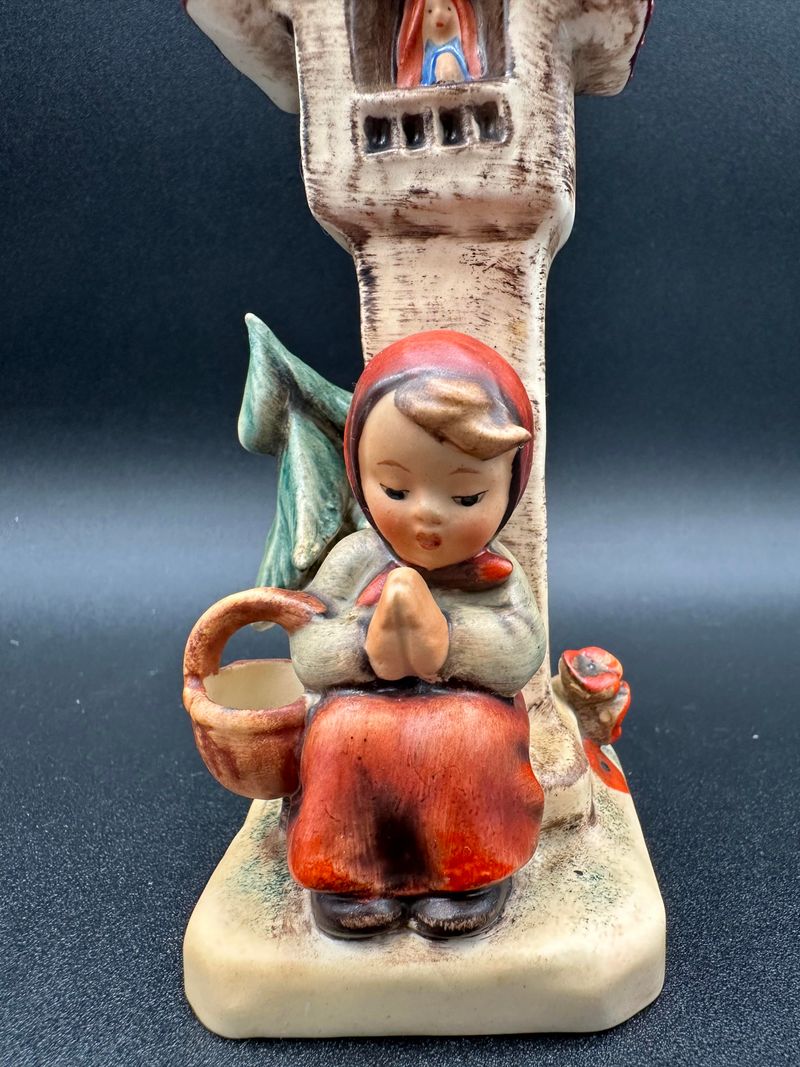
Remember when grandmothers everywhere showcased these adorable ceramic children on special shelves? Once commanding hundreds or even thousands of dollars, Hummel figurines have plummeted in value as younger generations show little interest.
Baby boomers downsizing their collections have flooded the market, further driving prices down. Many pieces that sold for $200-300 in the 1990s now fetch barely $50 at estate sales.
2. Antique Sewing Machines
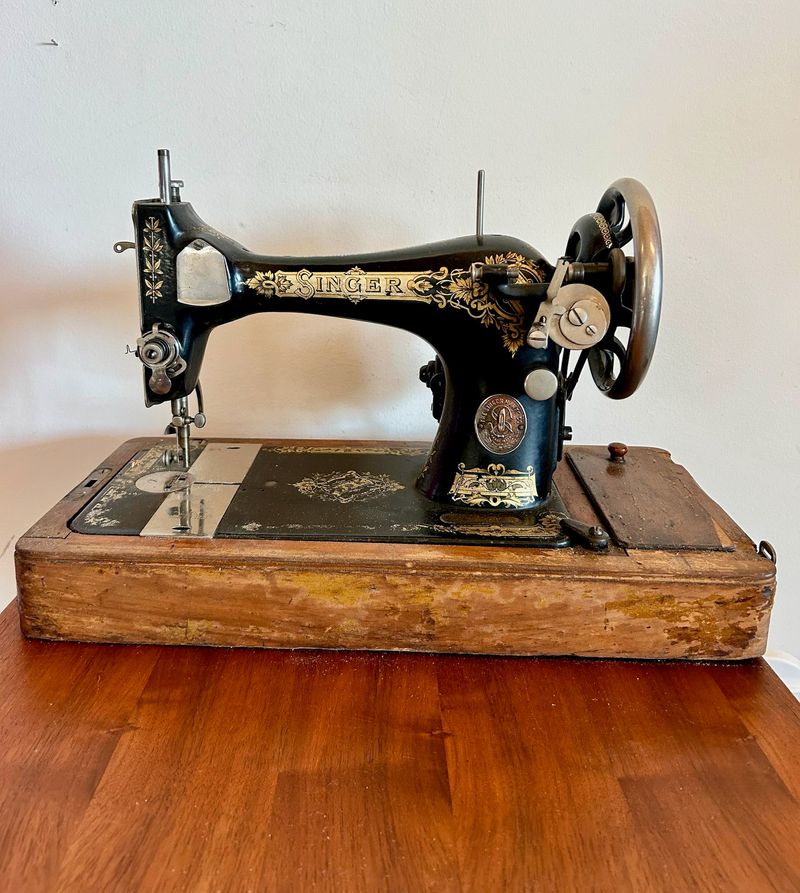
Gorgeous wooden cabinets housing intricate mechanical wonders once stood proudly in homes across America. Unfortunately, their sheer weight and size make them impractical for modern living spaces.
While Singer machines from the 1800s could command decent prices a decade ago, many now sell for under $100. Exceptions exist for rare models, but most have become more decorative conversation pieces than valuable collectibles.
3. Silver-Plated Flatware
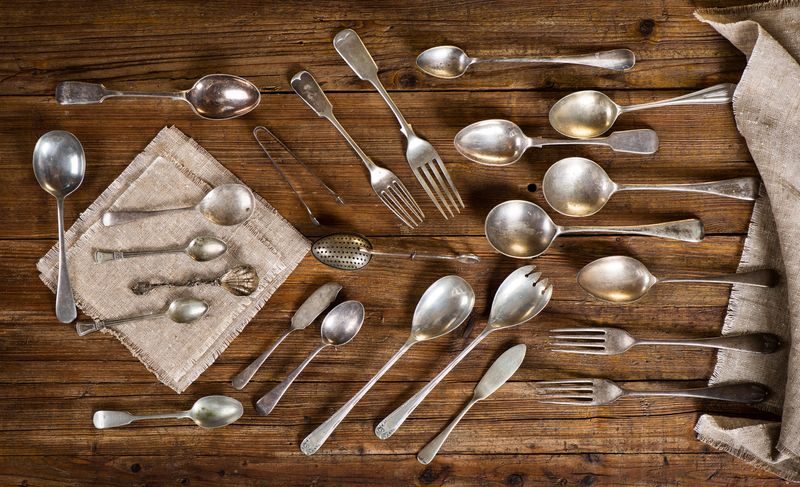
Gleaming in china cabinets for generations, silver-plated flatware sets were once wedding registry staples. Modern lifestyles have rendered these formal dining accessories obsolete, with casual entertaining now the norm.
Maintenance headaches further diminish appeal – nobody wants to polish silver anymore! Complete sets that might have fetched $500 in the 1980s now typically sell for $50-100, regardless of pattern or manufacturer.
4. Beanie Babies
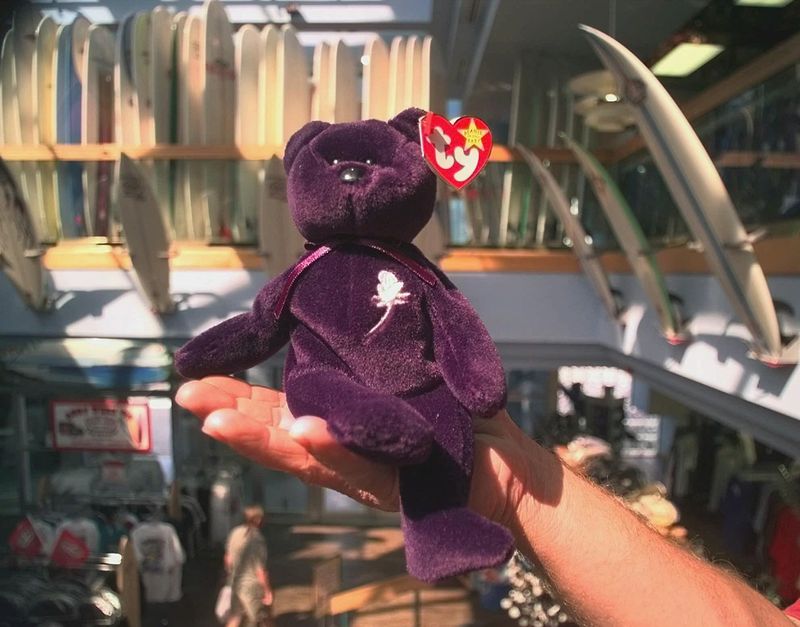
Ah, the great Beanie Baby bubble! During the 1990s craze, collectors hoarded these stuffed animals believing they’d fund future college educations. Even limited editions with “errors” sparked bidding wars reaching thousands of dollars.
Fast forward to today, and most Beanies sell for $5-10 each. While a handful of ultra-rare specimens retain some value, those plastic-protected “investments” gathering dust in your attic are essentially worthless.
5. Pressed Glassware
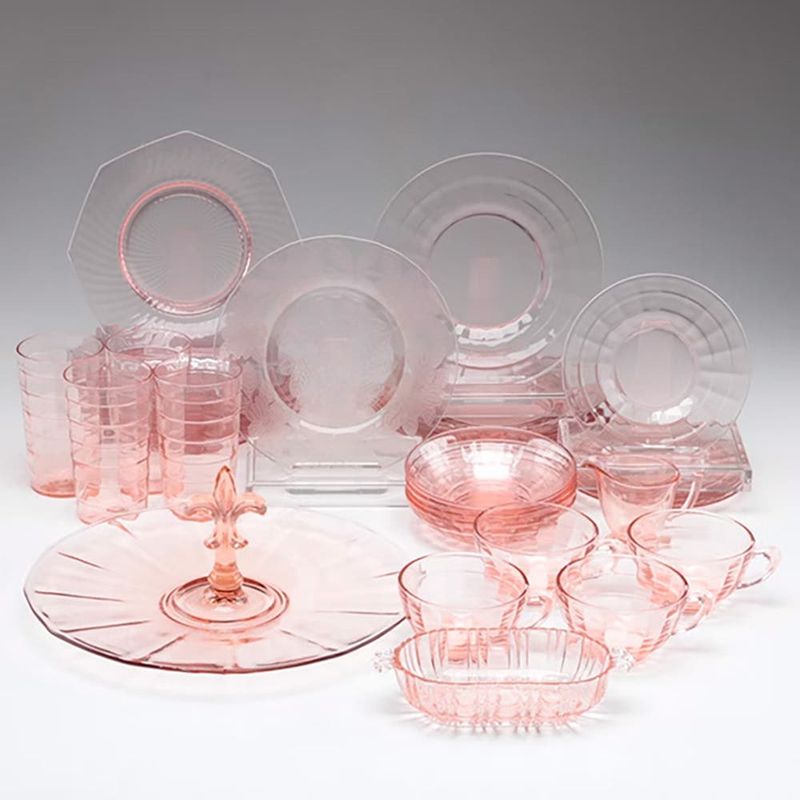
Colorful Depression glass and pressed glass patterns once filled curio cabinets nationwide. Machine-made rather than hand-blown, these pieces were mass-produced during the early 20th century.
Despite initial collector enthusiasm in the 1970s-90s, values have steadily declined. Pieces that once sold for $20-30 now often languish at $5-10. Only rare colors or patterns maintain modest value, while common items struggle to find buyers at any price.
6. Collector Plates
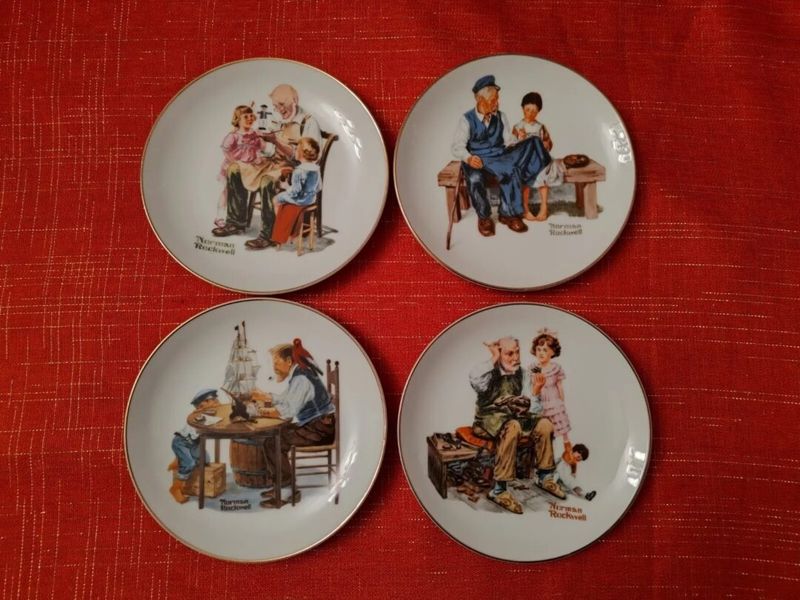
Marketed as “limited editions” with certificates of authenticity, collector plates featuring everything from Norman Rockwell scenes to puppies in baskets once seemed like sound investments. Companies like Bradford Exchange and Franklin Mint fueled this collecting frenzy.
Reality check: manufactured scarcity doesn’t create actual value. Originally selling for $20-50 each, most plates now fetch $5-10 at resale, if they sell at all. Even complete collections gather more dust than dollars.
7. Victorian Furniture
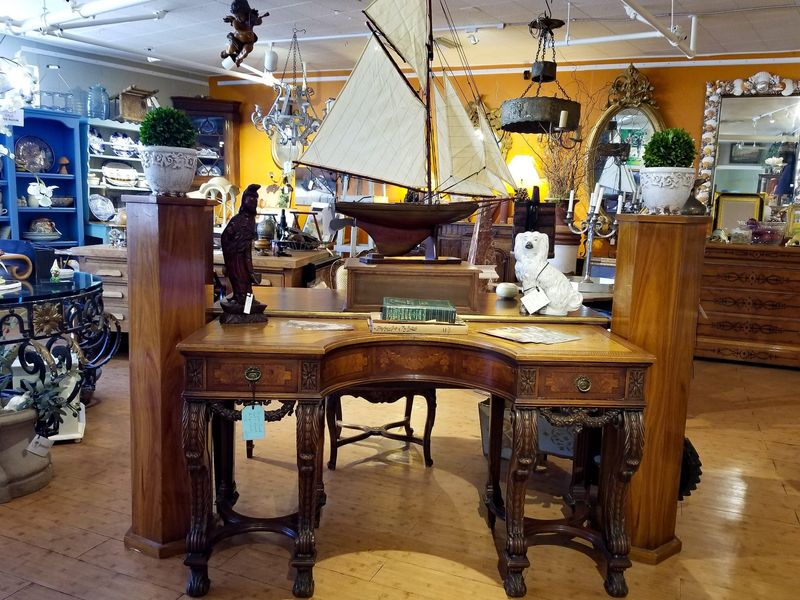
Massive, dark, and ornately carved – Victorian furniture epitomizes a bygone era of formal living. Unfortunately, today’s smaller homes and casual lifestyles make these pieces impractical dinosaurs in the furniture world.
Younger generations actively avoid inheriting these bulky antiques. Market values have plummeted accordingly, with many pieces selling for a fraction of their restoration costs. Even well-preserved examples often sell for less than modern reproductions.
8. Antique Pianos and Organs
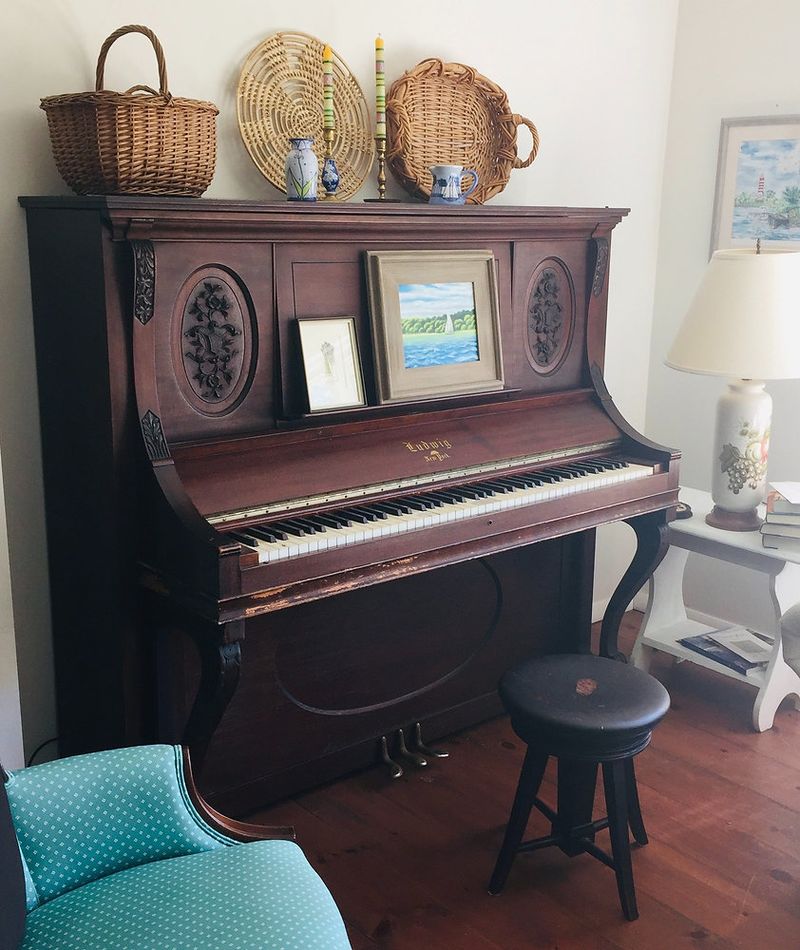
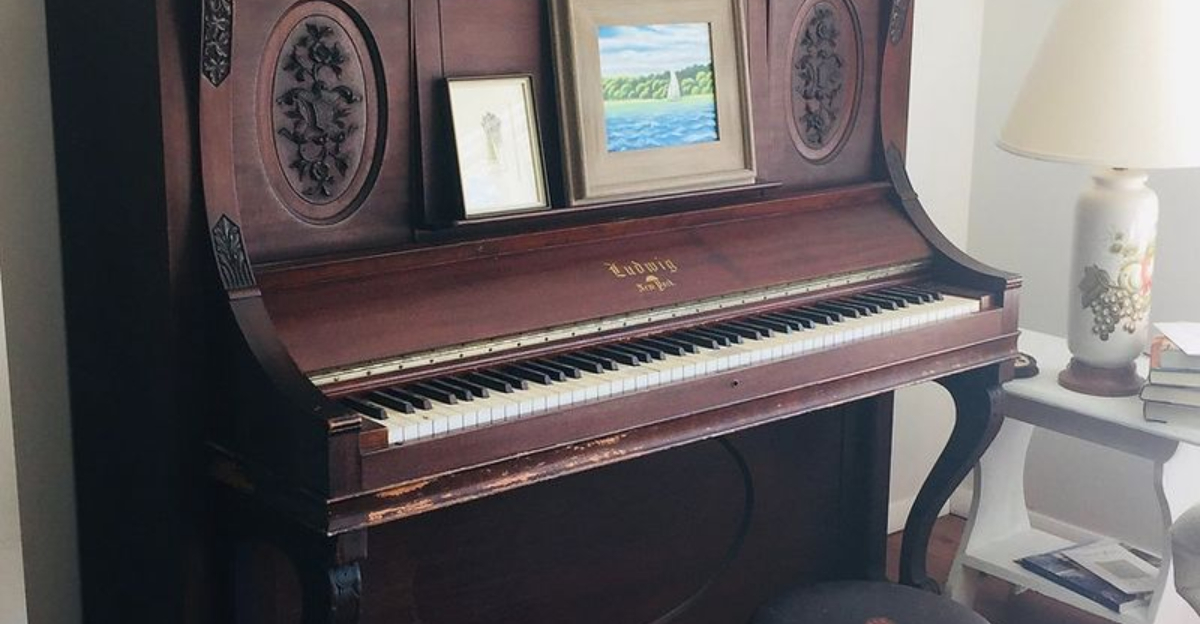
Majestic instruments that once served as family entertainment centers now face extinction in the modern home. Moving costs alone can exceed $500, while restoration runs into thousands – far more than most are worth.
Many auction houses and estate liquidators won’t even accept these instruments anymore. Heartbreakingly, perfectly functional antique organs and upright pianos often end up in landfills when homes change hands, as new owners simply don’t want them.
9. Vintage Steamer Trunks
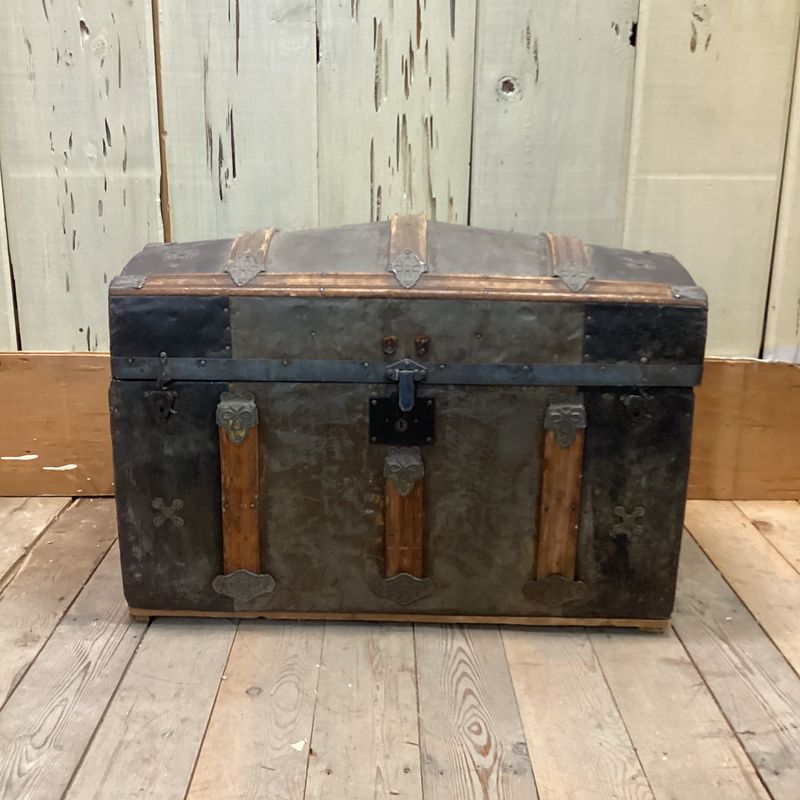
Conjuring images of transatlantic voyages and glamorous train travel, steamer trunks once commanded premium prices as decorative storage pieces. Interior designers frequently incorporated them as coffee tables or bedroom accents.
Popularity has waned as decorating trends shifted away from travel themes. Many trunks now sell for $50-100 regardless of brand, down from several hundred dollars a decade ago. Only exceptional examples from luxury makers like Louis Vuitton maintain significant value.
10. Porcelain Dolls
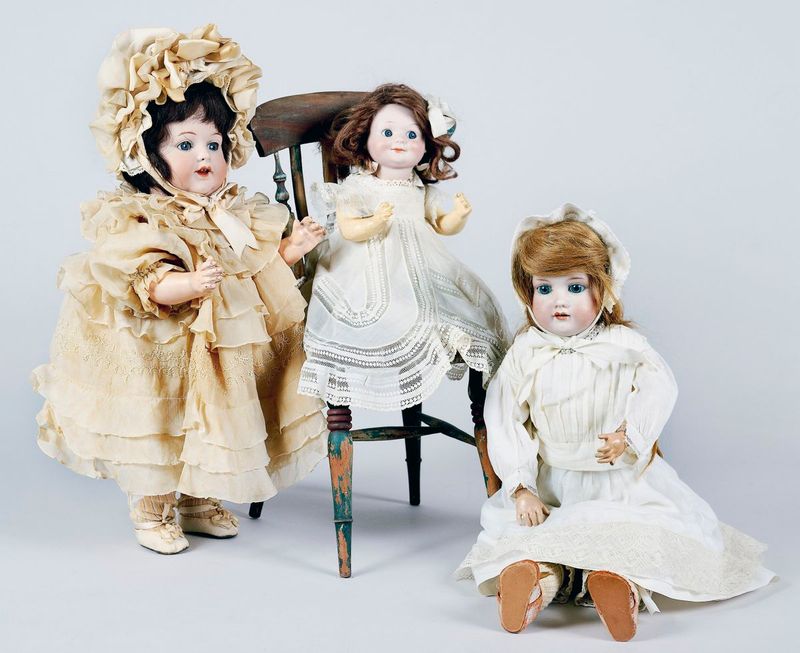
Once coveted collectibles displayed in special cases, porcelain dolls have fallen dramatically from favor. Horror movies haven’t helped their image, frequently casting these wide-eyed figures as creepy or possessed.
Mass production in the 1980s-90s flooded the market with “limited editions” that weren’t actually limited. Dolls that originally sold for $100-200 now typically fetch $10-20 at resale. Even older, genuine antique examples have seen values drop by 50% or more.
11. Avon Collectible Bottles
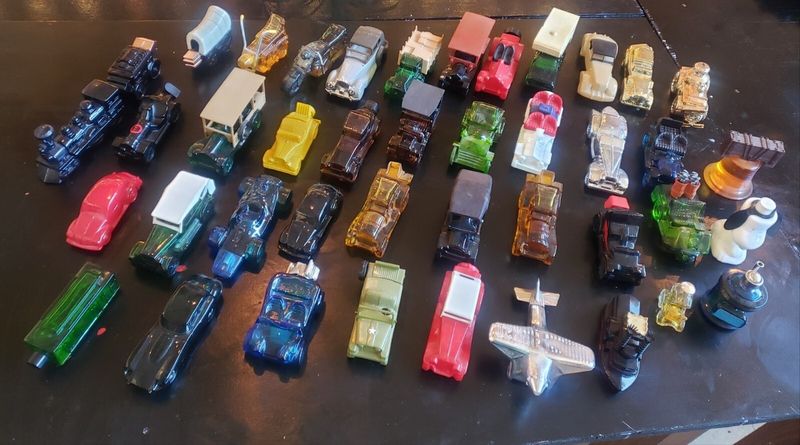
Car-shaped aftershave containers, presidential busts filled with cologne, and bird figurines housing bubble bath – Avon’s novelty packaging created a collecting category all its own. During the 1960s-80s, dedicated collectors eagerly awaited each new release.
Fast forward to today, and virtually no market exists. Most bottles sell for $1-5 regardless of condition or original contents. Entire collections that cost thousands to amass now struggle to find buyers at any price.
12. Mass-Produced Commemorative Coins
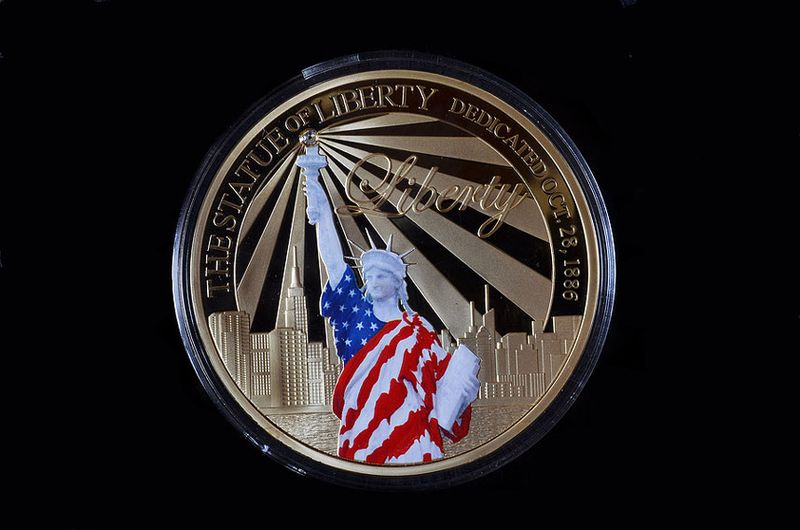
Marketed through late-night TV commercials and newspaper inserts, non-government commemorative coins promised to celebrate historic events while appreciating in value. Gold-plated (not solid gold) and featuring everything from Elvis to Princess Diana, they seemed like accessible collectibles.
Despite impressive packaging and certificates, most contain minimal precious metal. Virtually all sell below their original purchase price, typically fetching only $1-3 each – essentially their melt value. Entire collections now occupy thrift store bargain bins.
13. Franklin Mint Collectibles
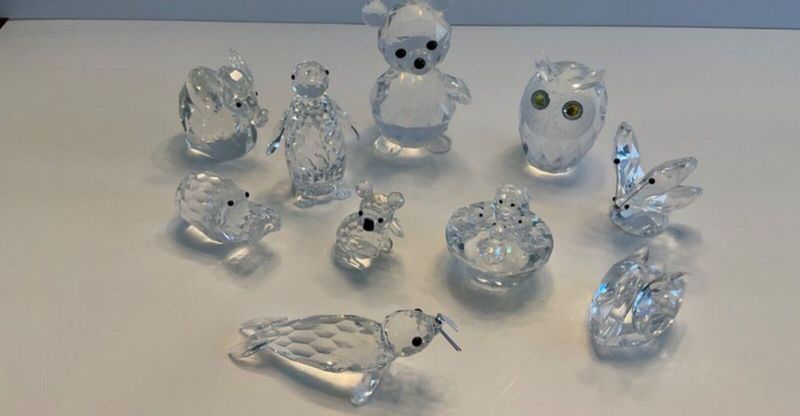
Beyond collector plates, the Franklin Mint produced everything from die-cast cars to porcelain figurines, all marketed as “investment-quality collectibles.” Each came with impressive documentation and promises of limited production.
Reality proved harsh for collectors. Most items now sell for 10-20% of their original purchase price. Die-cast cars that cost $100-200 new typically fetch $20-30 today. Figurines, dolls, and other items fare even worse, with many practically giving them away at estate sales.
14. Old Encyclopedias
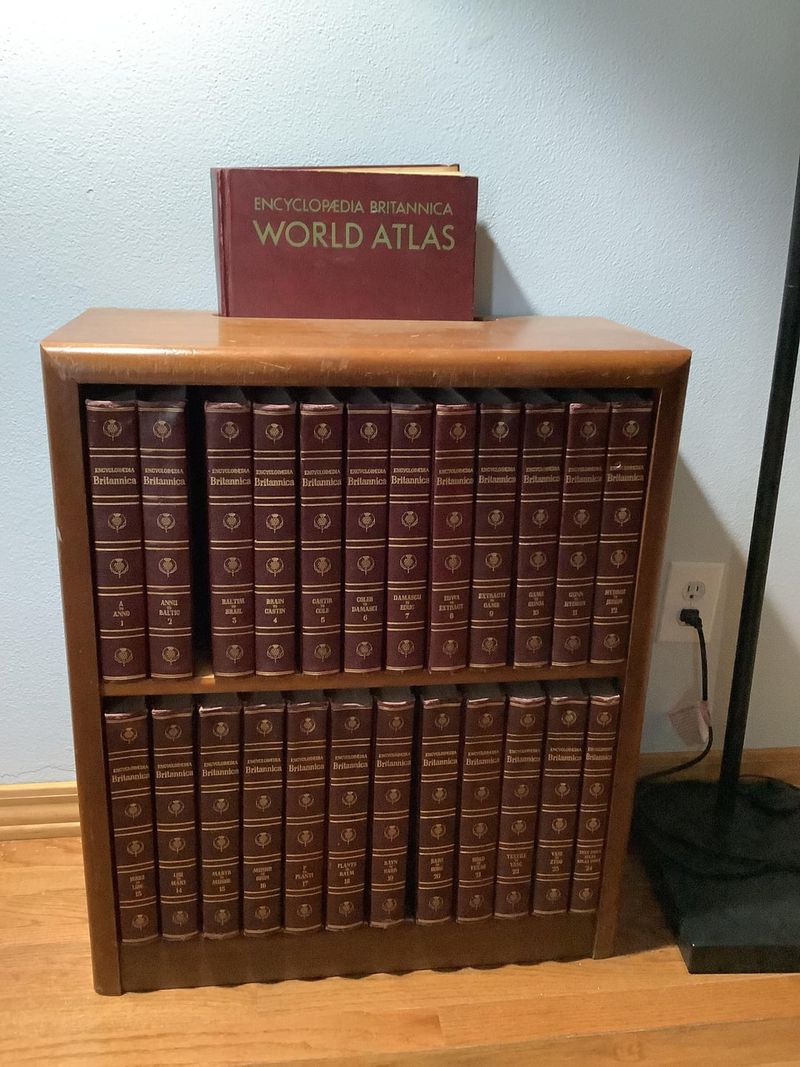
Family investments costing hundreds or even thousands of dollars, encyclopedia sets once occupied places of honor in home libraries. World Book, Encyclopedia Britannica, and other complete sets represented both knowledge and status.
Digital information has rendered these volumes completely obsolete. Most sets have zero resale value today, with many thrift stores refusing to accept them as donations. Even decorative leather-bound sets from the 1800s struggle to find buyers at nominal prices.
15. Norman Rockwell Memorabilia
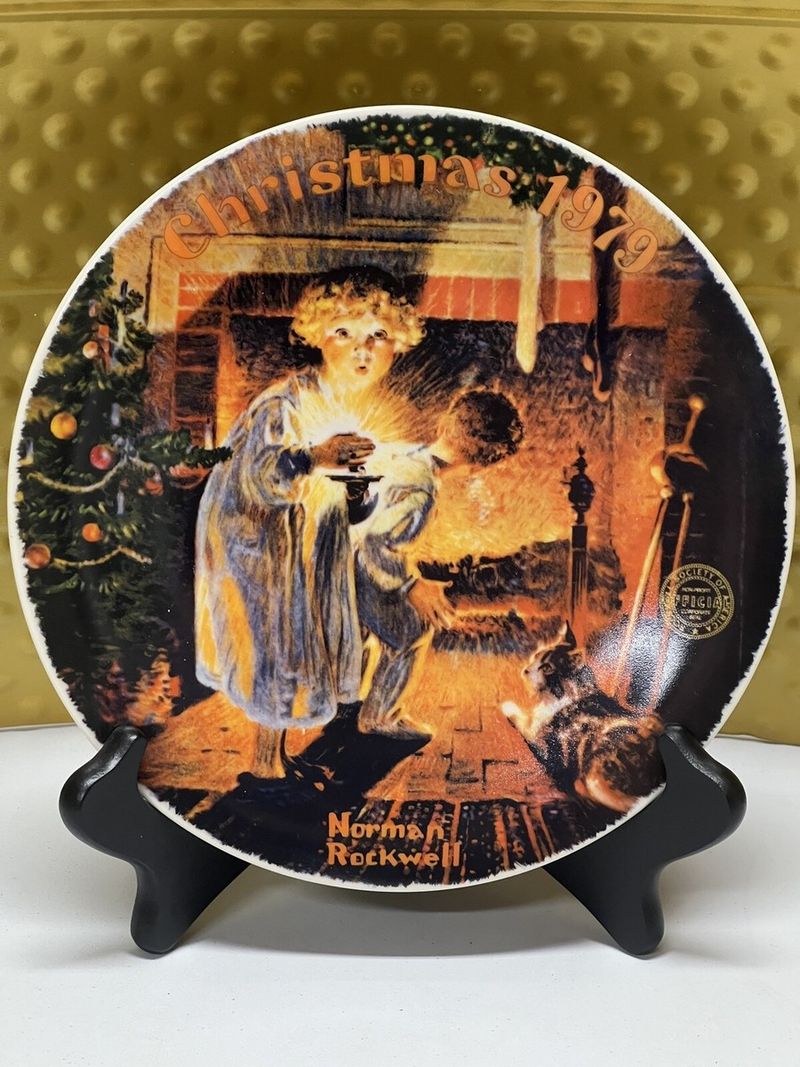
Celebrating idealized American life, Norman Rockwell’s artwork spawned countless collectibles – from plates and figurines to prints and Christmas ornaments. His nostalgic scenes resonated particularly with Baby Boomers, creating a robust collecting market.
As Boomers downsize and younger generations show little interest, values have collapsed. Items that sold for $50-100 in the 1980s-90s now typically fetch $5-15. Even signed limited edition prints have seen values drop by 50% or more over the past decade.