17 Ways To Design A Kid-Friendly Homework Station That Boosts Focus
Setting up a special homework area for your kiddo can totally change how they study and improve their school results.
A thoughtfully arranged homework spot cuts down distractions and keeps everything they need close by. Here are seventeen smart tips to design a homework nook that keeps your child engaged and makes learning fun.
1. Use a small desk with built-in storage
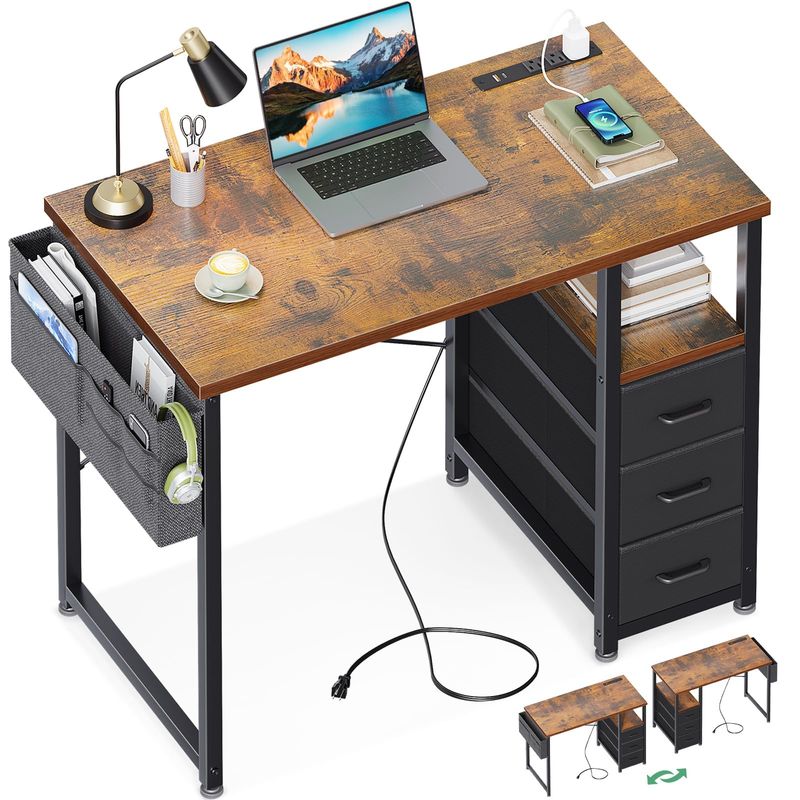
Space-saving is the name of the game when setting up a homework zone in your home. A compact desk with drawers or shelves keeps everything organized without overwhelming your child’s room.
The right-sized furniture makes a world of difference in how your youngster approaches homework time. When supplies have dedicated spots, studying becomes less of a chore!
2. Choose a comfortable, child-sized chair
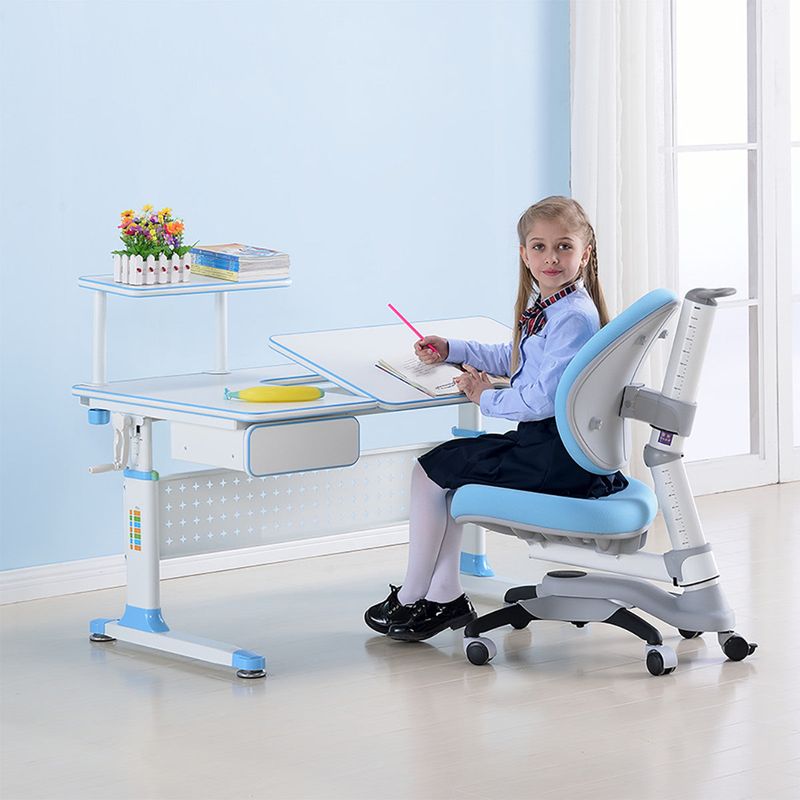
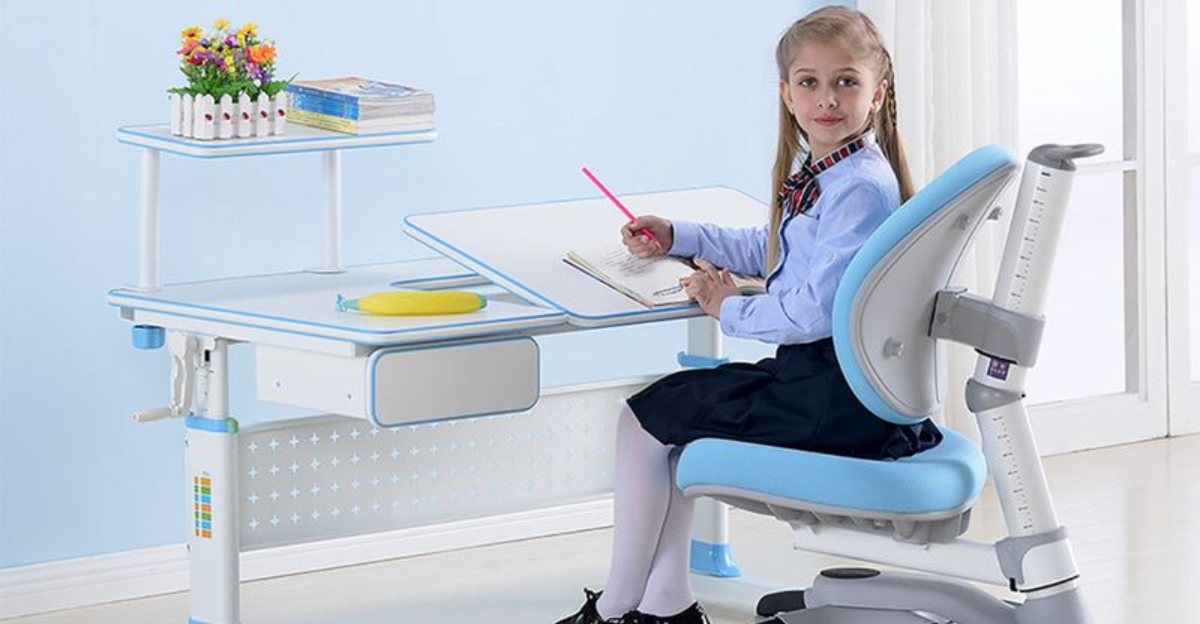
Fidgeting on an uncomfortable chair can derail even the most focused student. Look for seating that allows your child’s feet to rest flat on the floor with their arms at a comfortable height on the desk.
Adjustable options grow with your child, making them a smart investment. Proper posture during homework time prevents physical discomfort that might distract from learning.
3. Add task lighting or a desk lamp
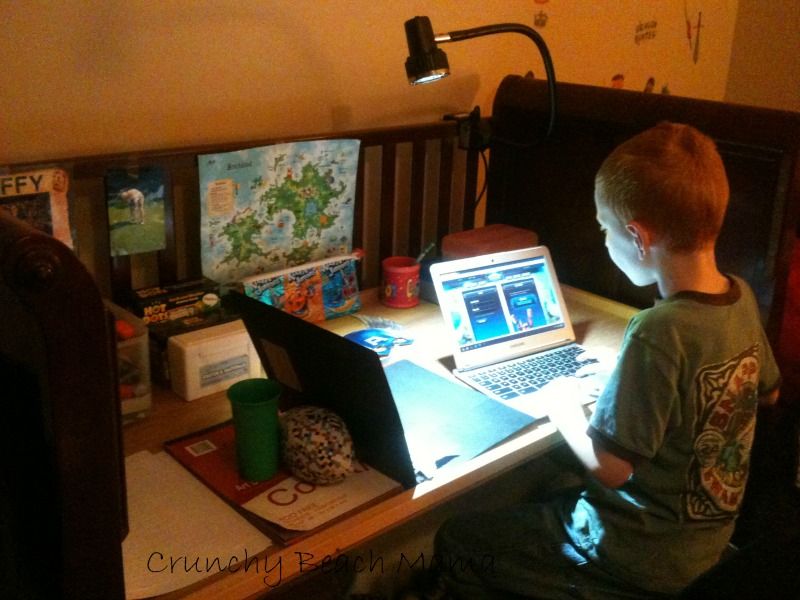
Squinting at homework in dim lighting is a recipe for headaches and frustration. A good desk lamp illuminates work without creating harsh shadows or glare on papers and screens.
Opt for adjustable lighting with warm tones rather than harsh fluorescents. Your child’s eyes will thank you, and they’ll find it easier to focus on detailed tasks like reading and writing.
4. Use bright, non-distracting colors
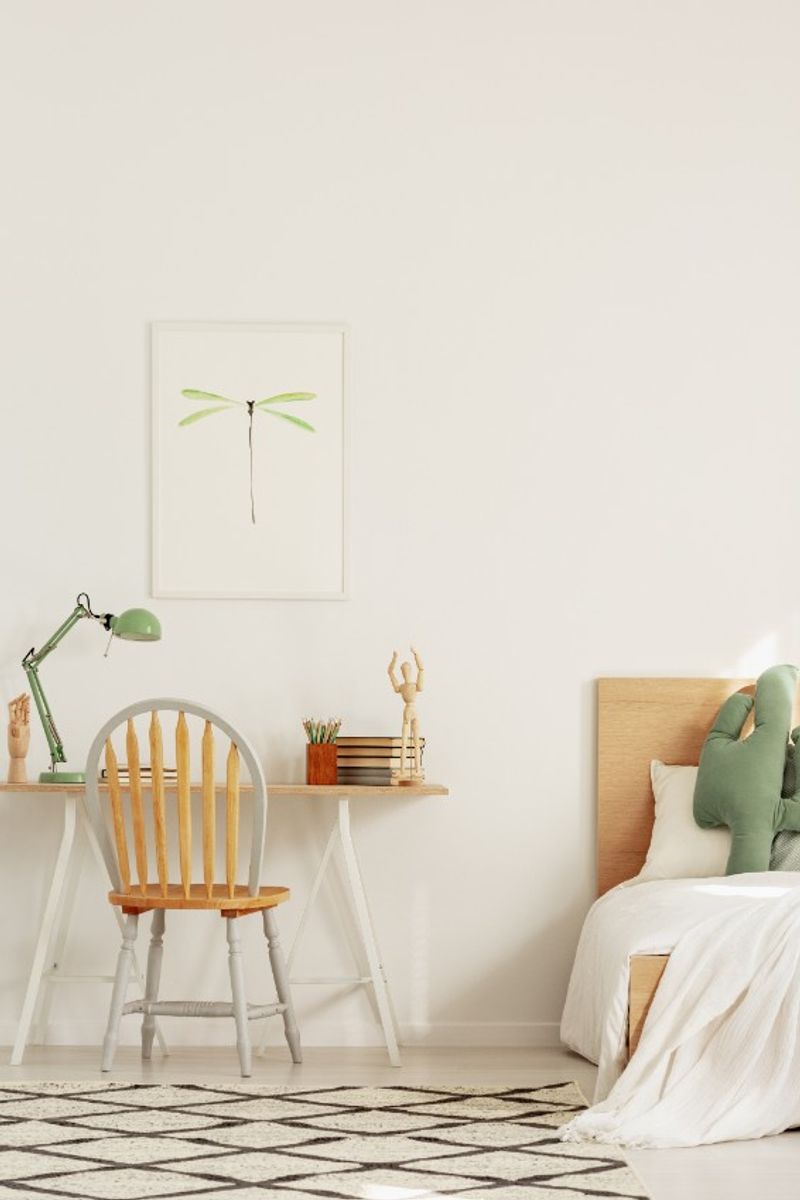
Who says study spaces need to be boring? Cheerful colors like blue, green, or yellow can energize the homework area without overstimulating young minds.
Avoid super-bright reds or patterns that might compete for attention. The goal is to create a space that feels inviting and positive without turning into a visual playground that pulls focus away from schoolwork.
5. Set up in a low-traffic area
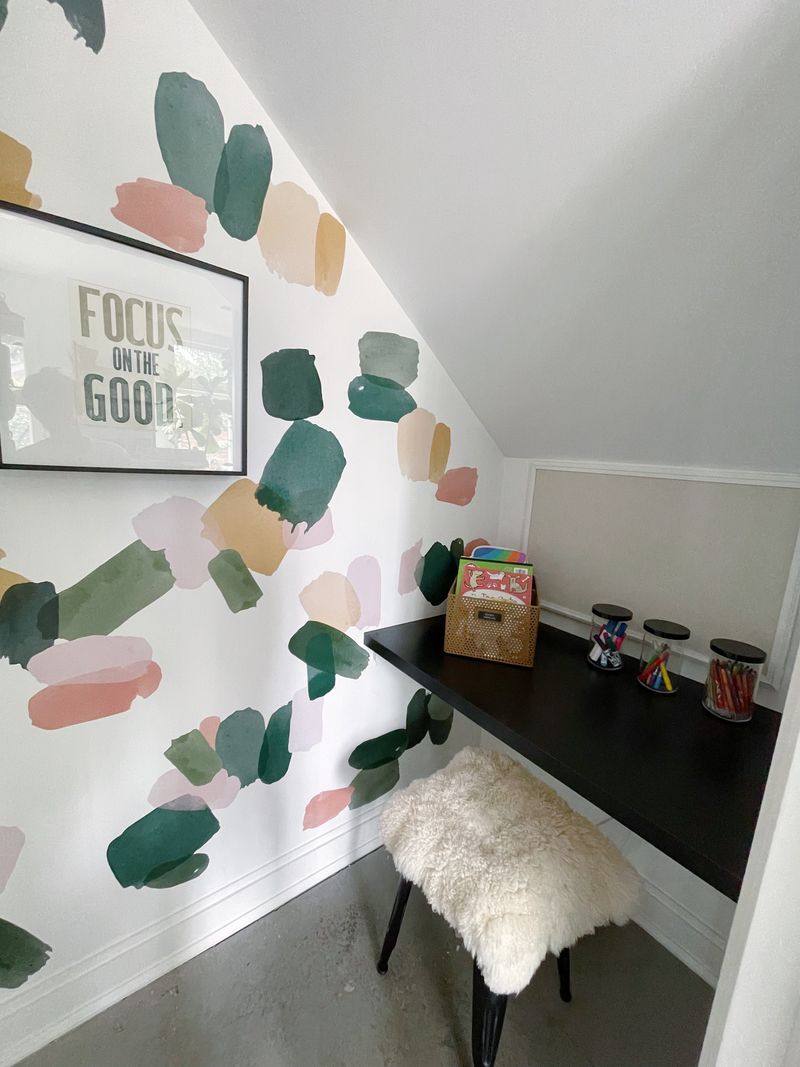
Location matters more than you might think! Finding a quiet corner away from the household hustle prevents constant interruptions during study time.
Consider transforming an unused nook or setting up a screen divider in a larger room. Even a well-positioned bookshelf can create a sense of separation from distracting activities happening elsewhere in your home.
6. Create a no-clutter rule
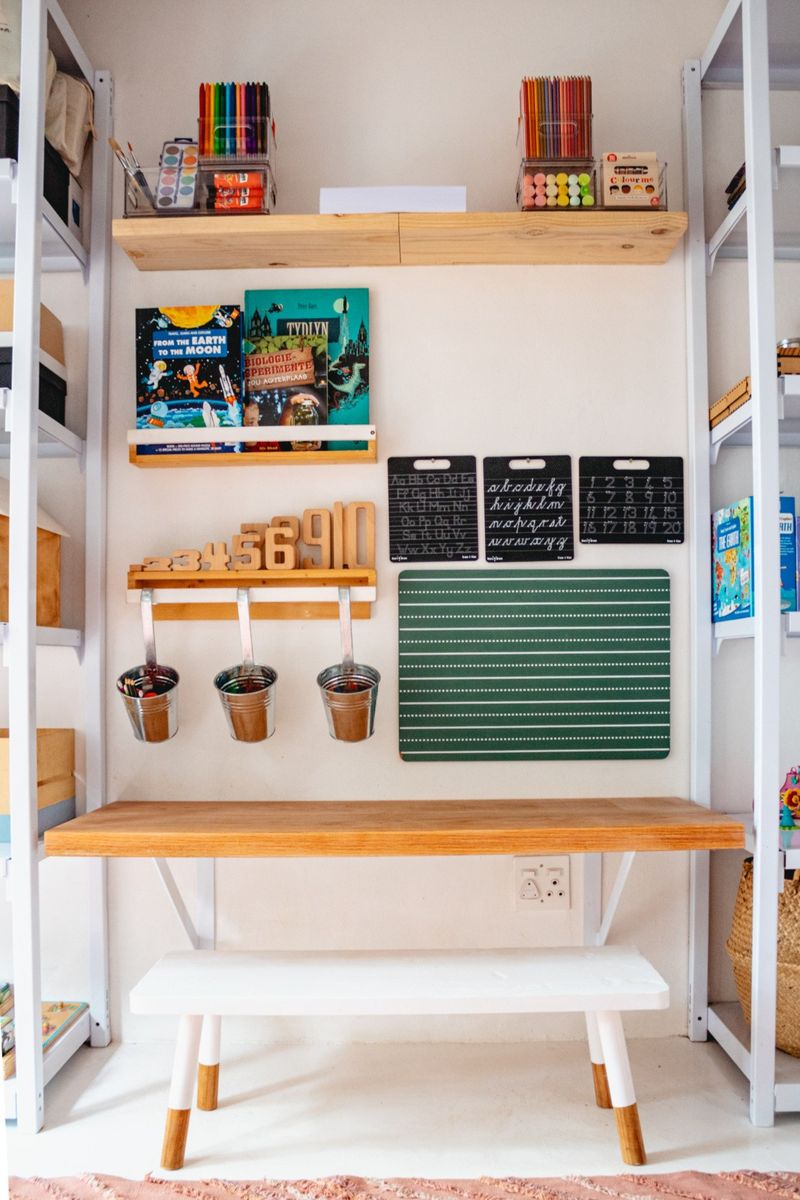
Messy spaces lead to messy thinking. Establishing a simple cleanup routine helps maintain order and teaches valuable organizational skills.
Try the “everything has a home” approach where each item returns to its designated spot after use. When children know exactly where to find and return supplies, homework sessions start more quickly and end with less chaos.
7. Incorporate a whiteboard or corkboard
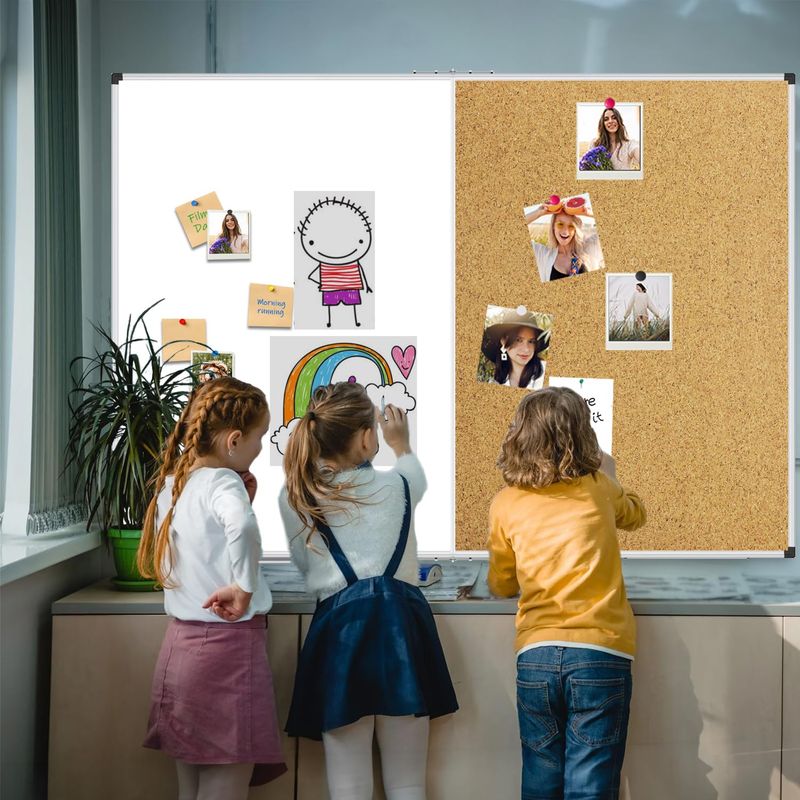
Visual learners thrive when they can see important information displayed prominently. A whiteboard or corkboard creates the perfect spot for assignment deadlines, reminders, and inspiring messages.
Hanging these tools at eye level makes them easy to reference during study sessions. For extra motivation, encourage your child to write goals or track completed assignments in a visible spot.
8. Include a timer or clock for time management
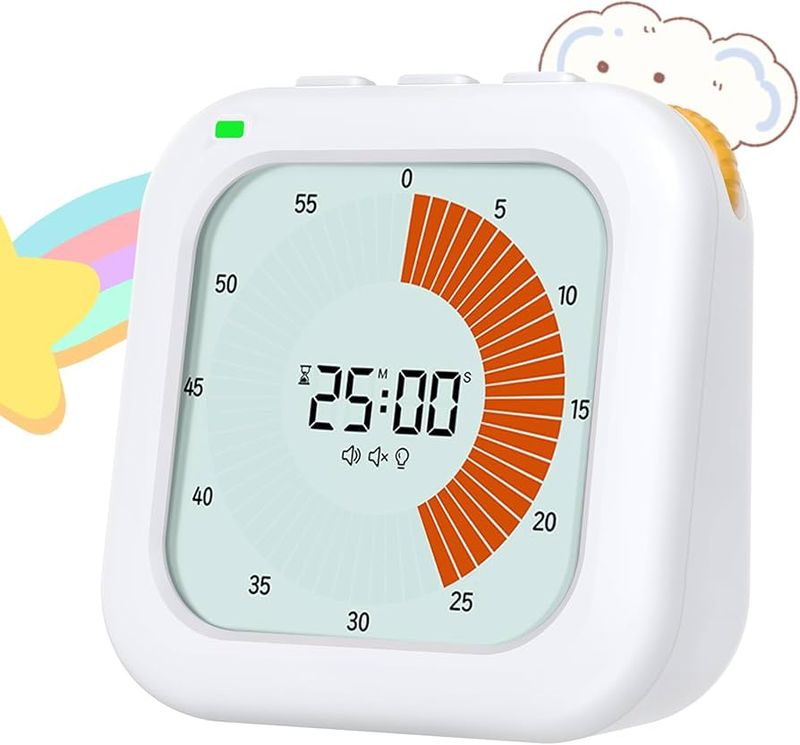
Time awareness transforms how kids approach homework. A visible clock or timer helps children learn to budget their study minutes and take appropriate breaks.
Fun timers shaped like animals or favorite characters make the concept less intimidating. Try the Pomodoro technique with younger students – 20 minutes of focus followed by a 5-minute break can work wonders for productivity.
9. Personalize the space with their name or art
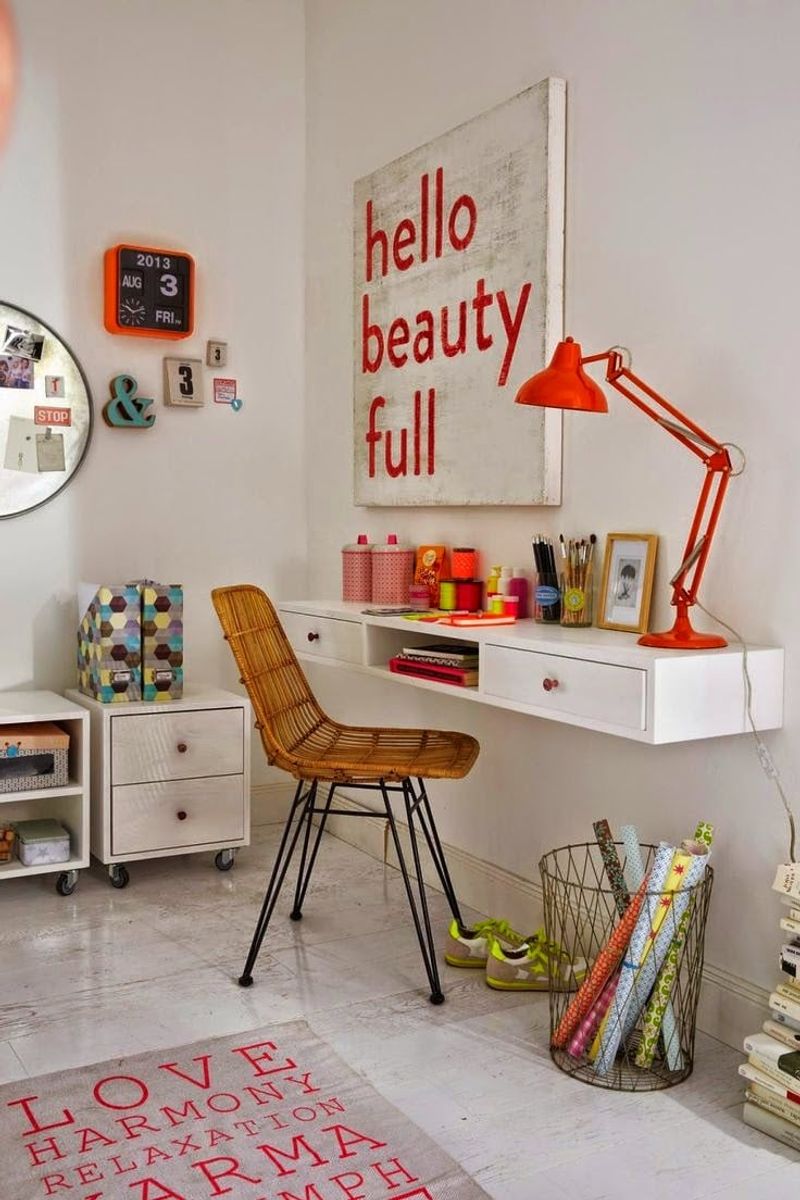
When children help design their study space, they feel more connected to it and responsible for using it well.
Hang their artwork, add a nameplate, or incorporate favorite colors into the décor. These personal touches transform a boring homework station into “their special place” where learning happens – a psychological boost that shouldn’t be underestimated!
10. Use bins or drawers for school supplies
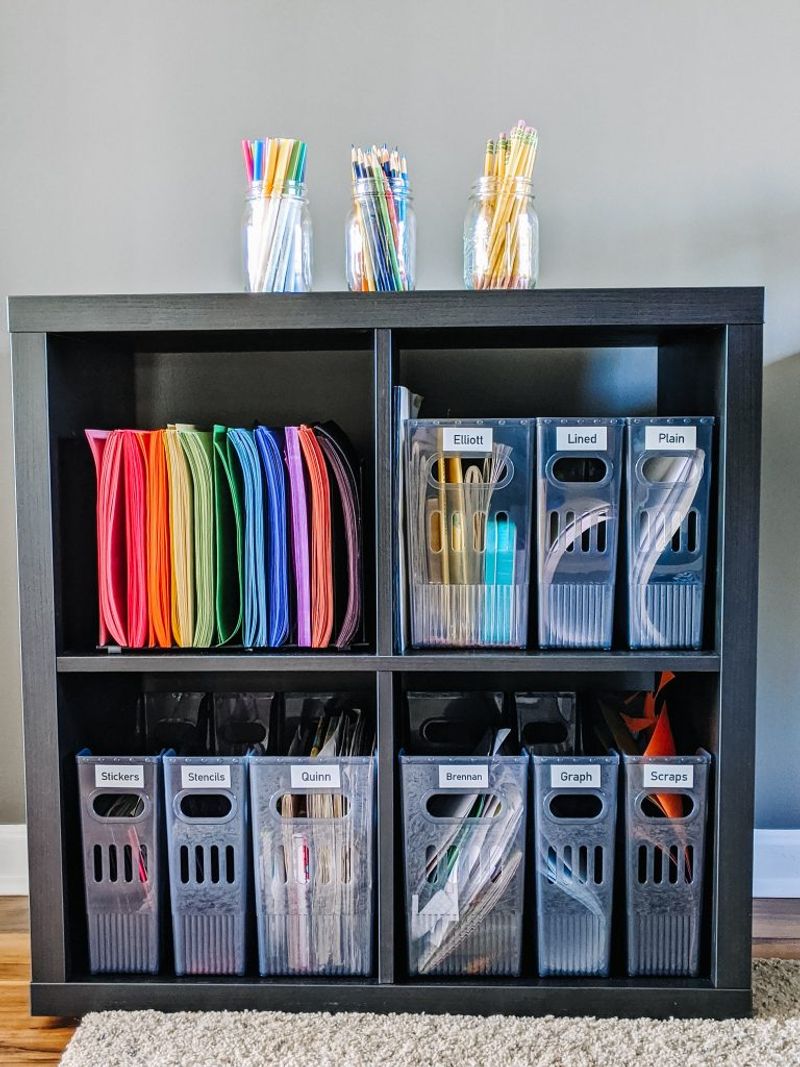
Nothing disrupts focus faster than hunting for a missing pencil or eraser. Clear containers make supply management simple – even for younger students who are just learning organizational skills.
Color-coding different subjects or activities adds another layer of structure. When everything from markers to math manipulatives has a designated home, homework transitions become smoother and less stressful.
11. Keep electronics out of reach (unless needed)
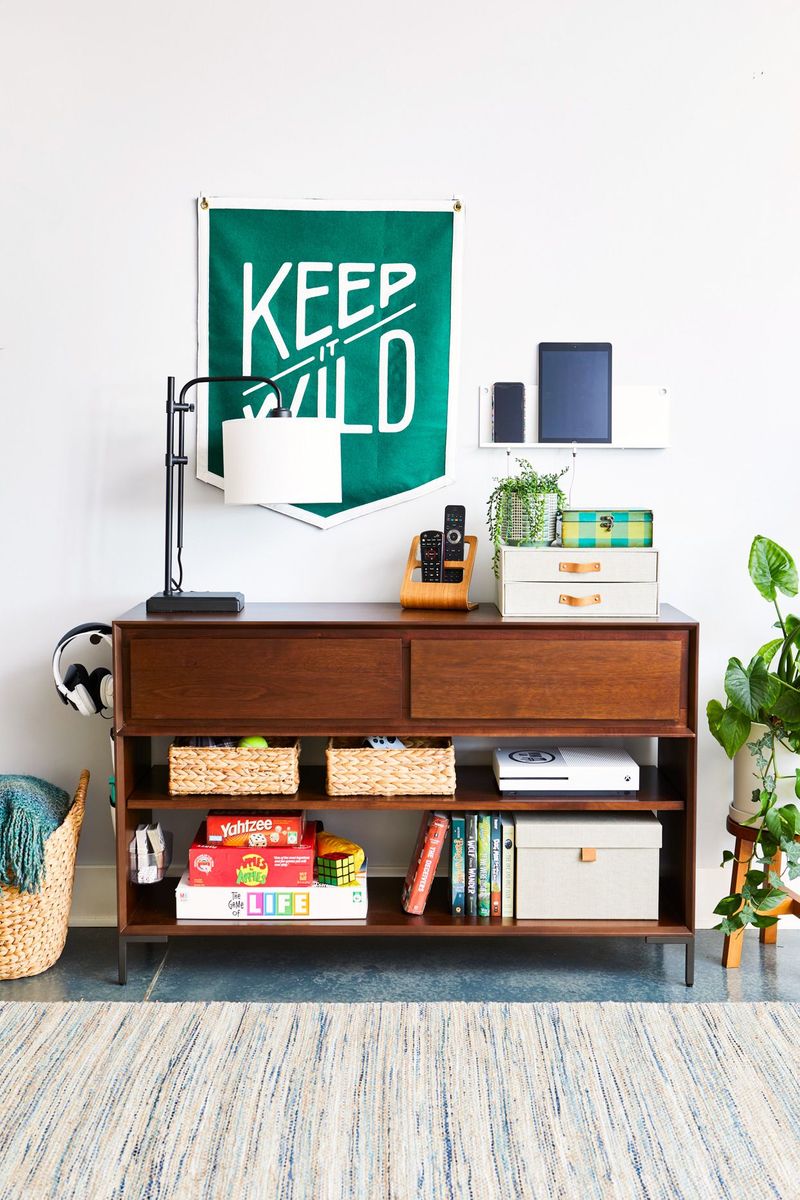
Creating physical distance between these tempting devices and your child’s workspace eliminates their biggest distraction.
If tech is required for assignments, consider using parental controls or focus apps. A designated “device basket” placed away from the homework area provides a visual reminder that study time is separate from screen time.
12. Provide noise-canceling headphones if needed

Some young minds concentrate best in complete silence. Quality headphones create a sound bubble that blocks household noises and helps sensitive students stay on task.
For others, gentle background music enhances focus rather than disrupting it. Having both options available allows your child to discover what works best for their unique learning style and adjust based on the type of homework.
13. Add a soft rug or mat underfoot
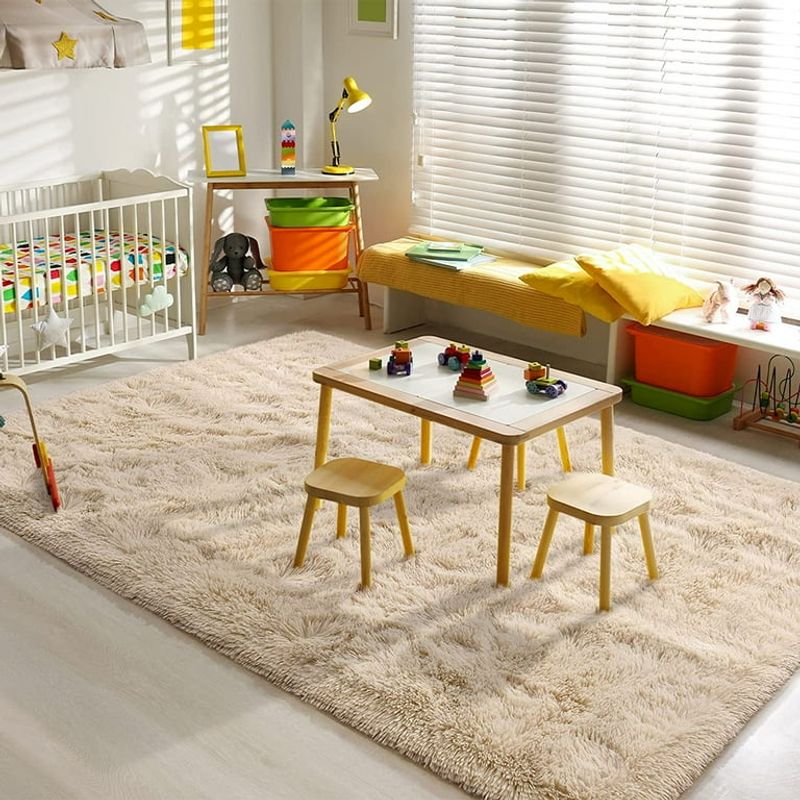
A plush rug creates a defined homework zone while making the space more inviting and comfortable for wiggly young bodies.
The tactile sensation can be especially helpful for kinesthetic learners who process information better when their bodies feel comfortable. As a bonus, rugs add color and warmth while dampening sound in hard-floored rooms.
14. Rotate motivational quotes or posters
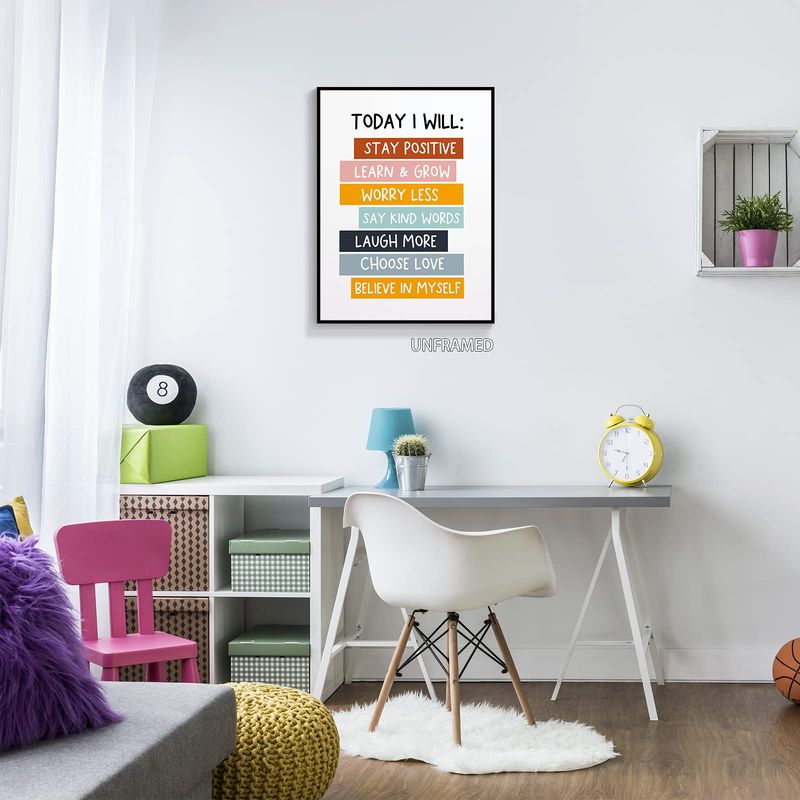
Switching up wall decorations prevents them from fading into the background where they lose their motivational power.
Involve your child in selecting quotes that resonate with them personally. Whether it’s “Mistakes help me learn!” or “I can do hard things,” these visual reminders reinforce a growth mindset during challenging assignments.
15. Use vertical space with shelves or wall organizers
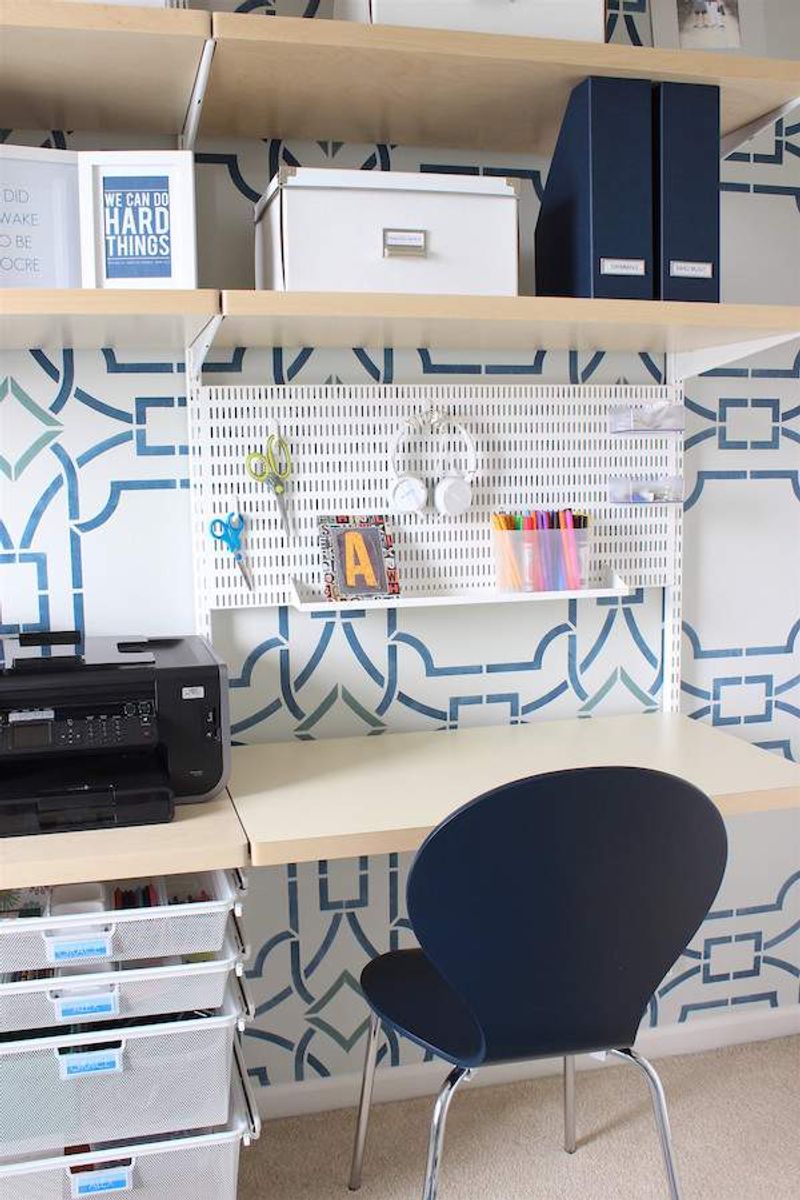
Why limit storage to just the desktop? Walls offer prime real estate for keeping supplies visible yet uncluttered. Floating shelves, pegboards, or hanging organizers maximize every inch of a small homework area.
Arranging frequently used items at eye level makes them easy to grab. Reserve higher shelves for occasional supplies or seasonal projects to maintain an efficient workflow during daily homework sessions.
16. Keep a water bottle nearby
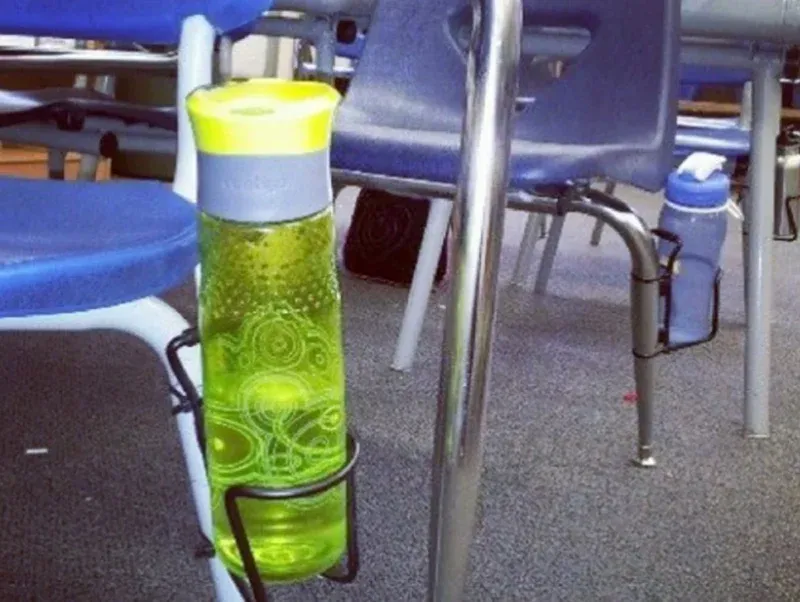
A dedicated spot for a water bottle encourages regular sipping without creating spill hazards near papers and electronics.
Many children forget to drink when they’re focused on challenging work. Having water within arm’s reach makes staying hydrated effortless and prevents unnecessary trips to the kitchen that can derail concentration during homework time.
17. Reassess the setup regularly as they grow
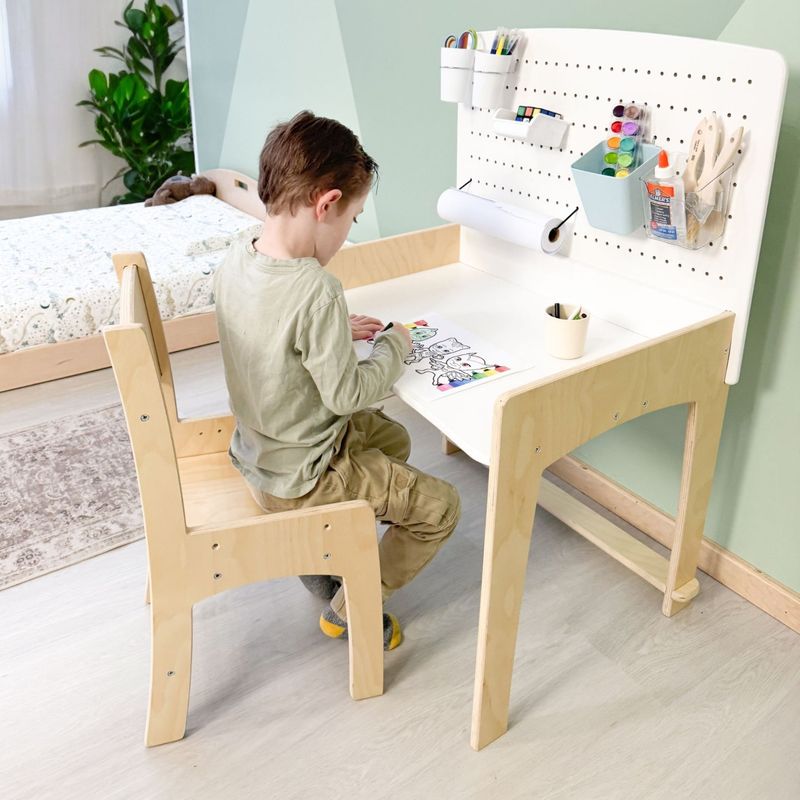
Yesterday’s perfect workspace might not meet tomorrow’s needs! Schedule seasonal check-ins to evaluate if the homework station still fits your growing student’s changing requirements.
What worked for arithmetic worksheets might need adjustments for middle school science projects. Involving your child in these periodic reviews teaches valuable skills in recognizing and adapting their environment to support their evolving academic journey.