15 Home Trends That Will Devalue Properties By 2025 And 5 That Already Did
Looking to maintain your home’s value? Some design choices that seem stylish today might actually hurt your property’s worth tomorrow.
Real estate experts are warning about specific trends that could significantly decrease home values by 2025, while others have already proven to be financial pitfalls for homeowners.
1. Open Shelving in Kitchens
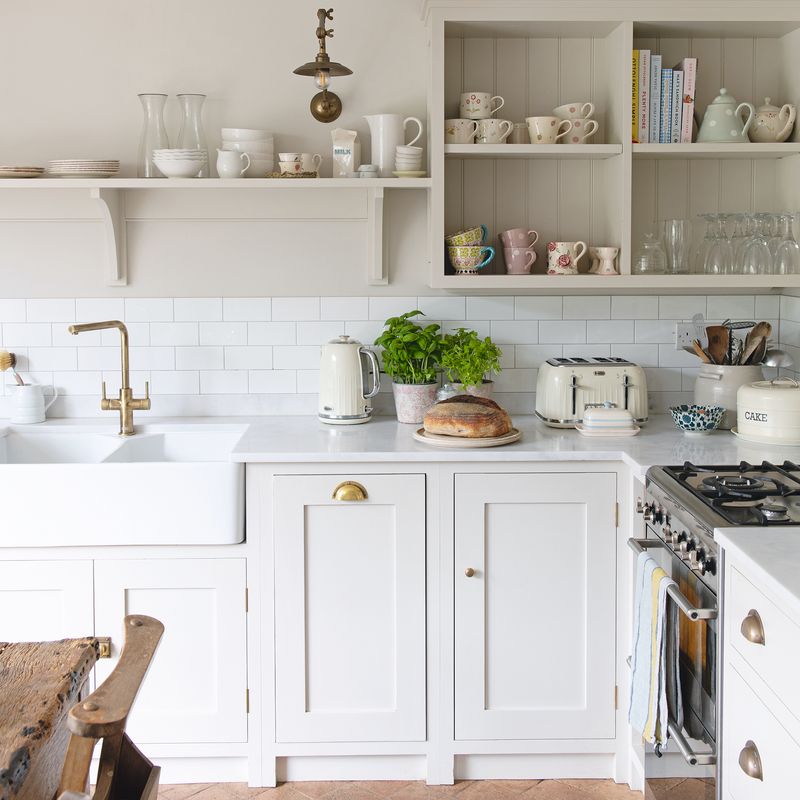
Dust collectors extraordinaire! While Instagram makes open shelving look effortlessly chic, the reality involves constant cleaning and perfect organization. Potential buyers see maintenance headaches rather than charm.
Most families prefer hiding their mismatched mugs and everyday clutter behind cabinet doors, making this trend a future turnoff for home shoppers.
2. Oversized Spa Tubs
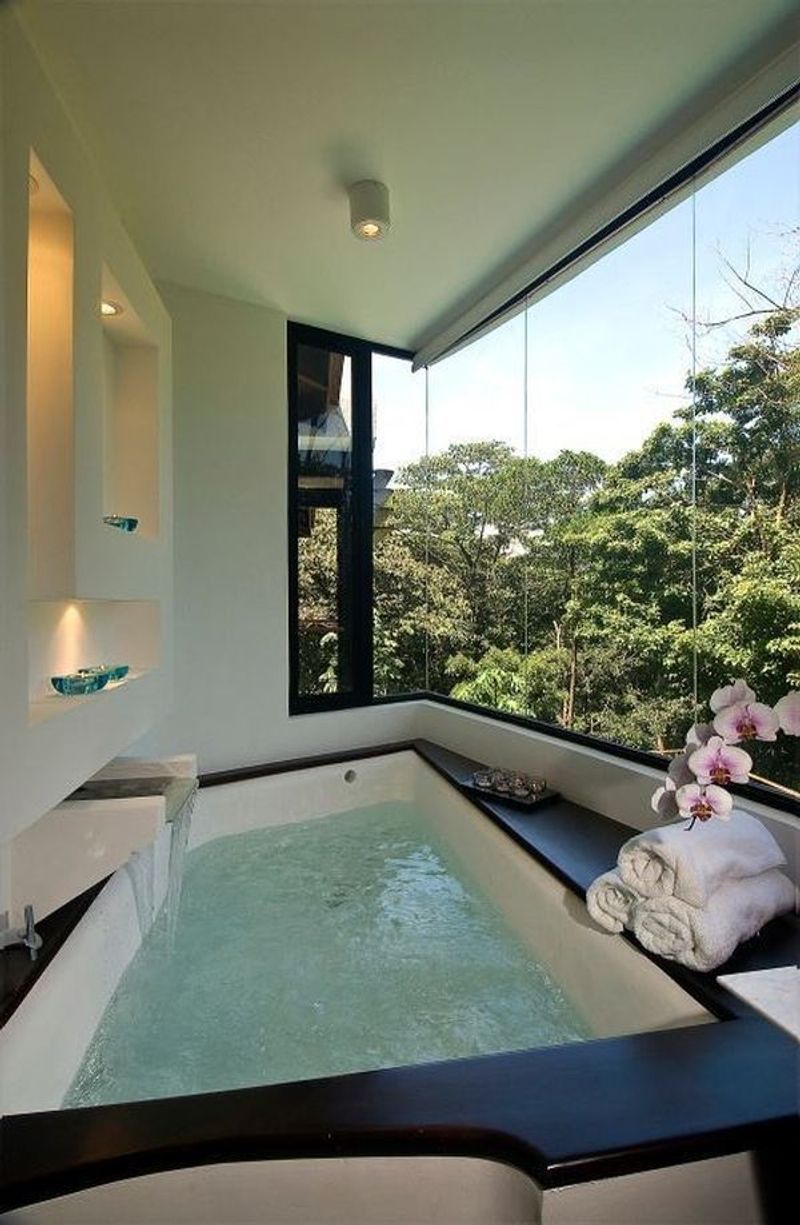
Remember when massive jetted tubs were the ultimate luxury? Fast forward to today, where water conservation matters and quick showers rule. Gigantic tubs waste space, use excessive water, and rarely get used enough to justify their existence.
Buyers increasingly view them as dated energy-guzzlers that will need expensive removal rather than relaxing retreats.
3. All-White Interiors
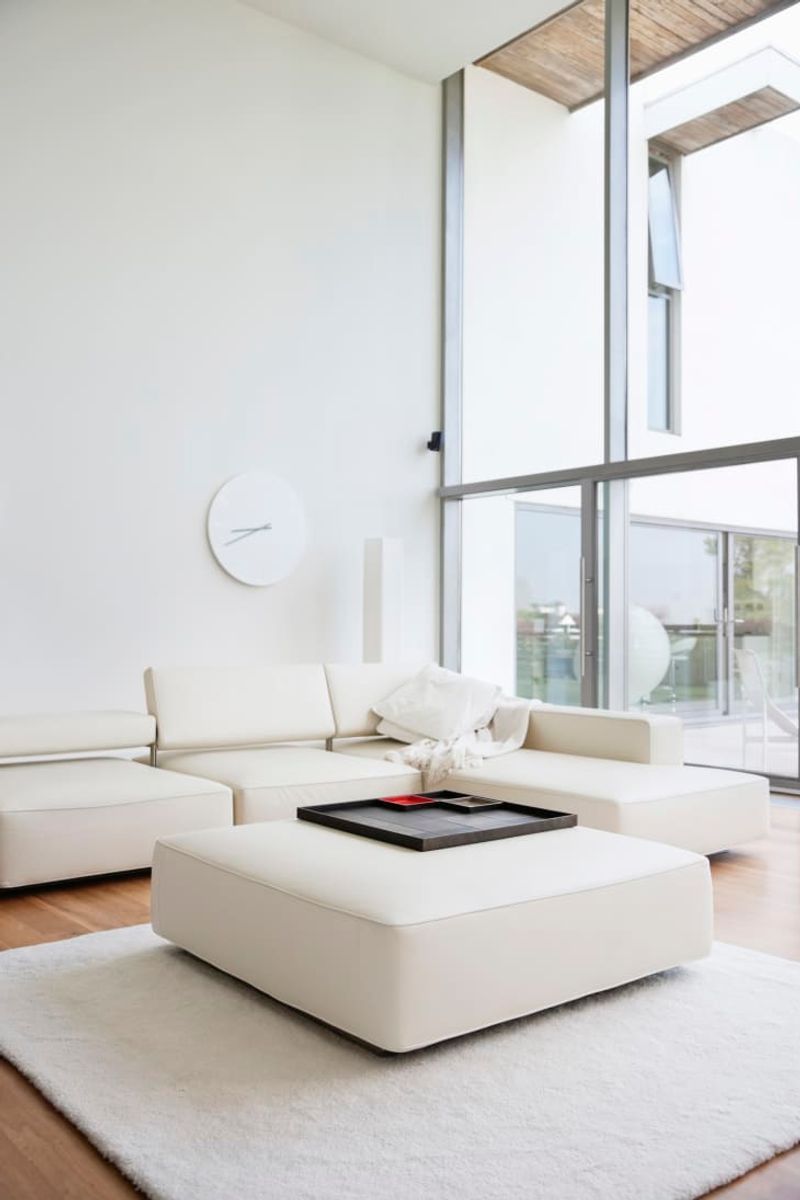
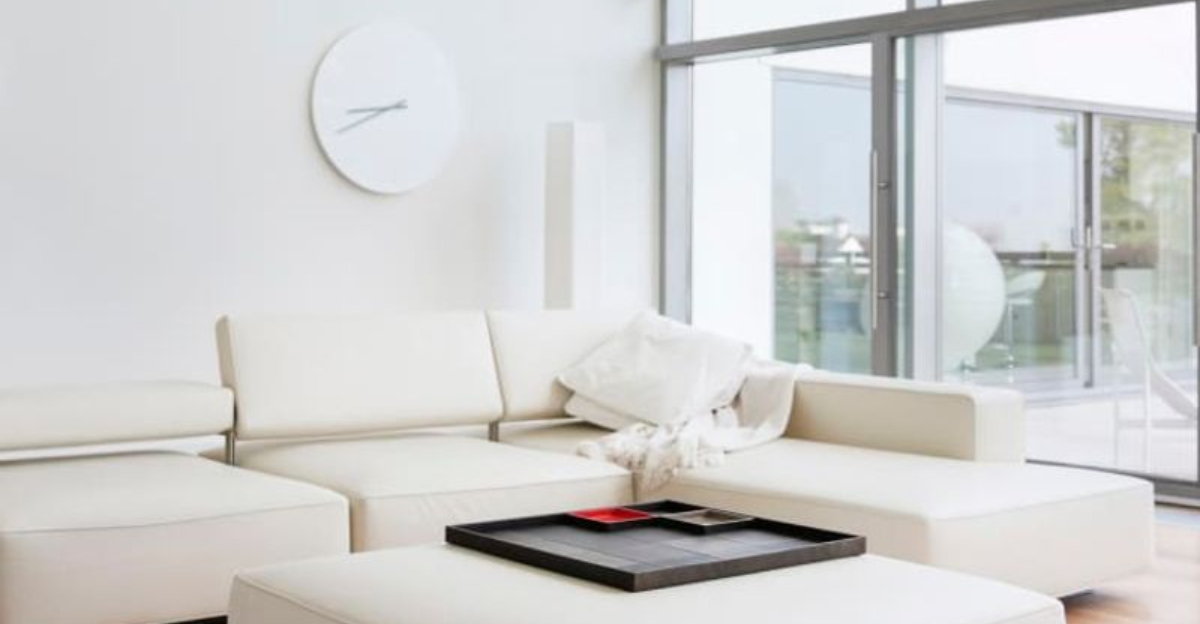
Stark white everything might photograph beautifully, but living in a clinical space has lost its appeal. Families with kids or pets immediately see maintenance nightmares. Stains show instantly on white surfaces, requiring constant upkeep.
By 2025, buyers will likely view all-white as a sterile, impractical design choice rather than the clean, sophisticated look it once represented.
4. Sliding Barn Doors
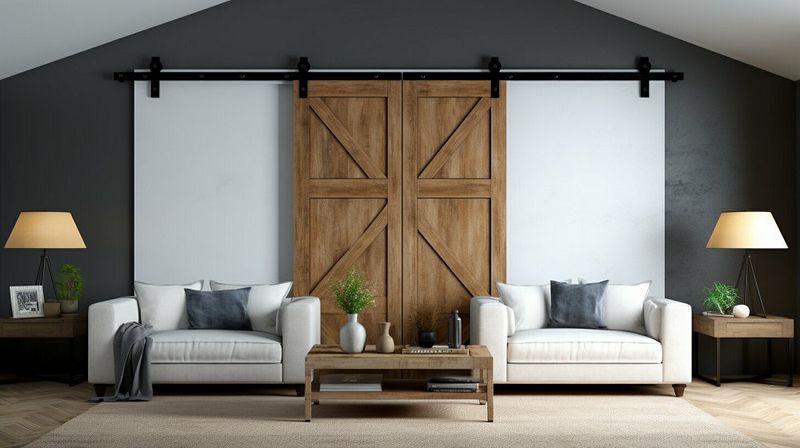
Once the darling of farmhouse chic, sliding barn doors are quickly sliding out of favor. Privacy issues plague these statement pieces – they never fully seal a room and often leave gaps. Sound travels easily around them, making them particularly problematic for bathrooms or home offices.
As farmhouse style fades, these chunky door alternatives will become renovation targets rather than selling points.
5. Faux Shiplap Walls
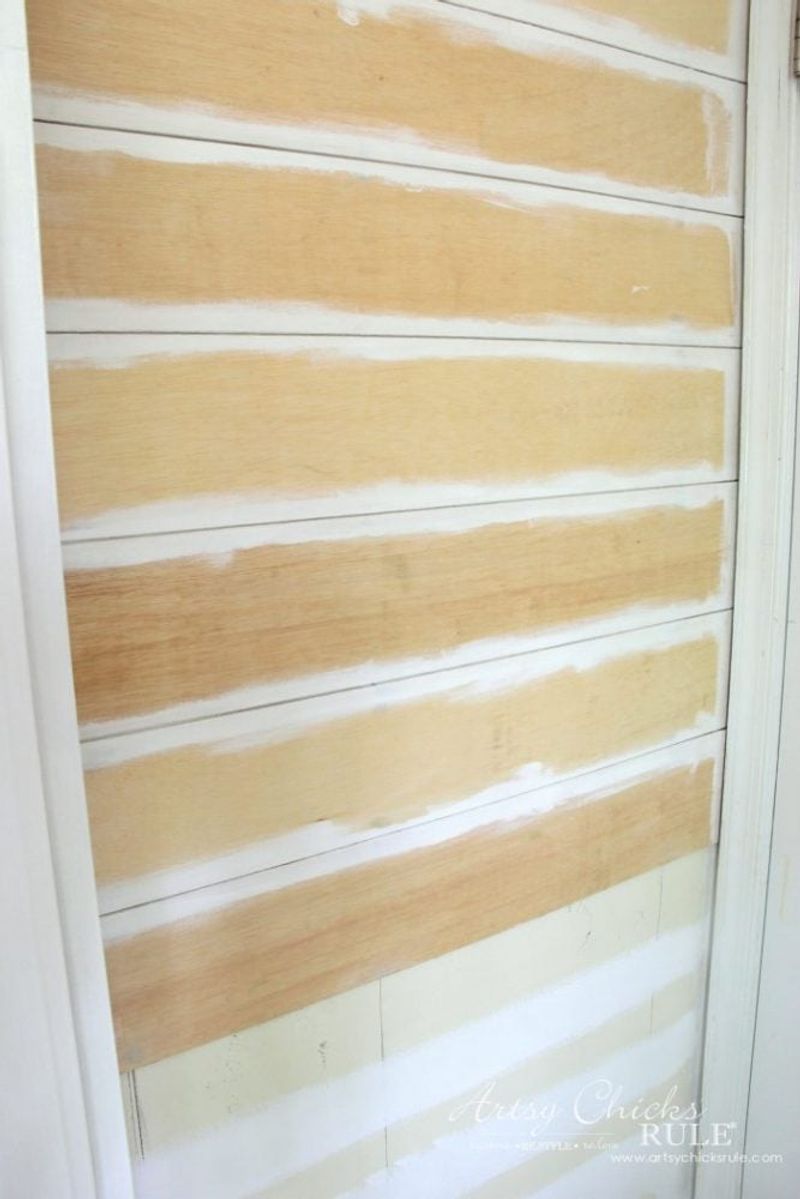
Quick-install peel-and-stick panels might seem like genius DIY solutions now. Unfortunately, they often look exactly like what they are – cheap imitations of the real thing.
Poorly installed faux shiplap warps, peels at the edges, and collects dust in the grooves. This shortcut design trend will scream “amateur renovation” to savvy homebuyers looking for quality craftsmanship.
6. Wall-to-Wall Carpeting
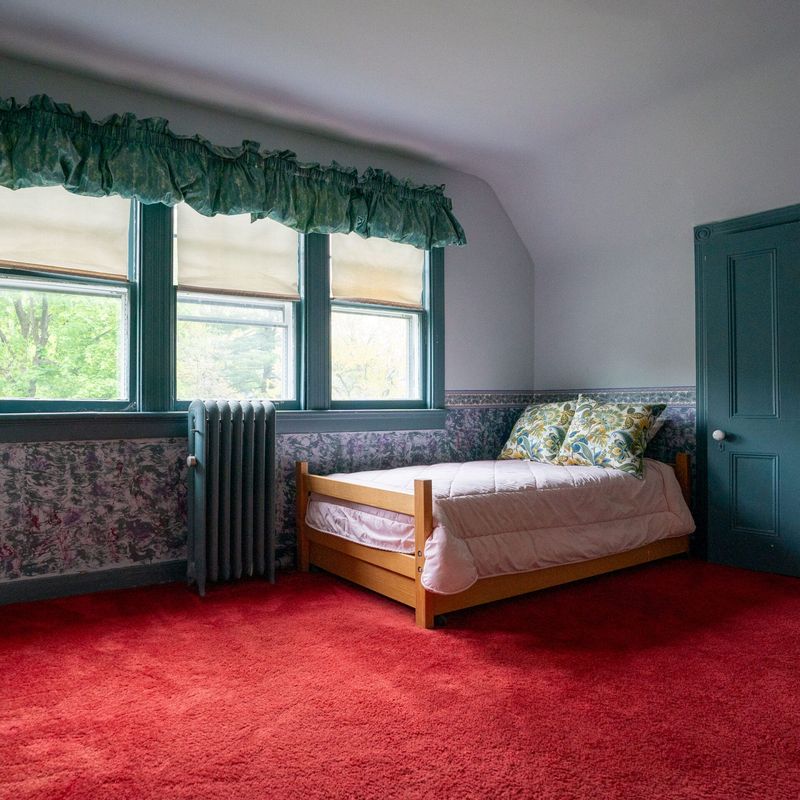
Soft underfoot but harsh on property values! Wall-to-wall carpeting traps allergens, absorbs spills, and holds onto odors like nothing else. Young homebuyers increasingly prefer hard surface flooring for its durability and cleanliness.
Even high-quality carpeting has a relatively short lifespan compared to hardwood or tile, making it a liability rather than an asset in future real estate transactions.
7. High-Maintenance Landscaping
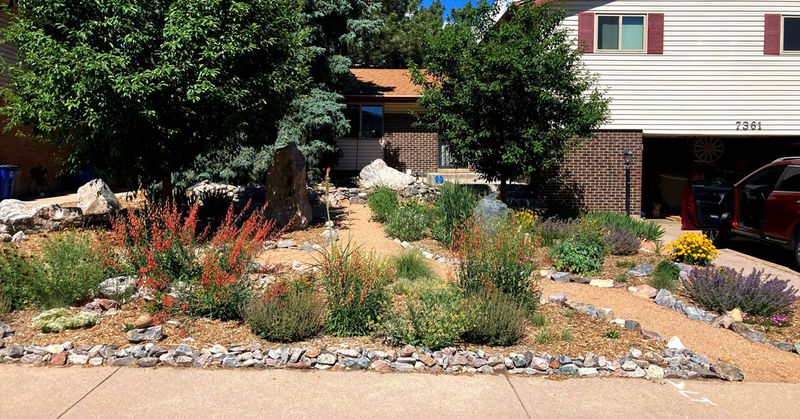
Lush English gardens and perfectly manicured hedges might win neighborhood awards today. In drought-prone regions, however, water-hungry landscapes are rapidly losing appeal. Climate-conscious buyers increasingly seek xeriscaping and native plantings that require minimal resources.
Properties featuring thirsty plants and complex garden designs will face scrutiny from environmentally aware purchasers wanting sustainable, low-maintenance outdoor spaces.
8. Overly Themed Decor
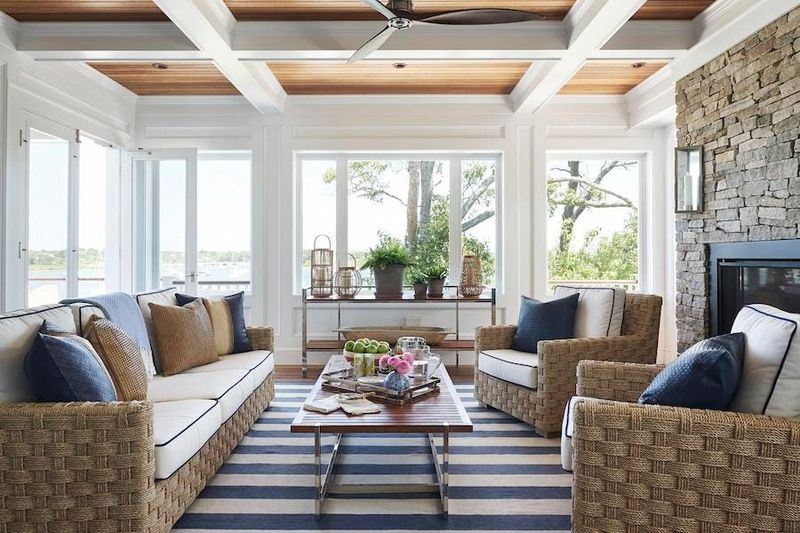
Going all-in on beach themes, rustic lodge vibes, or ultra-modern minimalism limits buyer appeal. Heavily themed spaces force potential purchasers to mentally redecorate before they can envision themselves living there.
Coastal shells embedded in bathroom tiles or cabin-style everything throughout a suburban home creates immediate renovation calculations in buyers’ minds. Neutral foundations with personality accents will always maintain broader market appeal.
9. Industrial-Style Lighting
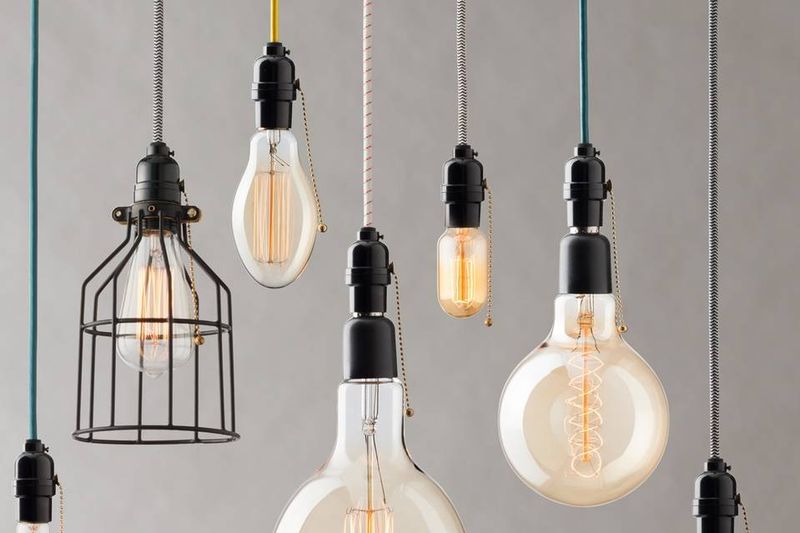
Edison bulbs and exposed pipe fixtures enjoyed their moment in the spotlight. Harsh, insufficient lighting from trendy industrial fixtures has grown tiresome even for design enthusiasts. Function matters in home lighting.
Modern buyers prioritize energy efficiency and adequate illumination over style statements. By 2025, those metal cage pendants and visible filament bulbs will date a home as firmly as 1980s brass chandeliers do today.
10. Dark Painted Ceilings
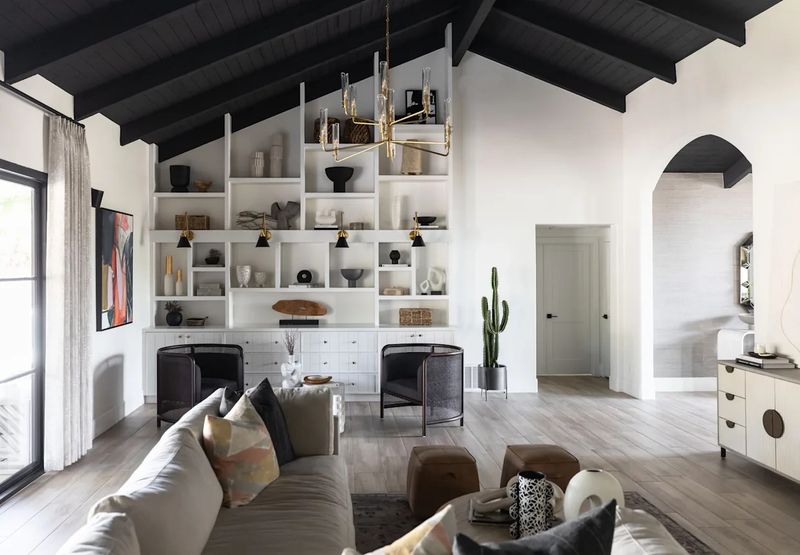
Bold designers love dramatic black or navy ceilings, but mainstream homebuyers often see only cramped, cave-like spaces. Dark overhead surfaces visually lower ceiling height and make rooms feel smaller. What feels cozy and intimate to some reads as claustrophobic to others.
As open, airy spaces continue gaining popularity, houses with dark ceilings will likely face longer market times and price reductions to compensate for this polarizing design choice.
11. Too Many Smart Home Gadgets

Voice-activated everything sounds futuristic until the systems become obsolete or incompatible. Homeowners currently installing proprietary smart systems may face rude awakenings in a few months from now. Outdated technology quickly becomes frustrating rather than convenient.
Buyers often prefer simple, standardized systems they can easily understand and upgrade. Overloaded smart homes with complex setups can actually deter tech-wary purchasers who fear maintenance headaches.
12. High-Gloss Finishes
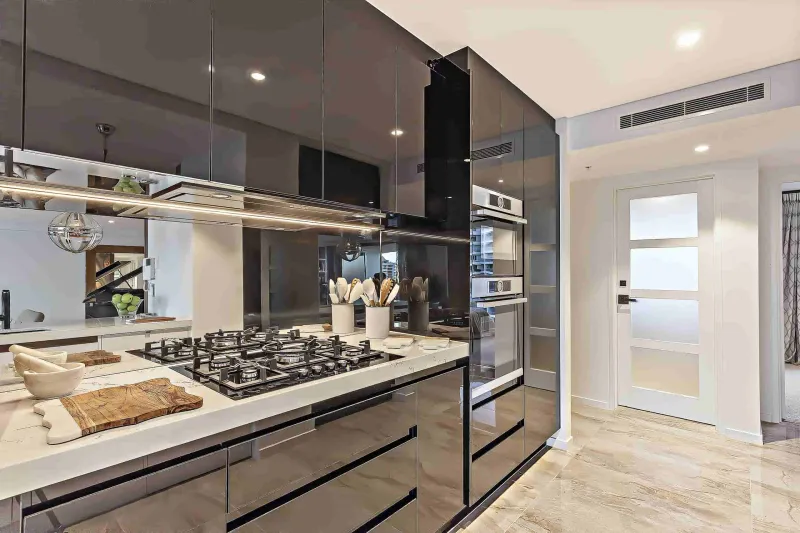
Gleaming cabinets and super-shiny floors might look impressive in showrooms but quickly reveal every fingerprint, scratch, and speck of dust in real life. Practical homeowners have learned that high-gloss surfaces require constant maintenance to look good.
Matte and satin finishes are gaining popularity for their forgiving nature. In 2025, glossy surfaces will likely signal high-maintenance spaces rather than luxury to potential buyers.
13. Mixed Metal Overload
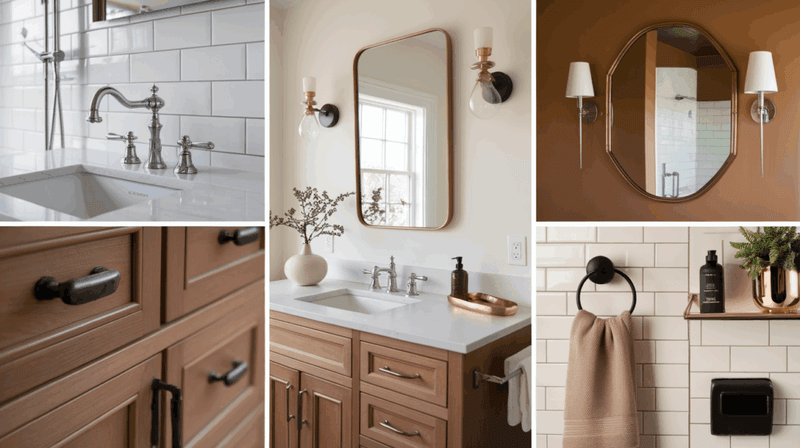
Mixing gold, silver, copper and bronze might showcase design confidence today but risks creating visual chaos. When every fixture, handle, and accent features a different metallic finish, spaces feel disjointed rather than curated.
Future buyers will likely prefer more cohesive metal schemes. Properties with excessive metal mixing may appear dated, with potential purchasers calculating the cost of creating more harmonious interiors.
14. Bold Patterned Tiles
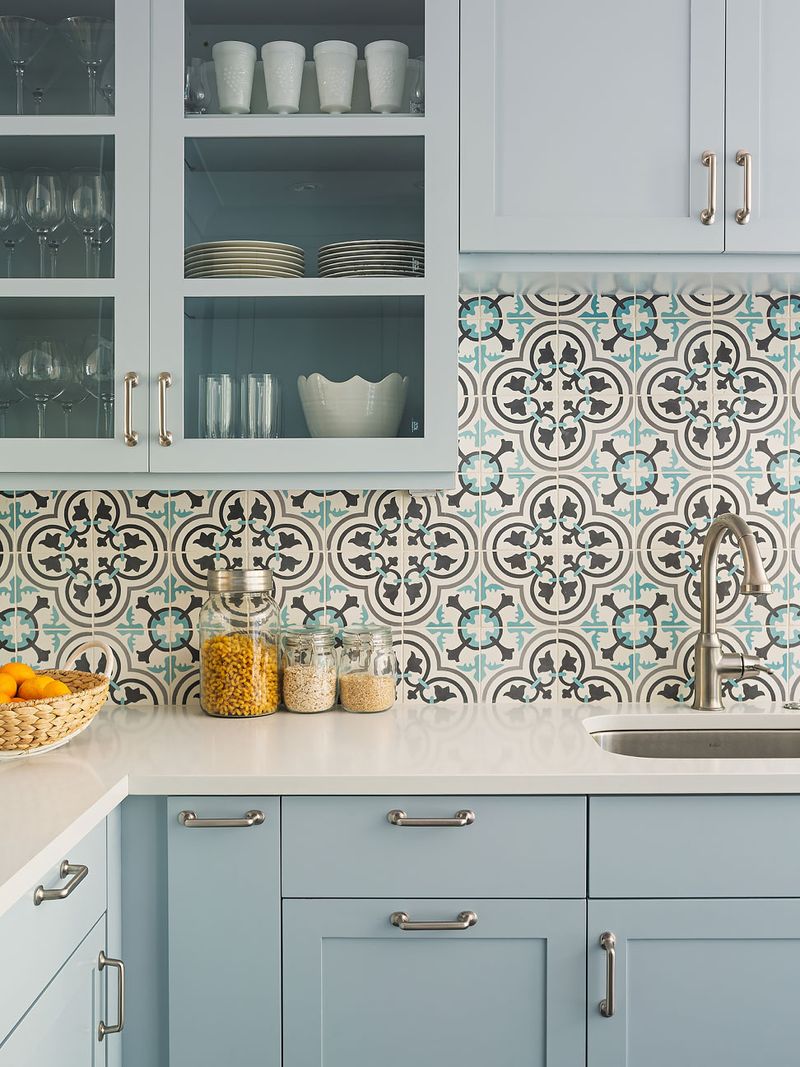
Moroccan-inspired cement tiles and geometric patterns make powerful statements in kitchens and bathrooms. Unfortunately, bold permanent fixtures quickly transition from trendy to tiresome. Busy patterns that dominate spaces become visual fatigue points over time.
Soon enough, homes featuring dramatic tile installations will likely face pushback from buyers who see expensive renovation projects rather than charming character in these difficult-to-change design elements.
15. Over-customized Home Offices
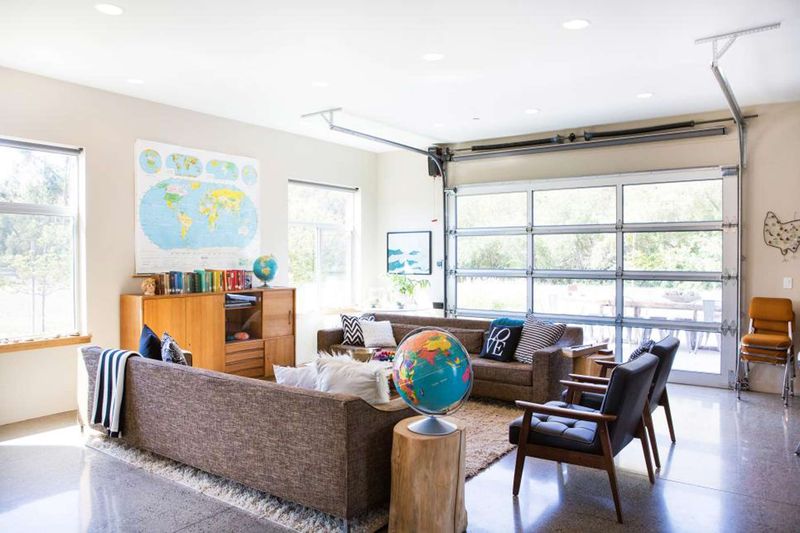
Pandemic-era work needs inspired elaborate home office conversions in bedrooms, closets, and nooks throughout houses. Highly specific workspaces with built-in furniture and permanent modifications limit future flexibility.
Properties with rooms that can’t easily transition between functions may struggle to attract interest from purchasers who want versatile floor plans rather than single-purpose rooms.
16. Sunken Living Rooms
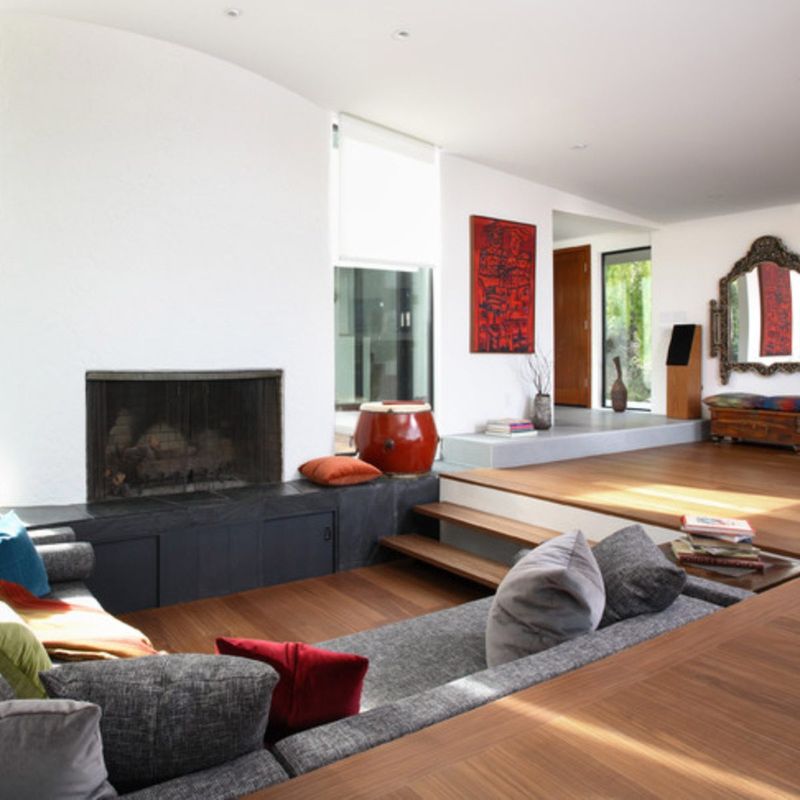
Once the epitome of 1970s sophistication, these conversation pits have become accessibility nightmares. Step-down living areas create trip hazards for children, seniors, and anyone not paying close attention.
Modern buyers prioritize open-concept, barrier-free living. Houses with sunken rooms now face costly leveling renovations to appeal to today’s market. This retro feature has already proven to significantly impact property values negatively.
17. Popcorn Ceilings
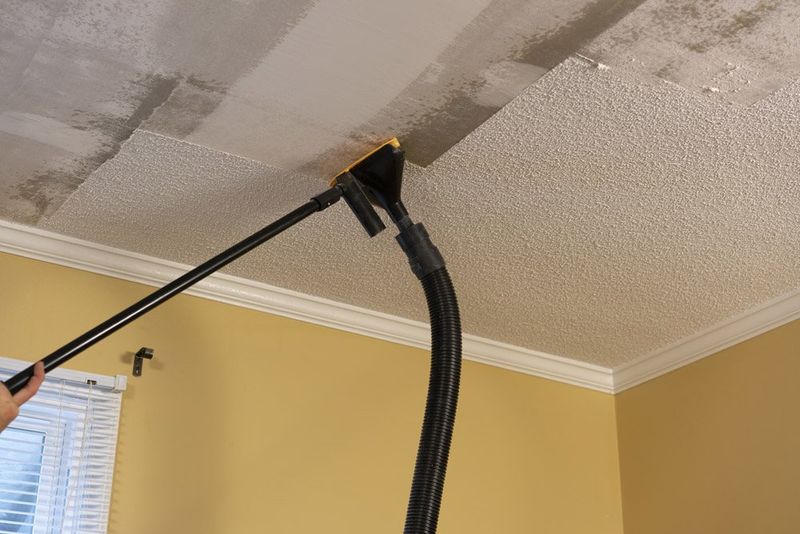
Sprayed-on acoustic textures that once represented modern building technology now scream “outdated” to potential buyers. Beyond their unappealing appearance, popcorn ceilings often contain asbestos in older homes.
Removal is messy, costly, and potentially hazardous. Properties still sporting these textured ceilings typically sell for significantly less than comparable places with smooth overhead surfaces, as buyers immediately calculate the renovation costs into their offers.
18. Mirrored Walls
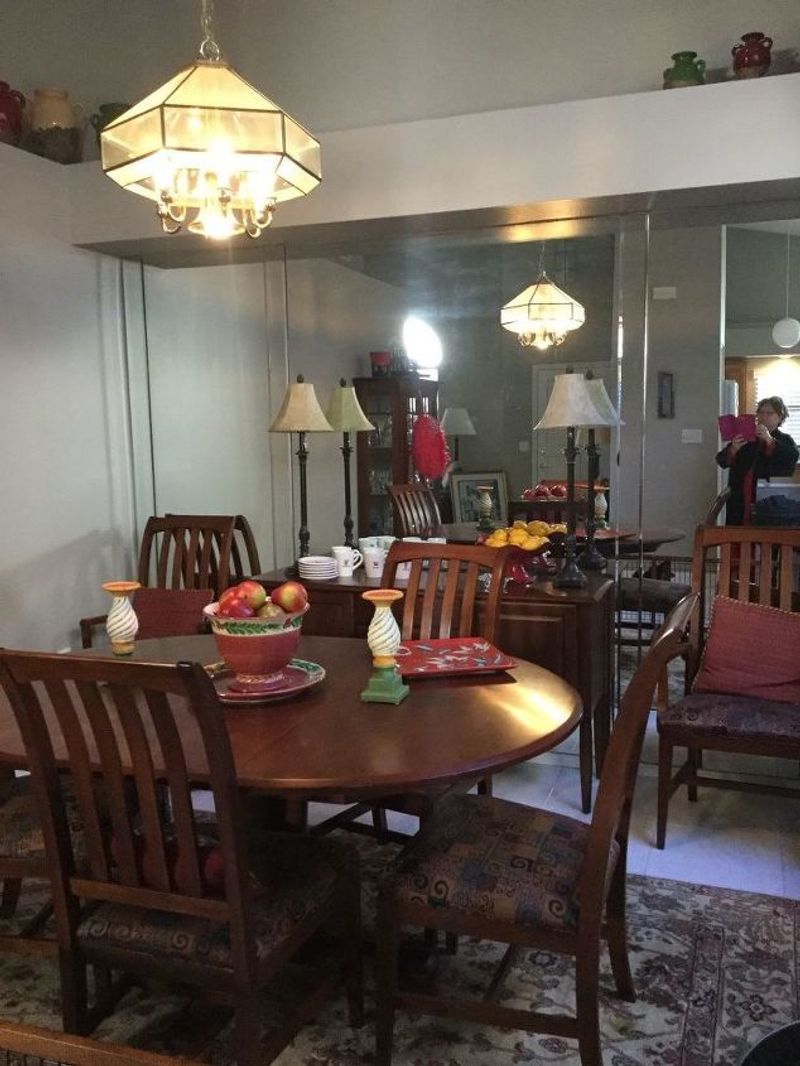
Disco-era design choices continue haunting homes decades later. Wall-to-wall mirrors intended to make spaces feel larger actually date interiors instantly. Removing adhered mirrors involves significant work – they often break during removal and damage the walls behind them.
Houses featuring these reflective relics typically spend longer on the market at reduced prices, as buyers mentally subtract removal costs from their offering prices.
19. Carpeted Bathrooms
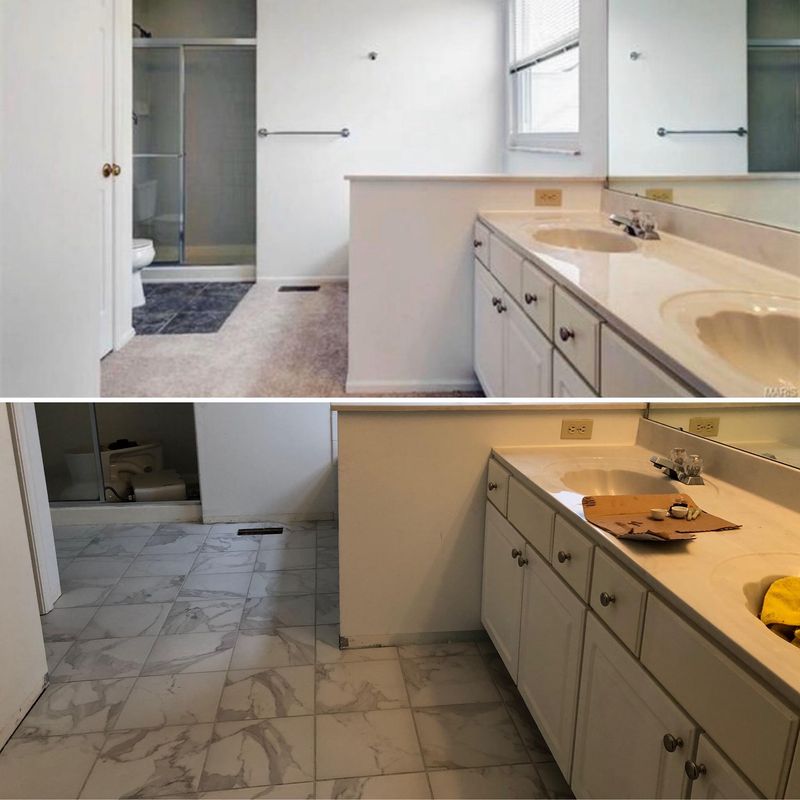
Moisture and carpet never belonged together, yet this pairing somehow became popular in previous decades. Bathroom carpeting creates perfect conditions for mold, mildew, and lingering odors.
Health-conscious buyers run from this feature, seeing only potential respiratory issues and immediate renovation needs.
20. Built-in Media Niches
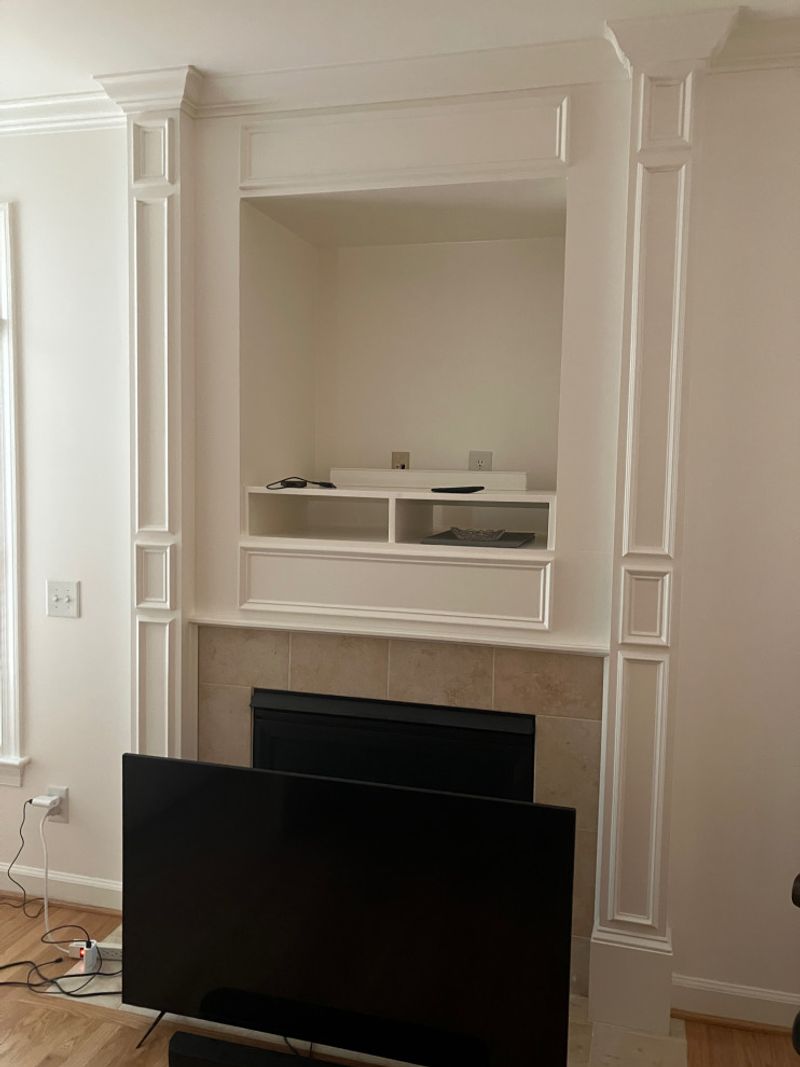
Remember those recessed wall cavities designed specifically for bulky tube televisions? Homes built in the 1990s and early 2000s often featured these dedicated entertainment alcoves. Modern flat-screen TVs look awkward in these deep recesses designed for outdated technology.
Filling or removing these architectural features requires significant construction work, making homes with media niches less appealing to buyers who see renovation expenses rather than charming period details.