15 Tips From Broadway Set Designers To Decorate With Drama
Broadway set designers know how to create spaces that wow audiences and tell visual stories. Their theatrical expertise can transform your home from ordinary to extraordinary with just a few clever techniques. Ready to bring some of that Broadway magic into your living space?
These tips from stage design pros will help you create rooms with personality, impact, and just the right amount of drama.
1. Use Lighting to Set the Mood
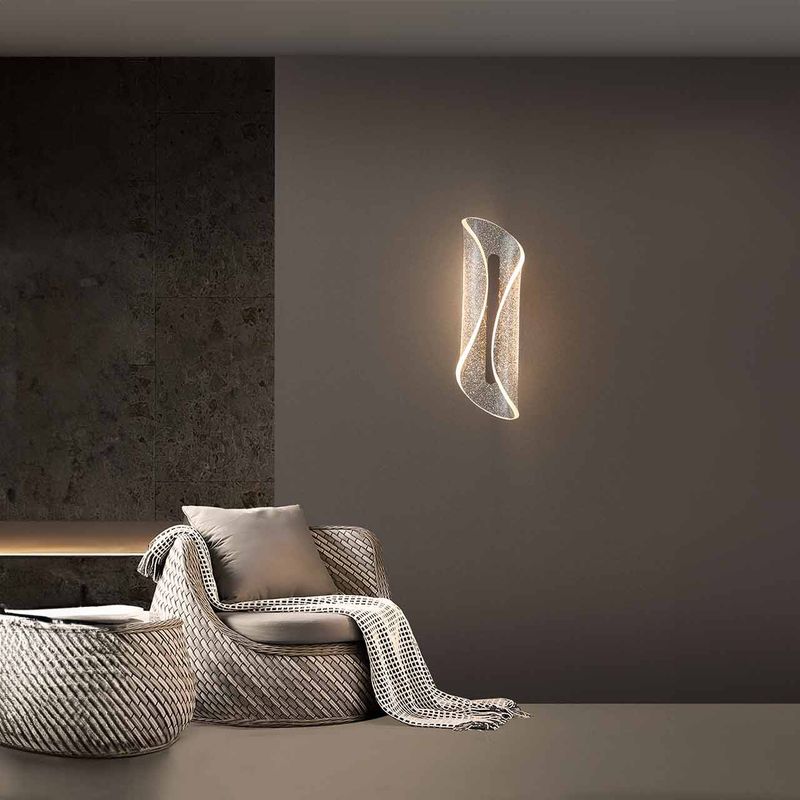
Forget standard overhead fixtures. Broadway designers understand that lighting creates emotional impact more than any other element.
Layer your lighting with floor lamps, table lamps, and wall sconces at different heights. Add dimmers to control intensity and create instant atmosphere changes depending on time of day or occasion.
2. Embrace Bold Color Palettes
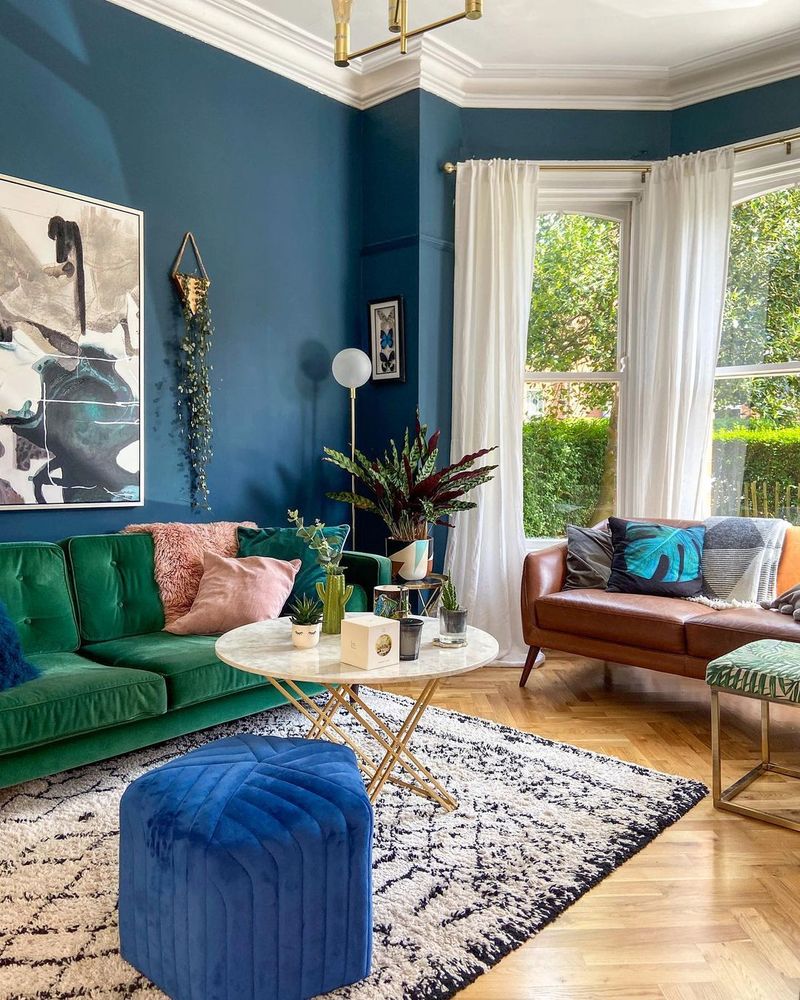
Neutral walls bore Broadway designers who know color creates instant emotional response. Why not paint one wall deep emerald or rich burgundy?
Bold hues make spaces feel intentional and confident. If full walls feel too committal, introduce strong colors through furniture pieces, artwork, or textiles that can be swapped as your mood changes.
3. Curate Meaningful Art and Decor
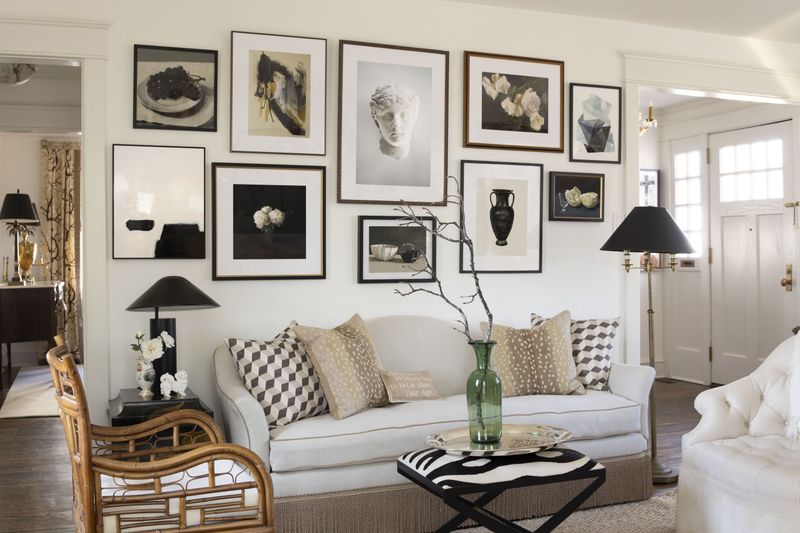
Random decorations never appear on Broadway stages. Every object tells part of the story. Select pieces that spark conversation or reveal something about you.
Arrange items in thoughtful groupings rather than scattering them around. Quality trumps quantity, one striking sculpture makes more impact than a dozen forgettable trinkets cluttering your space.
4. Play With Scale and Proportion
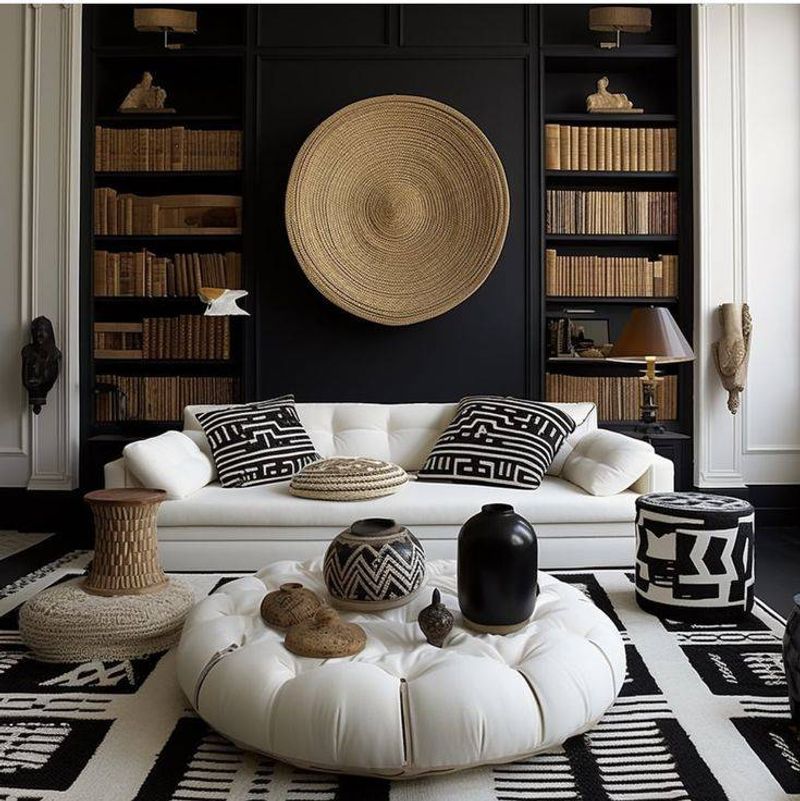
Unexpected sizing creates visual interest. An oversized floor lamp or dramatically large art piece immediately draws attention and creates theatrical impact in ordinary rooms.
Mix in some deliberately undersized elements too. The contrast between large and small items creates dynamic tension that keeps eyes moving through your space, just like on a well-designed stage.
5. Incorporate Textures and Layers
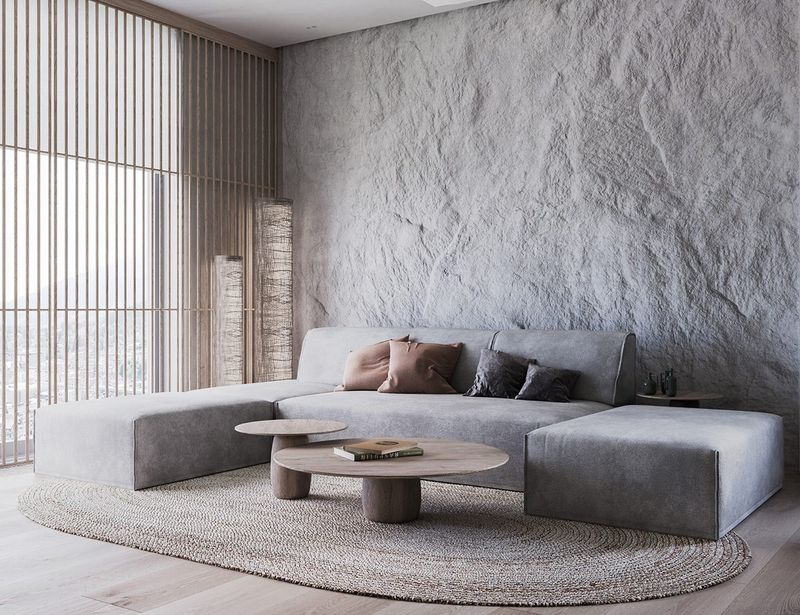
Running your fingers across velvet then encountering rough linen creates sensory drama Broadway designers love. Pair smooth with rough, shiny with matte for contrast.
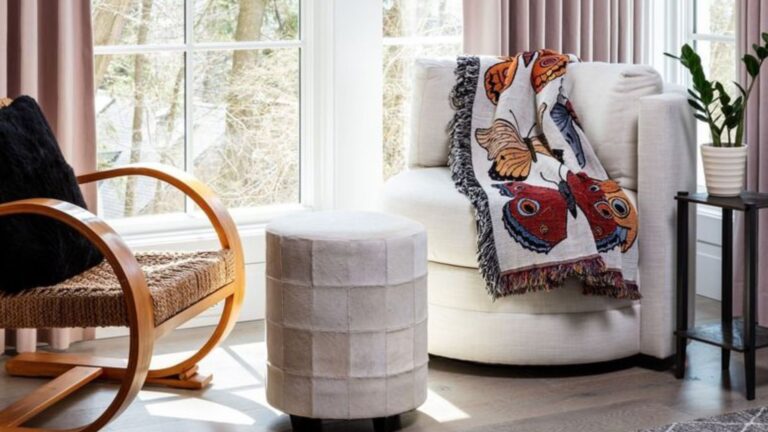
Layer textiles like throws over chairs, rugs over floors, and cushions with varying tactile qualities. This multidimensional approach adds depth that flat, uniform spaces lack.
6. Create Focal Points
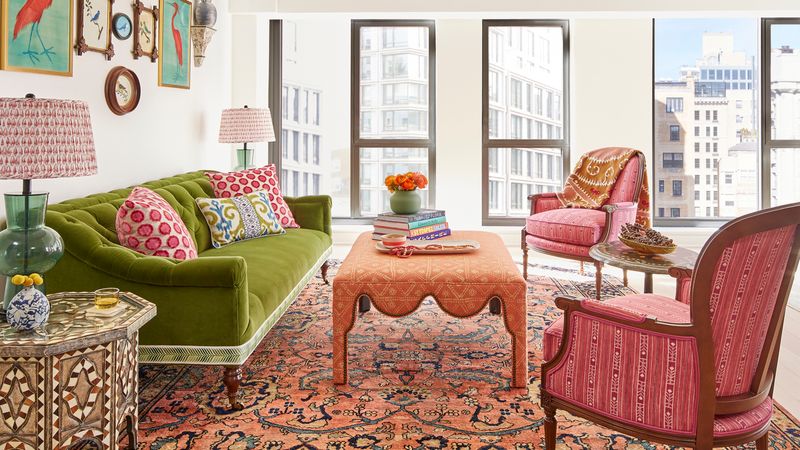
Walking into a room should direct your gaze somewhere specific. Stage designers always establish a clear focal point that anchors the visual story.
Arrange furniture to frame your chosen centerpiece, perhaps a fireplace, striking piece of art, or uniquely upholstered chair. Everything else in the room should support and lead the eye toward this star attraction.
7. Use Backdrops and Panels
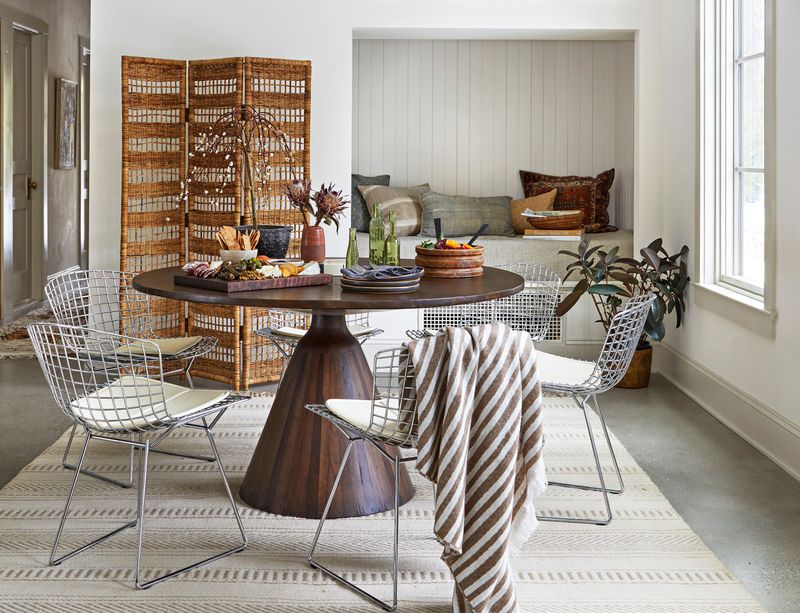
Fabric panels transform Broadway sets instantly. Apply this technique by hanging textile panels behind furniture or creating room dividers with suspended fabric.
Portable decorative screens serve double duty, they’re visually interesting and perfect for concealing storage or defining separate areas within open floor plans. Bonus: they’re easily changed when you crave a refresh.
8. Add Unexpected Color in Small Spaces
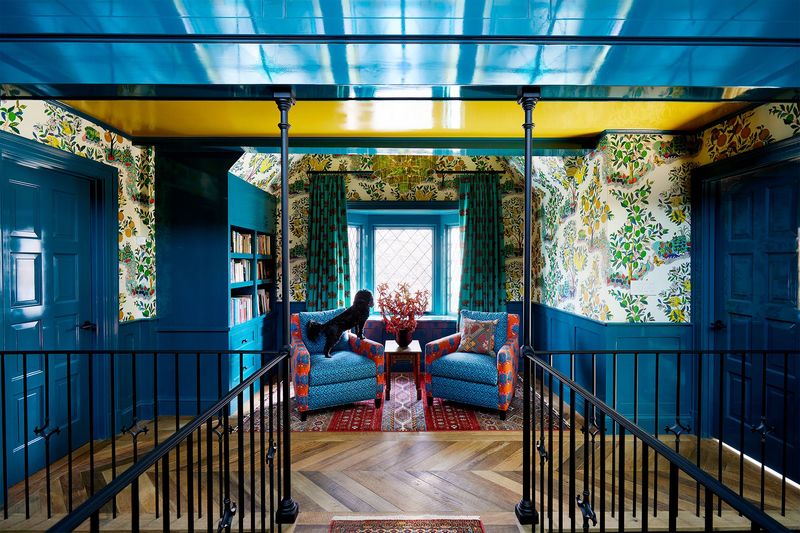
Powder rooms and hallways become magical when treated as jewel boxes! Broadway designers know small spaces handle bold choices beautifully.
Paint a tiny bathroom ceiling midnight blue or line a hallway with vibrant wallpaper. Small areas require less commitment but deliver maximum impact, making them perfect for your most adventurous design experiments.
9. Mix Periods and Styles
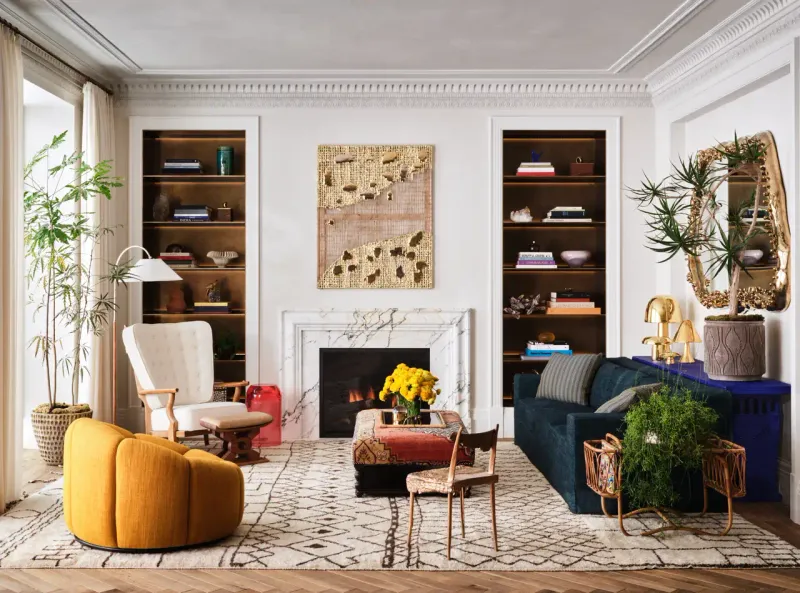
Successful stage sets often blend historical elements with modern touches. Combining a contemporary sofa with vintage side tables creates visual tension that energizes spaces.
Avoid matching furniture sets! Broadway designers select pieces that complement rather than duplicate each other. This curated approach feels more authentic and creates rooms with depth, character and story.
10. Create Movement Through Line and Flow
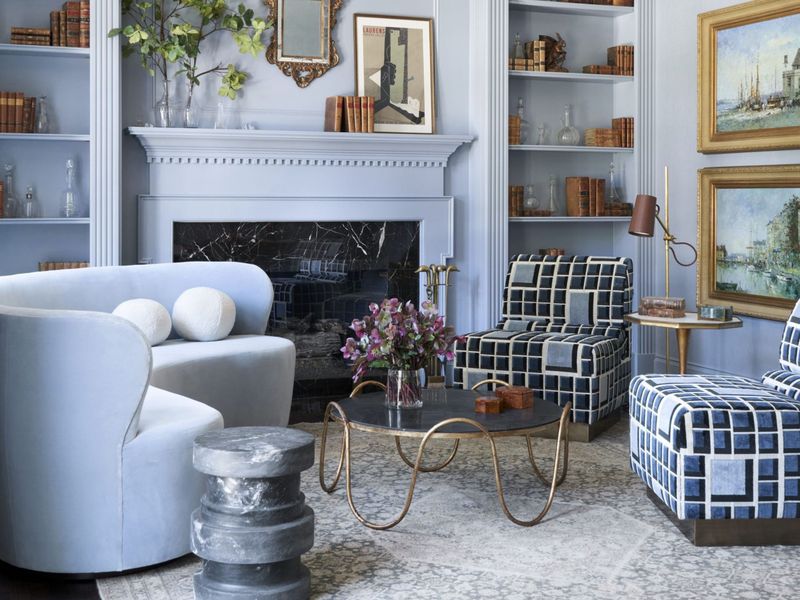
Curved furniture arrangements guide actors across stages naturally – apply this to your home. Arrange pieces to create pathways that lead people through spaces gracefully.
Incorporate diagonal lines and curves rather than placing everything parallel to walls. Asymmetrical arrangements feel more dynamic and interesting than perfectly balanced ones, creating subtle drama in everyday living.
11. Highlight the Architecture
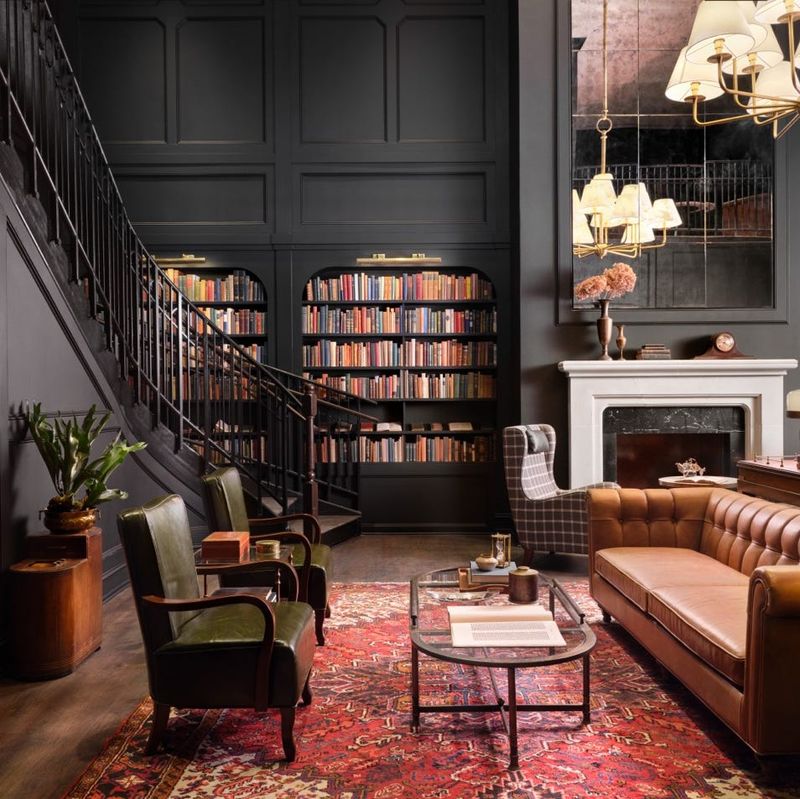
Stage designers accentuate beautiful structural elements rather than hiding them. Got crown molding? Paint it a contrasting color to make it pop!
Uncover and restore original features whenever possible. Even awkward architectural elements can become features with creative treatment, that odd alcove might become a perfect display niche with proper lighting and color.
12. Make Use of Mirrors
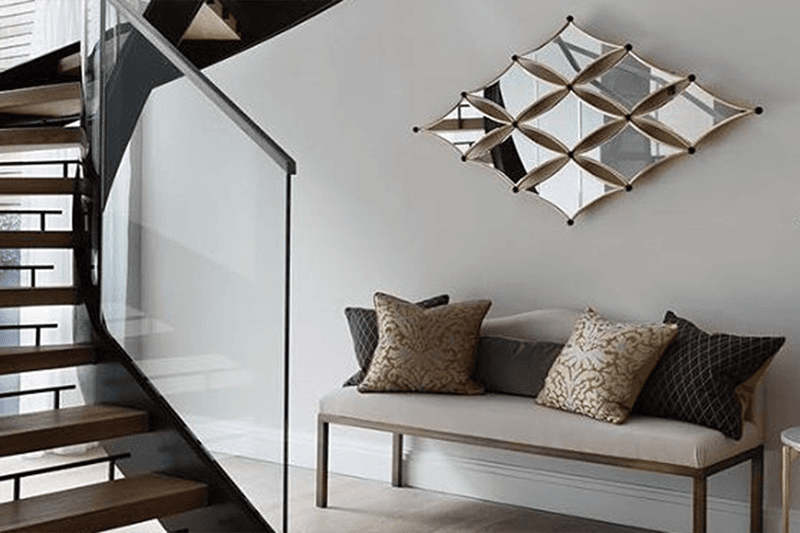
Mirrors multiply light and create illusions of space. Place mirrors strategically to reflect something beautiful rather than random walls.
Experiment with groupings of different shaped mirrors or one oversized statement piece. Antique mirrors with patina add mysterious depth while modern frameless ones create contemporary drama without overwhelming your space.
13. Think in Vignettes
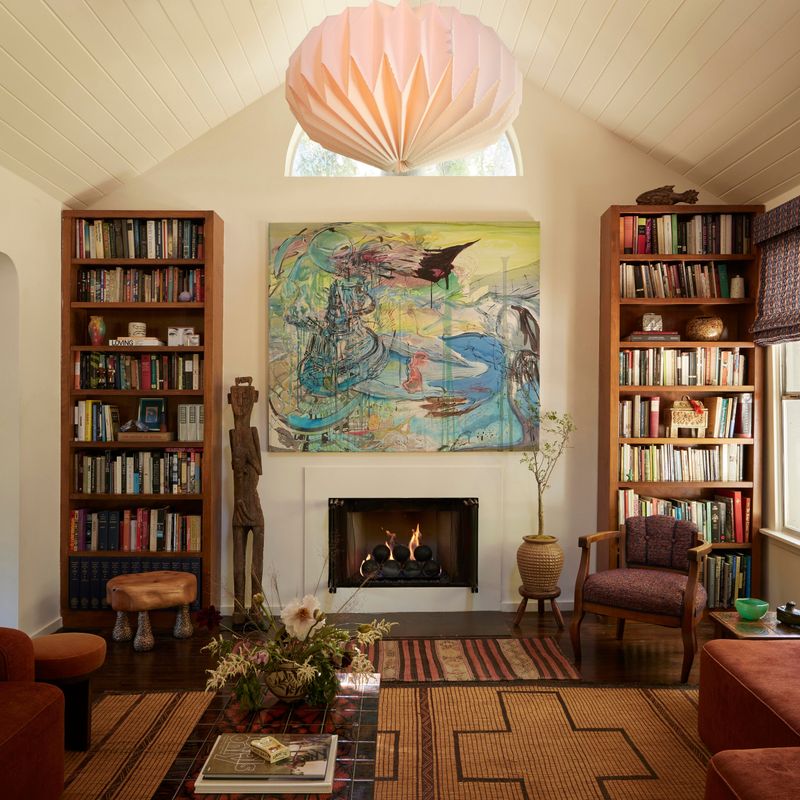
Broadway designers create mini-scenes within the larger set. Mirror this by arranging furniture and accessories in small, meaningful groupings throughout your home.
A perfectly styled bookshelf, an inviting reading corner, or an elegantly arranged coffee table become little moments of visual storytelling. Each vignette should function both independently and as part of your room’s overall narrative.
14. Use Fabric to Soften or Define
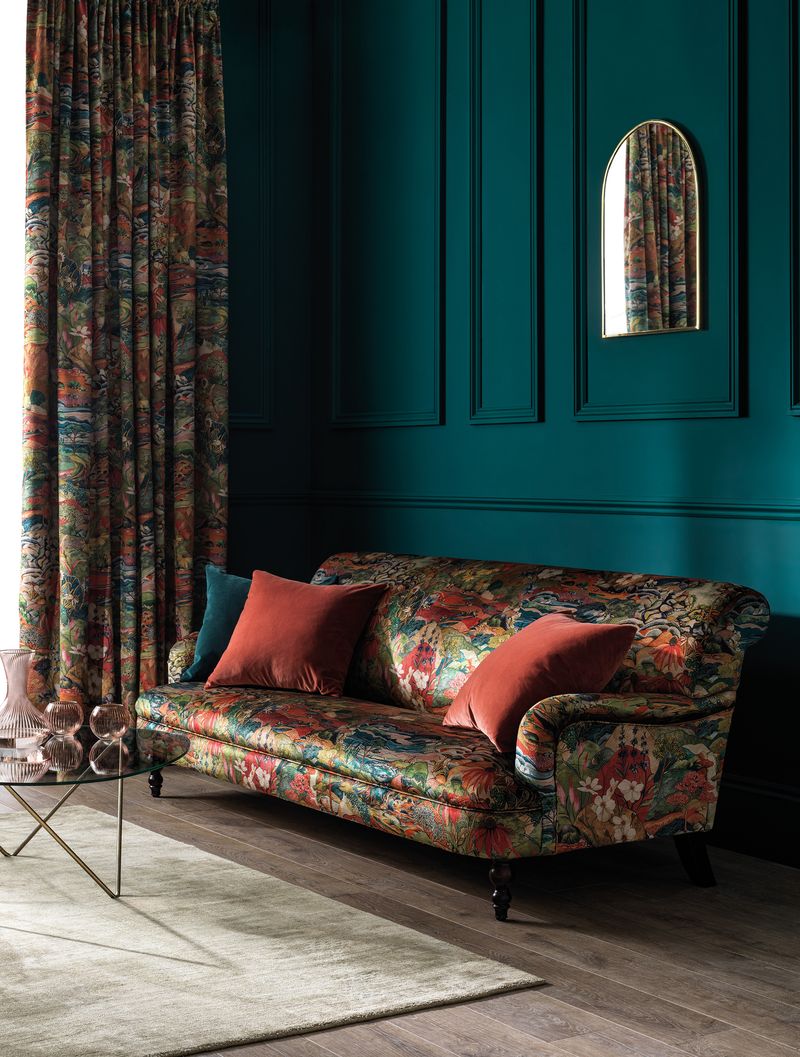
Luxurious drapes transform bare stages instantly. Hang curtains from ceiling to floor, regardless of window size, for maximum dramatic effect.
Fabric can define zones in open floor plans too. Consider hanging panels to separate dining and living areas or draping fabric along walls for acoustic improvement and visual softening in hard-edged contemporary spaces.
15. Don’t Fear the Theatrical
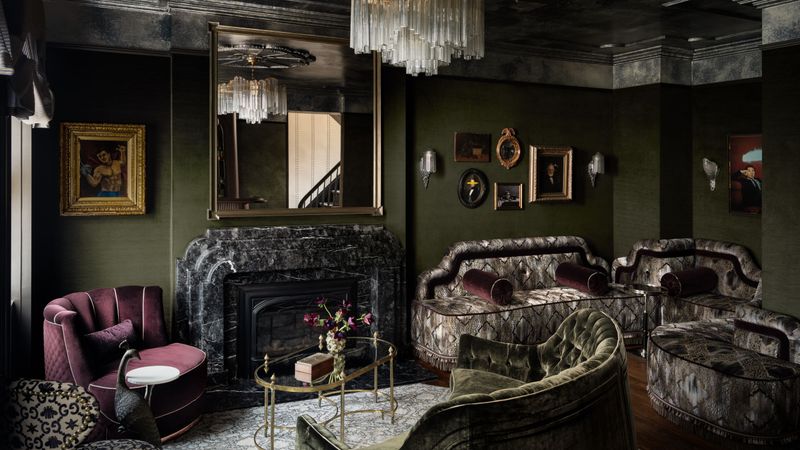
Ultimately, Broadway designers embrace boldness! Something slightly over-the-top often creates spaces people remember. Maybe it’s an animal-print chair, a vintage chandelier, or a wall of framed vintage portraits.
Incorporate one truly dramatic element that makes your heart sing. Rooms balanced between practical function and theatrical flair become personal stages where your life’s most important scenes unfold beautifully.