12 Furniture Pieces That Never Work Out According To Designers (And 5 That Are Just As Problematic)
I’ve definitely fallen for it, a sleek piece of furniture that looked amazing in the store but turned out to be a total disappointment once I got it home. Interior designers have seen this happen more times than they can count.
From wobbly legs to designs that date faster than a TikTok trend, some furniture just doesn’t pass the real-life test. Whether it’s uncomfortable, impossible to clean, or clashes with everything else in the room, certain pieces just aren’t worth the money.
If you’re shopping for your home, here are 12 items designers say to avoid and 5 more to think twice about.
1. Ladder Shelves With Wobbly Frames
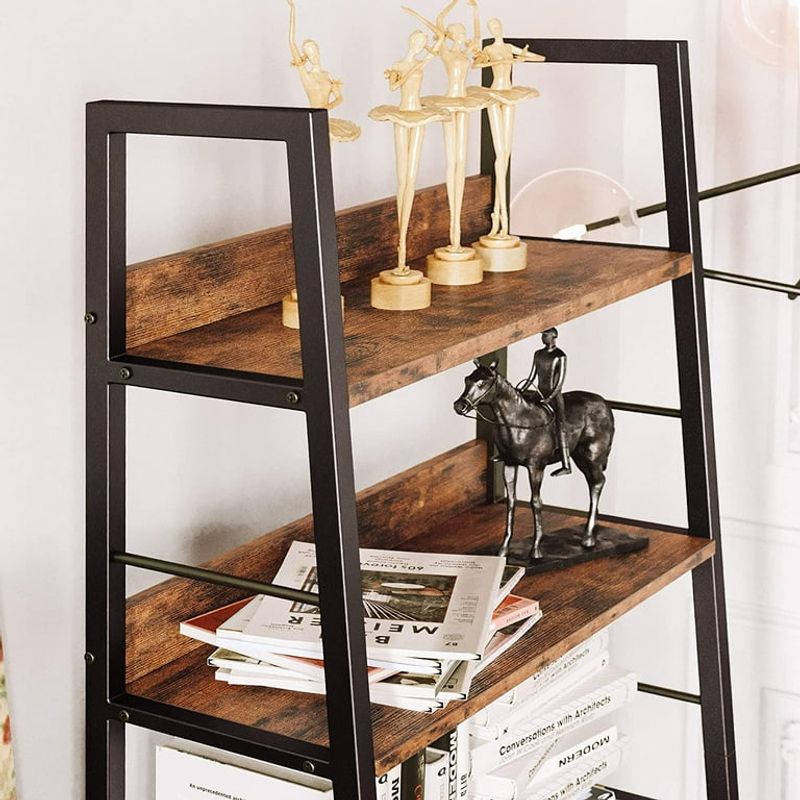
Ladder-style shelves may seem like a stylish storage fix, but many of them sacrifice stability for aesthetics. These leaning structures often wobble under weight, especially on uneven flooring or with less-than-perfect assembly.
Interior designers warn that while they photograph well, they’re often more decorative than practical. Once you load them with books or décor, they can become top-heavy tipping hazards—especially in homes with pets or kids. Choose sturdy, anchored shelving instead to avoid daily anxiety and accidental collapses.
2. Matching Furniture Sets
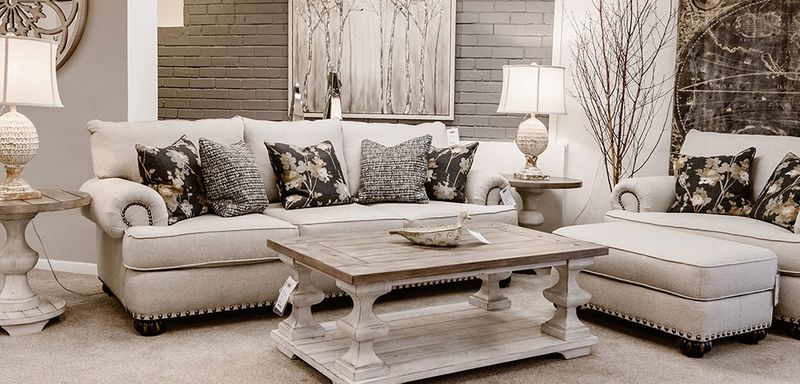
Walking into a room where every piece perfectly matches creates an artificial, showroom-like atmosphere that lacks personality. These cookie-cutter sets might seem convenient, but they’re the design equivalent of wearing the same outfit every day.
Professional designers recommend mixing complementary pieces instead. This approach adds depth and character while showcasing your unique style. Even better, you can collect quality individual pieces over time rather than compromising on an entire matching set of mediocre quality.
3. Glass Coffee Tables With Sharp Corners
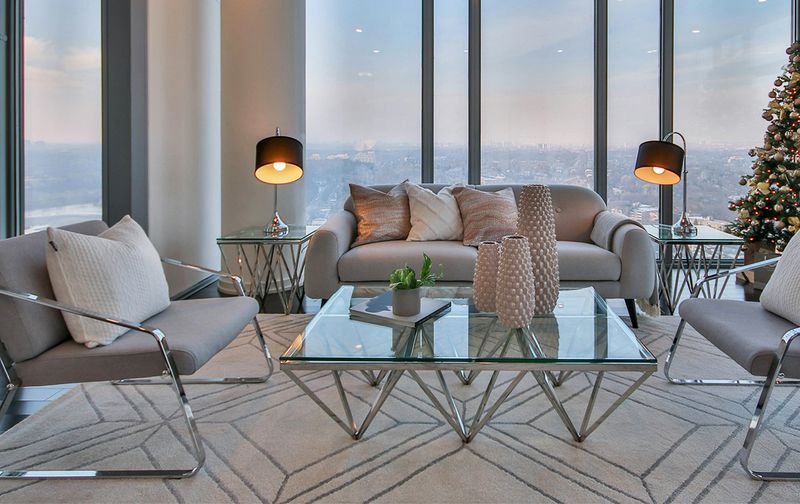
Imagine rushing through your living room and bumping into a razor-sharp corner – ouch! Those sleek glass coffee tables with pointed edges are accidents waiting to happen, especially in homes with children or active pets.
Beyond safety concerns, these transparent pieces show every fingerprint and dust particle. Designers frequently recommend softer alternatives like round wooden tables or upholstered ottomans that provide style without the hazards. Your shins (and cleaning schedule) will thank you for making the switch.
4. Trendy But Uncomfortable Chairs
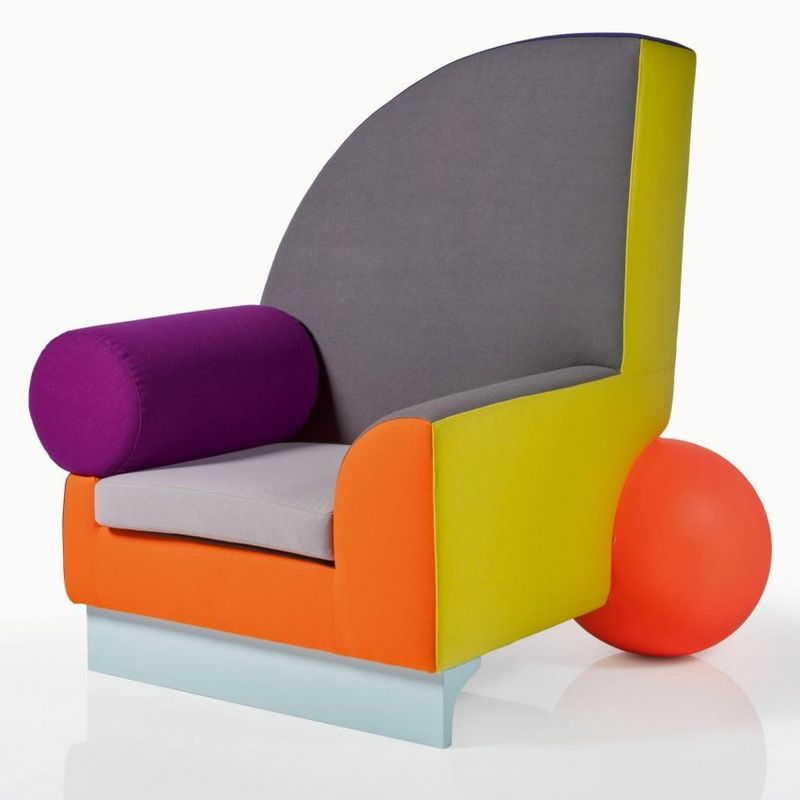
Sure, that sculptural accent chair looks amazing in photos, but have you tried sitting in it for more than five minutes? Function should never be sacrificed entirely for form, yet many trendy chairs do exactly that.
Seasoned designers always test furniture before recommending it. Those ultra-modern wire chairs or rigidly geometric seating options might earn compliments, but they’ll remain unused if they cause discomfort. Quality seating should invite relaxation while still offering style.
5. Mirrored Furniture
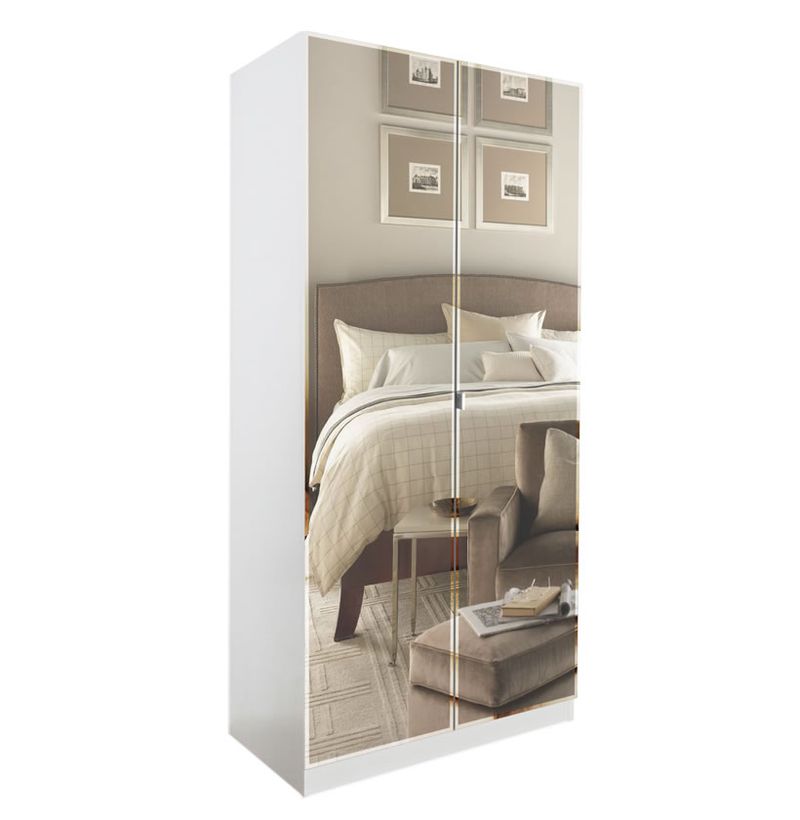
At first glance, those glamorous mirrored dressers and nightstands seem to add sparkle and space to a room. Reality check: they’re fingerprint magnets that require constant cleaning and often look dated within a few years.
Many designers consider these pieces to be passing fads rather than lasting investments. The reflective surfaces show every speck of dust and smudge, making maintenance a daily chore.
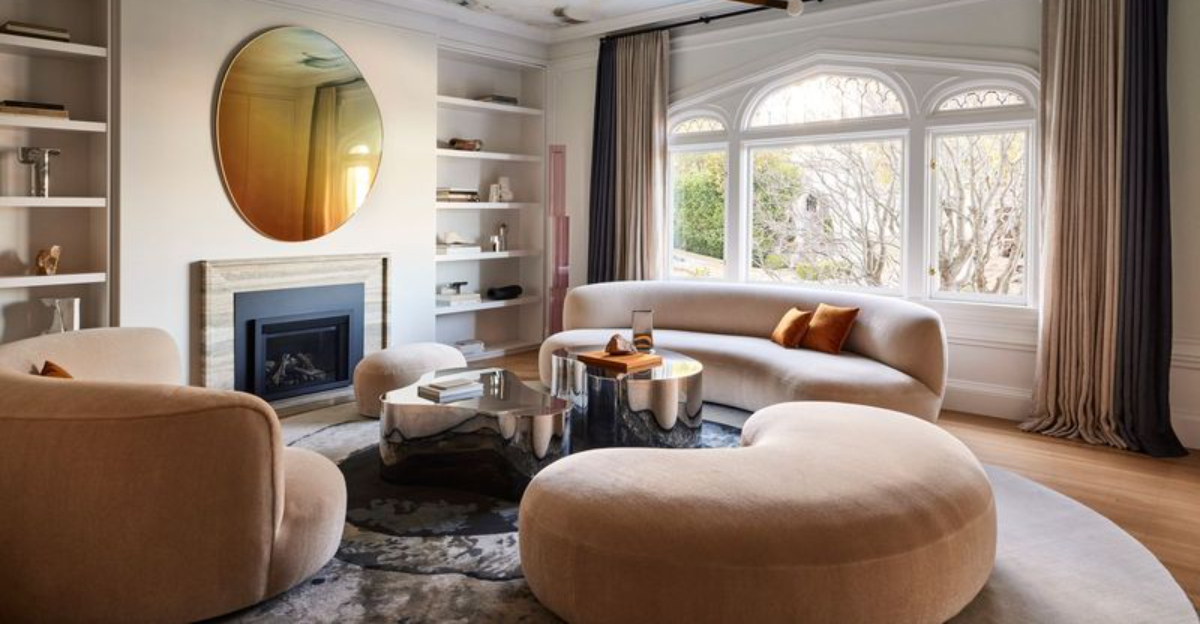
6. Curved Couches That Don’t Fit Standard Rooms
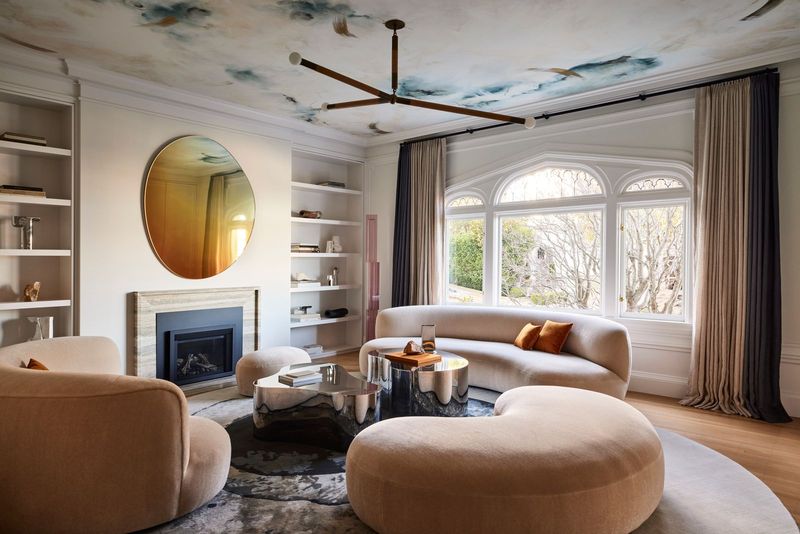
Curved sofas may look ultra-modern in a luxury showroom, but they rarely play nice with the average living room layout. Their non-linear shape makes placement tricky, often wasting valuable space or creating awkward traffic flow.
Designers note these pieces are hard to pair with standard coffee tables and tend to dominate without actually offering more seating.
Unless you live in a wide, open-concept space, you’re better off with classic silhouettes that blend style and functionality without the spatial headache.
7. Faux Leather Sofas
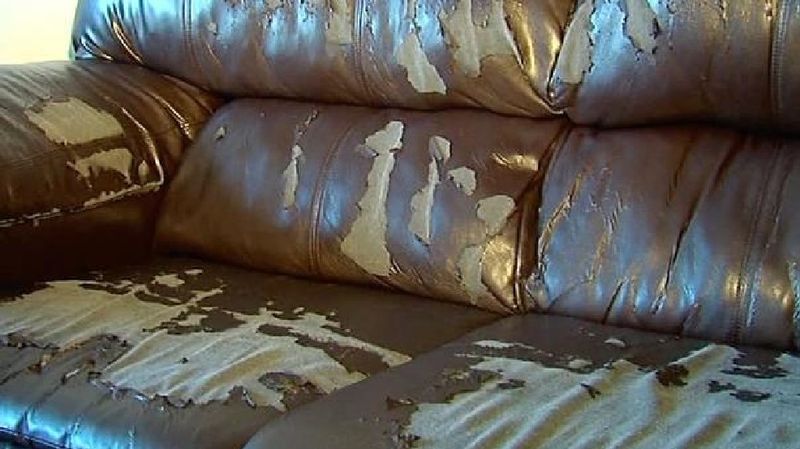
Anyone who’s stuck to a faux leather sofa on a hot summer day knows the uncomfortable truth about these budget alternatives. Unlike genuine leather, which develops character with age, synthetic versions tend to crack, peel, and deteriorate embarrassingly within a few years.
Professional designers often warn clients about this false economy. The material simply doesn’t breathe properly, making it uncomfortable in both warm and cool temperatures. If real leather exceeds your budget, designers suggest opting for quality fabric upholstery instead.
8. Floating Beds
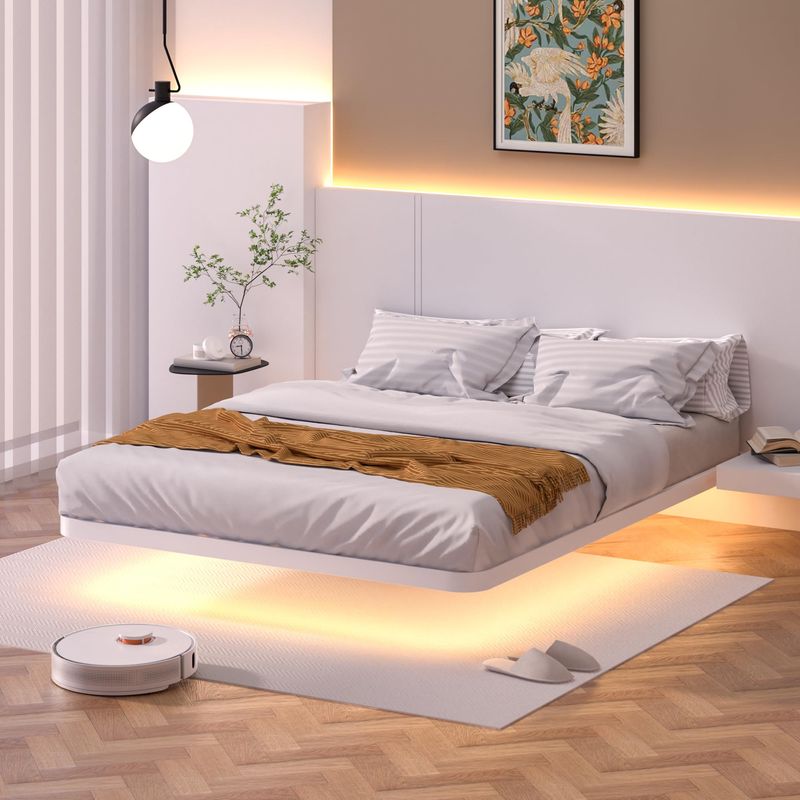
Those futuristic-looking beds that appear to hover above the floor might seem cool in showrooms, but they’re hiding some serious practical problems. The cantilevered designs often create wobbly, unstable sleeping surfaces that creak and shift during the night.
Storage is another consideration that designers highlight. Traditional bed frames offer valuable under-bed space, while floating versions eliminate this option. Maintenance becomes challenging too – cleaning underneath requires special equipment or moving the entire bed.
9. Ultra-Low Sofas
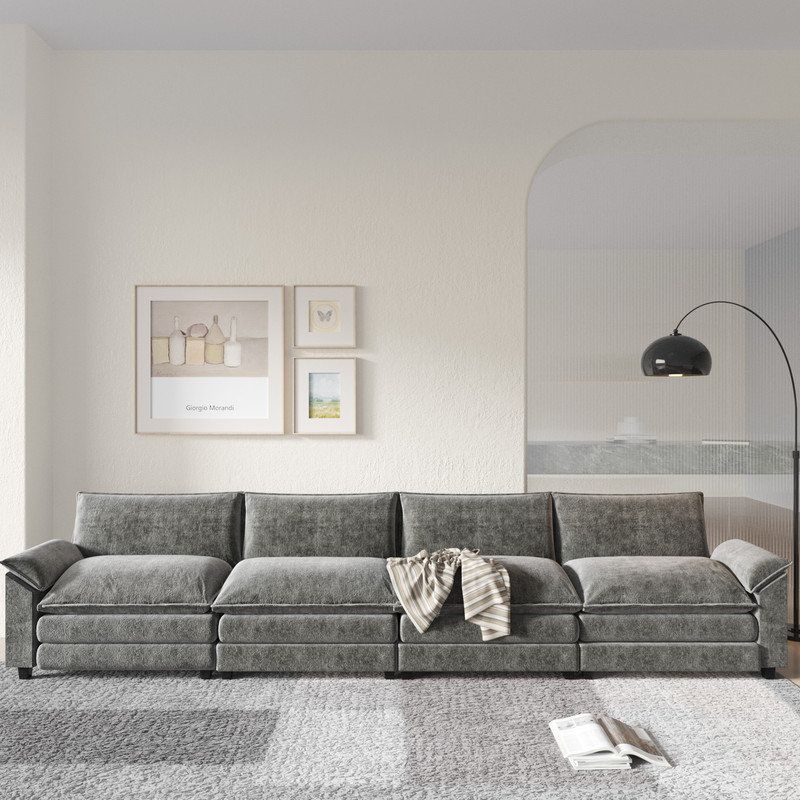
Those sleek, low-profile sofas might look fantastic in architectural magazines, but try getting up from one after a movie marathon! These fashionable but impractical seating options create genuine difficulties for anyone with mobility concerns or joint issues.
Designers with experience know that what works in a photoshoot doesn’t always translate to daily life. The extreme low height often means your knees sit higher than your hips – an uncomfortable position that causes strain.
10. Bulky Entertainment Centers
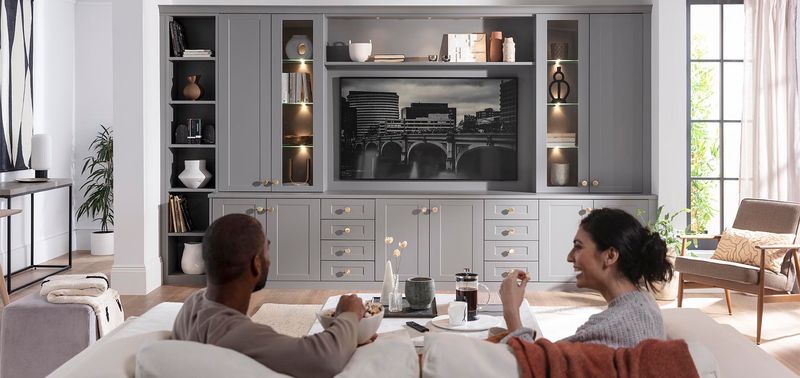
Those massive wall units from the 1990s designed to house bulky tube TVs have no place in today’s homes, yet surprisingly similar versions still appear in furniture showrooms. These dinosaurs consume valuable floor space while providing storage for technology we no longer use.
Forward-thinking designers recommend more adaptable solutions for modern media needs. Streamlined media consoles or wall-mounting options create cleaner looks while adapting to changing technology.
11. Tufted Headboards With Hard-to-Clean Fabric
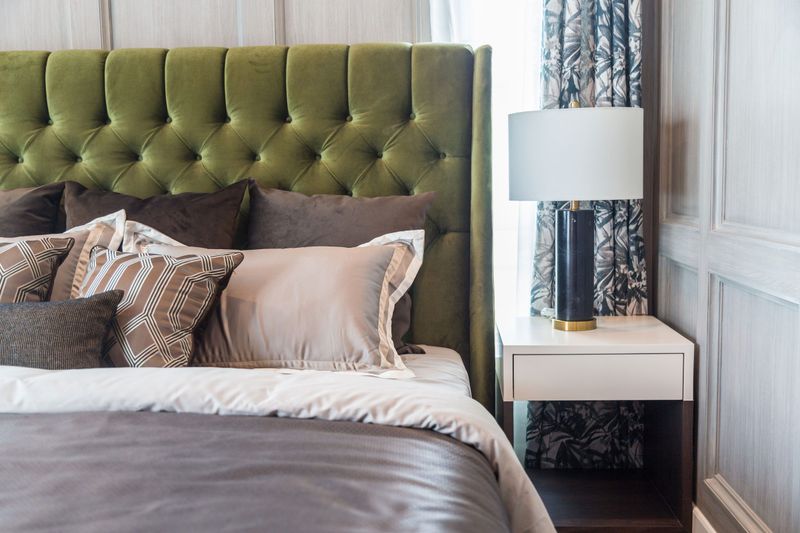
While those plush, button-tufted headboards might look luxurious in showrooms, they’re secretly dust collectors that become cleaning nightmares. Each of those charming divots creates a perfect hiding spot for dust, skin cells, and allergens that are nearly impossible to vacuum effectively.
Experienced designers often steer clients toward smoother alternatives, especially for allergy sufferers. The deep fabric folds can also trap moisture in humid environments, potentially leading to mold issues over time.
12. Overly Ornate Vanities
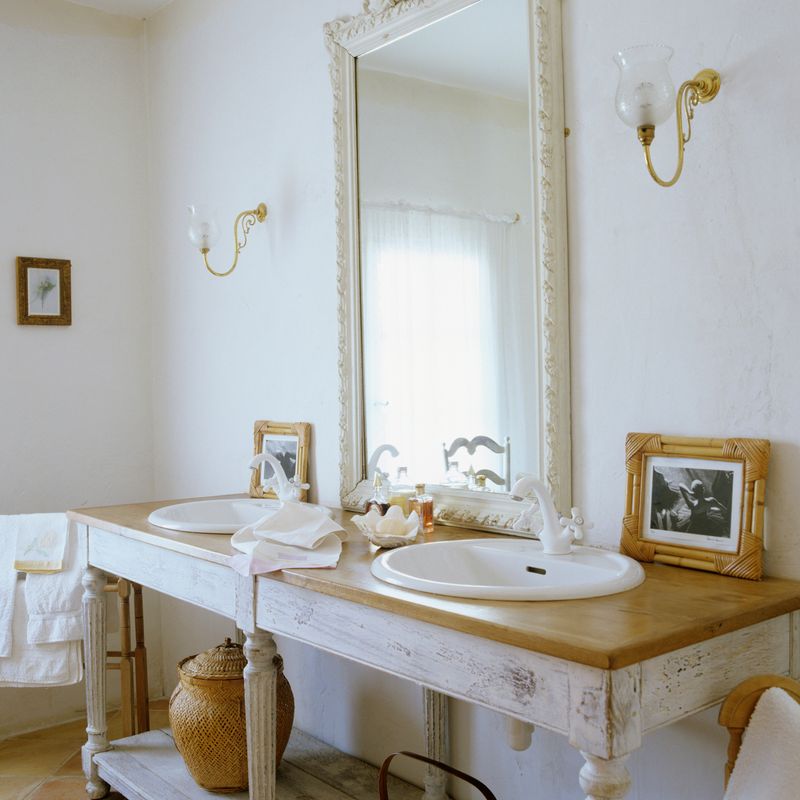
Bathroom vanities dripping with carved details and ornamental flourishes might evoke luxury spa fantasies, but they quickly become cleaning nightmares. Water, steam, and beauty products create a perfect storm for grime to accumulate in all those decorative crevices.
Practical designers favor cleaner lines that still deliver style without the maintenance headaches. Those intricate details also tend to look dated more quickly than simpler designs. Consider the reality of bathroom cleaning before committing to furniture that requires cotton swabs and toothbrushes to maintain properly.
13. Acrylic Dining Chairs
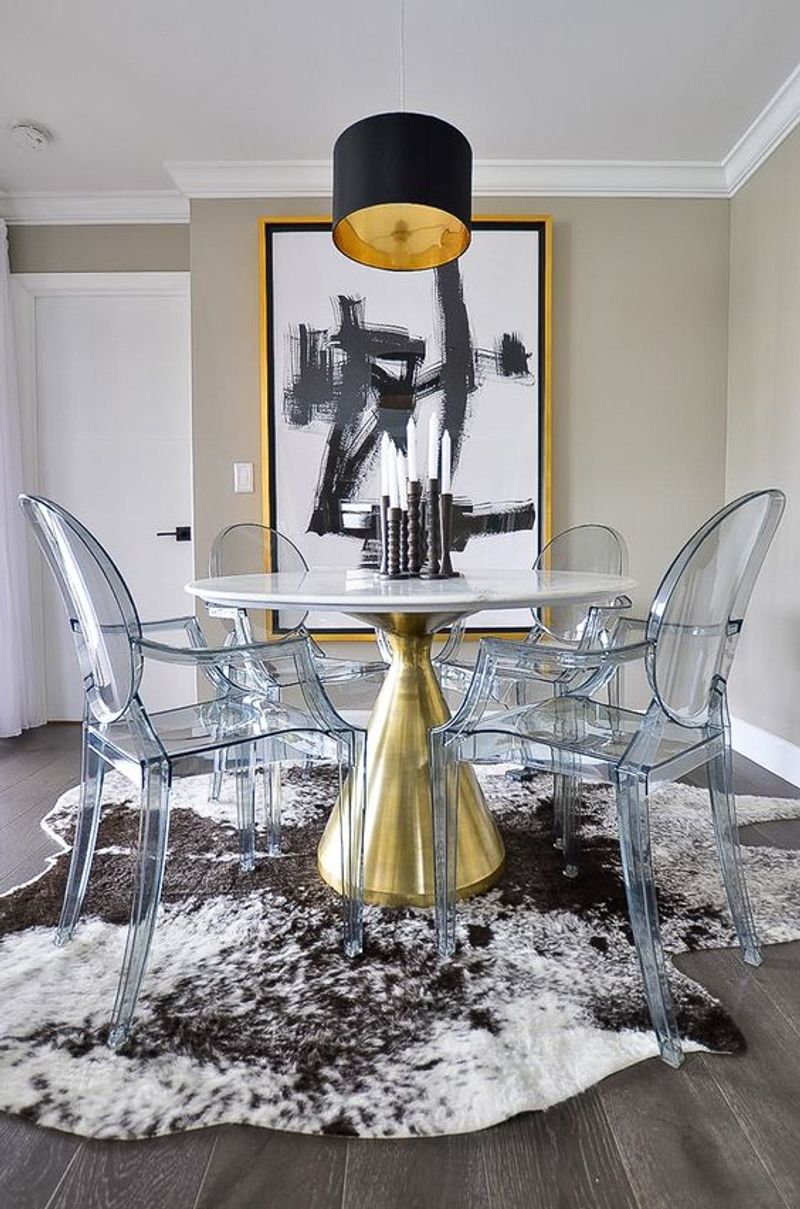
Those transparent “ghost chairs” might create a visually light appearance, but they’re hiding some uncomfortable truths. Despite their modern appeal, acrylic furniture scratches remarkably easily, with even minor abrasions quickly becoming visible cloudy marks that can’t be buffed out.
Design professionals note these chairs often yellow over time, especially when exposed to sunlight. Temperature sensitivity is another drawback – they feel uncomfortably cold in winter and sticky in summer.
14. Overstuffed Recliners
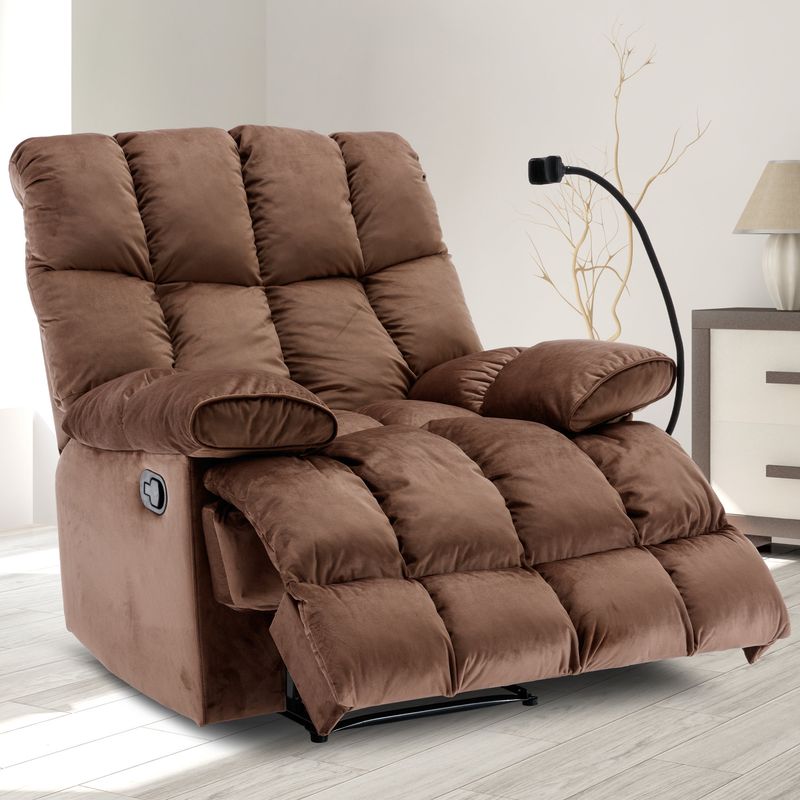
Ever walked into a furniture store and felt drawn to those massive, pillow-like recliners? While they might seem cozy at first glance, these bulky eyesores quickly dominate rooms and collect dust in hard-to-clean crevices.
Many interior designers cringe when clients insist on these space-hogging chairs. Beyond their questionable aesthetics, they’re notoriously difficult to move and often wear poorly at stress points. Consider sleeker, equally comfortable alternatives that won’t overwhelm your space.
15. Oversized Sectionals in Small Spaces
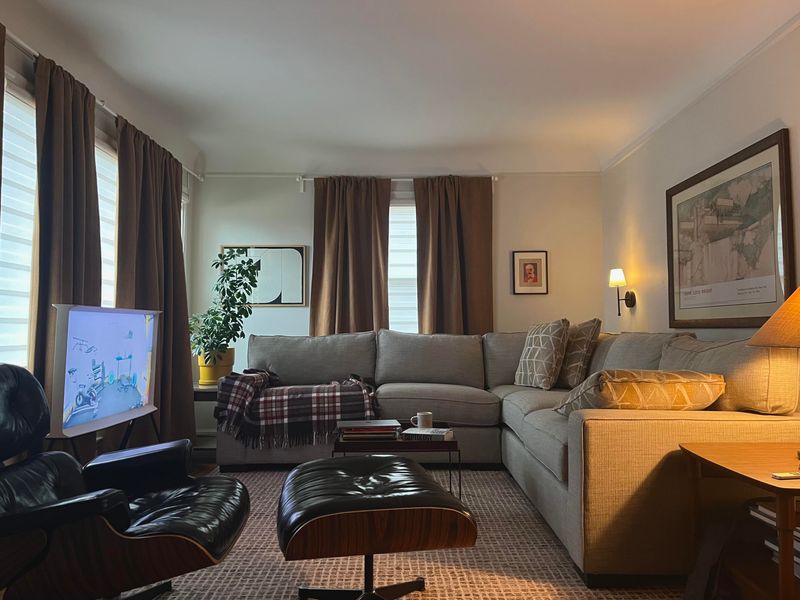
Nothing screams “I didn’t measure my room” quite like a mammoth sectional crammed into a tiny living space. These overwhelming pieces can make even reasonable rooms feel claustrophobic and difficult to navigate.
Smart designers always emphasize proper scaling. A properly sized sofa with complementary chairs often creates better flow and functionality than forcing a massive sectional into limited square footage. Remember that negative space is actually positive in interior design – rooms need breathing room to feel balanced and welcoming.
16. Novelty-Shaped Chairs
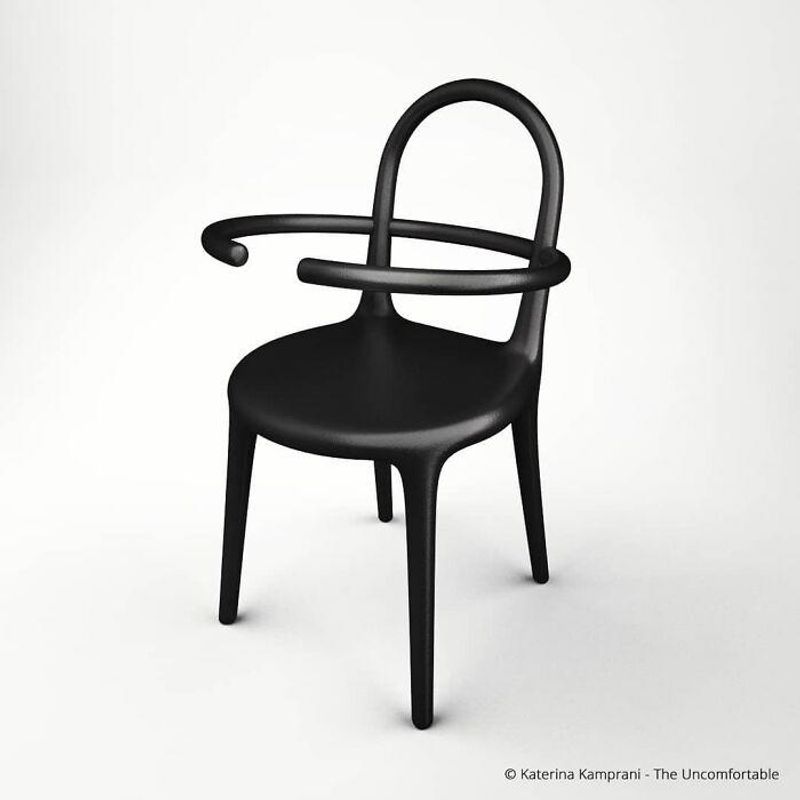
Remember that giant hand-shaped chair or the stiletto heel seat you spotted online? While they might make for great selfie props or conversation starters, designers caution against these gimmicky pieces that quickly lose their charm.
Beyond their questionable staying power, these oddly shaped seats rarely provide proper support for extended sitting. They’re typically constructed with appearance rather than ergonomics in mind. The novelty wears off quickly, leaving you with an expensive, uncomfortable piece.
17. Cheap Flat-Pack Dressers
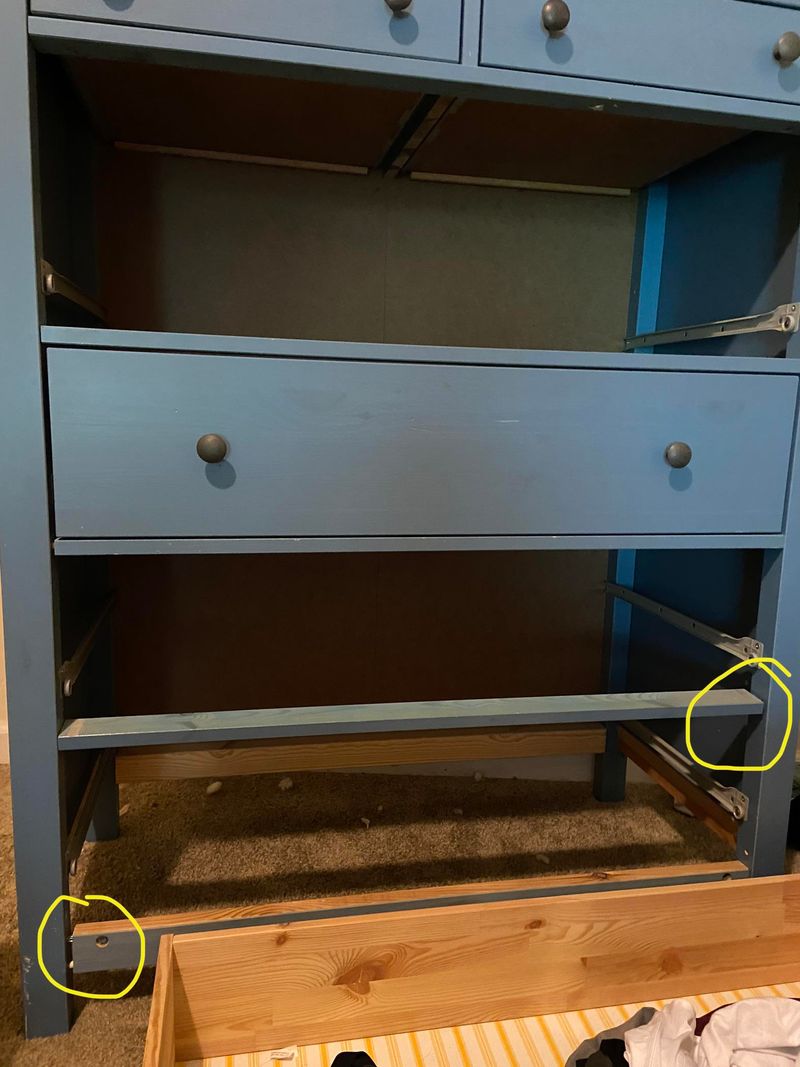
Those bargain-basement dressers might seem like a steal until the drawers stick, the tracks break, or the entire unit collapses under normal use. The frustration of dealing with poorly constructed storage isn’t worth the initial savings.
Quality issues aside, these pieces often contain higher levels of formaldehyde and other chemicals. Designers point out that secondhand solid wood dressers often cost the same as new flat-pack options while offering better construction and longevity.