16 Things Making Your Living Room Furniture Look Cheap And What To Do Instead
We all want our living rooms to look elegant without breaking the bank. Sometimes, what makes furniture appear cheap isn’t the price tag but small details we overlook.
By making a few simple changes, you can transform your space from looking bargain-basement to beautifully curated.
1. Plastic Legs — Swap for Wood or Metal Alternatives
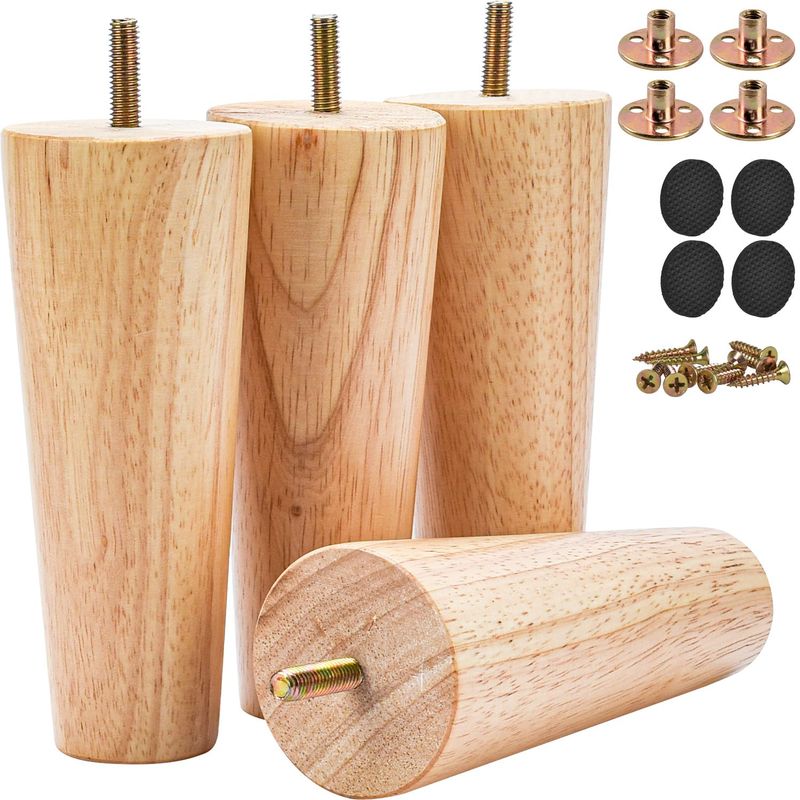
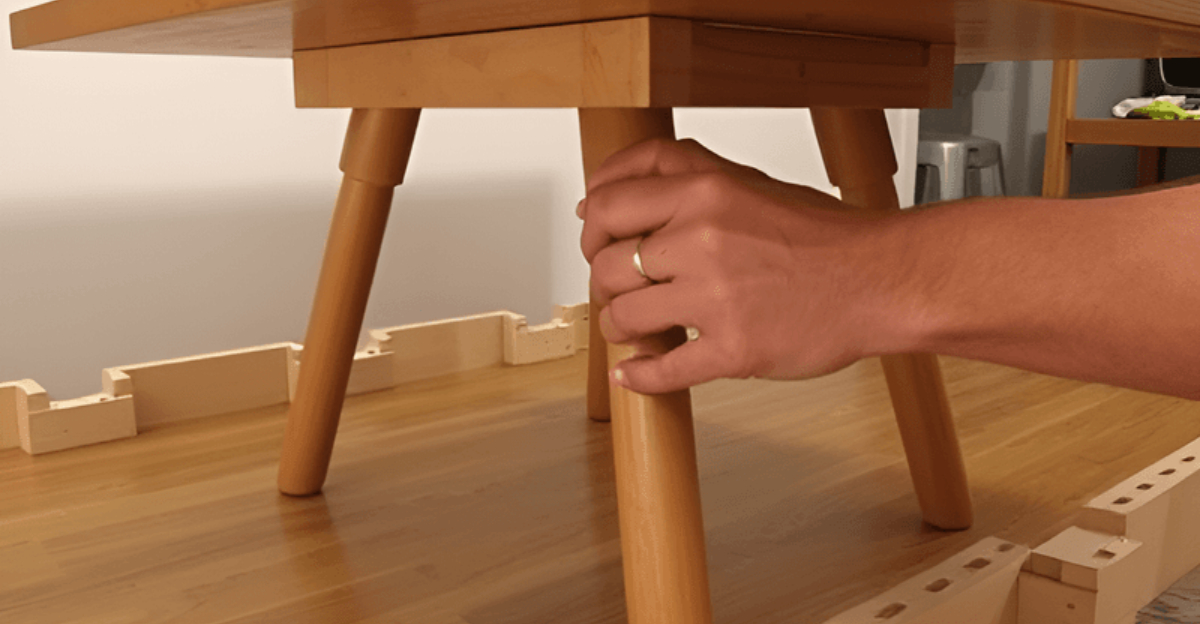
Flimsy plastic legs scream ‘budget buy’ faster than anything else on your furniture. Fortunately, many pieces allow for easy leg replacement.
Swapping those wobbly plastic supports for solid wood or sleek metal alternatives instantly elevates the entire piece. For just $20-40, you can find stylish replacements online that transform your furniture’s entire look.
2. Shiny, Flimsy Fabrics — Choose Matte, Textured Upholstery
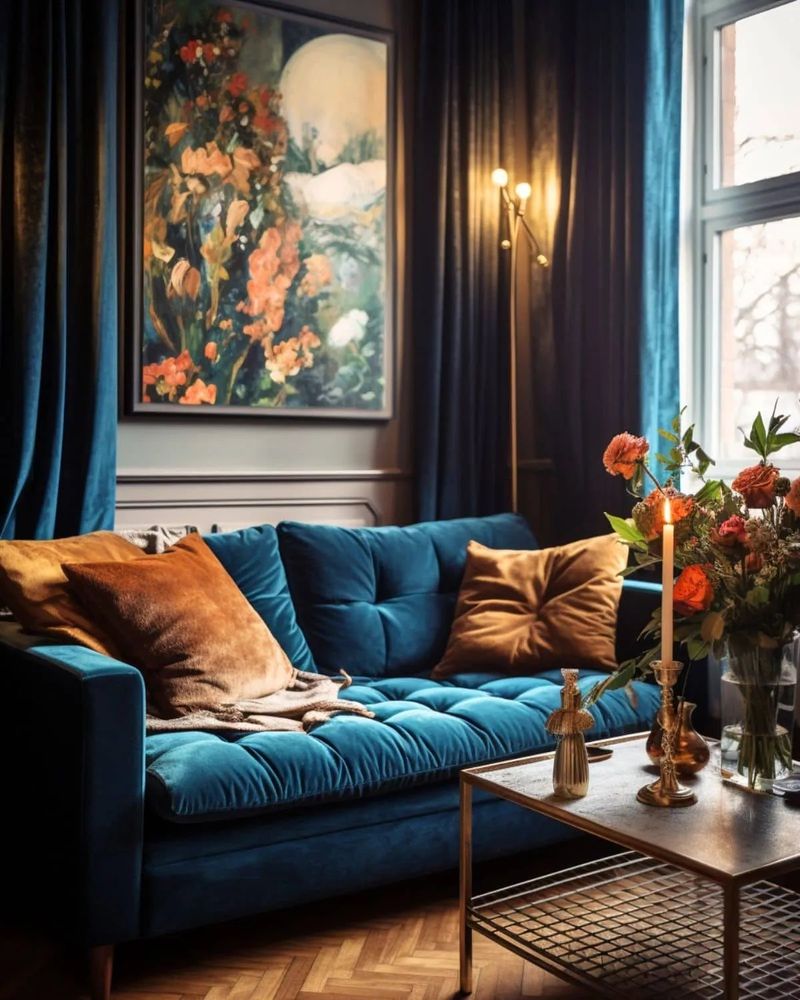
Glossy, thin fabrics reflect light in ways that instantly broadcast ‘inexpensive’ to anyone who enters your room.
Opting for matte finishes with subtle texture adds depth and sophistication to your furniture. Natural fibers like cotton, linen, or wool might cost more initially but offer timeless appeal and durability that synthetic shiny materials simply can’t match.
3. Overly Padded Cushions — Opt for Firm, Tailored Seating
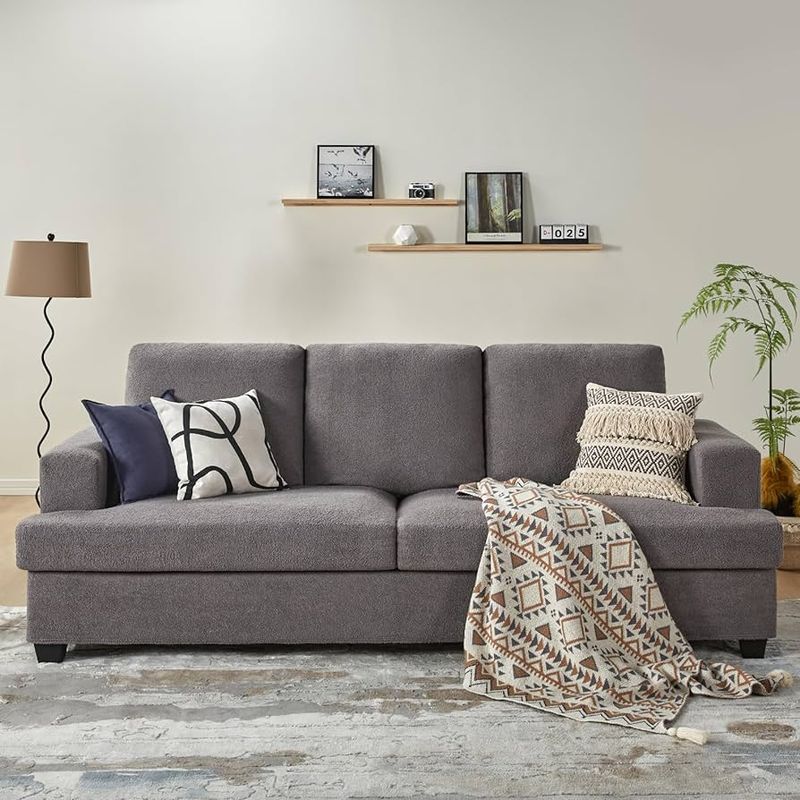
Puffy, overstuffed cushions that lose their shape quickly give away budget furniture instantly. When cushions sag after minimal use, your entire living room looks neglected.
Investing in furniture with firm, structured cushioning maintains a clean silhouette over time. Look for high-density foam cores wrapped in down alternatives for the perfect balance of comfort and sophistication.
4. Visible Staples or Glue — Invest in Well-Finished Pieces
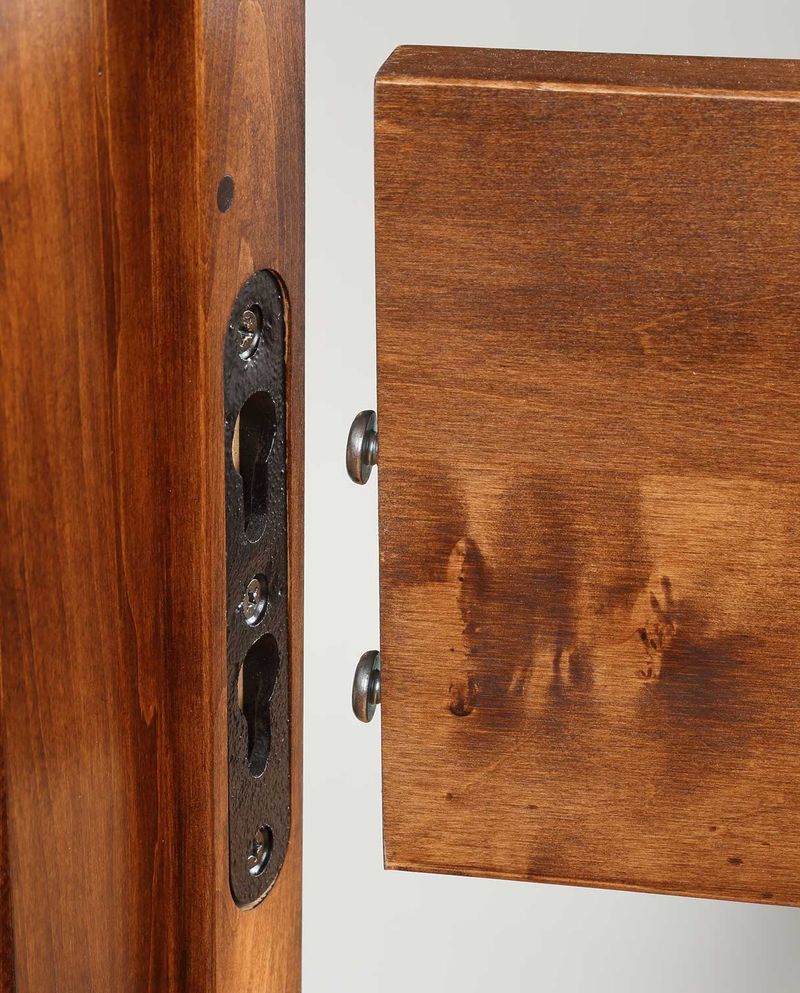
Peek underneath your furniture or check the seams – are there visible staples, glue residue, or unfinished edges? Nothing screams “budget buy” quite like exposed construction elements.
Quality furniture features hidden fasteners, clean seams, and finished undersides. Even affordable pieces should conceal the construction methods, so inspect thoroughly before purchasing to avoid these telltale cheap indicators.
5. Wobbly or Uneven Legs — Check and Tighten Hardware
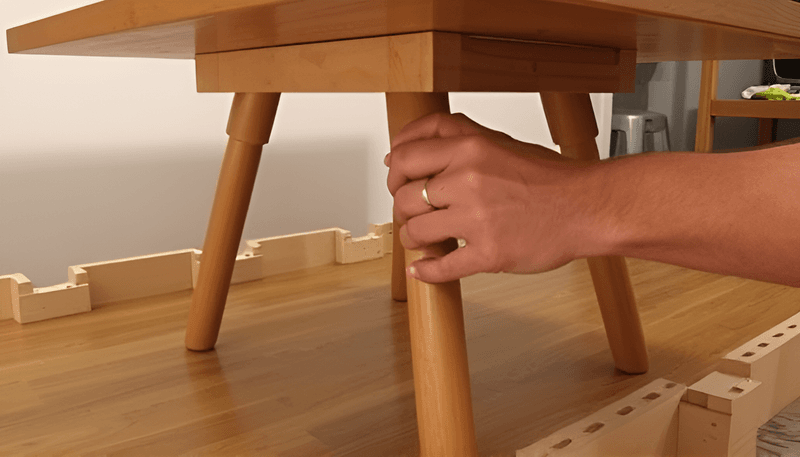
Walking into a room and seeing a tilting sofa or chair with one leg slightly off the ground instantly signals poor quality. Unstable furniture not only looks cheap but creates a sense of impermanence.
Grab your toolkit and tighten all visible screws and bolts regularly. For persistent wobbles, add furniture levelers or felt pads designed to compensate for uneven floors while protecting your hardwood.
6. Poorly Matched Sets — Mix and Match Styles Thoughtfully
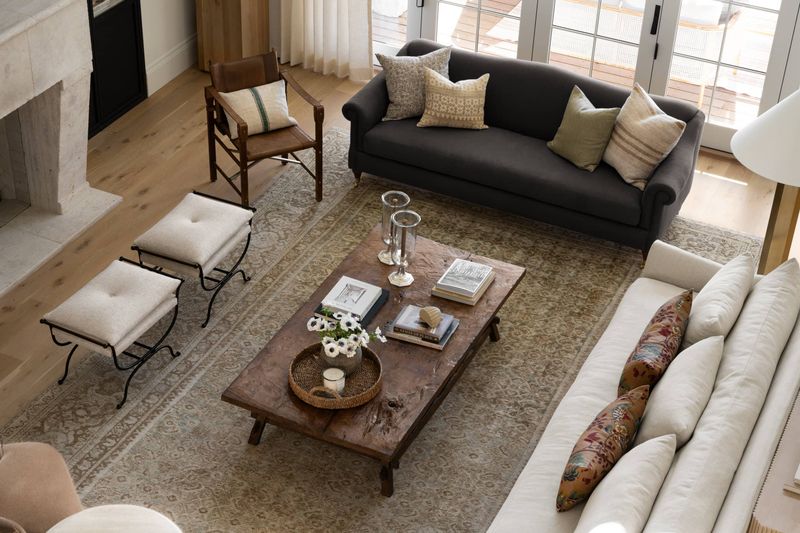
Buying the entire matching set from a discount furniture store creates that “straight from the catalog” look that lacks personality and sophistication. Matchy-matchy furniture arrangements often appear mass-produced rather than curated.
Instead, thoughtfully combine different pieces that share complementary elements. A vintage coffee table paired with a modern sofa creates visual interest and suggests a collection built over time.
7. Cheap Laminate Surfaces — Upgrade to Real Wood or Veneer
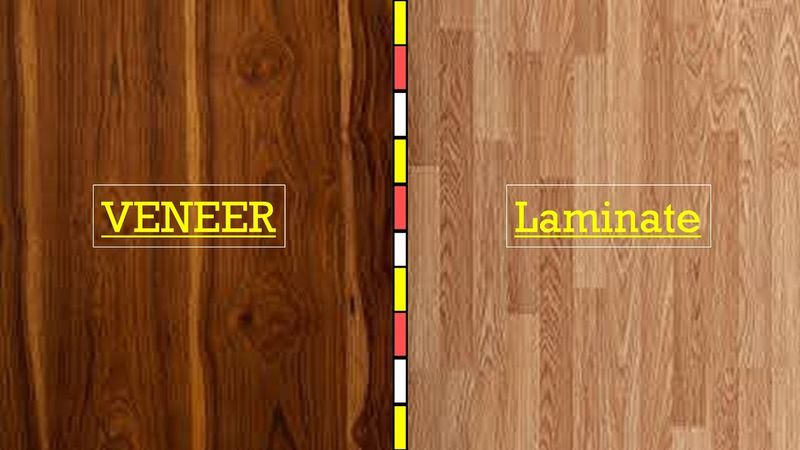
Spotting fake wood isn’t difficult – uniform patterns, plastic-like sheen, and those perfectly straight “wood grain” lines are dead giveaways of inexpensive laminate.
Saving up for solid wood or quality veneer makes a remarkable difference in appearance. If budget constraints exist, consider refinishing existing laminate pieces with specialized paint or applying wood veneer sheets to transform their appearance completely.
8. Plastic or Faux Leather — Consider Genuine Leather or Quality Fabric
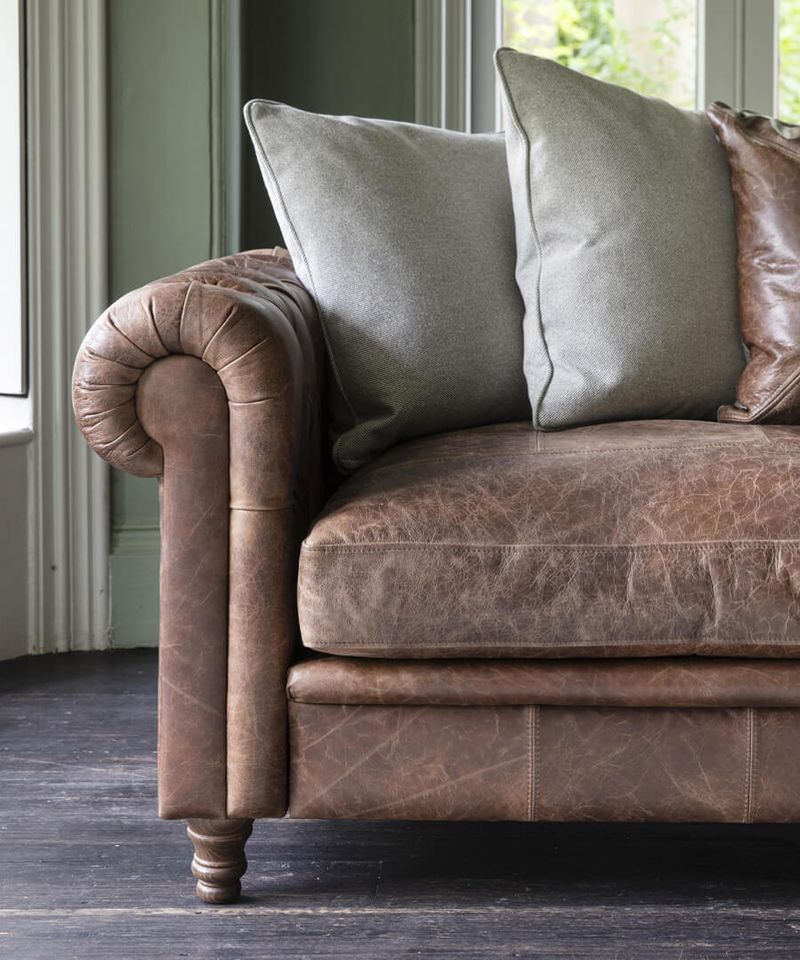
Ever sat on a vinyl sofa in summer? That sticky, sweaty feeling matches the cheap appearance perfectly. Faux leather often cracks, peels, and deteriorates quickly, revealing its true nature.
Genuine leather ages gracefully, developing a rich patina that adds character over time. When leather stretches the budget, opting for premium cotton or linen upholstery provides breathable, elegant alternatives that impress without compromise.
9. Inconsistent Color Shades — Coordinate Color Palette
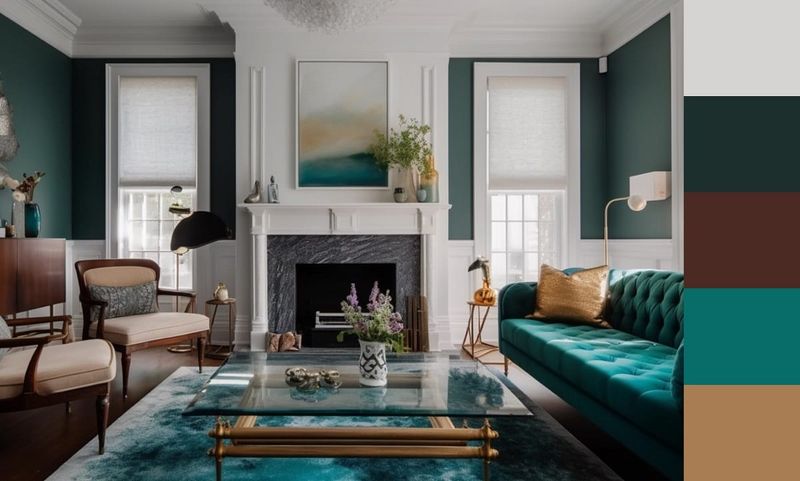
Random furniture colors colliding in one space create visual chaos and suggest impulsive, unplanned purchases rather than thoughtful design choices.
Developing a cohesive color story throughout your living room instantly elevates even modest pieces. Select furniture in complementary or analogous colors, or stick with neutrals for larger pieces while adding coordinated accent colors through smaller items for a pulled-together, designer look.
10. Excessive Use of Glossy Finishes — Go for Matte or Satin
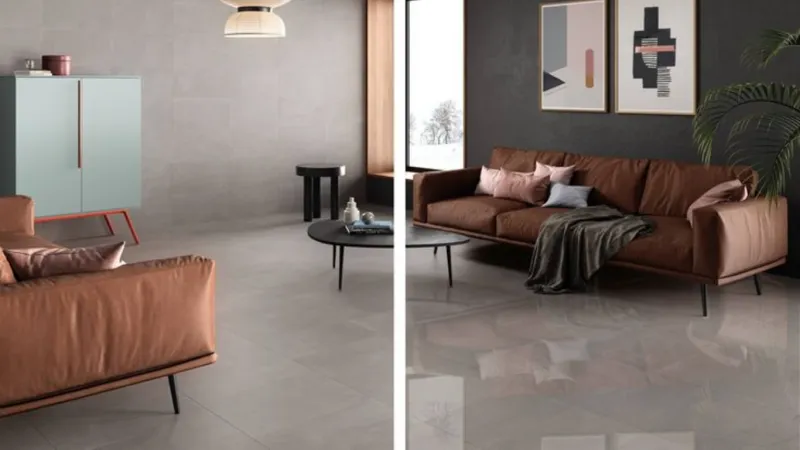
Ultra-shiny surfaces on furniture tend to look like plastic regardless of the actual material. Excessive gloss highlights every fingerprint, scratch, and imperfection while creating that unmistakable budget furniture appearance.
Matte or satin finishes offer sophistication and visual depth that glossy surfaces can’t match. They hide minor imperfections better and create a more expensive, understated elegance that elevates your entire living space.
11. Tiny Scale Furniture in Large Rooms — Choose Proportional Pieces
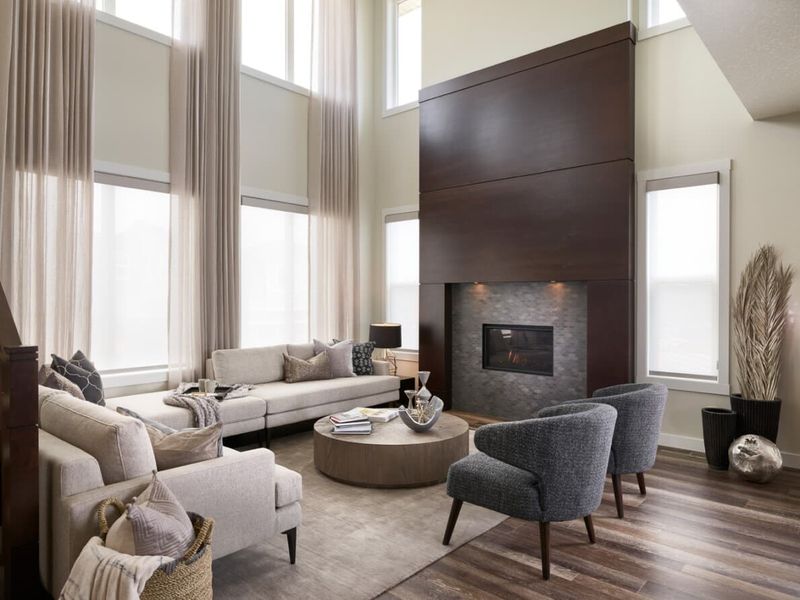
Undersized furniture floating in a spacious room creates that unmistakable “starter apartment” vibe. When sofas and chairs appear dwarfed by the room, everything looks cheaper regardless of actual quality.
Measure your space before shopping and select appropriately scaled pieces. In larger rooms, opt for sectionals or substantial sofas with proper depth and height. Proper proportions signal thoughtful selection rather than budget constraints.
12. Outdated, Worn-Out Fabrics — Reupholster or Replace
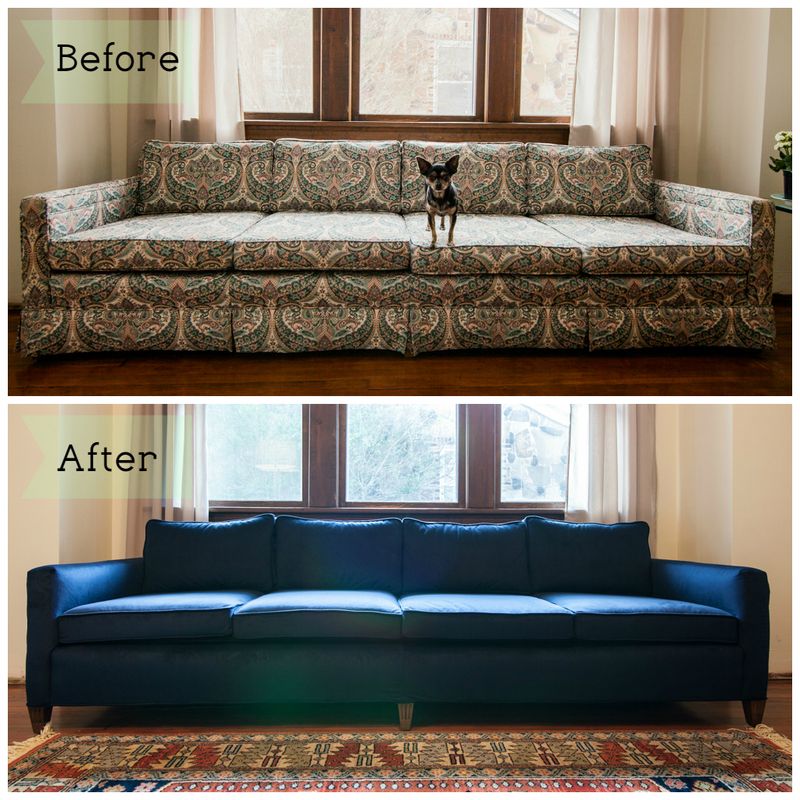
Faded, pilled, or visibly worn upholstery broadcasts neglect rather than vintage charm. When fabric shows sun damage or staining, even expensive pieces look like thrift store finds.
Quality reupholstering breathes new life into good-boned furniture. For pieces with solid frames but tired fabrics, professional reupholstering costs less than replacement while delivering custom results that elevate your entire living space.
13. Visible Manufacturer Labels — Remove or Cover
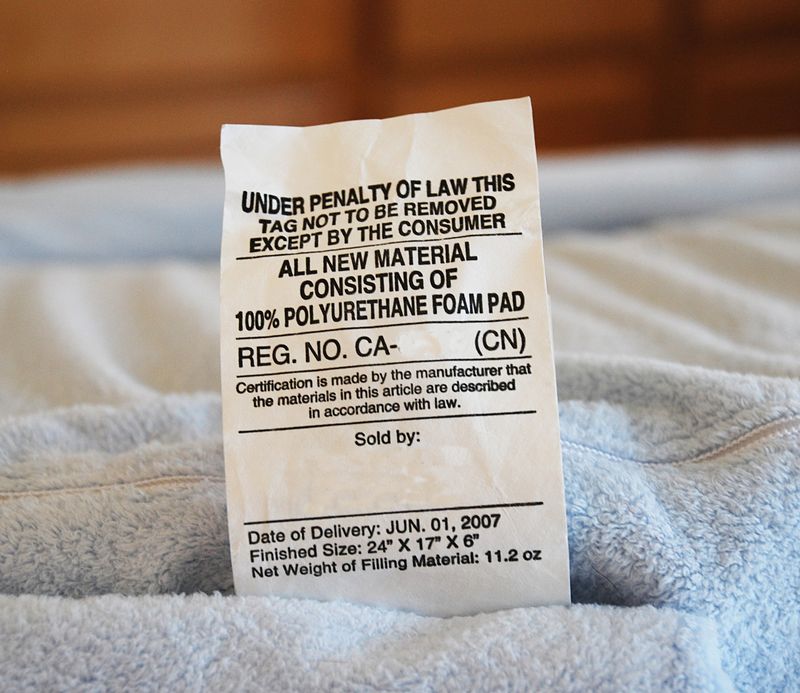
Leaving those little brand tags on cushions or underneath glass tabletops screams “I just bought this!” Nothing looks cheaper than visible manufacturer information still attached to your furniture.
Take time to remove all hanging tags, stickers, and temporary labels. For sewn-in information tags on cushions or pillows, carefully snip them off or tuck them inside where they won’t be visible during normal use.
14. Excessive Ornamentation — Embrace Clean, Simple Lines
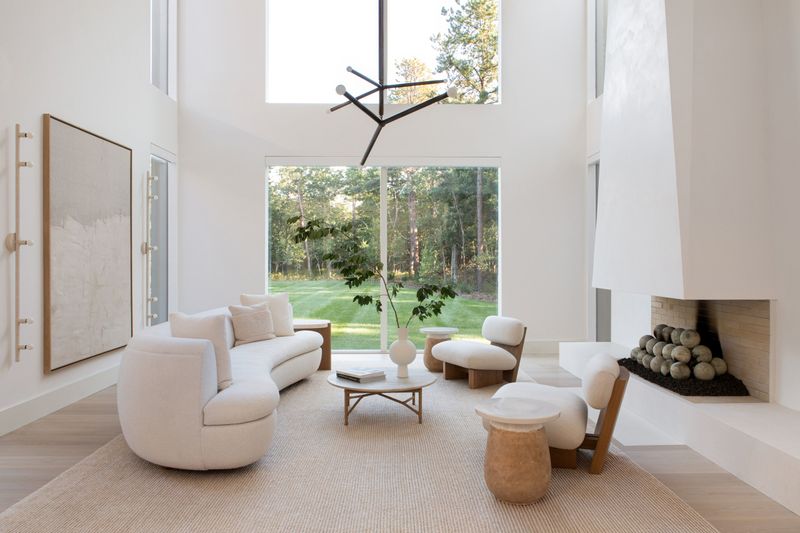
Overly ornate furniture with plastic “carved” details or faux gilding attempts to mimic luxury but achieves the opposite effect. Fake embellishments typically look exactly that – fake.
Opting for clean lines and simple silhouettes creates a more sophisticated impression. Mid-century modern or contemporary pieces with minimal ornamentation often look more expensive than their elaborately decorated counterparts, regardless of actual price point.
15. Cheap-Looking Throw Pillows — Invest in Quality Covers
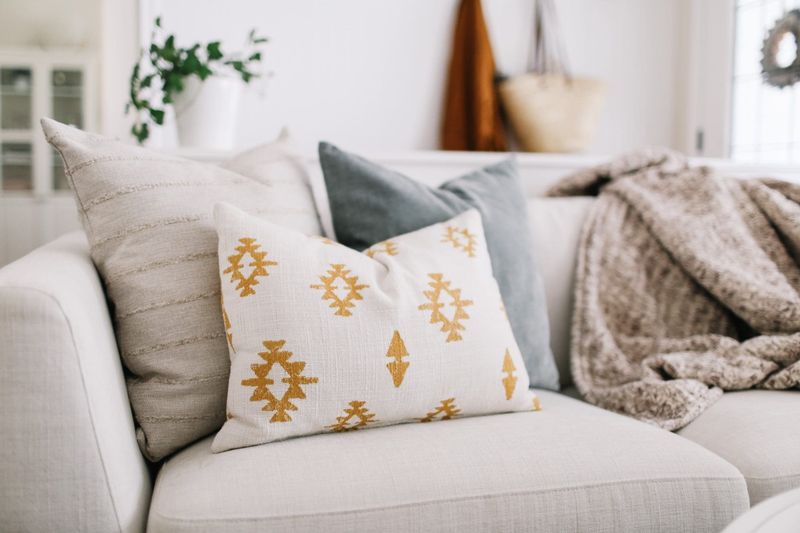
Flimsy, shiny throw pillows with visible polyester filling deflate quickly and drag down your entire furniture arrangement. When pillows look flat and lifeless, they broadcast “bargain bin” to everyone who enters.
Quality pillow covers with down or down-alternative inserts maintain their shape beautifully. Look for natural fabrics with interesting textures or subtle patterns that complement your furniture rather than matching it exactly.
16. Poor Lighting — Add Floor or Table Lamps to Highlight Furniture
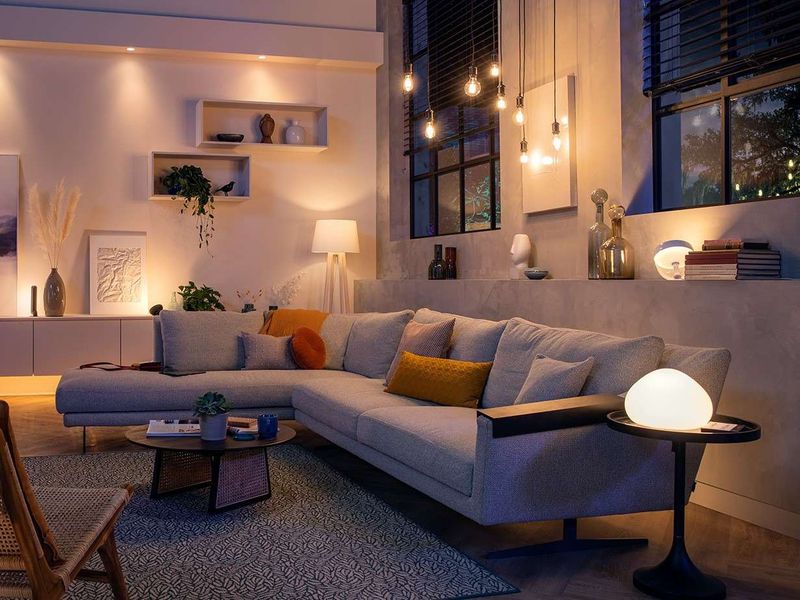
Relying solely on harsh overhead lighting casts unflattering shadows that emphasize every flaw in your furniture. Without proper lighting, even quality pieces can look flat and unimpressive.
Layered lighting transforms how furniture appears. Strategically placed floor lamps, table lamps, and ambient lighting create depth and highlight your furniture’s best features. Warm-toned bulbs (2700-3000K) cast the most flattering light on wood tones and fabrics.