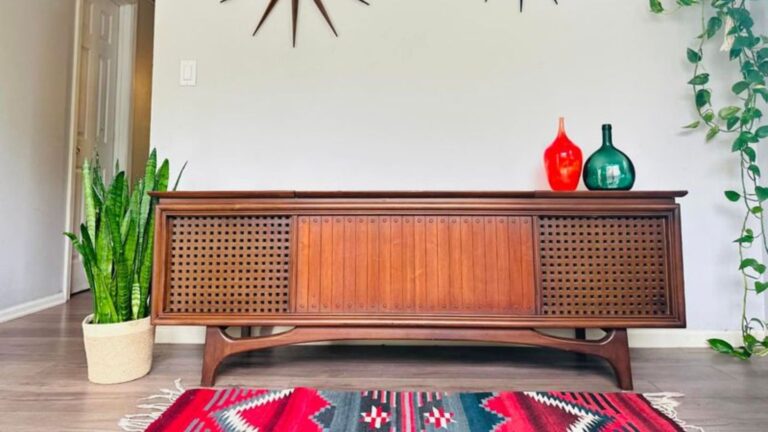
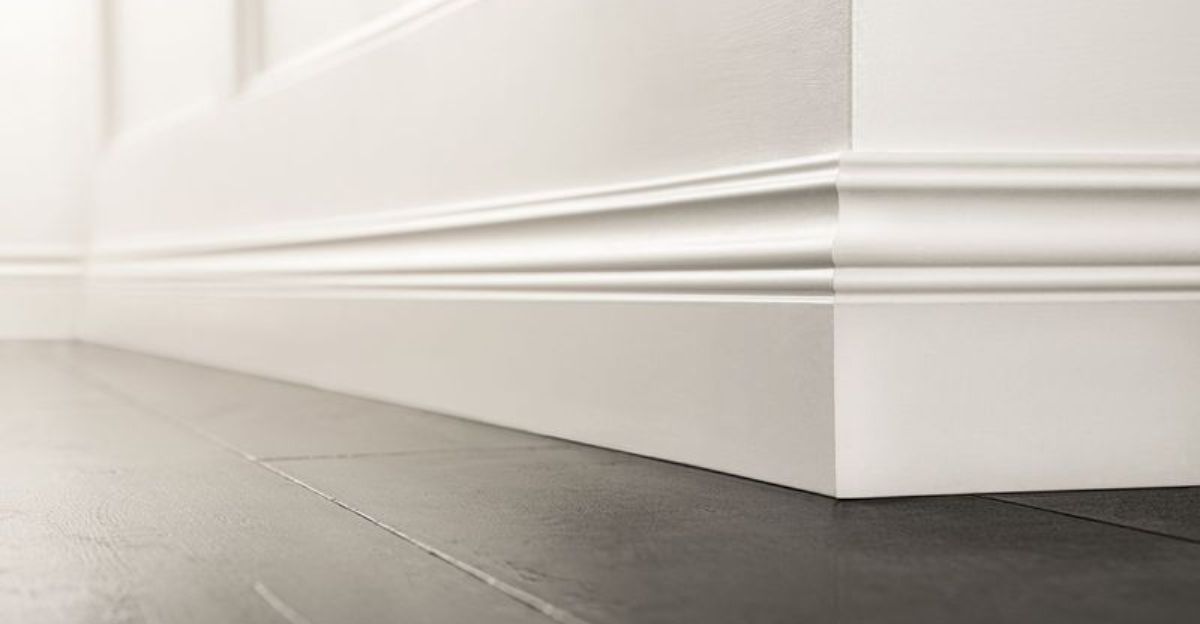
17 Floor Trim Moldings And Styles Picked For Your Home
Floor trim moldings are like the perfect frame for a beautiful picture – they finish your floors with style and personality. Often overlooked, these design elements can dramatically transform a room’s appearance and increase your home’s value.
Ready to discover how the right trim can elevate your home’s interior? Come explore 17 stunning options that might be perfect for your space.
1. Colonial
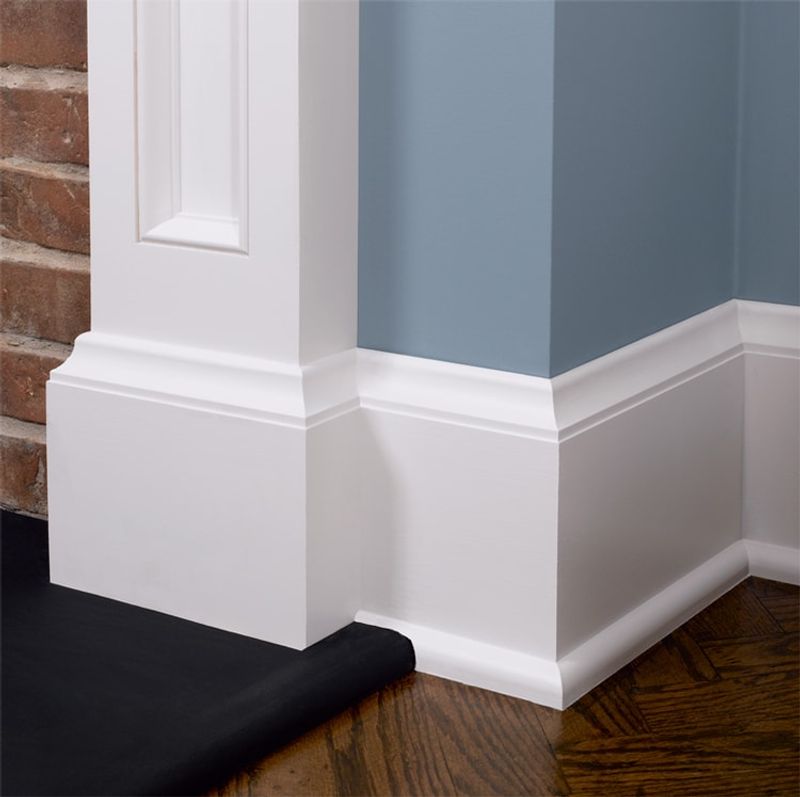
Dating back to early American homes, colonial trim brings timeless elegance to any space. The simple, clean lines create a sophisticated border between your floors and walls.
Most colonial baseboards feature a curved top edge and flat face, measuring 5-7 inches in height. Many homeowners choose this style for traditional or historical renovation projects.
2. Craftsman
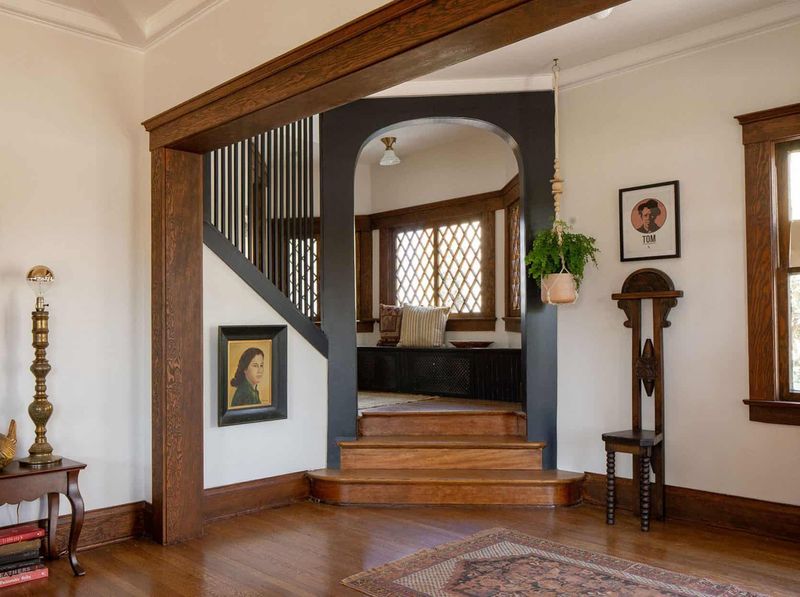
Authenticity shines through craftsman trim with its sturdy, substantial appearance. Characterized by stacked layers and straight lines, this style emerged during the Arts and Crafts movement of the early 1900s.
Typically crafted from natural wood like oak or maple, craftsman trim celebrates honest materials and craftsmanship. Wood grain remains visible, even when painted, adding character to your home’s foundation.
3. Victorian
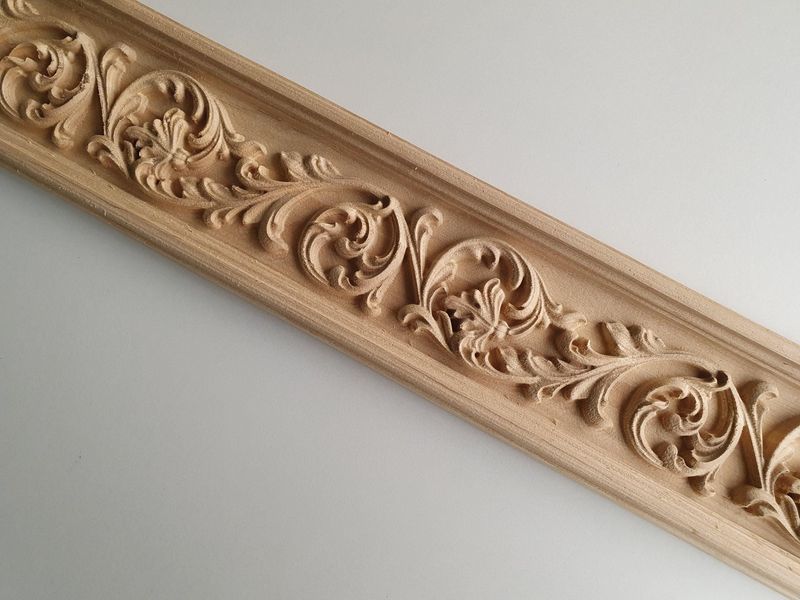
Ornate and elaborate, Victorian trim transports your home to an era of grandeur. Featuring intricate detailing, these baseboards often stand tall at 9-12 inches, making a bold statement in any room.
Carved rosettes and floral motifs frequently adorn Victorian trim, celebrating the decorative excess of the period. Installing this style instantly adds vintage charm and historic character to modern homes.
4. Modern
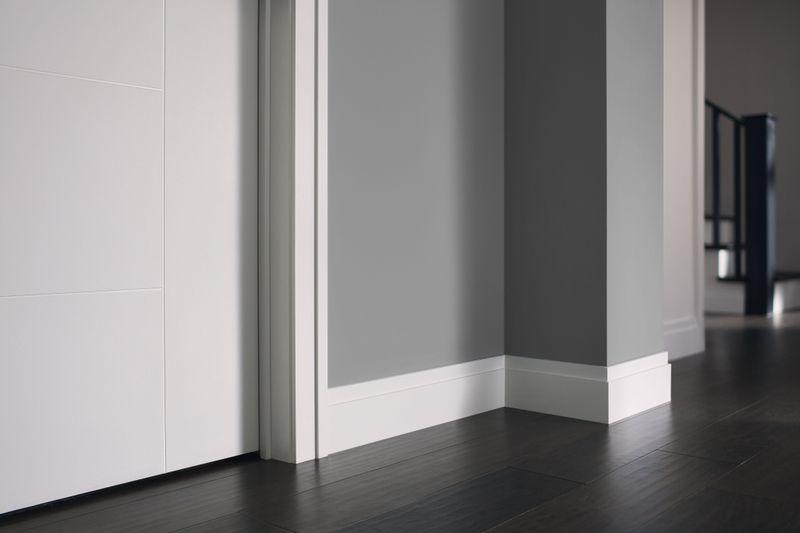
Clean lines define modern trim styles, offering minimalist appeal for contemporary homes. Without ornate details or curves, these sleek profiles create subtle transitions between floors and walls.
A lot of modern baseboards feature a simple rectangular shape, typically measuring 3-5 inches high. The understated design complements open floor plans and uncluttered spaces while maintaining a finished look.
5. Traditional
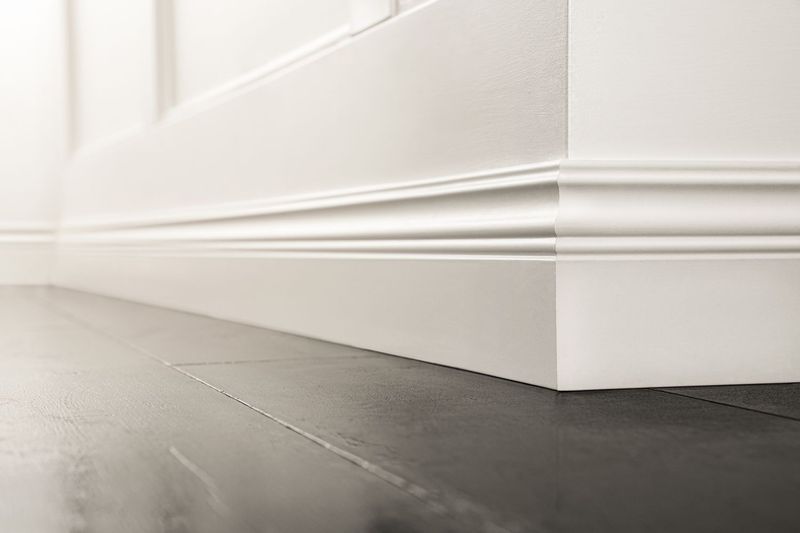
Versatility makes traditional trim a favorite for many homeowners. With a gently curved profile and moderate height of 4-6 inches, it bridges the gap between ornate and simple styles.
Found in homes built throughout the 20th century, traditional baseboards offer timeless appeal without making a strong stylistic statement. Perfect for those wanting a classic look that won’t quickly go out of fashion.
6. Mission
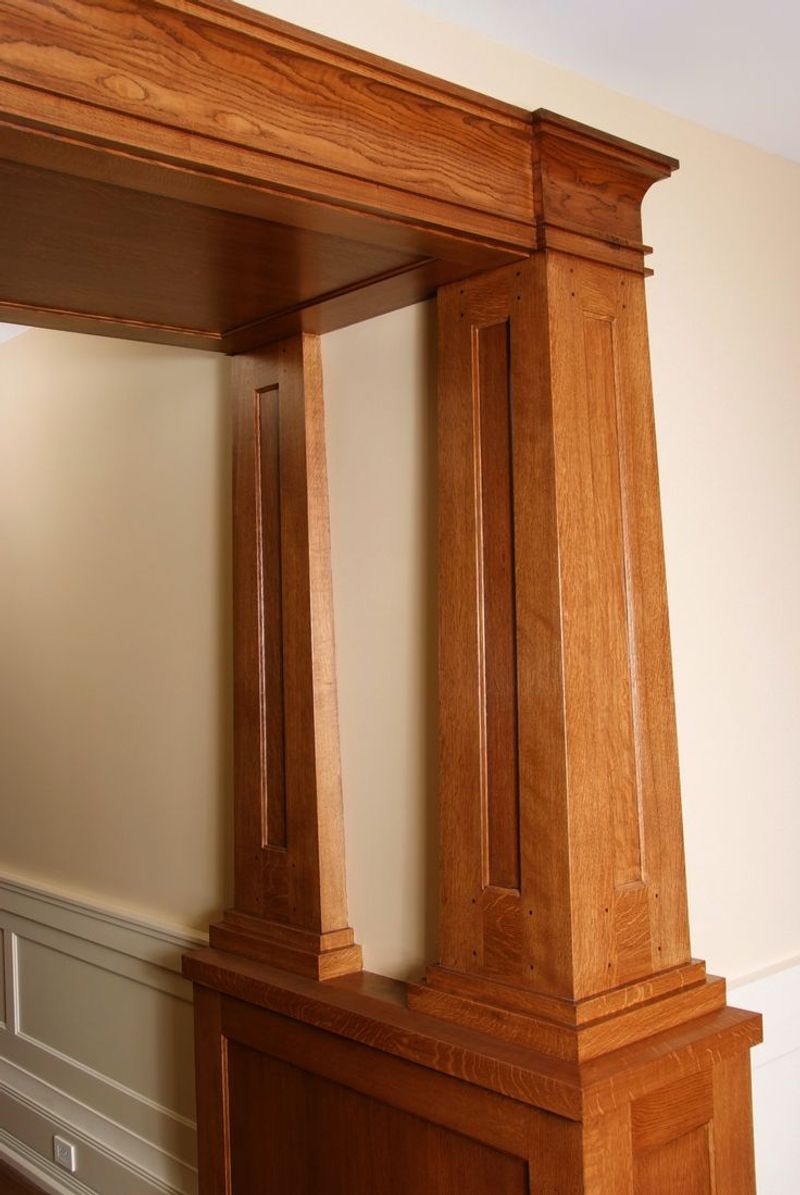
Simplicity reigns supreme with mission style trim, showcasing straightforward designs that emphasize craftsmanship over decoration. Straight edges and right angles create a distinctly architectural look.
Mission trim emerged from the American Arts and Crafts movement, celebrating honest materials and functional beauty. When crafted from quarter-sawn oak with visible grain patterns, these baseboards become a stunning feature in any room.
7. Art Deco
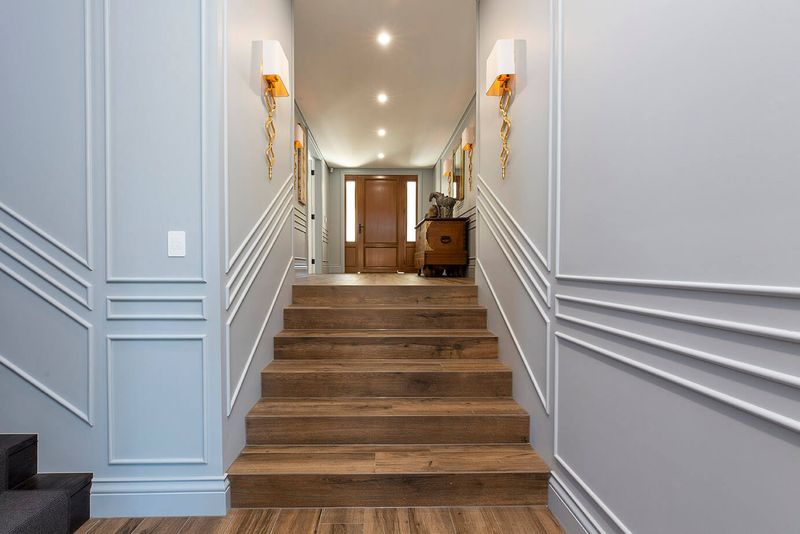
Glamour steps onto the scene with Art Deco trim, featuring bold geometric patterns and sleek lines. Popular in the 1920s and 30s, this style brings vintage sophistication to modern homes.
Stepped profiles and contrasting materials like dark wood against light walls characterize Art Deco baseboards. For authentic period charm, look for trim with repeated geometric motifs or inlaid details that catch the light.
8. Beadboard
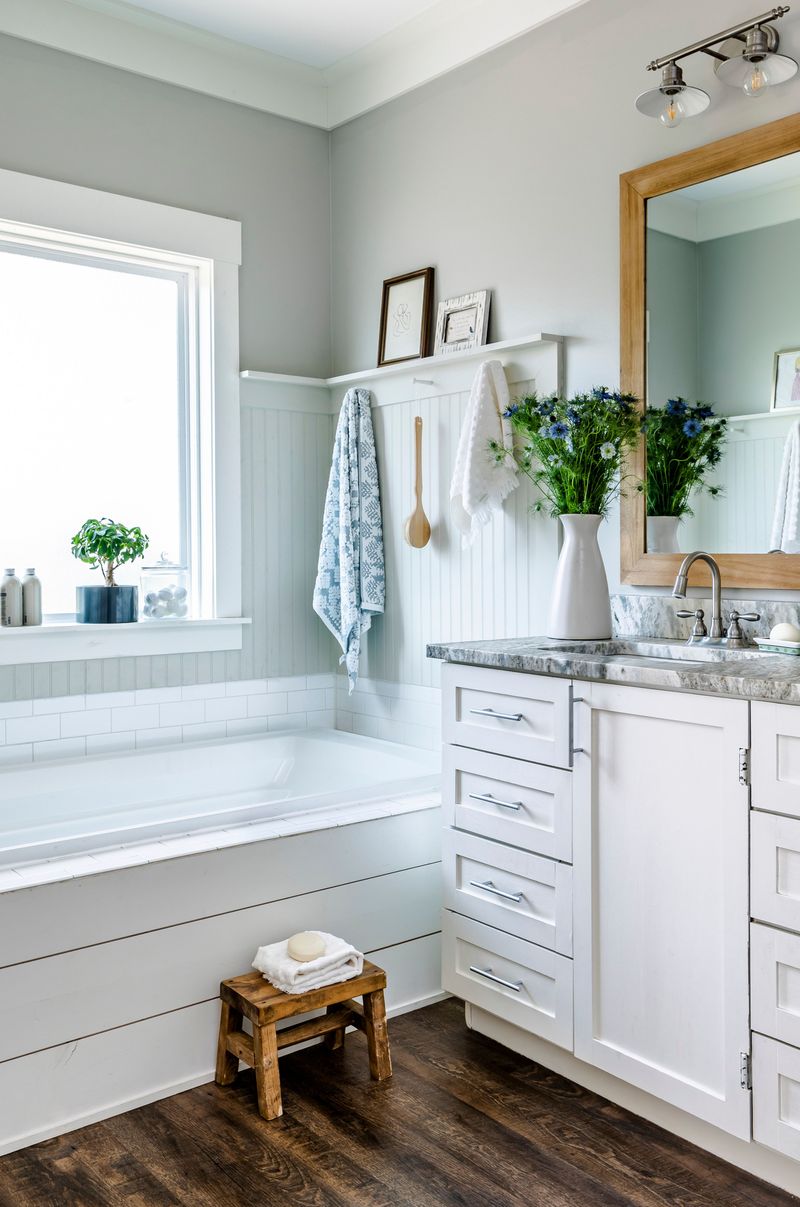
Cottage charm flows from beadboard trim with its distinctive vertical grooves and casual appeal. Originally used as full wall paneling, beadboard has evolved into a popular trim option for coastal and farmhouse interiors.
Usually topped with a simple cap molding, this style brings texture and visual interest to your room’s perimeter. The vertical lines can make ceilings appear higher, adding dimension to smaller spaces.
9. Cove
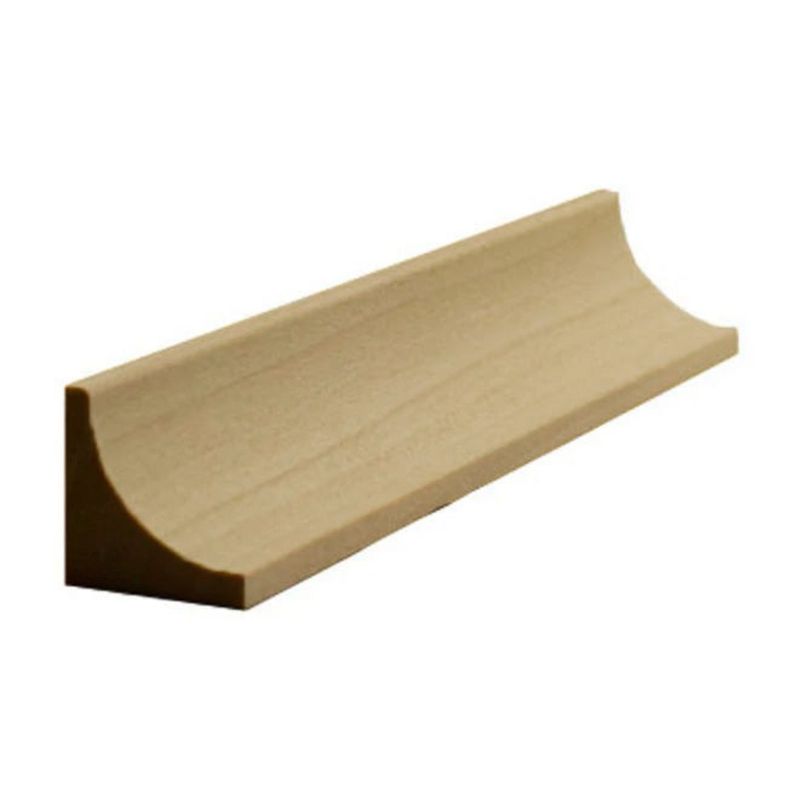
Graceful curves define cove molding, creating soft transitions between your floors and walls. The concave profile catches light beautifully, casting subtle shadows that add depth to your room.
Cove trim works wonderfully in spaces where you want to soften architectural lines. Often paired with a flat baseboard beneath, this style brings elegance without overwhelming the space, making it great for bedrooms and formal living areas.
10. OGEE
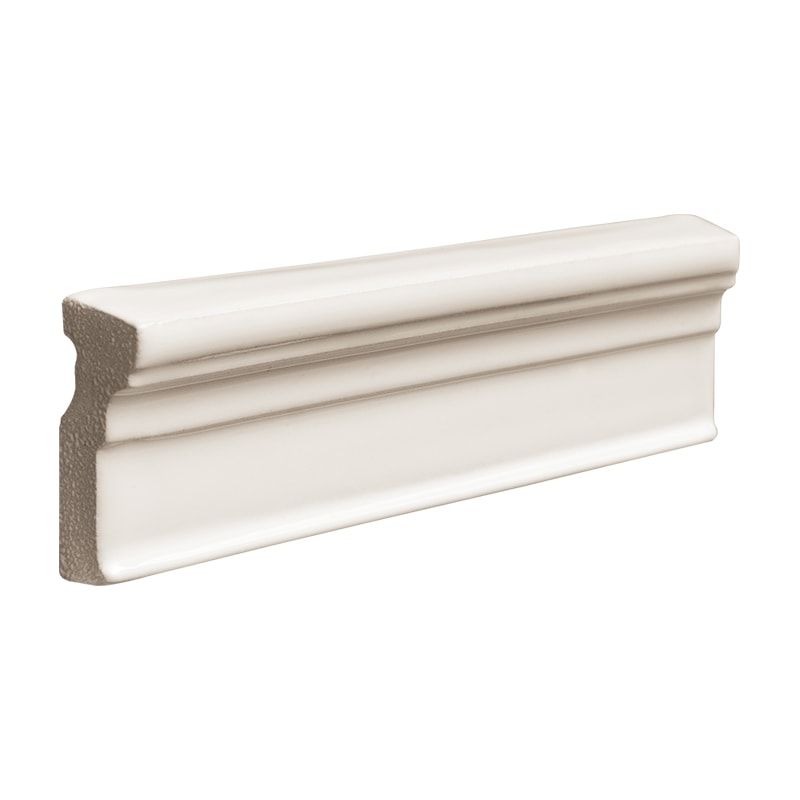
S-shaped profiles give OGEE trim its distinctive character, combining convex and concave curves in one flowing design. Named after the mathematical curve it resembles, this style brings classical elegance to any room.
Widely used in Georgian and Federal period homes, OGEE baseboards create beautiful shadow lines. Light plays across the curves throughout the day, adding subtle visual interest even to simple white trim.
11. Dentil
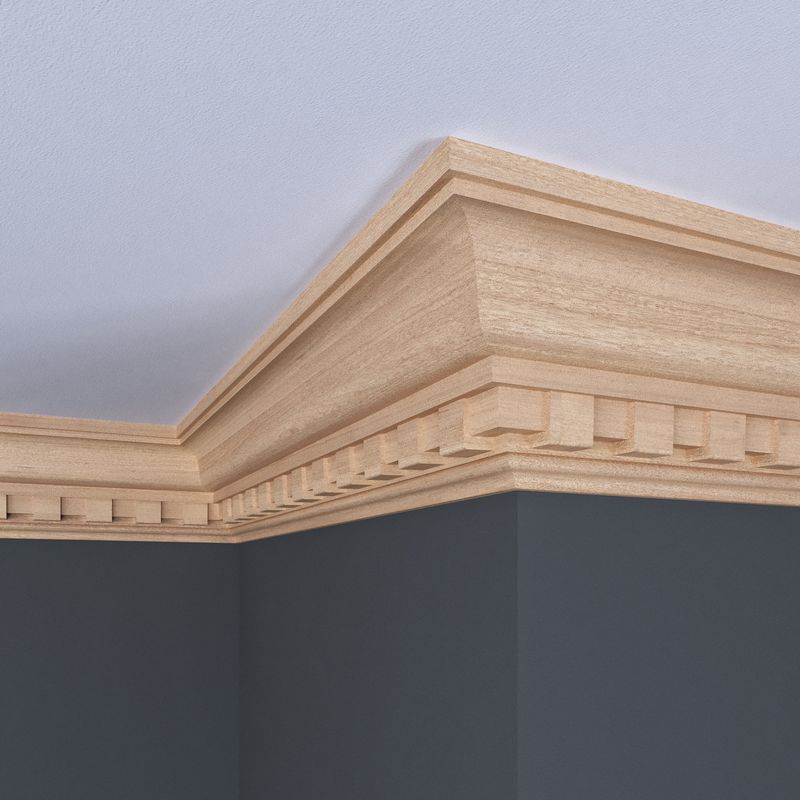
Small, tooth-like blocks create the distinctive pattern on dentil trim, adding formal elegance to traditional spaces. Inspired by classical Greek and Roman architecture, this style brings historical gravitas to your home.
Dentil details typically appear along the top edge of baseboards, creating a repeating pattern of light and shadow. Ideal for formal dining rooms or libraries, this trim style signals refinement and attention to architectural detail.
12. Rope
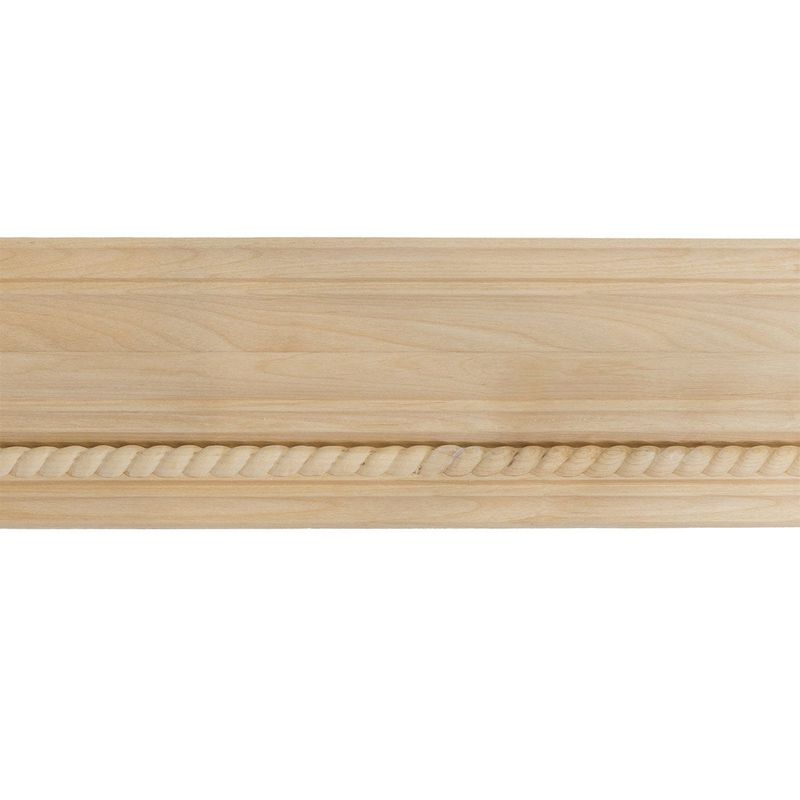
Carved to resemble twisted rope, this decorative trim adds nautical flair and textural interest to your home. Each twist and turn catches light differently, creating dynamic visual appeal along your floors.
Rope molding originated in maritime communities, where ship carpenters brought their skills to home building. Today, it’s perfect for coastal homes or adding unexpected texture in traditional spaces where detail matters.
13. Egg and Dart
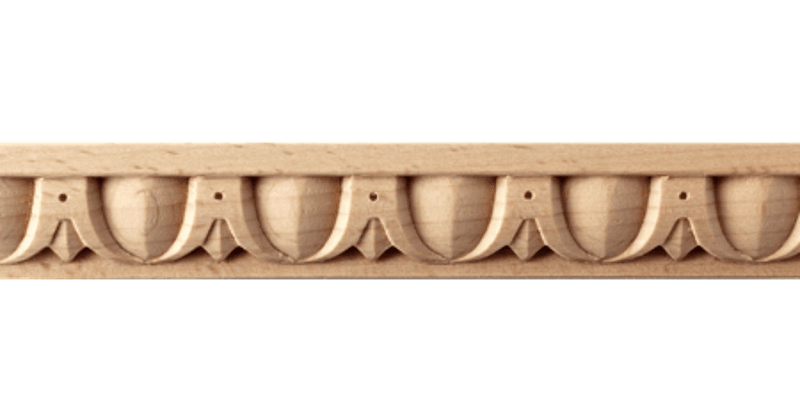
Ancient Greek inspiration shines through egg and dart trim, featuring alternating oval (egg) shapes and triangular (dart) patterns. This classical design has adorned architecture for over 2,000 years, bringing timeless elegance to modern homes.
Typically carved in relief, egg and dart baseboards create striking shadow patterns. Common in formal spaces or homes featuring Mediterranean or neoclassical design, this trim style makes a sophisticated statement.
14. Bullnose
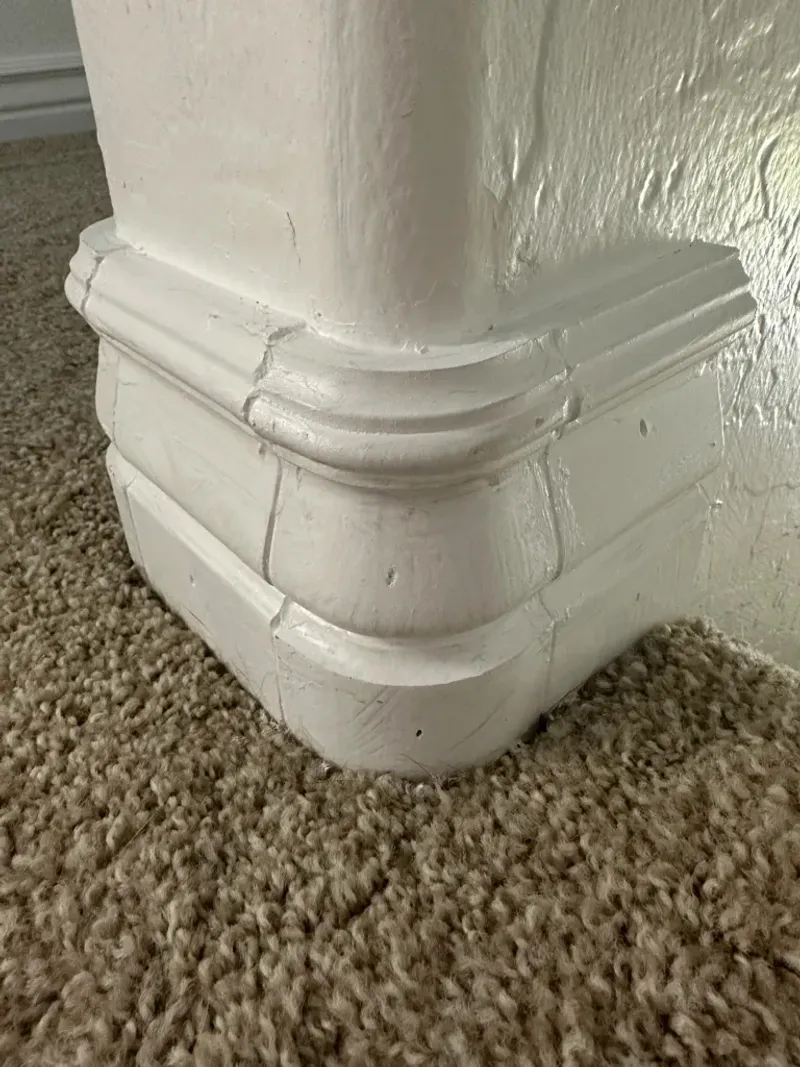
Smooth, rounded edges define bullnose trim, creating a soft, child-friendly profile without sharp corners. The convex curve extends outward from the wall, creating a gentle transition to your flooring.
Popular in Spanish-style and Southwestern homes, bullnose baseboards complement curved doorways and archways. The rounded profile also makes cleaning easier, as dust doesn’t collect on flat edges.
15. Square Edge
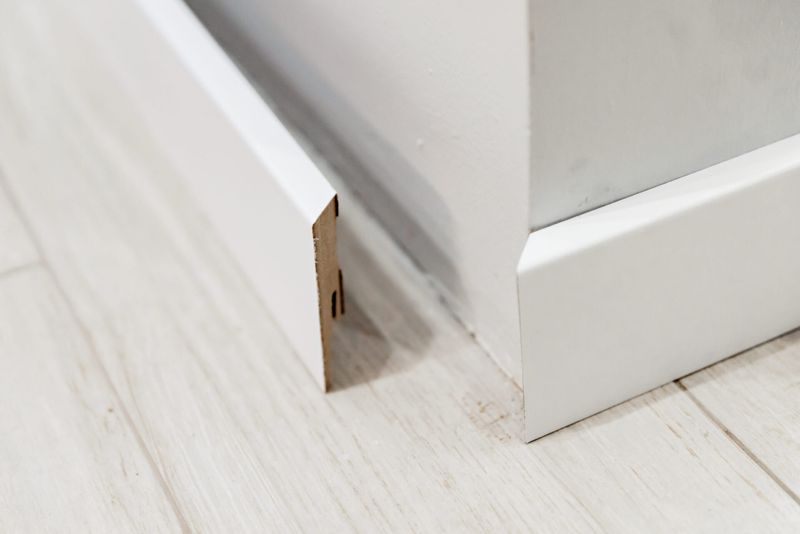
Minimalism takes center stage with square edge trim, featuring clean, 90-degree angles and no decorative profiles. The straightforward design creates crisp lines that complement contemporary and industrial interiors.
Often slightly thicker than standard baseboards, square edge trim creates strong shadow lines where it meets the floor.
16. Base Cap
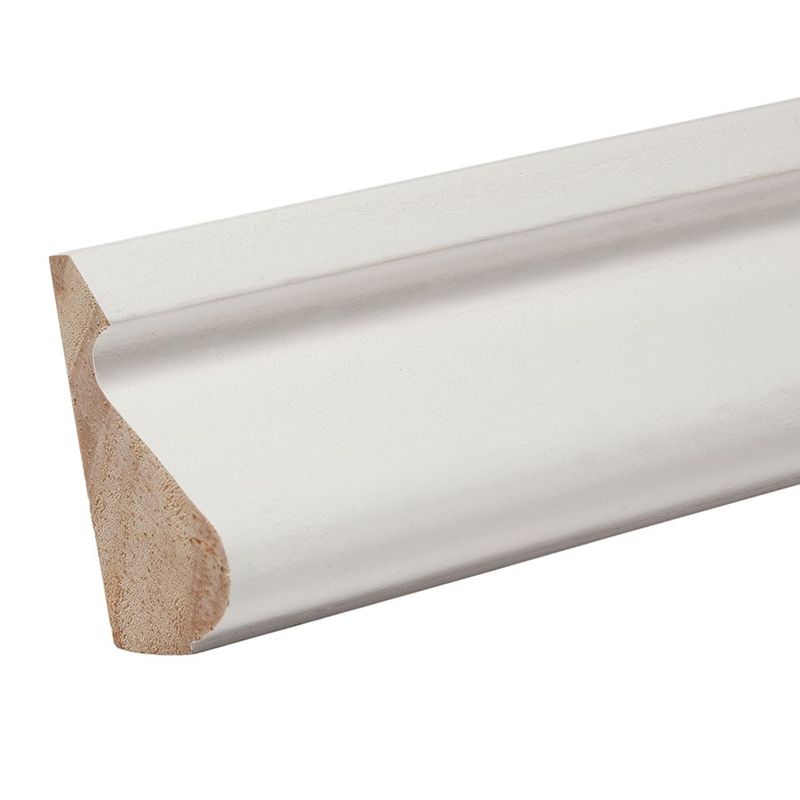
Versatility makes base cap molding a designer favorite, as it can be combined with flat stock to create custom trim profiles. The decorative cap sits atop a plain baseboard, adding visual interest without requiring complex installation.
Mix-and-match potential allows homeowners to create unique combinations that perfectly suit their style. From simple rounded caps to more ornate profiles, this approach offers endless customization options for your home.
17. Stepped
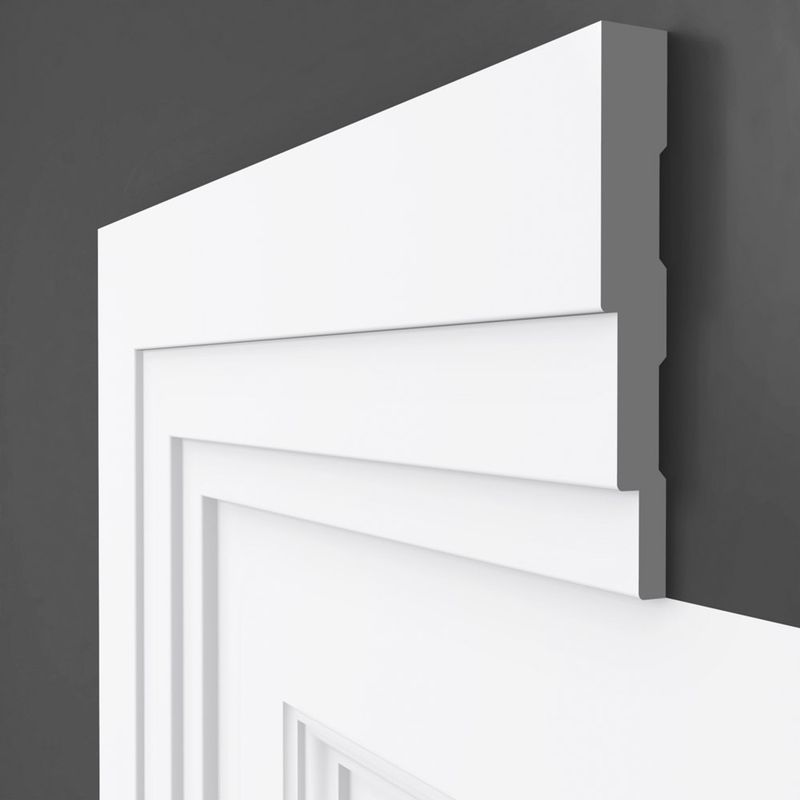
Architectural interest builds with stepped trim, featuring multiple levels that create a wedding cake-like profile. Each horizontal plane catches light differently, adding visual depth and shadow play to your room’s perimeter.
Popular in Art Deco and mid-century modern homes, stepped baseboards make a bold statement. The geometric profile works beautifully in homes with other angular elements, creating cohesive design throughout your space.