36 Vintage Home Features You’ll Never See Again
If you’ve ever wandered through a historic home or watched a classic movie set in the past, you may have encountered unique home features that are now relics of history.
From charming architectural quirks to bygone functional elements, these vintage home features evoke nostalgia and intrigue.
It’s time to embark on a delightful journey through time and explore 36 home features that have gracefully faded into the past, yet remain cherished memories for those who lived in those eras.
1. Transom Windows
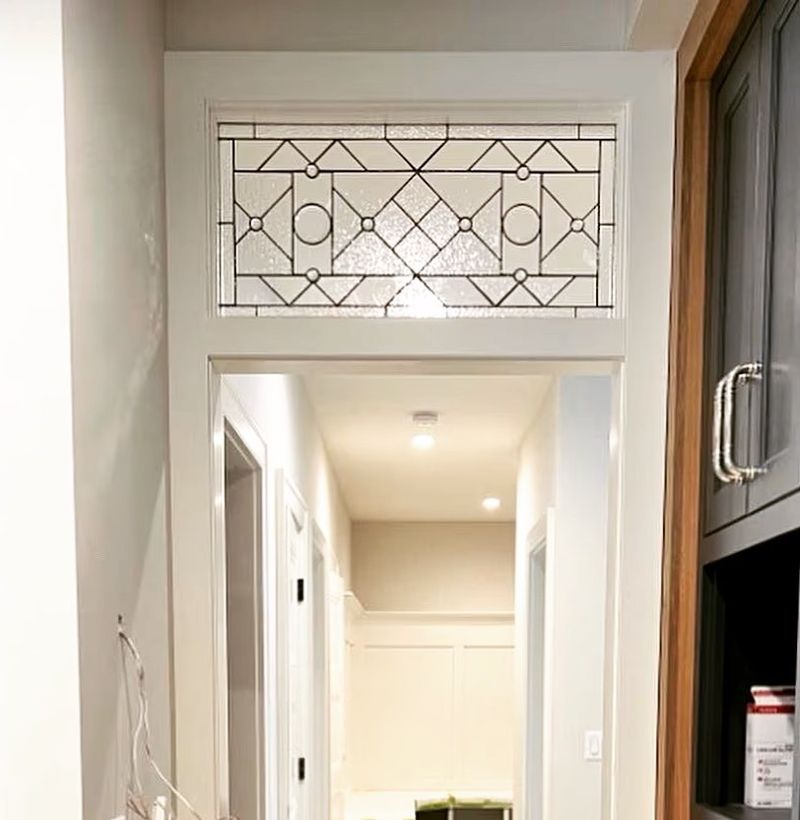
Remember those small windows above doors that let light and air flow between rooms? Transom windows were a staple in older homes, offering a touch of elegance. Their often stained glass patterns created colorful mosaics on the floor.
Nowadays, modern homes have replaced them with air conditioning and central heating systems, leaving transom windows as decorative relics.
Although rarely functional today, they still capture the whimsy and charm of a bygone era, enticing us to imagine the gentle breeze they once allowed.
2. Dumbwaiters
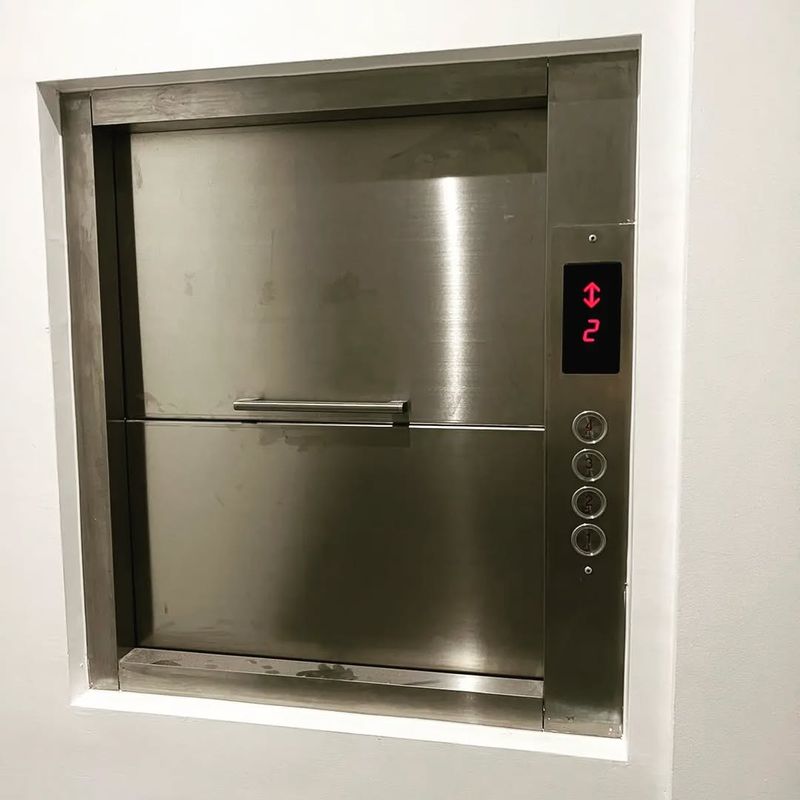
In the days of grand mansions and multi-story homes, dumbwaiters served as silent helpers. These small elevators, tucked behind wooden panels, moved food and goods between floors with the simple pull of a rope. They were a clever convenience for large families or staff.
Today, with modern kitchen technologies and open-plan homes, dumbwaiters have become a charming reminder of the past. Imagining a time when a wooden box transported dinner from the kitchen to the dining room can surely bring a smile.
3. Butler’s Pantries
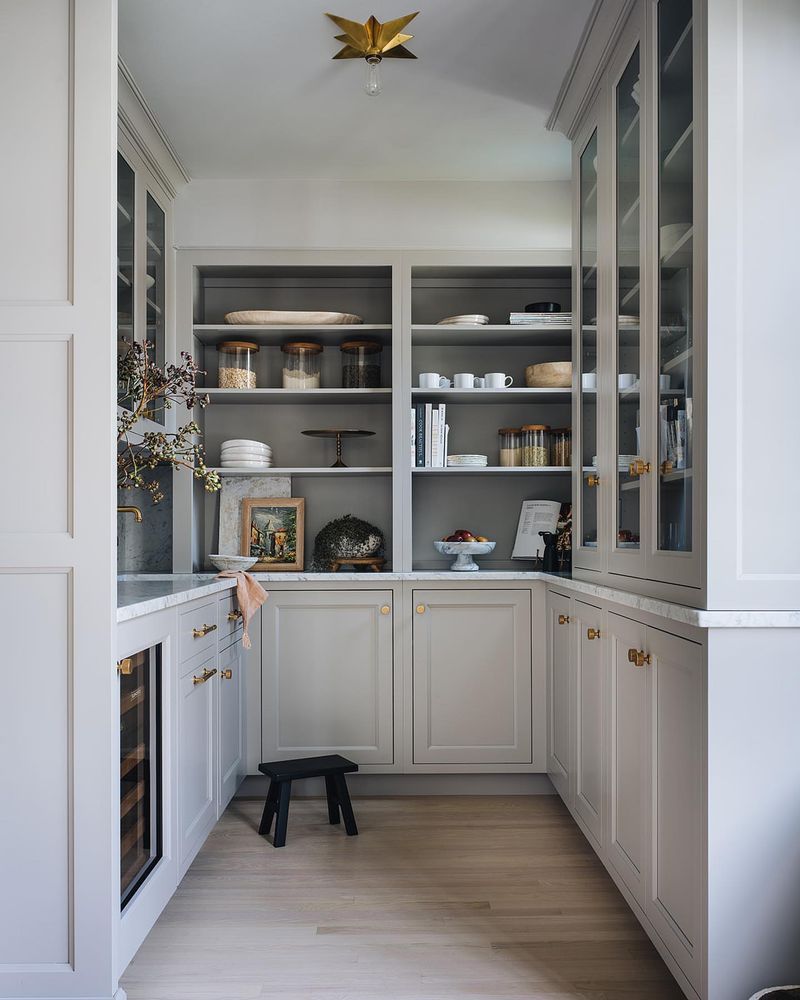
Few things say ‘opulence’ like a butler’s pantry. Tucked away, these spaces stored fine china and linens, keeping the main kitchen clutter-free. Think of a world where entertaining was an art, and the butler’s pantry was the backstage.
Open-plan living has rendered them nearly obsolete, but their charm remains. The allure of a secretive corner filled with treasures is still irresistible. It’s a slice of history that speaks of elegance and meticulous organization, even if modern homes prefer practicality over mystery.
4. Clawfoot Tubs
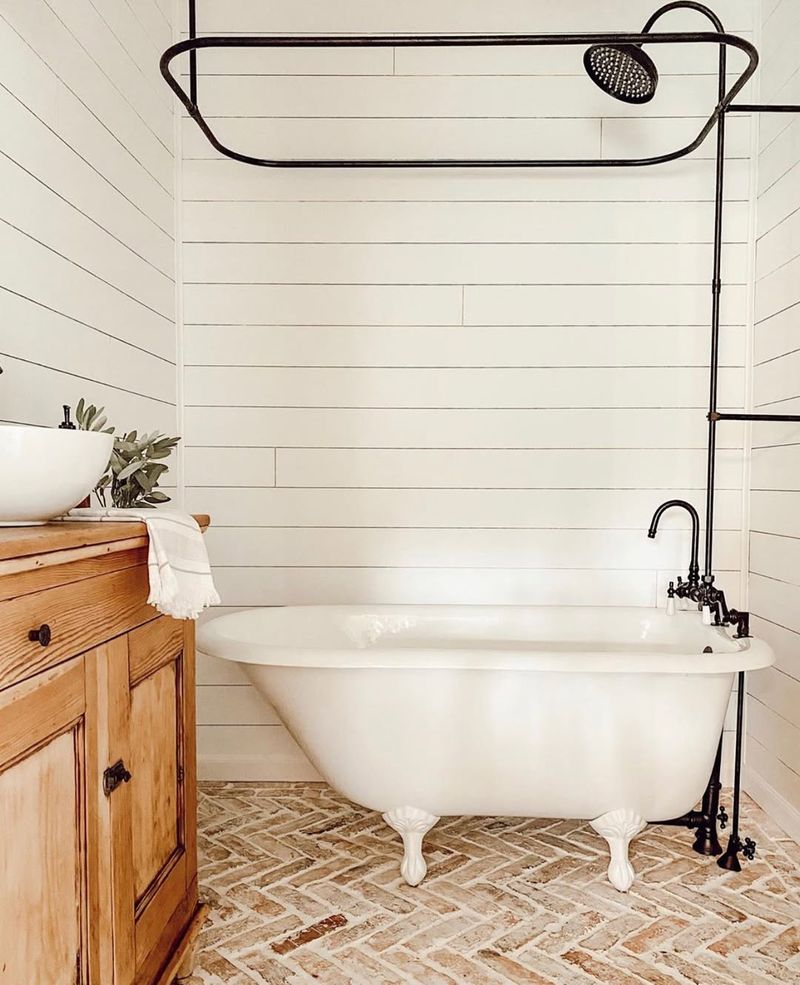
Ah, the clawfoot tub – a symbol of luxury and relaxation in the Victorian era. With ornately designed feet, these bathtubs were the centerpiece of any bathroom. Modern showers have taken their place, emphasizing efficiency over elegance.
Yet, the allure of soaking in a clawfoot tub remains unmatched. It’s a nod to an era where bathing was a time to unwind and indulge. The sight of a clawfoot tub can transport you back to simpler times, enveloped in warmth and tranquility, a true hallmark of vintage charm.
5. Parlor Rooms
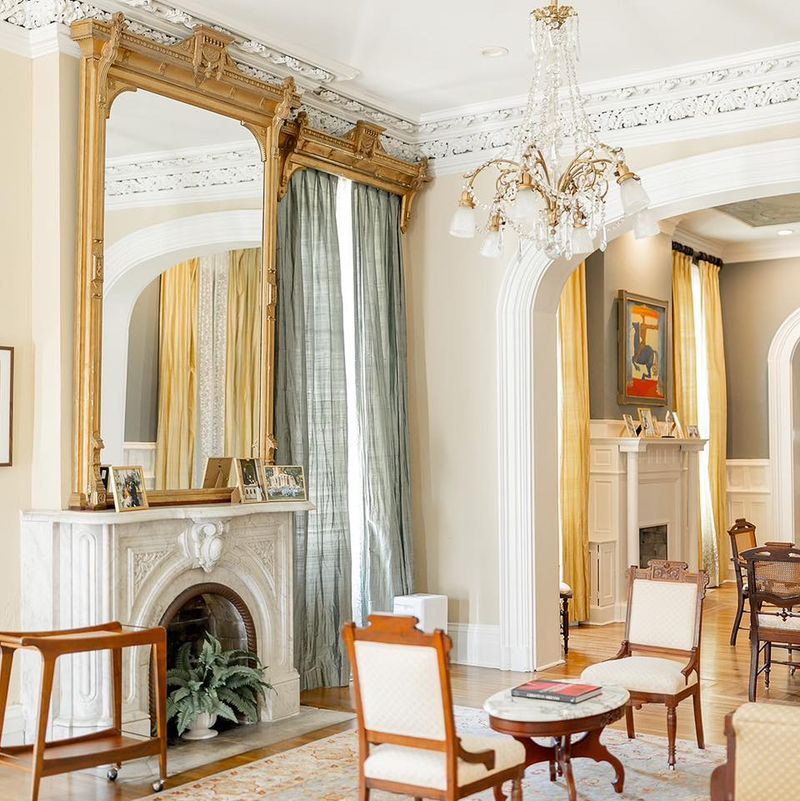
Step into a parlor room, and you step into a world of elegance and social grace. Once the heart of a home, parlors were where guests were entertained and social affairs took place.
Today, living rooms have taken over, and parlors are a rare sight. Their ornate furnishings and decor evoke a sense of grandeur.
6. Milk Doors
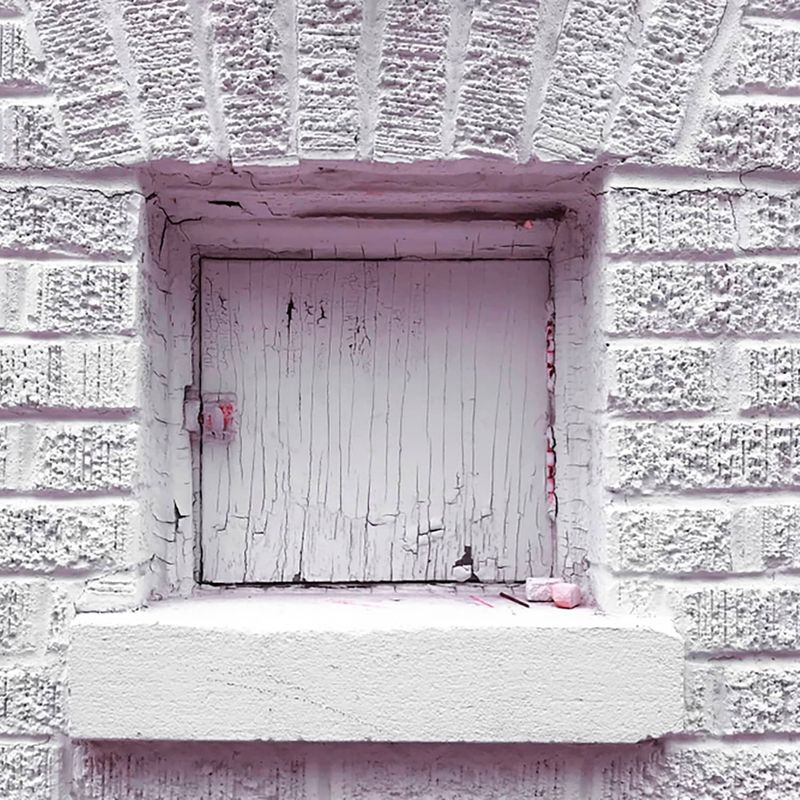
Picture this: early morning deliveries of fresh milk, left in small cubby-like doors built into the side of homes. Milk doors were once a common sight, symbolizing the domestic rhythms of yesteryear.
As technology advanced, so did refrigeration, eliminating the need for daily milk deliveries. These quaint doors are only a curiosity today, a whisper of the past hidden in the walls.
7. Sleeping Porches
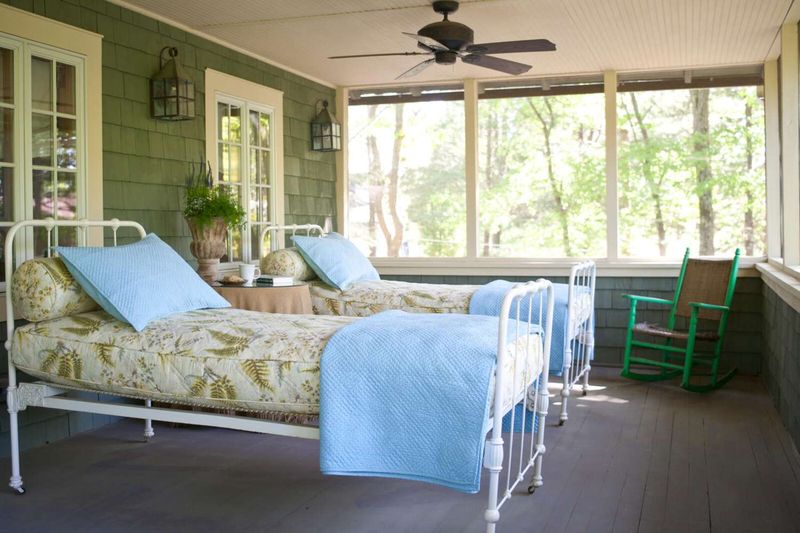
On sultry summer nights, sleeping porches offered a breezy retreat. Imagine drifting to sleep, serenaded by crickets and cooled by evening breezes. These porches were an escape from sweltering bedrooms, a feature born from necessity before air conditioning.
In the present, they’re rare, cherished when found for their simplicity and connection to nature. Though gone from most homes, they linger in our imaginations as a dreamy, romantic idea of outdoor living.
8. Coal Chutes
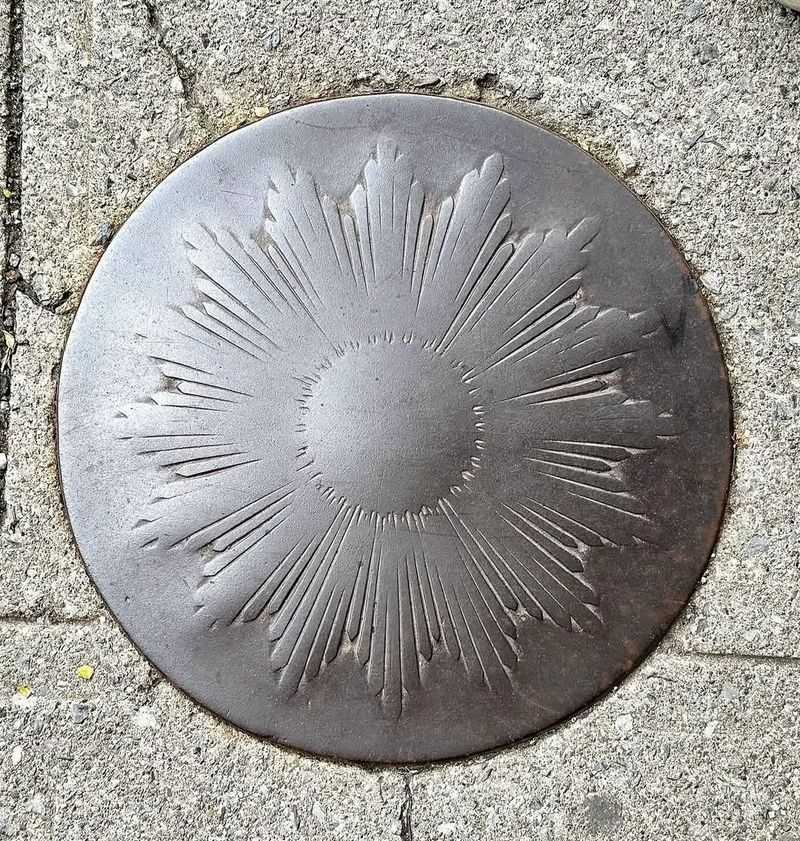
Coal chutes were the unsung heroes of vintage homes, feeding furnaces through a basement opening. Imagine the clatter of coal sliding down, fueling warmth in winter months.
These chutes were practical, yet messy, and ultimately replaced by cleaner heating technologies. Nowadays, they’re a quaint relic, often found in older homes with tales of how things used to be.
9. Pocket Doors
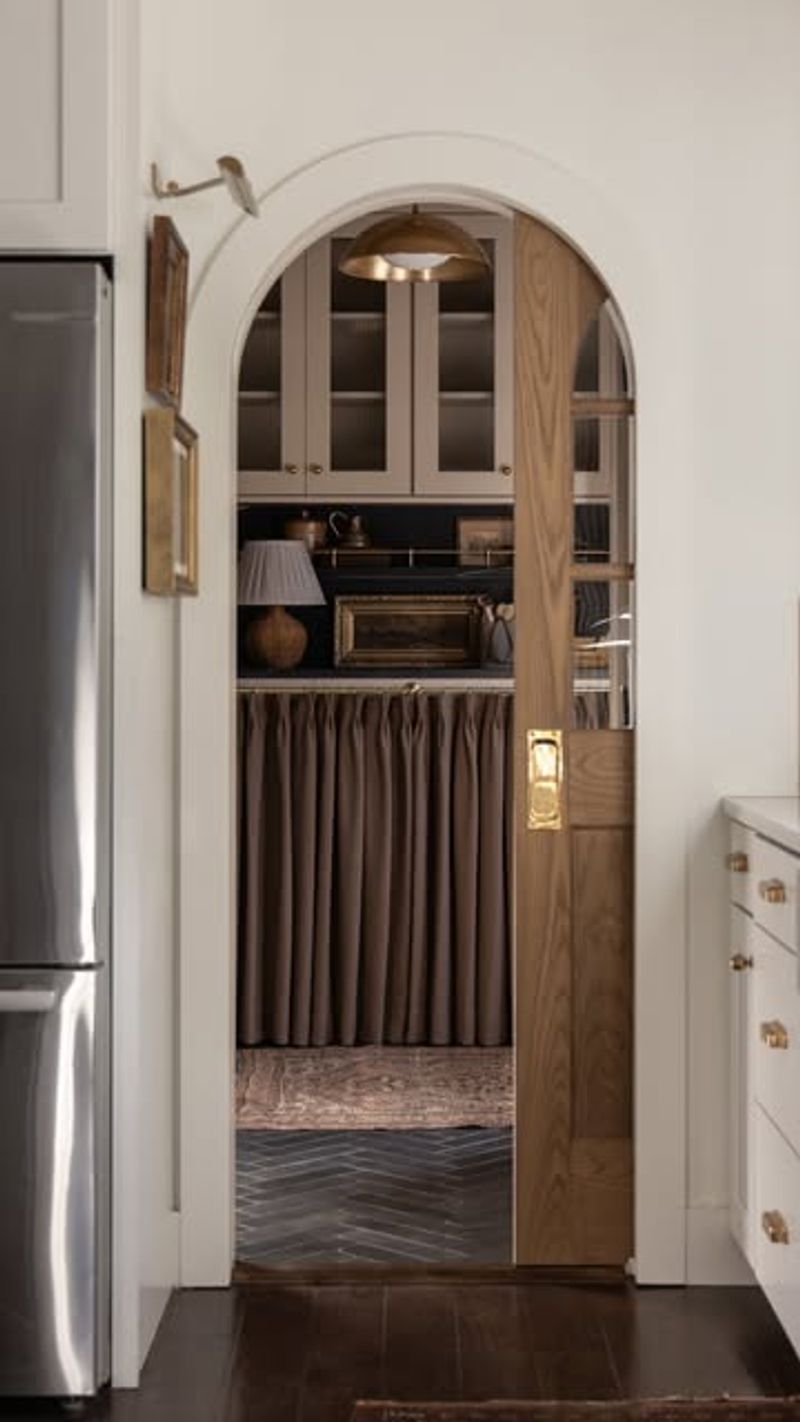
When it comes to architecture, pocket doors are like magic tricks. These sliding doors provide seclusion without requiring swinging space because they blend with the wall.
They were frequently found in opulent parlors or dining rooms in older mansions. Pocket doors are becoming less common as open rooms are preferred in modern design trends. They do, however, have an indisputable appeal.
10. Linoleum Floors
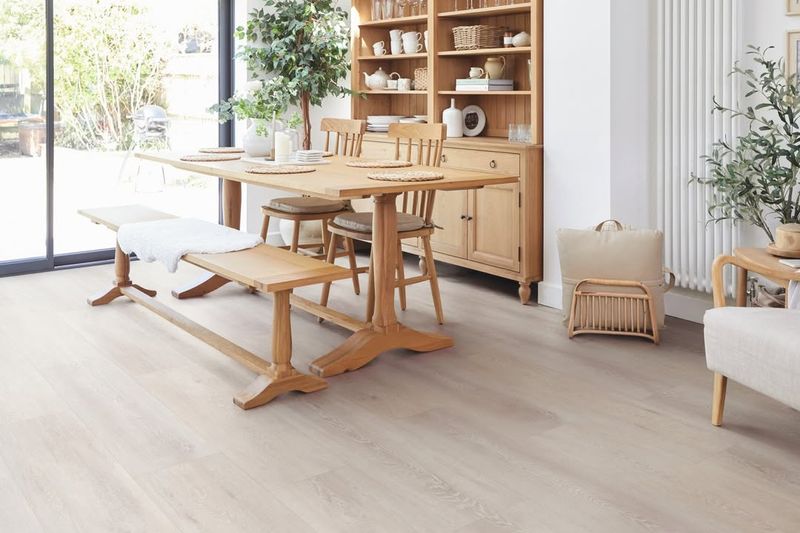
Once the height of modern flooring, linoleum was both durable and decorative. Kitchens and bathrooms flaunted vibrant patterns, adding personality to any space.
However, it’s been mostly replaced by newer materials, though it’s seen a resurgence for its eco-friendly nature.
11. Rathskellers
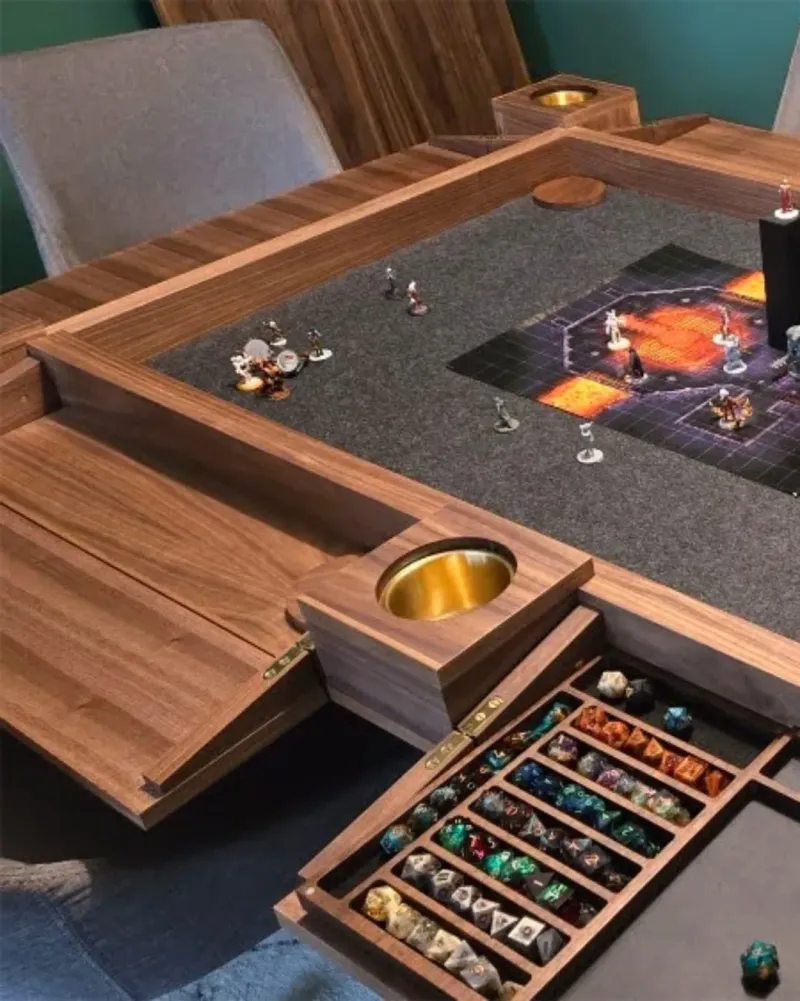
In the cozy corners of some homes, you’ll find a rathskeller – a basement space turned into a bar or pub. These spaces, inspired by German tradition, offered a retreat for gatherings and merriment.
The dim lighting and rustic decor created an intimate atmosphere. Modern bar designs have replaced them, but rathskellers remain a charming nod to the past.
12. Iceboxes
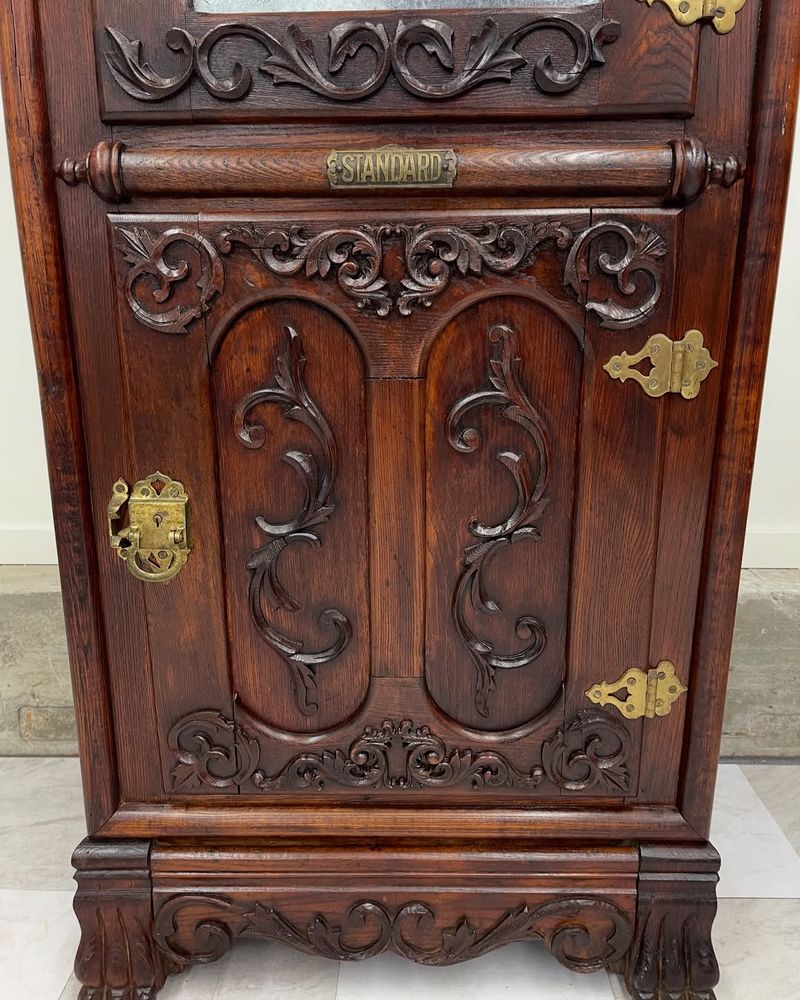
Long before refrigerators became household staples, iceboxes kept food cool. These metal or wooden boxes were dependent on regularly delivered slabs of ice.
Iceboxes are now museum exhibits, fascinating artifacts from a period when refrigeration was a daily struggle. They arouse longing for a time of inventiveness and resourcefulness.
13. Coal Furnaces
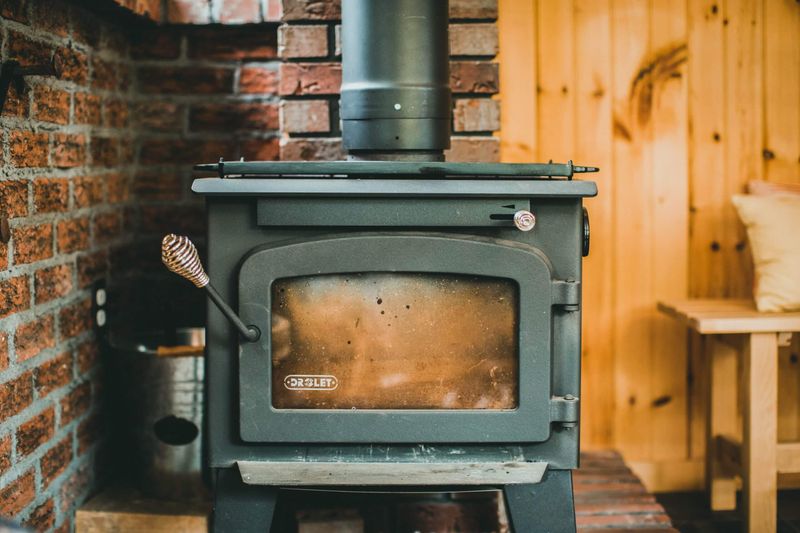
In the past, coal furnaces, which were found in basements all over the nation, were the main source of home heating. The sound of coal burning was a common winter melody.
They are now uncommon since being supplanted by more contemporary heating options. Still, they remain a vivid reminder of how homes remained warm, though, and they have a certain allure.
14. Root Cellars
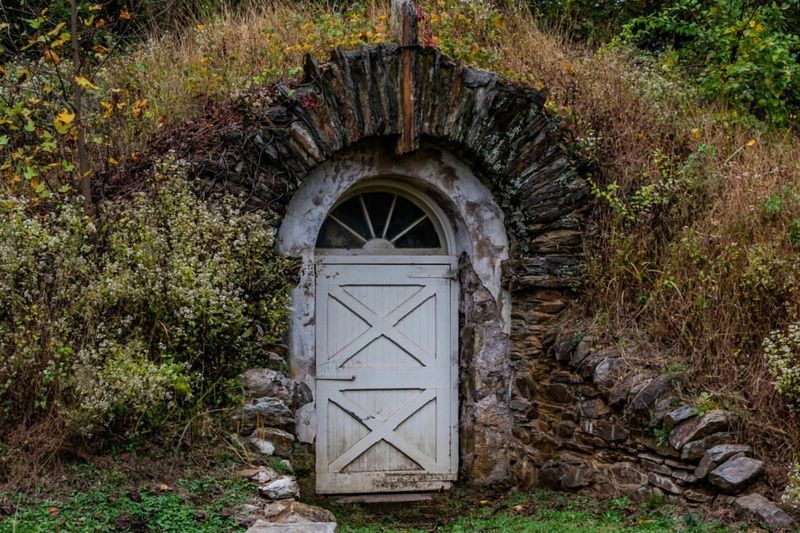
Long before refrigeration, root cellars were the go-to for fresh produce storage. Built underground, these cool, dark spaces preserved vegetables through the seasons.
Modern refrigerators and pantries have supplanted them, making them uncommon today. On the other hand, root cellars inspire a feeling of independence and kinship with the earth.
They serve as more than simply storage areas; they serve as a reminder of a period when people valued nature’s abundance and a monument to the ingenuity of earlier generations.
15. Ballroom Floors
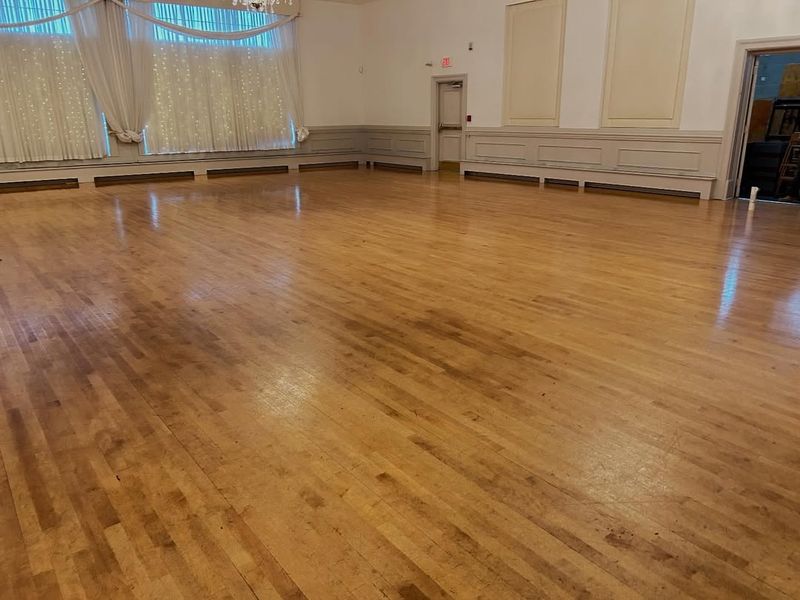
Imagine twirling across a polished ballroom floor, the music echoing off the walls. Ballrooms were the epitome of sophistication in grand homes, hosting dances and social events.
They’re mostly found in historic mansions or as event spaces in present time, remnants of a more formal era. The allure of a ballroom lies in its elegance and the stories it holds.
16. Secret Passages
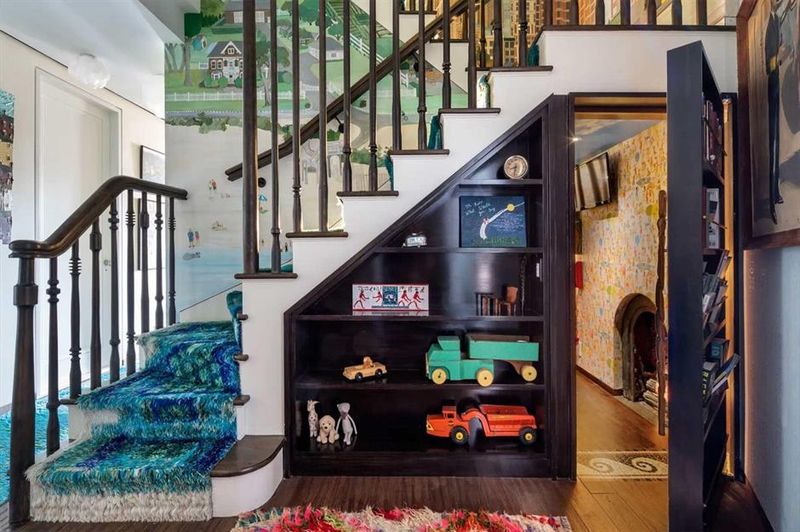
Isn’t there something inherently exciting about secret passages, hidden behind bookcases or walls? They were features of grand homes, adding mystery and intrigue.
While modern homes favor open designs, secret passages evoke a sense of adventure. Just picture the thrill of discovering a hidden door and the secrets it holds.
17. Dutch Doors
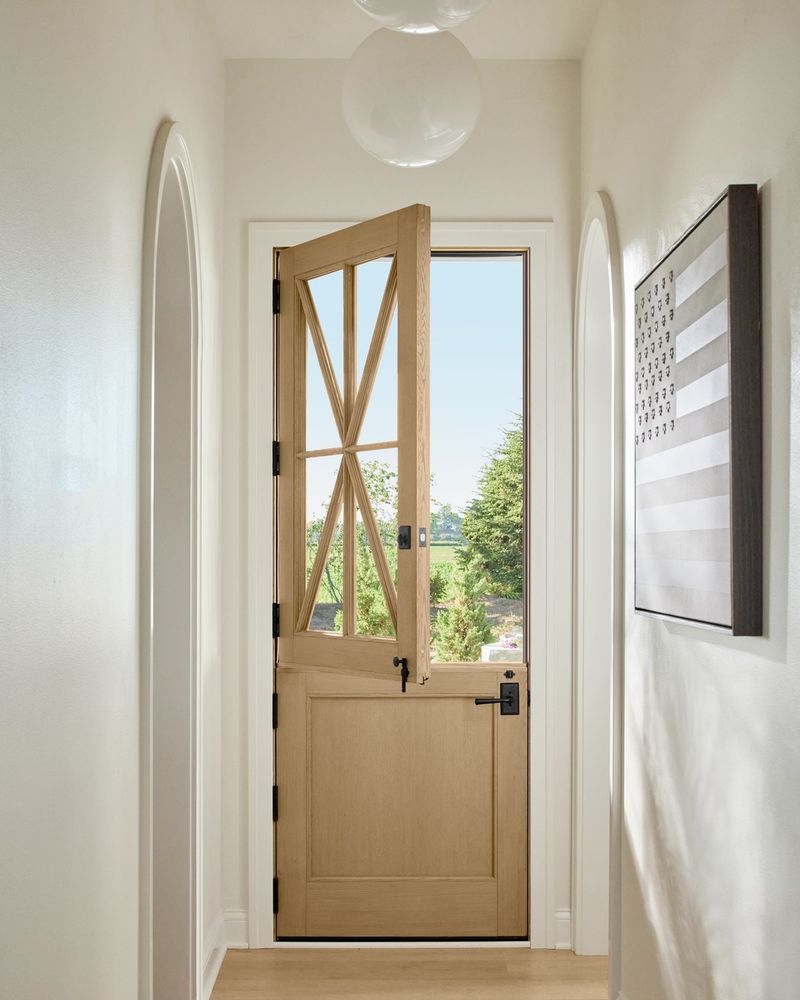
Because the upper half of a Dutch door may open separately, it functions similarly to two doors together. Originally made for practical purposes, they allowed light and air to enter while keeping animals out.
Dutch doors convey a feeling of simplicity and rustic living. They give a charming touch to any entryway and bring back memories of a time when house design skillfully combined charm and usefulness.
18. Dumbbell Doorknobs
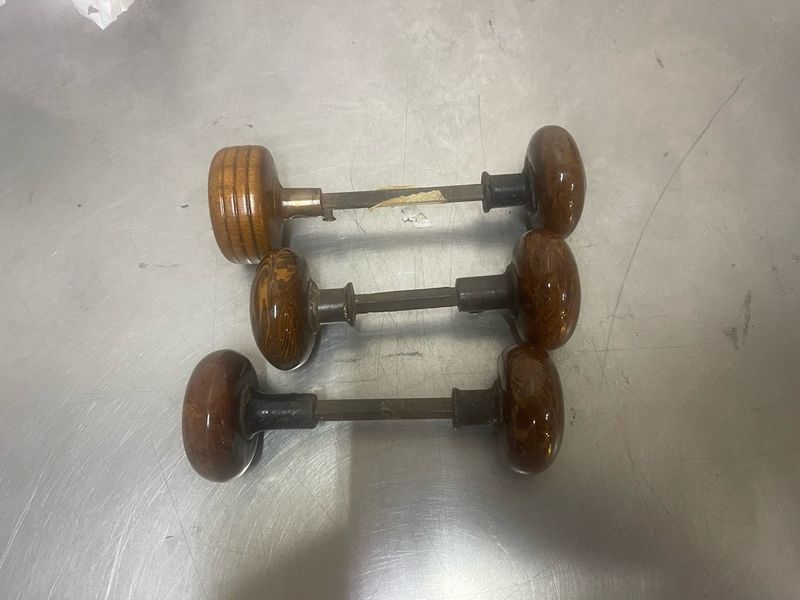
While most modern doors feature sleek, uniform knobs, there was a time when dumbbell doorknobs reigned. Sporting an hourglass shape, these knobs offered a unique grip and added an elegant flair to doors.
They were often crafted from materials like brass or glass, exhibiting intricate patterns or designs.
Though not widely used today, the dumbbell doorknob is a charming relic of a past era where even the smallest details mattered, and function was beautifully intertwined with form.
19. Roll-Top Desks
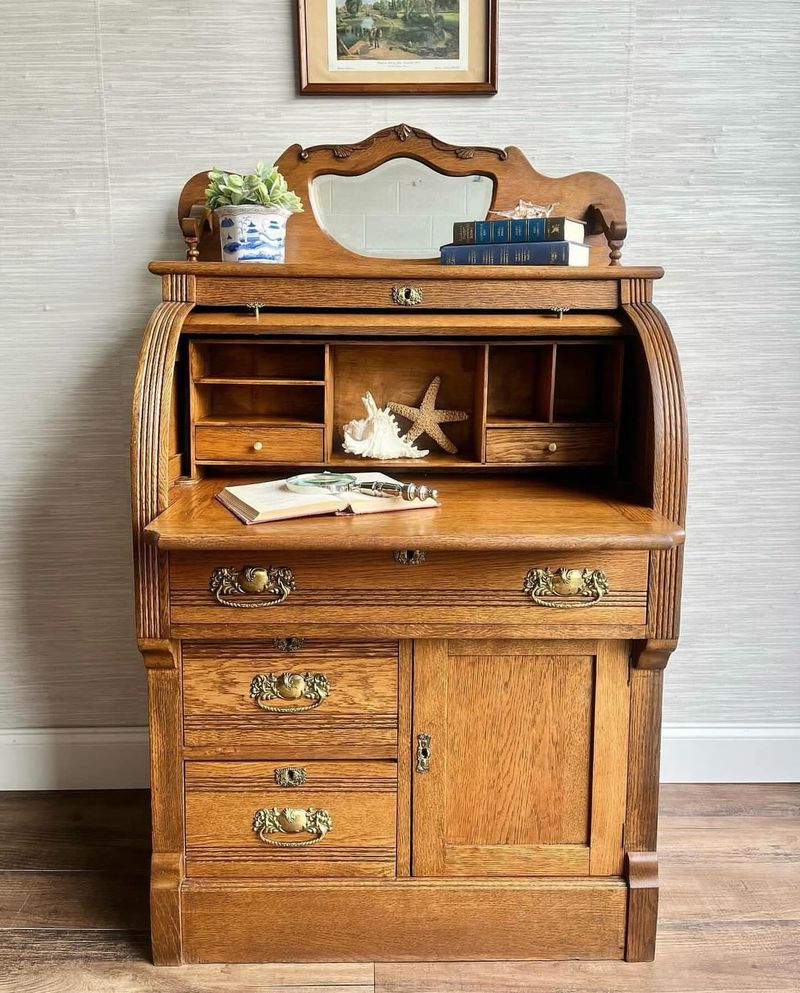
Ah, the roll-top desk – an office staple of yesteryear. With its curved wooden cover, it kept papers tidy and out of sight.
Modern workspaces prefer sleek furniture, leaving roll-tops as charming antiques. Despite being mostly forgotten, roll-top desks evoke a sense of nostalgia for a time when correspondence was hand-written and organization was a tactile affair.
20. Wooden Washboards
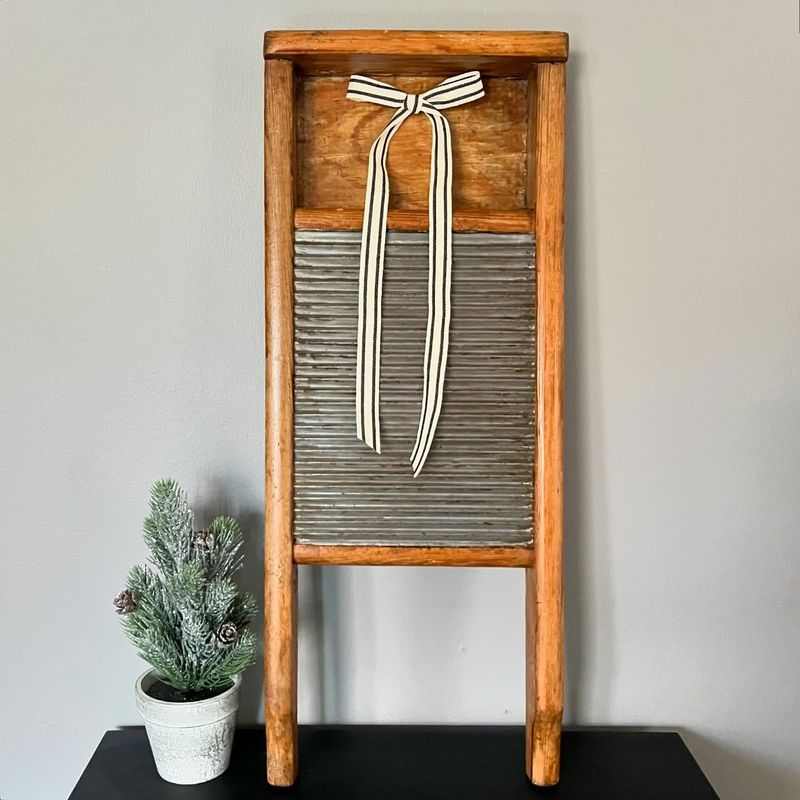
Before the age of washing machines, the humble wooden washboard was an essential tool for cleaning clothes. Its corrugated surface made it possible to scrub dirt and grime from fabric with just a bit of elbow grease and soapy water. The rhythmic sound of washing on a board was a common household symphony.
Though it required manual labor, using a washboard was an effective way to keep clothes clean. It reflects a time when washing was a tactile, hands-on experience, connecting us to the simple yet labor-intensive routines of the past.
21. Stained Glass Windows
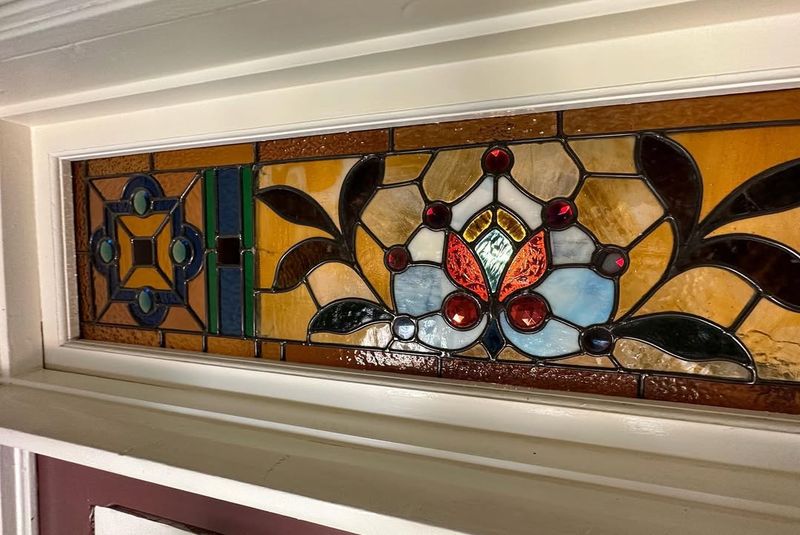
Few features can transform a room like stained glass windows. These vibrant displays of art graced many old homes, adding color and storytelling to architecture.
Despite being rare, they are often preserved in historic buildings or as decorative elements. Stained glass windows don’t just serve a function; they’re a celebration of artistry and light.
22. Cedar Closets
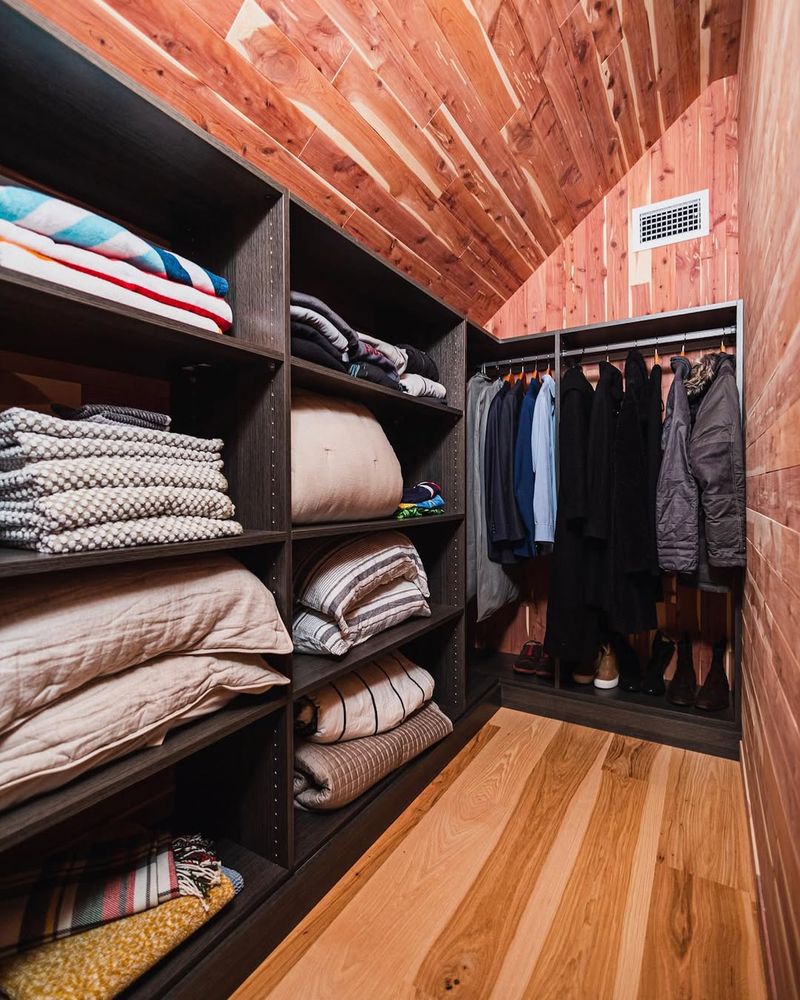
Once considered a mark of refined living, cedar closets brought together practicality and quiet elegance. The distinctive scent of cedarwood wasn’t just pleasant – it served a purpose, naturally shielding garments from mold and moths.
These closets reflected a time when home features were designed with long-term care in mind, not just convenience. Though modern materials have edged them out, the charm of a cedar-lined space endures.
23. Wooden Shutters
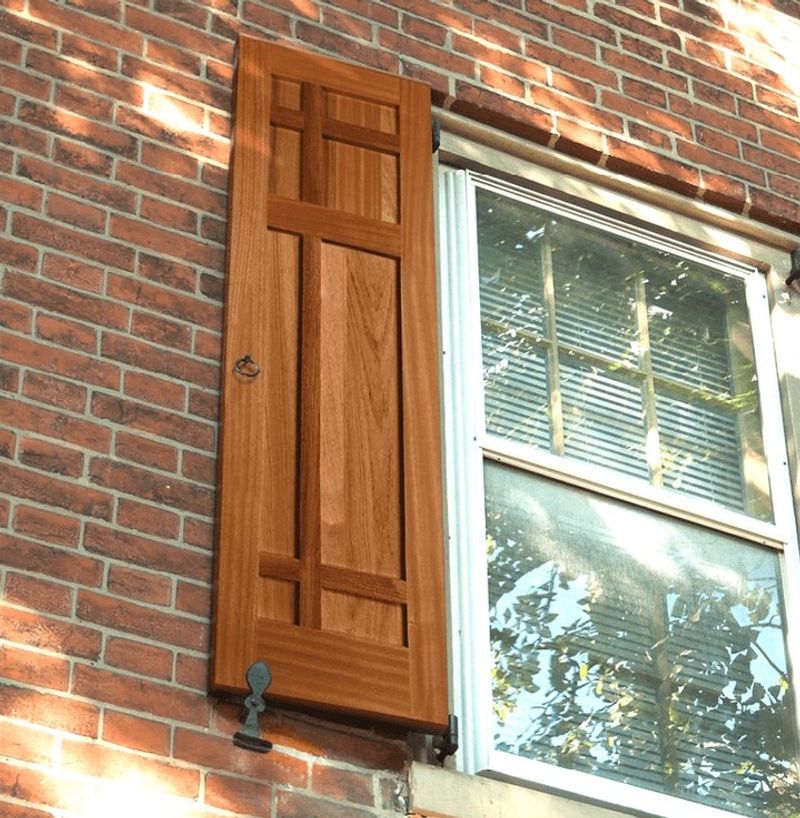
If a home once had wooden shutters, it likely enjoyed both charm and purpose. These classic fixtures offered shelter from sun and storms while giving façades a distinctive character.
Though modern materials now dominate, wooden shutters still hold their ground in historic homes, treasured for their craftsmanship and nostalgic appeal. The soft rattle of wood in the wind recalls quieter days, when life moved with the rhythms of nature.
24. Linen Closets
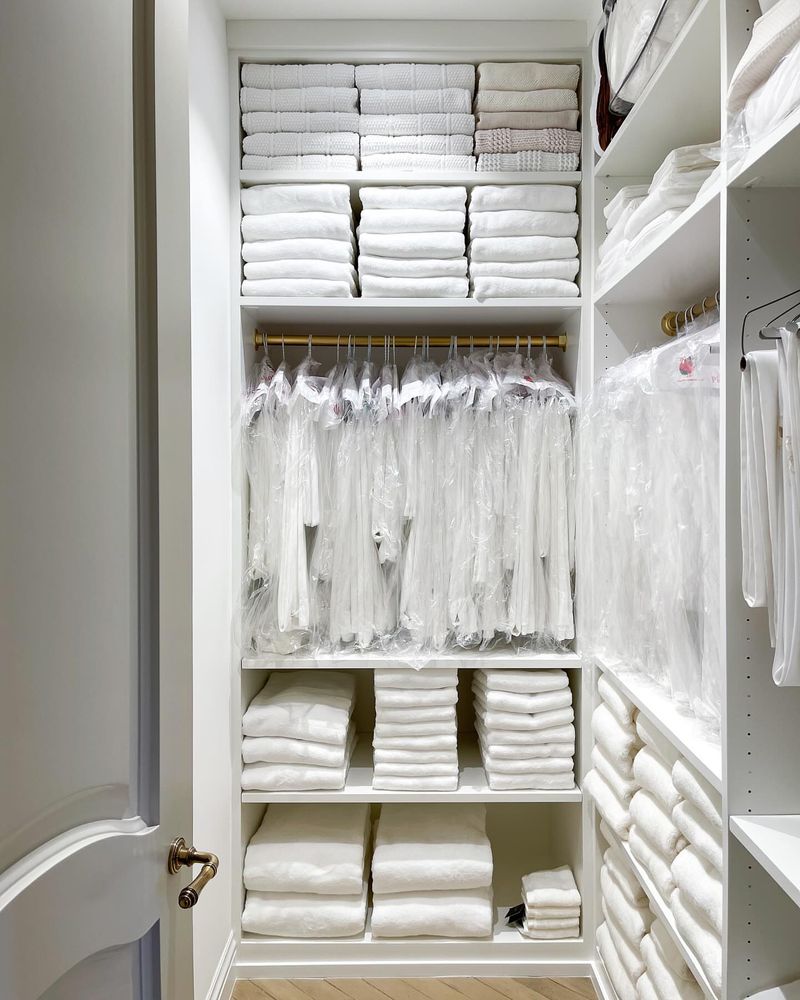
Organizing a home with intention once meant having a dedicated linen closet – an often-overlooked feature that brought structure and grace to daily living.
These quiet spaces kept sheets and towels tidy, fresh, and always within reach. While newer homes tend to weave storage into other rooms, the traditional linen closet has become a rarity.
25. Kitchen Larders
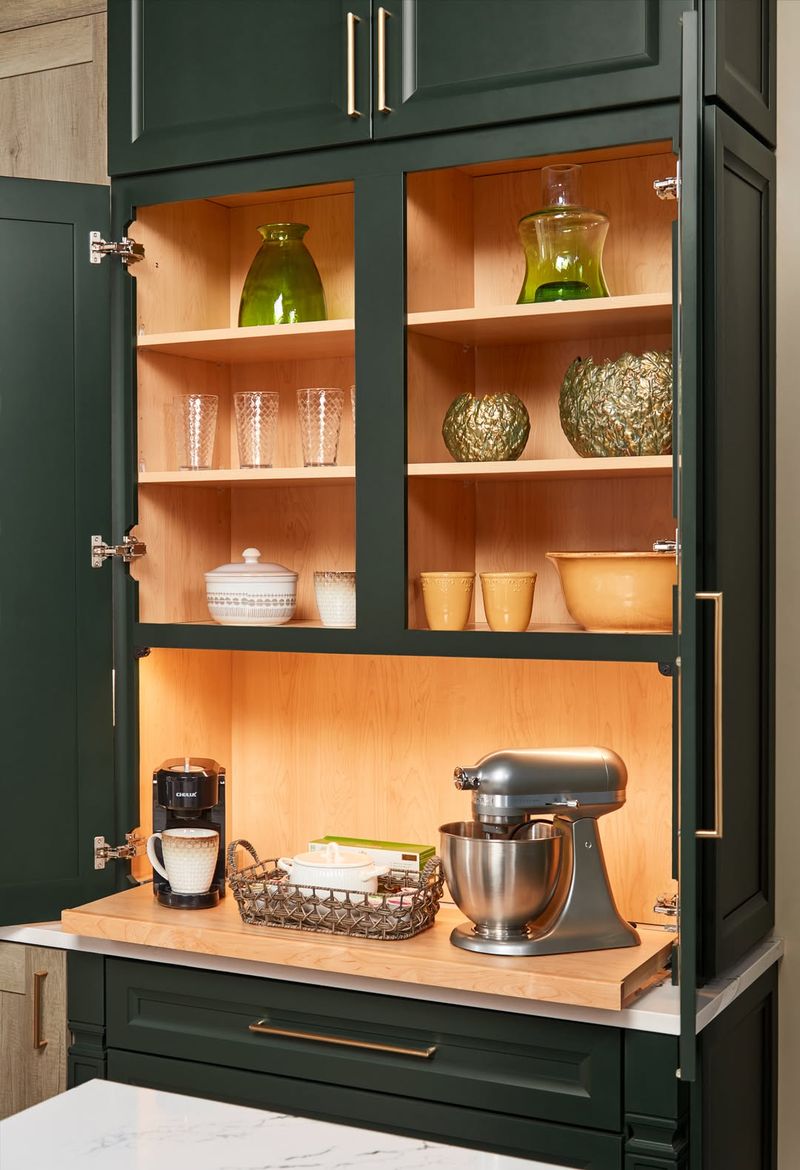
Quietly essential in kitchens of the past, larders once played a vital role in daily life. Before refrigeration, these cool, shaded rooms preserved everything from butter to root vegetables, stretching the shelf life of ingredients through careful design.
Though now largely replaced by modern appliances and pantries, the larder remains a symbol of practicality and thoughtfulness.
26. Gas Lamps
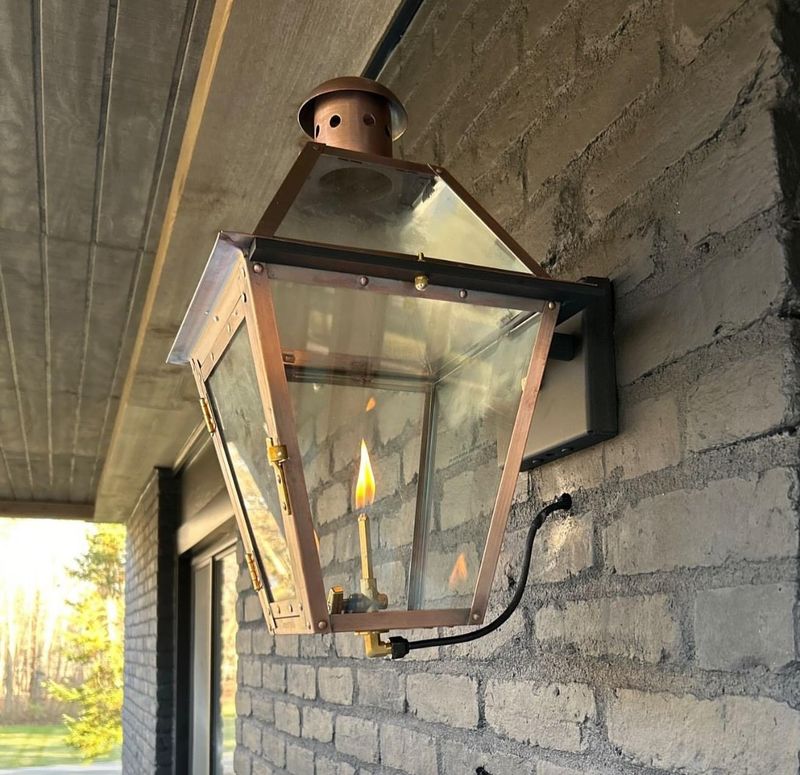
Illumination in the pre-electric age often came from gas lamps, their steady glow lighting homes and streets with quiet elegance.
These fixtures didn’t just brighten spaces – they shaped the mood, offering a warmth that modern bulbs rarely replicate.
The soft flicker of a gas flame calls to mind cobbled paths, quiet evenings, and the hush of slower days.
27. Penny Tile Floors
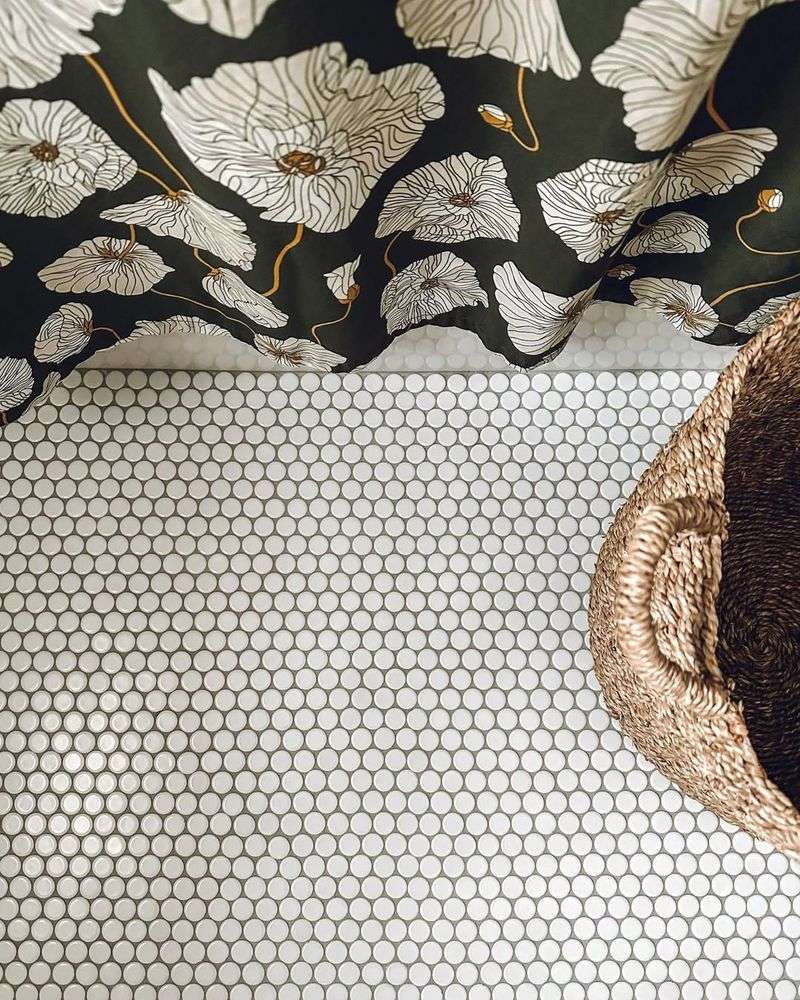
Imagine walking into a bathroom or kitchen and finding yourself on a floor covered in tiny, vibrant circles. Penny tile floors were named for their resemblance to pennies, and their intricate patterns could be artistic or simply playful.
These tiles, typically ceramic or porcelain, were a staple in early 20th-century homes. They offered a splash of color and texture that modern floors often lack.
Today, while you might find them in charming bistros, they’re a rare sight in homes. Their whimsical appeal is a testament to a time when attention to detail was paramount.
28. Picture Rails
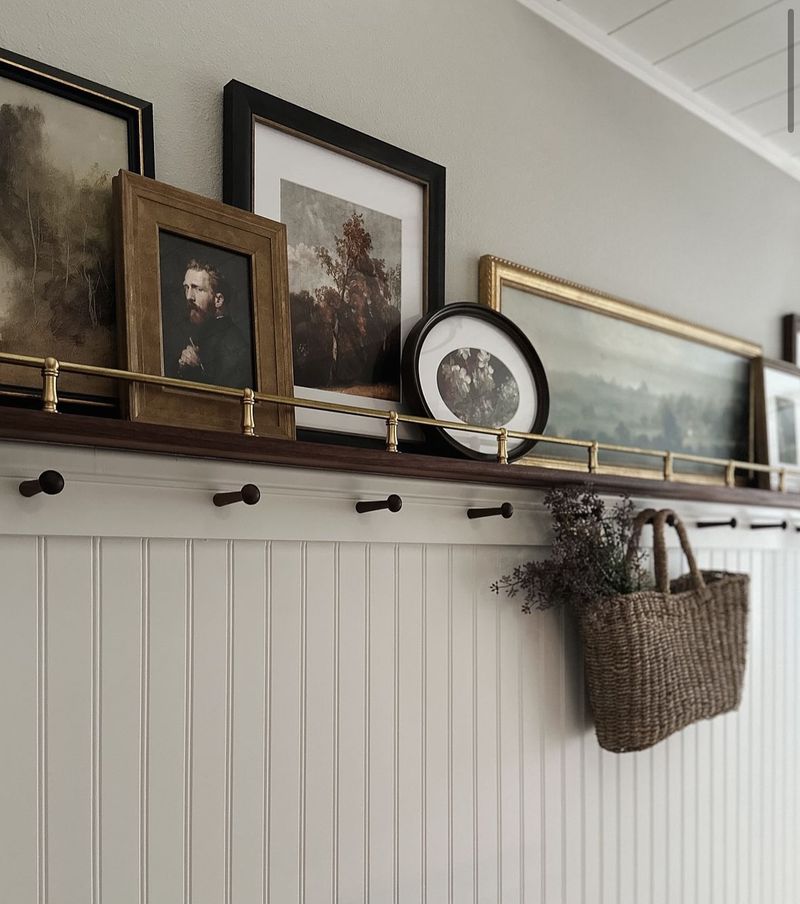
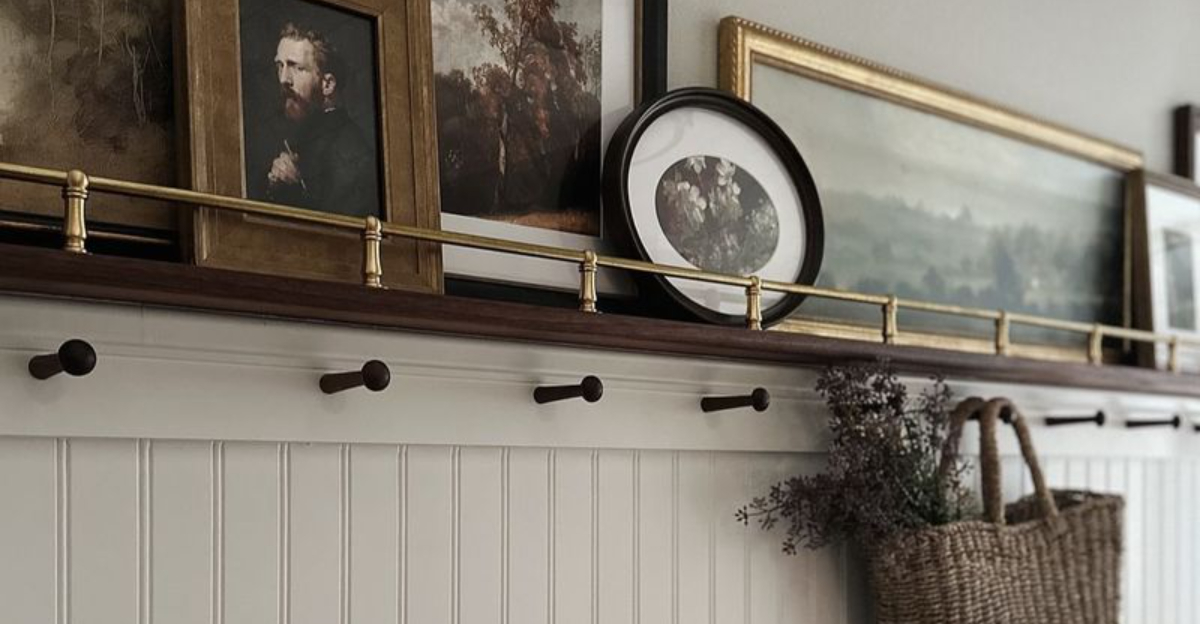
Why put holes in walls when picture rails offered a smarter, more graceful solution? Common in older homes, these wooden moldings allowed artwork to be hung and rearranged with ease – no hammer needed.
Beyond their practicality, picture rails brought a subtle sophistication to interiors, framing rooms with both function and style.
29. Fireplace Bellows
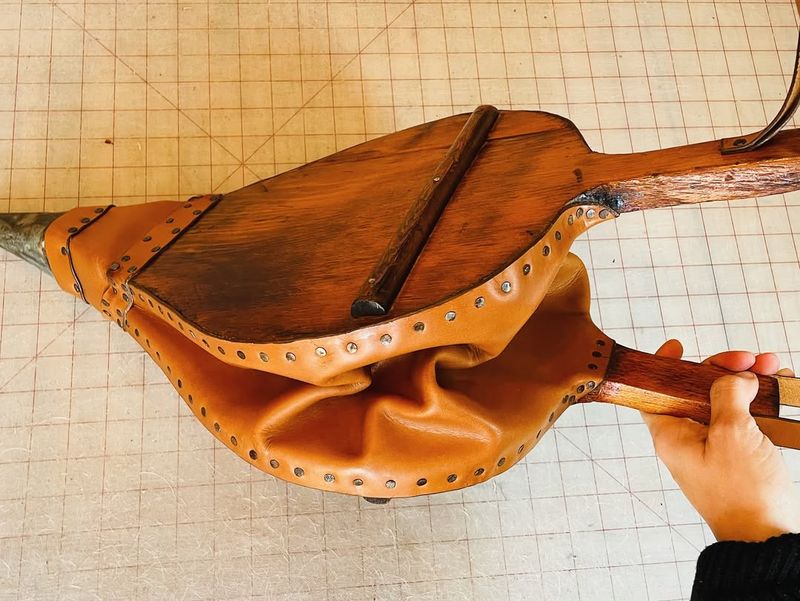
Where warmth once depended on flickering hearths, fireplace bellows played a vital role. These finely crafted tools channeled air into sluggish embers, coaxing flames back to life with a few firm squeezes.
In a time before central heating, tending the fire was both necessity and ritual, and bellows were always close at hand.
30. Sewing Rooms
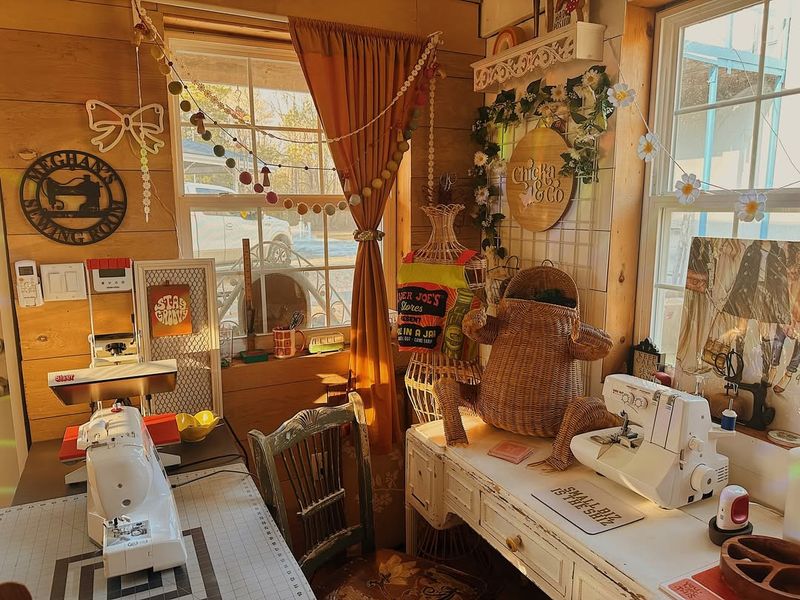
If a home once had a sewing room, it likely belonged to someone who valued skill, patience, and self-reliance. These dedicated spaces weren’t just about mending clothes – they were workshops of creativity, filled with fabric, patterns, and purpose.
Although modern life has turned sewing into a leisurely pursuit, the idea of a room solely for making speaks to an era when craftsmanship was woven into daily routines. The soft whir of a machine, the careful stitching by hand – these moments brought a quiet pride.
31. Root Beer Cellars
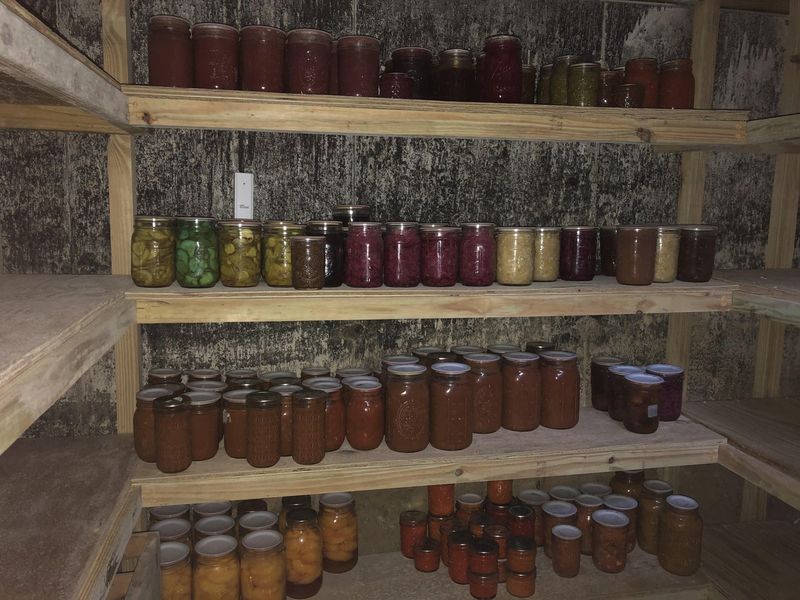
Brewing root beer at home once meant having a dedicated cellar – a cool, dark retreat where bottles rested and flavors deepened over time.
These spaces, though uncommon, brought a special kind of joy to households, turning a simple beverage into a family tradition. Carefully crafted with patience and pride, each batch was a small triumph of flavor and ritual.
While store-bought root beer has taken its place, the idea of a root beer cellar still carries a certain charm.
32. Wainscoting
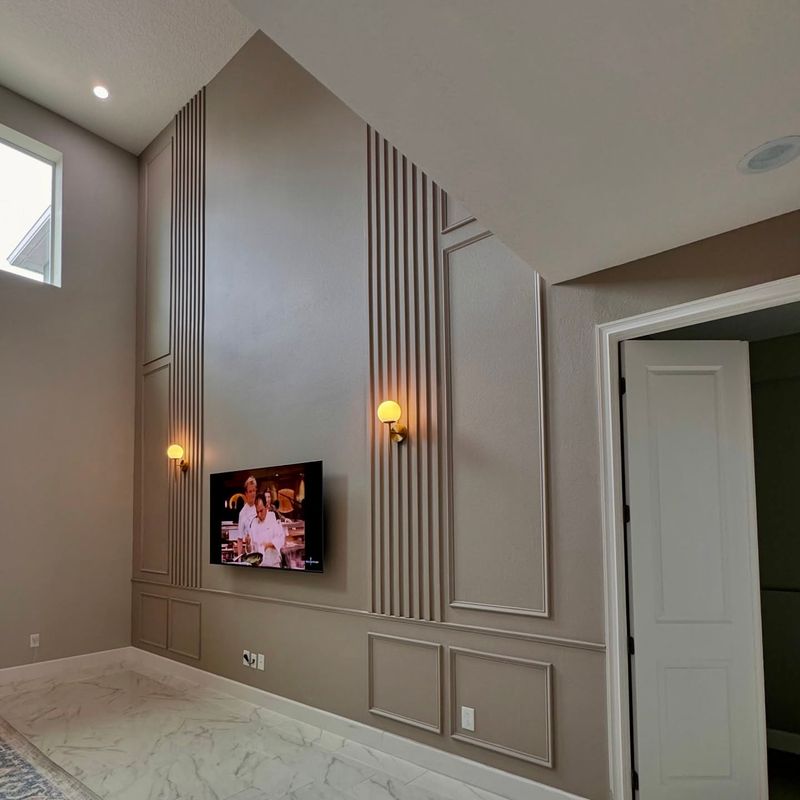
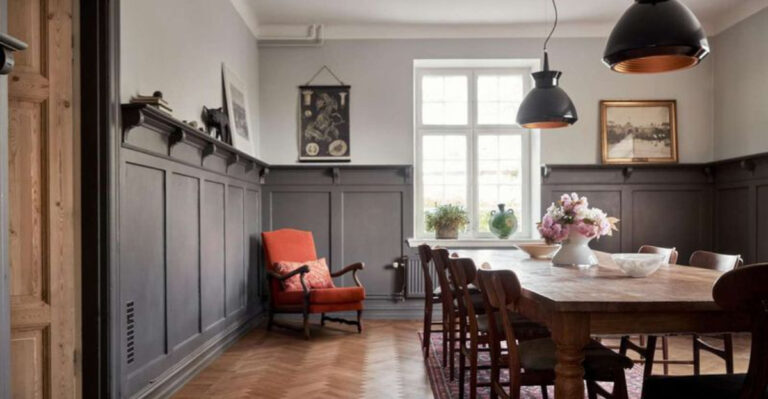
Gracefully lining the lower half of a room, wainscoting brings both structure and style to interior spaces. Once used to protect walls from scuffs and scrapes, these wooden panels became a hallmark of thoughtful design, especially in older homes.
Picture a softly lit dining room with paneled walls – it feels grounded, welcoming. More than a design feature, wainscoting reflects an era when beauty and practicality went hand in hand.
33. Push-Button Light Switches
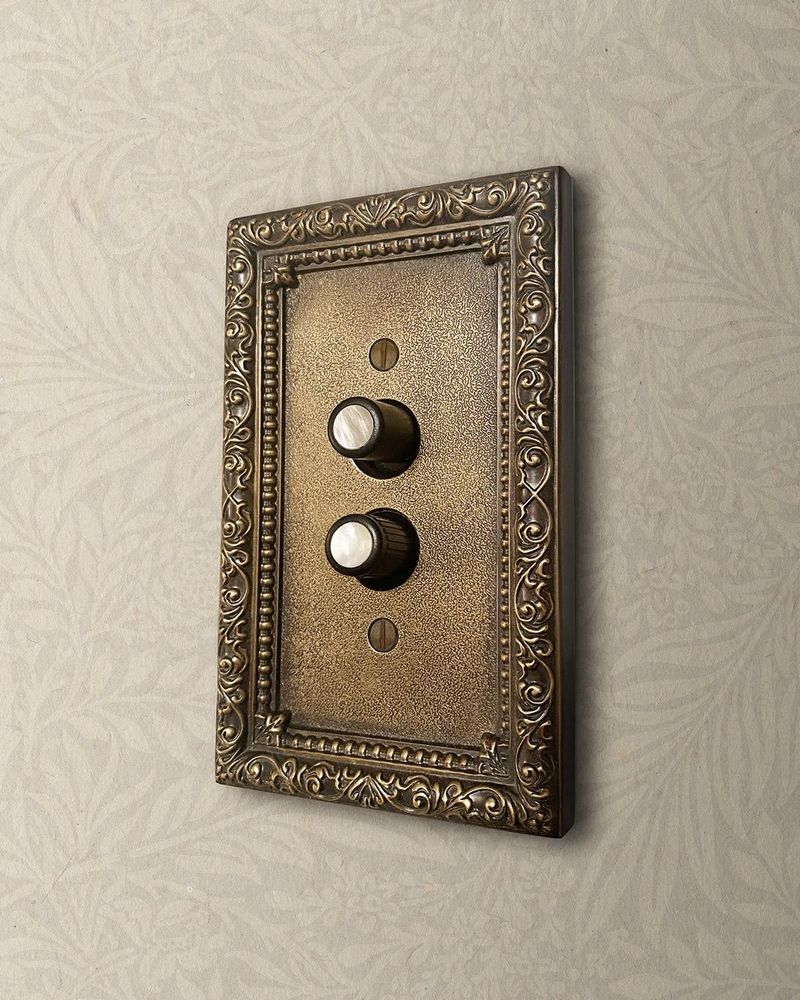
Before the click of the modern toggle switch, homes had the satisfying clack of push-button light switches. With their small round buttons set within a ceramic or Bakelite plate, they were as much a tactile delight as a functional one.
These switches, though nearly extinct in new constructions, can still be found in some restored homes, cherished for their nostalgic charm and the bygone era they represent.
34. Telephone Nooks
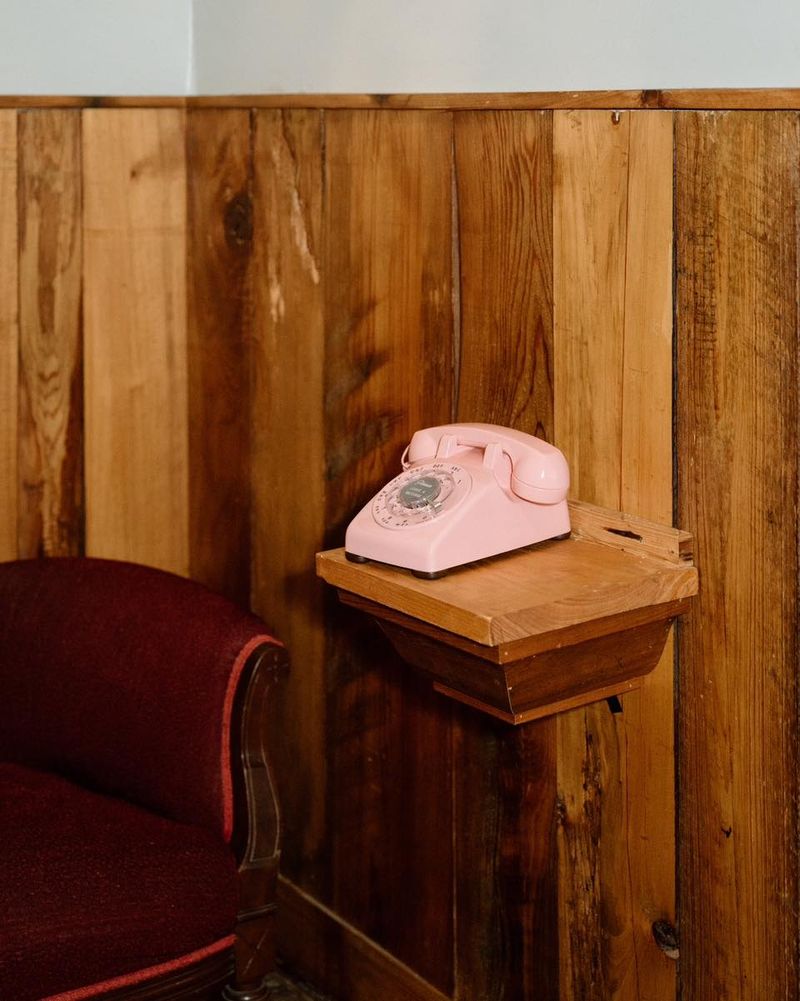
In an era when telephones were a household novelty, the telephone nook became a charming solution. Built into a corner or wall, these nooks offered a private spot to converse, typically with a small bench and shelf for a phone book.
The nook was often adorned with decorative woodwork or wallpaper, making it a distinct design feature. It offered privacy and promoted connection, a stark contrast to today’s mobile-centric communication.
35. Servant Staircases
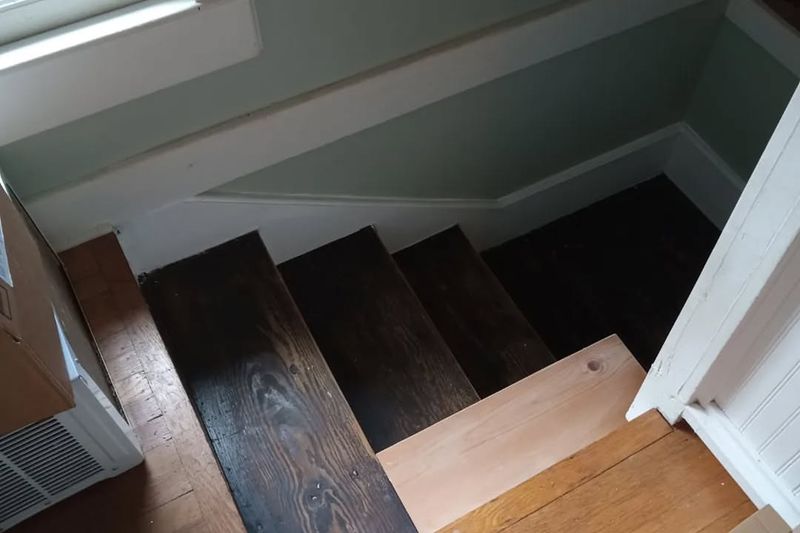
Hidden away from the main halls and grand staircases of yesteryear’s mansions were the servant staircases. These discreet passageways allowed household staff to move unseen and unheard, ensuring the smooth operation of day-to-day activities.
Typically steep and narrow, they were a practical feature that catered to the demands of a bustling household.
36. Turret Rooms
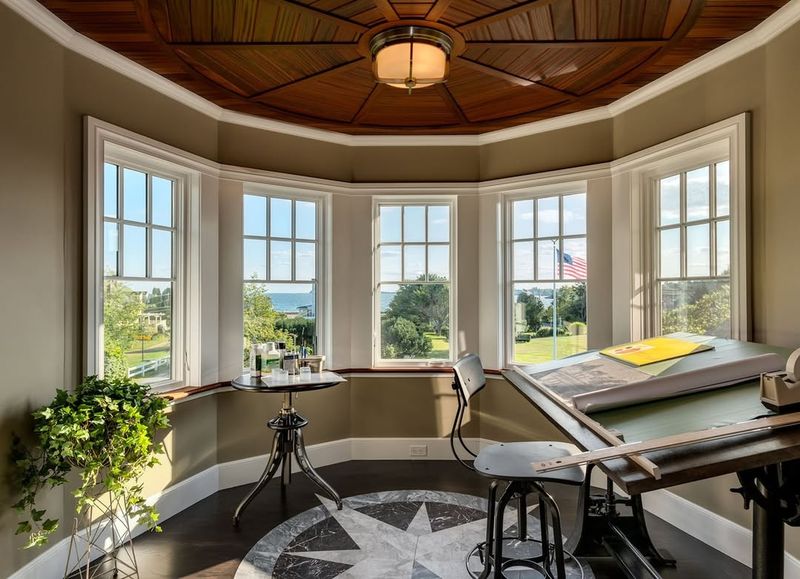
Perched atop a grand home, turret rooms offer a whimsical retreat from the ordinary. Often found in Victorian houses, these circular spaces with arched windows provided breathtaking views and a unique architectural feature.
Perfect for a reading nook or an intimate sitting area, turrets captured the essence of fantasy and elegance.