Designers Spill Their Ultimate Secrets On How To Decorate With Color
Ever walked into a room and felt instantly happy, calm, or energized? That’s the power of color at work!
Professional designers know that choosing the right colors can transform any space from dull to dazzling. They’ve spent years mastering techniques that most of us never even think about.
Ready to add some colorful magic to your home? Let’s explore the insider secrets designers use to create gorgeous, color-rich spaces.
1. Start with a Neutral Base
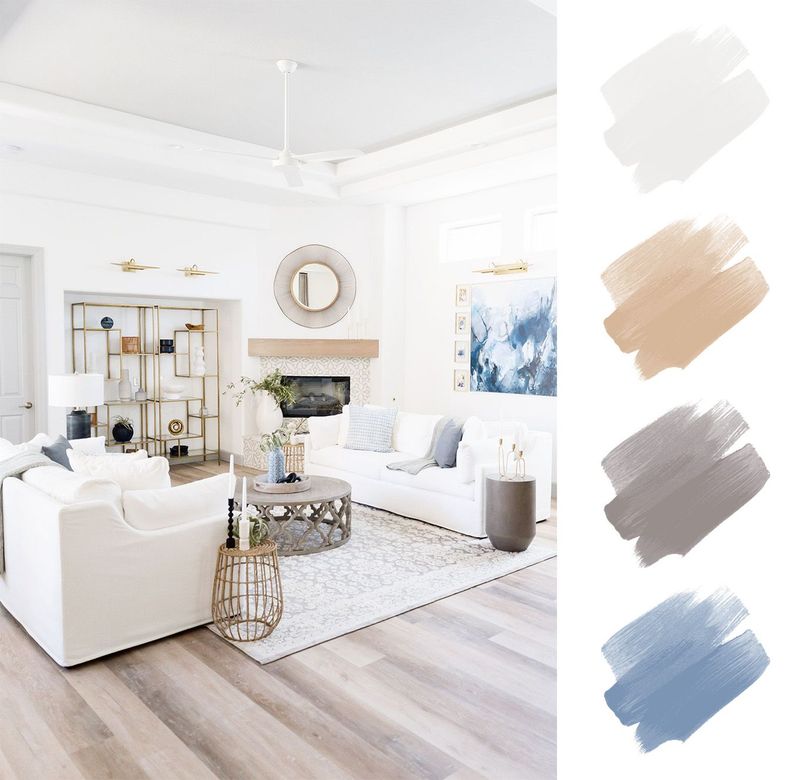
Professional designers rarely jump straight into bold colors everywhere. Instead, they create a backdrop of neutrals—whites, greys, or beiges—that allows colorful elements to truly shine. This foundation gives your eyes a place to rest between colorful moments.
When selecting your neutral, pay attention to undertones that complement your chosen accent colors. Warm neutrals pair beautifully with oranges and reds, while cool neutrals enhance blues and greens.
2. Master the 60-30-10 Rule
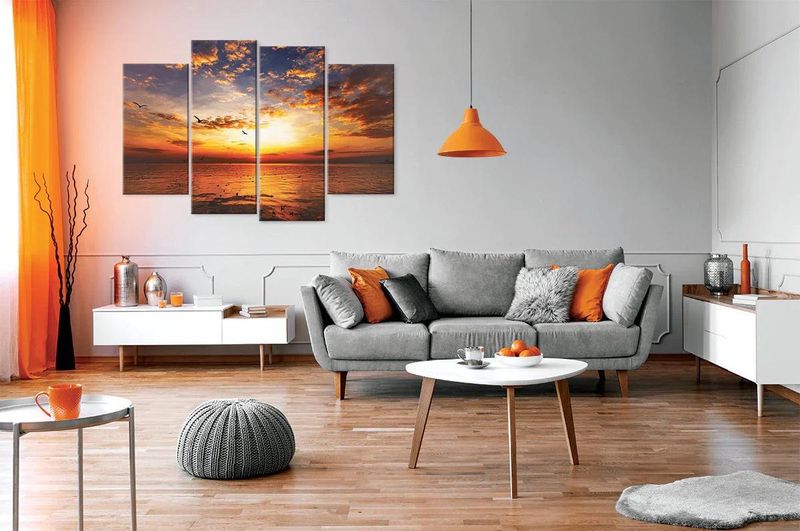
Got a color scheme but unsure how to distribute it? The legendary 60-30-10 rule has saved countless design projects!
Your dominant color covers about 60% of the space (usually walls and large furniture), while a secondary color takes up 30% (upholstery, accent furniture). The final 10% goes to your boldest accent color for eye-catching pops.
Following this simple ratio creates balance that feels intentional rather than chaotic. Even color novices can achieve professional-looking results with this foolproof formula.
3. Choose a Cohesive Palette
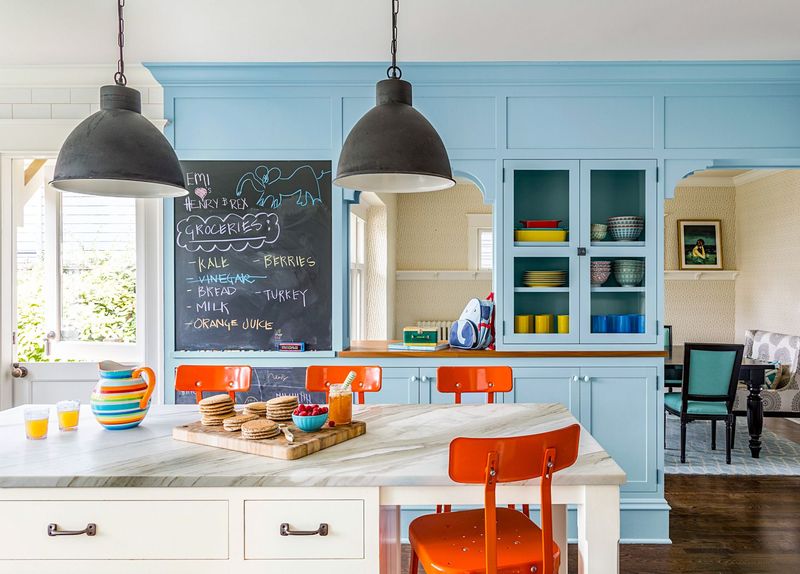
Wandering aimlessly through paint chips? Professional designers rarely pick colors in isolation. They create cohesive palettes where every shade plays nicely with the others, creating a harmonious flow throughout your home.
Pull out a color wheel and look for complementary combinations (opposite each other) or analogous schemes (neighbors on the wheel). For foolproof results, stick to 3-5 main colors that repeat throughout your space. This approach prevents the dreaded “rainbow effect” while still giving you plenty of creative freedom.
4. Test Paint in Natural Light
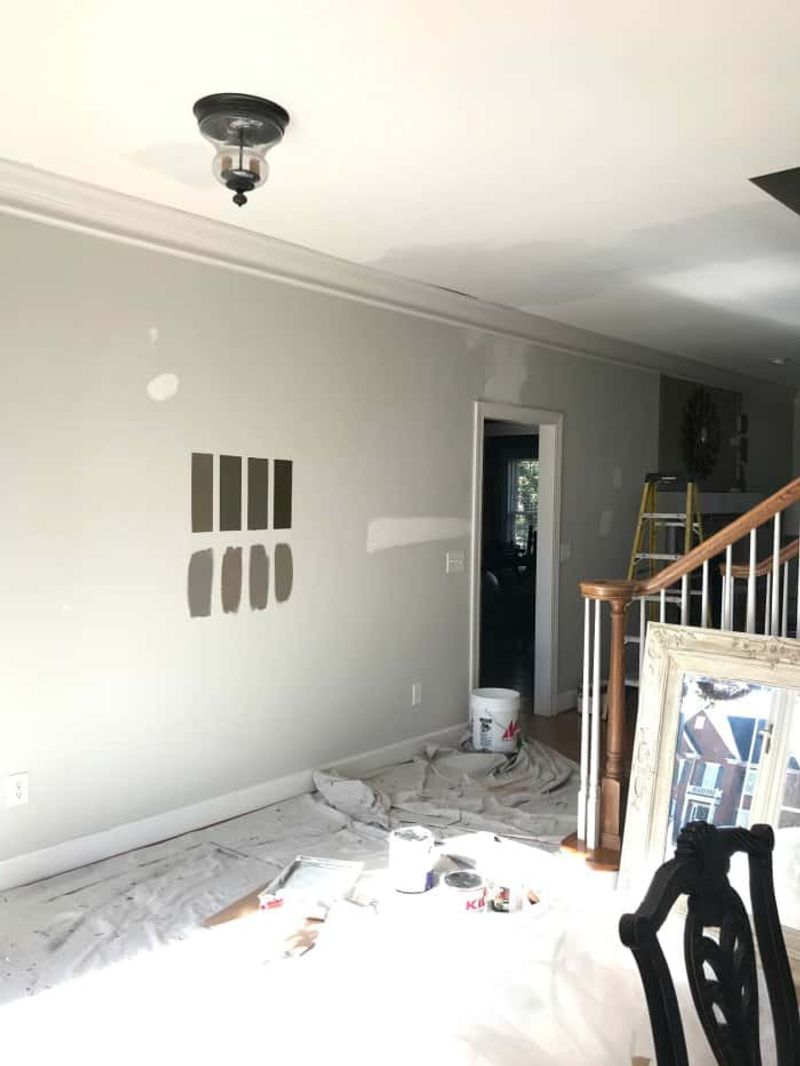
Fallen in love with a paint color in the store? Hold that thought! What looks perfect under fluorescent lighting often transforms dramatically in your home. Smart designers always test colors directly on the walls they’ll adorn.
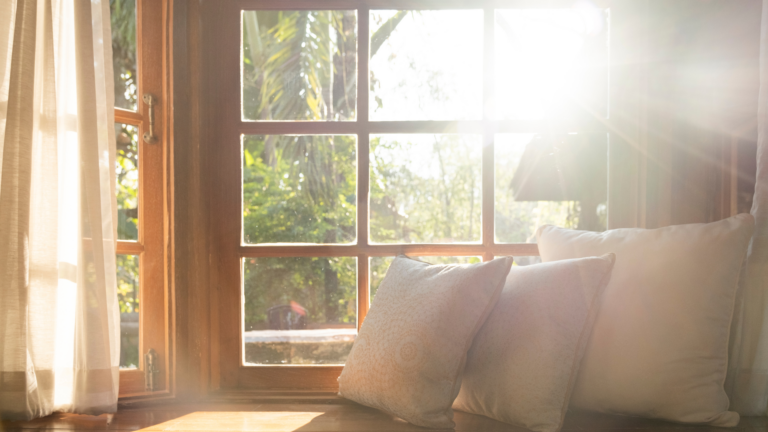
Paint large swatches (at least 2 feet square) on multiple walls and observe them throughout the day as natural light changes. Morning sun brings out yellow undertones, while afternoon light emphasizes blues and reds.
5. Layer Tones of the Same Hue
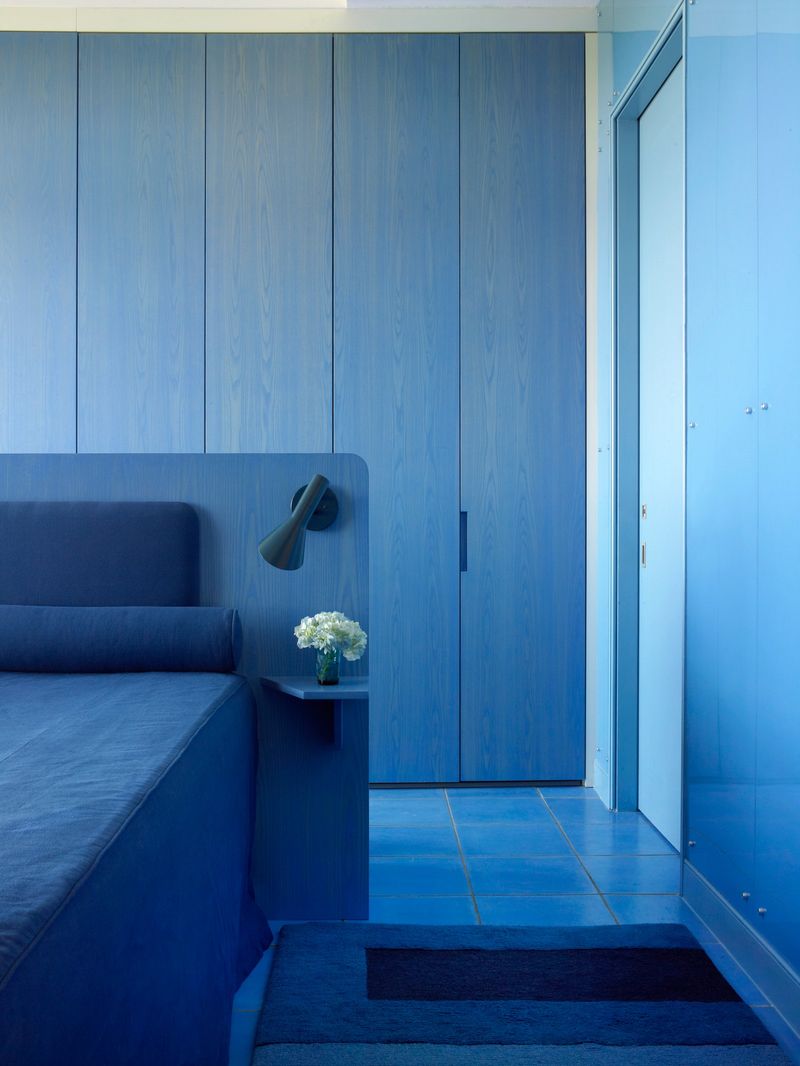
Why settle for just one shade of your favorite color? The monochromatic approach—using varying tones of a single hue—creates sophisticated depth without overwhelming the senses. A room featuring light, medium, and dark blues, for instance, feels cohesive yet interesting.
Mix in different textures to prevent flatness: velvet pillows, silk curtains, and nubby throws in related blues create visual variety.
6. Balance Warm and Cool Shades
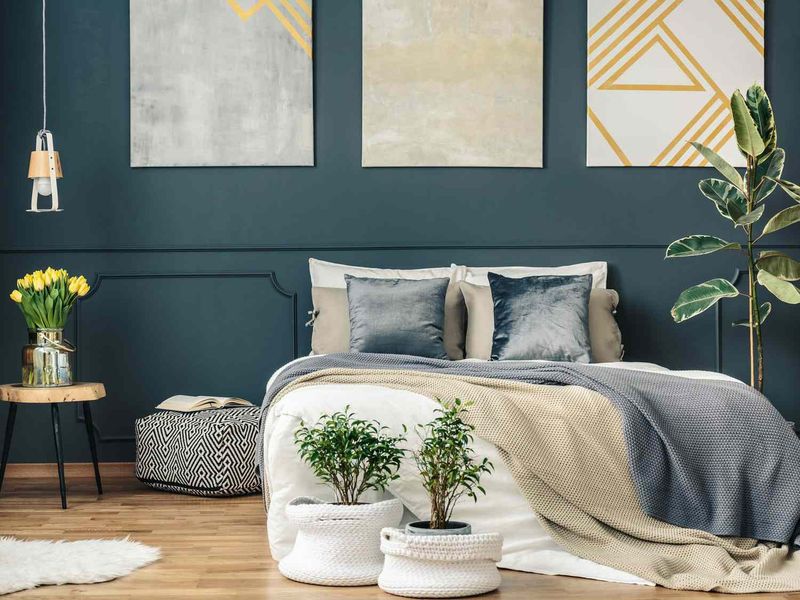
Feeling something’s off in your color scheme but can’t pinpoint it? The temperature might be unbalanced! Every color leans either warm (reds, oranges, yellows) or cool (blues, greens, purples). Rooms with only warm colors can feel overwhelming, while exclusively cool spaces might seem sterile.
Professional designers carefully balance both temperatures. For instance, a predominantly cool blue room benefits from touches of warm amber or copper.
7. Repeat Colors in Small Accents
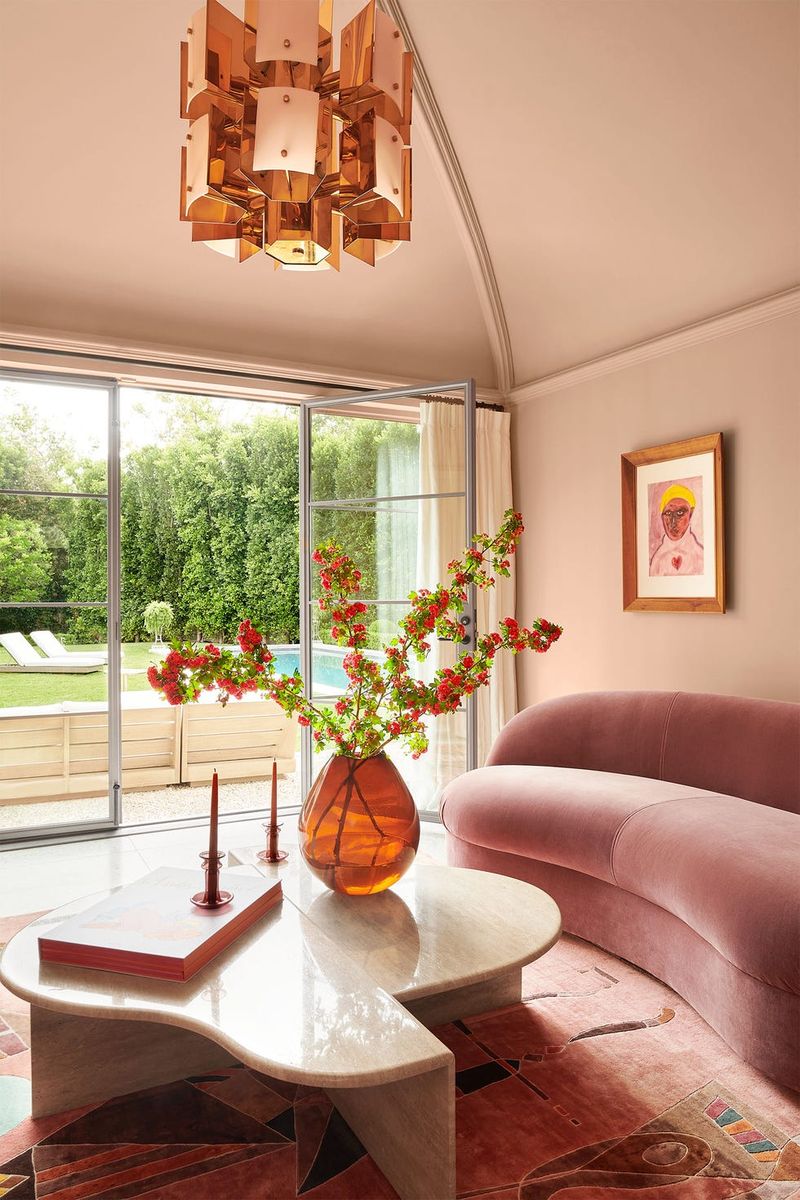
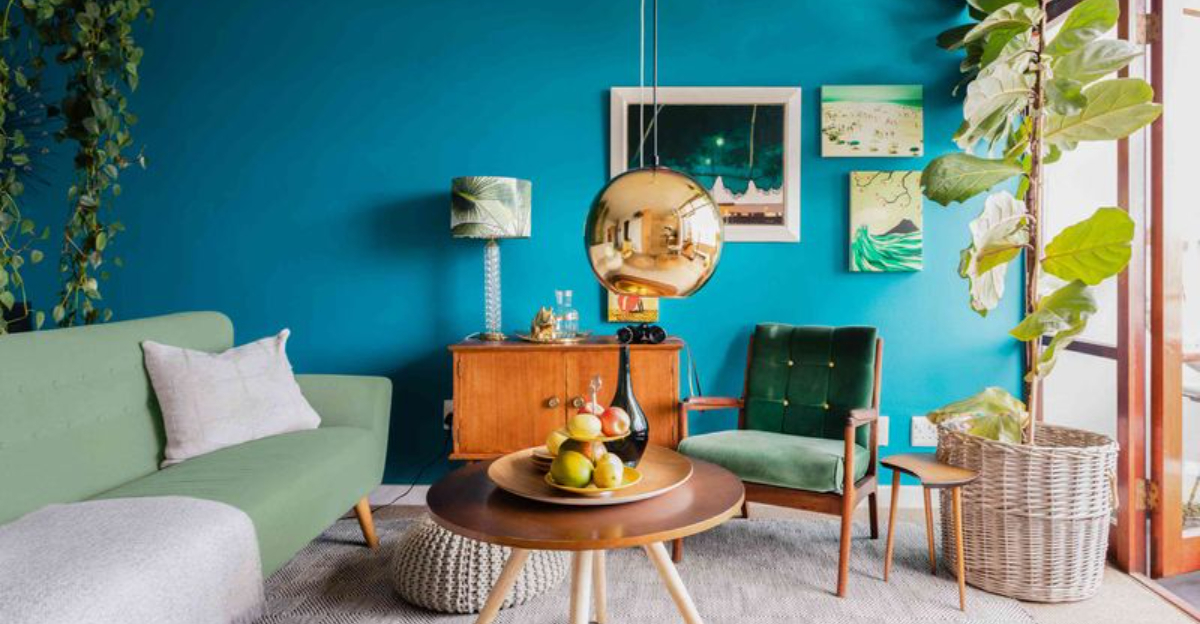
Wonder how designers create that magical sense of “everything belongs together”? They’re masters of subtle repetition! When you introduce a bold color, echo it in at least three places throughout the room. That vibrant teal on your accent wall?
Repeat it in a small vase, a throw pillow, and perhaps the pattern of your area rug. These thoughtful echoes create a sense of intention rather than randomness. Your brain registers these connections subconsciously, making the space feel harmonious even if you can’t immediately identify why.
8. Consider Mood and Emotion
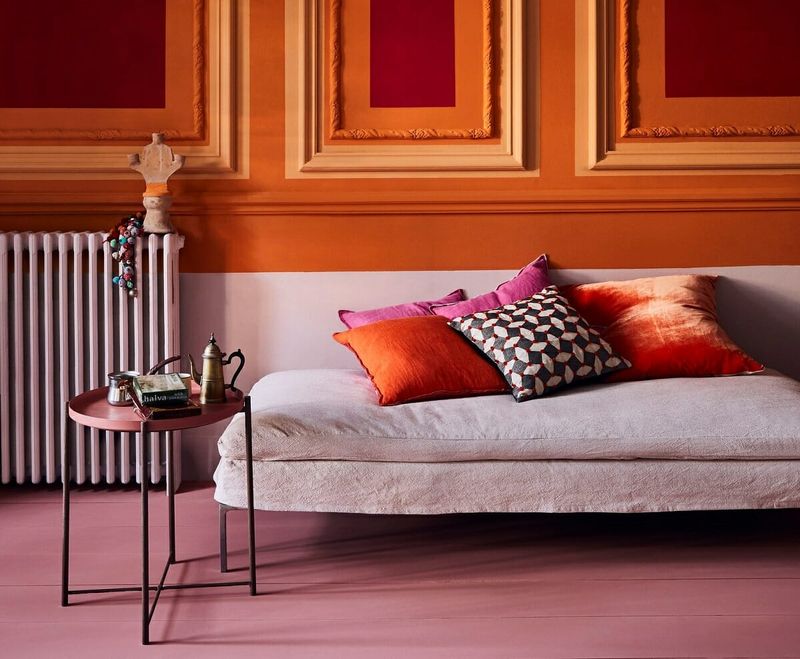
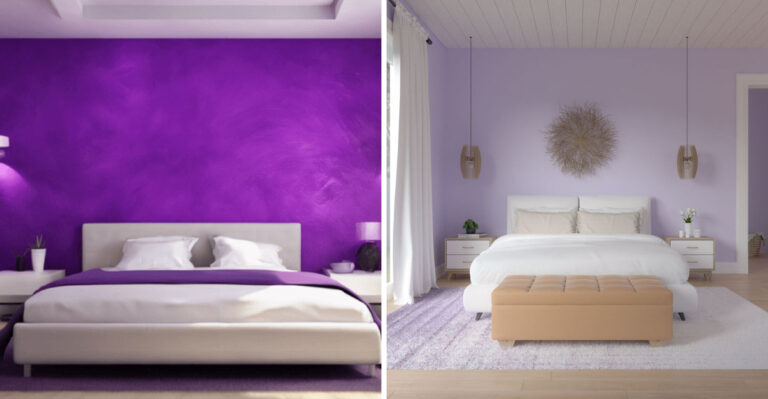
Colors aren’t just pretty—they’re powerful emotional triggers! Savvy designers select hues based on the feeling they want to create in each space. Bedrooms often benefit from blues and greens that promote relaxation and sleep.
Dining rooms come alive with appetite-stimulating reds or oranges. Home offices gain focus from yellows that stimulate mental activity. Before choosing colors, ask yourself how you want to feel in the space.
9. Don’t Ignore Ceilings
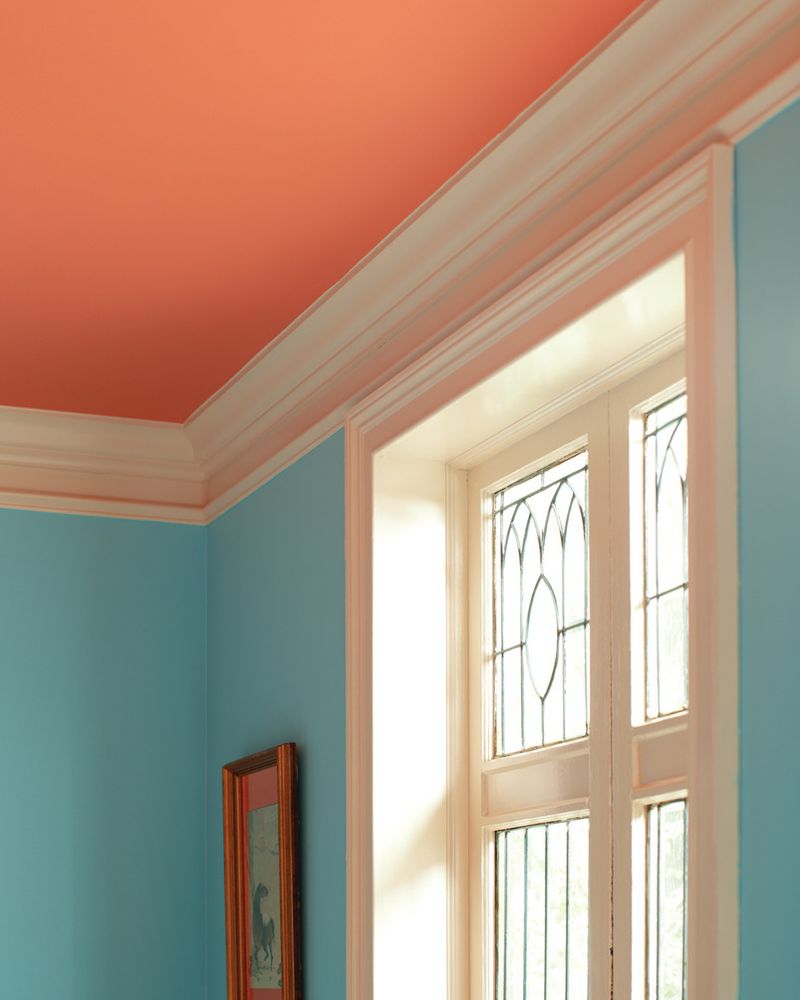
Looking for an unexpected color opportunity? Glance upward! Designers often call the ceiling the “fifth wall”—a canvas frequently forgotten by amateurs. A colored ceiling can dramatically transform a room’s feel without overwhelming the space.
Try a pale blue in bedrooms to evoke the sky, or a shade 50% lighter than your wall color for subtle depth. For the brave, a dark ceiling in a small powder room creates cozy drama.
10. Let Nature Inspire Your Choices

Stuck for color inspiration? Step outside! Nature creates the most harmonious color combinations imaginable, which is why designers often turn to the outdoors when developing palettes. A beach scene offers perfect pairings of sand, sea, and sky tones.
Autumn leaves demonstrate how rusts, golds, and greens complement each other beautifully. Photograph your favorite natural settings and extract their color schemes.
11. Use Color Blocking Strategically
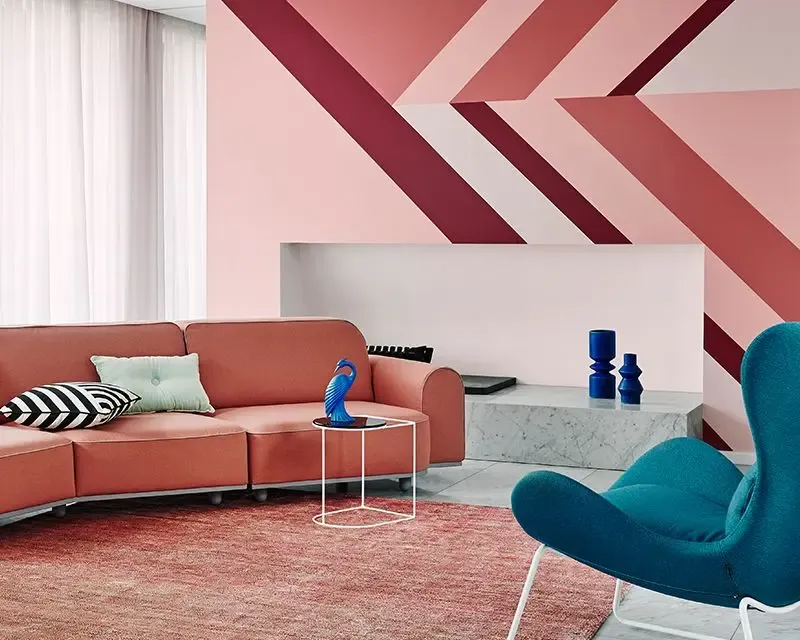
Bold geometric color sections aren’t just for fashion runways! Interior designers borrow this technique to create architectural interest where none exists. Painting adjacent walls in contrasting colors can define zones in an open floor plan.
A half-painted wall adds height to low ceilings, while a bold rectangle of color behind a bed creates a headboard effect. Color blocking works especially well in contemporary spaces with minimal architectural detail.
12. Play with Patterns in Similar Tones
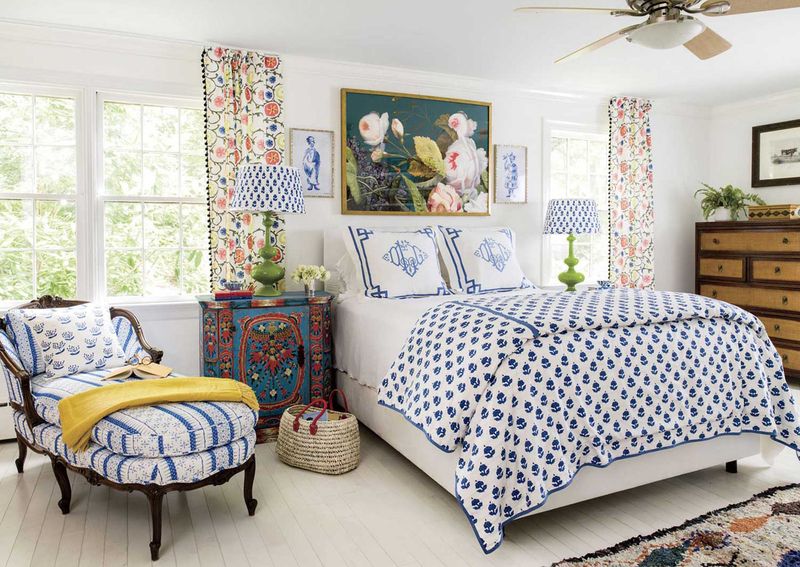
Mixing patterns terrifies many homeowners, but designers have a secret: keep colors consistent while varying designs. When patterns share a similar color palette, they magically work together despite their different styles.
Try combining florals, geometrics, and stripes that all share shades of blue and green. The consistent color thread unifies diverse patterns. Start with a multicolored “hero” pattern, then pull individual colors from it for your additional patterns.
13. Tie Rooms Together with Shared Colors
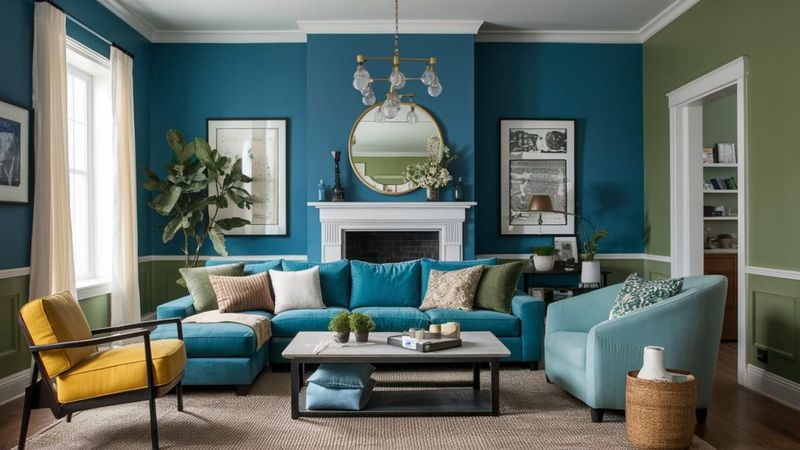
Ever noticed how designer homes feel cohesive as you move from room to room? They’re using a secret technique: color threading. By repeating key colors throughout different spaces, designers create a subtle narrative that connects your entire home.
The emerald green in your living room cushions might reappear in kitchen herbs or bathroom towels. Think of it as creating a color family that varies in each room while maintaining recognizable relationships.
14. Use Metallics to Highlight
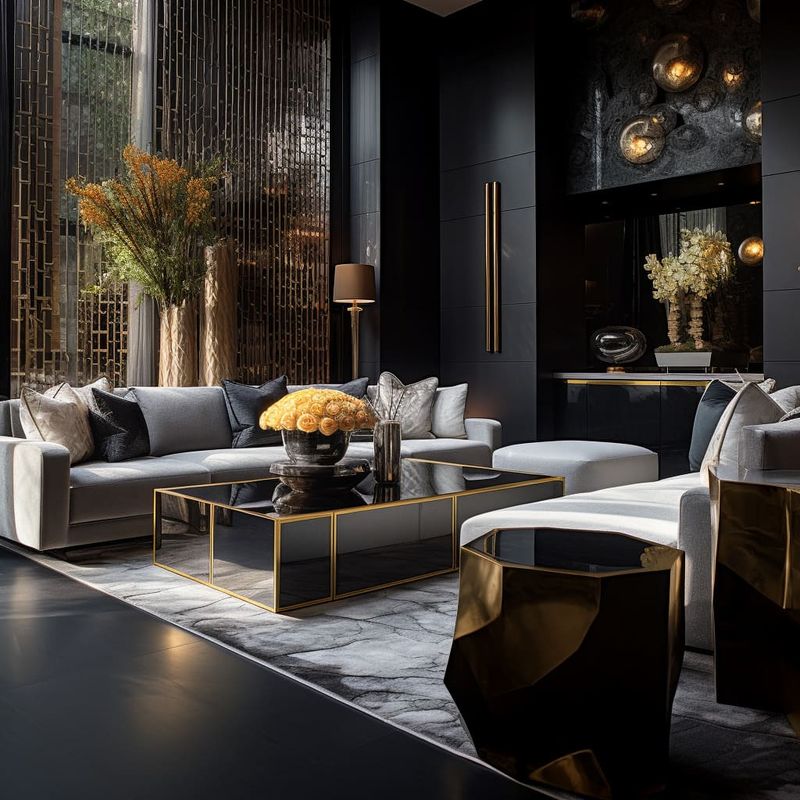
Want to elevate your color scheme instantly? Introduce some shine! Designers treat metallics as sophisticated neutrals that pair with any color palette while adding dimension. Gold warms up cool blues and greens, while silver and chrome enhance jewel tones.
Copper and bronze beautifully complement earthy palettes. Unlike flat colors, metallics reflect light, creating movement and depth. Start small with picture frames or lamp bases, then graduate to larger pieces like side tables or mirror frames.
15. Start Small with Accessories

Nervous about committing to color? You’re not alone! That’s why designers often suggest beginning with easily changeable elements. Pillows, throws, vases, and artwork let you experiment with bold hues without painting or buying major furniture.
Once you discover which colors truly resonate with you, you’ll feel more confident making bigger investments. This gradual approach prevents expensive mistakes while building your color confidence.
16. Trust Your Instincts
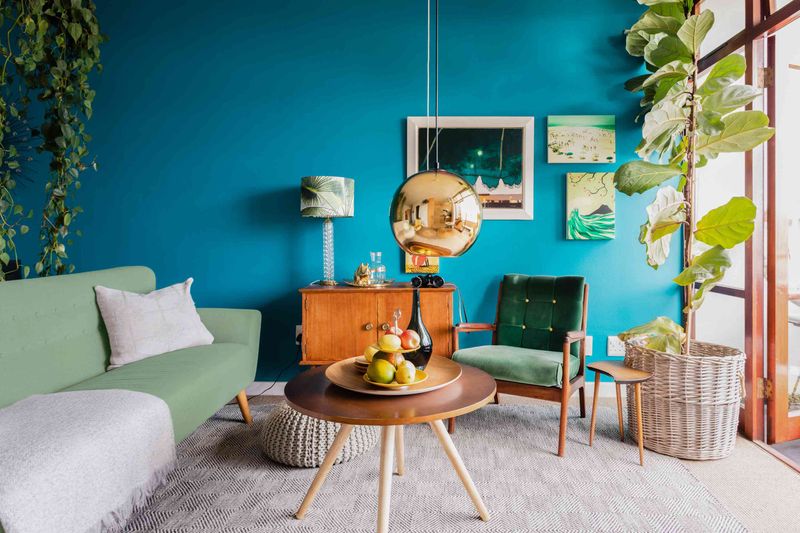
Secretly, even professional designers admit this final truth: sometimes rules must be broken! While color theory provides helpful guidelines, your personal connection to colors matters most. If a certain shade brings you joy, find a way to incorporate it.
Your home should reflect your personality, not rigid design rules. Pay attention to colors that consistently draw your eye or improve your mood. After all, you’re the one living with these colors every day!