17 Ways To Bring Traditional Italian Kitchen Style Into Your Home
Dreaming of a kitchen that whisks you away to the sun-drenched hills of Tuscany or the vibrant streets of Naples?
Italian kitchens blend warmth, functionality, and timeless charm that makes everyone feel at home.
No matter if you’re planning a complete renovation or just looking for simple touches to add some Mediterranean magic, these ideas will help transform your kitchen into a space that celebrates Italy’s rich culinary heritage.
1. Warm Terracotta Flooring
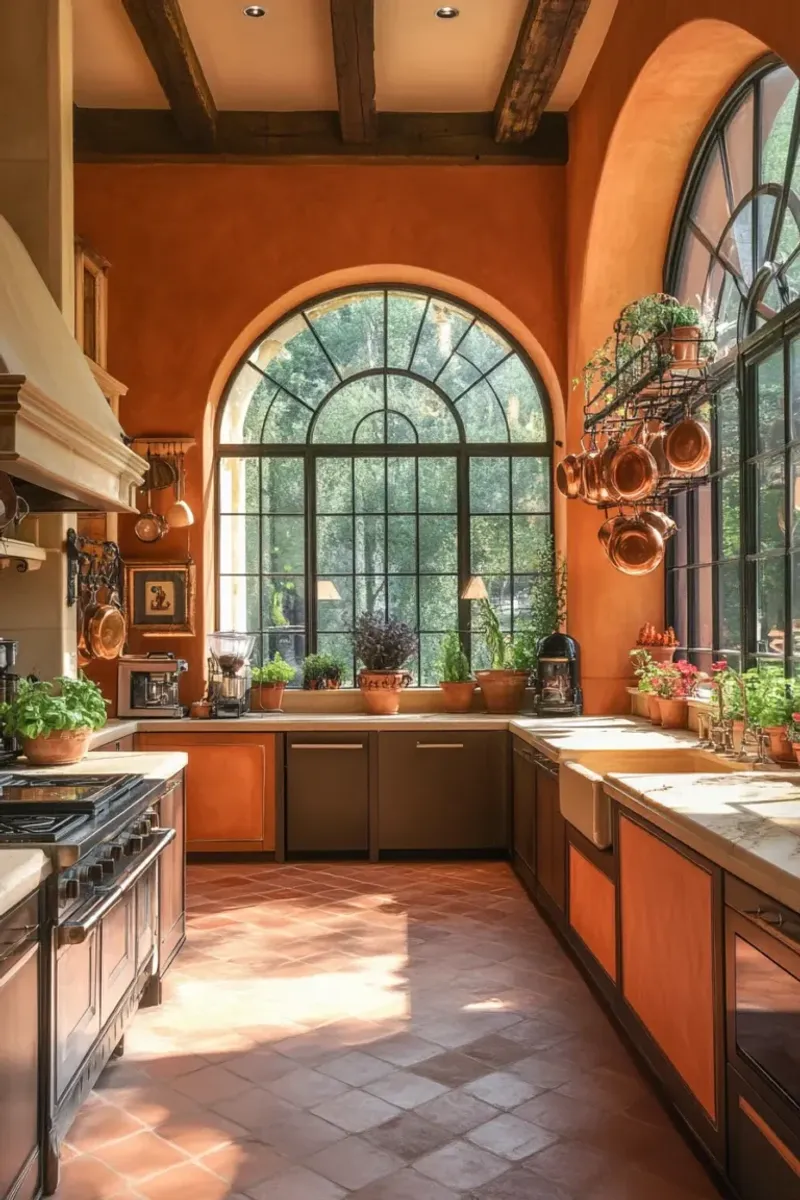
Nothing says “benvenuti” quite like the earthy tones of terracotta tiles underfoot. These rustic clay tiles instantly transport you to a farmhouse in the Italian countryside, bringing natural warmth to your kitchen.
When selecting terracotta, look for handmade pieces with slight irregularities that add character. The beautiful imperfections tell stories of craftsmanship passed down through generations.
2. Open Wooden Shelving
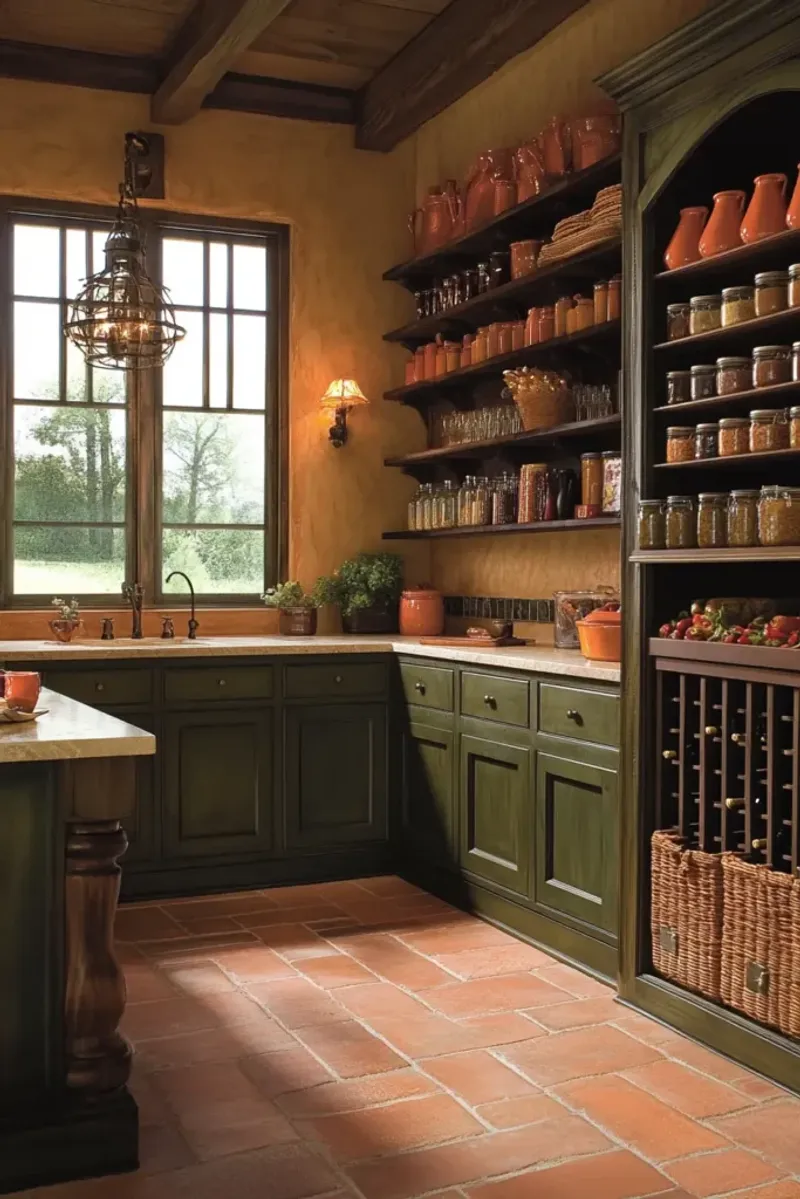
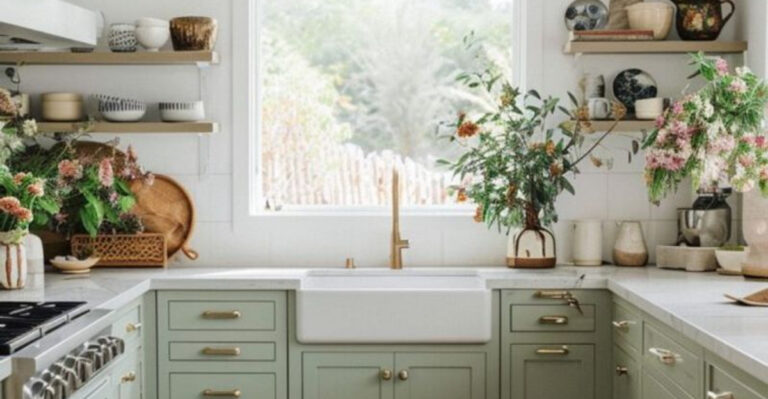
Forget closed cabinets! Traditional Italian kitchens showcase their treasures proudly on open wooden shelves. This practical approach keeps everyday items within reach while creating a lived-in, homey atmosphere.
Choose reclaimed wood or distressed finishes for authenticity. Display colorful ceramic dishes, copper pots, and glass jars filled with pasta and beans for that perfect blend of functionality and rustic charm.
3. Hand-Painted Ceramic Tiles
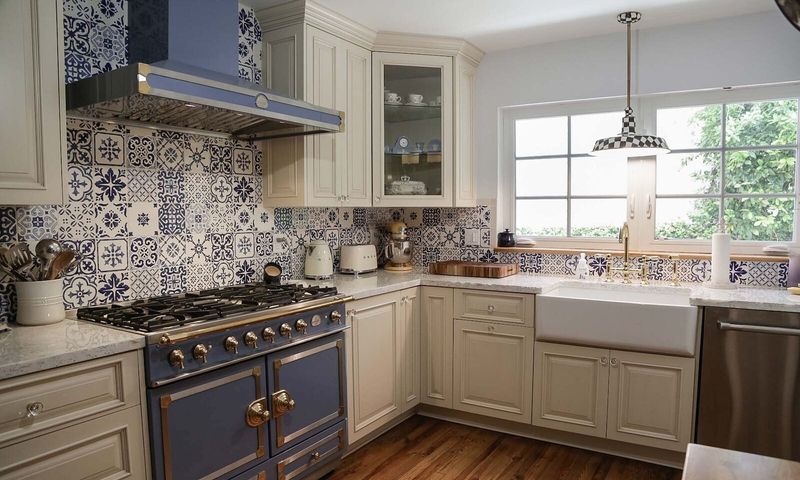
A splash of color behind your stove or sink can transform your kitchen into a Mediterranean masterpiece. Hand-painted ceramic tiles, known as ‘majolica’, feature intricate patterns and vibrant colors that tell stories of Italian heritage.
Consider creating a focal point with a tile mural or simply accent your backsplash with decorative pieces. Each tile brings a unique artisanal touch that mass-produced materials simply can’t match.
4. Tuscan Color Palette
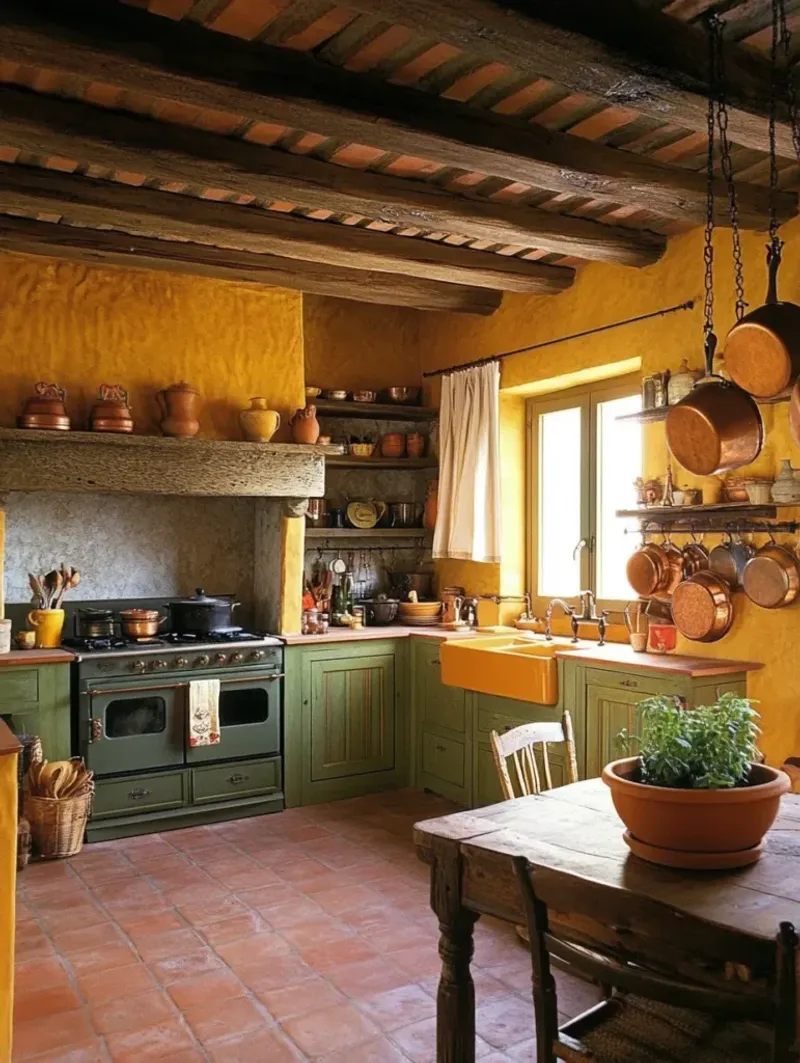
Capturing the essence of the Italian countryside starts with the right colors. Think sun-washed yellows, terra cotta oranges, olive greens, and deep Mediterranean blues that echo the natural landscape of Italy.
You don’t need to paint everything – even small touches like colored glass bottles or ceramic bowls can introduce these warm hues. When paired with neutral backdrops, these colors create the perfect balance of vibrancy and comfort.
5. Farmhouse Sink
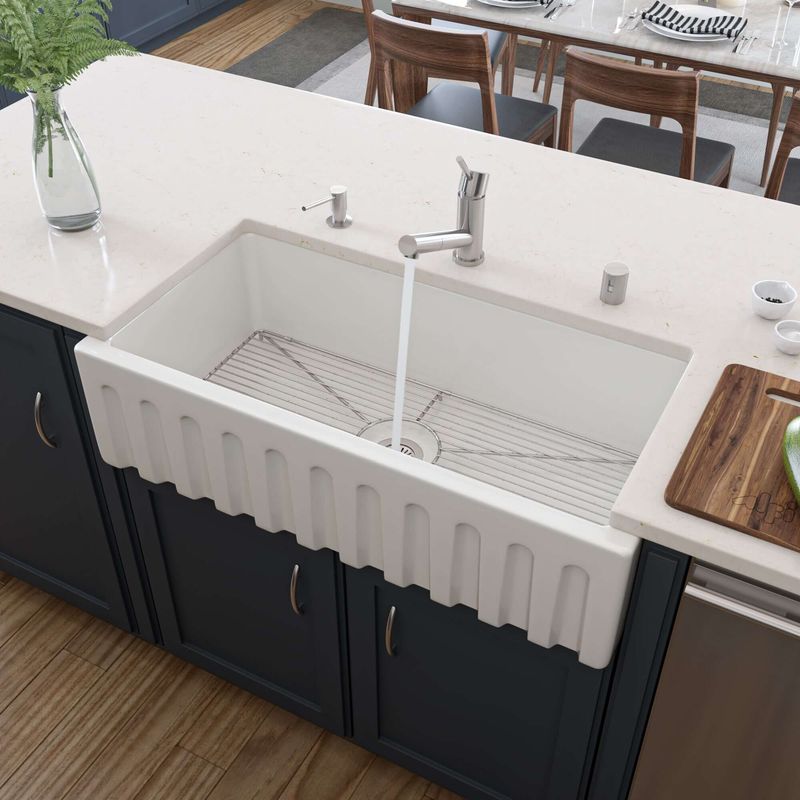
At the heart of every Italian kitchen stands a generous, deep-bowled farmhouse sink. Often crafted from porcelain or fireclay, these practical beauties harken back to a time when kitchen work was serious business.
Beyond their charming appearance, these sinks offer ample space for washing large pots and pans. For an authentic touch, look for apron-front styles with slightly uneven edges that suggest handcrafted origins.
6. Wrought Iron Accents
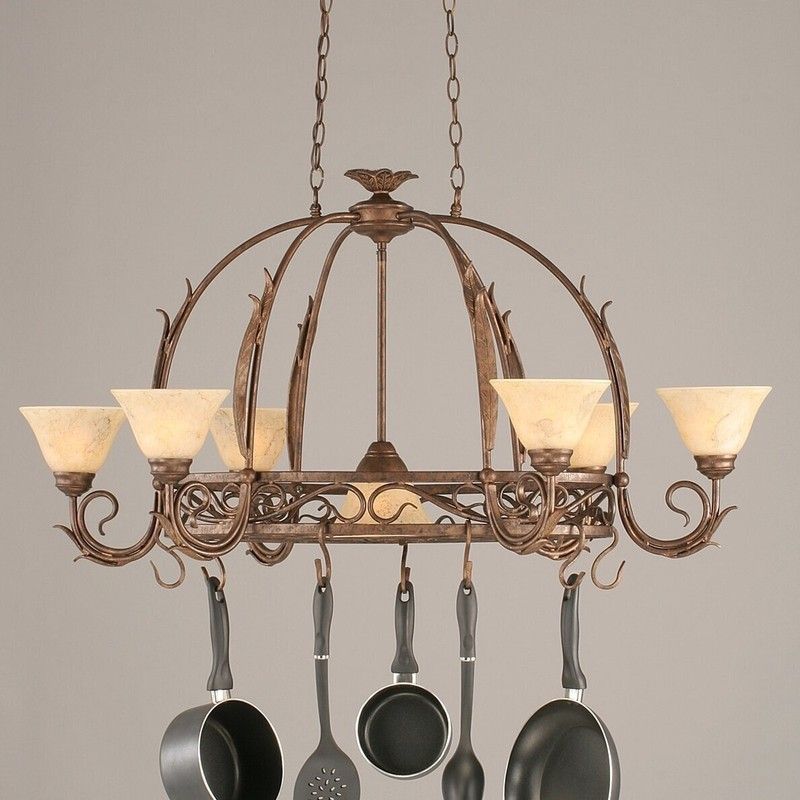
Italians have perfected the art of metalwork over centuries, with wrought iron playing a starring role in traditional kitchens. From pot racks suspended from ceiling beams to decorative brackets supporting shelves, these dark metal elements add architectural interest.
Consider a wrought iron wine rack or utensil holder for a simple introduction. The contrast between the dark metal and lighter surroundings creates visual drama while adding authentic old-world charm.
7. Exposed Wooden Beams
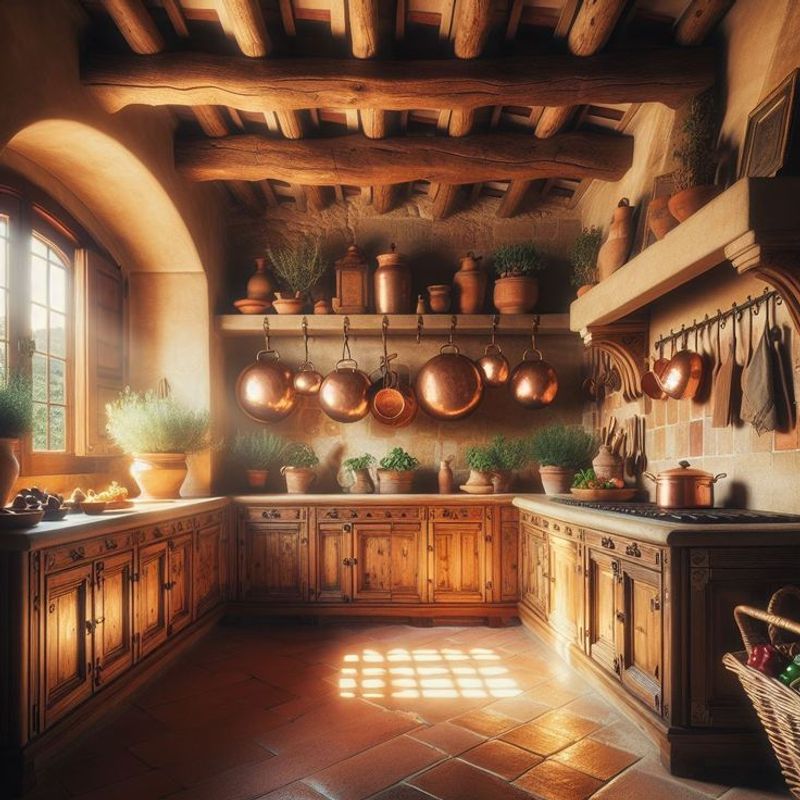
Glance upward in any traditional Italian kitchen and you’ll likely spot sturdy wooden beams crossing the ceiling. These architectural elements weren’t originally decorative—they served structural purposes in old-world construction.
Even in modern homes, adding wooden beams (real or faux) instantly creates rustic Italian character. The natural wood tones bring warmth and a sense of history that makes your kitchen feel like it’s been there for generations.
8. Stone or Brick Archways
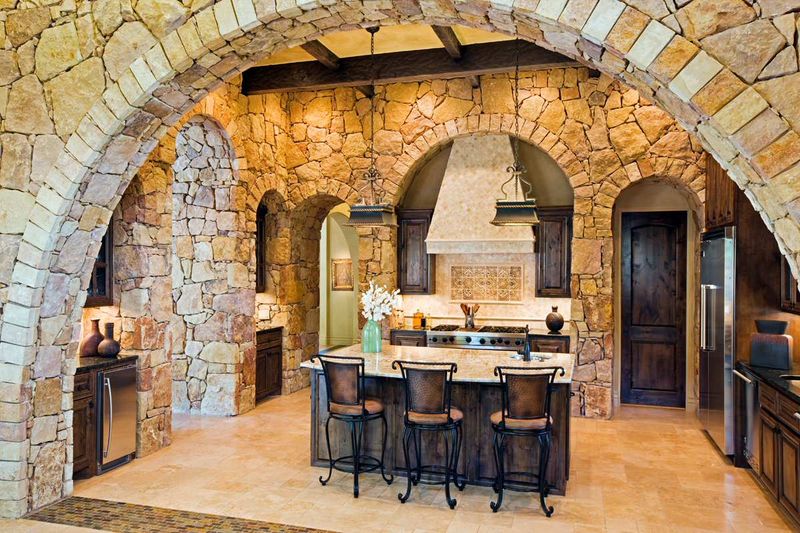
Architectural elements make all the difference in creating an authentic Italian atmosphere. Stone or brick archways separating the kitchen from dining areas echo the ancient structures found throughout Italy’s historic buildings.
If structural changes aren’t possible, consider adding a faux stone veneer around existing doorways. Even partial archways or simple stone details around windows can evoke that unmistakable Italian architectural character that transforms ordinary spaces.
9. Copper Cookware Collection
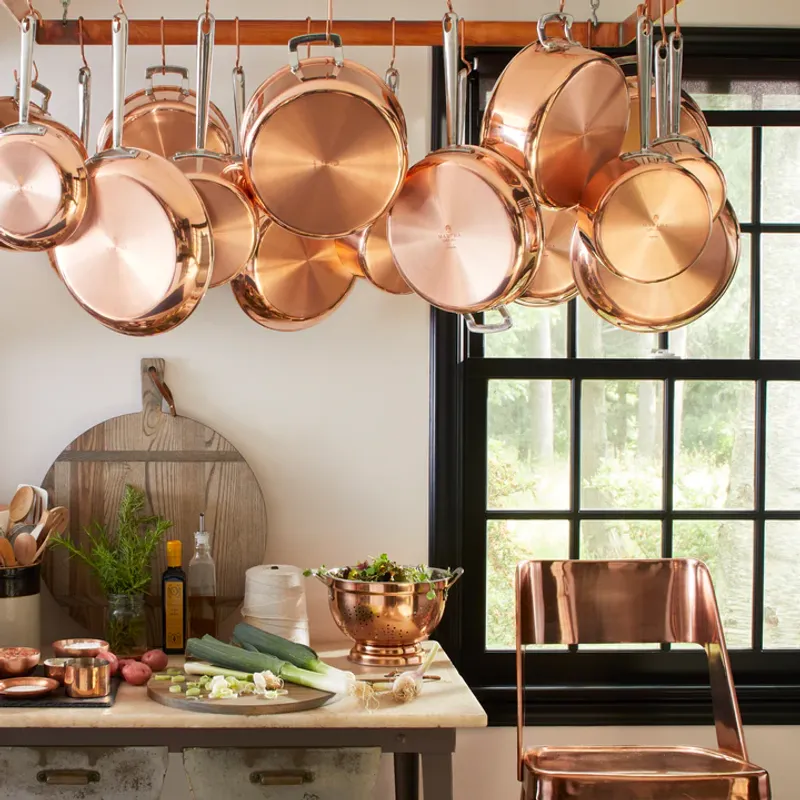
Hanging gleaming copper pots and pans isn’t just practical—it’s like installing functional artwork in your kitchen. Italian cooks have treasured copper cookware for generations because it conducts heat beautifully and develops a gorgeous patina over time.
Start with just a few key pieces and display them prominently. Unlike mass-produced cookware, copper develops character with age and use, telling the story of countless family meals prepared with love.
10. Marble Countertops
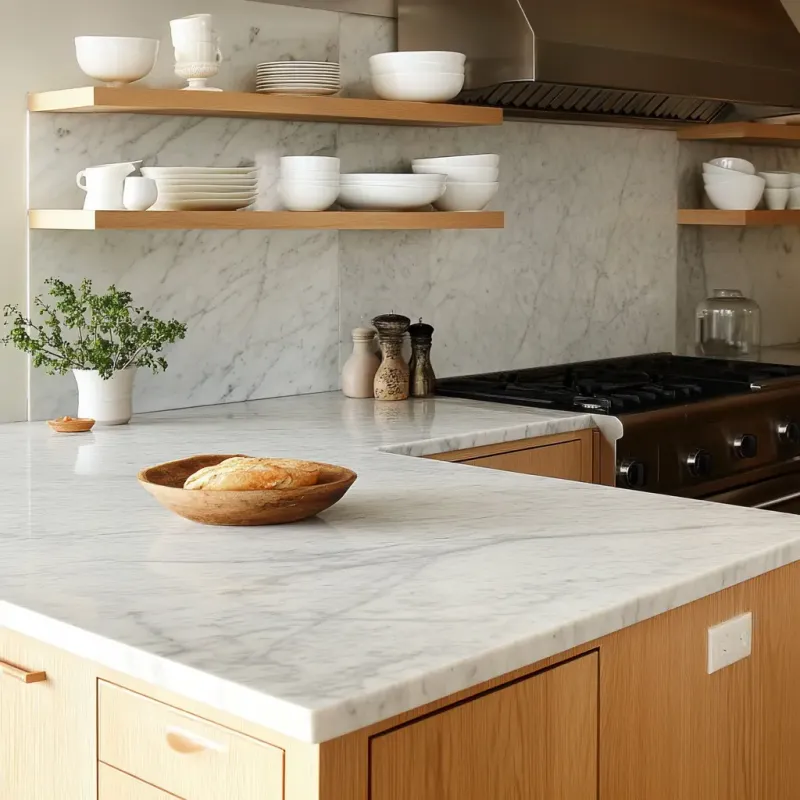
From Renaissance sculptures to modern kitchens, Italians have always celebrated the beauty of marble. A Carrara or Calacatta marble countertop brings instant elegance while providing the perfect surface for rolling pasta dough.
Don’t worry about keeping it pristine—Italians embrace the lived-in look. Each stain and etch tells a story of meals shared and memories made. For budget-friendly alternatives, consider marble-look quartz or even a dedicated marble pastry board.
11. Hanging Herb Garden
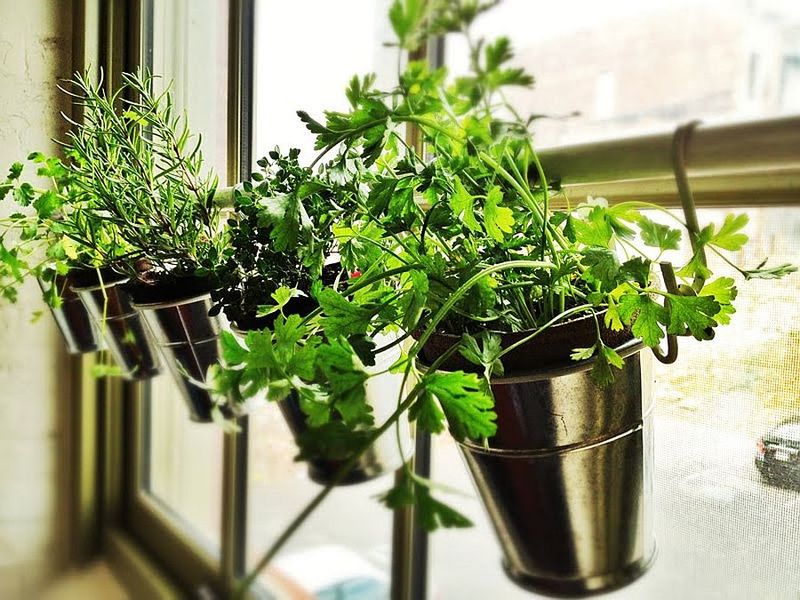
Fresh herbs are the secret behind Italian cooking’s vibrant flavors, and displaying them adds both practicality and charm to your kitchen. A hanging herb garden near a sunny window brings life, color, and delicious aromas into your space.
Try terracotta pots suspended from wrought iron hooks or a repurposed wooden ladder hung horizontally. Basil, rosemary, oregano, and thyme thrive indoors and stand ready to elevate your cooking with authentic Italian flavors.
12. Rustic Wooden Table
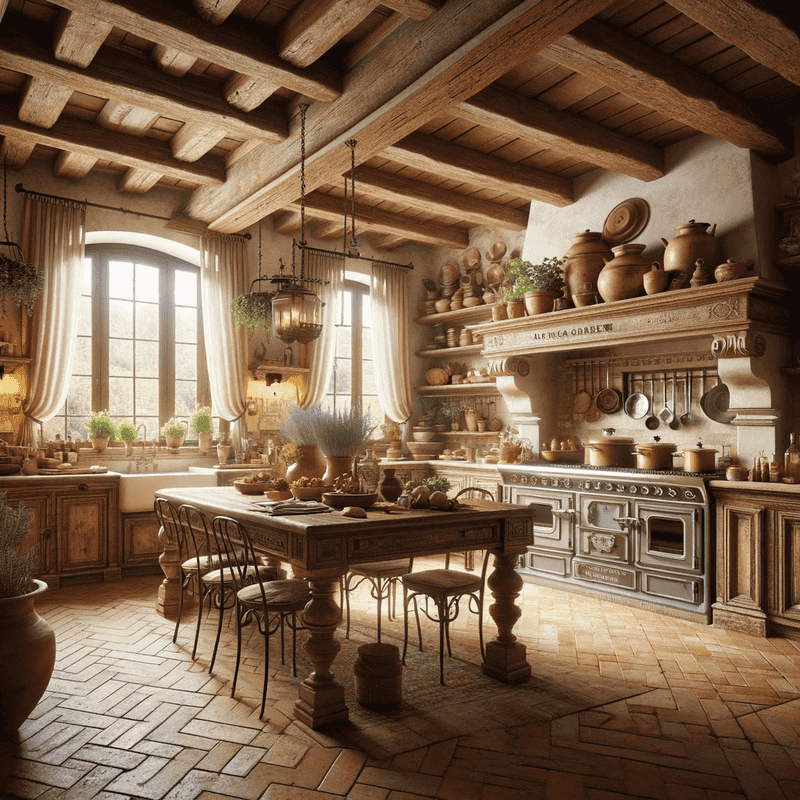
The heart of Italian family life beats strongest around the kitchen table. Unlike formal dining rooms, traditional Italian kitchens feature sturdy wooden tables where daily meals, pasta-making, and lively conversations all take place.
Look for tables with history—worn surfaces, visible knots, and imperfections tell stories of gatherings past. A farm table with simple, sturdy legs and a thick wooden top creates an instant gathering spot that invites family and friends to linger.
13. Vintage-Inspired Appliances
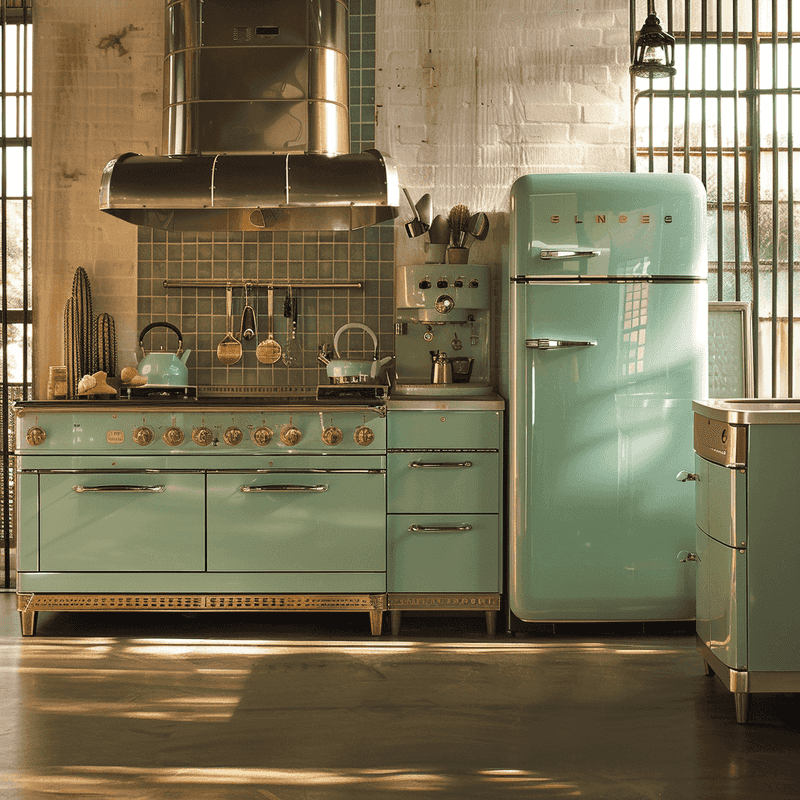
Modern conveniences needn’t sacrifice style in your Italian kitchen. Many manufacturers now offer appliances with old-world charm and modern functionality—think cream-colored refrigerators with rounded edges or retro-styled gas ranges in bold colors.
If replacing appliances isn’t an option, consider simple covers or panels that disguise modern machines. Even small countertop appliances like coffee makers and mixers come in vintage-inspired designs that complement the traditional aesthetic.
14. Olive Oil Display
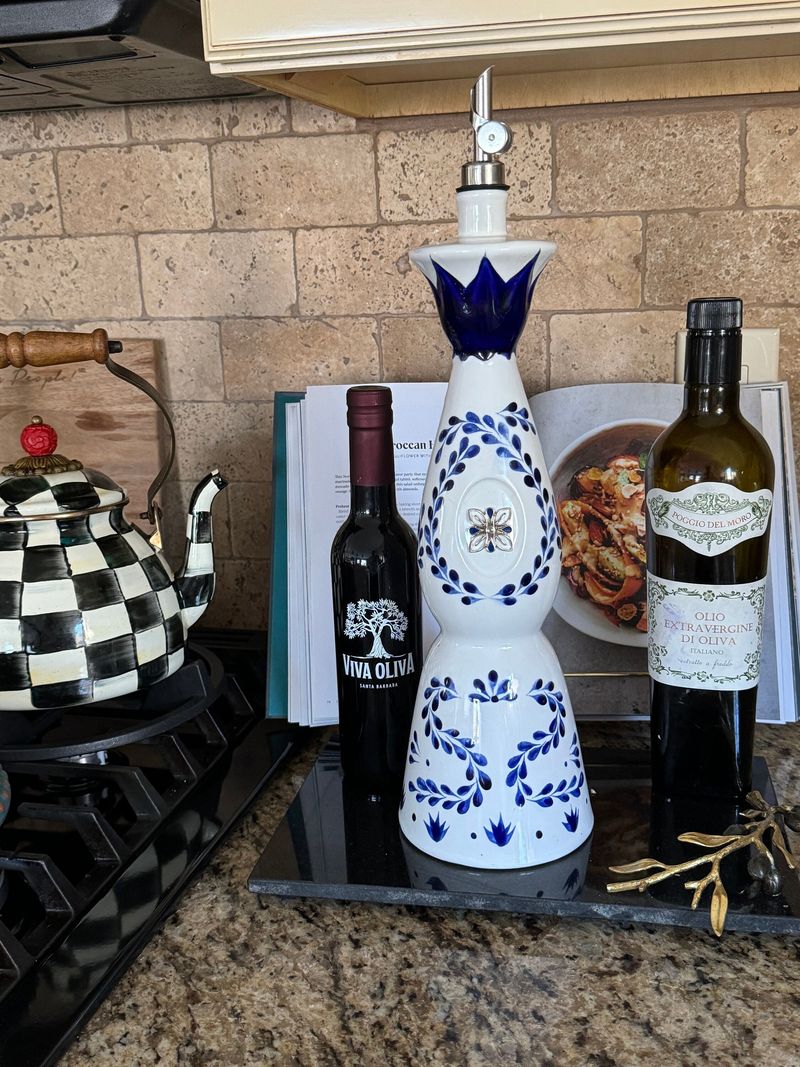
Liquid gold deserves a place of honor in your Italian kitchen! Creating a dedicated olive oil display adds both functionality and authentic charm to your cooking space.
Collect beautiful bottles in various shapes and sizes, then transfer your oils into them. Arrange them on a small tray with a few sprigs of rosemary or thyme for an instant focal point that’s both decorative and practical for everyday cooking.
15. Pasta-Making Station
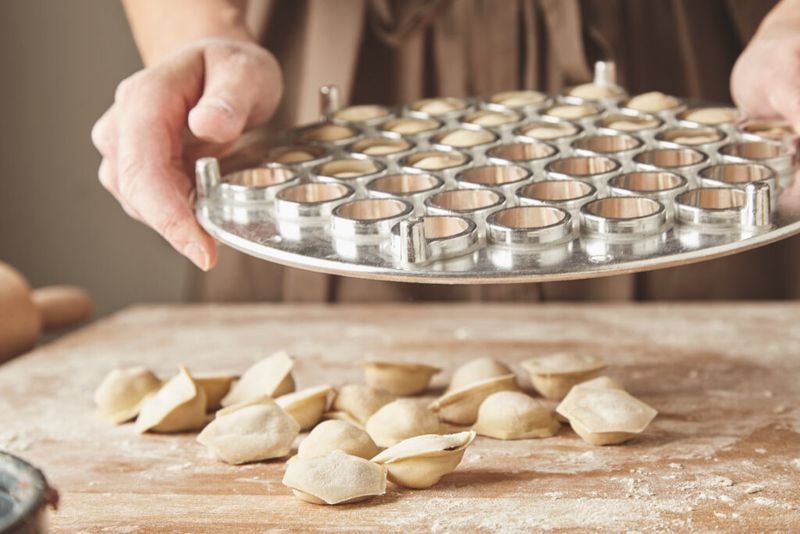
Channel your inner nonna with a dedicated space for creating homemade pasta! A small section of countertop with a marble surface provides the ideal cool, smooth area for rolling and cutting dough.
Display your pasta tools proudly—wooden rolling pins, bronze pasta dies, and a hand-crank pasta machine add authentic charm. Nearby jars of flour and semolina complete the look while keeping essentials within reach for spontaneous pasta-making sessions.
16. Rustic Wood Cabinetry
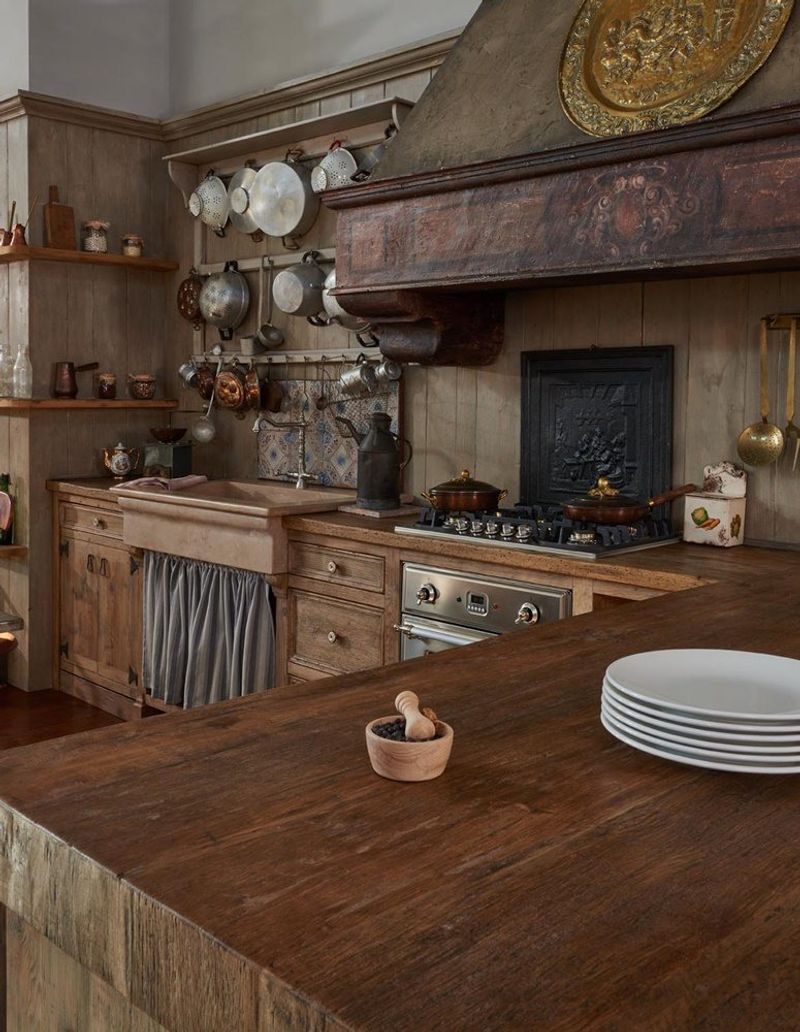
Unlike sleek modern kitchens, traditional Italian spaces feature cabinetry that feels substantial and timeworn. Look for wood cabinets with visible grain, preferably in warm honey tones or darker chestnut finishes that feel anchored to the earth.
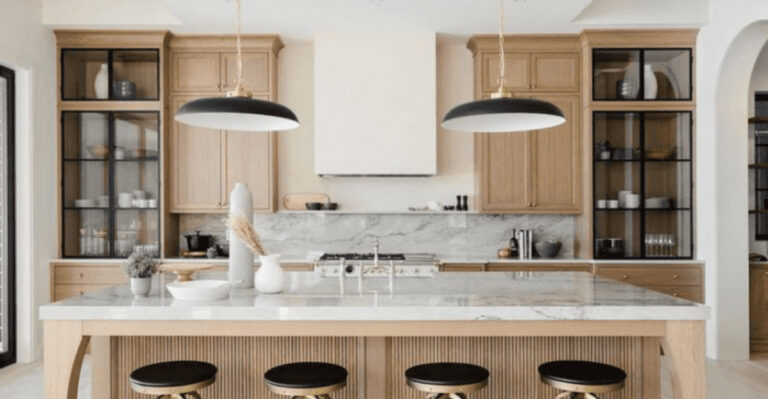
Distressed finishes, hand-carved details, or simple beadboard panels all evoke Italian craftsmanship. For an authentic touch, consider glass-front upper cabinets that showcase colorful dishes while keeping them dust-free.
17. Decorative Ceiling Medallion
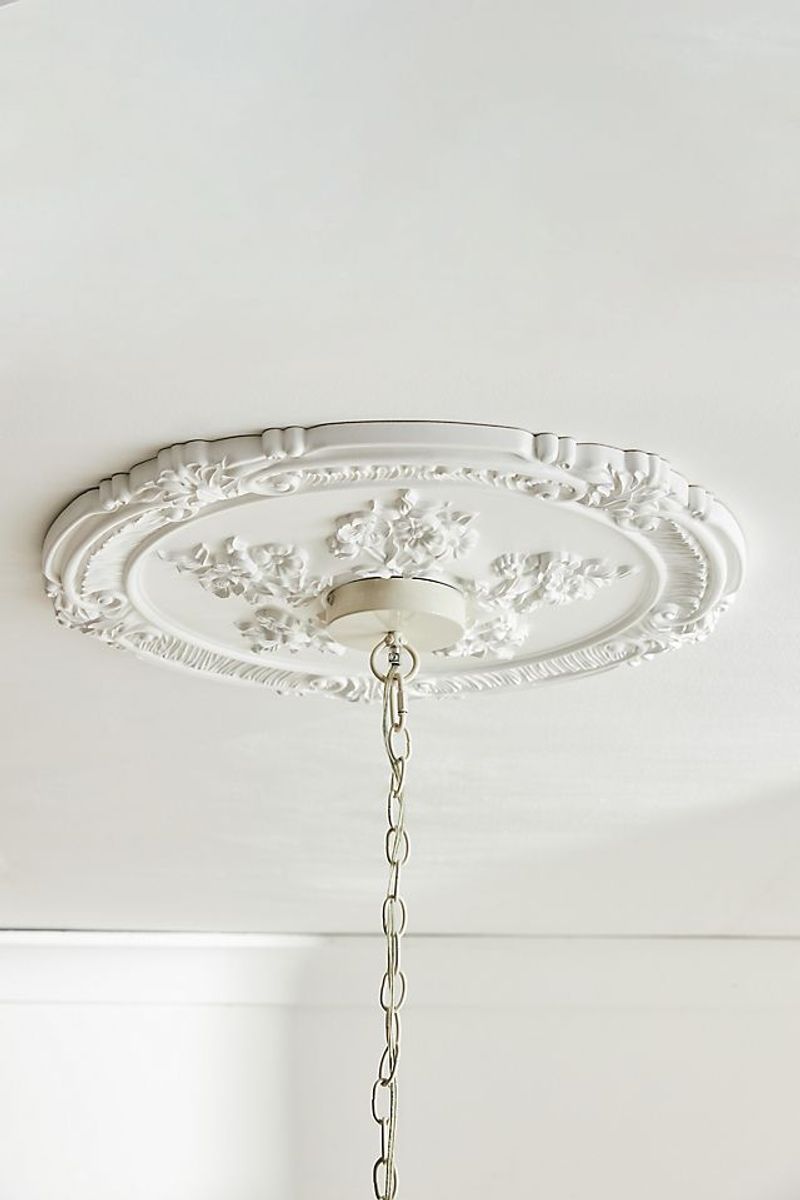
Looking up in many Italian homes reveals intricate plaster details that frame lighting fixtures. A decorative ceiling medallion adds unexpected architectural interest while drawing the eye upward to appreciate the full height of your kitchen.
These ornamental elements pair beautifully with wrought iron chandeliers or pendant lights. Even in homes with standard ceiling heights, a simple medallion painted to match your ceiling creates a focal point that feels distinctly European.