19 Tips London Interior Designers Swear By (And You Should Too)
London’s interior design scene is renowned worldwide for its blend of traditional elegance and cutting-edge innovation.
From Chelsea to Notting Hill, the city’s designers have mastered the art of creating spaces that feel both timeless and fresh.
No matter if you’re revamping your entire home or just looking to refresh a room, these professional secrets will transform your space from ordinary to extraordinary.
1. Layer Lighting Sources
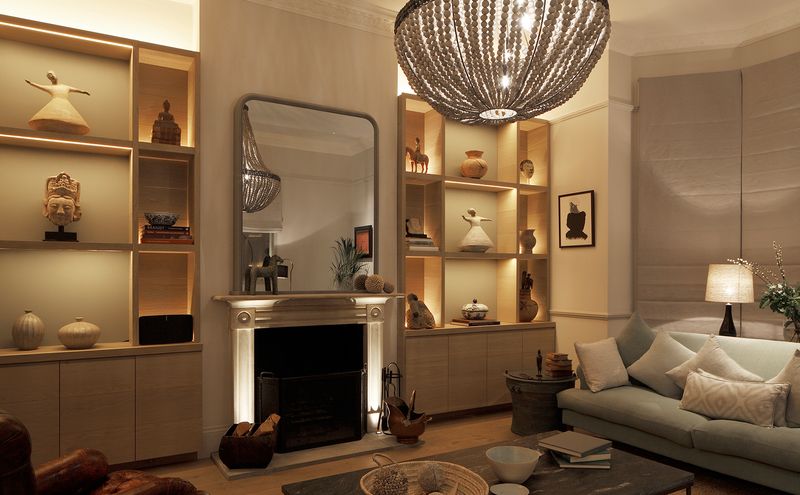
Forget about relying on a single ceiling fixture! Professional designers combine ambient, task, and accent lighting to create depth and atmosphere in every room.
Wall sconces, table lamps, and floor lights at varying heights establish visual interest while serving different purposes throughout the day. During consultations, London designers often mark at least five lighting points per room on their plans.
2. Mix Old and New Pieces
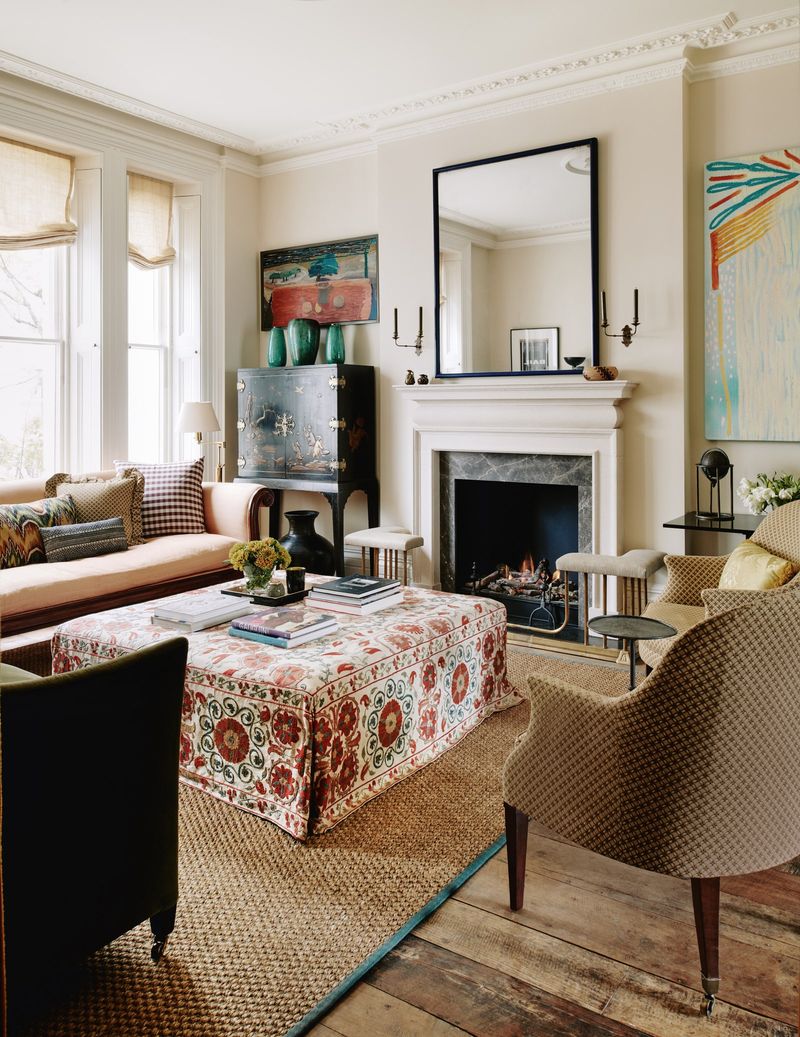
The magic happens when contemporary designs meet vintage treasures. This juxtaposition creates spaces with soul and prevents rooms from feeling like furniture showrooms.
Many apartments feature sleek modern sofas alongside antique side tables or Victorian chairs reupholstered in bold fabrics. The contrast between eras tells a story and makes interiors feel collected rather than decorated.
3. Embrace Small Spaces
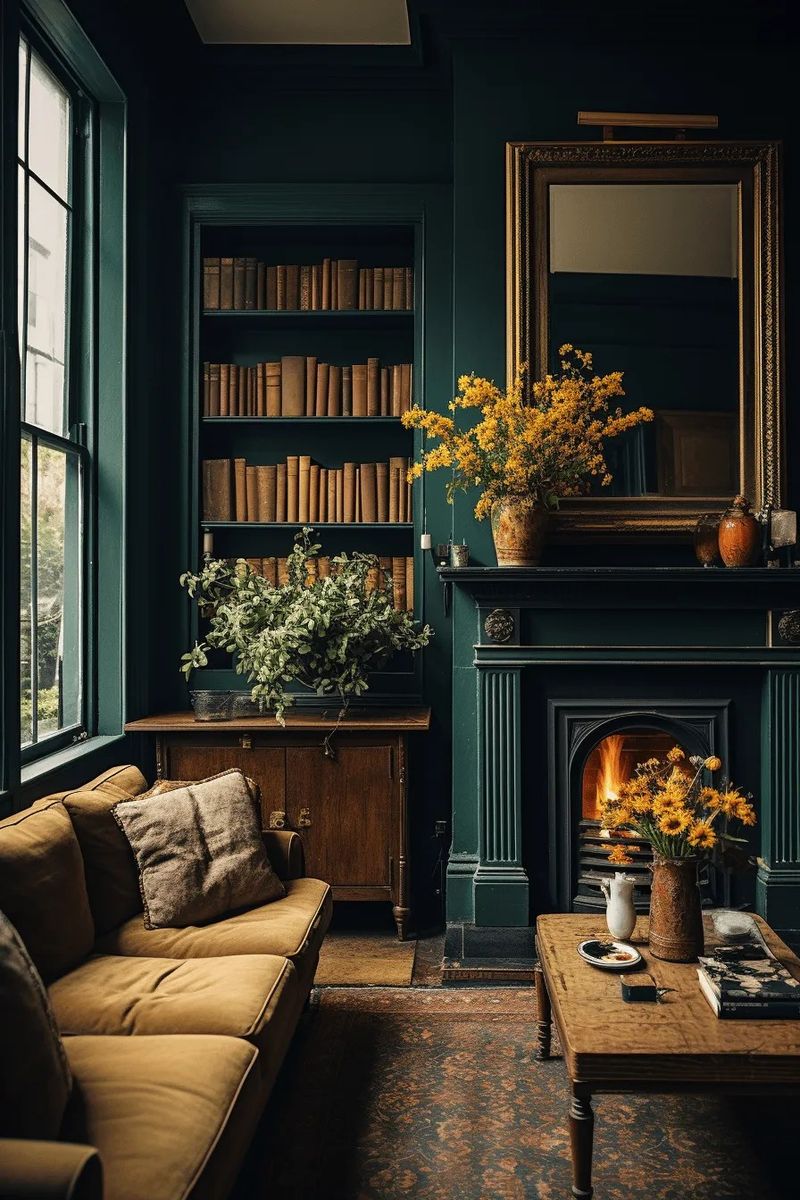
Rather than fighting against compact rooms, London designers lean into coziness. Dark, rich colors can actually make tight spaces feel intentional and intimate rather than cramped.
The trick is commitment—half measures in small spaces often backfire, so go bold with color or pattern for maximum impact.
4. Invest in Statement Art
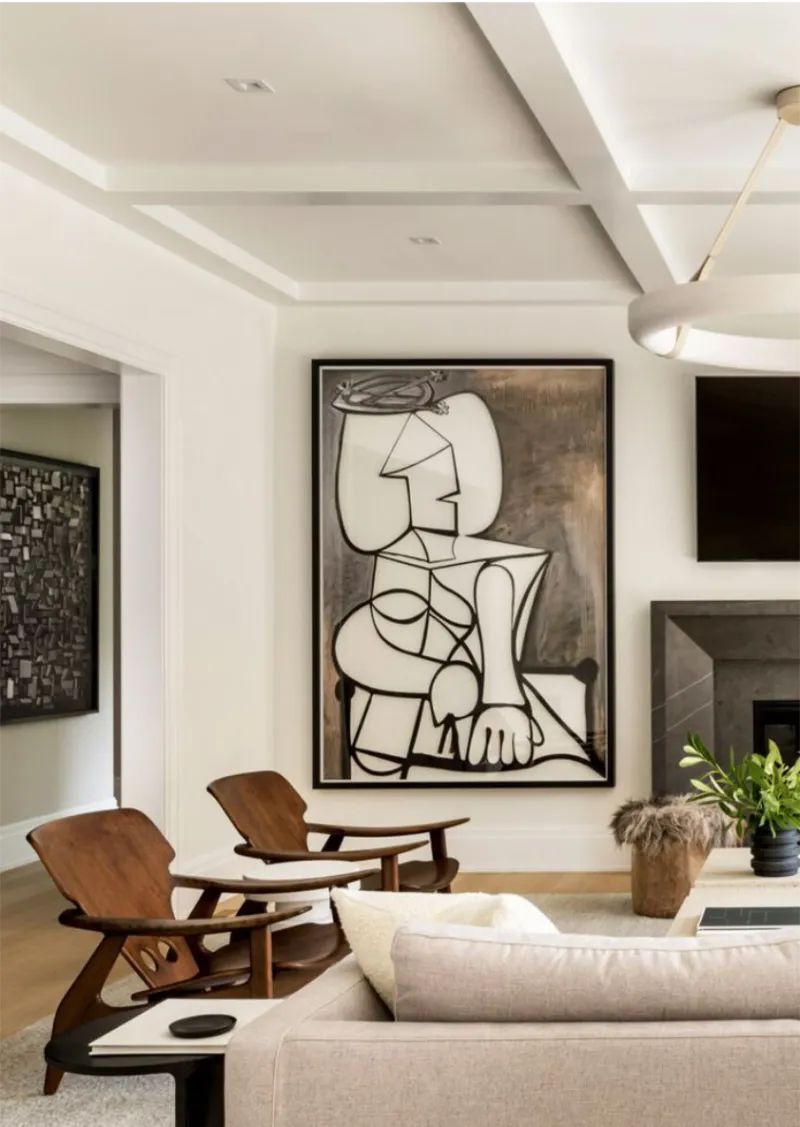
Would you believe a single perfect piece can define an entire room? London designers often start their concepts around one magnificent artwork that sets the tone.
Even on modest budgets, designers recommend allocating funds for one significant piece rather than several mediocre ones. Art brings personality and conversation to spaces like nothing else.
5. Use Mirrors Strategically
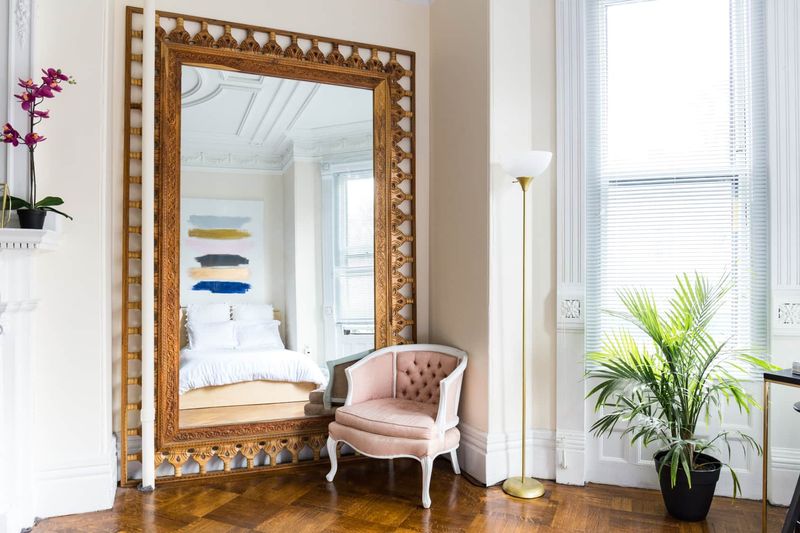
Masters of illusion, London designers deploy mirrors not just as decorative elements but as spatial problem-solvers. Positioning mirrors to reflect light sources instantly brightens and expands rooms.
The best trick? Placing mirrors opposite windows doubles natural light and creates the impression of another room beyond. This technique works wonders in basement conversions throughout the city.
6. Prioritize Texture Variety
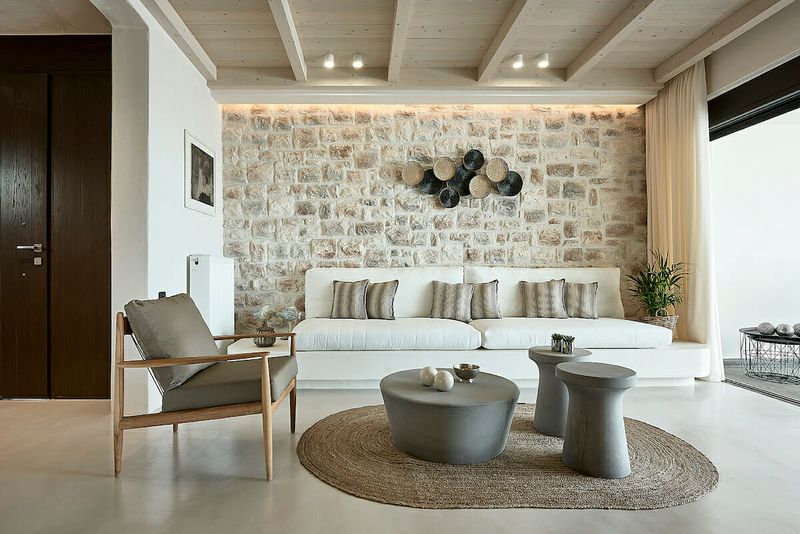
Touch matters just as much as sight in thoughtfully designed spaces. Even monochromatic rooms avoid feeling flat when textural contrast is present.
Try pairing a nubby bouclé chair with sleek marble side tables or layering a shaggy wool rug over sisal. These tactile differences create depth that catches both eye and hand.
7. Choose Quality Over Quantity
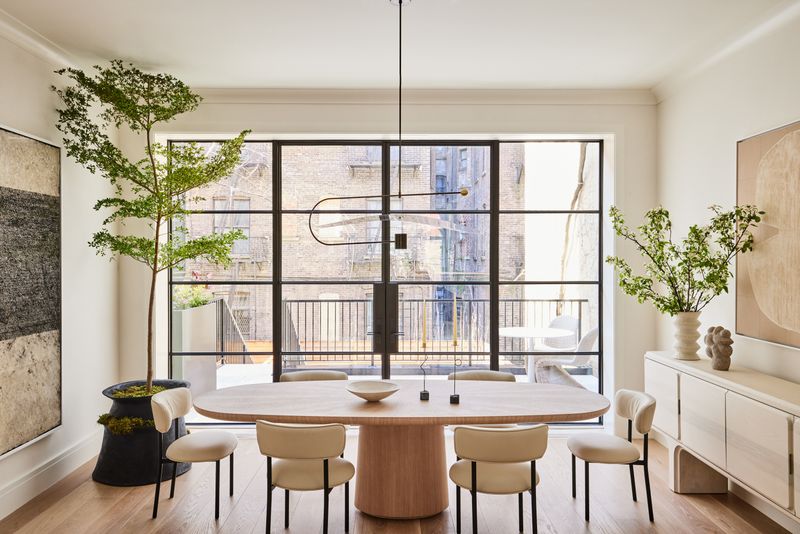
Visiting stylish Islington homes reveals a common thread—fewer, better pieces create more impact than numerous mediocre ones. London designers invest in key foundation pieces that will last decades.
A single handcrafted dining table makes a stronger statement than multiple mass-produced items. When budgeting, allocate more for items you interact with daily: sofas, beds, dining chairs. These workhorses should bring joy through both beauty and comfort for years to come.
8. Add Architectural Details
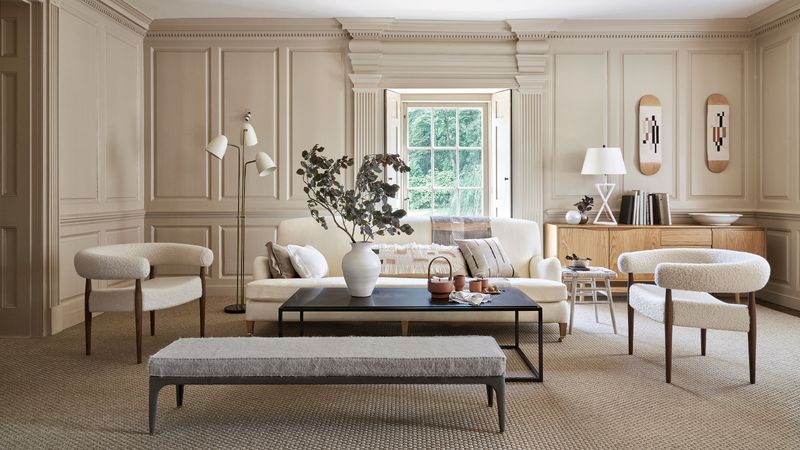
London designers frequently restore or add architectural elements to create character in newer buildings. Picture rails, cornices, and paneling bring instant gravitas to otherwise plain rooms.
In renovated lofts, simple applied molding transforms blank walls into elegant backdrops for furniture. These additions needn’t be expensive—even basic picture frame molding painted the same color as walls can add subtle sophistication and period authenticity to contemporary spaces.
9. Incorporate Vintage Finds
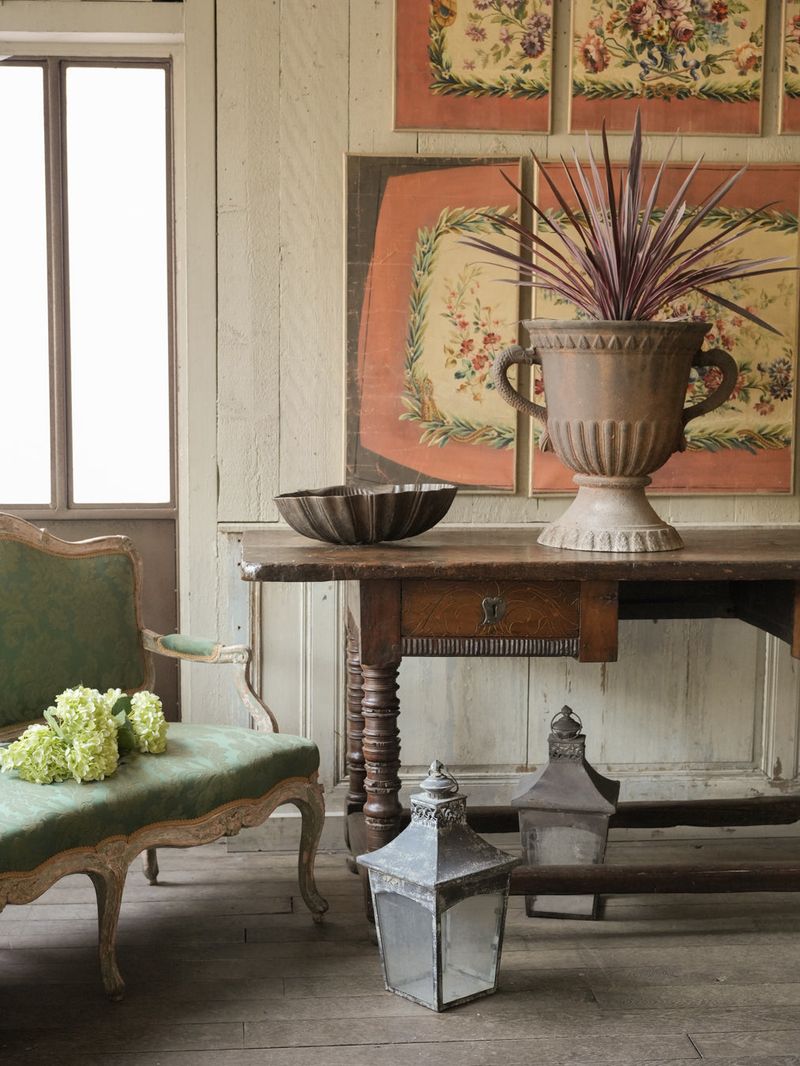
Nothing adds character like objects with history. Vintage brass candlesticks, weathered leather trunks, or antique mirrors bring soulful patina to contemporary spaces.
The key is balance—pairing old with new prevents rooms from feeling like museums. Even modest vintage items like ceramic jugs or wooden bowls add warmth impossible to achieve with all-new purchases.
10. Paint Ceilings for Drama
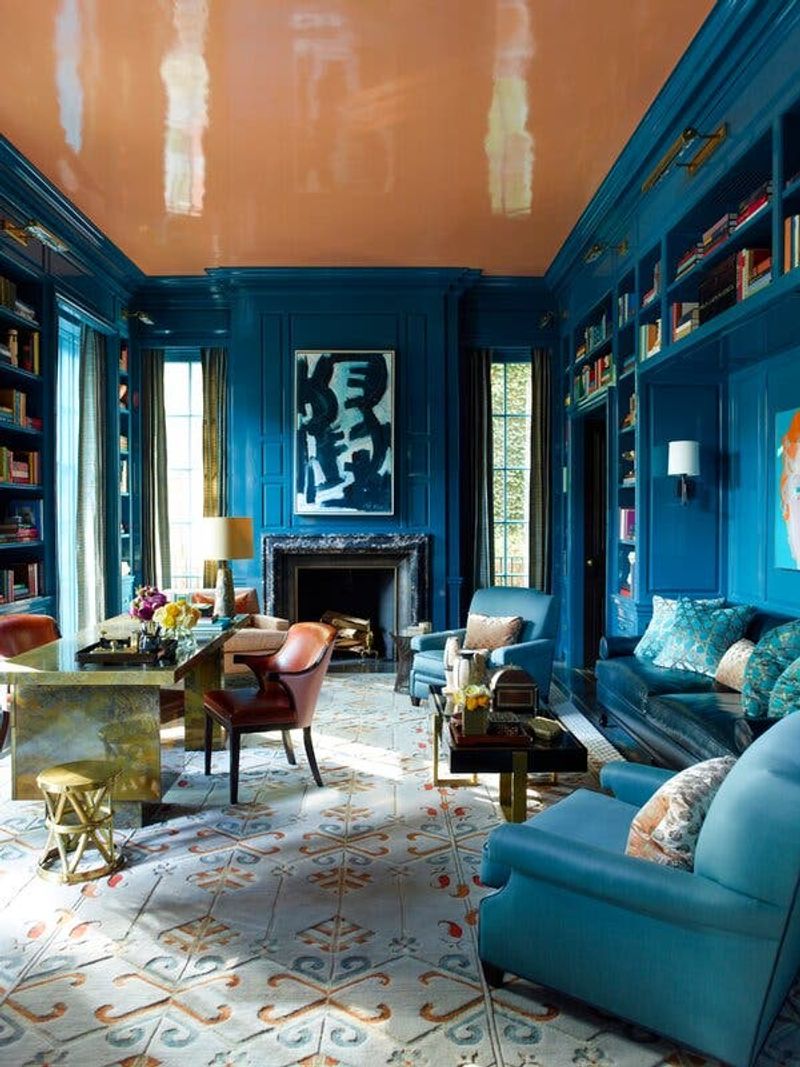
Look up in stylish London homes and you’ll rarely see plain white ceilings. Designers treat this fifth wall as an opportunity for creativity rather than an afterthought.
Alternatively, subtle ceiling tints (try 50% of your wall color) create harmony without stark contrast. For the brave, glossy dark ceilings in dining rooms create magical reflective surfaces.
11. Use Rugs to Define Areas
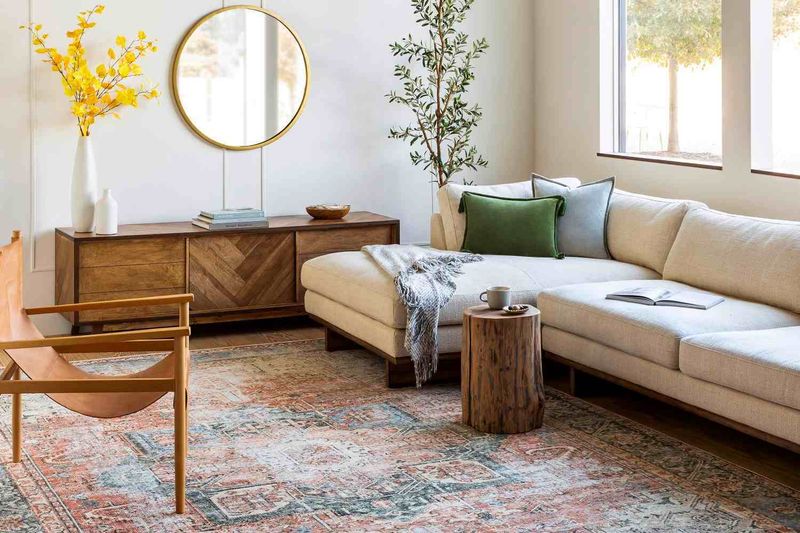
The right rug instantly establishes boundaries between living, dining, and working areas. Size matters tremendously—London experts insist on rugs large enough for all furniture legs to rest upon in seating areas.
For dining spaces, ensure the rug extends at least 24 inches beyond table edges so chairs remain on the rug when pulled out.
12. Opt for Tailored Window Treatments
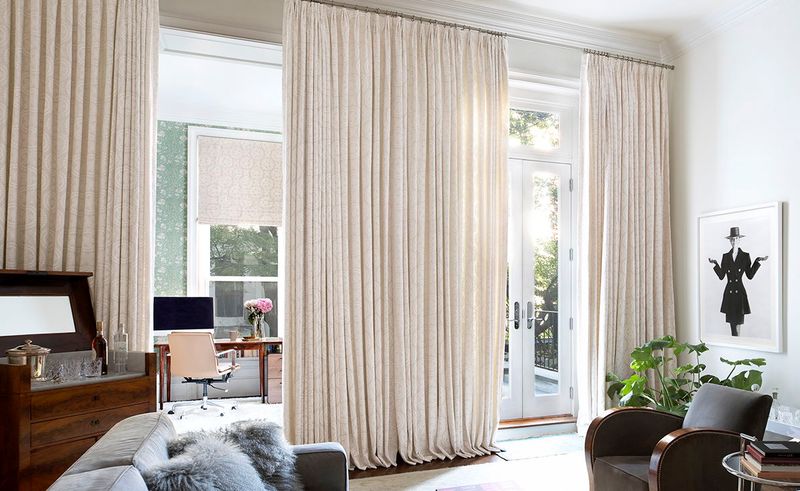
Custom window dressings transform rooms in ways no off-the-shelf solution can match. Even in modern apartments, softening windows with proper treatments improves acoustics and light control.
The secret to luxurious curtains? Generous fabric (at least 2.5 times the window width) creates beautiful folds, while interlining adds body and insulation without visible bulk.
13. Think Vertically in Tight Spaces
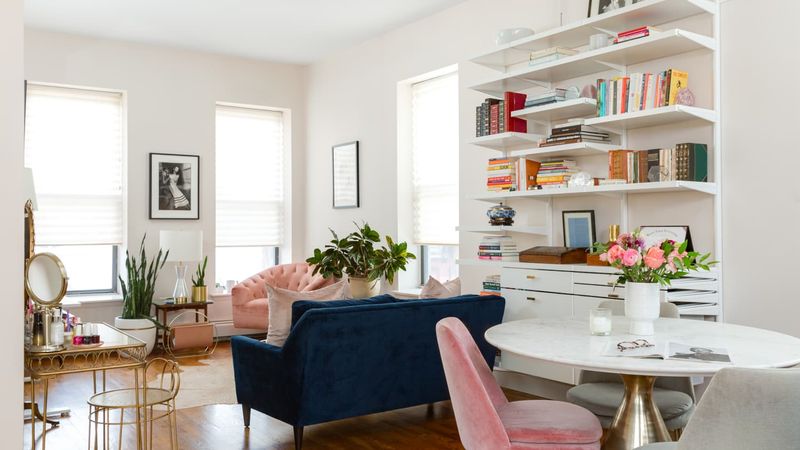
When square footage is limited, London designers exploit height to create breathing room. Hanging curtains at ceiling height rather than window height instantly makes rooms feel taller.
Similarly, vertical striped wallpaper or tall, narrow artwork elongates walls visually. These tricks create psychological space even when physical space is at a premium.
14. Keep Color Palettes Cohesive
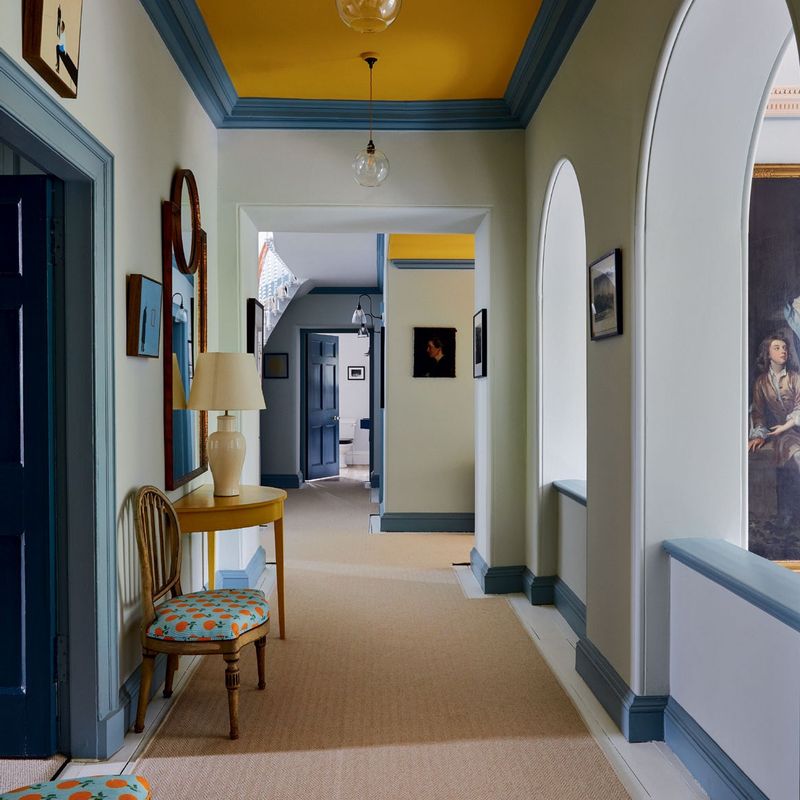
Strolling through connected rooms in Richmond townhouses reveals how limited color palettes create flow between spaces. Professional designers typically work with three main colors plus accent tones throughout a home.
This doesn’t mean rooms should match exactly—variations in color intensity maintain interest while preserving harmony. Consider using the same neutral on walls throughout, then varying accent colors from room to room.
15. Use Plants for Life and Movement
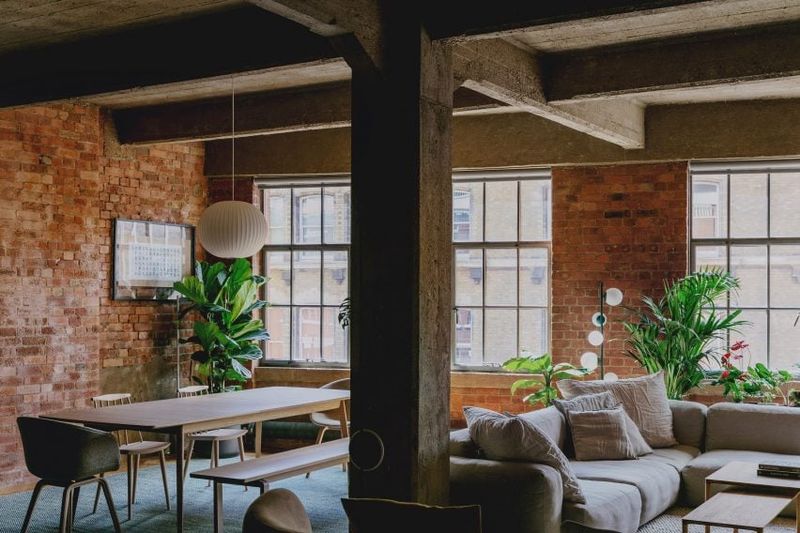
Every polished London interior features at least one statement plant. Nothing brings static rooms to life like the organic shapes and subtle movement of greenery.
For those lacking green thumbs, preserved plants or high-quality faux options provide similar visual benefits. The key is scale—undersized plants look apologetic, while properly proportioned specimens become sculptural focal points.
16. Don’t Overlook Hallways
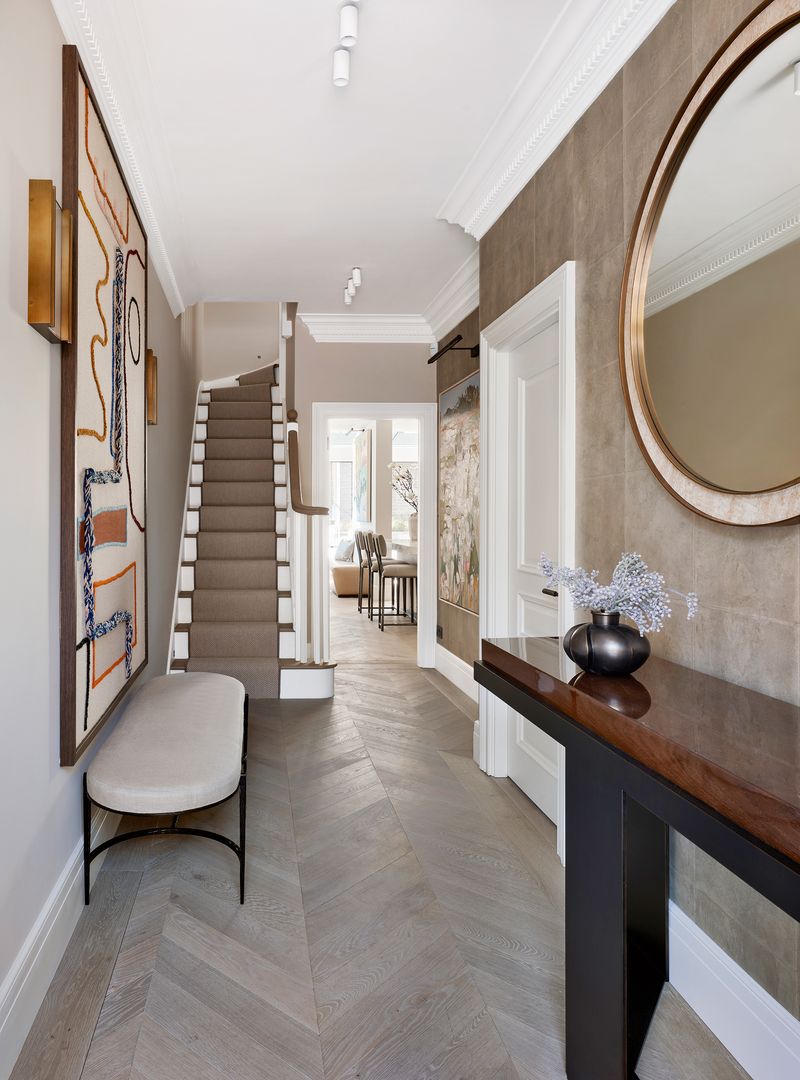
Transitional spaces deserve as much attention as primary rooms. These often-neglected areas set the tone for your entire home.
Consider bold wallpaper, a runner with personality, or a statement console table with thoughtful objects. Since you pass through these spaces frequently but don’t linger, they can handle more dramatic design choices than rooms where you spend hours.
17. Personalize with Books and Objects
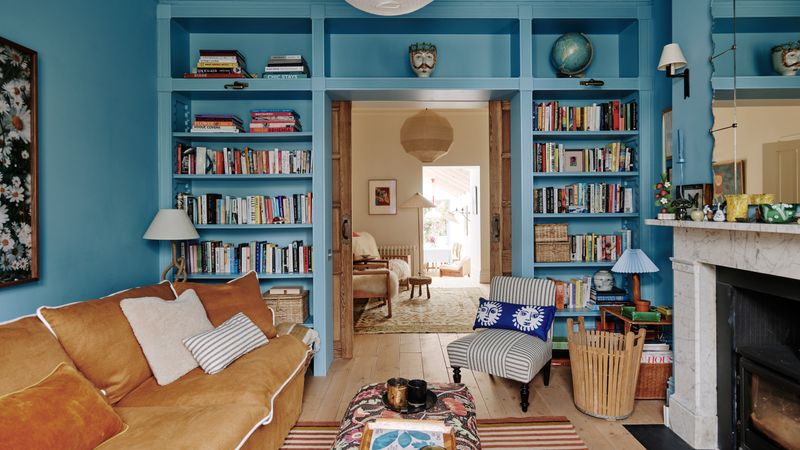
London’s top interiors always feature books, travel souvenirs, and objects with personal significance. These items tell your story and prevent rooms from feeling like hotel suites.
Display family photos in consistent frames, arrange books by color for visual impact, or group similar objects together. The key is curation—select meaningful pieces rather than displaying everything you own.
18. Let Natural Light Shine
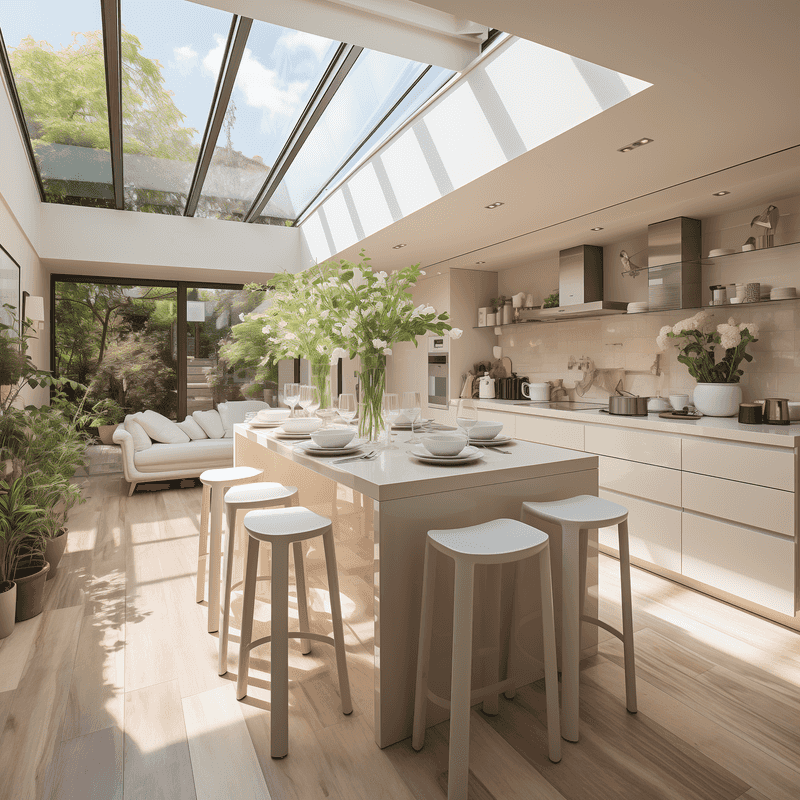
Given London’s notoriously gray days, maximizing natural light becomes essential. Designers in Fulham and Battersea position furniture to avoid blocking windows and choose window treatments that frame views rather than obscure them.
Reflective surfaces like glass tables or metallic accessories bounce light deeper into rooms. When privacy isn’t a concern, leaving windows completely bare maximizes light penetration. For necessary coverage, sheer fabrics diffuse light beautifully while maintaining privacy during daylight hours.
19. Edit Ruthlessly for Balance
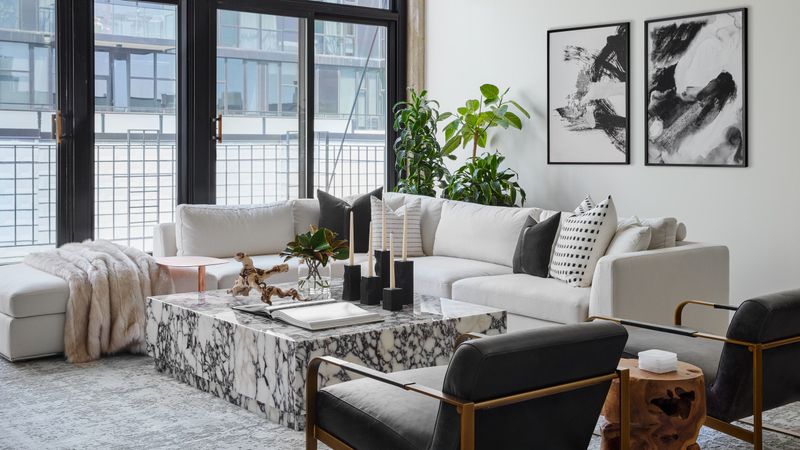
The final step in every London designer’s process involves removing items until perfect balance is achieved. Professional interiors breathe because they include negative space—areas intentionally left empty.
Before considering any new purchase, designers recommend removing something else first. This one-in-one-out approach prevents accumulation and maintains the careful equilibrium that distinguishes professional interiors.