19 Essential Tips For A Successful Roofing Project
Embarking on a roofing project can feel overwhelming, but with proper planning, it doesn’t have to be.
Your roof protects everything you value inside your home, making it one of the most important investments you’ll make.
Regardless of if you’re replacing an aging roof or installing a brand new one, these essential tips will help ensure your project goes smoothly from start to finish.
1. Choose Materials Wisely
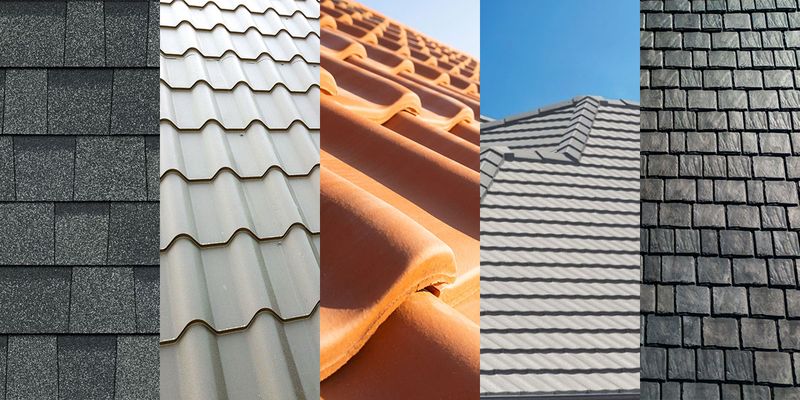
Ever wondered why some roofs last decades longer than others? Material selection makes all the difference in durability, appearance, and cost.
Consider your local climate conditions before making a choice. Asphalt shingles work well in many regions, while metal roofing excels in areas with heavy snowfall or wildfire risks.
Factor in your home’s architectural style too—the right materials will complement your home’s character while providing the protection you need.
2. Research Contractors Thoroughly

Finding a trustworthy roofer requires detective work beyond reading online reviews. Ask neighbors about their experiences with local contractors, especially those whose roofs have weathered several seasons.
Verify credentials meticulously—proper licensing, insurance coverage, and manufacturer certifications aren’t optional extras. They’re essential protections for your investment.
Request references from projects completed at least two years ago to assess how well their work stands the test of time.
3. Obtain Multiple Detailed Estimates
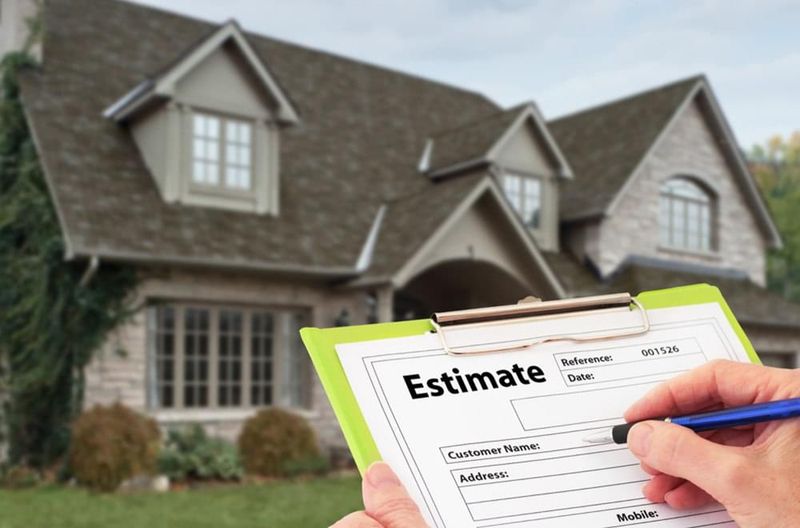
Smart homeowners never settle for the first quote that lands in their inbox. Gathering at least three detailed estimates creates a clearer picture of fair market pricing for your specific project.
Watch out for quotes that seem suspiciously low—they often indicate corners will be cut or unexpected charges will appear later. Quality materials and proper installation shouldn’t be compromised.
Each estimate should break down costs for materials, labor, removal of old roofing, and potential repairs to the roof deck.
4. Understand Your Warranty Options

Behind the fine print of warranty documents lies crucial protection for your investment. Most roofing systems come with two separate warranties—one for materials and another for workmanship.
Material warranties from manufacturers typically span 20-50 years depending on quality, but may become void without proper installation. The workmanship warranty from your contractor might only last 1-10 years, so clarify this coverage before signing.
Ask specifically about what voids warranty protection, such as improper attic ventilation or DIY repairs.
5. Inspect Your Current Roof Damage
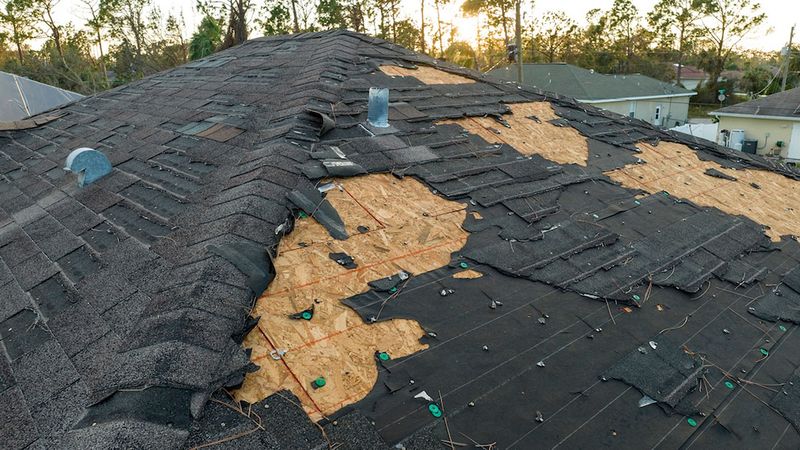
Before the first shingle comes off, take time to walk around your property looking for telltale signs of existing problems. Water stains on ceilings, curled shingles, or granules in gutters all tell important stories about underlying issues.
Addressing these problems now prevents them from becoming bigger headaches later. A thorough inspection might reveal rotted decking or damaged flashing that would otherwise remain hidden.
Document everything with photos—they’ll prove invaluable if insurance claims become necessary or disputes arise about pre-existing conditions.
6. Budget For Unexpected Issues
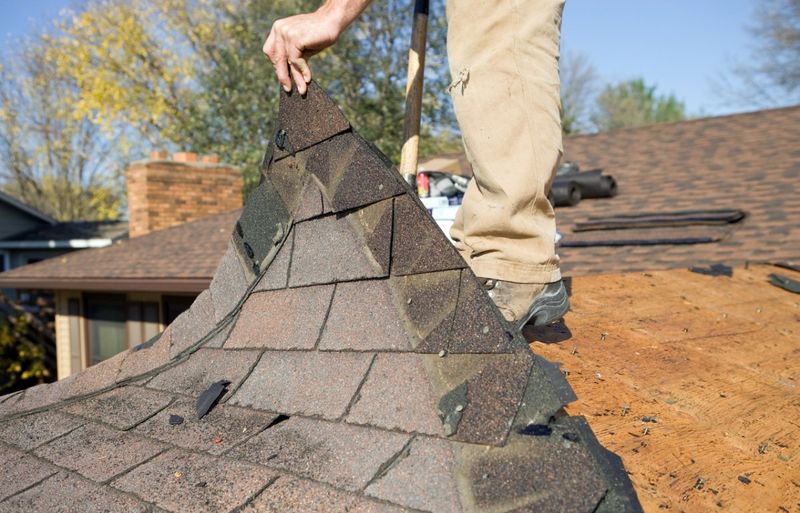
What lurks beneath those old shingles could throw your budget into chaos if you’re not prepared. Setting aside an additional 10-20% beyond your estimate creates a crucial buffer for unforeseen problems.
Rotted roof decking, damaged flashing, or structural issues often remain hidden until the old roof comes off. Without proper financial planning, these surprises can force uncomfortable compromises or project delays.
Communicate clearly with your contractor about how change orders and additional work will be handled and documented.
7. Time Your Project Strategically
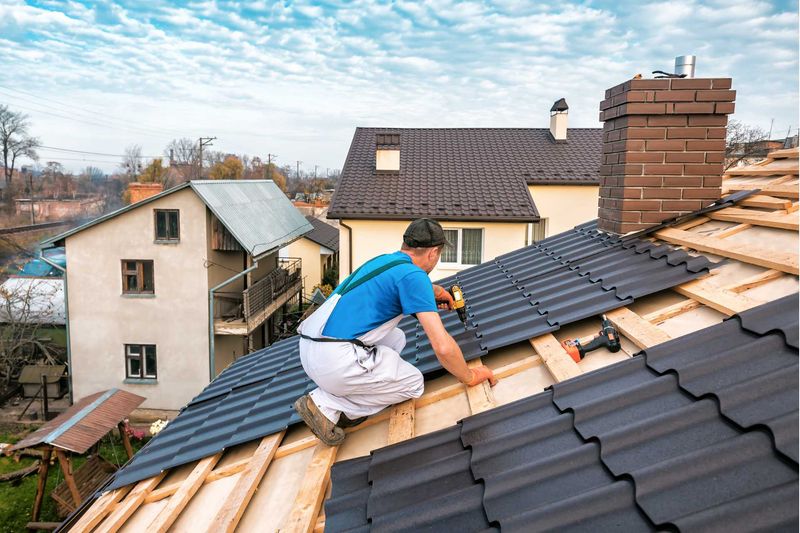
Contrary to popular belief, perfect weather isn’t the only factor in scheduling your roofing work. The roofing industry has distinct busy and slow seasons that significantly impact pricing and contractor availability.
Late summer through fall typically brings premium prices and longer wait times as contractors juggle multiple projects. Winter or early spring might offer better rates and more flexible scheduling, though weather considerations become more important.
Book your project 2-3 months in advance to secure your preferred contractor during their less hectic periods.
8. Ensure Proper Ventilation Planning
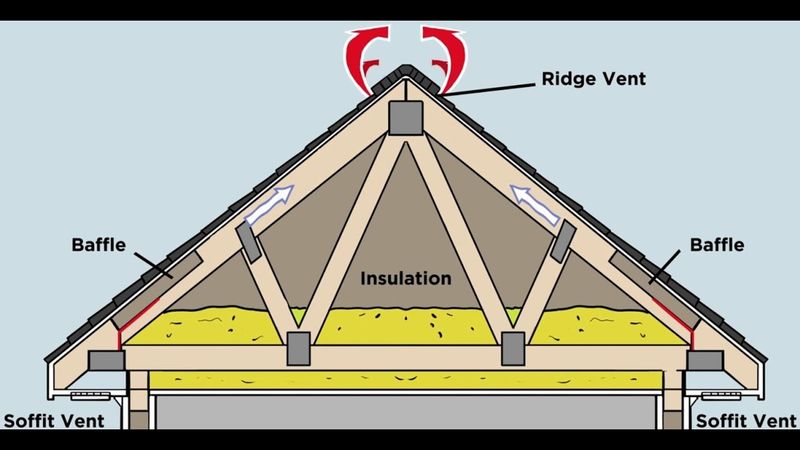
Many homeowners don’t realize that what’s happening underneath their roof is just as important as the shingles on top. Proper ventilation extends shingle life by reducing temperature extremes and moisture buildup in your attic.
Without adequate airflow, trapped heat and moisture create the perfect environment for mold growth and wood rot. They can even void your shingle warranty!
Ask your contractor specifically about ridge vents, soffit vents, and proper ventilation calculations based on your attic’s square footage.
9. Decide Between Tear-off Or Overlay
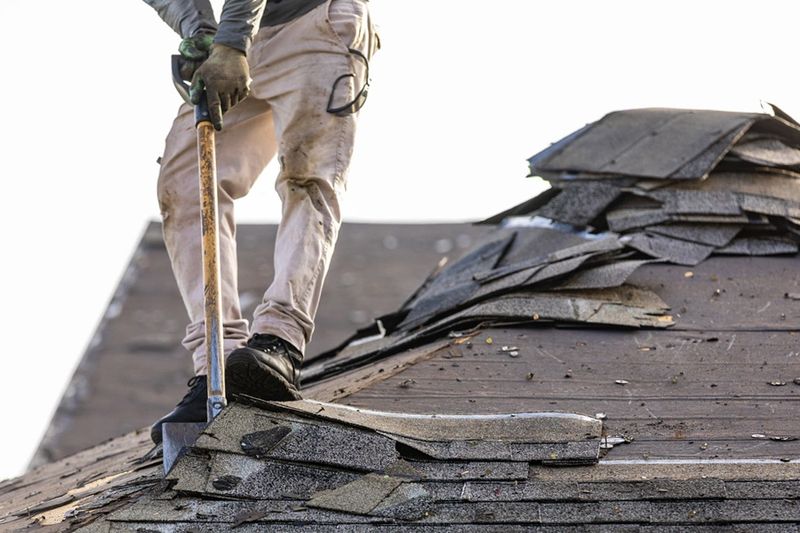
Facing the tear-off versus overlay dilemma? While installing new shingles over existing ones seems like a money-saving shortcut, it often leads to regrets down the road.
Complete removal allows inspection of the underlying deck and replacement of damaged wood or flashing. Multiple layers trap heat, add unnecessary weight to your structure, and typically void manufacturer warranties.
Most building codes limit you to two layers maximum anyway, so if you already have two, the decision is made for you—everything must come off.
10. Clarify Cleanup Responsibilities

Nothing sours a successful roofing project faster than discovering roofing nails in your garden beds months later. Before work begins, establish clear expectations about post-project cleanup with your contractor.
Professional crews should bring magnetic sweepers to collect stray nails and debris from your property. They should also protect landscaping with tarps during the tear-off phase.
Ask specifically about dumpster placement, daily cleanup procedures, and final inspection protocols to ensure nothing gets overlooked when the job wraps up.
11. Consider Energy Efficiency Options
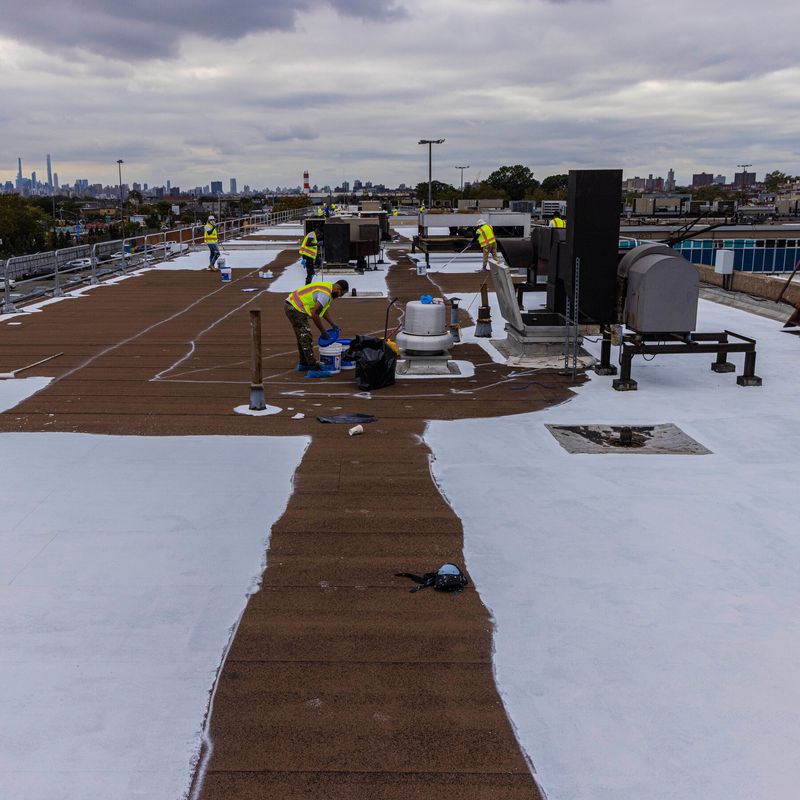
Your roof does more than keep rain out—it plays a crucial role in your home’s energy performance. Cool roof technologies reflect more sunlight and absorb less heat, potentially reducing cooling costs by 15-30% during summer months.
Energy-efficient options range from specially coated asphalt shingles to reflective metal roofing. The initial cost difference is often offset through utility savings and possible tax incentives.
Ask your contractor about the Solar Reflectance Index (SRI) ratings of different materials to compare their cooling potential in your climate zone.
12. Select The Right Color And Style
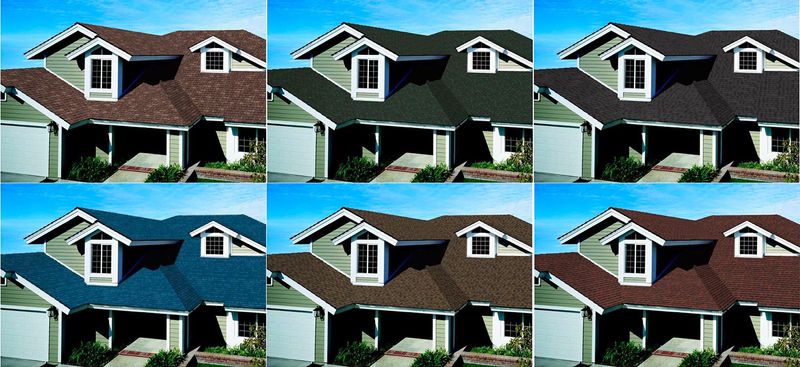
While pondering roof colors, remember you’re making a decision you’ll live with for decades. Dark shingles absorb heat—beneficial in cold climates but potentially increasing cooling costs in warmer regions.
Beyond energy considerations, your roof contributes significantly to your home’s curb appeal and resale value. The color should complement your siding, trim, and architectural style while remaining somewhat timeless.
Request actual samples rather than relying on brochures or digital images, and view them outdoors at different times of day to see how lighting affects their appearance.
13. Evaluate Your Attic Insulation
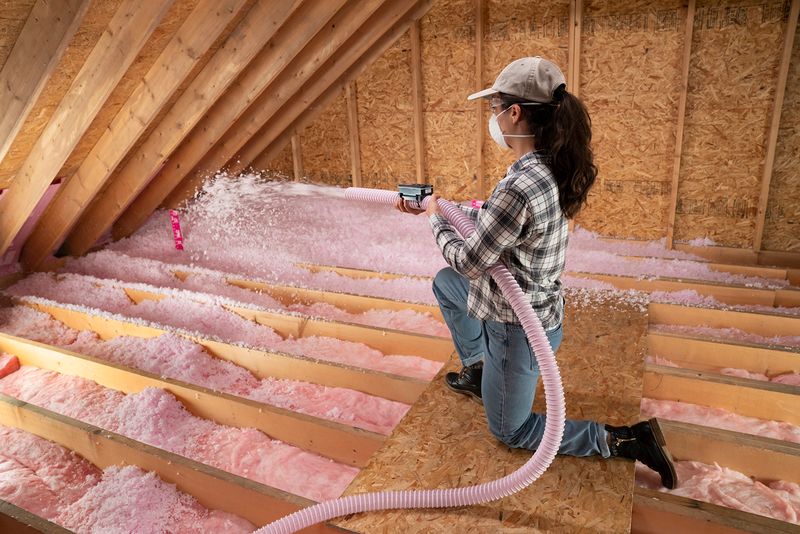
During your roofing project, you have a golden opportunity to address what lies beneath. Inadequate attic insulation forces your HVAC system to work harder year-round, regardless of how good your new roof might be.
Professional roofers can easily spot signs of insulation problems, like uneven snow melt patterns in winter or excessive heat in your attic during summer. These indicators suggest energy is escaping through your roof system.
Consider adding or upgrading insulation while your roofing project is underway—it’s more cost-effective than treating it as a separate project later.
14. Specify Quality Underlayment
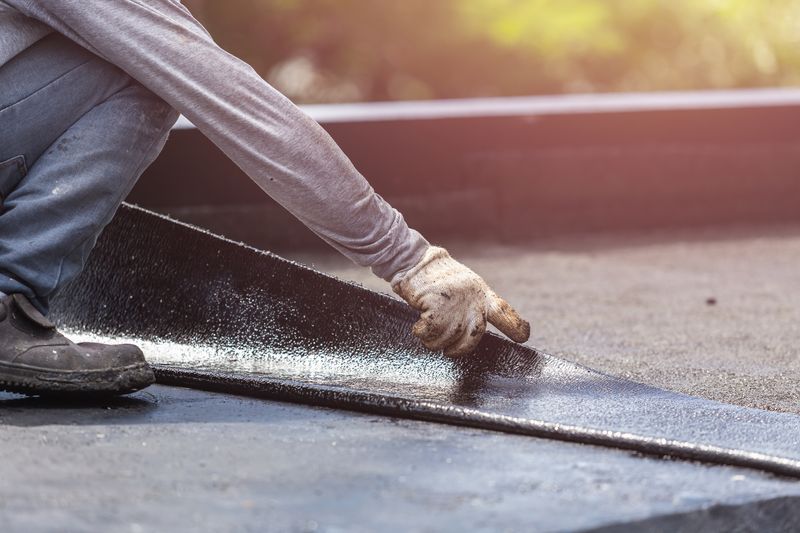
Hidden beneath your shingles lies an unsung hero of your roofing system—the underlayment. This crucial layer provides a secondary moisture barrier when water penetrates your primary roofing material.
Synthetic underlayments outperform traditional felt paper in durability and water resistance. They remain stable when exposed to weather during installation and provide better slip resistance for workers.
Ask specifically about ice and water shield—a specialized underlayment that prevents leaks from ice dams and wind-driven rain in vulnerable areas like eaves, valleys, and around chimneys.
15. Verify Drip Edge Installation
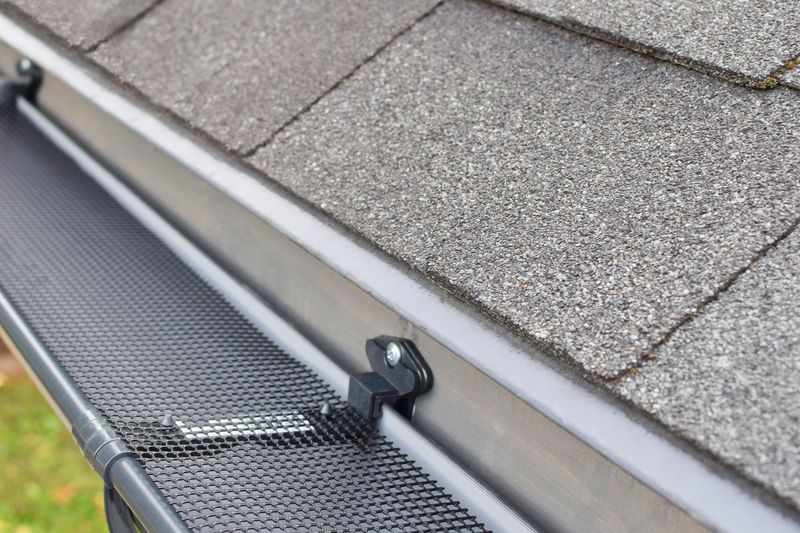
That small metal strip along your roof’s edge might seem insignificant, but skipping proper drip edge installation invites serious trouble. This simple component directs water away from fascia boards and into gutters, preventing rot and water infiltration.
Unfortunately, some contractors cut corners by omitting drip edge or installing it improperly. Most building codes now require it, but enforcement varies widely by location.
Specify in your contract that drip edge must be installed on all eaves and rakes according to manufacturer guidelines and local building codes.
16. Inspect All Flashing Areas
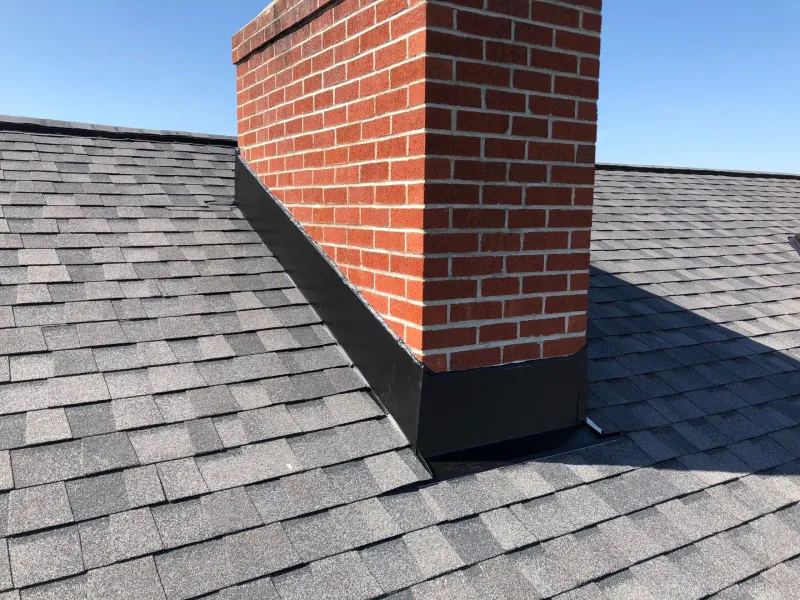
Around chimneys, vents, and wall intersections lurk the most vulnerable points of any roofing system. These critical junctions rely on properly installed flashing to prevent water intrusion.
Reusing old, deteriorated flashing is a common but risky shortcut some contractors take to reduce costs. Insist on new flashing throughout, especially around chimneys, skylights, and roof-to-wall transitions.
Step flashing at wall intersections should integrate with siding and be properly overlapped, while chimney flashing should include both base and counter flashing for maximum protection.
17. Update Your Gutter System
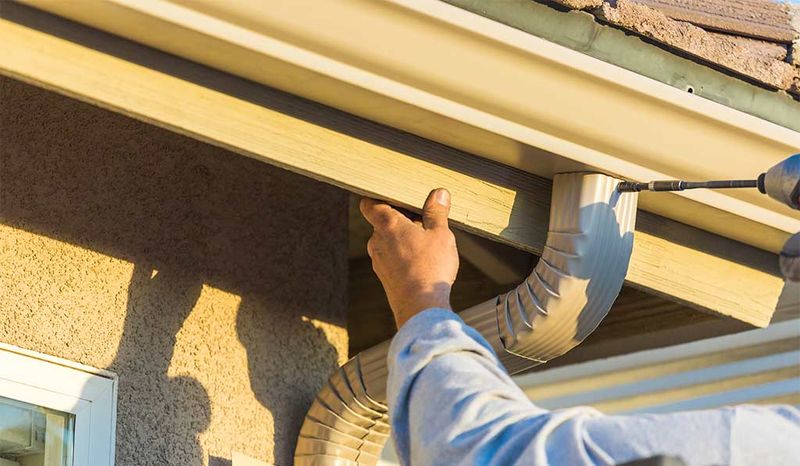
While focus naturally falls on the roof itself, your gutter system deserves equal attention during your project. Properly sized gutters and downspouts prevent water damage to your foundation, landscaping, and exterior walls.
A roof replacement provides the perfect opportunity to upgrade to seamless gutters or add gutter guards to minimize maintenance. Your contractor should verify that gutters slope correctly toward downspouts (about 1/4 inch per 10 feet).
Ensure downspouts direct water at least 5-10 feet away from your foundation to prevent basement leaks and foundation damage.
18. Prepare Your Property For Work Day
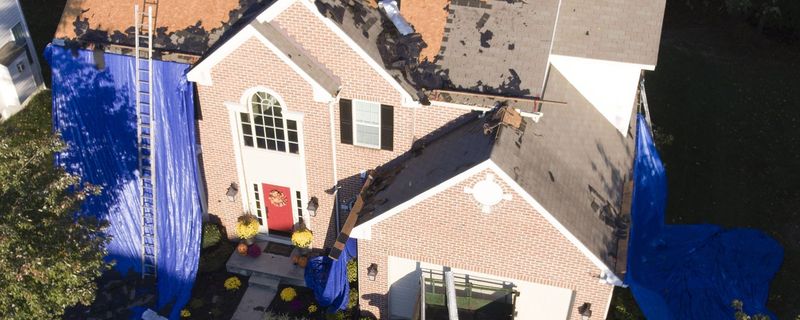
Before the roofing crew arrives, taking some simple precautions can prevent damage and disruption. Remove or cover fragile items in your attic as hammering can cause vibrations that knock objects off shelves.
Park vehicles away from the work zone and clear your driveway for material deliveries and dumpster placement. Temporarily relocate outdoor furniture, grills, and potted plants away from the house perimeter.
Consider your neighbors too—giving them advance notice shows courtesy and prevents surprise when the noise and activity begin.
19. Plan For Proper Waste Disposal
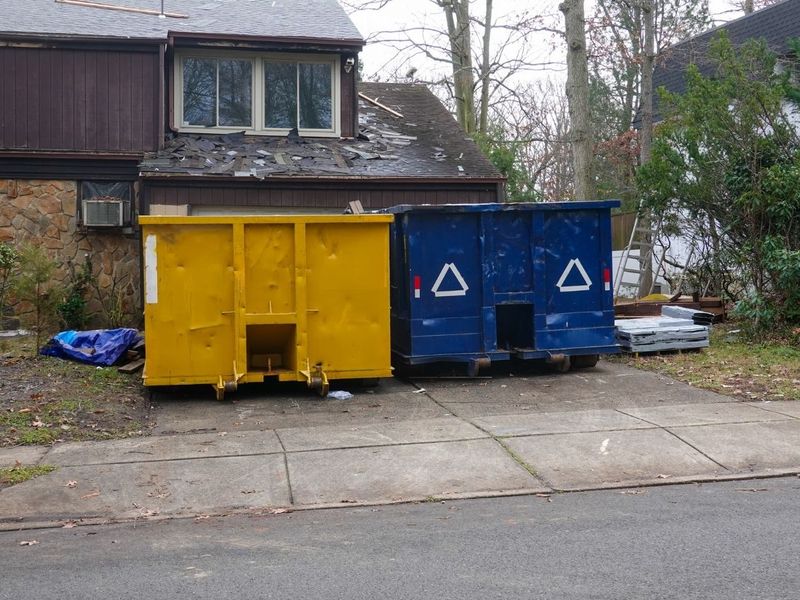
Tearing off an old roof generates surprising amounts of waste—typically 2-3 tons for an average home! Responsible disposal matters both environmentally and legally.
Your contract should specify who arranges for the dumpster and who pays for disposal fees. Some materials, like asphalt shingles, can actually be recycled into road materials rather than sent to landfills.
Ask about separate collection of recyclable materials during your project, and verify that all waste will be disposed of in accordance with local regulations.