
15 Things Every Homeowner Needs To Know
Owning a home comes with joys, surprises, and plenty of challenges. It’s more than picking paint colors – it’s understanding the nuts and bolts that keep everything running smoothly.
A few essential tips can save you money, headaches, and time while making your house a safer, more comfortable place to live.
These must-know insights will help you tackle the unexpected with confidence and keep your home in top shape for years to come.
1. Finding Your Main Water Shut-Off Valve
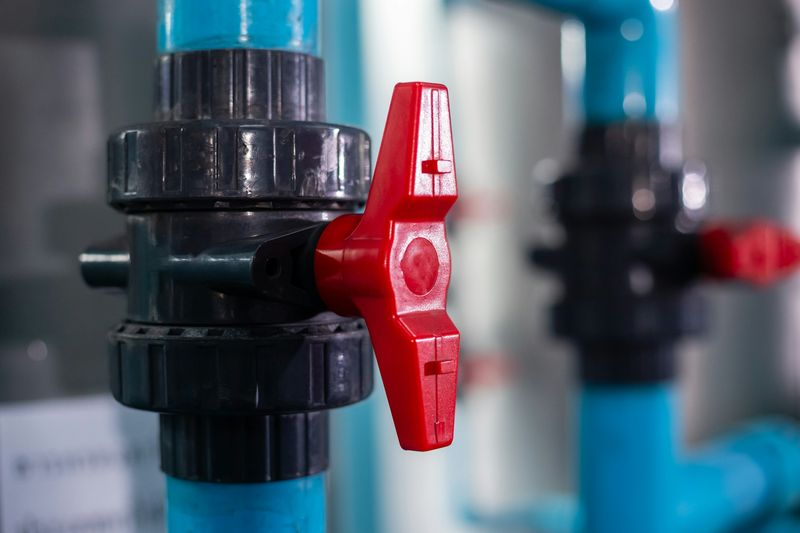
When a pipe bursts, every second counts! Locating your main water shut-off valve before an emergency strikes can save thousands in water damage. Usually found near where the main water line enters your home, this critical valve might be in your basement, crawl space, or utility room.
Make sure everyone in your household knows its location and how to turn it clockwise to stop the water flow. Consider tagging it with a bright label for easy identification during panicky moments.
2. Navigating Your Circuit Breaker Panel
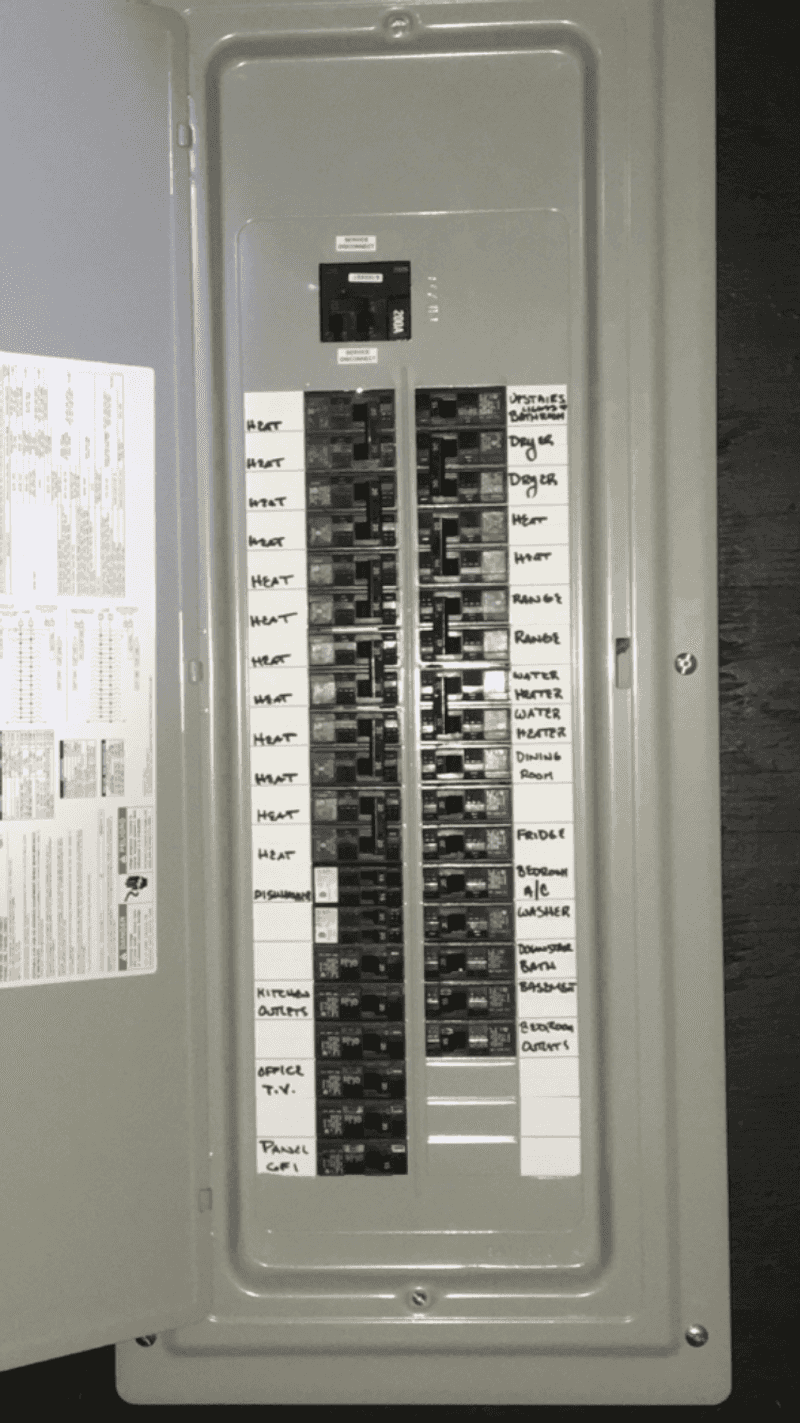
Behind that mysterious metal door lurks your home’s electrical command center! A properly labeled circuit breaker panel saves precious time during power outages or when you need to cut electricity for repairs.
Take an afternoon to identify which breaker controls each area of your home. Use a permanent marker or printed labels to mark each switch. Remember the golden rule: always flip breakers with one quick, confident motion while standing to the side of the panel.
3. Gutter Maintenance Secrets
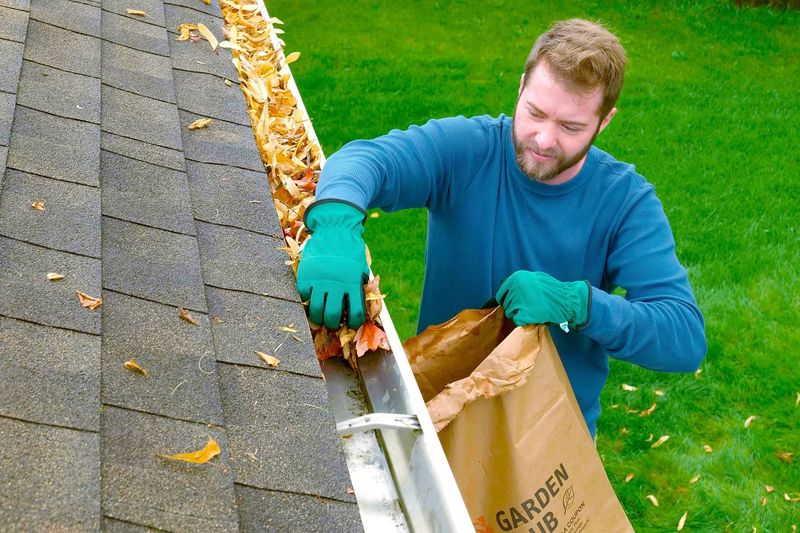
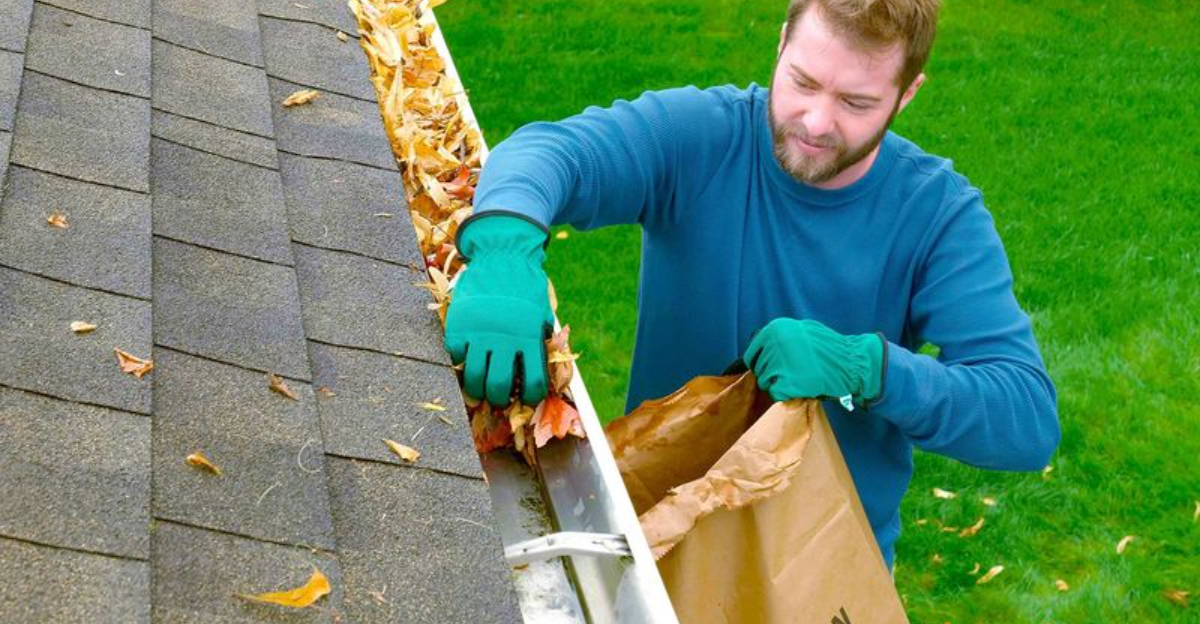
Your gutters silently protect your home from water damage, but only when they’re clean! Clogged gutters can lead to foundation problems, basement flooding, and even roof damage.
Clearing them twice yearly—typically in late spring and fall—prevents costly repairs down the road. While on your ladder, check for loose connections and proper slope toward downspouts. Consider installing gutter guards if nearby trees constantly fill your gutters with leaves and debris.
4. HVAC Filter Replacement Schedule
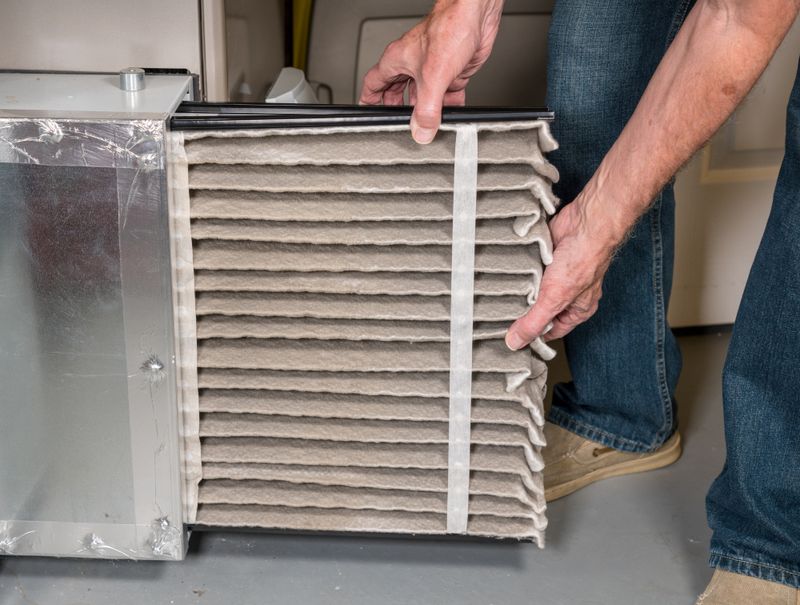
Your furnace and air conditioner work overtime to keep you comfortable, but dirty filters make them struggle! A simple filter change every 1-3 months dramatically improves air quality while reducing energy bills.
Mark your calendar or set phone reminders for this easy task. Before purchasing replacements, note your filter’s exact size printed on its frame. For homes with pets or allergy sufferers, consider upgrading to high-efficiency filters and changing them more frequently.
5. Roof Inspection Basics
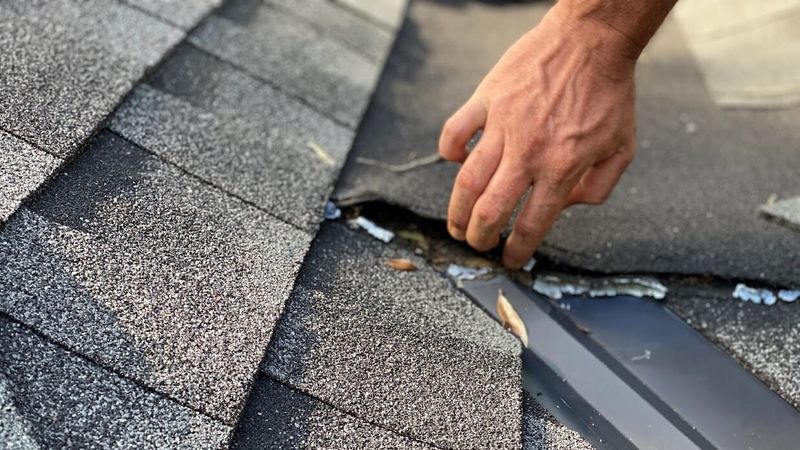
Your roof endures constant punishment from Mother Nature, making regular check-ups vital. Biannual inspections can catch small problems before they become expensive nightmares.
Using binoculars from ground level, scan for missing shingles, sagging areas, or damaged flashing around chimneys and vents. Inside your attic, look for water stains or beams of light coming through the roof. Professional inspections every few years complement your vigilance and provide peace of mind.
6. Spotting Hidden Water Leaks
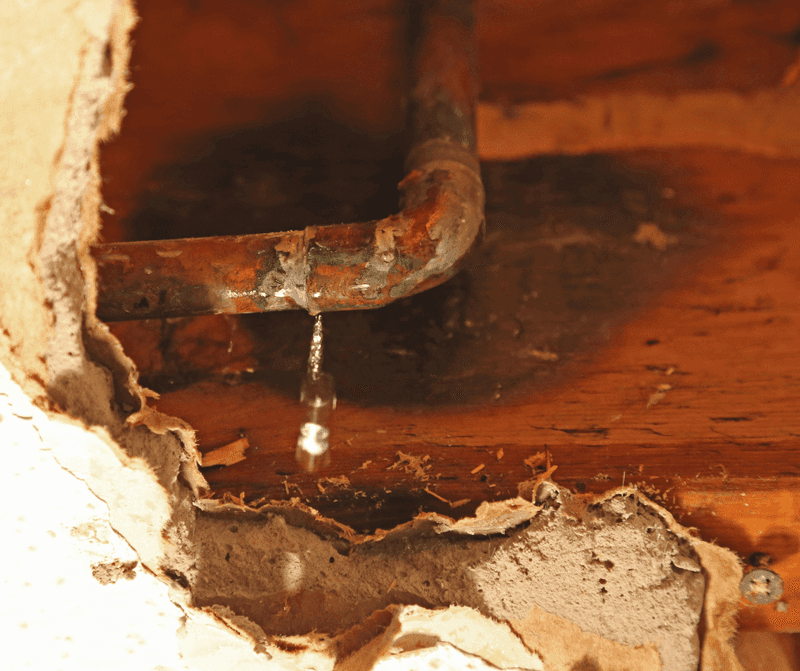
Silent water leaks can wreak havoc long before you notice them! Unexplained spikes in your water bill often signal hidden problems lurking behind walls or under floors.
Check water meter readings before and after a two-hour period when no water is used—any change indicates a leak. Regularly inspect ceilings for discoloration, feel for soft spots in floors, and watch for mold growth. Early detection of water leaks saves significant money and prevents dangerous mold issues.
7. Extension Cord Safety Rules
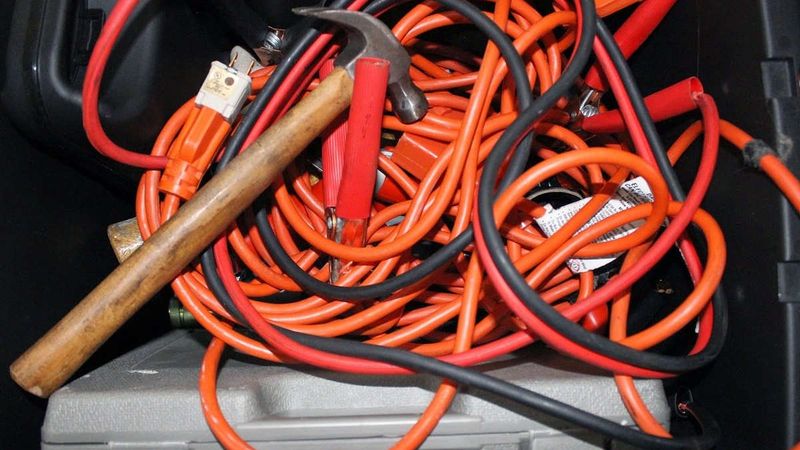
Those innocent-looking orange cords can spark dangerous fires when misused! Extension cords should always be temporary solutions, never permanent power sources for appliances or fixtures.
Avoid running them under rugs or through doorways where they can become damaged. Always match the cord’s rating to your intended use—indoor cords should never be used outdoors. Regularly inspect for fraying, cracking, or exposed wires, and immediately replace damaged cords.
8. Life-Saving Detector Maintenance

Those small discs on your ceiling stand between your family and disaster! Smoke and carbon monoxide detectors need monthly testing and battery changes twice yearly.
A simple way to remember: check batteries when you adjust your clocks for daylight saving time. Even hardwired detectors have backup batteries that need replacement. Replace entire units every 7-10 years, as sensors degrade over time. The small cost of new detectors is nothing compared to the lives they protect.
9. Sealing Windows and Doors
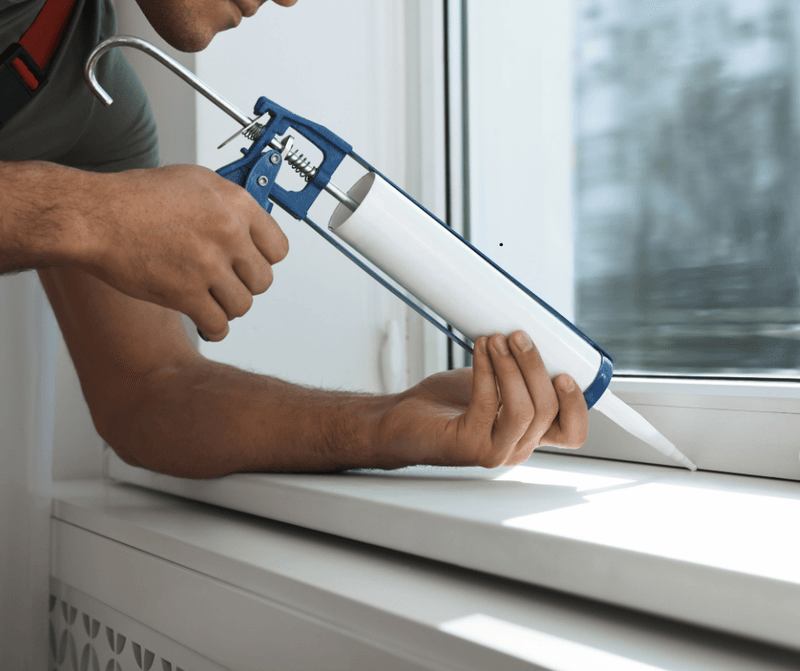
Feeling a mysterious draft? Your home might be leaking money through invisible cracks! Properly caulked windows and weatherstripped doors can reduce energy bills by up to 20% while keeping your home comfortable year-round.
Check for gaps annually by holding a lit candle near frames—flickering reveals air leaks. Apply fresh caulk to stationary joints and weatherstripping to movable parts like door bottoms. This simple maintenance task pays for itself quickly through energy savings.
10. Understanding Home Warranty Coverage
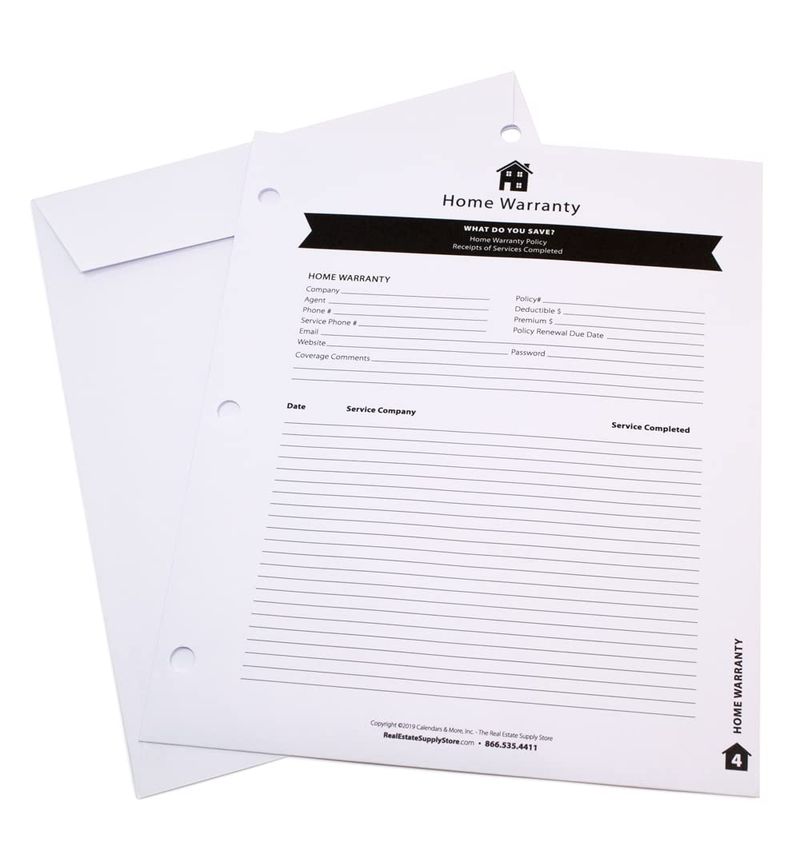
That thick warranty booklet contains crucial information about your home’s systems and appliances! Knowing exactly what’s covered—and for how long—prevents unexpected expenses when something breaks.
Create a spreadsheet tracking warranty periods for major purchases like your roof, water heater, and appliances. File original documentation securely and digitally. Many manufacturers now allow online registration for extended coverage.
11. Organizing Essential Home Documents
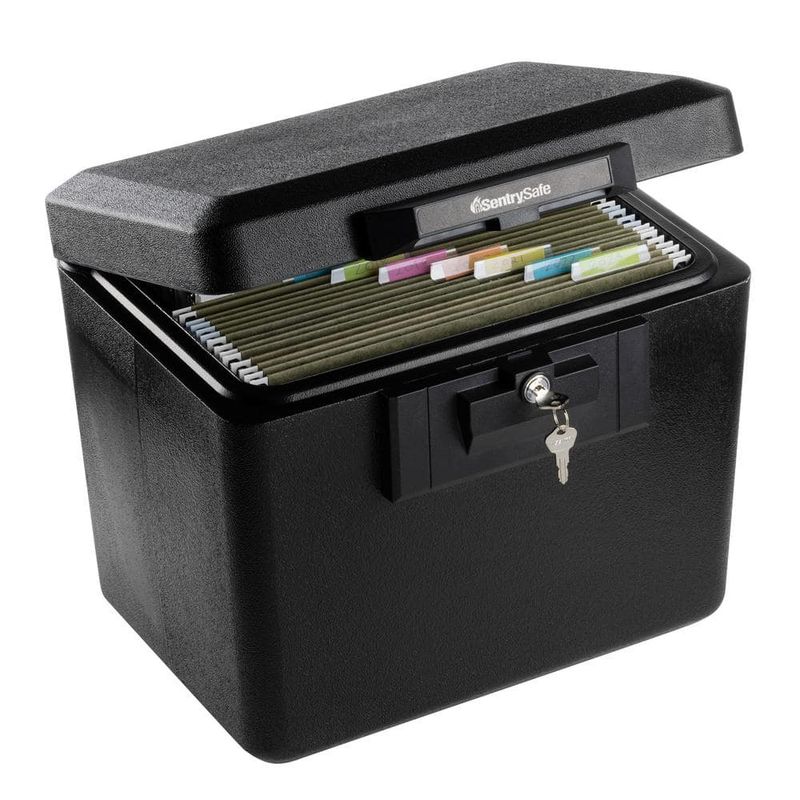
Could you quickly find your property survey during a boundary dispute? Crucial home documents deserve better than being stuffed in random drawers!
Purchase records, insurance policies, warranties, and maintenance records should be organized in a fireproof box or digitally backed up. Include emergency contact information for preferred service providers. Taking photos of valuable possessions with date stamps provides excellent documentation for insurance claims after disasters.
12. Recognizing Foundation Warning Signs
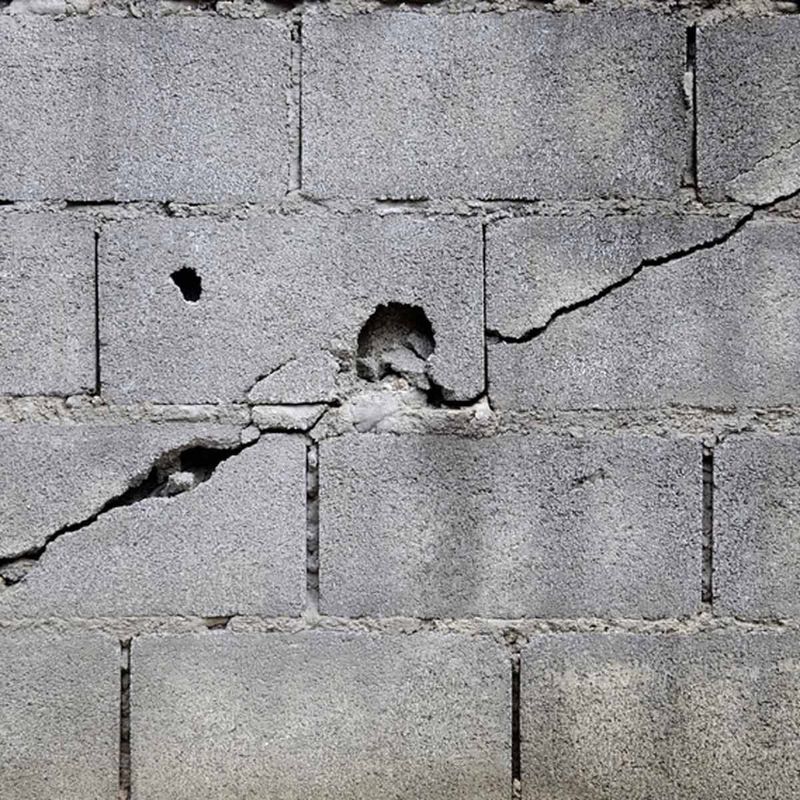
Your home’s foundation quietly supports everything you own! Catching foundation problems early can save thousands in repair costs and prevent structural damage.
Watch for telltale signs: doors that stick, cracks wider than ¼ inch in walls, uneven floors, or windows that won’t close properly. Outside, look for cracks in brick or concrete, especially those that run diagonally. Document any suspicious changes with dated photos to track progression.
13. Pest Control Prevention Strategies
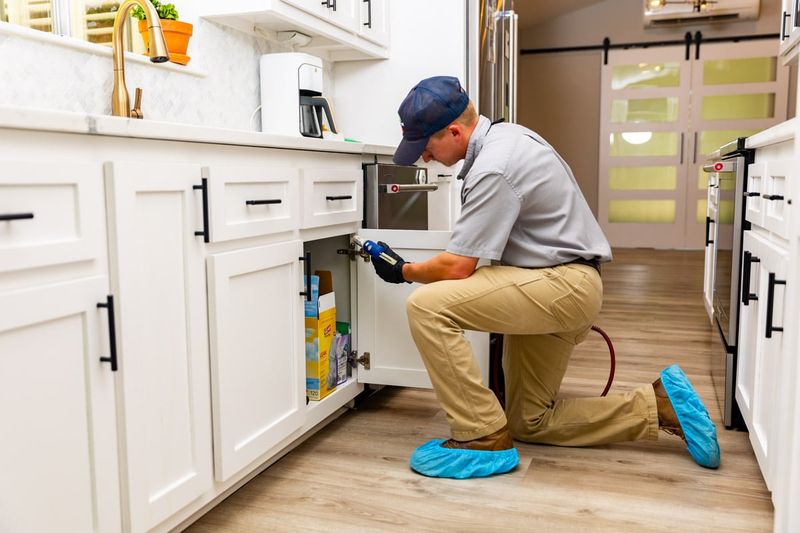
Uninvited critters can damage your home’s structure and spread disease! Creating a regular pest inspection routine prevents infestations before they require expensive professional treatment.
Walk your property quarterly, checking for entry points around foundations, utilities, and rooflines. Trim branches away from your roof and keep firewood stored away from your home. Address moisture problems promptly, as many pests seek water sources. Consider professional preventative treatments annually.
14. Creating a Home Emergency Exit Plan

During a fire or emergency, confusion costs precious seconds! Creating and practicing a home evacuation plan ensures everyone knows exactly what to do when alarms sound.
Draw a floor plan showing two exits from each room and establish an outdoor meeting spot. Install escape ladders for upper floors and test them annually. Practice drills twice yearly, including in darkness. Consider how you’ll assist children, elderly family members, and pets during emergencies.
15. Locating Your Gas Shut-Off Valve
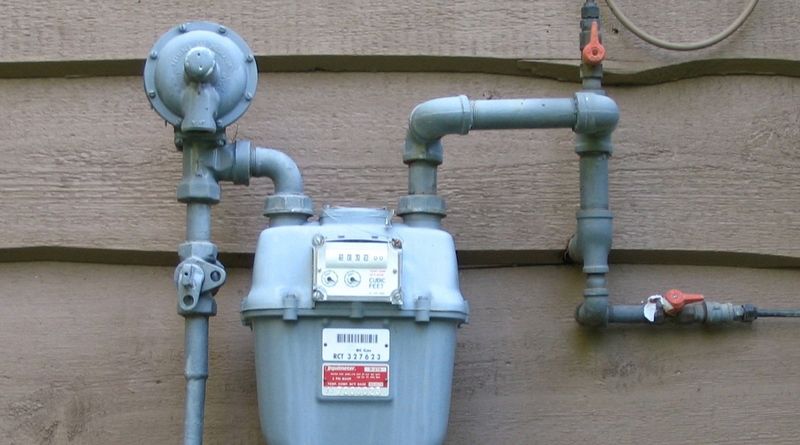
During an earthquake or gas leak, seconds count! Finding your gas meter and knowing how to shut it off could prevent explosions and fires.
The main gas valve typically requires a wrench to turn it perpendicular to the pipe. Keep this special wrench tied to your meter for emergency access. After shutting off gas, only qualified professionals should turn it back on. Consider automatic shut-off valves in earthquake-prone regions.