20 Stylish Tile Patterns Perfect For Any Room In Your Home
Tiles aren’t just functional – they’re a fantastic way to express your style and transform any space in your home.
Regardless of if you’re renovating a bathroom, updating your kitchen, or adding character to your entryway, the right tile pattern can make all the difference.
From timeless classics to bold contemporary designs, here are 20 stunning tile patterns that will breathe new life into your living spaces.
1. Herringbone Magic
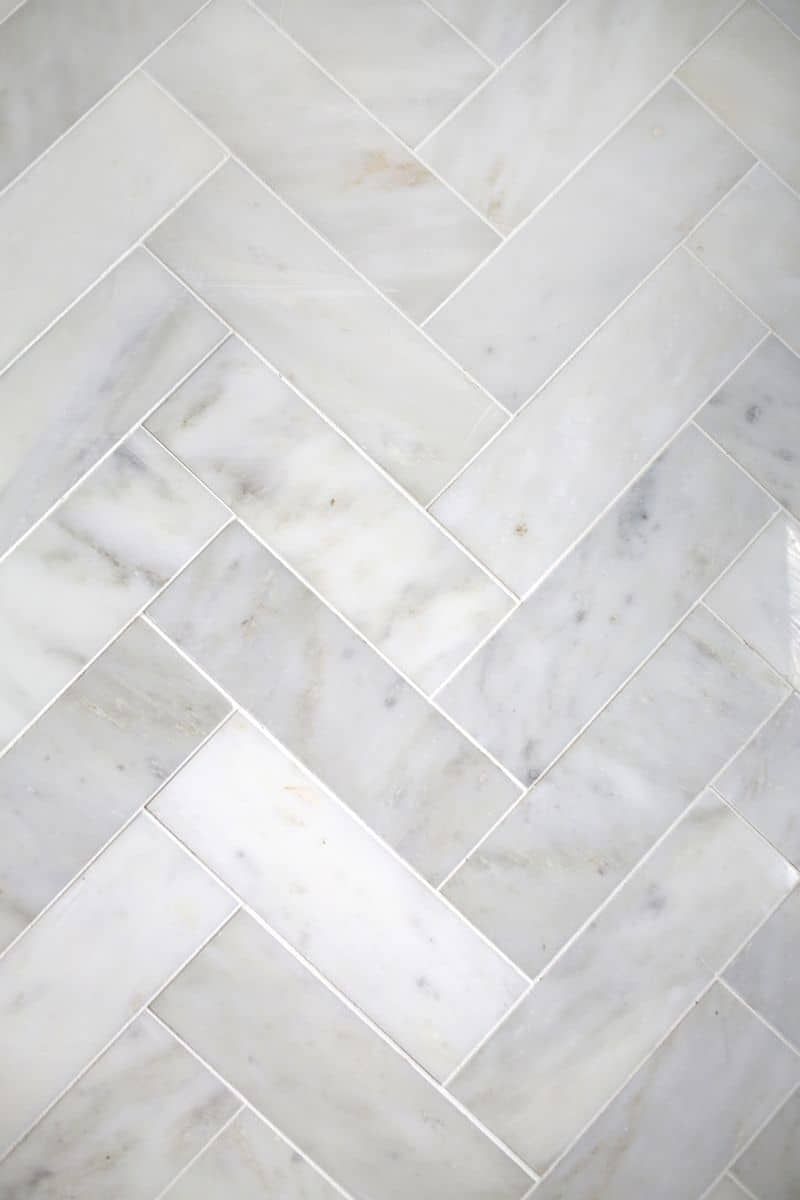
Looking for a pattern with timeless appeal? The zig-zag arrangement of herringbone creates visual movement that draws the eye across the floor or wall.
Dating back to the Roman Empire, this classic pattern works beautifully with subway tiles, wood-look planks, or natural stone. The diagonal lines make small rooms appear larger while adding architectural interest to plain spaces.
2. Chevron Chic
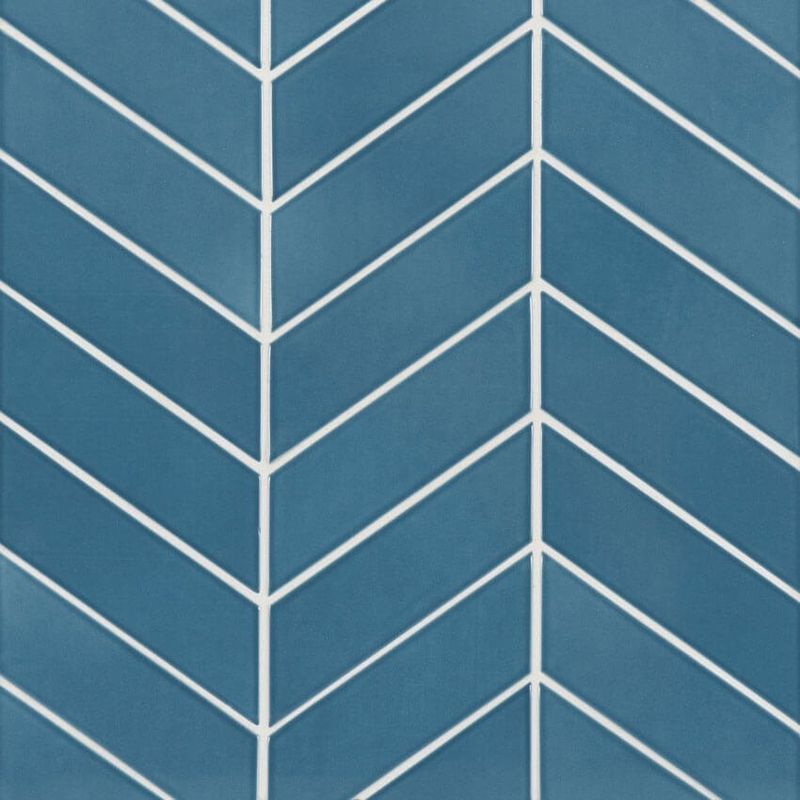
While often confused with herringbone, chevron creates distinctive “arrows” with tiles cut at perfect 45-degree angles. The resulting pattern forms continuous zigzags that exude modern sophistication.
Fashion-forward homeowners love chevron for its ability to create dynamic movement in any space. Try it with contrasting colors for dramatic effect, or stick with subtle tone variations for a more understated elegance that still catches the eye.
3. Basketweave Charm
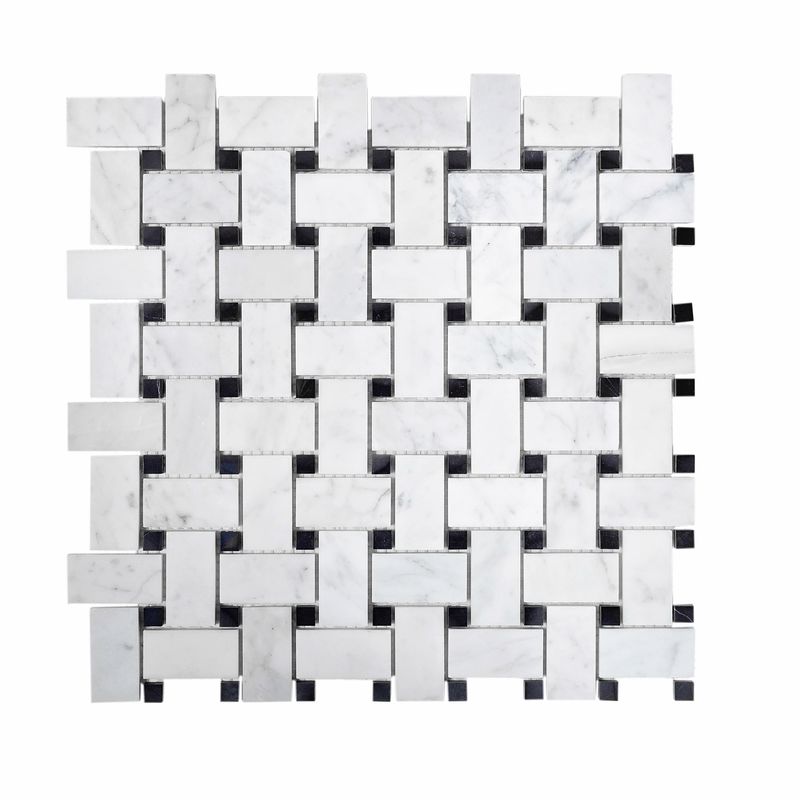
Imagine the interwoven look of a carefully crafted basket translated into your floor tiles. This delightful pattern creates a sense of tradition and craftsmanship in any space.
Typically featuring alternating rectangular tiles, basketweave works wonderfully in vintage-inspired bathrooms or traditional entryways. The interlocking design provides visual interest without overwhelming the senses, striking that perfect balance between subtle and statement-making.
4. Classic Subway Style
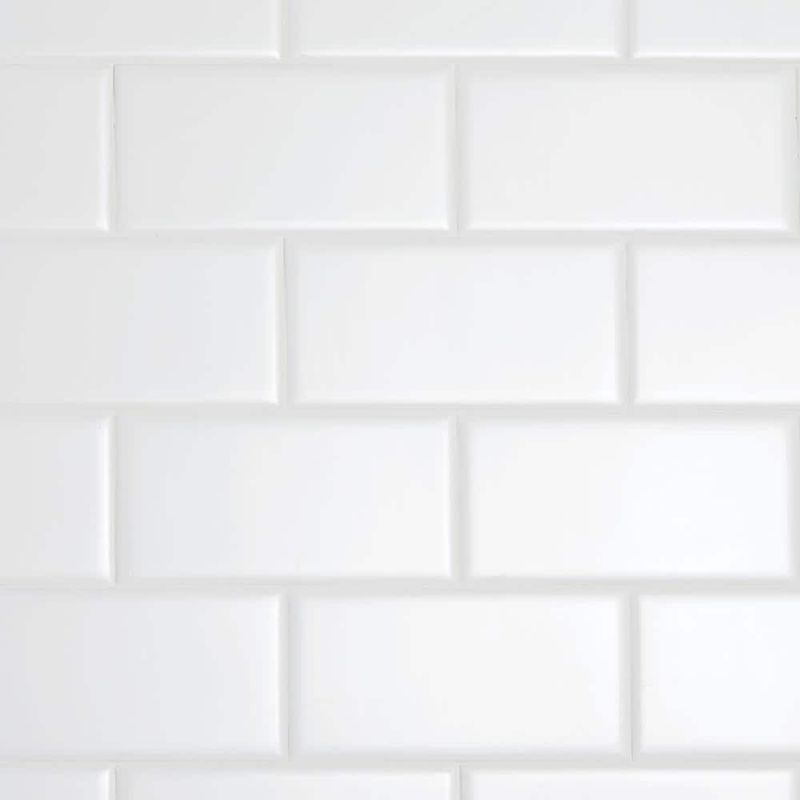
Sometimes the simplest patterns make the biggest impact! Subway tiles arranged in a traditional brick-bond pattern offer timeless appeal that works in virtually any setting.
Originally inspired by New York City subway stations, these rectangular tiles typically have a 1:2 ratio and are offset by half a tile. The clean lines create a sense of order while the offset prevents the eye from finding any one focal point, making this pattern ideal for busy kitchens and bathrooms.
5. Hexagon Honeycomb
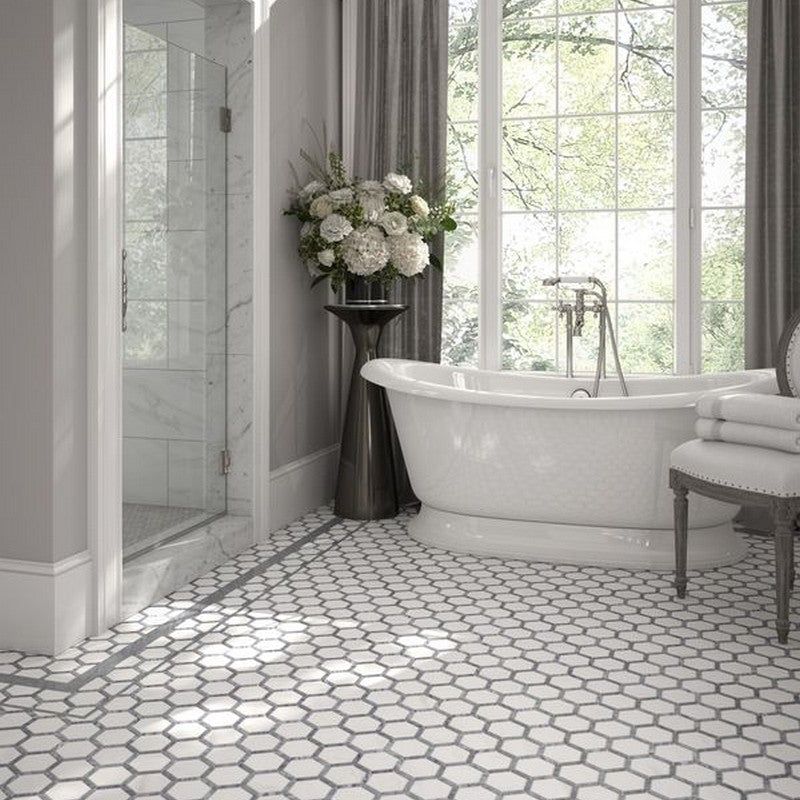
Buzzing with geometric interest, hexagon tiles create a honeycomb effect that’s both organic and structured. The six-sided shape offers endless creative possibilities for your floors and walls.
Mix different colors for a mosaic effect or keep it monochromatic for subtle sophistication. Hexagons work beautifully in bathrooms where their slightly unusual shape adds interest without overwhelming the typically smaller space.
6. Pinwheel Playfulness
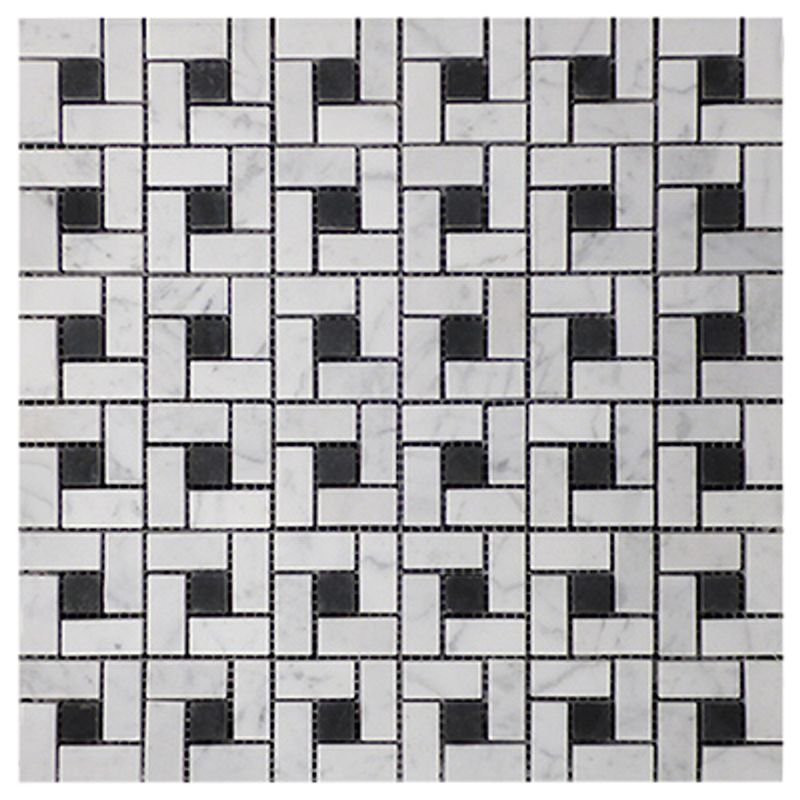
Want to add a touch of whimsy to your space? Pinwheel patterns combine small square tiles with larger ones to create a spinning effect that’s full of energy and movement.
Often featuring contrasting colors, this pattern works wonderfully in children’s bathrooms or as an accent in kitchen backsplashes. The dynamic arrangement catches the eye while maintaining a sense of order through its repeating structure.
7. Moroccan Fish Scale
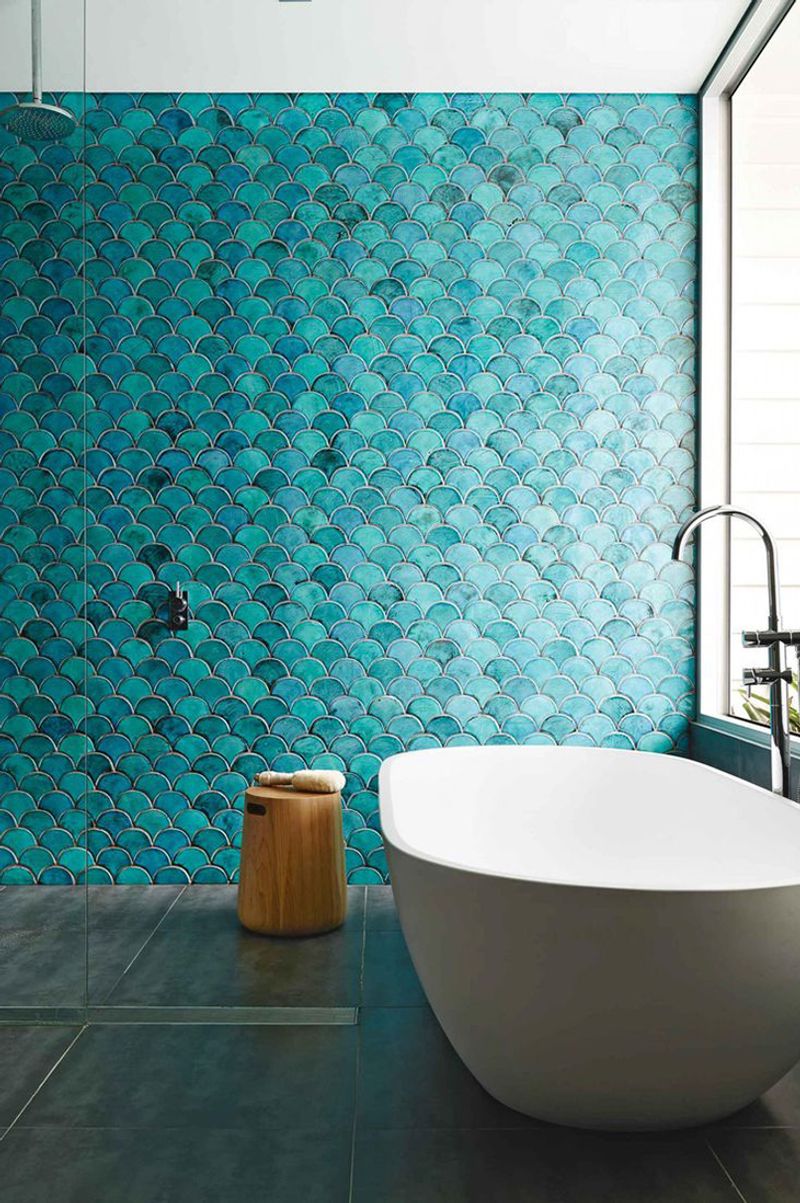
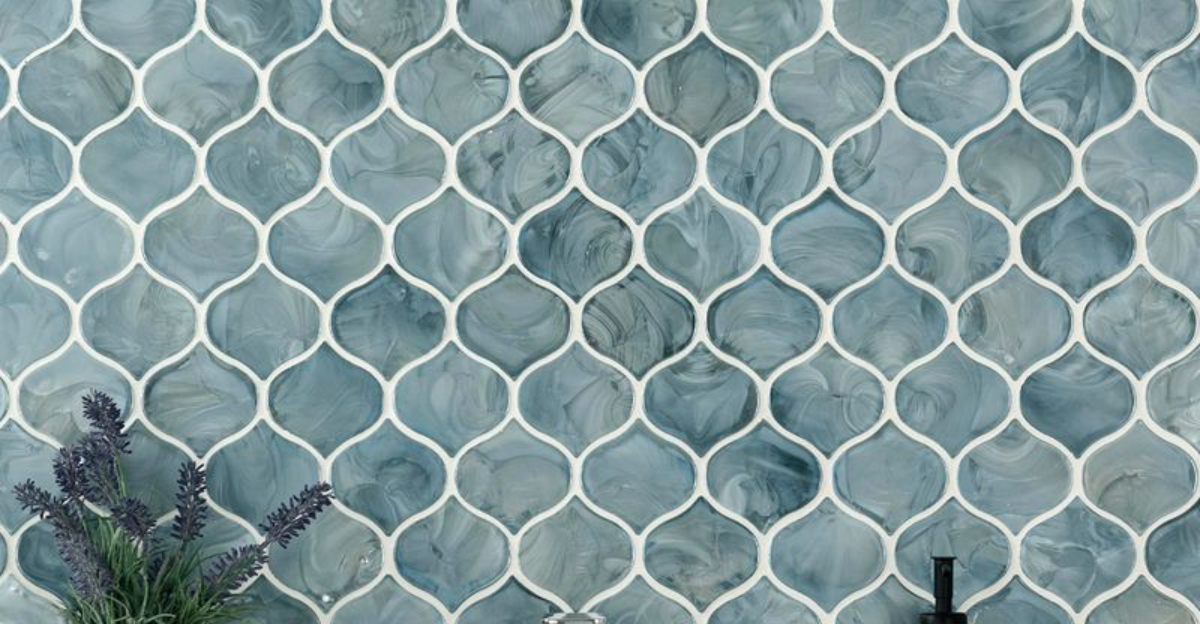
Channeling exotic vibes from North Africa, fish scale tiles (also called mermaid or fan tiles) create a scalloped effect that’s both elegant and playful. Their curved edges offer a refreshing alternative to straight lines.
Particularly stunning in bathrooms and as kitchen backsplashes, these tiles create a sense of movement reminiscent of ocean waves. Choose bold jewel tones for dramatic impact or soft pastels for a more subtle, dreamy atmosphere.
8. Windmill Wonder
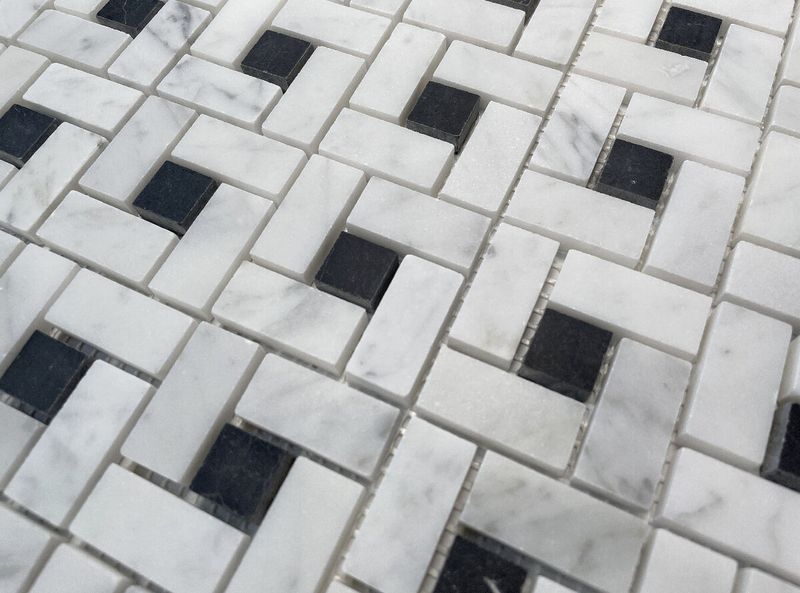
When four rectangular tiles surround a small square, magic happens! The windmill pattern (also called pinwheel) creates a spinning effect that adds visual interest without overwhelming the space.
Perfect for vintage-inspired bathrooms or traditional kitchens, this pattern works beautifully with contrasting colors. The geometric arrangement feels both playful and sophisticated, making it suitable for various design styles from farmhouse to mid-century modern.
9. Running Bond Brilliance
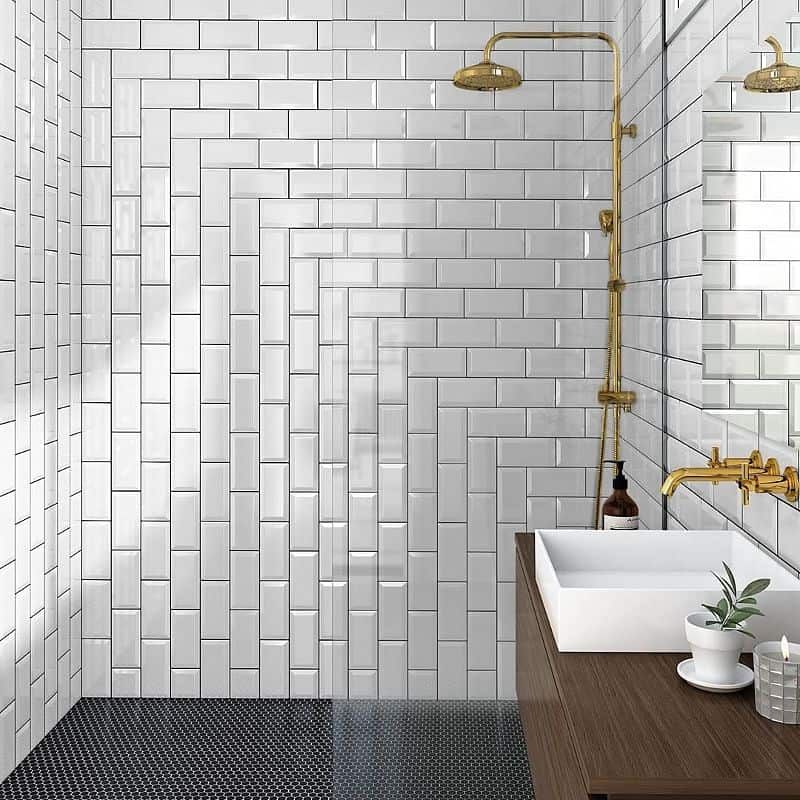
Have you ever noticed how brick walls are laid? That’s the running bond pattern—simple yet incredibly effective for creating visual flow across a surface.
Each row of tiles is offset by half a tile from the one above it, creating a staggered effect. This arrangement works with any rectangular tile and helps disguise imperfections in walls or floors. The straightforward pattern lets beautiful tile materials like marble or handmade ceramics truly shine.
10. Parquet Perfection
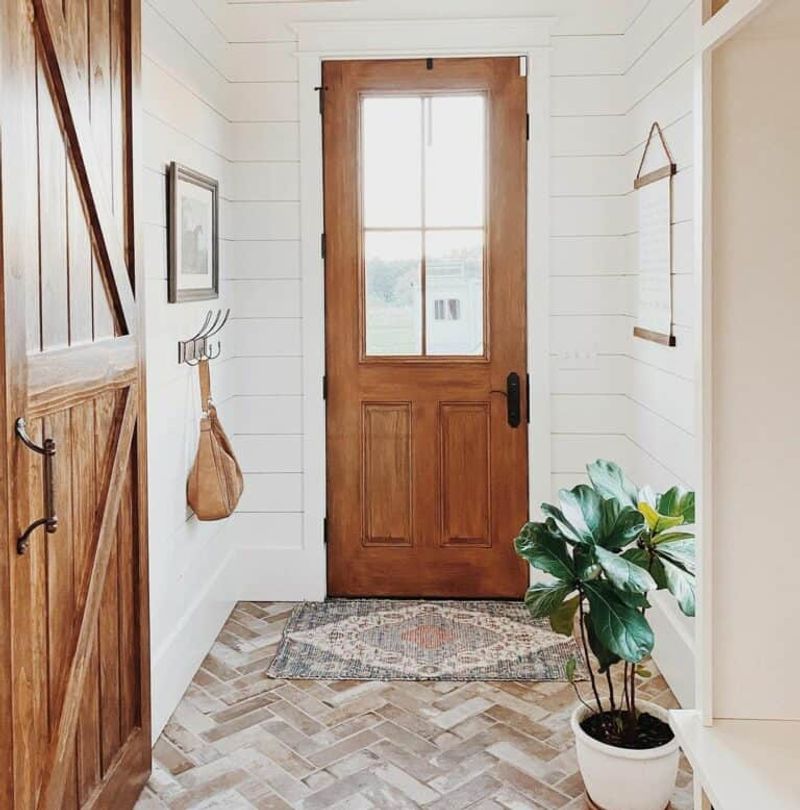
Borrowed from wood flooring traditions, parquet tile patterns arrange small pieces in geometric designs that create incredible visual texture. The most common version is the classic Versailles pattern with its interlocking squares and rectangles.
Historically found in grand European palaces, today’s parquet tile patterns bring sophisticated elegance to modern homes. The geometric precision creates a formal feel, making it perfect for dining rooms, entryways, or anywhere you want to make a refined impression.
11. Stacked Simplicity
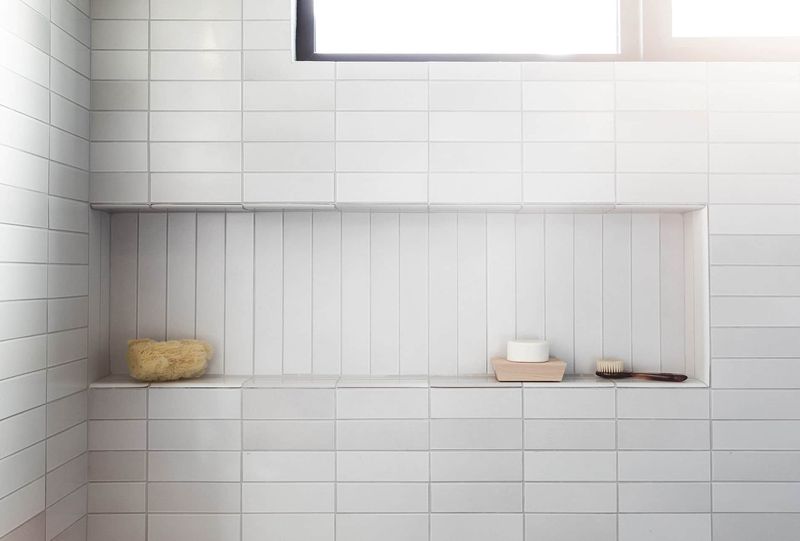
Sometimes less truly is more! The stacked pattern aligns tiles in perfect grid formation, creating clean, contemporary lines that exude modern minimalism.
Unlike the offset patterns, these perfectly aligned tiles create a sense of precision and order. The grid formation works particularly well with large-format tiles or those with distinctive textures. For added interest, try using contrasting grout to emphasize the geometric structure.
12. Diagonal Drama
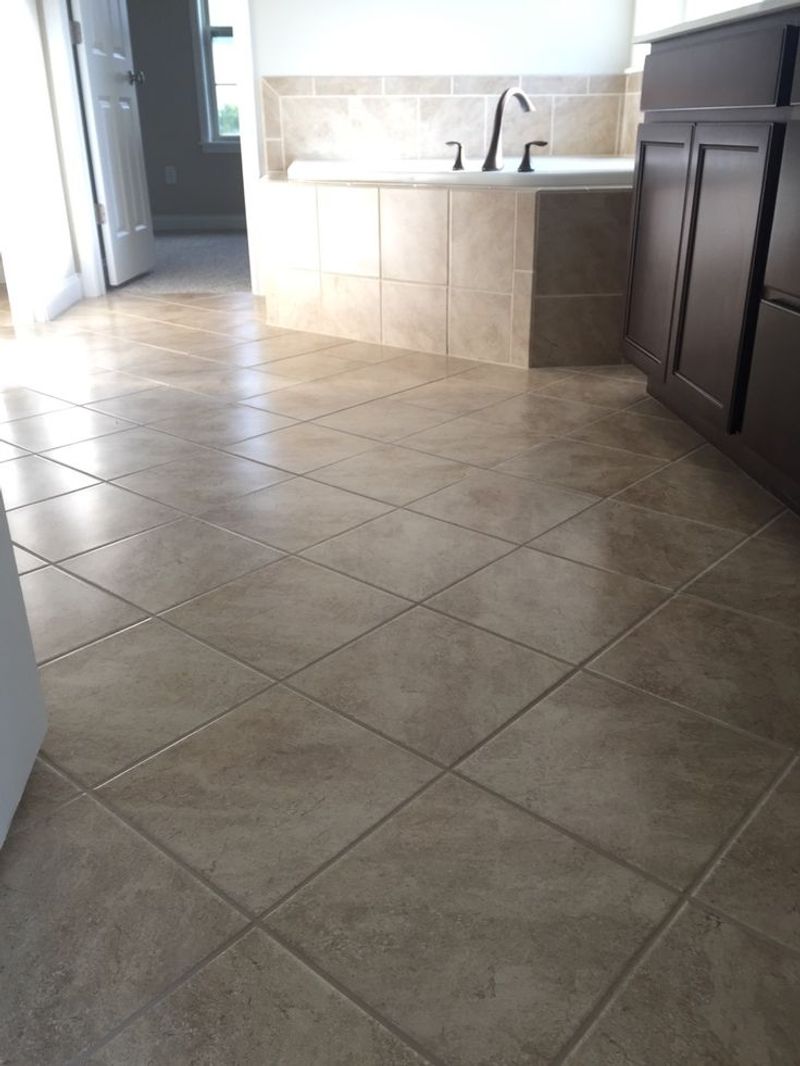
Ready to make a standard tile look extraordinary? Simply rotate your installation 45 degrees! Diagonal patterns take ordinary square or rectangular tiles and position them on a bias for instant visual impact.
This simple change creates dynamic lines that draw the eye across the space, making rooms appear larger. The diagonal orientation adds movement and energy to floors and walls, transforming even basic, affordable tiles into something special.
13. English Bond Elegance
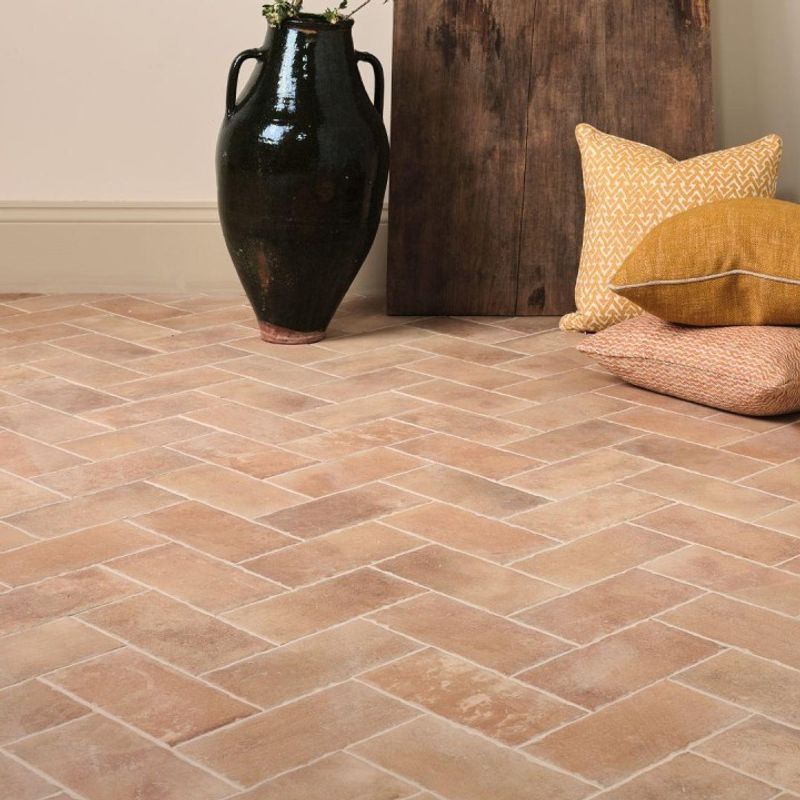
Alternating rows of tiles create this distinctive pattern that’s been gracing European architecture for centuries. Typically featuring one row of tiles laid lengthwise followed by a row laid widthwise, English bond offers sophisticated texture.
The alternating orientation creates visual interest while maintaining a sense of order and tradition. This pattern works beautifully with rectangular tiles in bathrooms, kitchens, or outdoor spaces, lending a timeless quality that complements both traditional and transitional design styles.
14. Arabesque Allure
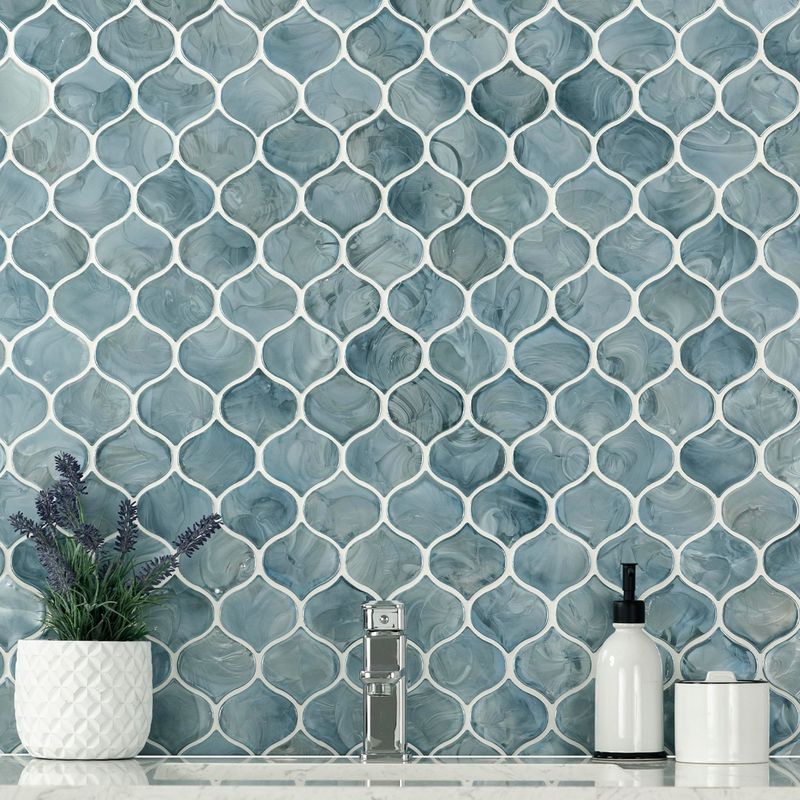
Curved lines and exotic shapes define the arabesque pattern, bringing Middle Eastern architectural influences into modern homes. These distinctive tiles feature elegant curves that create a flowing, organic pattern.
Often seen in Moroccan and Spanish design, arabesque tiles make stunning backsplashes, shower walls, or feature floors. Their intricate shapes add instant character to any space, eliminating the need for additional decoration. For maximum impact, try them in bold colors or metallics.
15. Penny Round Retro
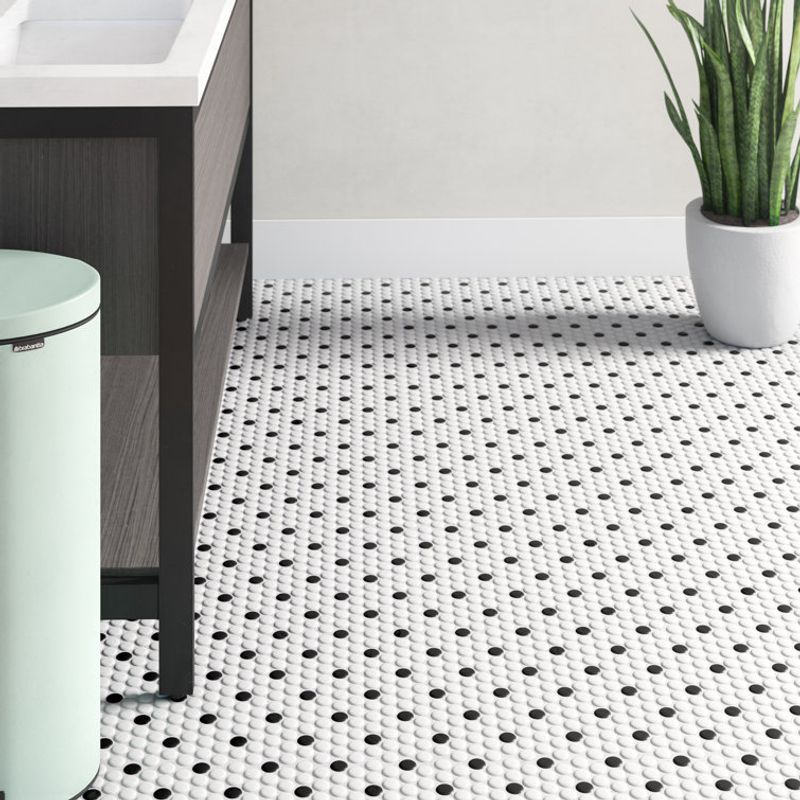
Circular penny tiles bring delightful vintage charm to any space. Popular in early 20th-century bathrooms, these small round tiles create a dotted pattern that’s both playful and nostalgic.
The tiny circles, typically about the size of a penny, create wonderful texture when installed across larger areas. Modern installations often feature contrasting grout to emphasize the distinctive shape. Their small size makes them perfect for curved surfaces like shower niches or backsplash curves.
16. Checkerboard Classic
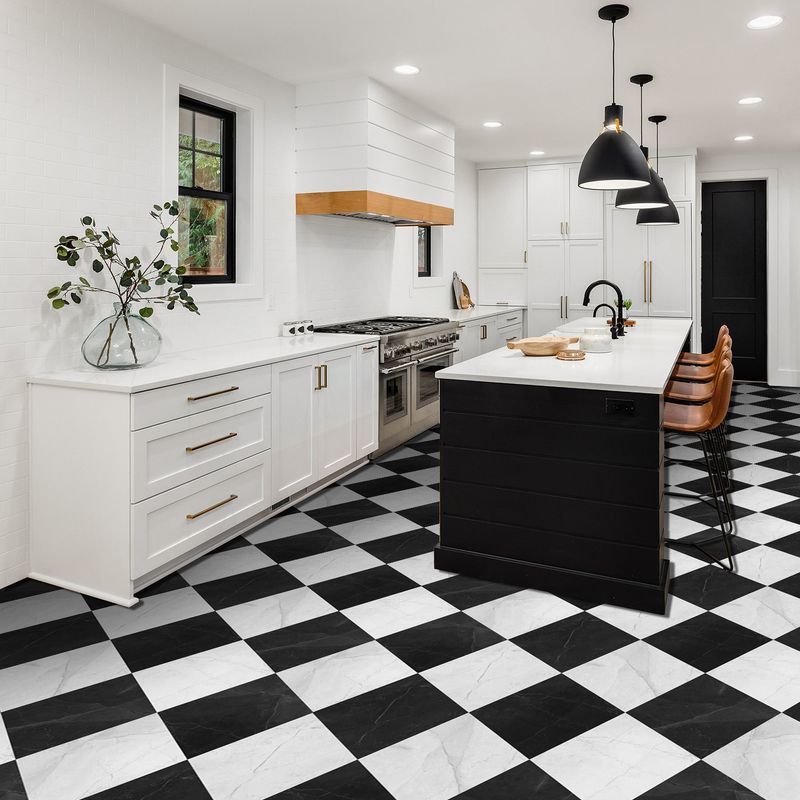
Few patterns are as instantly recognizable as the timeless checkerboard. Alternating squares of contrasting colors create a bold graphic statement that’s been popular for centuries.
While black and white is the classic combination, don’t be afraid to experiment with other color pairings. This pattern brings vintage charm to kitchens and bathrooms while creating a strong visual foundation. The geometric precision works particularly well in traditional or Art Deco-inspired spaces.
17. Vertical Stack Sophistication
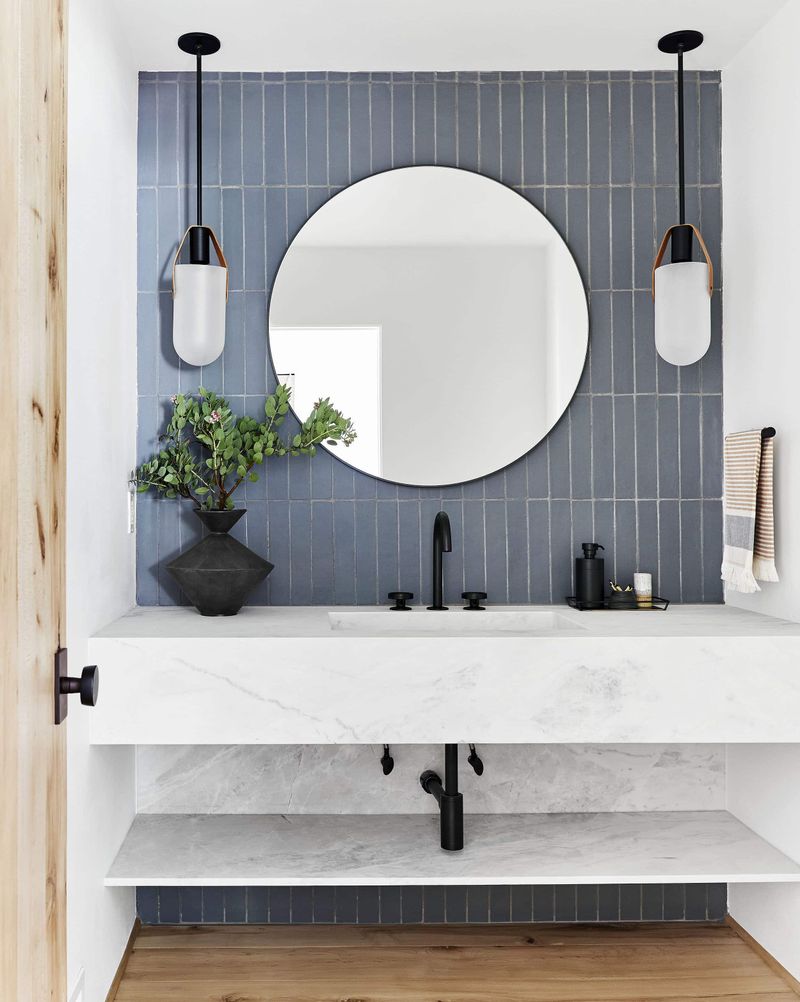
Flip the script on traditional horizontal subway tiles by turning them 90 degrees! The vertical stack creates striking columns that draw the eye upward, making ceilings appear higher.
This contemporary arrangement works beautifully in modern bathrooms and kitchens. The vertical orientation creates a sense of height and elegance, particularly effective in spaces with low ceilings. For added interest, try using tiles with a slight variation in tone or texture.
18. Quatrefoil Quirkiness
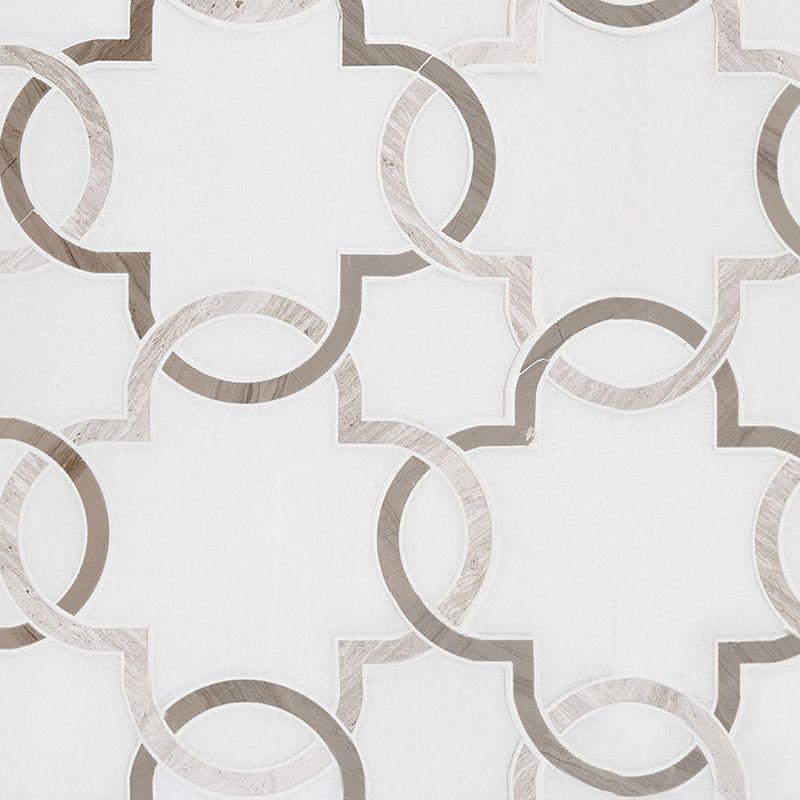
Craving something unique? Quatrefoil tiles feature a distinctive four-lobed shape that resembles a four-leaf clover, adding architectural interest to any surface.
With roots in Gothic and Islamic architecture, these decorative tiles bring historical elegance to modern spaces. The intricate shape creates a lattice-like pattern when installed, perfect for accent walls or feature floors. Their distinctive silhouette works beautifully in traditional, transitional, or eclectic design schemes.
19. Spanish Paver Pattern
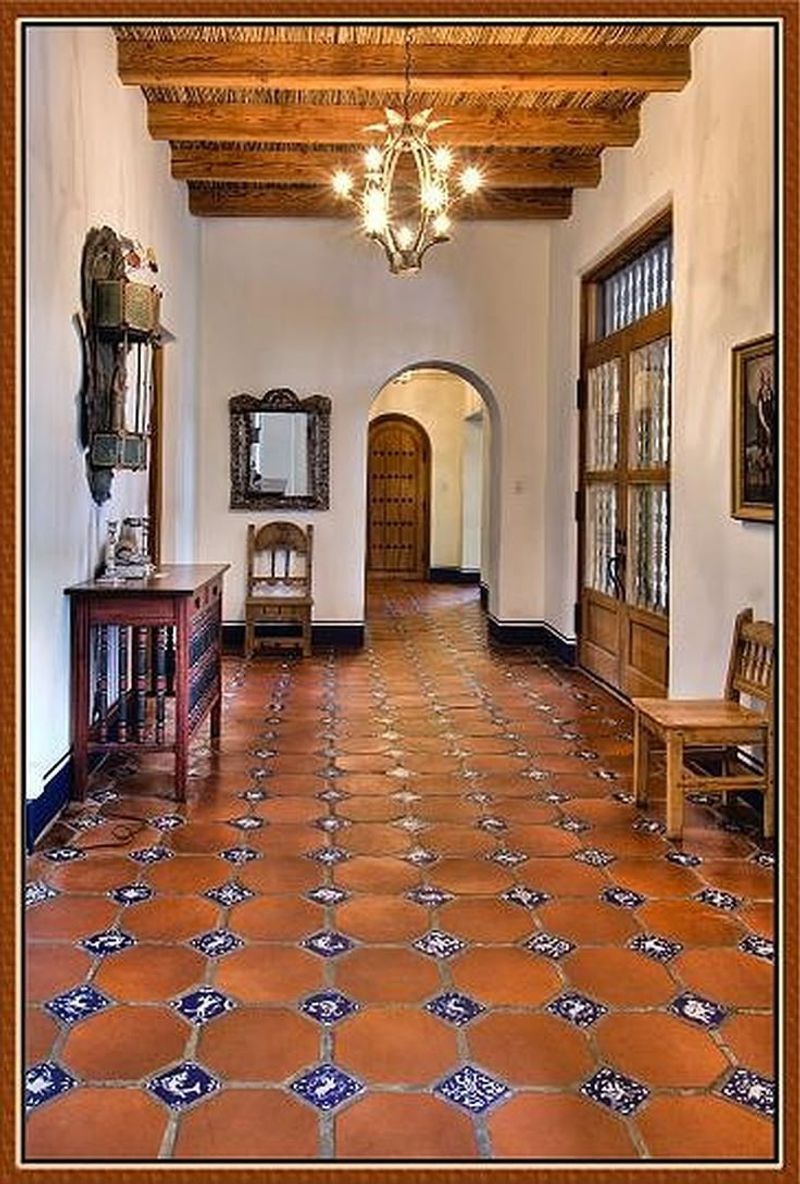
Rustic charm abounds in the Spanish paver pattern, which typically features square tiles with smaller square inserts at the corners. This arrangement creates a distinctive grid with decorative nodes at the intersections.
Often seen in Mediterranean and Spanish-style homes, this pattern brings old-world character to entryways, kitchens, and outdoor spaces. The combination of different sized tiles creates visual rhythm and complexity. Traditional installations feature terracotta tiles, but modern interpretations use various materials and colors.
20. 3D Cube Illusion
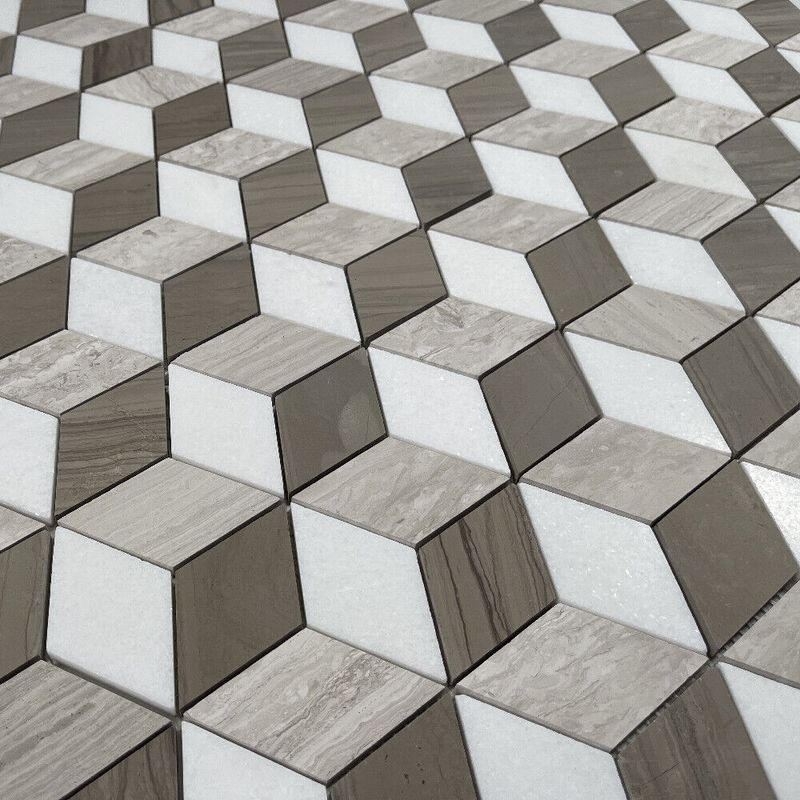
Prepare to amaze your guests with this mind-bending pattern! Using just three different colored diamond-shaped tiles, the 3D cube illusion creates the appearance of three-dimensional boxes across your floor or wall.
The optical illusion happens when the diamonds are arranged to create shadows and highlights that trick the eye. This showstopping pattern works best in spaces where it can be the star of the show—powder rooms, feature walls, or entryways where visitors can appreciate the visual magic.