18 Stunning Glass Houses In America And Across The World
Glass houses stand as breathtaking examples of modern architecture, pushing the boundaries of design while blurring the line between indoor living and nature.
These transparent dwellings create a unique living experience where residents can feel completely connected to their surroundings.
Let’s explore 18 remarkable glass houses that showcase innovative design, stunning views, and architectural brilliance from America to distant corners of the globe.
1. Philip Johnson’s Glass House
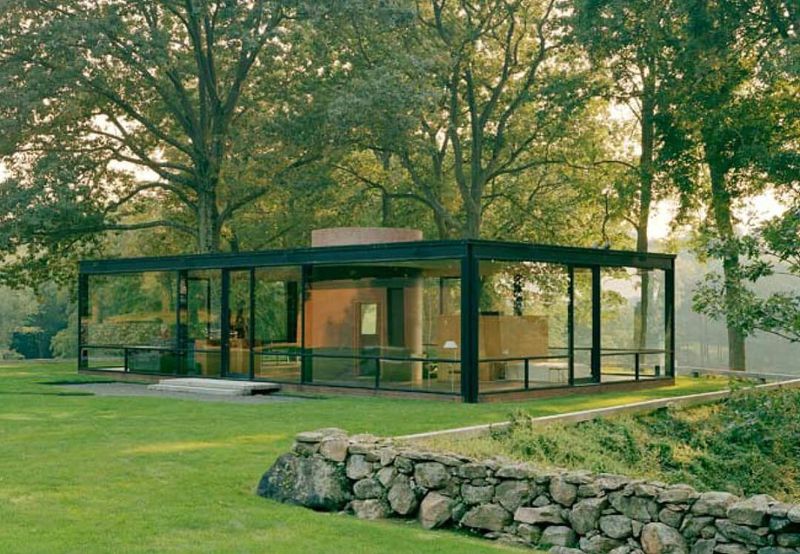
Nestled in New Canaan, Connecticut, this iconic structure revolutionized modern architecture when completed in 1949. The transparent walls create an illusion of living directly in nature, with no barriers between the inhabitant and the surrounding landscape.
Johnson himself lived in this minimalist masterpiece, using it as both home and statement piece. The 56-acre property also features several other experimental structures, making it a complete architectural playground.
2. The Stahl House
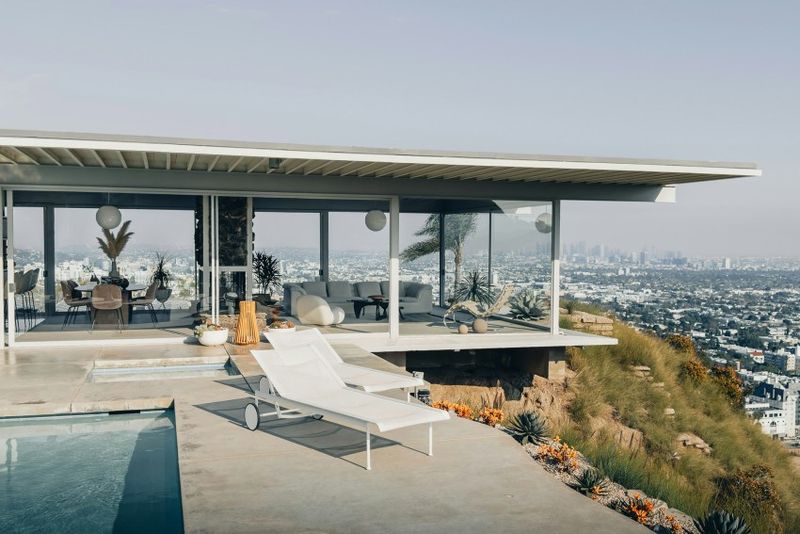
Perched dramatically on the Hollywood Hills, this California landmark offers breathtaking panoramic views of Los Angeles. Photographer Julius Shulman’s famous 1960 image of two women sitting in the corner of the house has cemented its place in architectural history.
Designed by Pierre Koenig as part of the Case Study Houses program, the L-shaped structure features floor-to-ceiling glass walls that seem to float above the city. At night, the illuminated house appears as a glowing jewel box.
3. The Pierre
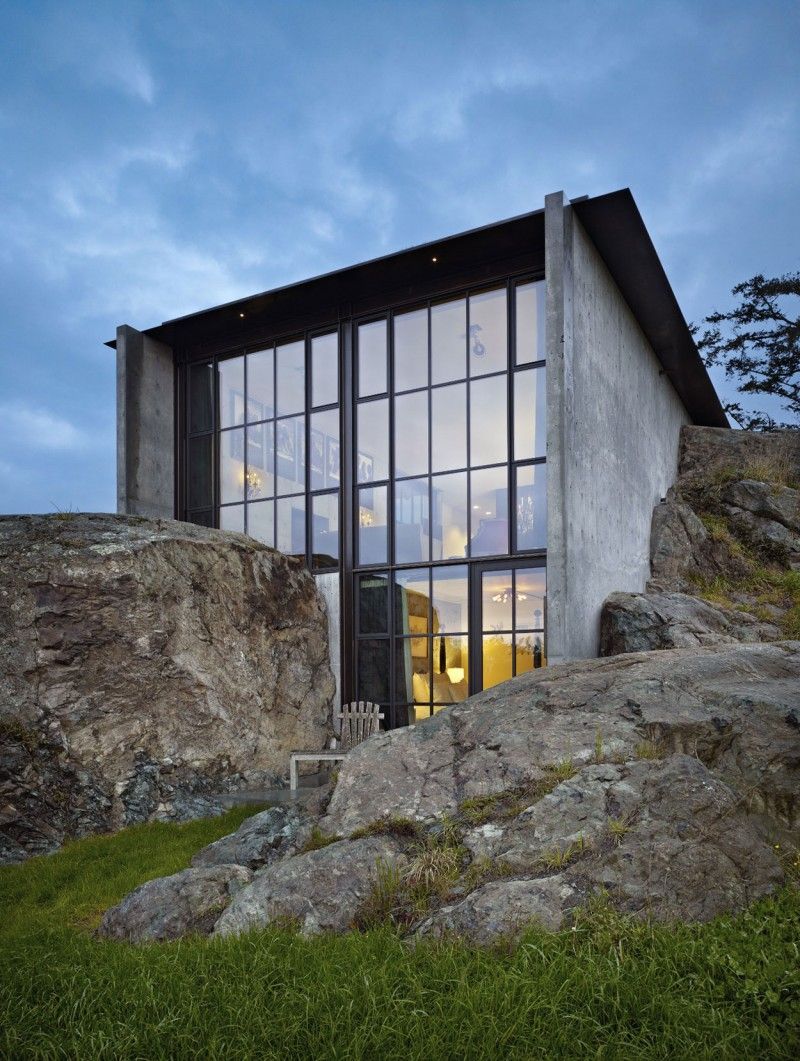
Would you believe a house could be carved directly into a rocky outcrop? The Pierre in San Juan Island, Washington does exactly that, with its name meaning ‘stone’ in French.
Architect Tom Kundig masterfully blended the structure into its natural surroundings, using expansive glass walls to contrast with the rugged stone. The interior features rock extrusions that were left intact, creating a fascinating dialogue between the natural and built environment.
4. House NA
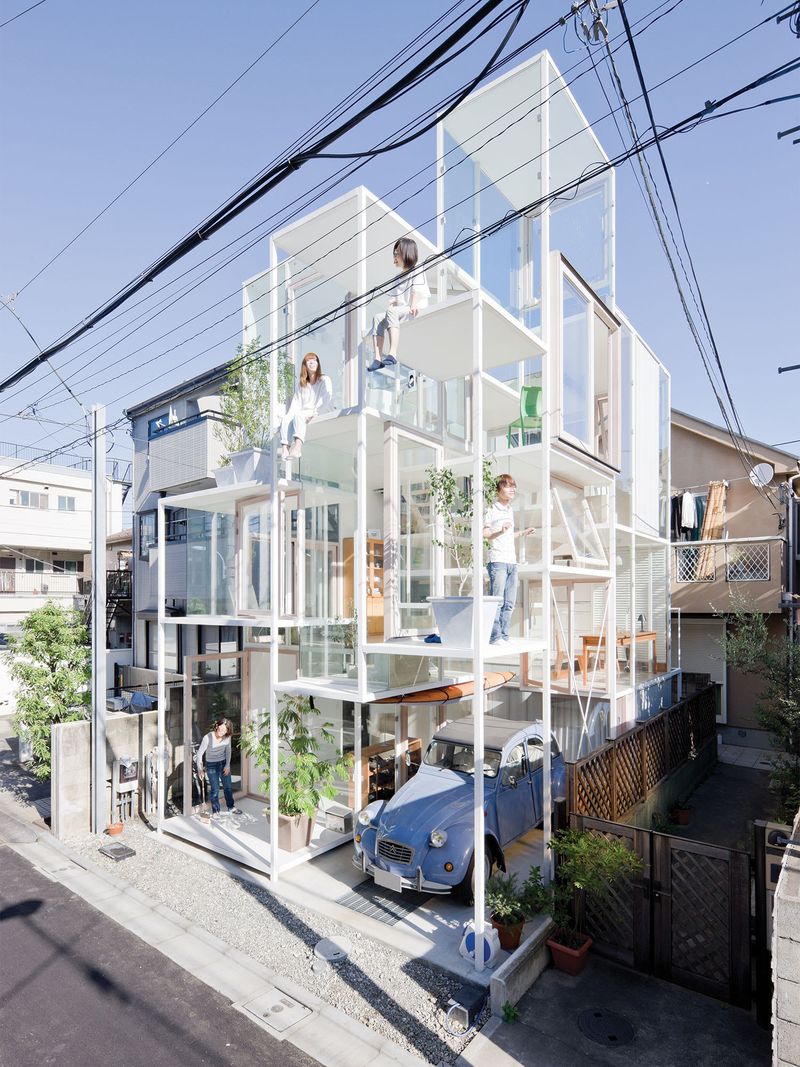
Imagine living in a human-sized birdcage! Tokyo’s House NA, designed by Sou Fujimoto, challenges conventional notions of privacy and space with its transparent glass walls and multiple split-level platforms.
Resembling a tree house for adults, this unique dwelling has virtually no interior walls, with different living areas spread across 21 floor plates at varying heights. The radical transparency creates a fascinating living experience where occupants feel as if they’re floating in the urban landscape.
5. Casa de Vidro
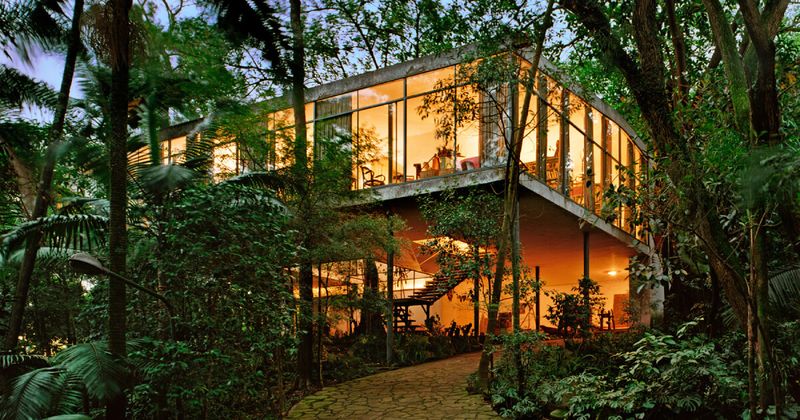
Hidden within São Paulo’s lush Atlantic Forest sits this architectural gem designed by Lina Bo Bardi in 1951. The front half of the house seems to float among the treetops, supported by slender pilotis and enclosed entirely in glass.
What makes this glass house truly special is how the forest has been allowed to grow around and through it. The architect created a central courtyard where trees rise through openings in the floor, blurring the boundary between interior and exterior in a most poetic way.
6. Farnsworth House
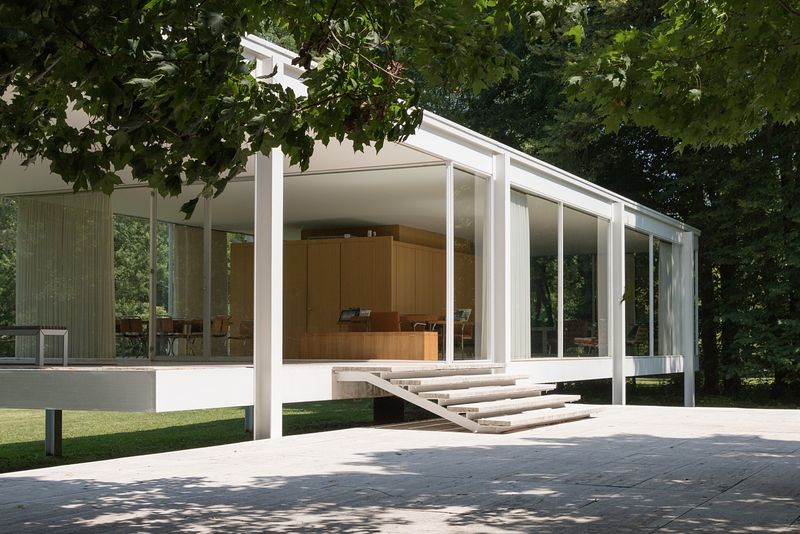
Floating above a flood-prone meadow alongside the Fox River stands Mies van der Rohe’s masterpiece of minimalism. Completed in 1951, this weekend retreat in Plano, Illinois consists of two horizontal planes supported by eight steel columns with glass walls forming the only barrier between inside and out.
The interior maintains absolute simplicity with a single open space divided only by a wood-paneled core containing the bathroom. Despite its apparent simplicity, the house sparked controversy when its owner, Dr. Edith Farnsworth, sued the architect over cost overruns.
7. Desert Wing
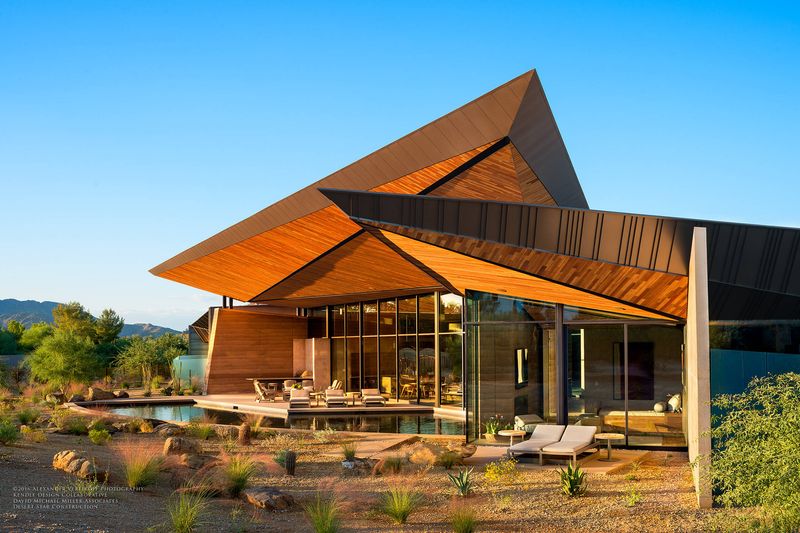
Soaring like a bird’s wings across the Sonoran Desert landscape, this Tucson marvel perfectly balances protection from harsh elements with openness to stunning views. The roof’s dramatic angles create natural shade while the glass walls frame the surrounding mountains and desert flora.
Architect Brent Kendle designed the home to respond to its environment, with sustainable features like rainwater harvesting and passive solar design. When illuminated at night, the structure appears to hover weightlessly above the desert floor.
8. Glass Pavilion
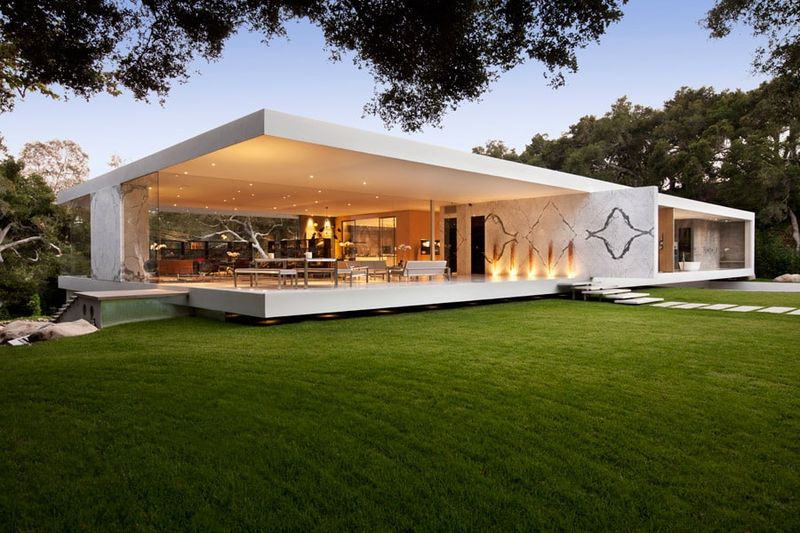
Ever wondered what it would feel like to live in a museum? The Glass Pavilion in Montecito, California offers exactly that experience, serving as both residence and gallery for a vintage car collection.
Architect Steve Hermann created this 13,875-square-foot masterpiece with walls of structural glass that can span 60 feet without support columns. The interior spaces flow seamlessly into one another, while the surrounding reflecting pools and oak trees create a sense of serene isolation.
9. Maison de Verre
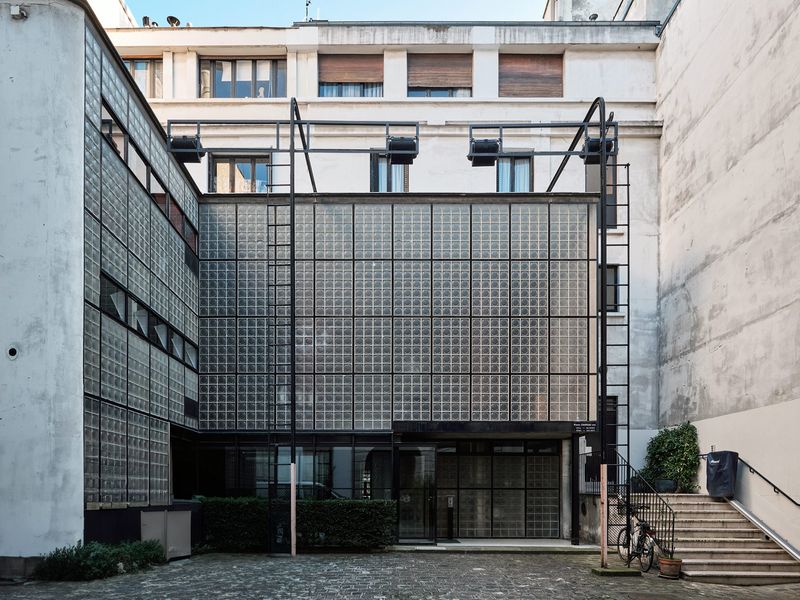
Long before modern glass houses became fashionable, this Parisian pioneer was breaking architectural boundaries. Completed in 1932 by Pierre Chareau, the “House of Glass” features walls made from translucent glass blocks that allow light while maintaining privacy.
Unlike completely transparent structures, this urban residence creates a mysterious play of shadows and silhouettes. The interior showcases an innovative combination of industrial materials with moving partitions and mechanical elements that can transform spaces for different functions.
10. Villa Girasole
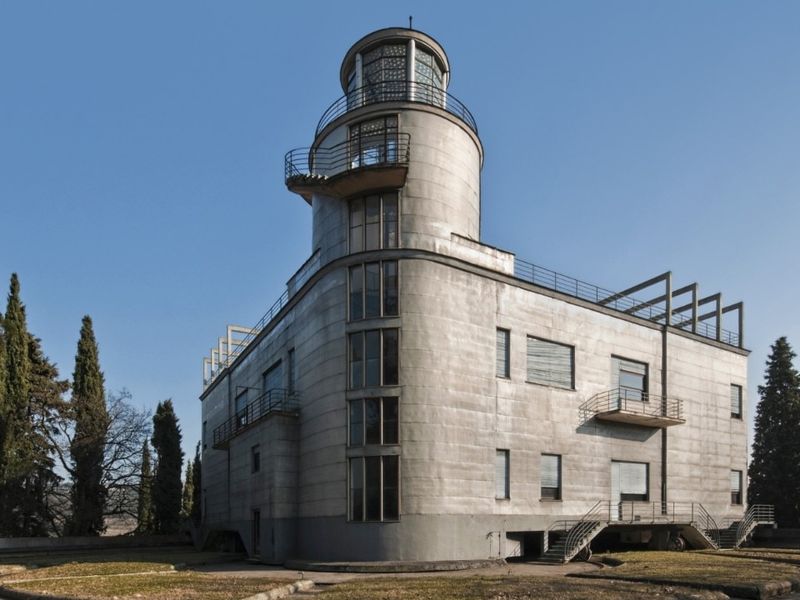
Rotating to follow the sun like its namesake sunflower, this remarkable Italian villa was an engineering marvel decades ahead of its time. Completed in 1935 near Verona, the L-shaped upper portion of the house can rotate 360 degrees on a circular base.
Engineer Angelo Invernizzi designed the movement mechanism to track the sun throughout the day. The glass-enclosed living quarters provide constantly changing views while maximizing natural light and solar heat—an early example of sustainable design principles in a glass house.
11. Summer House
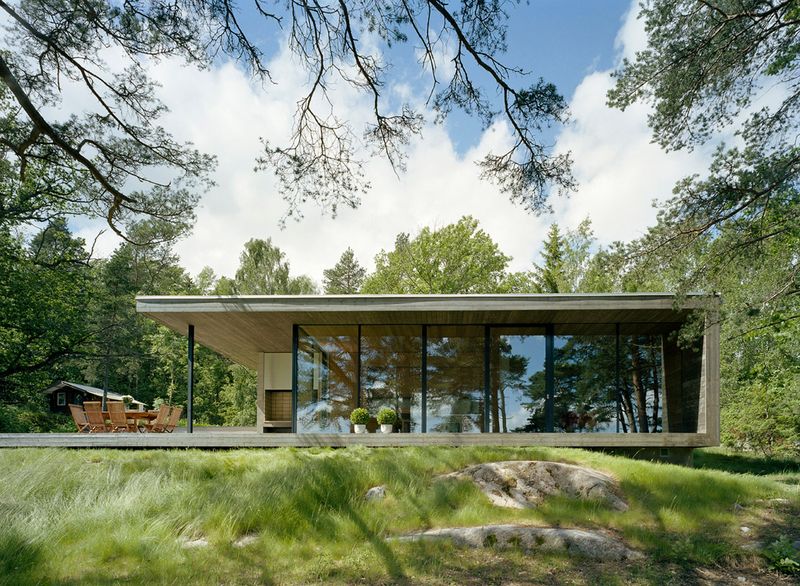
Reflecting the surrounding forest like a chameleon, this seasonal retreat in Stockholm’s archipelago demonstrates Scandinavian design at its finest. The mirrored glass exterior makes the structure nearly invisible from certain angles, allowing it to disappear into the landscape.
Inside, the minimalist interior focuses attention outward to the Baltic Sea views. Architects at Widjedal Racki designed clever details like sliding glass walls that open completely, transforming the living area into an open-air pavilion during Sweden’s precious summer months.
12. Lake House
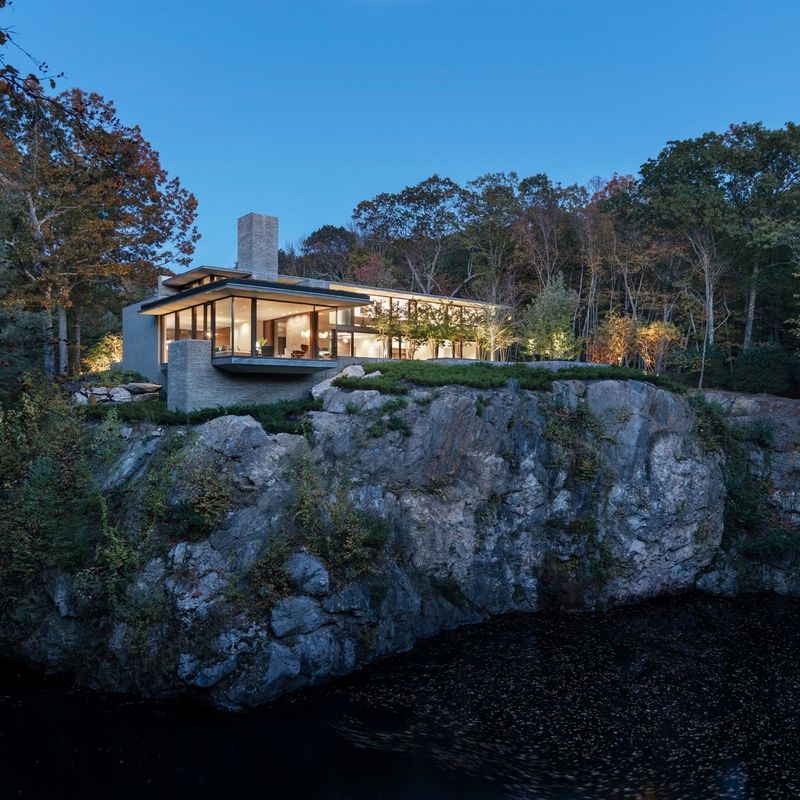
Jutting dramatically over the edge of a cliff, Steven Harris’s glass masterpiece in New York state seems to hover above the water below. Floor-to-ceiling windows frame spectacular views of the lake from every room, creating a sensation of floating among the clouds and water.
Clever architectural details include a cantilevered design that maximizes the dramatic setting. The interior features a minimalist palette that doesn’t compete with the natural surroundings, while hidden lighting elements make the structure glow like a lantern after sunset.
13. House R
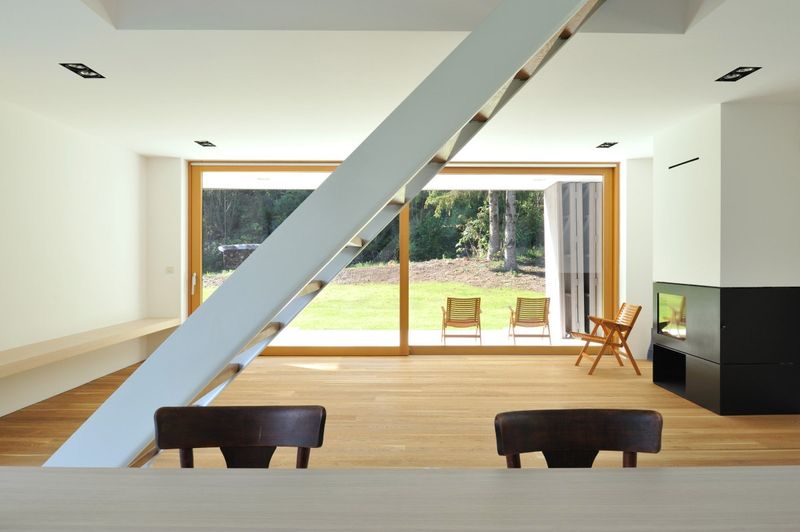
Carved into a hillside in Slovenia’s picturesque countryside, this remarkable residence by Bevk Perović architects appears to emerge organically from the landscape. The front facade features a striking wall of glass that frames panoramic views of the Julian Alps.
Unlike many glass houses that expose all sides, House R maintains privacy through its clever semi-buried design. The rear portions nestle into the hill, creating naturally insulated spaces. A green roof covered with local vegetation further blends the structure with its alpine surroundings.
14. Casa Levene
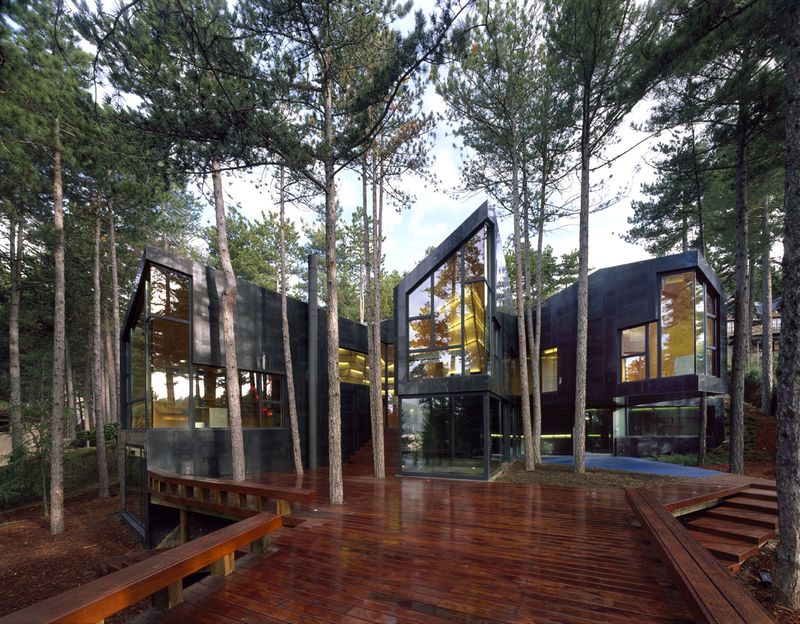
Balancing precariously among ancient pine trees in El Escorial, Spain, this gravity-defying glass house by architect Eduardo Arroyo seems to float above the forest floor. The triangular structure is carefully positioned to preserve every existing tree on the site.
What makes this house truly special is how it adapts to the forest rather than forcing the forest to adapt to it. The transparent walls create the sensation of living among the treetops, while the angular design provides unexpected views from every corner.
15. Glass Farmhouse
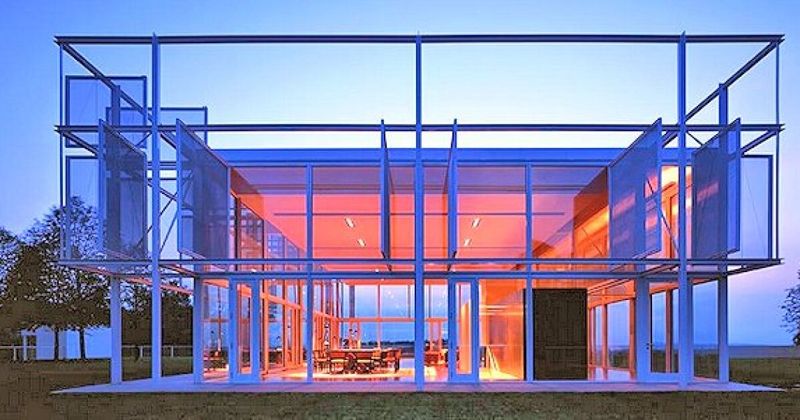
Reimagining rural architecture for the modern age, this New York State retreat by Thomas Phifer combines agricultural aesthetics with contemporary transparency. The elongated structure features a traditional gabled roof form entirely wrapped in glass.
During daylight hours, the surrounding meadows and mountains are visible from every angle inside. After dark, the house transforms into a glowing lantern in the landscape. The interior maintains rustic warmth through wood elements that contrast beautifully with the ethereal glass envelope.
16. Mirrorcube
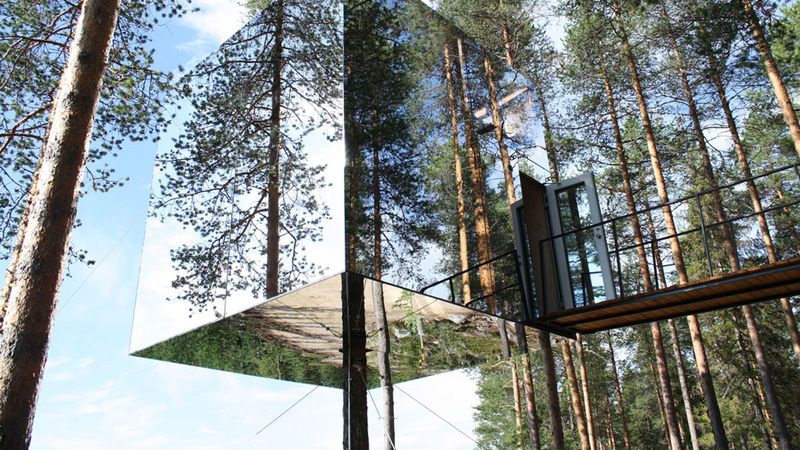
Hidden among the trees of northern Sweden sits one of the world’s most magical accommodations. Part of the famous Treehotel, this reflective cube designed by Tham & Videgård Arkitekter creates the illusion of disappearance as it perfectly mirrors the surrounding forest.
Measuring just 4x4x4 meters, the compact interior includes all essential amenities within its birch-clad space. A special infrared film visible to birds prevents wildlife from accidentally flying into the reflective surfaces, making this a thoughtful blend of spectacle and environmental sensitivity.
17. Optical Glass House
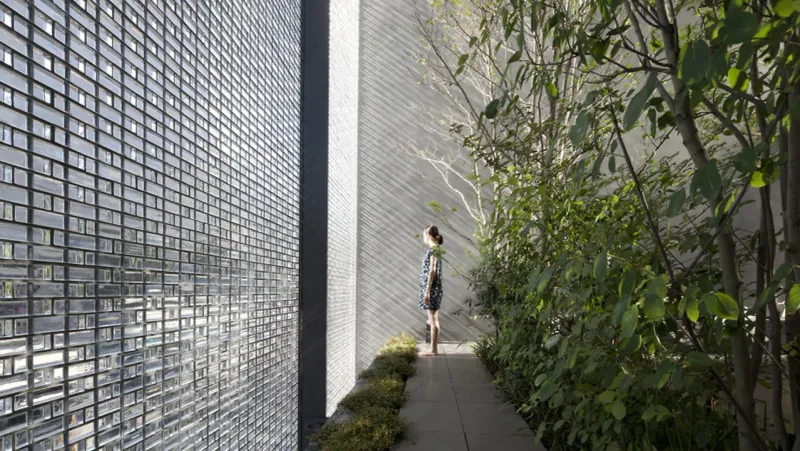
Creating a sanctuary amid the urban bustle of Hiroshima, architect Hiroshi Nakamura designed this remarkable residence with a facade made from 6,000 custom glass blocks. The unique frontage filters light while providing privacy from the busy street outside.
Inside, a central courtyard features a majestic tree visible from all rooms through interior glass walls. The glass block wall creates fascinating optical effects as light changes throughout the day, casting prismatic patterns across interior surfaces while maintaining a serene atmosphere despite the metropolitan location.
18. Fallingwater’s Glass Extension
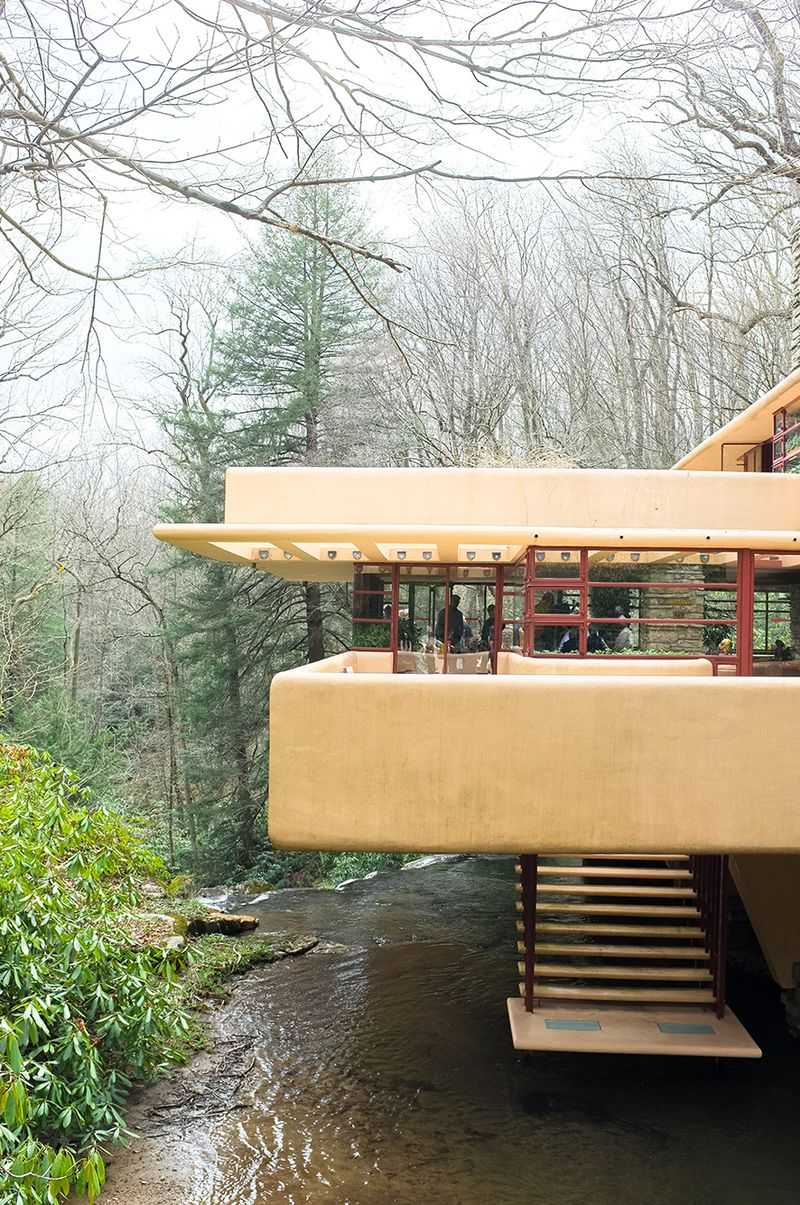
Frank Lloyd Wright’s masterpiece received a stunning contemporary addition that pays homage to the original while embracing modern glass architecture. The transparent pavilion hovers above the existing structure, providing new perspectives of the famous waterfall without competing with Wright’s iconic design.
Architect Tadao Ando created this extension with characteristic restraint, using minimalist glass walls supported by slender columns.