17 Small Backyard Design Secrets That Will Make Your Yard Feel Huge
A small backyard doesn’t have to mean small potential. With the right design tricks, even the tiniest outdoor space can feel open, inviting, and surprisingly expansive.
Designers know how to work magic with layout, lighting, vertical elements, and clever illusions that stretch the eye and maximize every square inch.
Whether you’ve got a patio, balcony, or postage-stamp-sized lawn, these secrets will help you create a backyard that feels anything but cramped. These are 17 small backyard design tips that can make your outdoor space feel instantly bigger and better.
1. Create Zones with Outdoor Rugs
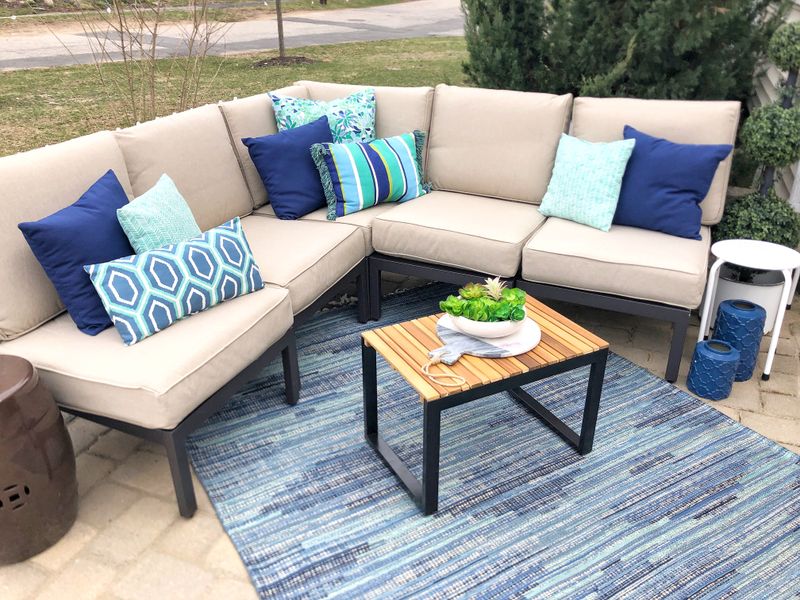
Nothing transforms a tiny space quite like strategic zoning! By placing colorful outdoor rugs in different areas, you establish distinct ‘rooms’ for dining, lounging, and entertaining.
These visual boundaries trick the eye into seeing more space than actually exists. Plus, outdoor rugs add comfort underfoot and inject personality into your yard without consuming valuable square footage.
2. Go Vertical with Garden Walls
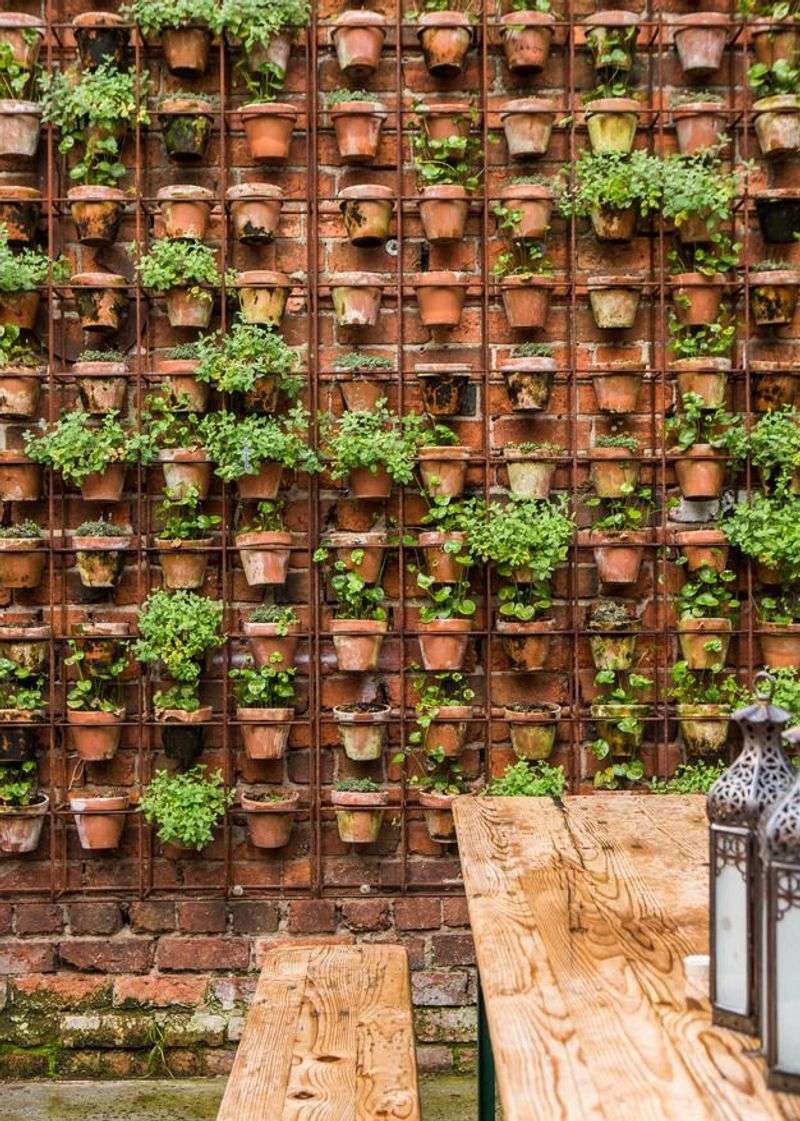
Upward is the way forward when square footage is limited! Vertical gardens make brilliant use of wall space while keeping your precious floor area free for activities.
From simple hanging planters to elaborate living walls, growing upward creates a lush backdrop that adds depth to your yard. The cascading greenery draws the eye upward, making the entire space feel taller and more expansive.
3. Embrace Diagonal Patterns
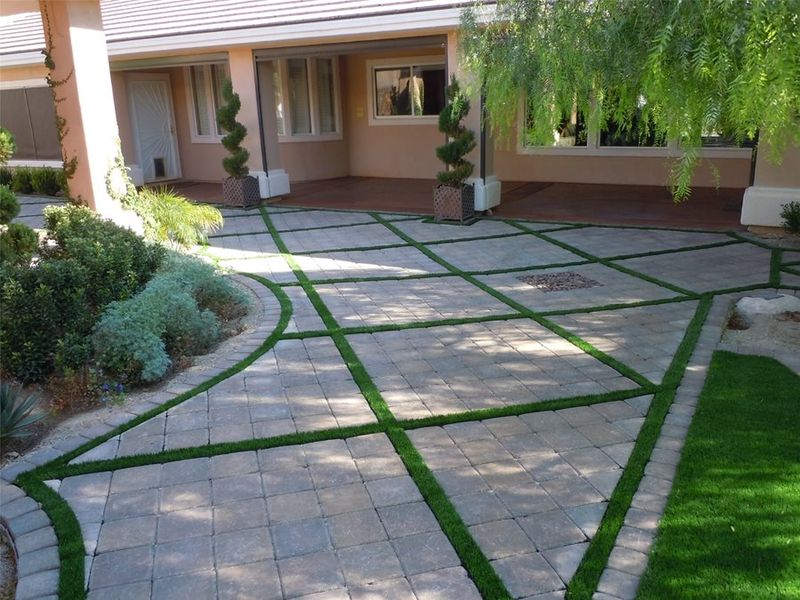
Want to magically expand your yard? Try laying pavers, decking, or tiles in diagonal patterns rather than straight lines parallel to boundaries.
Diagonal lines create a sense of movement that leads the eye outward, making the space appear wider than it actually is. This simple design trick works whether you’re installing a new patio or just arranging container plants in a zigzag pattern.
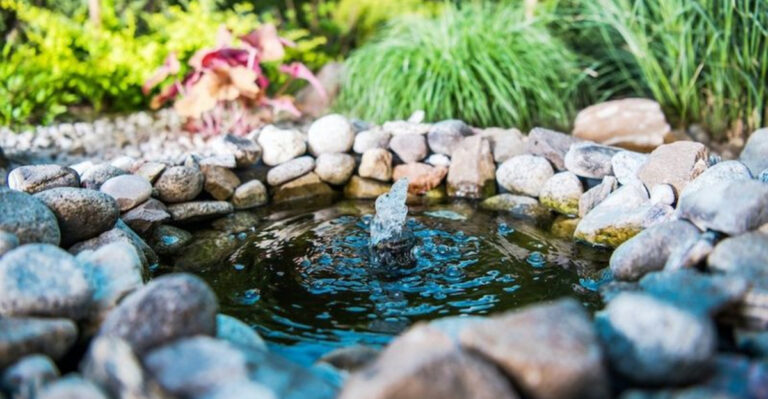
4. Install a Water Feature
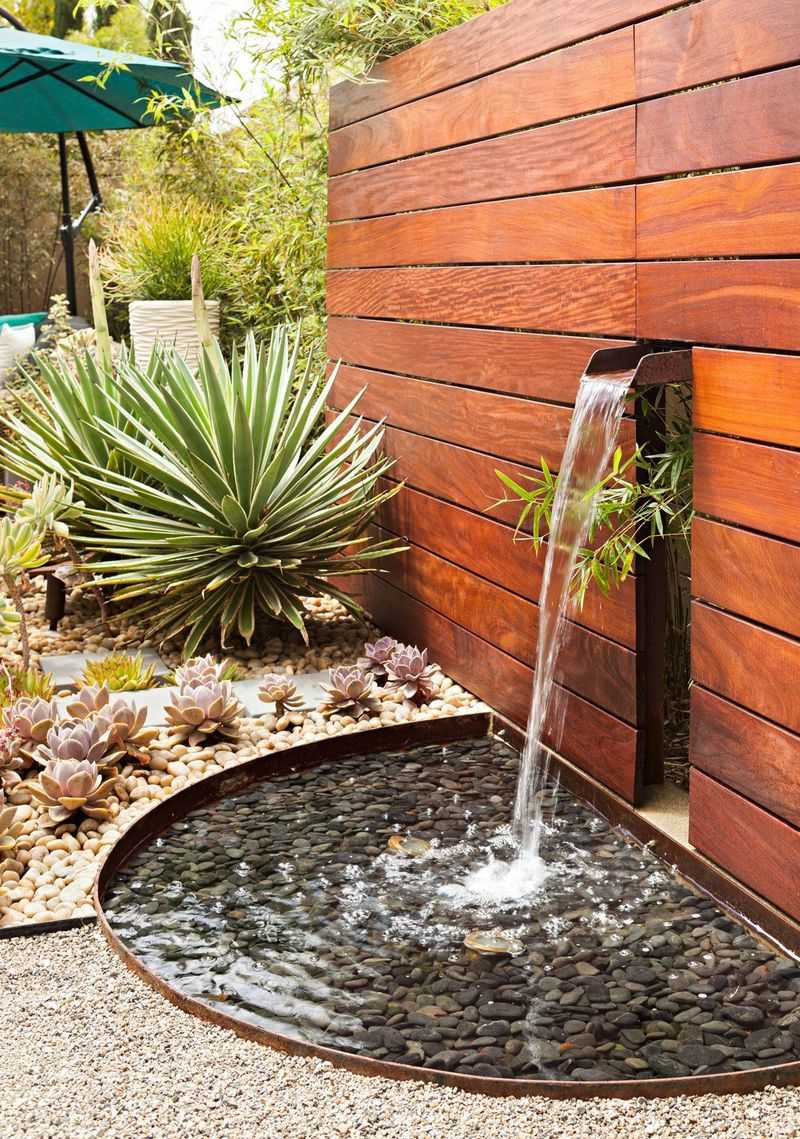
The gentle sound of flowing water can transform your tiny yard into a sensory retreat! Even compact fountains or small container ponds add a focal point that draws attention away from spatial limitations.
Water features create a multisensory experience that makes the yard feel more luxurious and expansive. The reflective quality of water also amplifies light, making the space brighter and more open-feeling even on overcast days.
5. Choose Multi-Functional Furniture
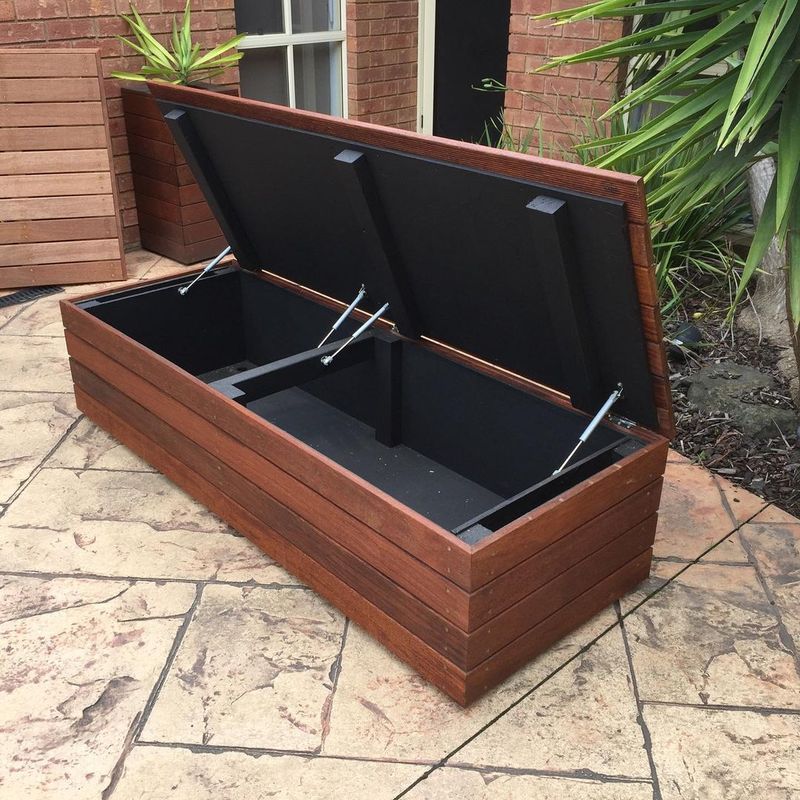
Smart homeowners know the secret power of furniture that does double-duty! Storage benches that provide seating and hide garden tools, or convertible tables that adjust from coffee table to dining height maximize functionality without crowding your space.
When every piece serves multiple purposes, you need fewer items overall. This creates a cleaner, more open layout that feels significantly larger than a yard cluttered with single-purpose furniture pieces.
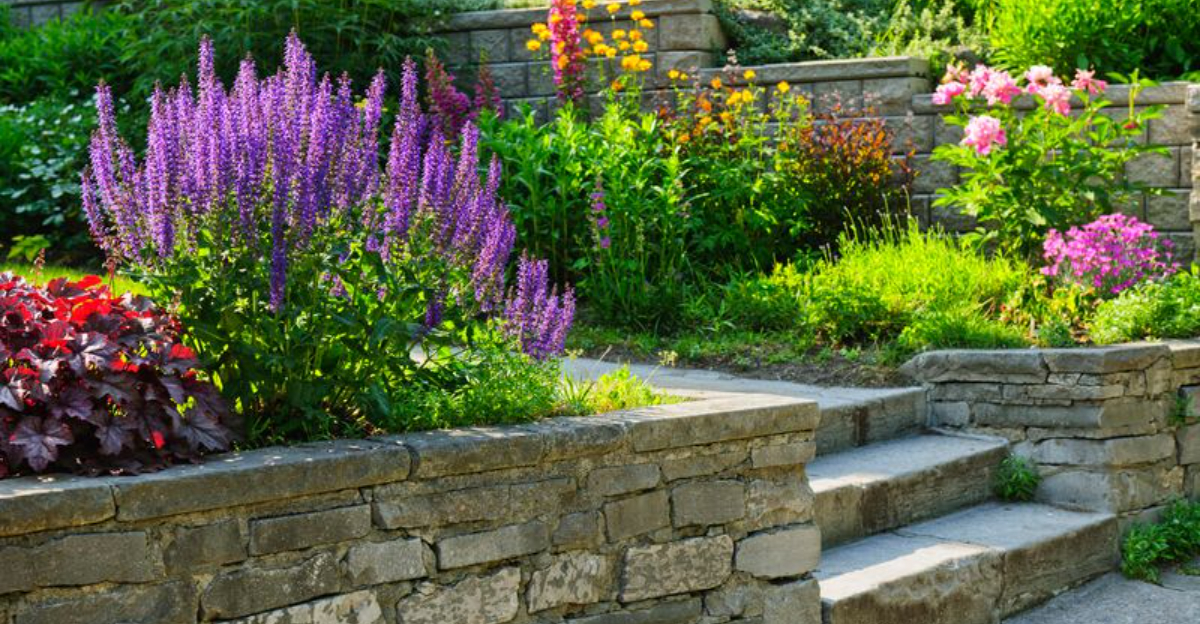
6. Plant in Layers
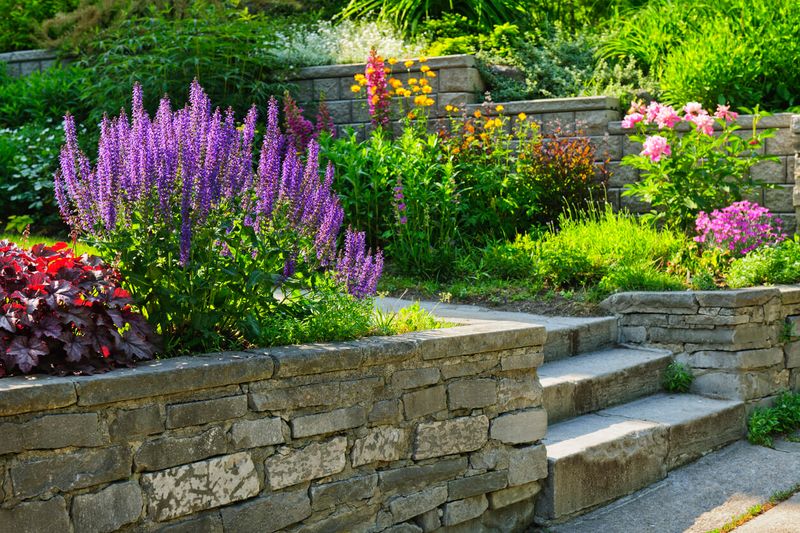
Gardening vertically isn’t just about walls—it’s about creating depth through strategic layering! Arranging plants in tiers with taller specimens at the back and shorter ones in front creates the illusion of distance.
This technique, borrowed from theater set design, makes your yard appear deeper than it actually is. A bonus? Layered plantings also provide habitat diversity for beneficial insects and birds, bringing your small space to life.
7. Incorporate Built-In Seating
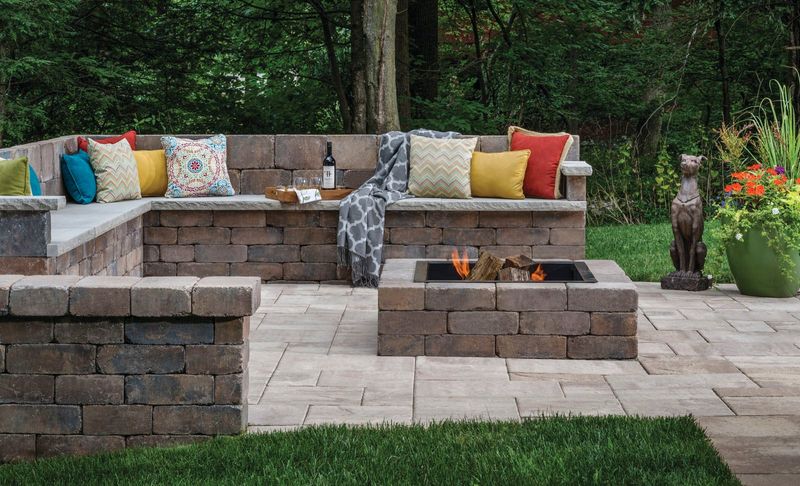
Imagine the space-saving magic of seating that doesn’t protrude into your yard! Built-in benches along walls or fences free up valuable floor space while providing ample seating for gatherings.
Unlike bulky chairs and sofas that eat up room, streamlined built-ins follow the perimeter of your yard. Add weather-resistant cushions and pillows for comfort and color, and you’ve created a spacious-feeling entertainment area in even the tiniest backyard.
8. Opt for Transparent Barriers
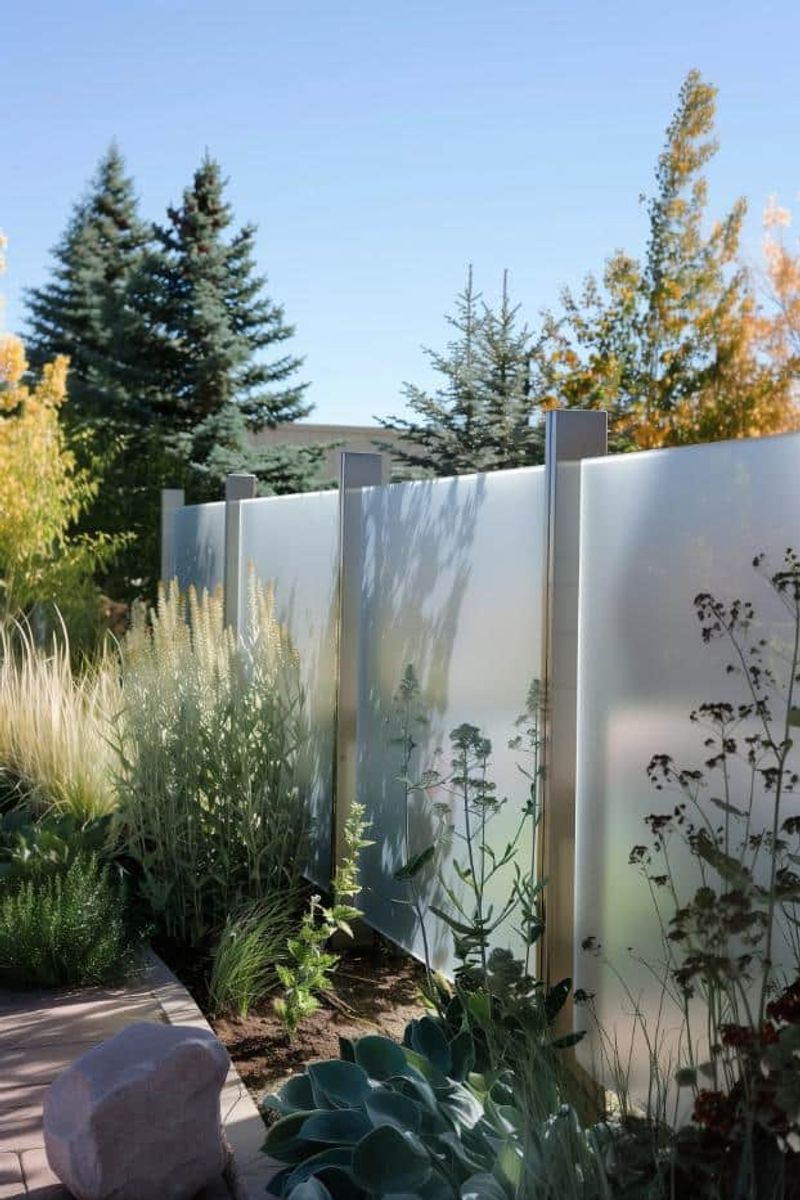
Solid fences might provide privacy, but they’re notorious space-shrinkers! Switching to glass panels, decorative metal screens, or widely-spaced slats creates boundaries without the boxed-in feeling.
These see-through dividers maintain privacy while allowing your eye to travel beyond the property line. When you can glimpse what’s beyond your yard, the boundaries seem to dissolve, and your small space feels connected to the wider world.
9. Create a Focal Point
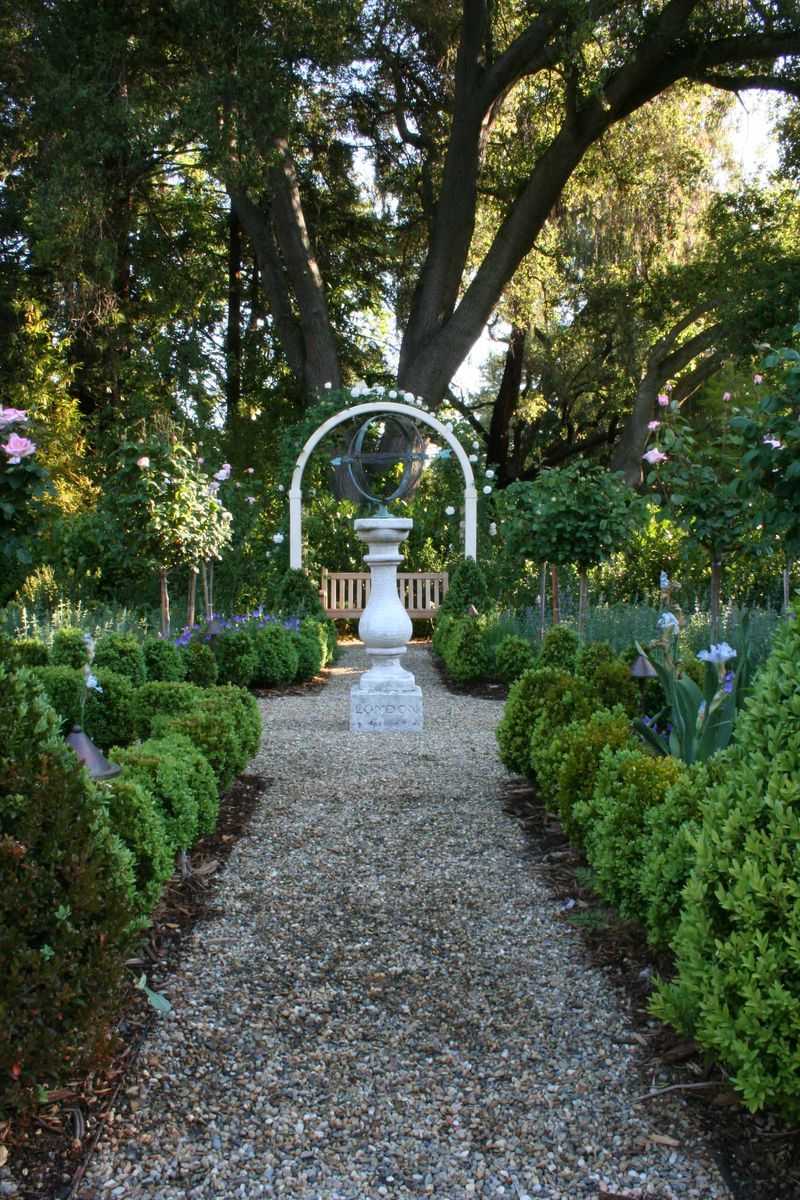
Ever noticed how your attention gravitates toward something interesting? A striking sculpture, dramatic container planting, or colorful mosaic table creates a visual anchor that draws the eye immediately.
When visitors focus on this eye-catching element, they’re less likely to notice the yard’s modest dimensions. Position your focal point at the farthest point of your yard to naturally pull the gaze across the entire space, creating a sense of depth.
10. Employ Strategic Lighting
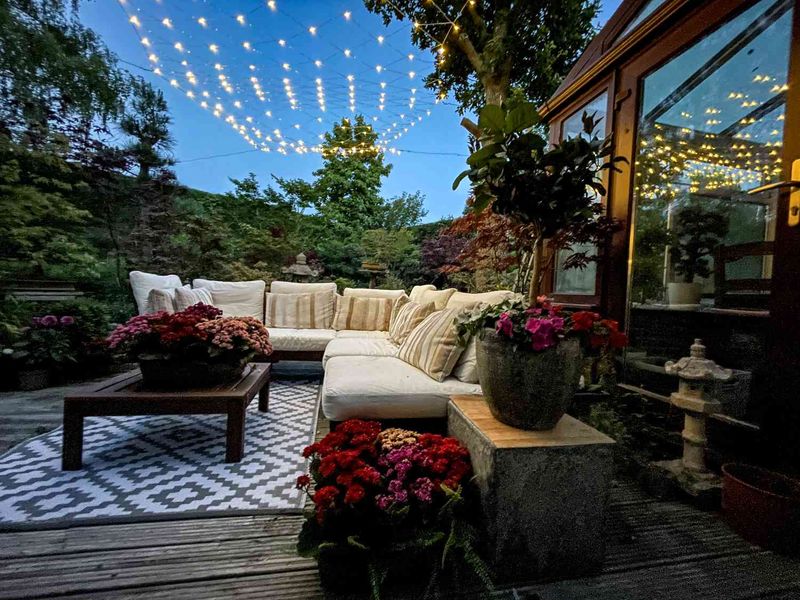
As darkness falls, magic happens in small yards with thoughtful lighting! String lights overhead create a ceiling that draws the eye upward, while pathway lights lead the gaze through the space, suggesting continuation beyond what’s visible.
Uplighting trees or architectural elements adds drama and dimension. By illuminating different zones and levels, you create depth perception that makes nighttime gatherings feel like they’re happening in a much larger space.
11. Scale Down Plant Selections
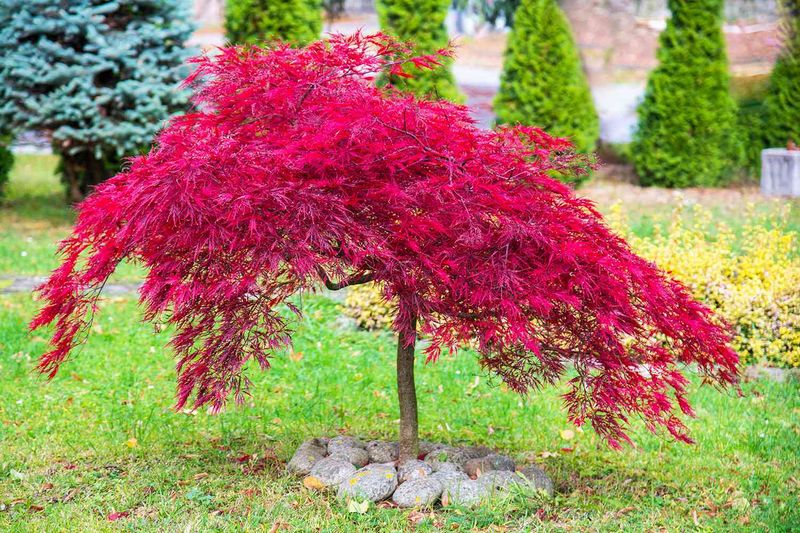
Massive plants in tiny yards create proportion problems faster than you can say “overcrowded”! Choosing dwarf varieties and compact species ensures your greenery complements rather than overwhelms your space.
Small-leaved plants like Japanese maples or dwarf conifers create a more proportional look than large-leafed varieties. These appropriately-scaled plants maintain the illusion of a properly proportioned landscape, making everything feel just right—and surprisingly spacious.
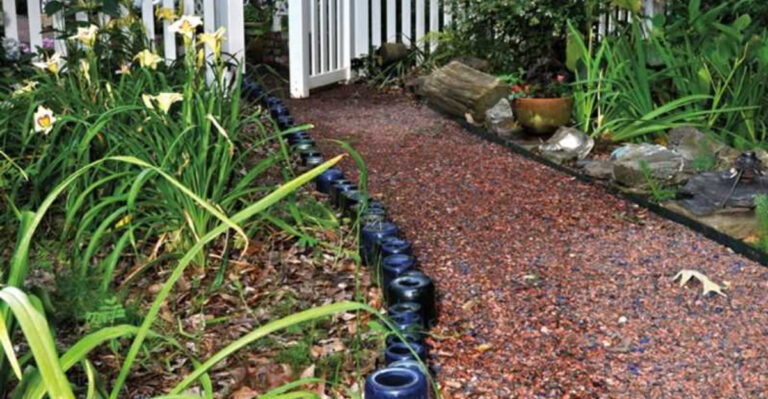
12. Add Curves to Pathways
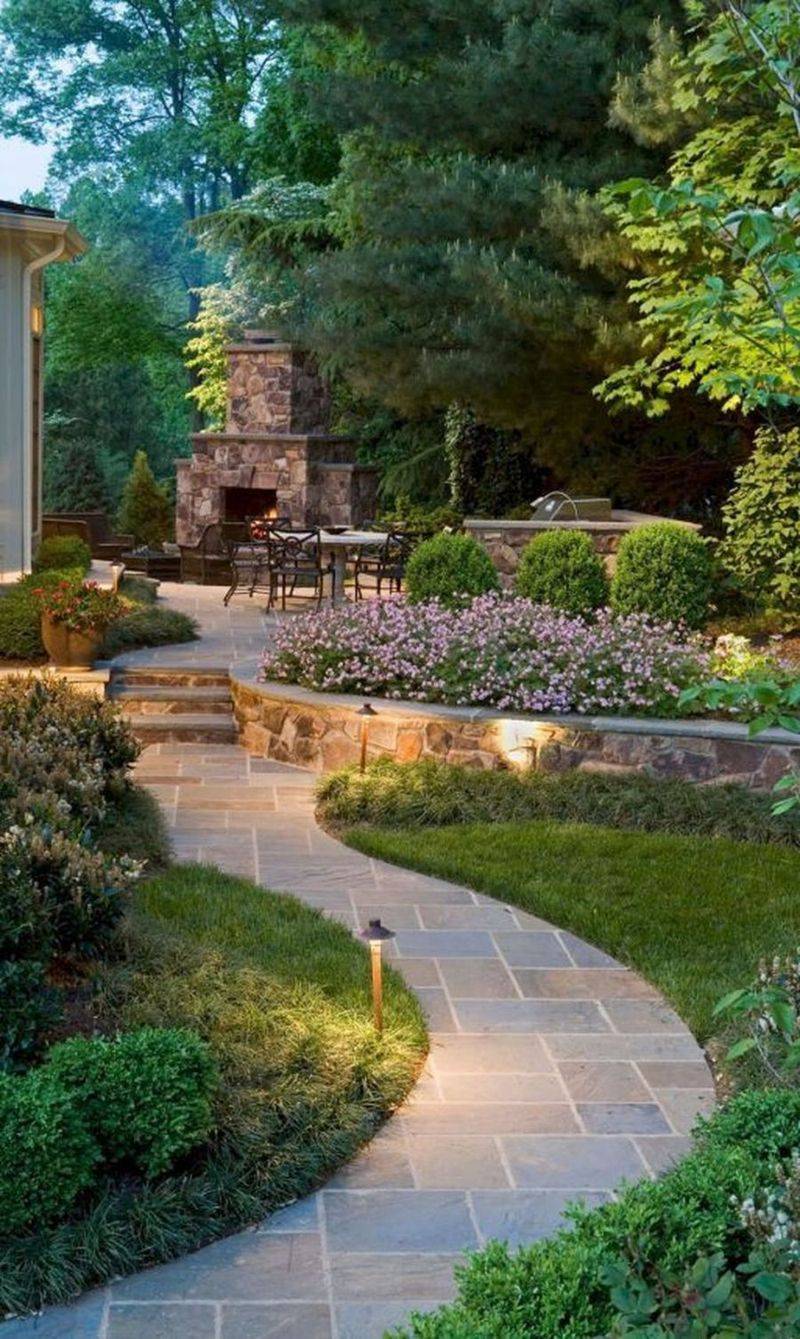
Straight lines reveal everything at once, but curves? They’re masters of mystery and space-expanding illusion! Gently winding pathways through your yard create a journey rather than a straight shot from point A to B.
When the entire space can’t be seen in one glance, it naturally feels larger. These curves slow down movement through the yard, allowing time to appreciate each section and creating the sense of a longer, more substantial outdoor experience.
13. Eliminate Visual Clutter
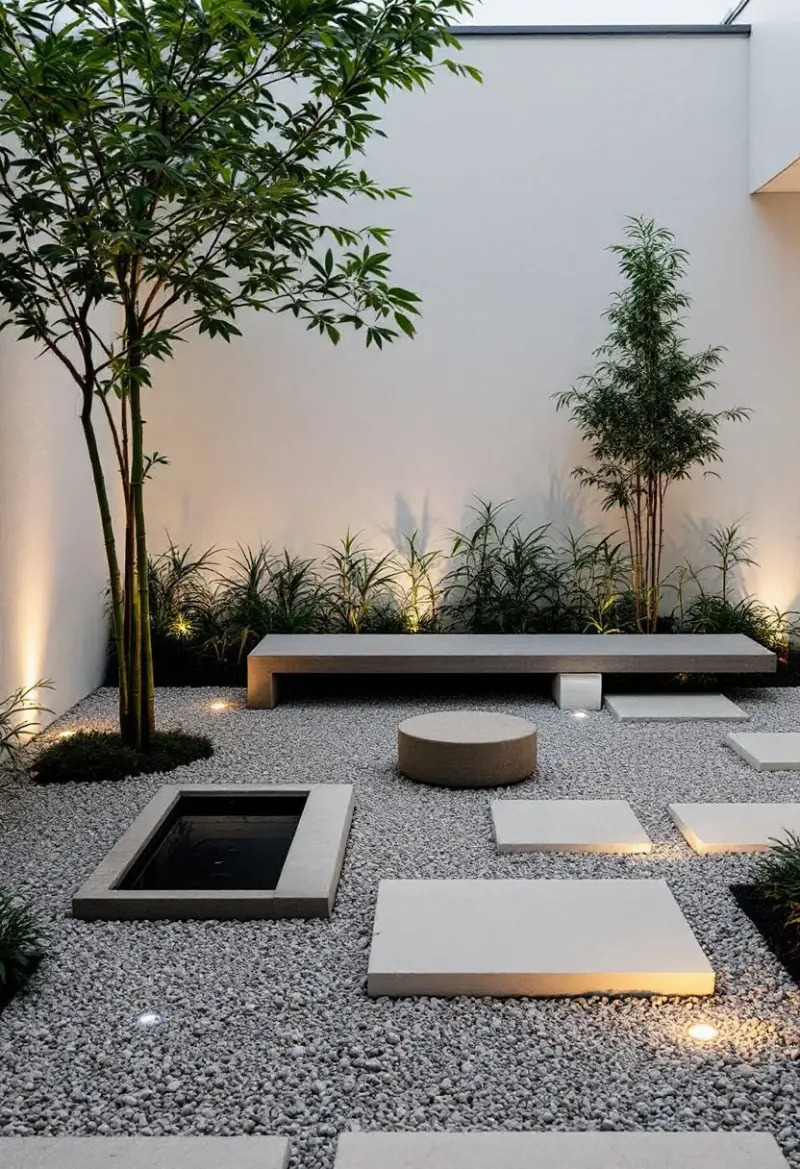
Simplicity is the secret weapon of small space design! Ruthlessly editing your backyard elements—from plant varieties to decorative objects—creates breathing room that makes everything feel more spacious.
Instead of fifteen different plant species, choose five that perform beautifully. Rather than scattered pots, group containers for impact. This restrained approach creates a cleaner visual field that appears more expansive and intentional than a space filled with competing elements.
14. Use Color Strategically
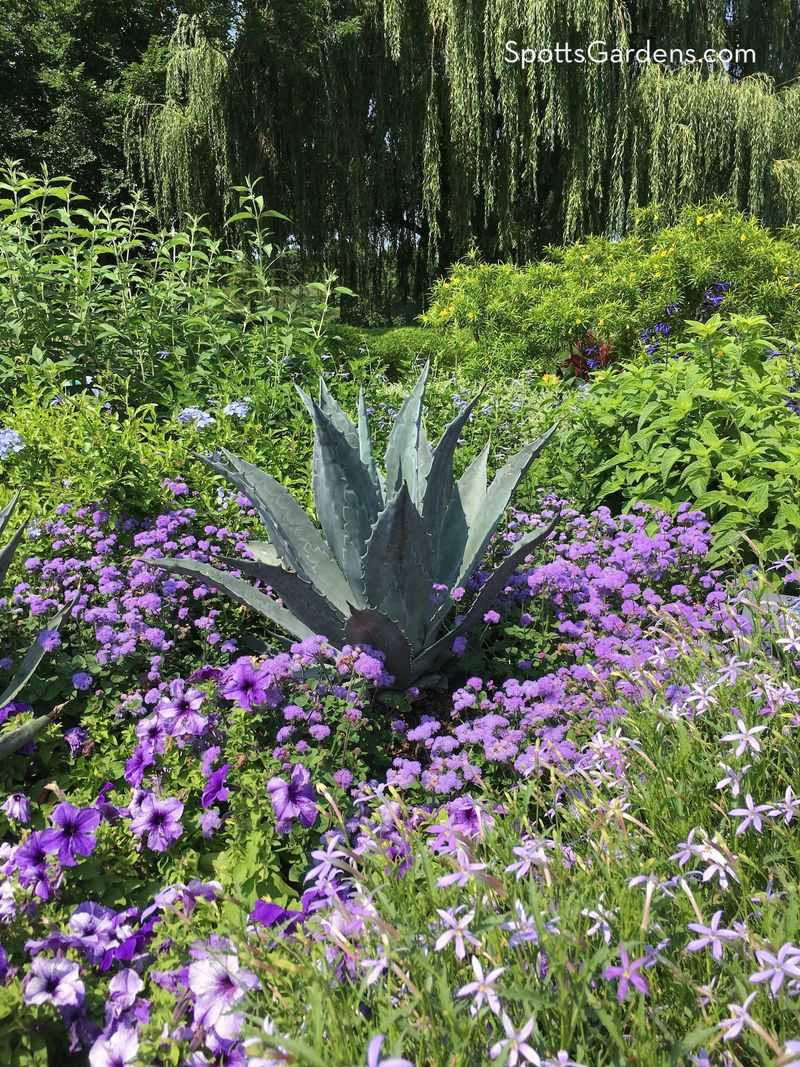
Colors play mind tricks with space perception, and savvy designers use this to full advantage! Cool colors like blues and purples recede visually, making boundaries appear farther away than they actually are.
Place these space-expanding hues at the edges of your yard through flowers, painted fences, or accessories. Save warm colors like reds and oranges for areas you want to highlight or bring forward, creating a layered depth that makes your yard feel like it extends much further.
15. Blur Indoor-Outdoor Boundaries
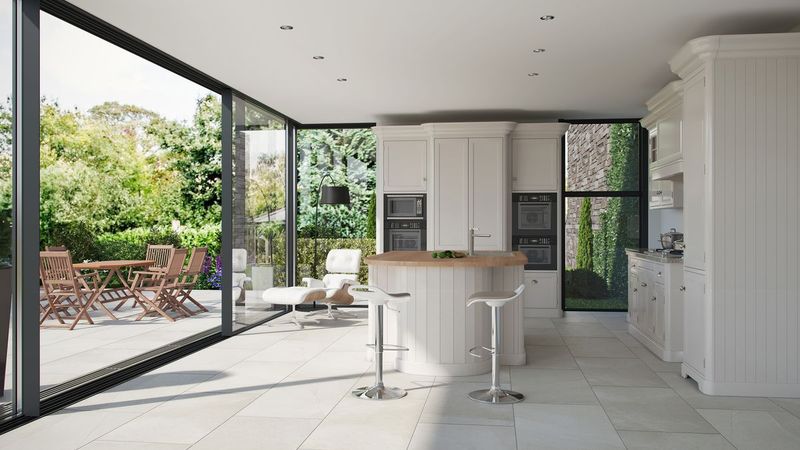
The ultimate space-expanding trick? Making your yard feel like an extension of your home! Large sliding doors, consistent flooring materials that flow from inside to out, and similar color schemes create a seamless transition.
When the eye travels uninterrupted from interior to exterior, both spaces benefit from the perceived connection. This visual continuity effectively “borrows” square footage from your home, making your outdoor area feel like part of a larger unified space.
16. Create an Outdoor Room
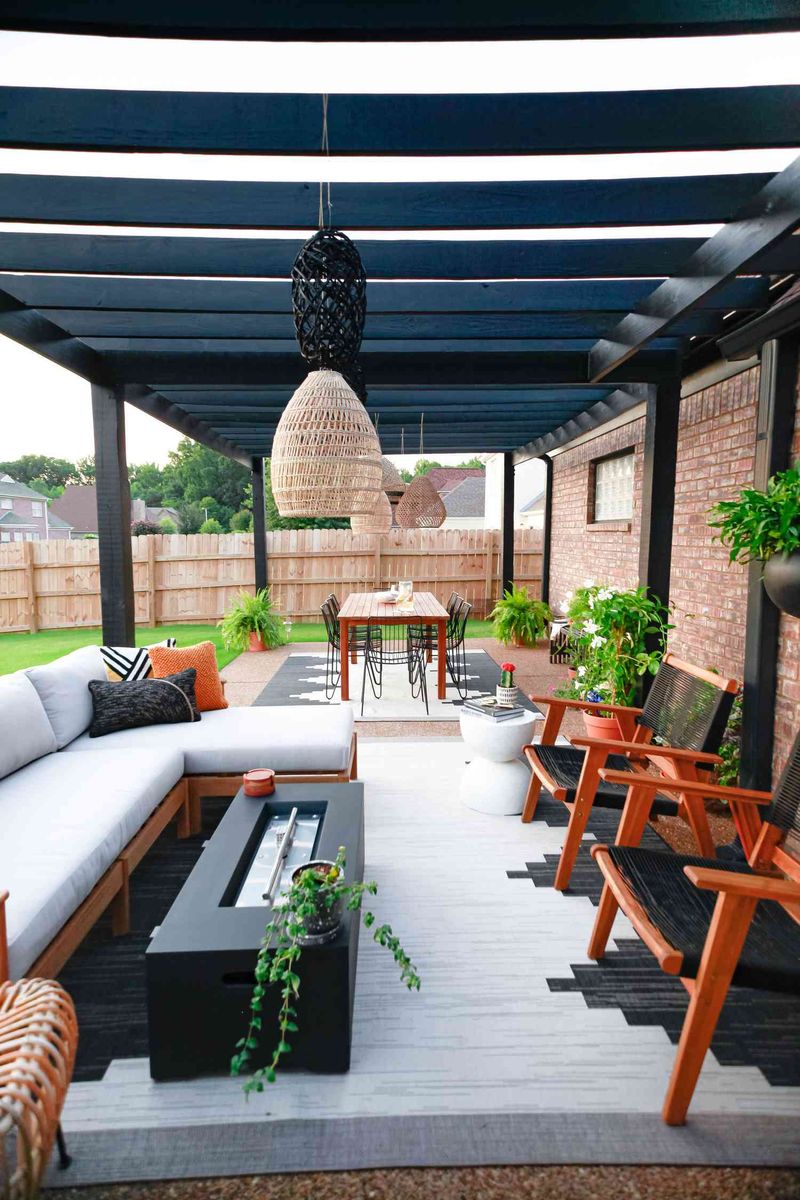
Counterintuitive but true: defining a space actually makes it feel larger! Adding an outdoor rug, overhead structure like a pergola, and proper furniture grouping creates a defined “room” with purpose.
This room-like arrangement gives the yard architectural definition that feels intentional rather than cramped. The psychological comfort of being in a well-defined space actually makes it feel more expansive than an undefined area, while the overhead element draws the eye upward, enhancing height perception.
17. Use Oversized Planters Sparingly
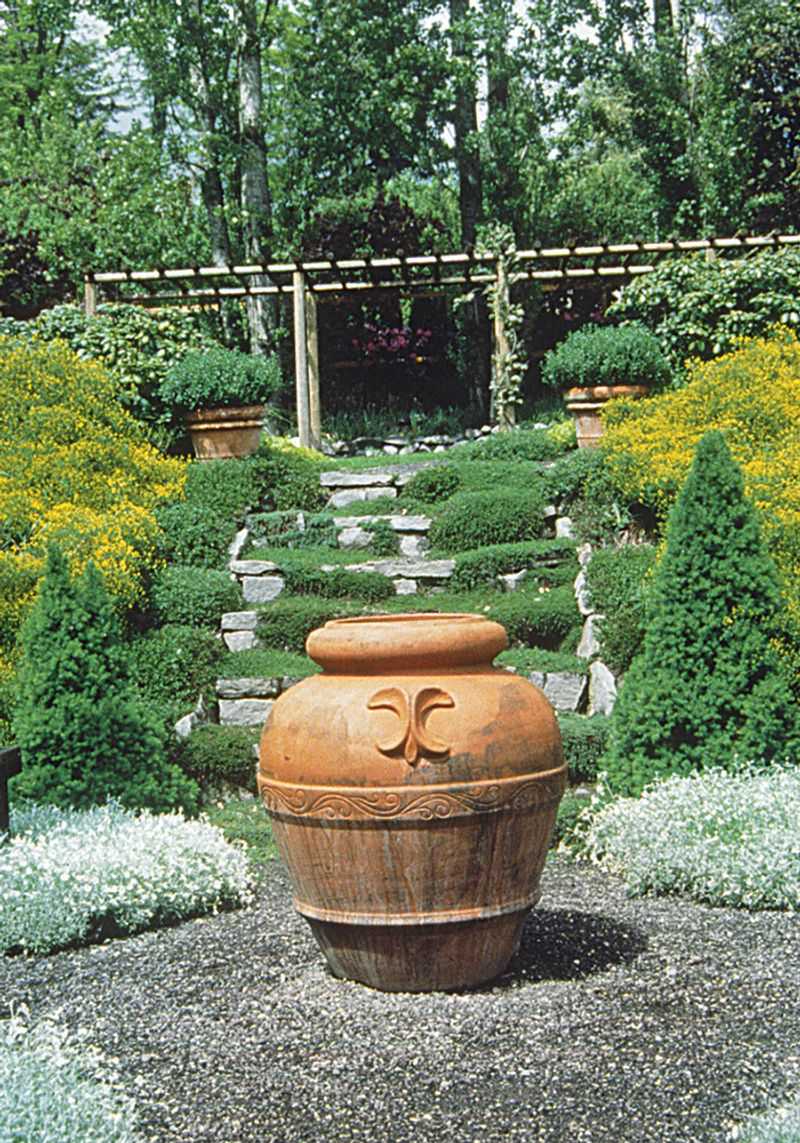
Counter to what you might expect, a few strategically placed large containers create more impact and space than many small pots! One dramatic oversized planter makes a statement without cluttering valuable floor space.
These substantial containers also add height variation, which creates visual interest and draws the eye upward. For maximum space-enhancing effect, place these statement pieces at the corners of your yard to frame the space and create anchor points that define the area.