10 Additions That Seem Smart But Make Buyers Lose Interest (With 5 Extra Ones To Never Do)
When selling your home, what seems like a cool upgrade might actually turn potential buyers away.
Many homeowners invest in additions they believe will boost their property’s value, only to discover these features become deal-breakers.
Understanding which renovations backfire can save you time, money, and heartache when it’s time to sell.
1. Sunken Living Rooms
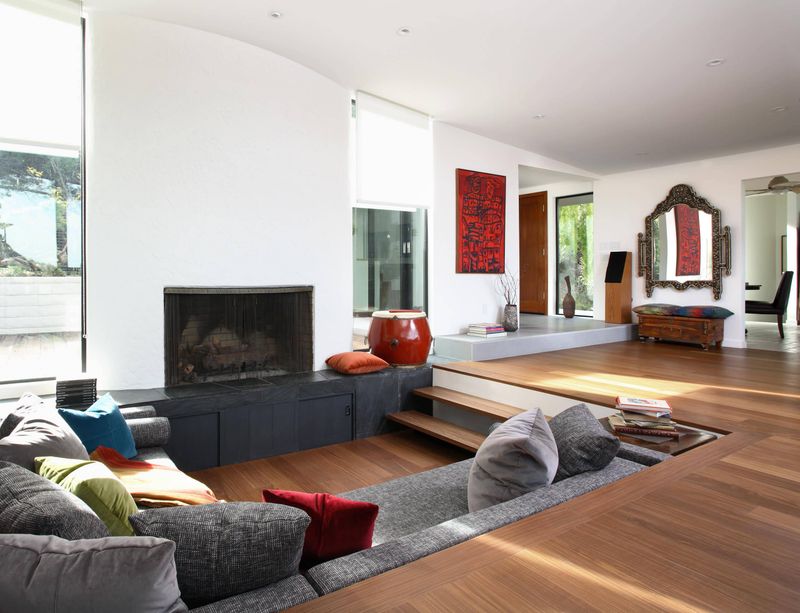
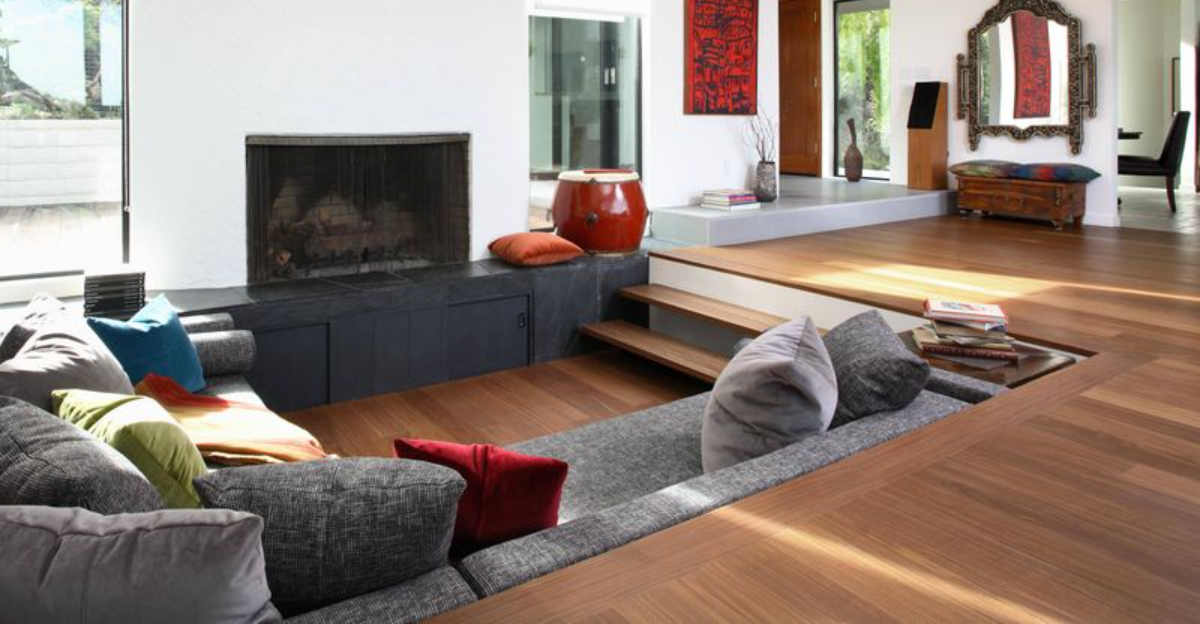
Once the height of 1970s sophistication, these conversation pits now make buyers see nothing but risk. The unexpected step down creates a genuine hazard for families with small children or elderly relatives.
Accessibility concerns aside, sunken spaces limit furniture arrangement options and often feel dated rather than charming. Many house hunters immediately calculate the cost of leveling the floor when they spot this architectural throwback.
2. Oversized Bathtubs
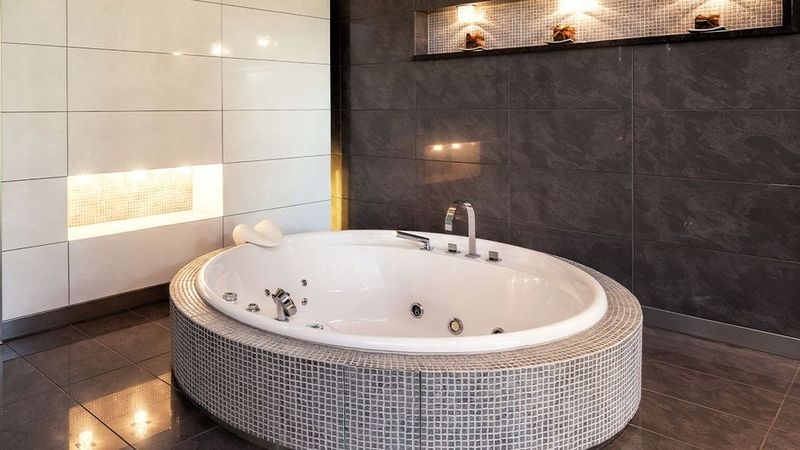
Remember when massive jacuzzi tubs were the ultimate luxury symbol? Today’s buyers wince at the sight of these water-guzzling giants. Not only do they consume excessive water and energy, but they also take up precious bathroom real estate.
Most families prefer spacious walk-in showers for daily use. Those enormous tubs often sit empty, collecting dust and reminding owners of their impractical water bills. Eco-conscious buyers particularly view them as wasteful relics.
3. Bold Accent Walls
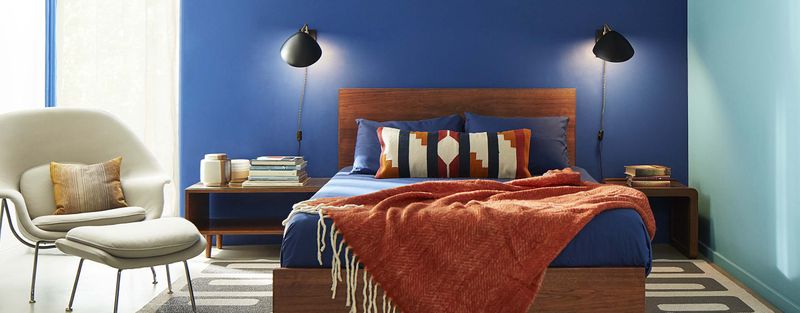
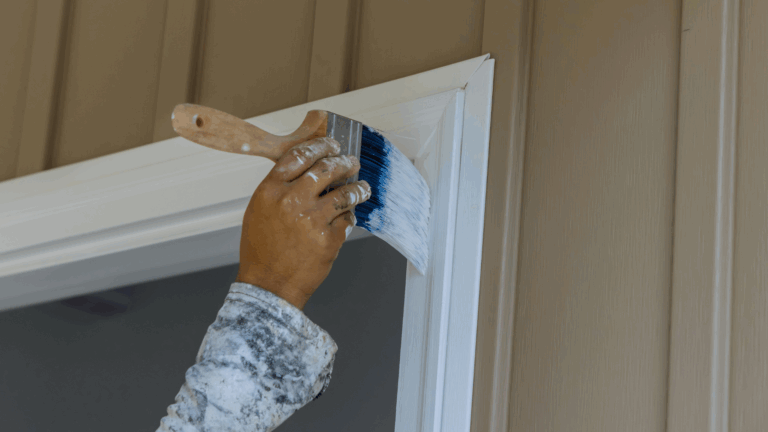
While that electric blue wall might perfectly express your personality, it forces buyers to add “repainting” to their mental to-do list. Strongly colored accent walls make spaces appear smaller and can clash with potential buyers’ existing furniture.
Real estate professionals consistently report that neutral colors sell homes faster. When buyers tour properties, they’re trying to envision their own lives there, not yours. Those vibrant purple or fire-engine red walls make that mental leap much harder.
4. Mirrored Ceilings
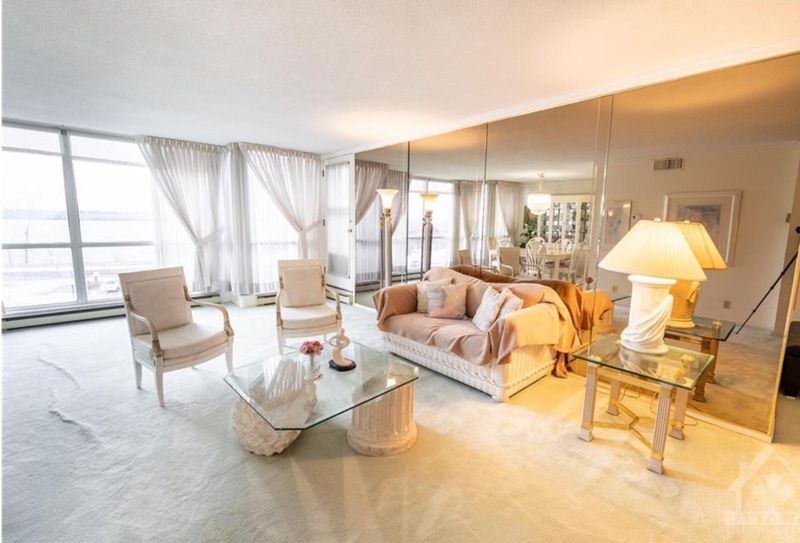
This dated design choice immediately makes buyers uncomfortable and raises questions about the home’s history. Even in master bedrooms, this feature comes across as tacky rather than luxurious.
Beyond the questionable aesthetics, mirrored ceilings are difficult and expensive to remove. The adhesives used often damage the underlying ceiling, requiring complete replacement. Most buyers mentally subtract thousands from their offer when they spot this disco-era leftover.
5. Themed Kids’ Rooms
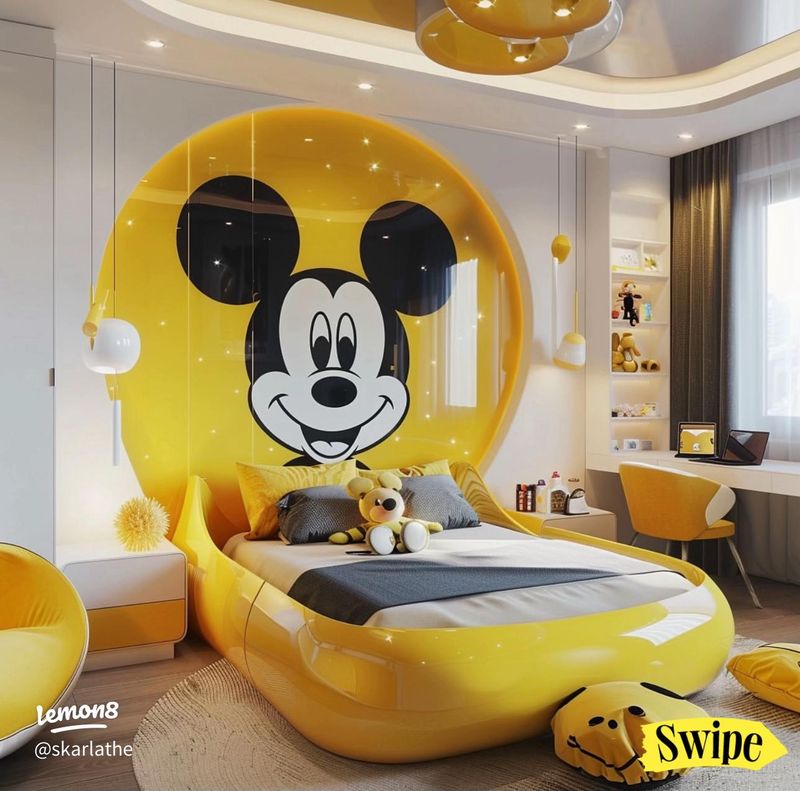
That elaborate princess castle or spaceship bedroom might thrill your child, but it makes potential buyers reach for their renovation calculator. Custom-built features like elevated beds, painted murals, or built-in themed elements represent hours of demolition work.
Young families touring your home want to imagine their own children’s personalities shaping those spaces. Heavy themes also date quickly—today’s dinosaur enthusiast becomes tomorrow’s video game fan. Buyers see themed rooms as projects rather than perks.
6. Elaborate Water Features
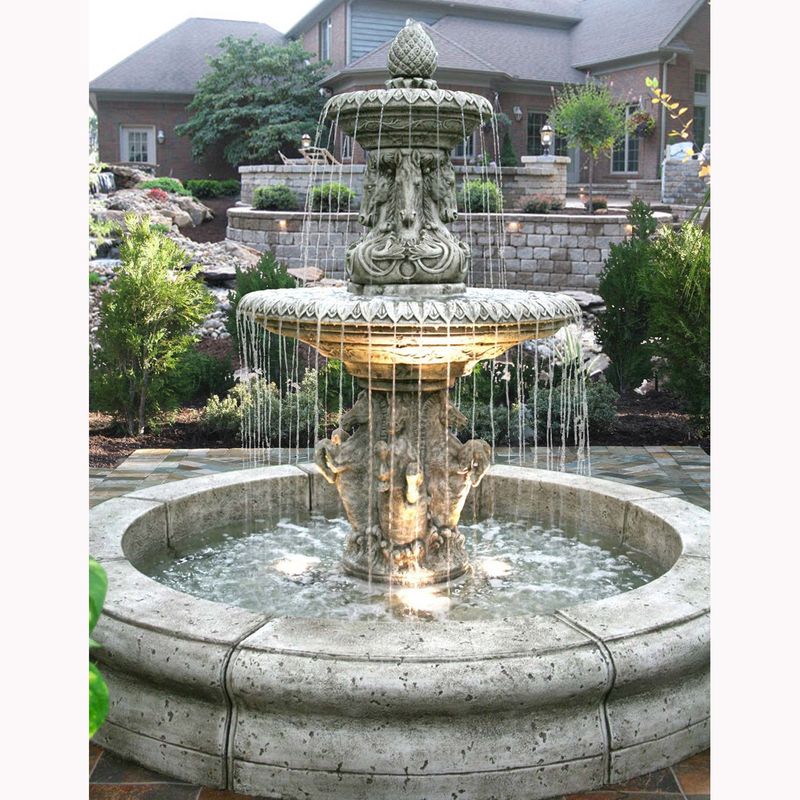
That indoor waterfall or koi pond might create zen vibes for you, but buyers see maintenance nightmares and water damage risks. Indoor water features require constant upkeep and can develop mold or moisture problems over time.
Outdoor water features fare no better in buyers’ eyes. Fountains, ponds, and waterfalls represent weekend maintenance and potential liability issues. Parents of young children particularly view these features as safety hazards rather than serene additions to the landscape.
7. Built-in Aquariums
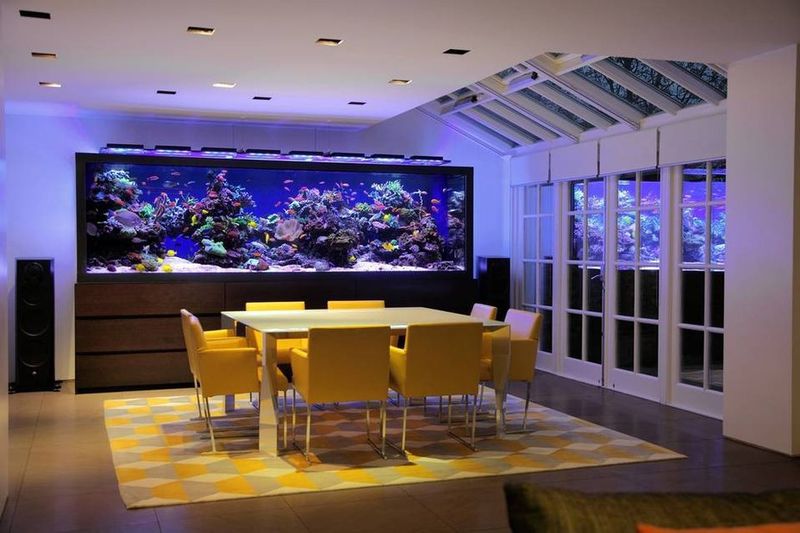
While swimming fish create a relaxing atmosphere, built-in aquariums make potential buyers nervous. These custom installations represent significant maintenance commitments and potential structural problems if they leak.
Removing a wall-embedded aquarium typically costs thousands and requires extensive repairs to surrounding areas. Even fish enthusiasts prefer to bring their own setup rather than inherit someone else’s vision. The specialized plumbing and electrical requirements further complicate matters for future renovations.
8. Excessive Wallpaper
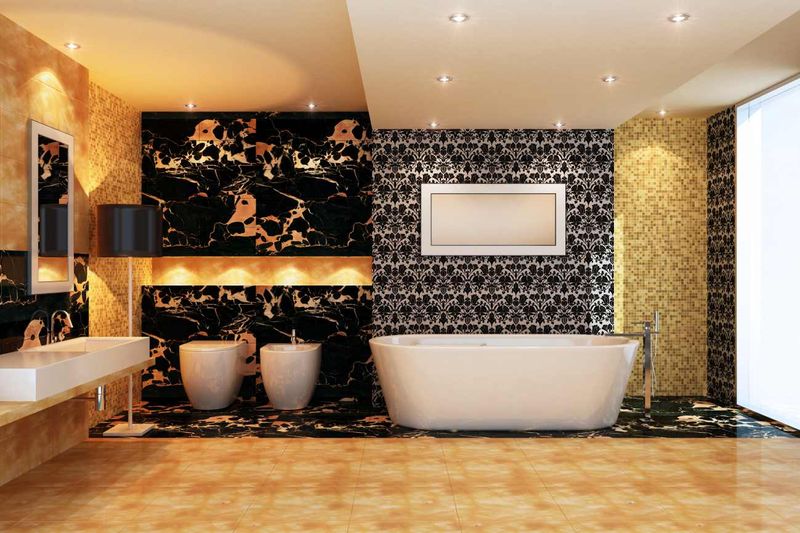
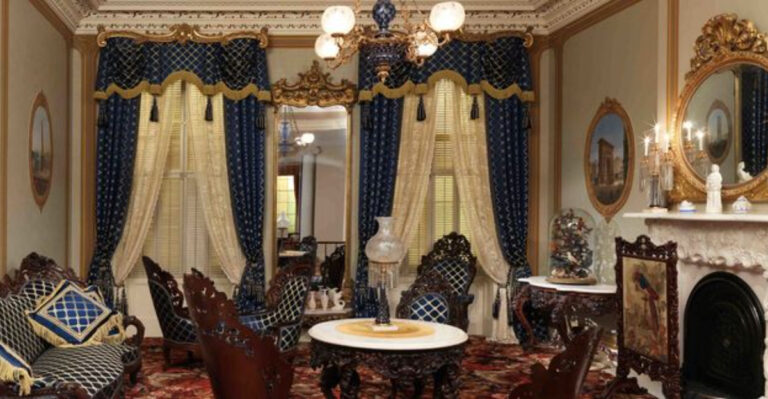
Walking into a home covered in busy patterns feels overwhelming to most buyers. While wallpaper has made a stylish comeback, extensive use throughout multiple rooms signals hours of steaming, scraping, and wall repair to potential purchasers.
Even modern, tasteful patterns remain highly personal choices. Real estate agents consistently report that heavily wallpapered homes take longer to sell. Buyers immediately add wallpaper removal costs to their mental renovation budget, often overestimating the actual expense and complexity.
9. Overly Personalized Decor

Family photos covering every wall and highly specific design choices make it difficult for buyers to envision themselves living in your space. Customizations that reflect your unique personality often represent removal projects for potential purchasers.
Custom-built features designed around specific hobbies or interests rarely appeal to the broader market. Whether it’s a climbing wall in the living room or a brewing station in the kitchen, buyers see these personalized elements as obstacles rather than amenities.
10. Brightly Colored Cabinetry
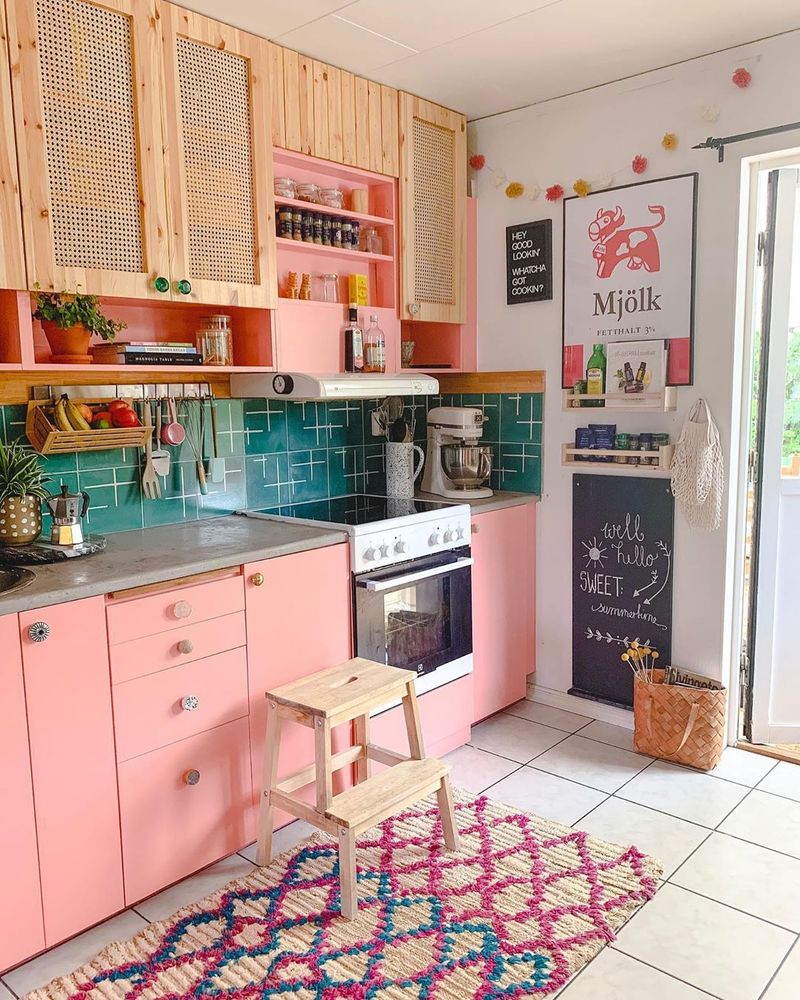
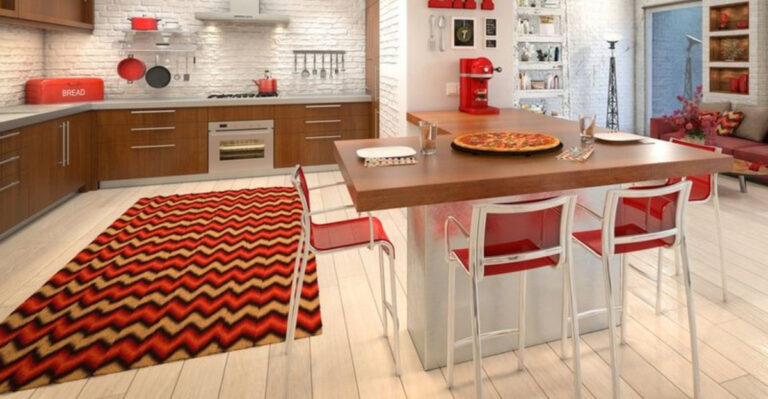
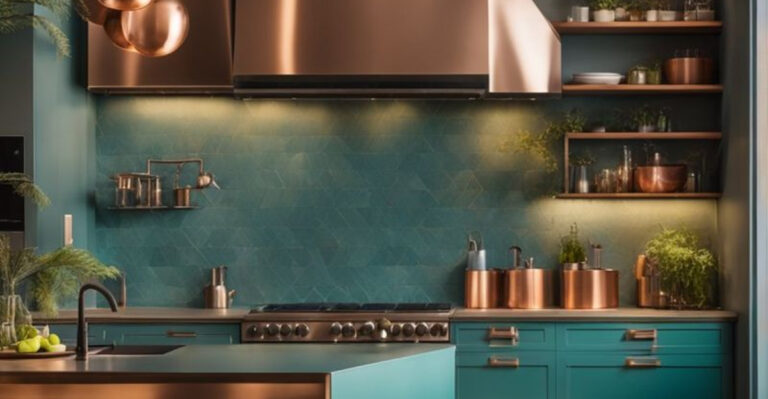
Kitchen trends change rapidly, and those fire-engine red or cobalt blue cabinets that seemed so cutting-edge a few years ago now scream “expensive to replace” to potential buyers. Cabinet refinishing or replacement represents a major kitchen renovation expense.
Neutral kitchens consistently appeal to the broadest range of buyers. While you might love your emerald green kitchen cabinets, house hunters see them as an immediate project. Many buyers will reduce their offer by more than the actual replacement cost due to the perceived hassle.
1. Outdated Intercom Systems
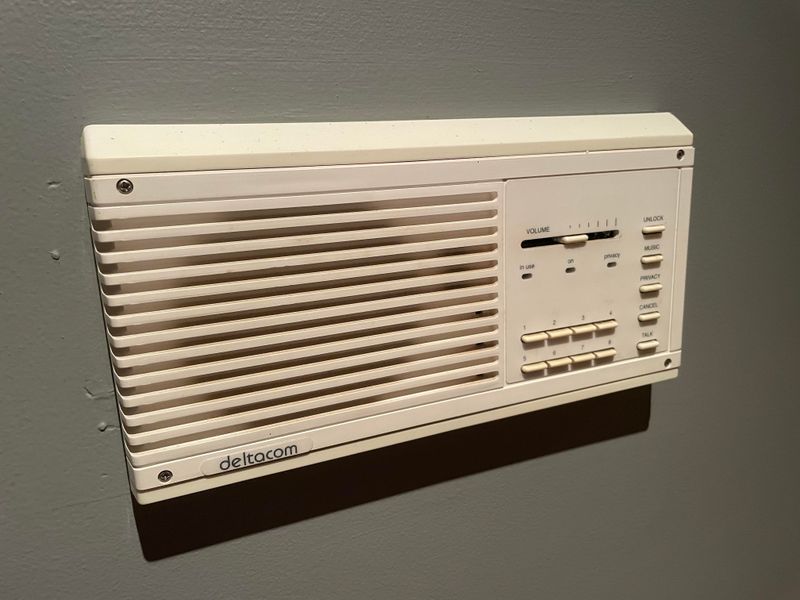
Those wall-mounted intercoms from the 1980s and 90s now look like technological dinosaurs in the age of smart homes. Modern buyers expect wireless solutions that don’t involve punching holes in walls or running dedicated wiring.
Outdated technology actually makes your home seem less advanced than one with no technology at all. The presence of obsolete systems suggests other home systems might also be behind the times. Removal often leaves unsightly wall patches that require additional work.
2. Converted Garages
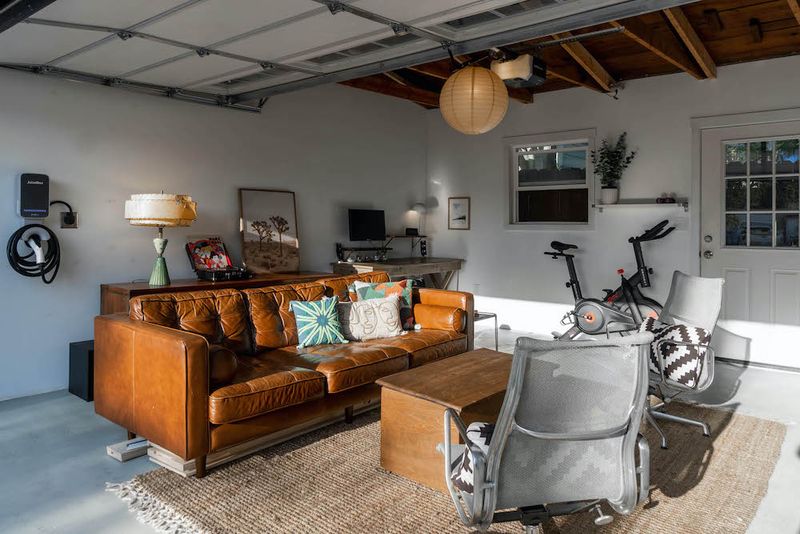
Transforming your garage into a bonus room might seem like gaining extra square footage, but potential buyers often see it as losing valuable parking and storage space. Where will they park during snowstorms or store their holiday decorations?
Many municipalities don’t permit street parking overnight, making a garage essential. Even well-executed conversions typically lack proper insulation and often feel like exactly what they are—garages with drywall. The conversion cost rarely returns in resale value.
3. Too Many Built-Ins
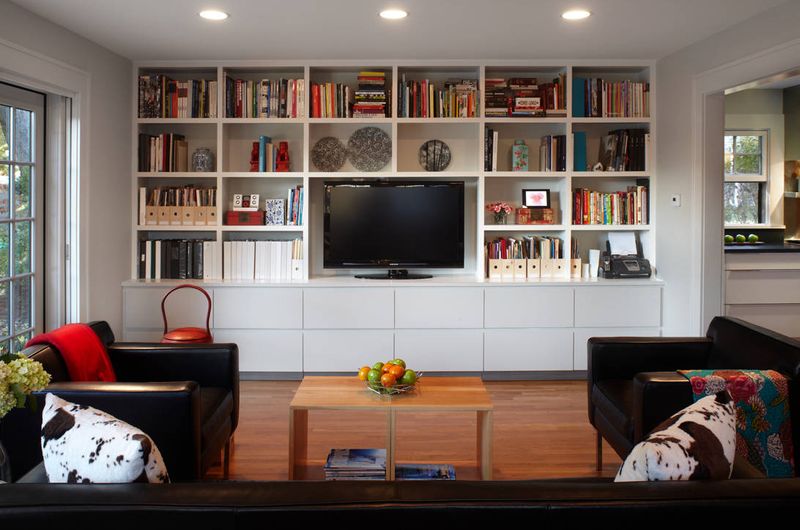
While well-designed storage solutions add value, excessive built-ins actually limit how buyers can use spaces. Custom bookcases, entertainment centers, and cabinets designed for your specific needs rarely align perfectly with new owners’ requirements.
Rooms filled with immovable storage features feel smaller and less adaptable. Modern buyers value flexibility in their living spaces. Those permanent fixtures that seemed so convenient to you often represent demolition projects to potential purchasers who have different furniture or lifestyle needs.
4. Over-the-Top Landscaping

Elaborate gardens with high-maintenance plants or complex water features can actually detract from your home’s appeal. Buyers often envision themselves spending weekends relaxing, not pruning exotic plants or maintaining koi ponds.
Excessive landscaping that requires specialized knowledge or significant upkeep represents an ongoing time and financial commitment. Properties with simpler, attractive landscaping typically sell faster. Many buyers would rather add their own touches gradually than inherit someone else’s botanical passion project.
5. Home Theaters in Small Houses
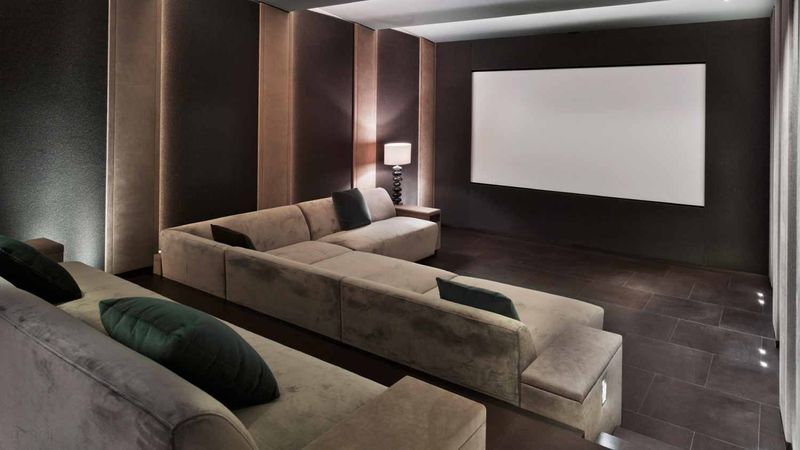
Dedicating precious square footage to a single-purpose room in a modest-sized home makes buyers question priorities. In properties under 2,500 square feet, a dedicated theater room often feels like wasted space that could serve multiple functions.
Young families typically prefer flexible spaces that can evolve with their changing needs. The specialized lighting, sound-proofing, and built-in seating that make a great theater room also make it difficult to repurpose. Most buyers would rather have an extra bedroom or home office.