
15 Upgrades Pros Would Always Skip For Their Bathrooms, Even Though They’re Popular
Renovating a bathroom can be exciting, but not all trendy upgrades are worth the investment.
Professional designers and contractors have seen their fair share of regrettable bathroom choices that homeowners later wish they’d avoided.
Before you spend your hard-earned money on that flashy bathroom trend you spotted online, check out these popular upgrades that professionals typically recommend skipping.
1. Rainfall Shower Heads
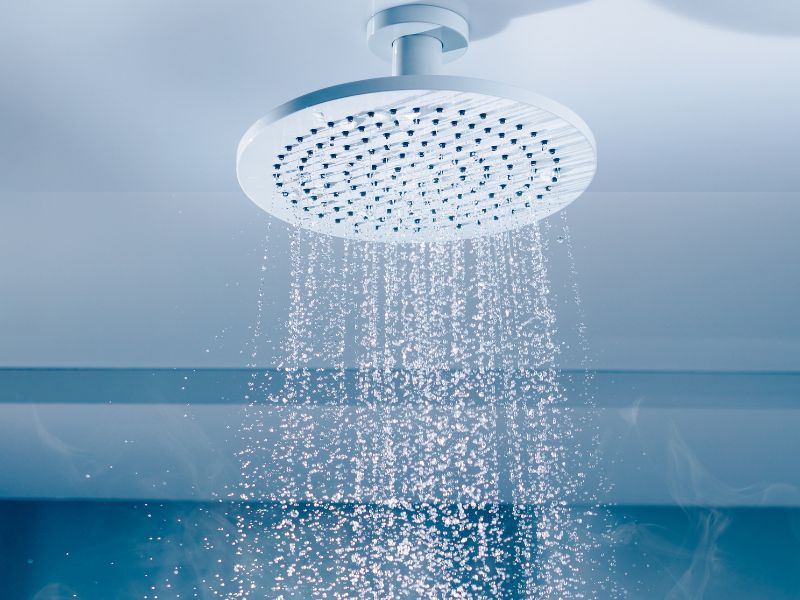
While they create a spa-like experience, rainfall shower heads often disappoint in real-world use. Many homeowners discover the water pressure isn’t strong enough for a satisfying shower, especially when washing thick hair.
Installation requires special ceiling plumbing that significantly increases costs. Plus, you can’t adjust the angle like traditional shower heads, making simple tasks like rinsing specific body parts or avoiding getting your hair wet much more difficult.
2. Vessel Sinks
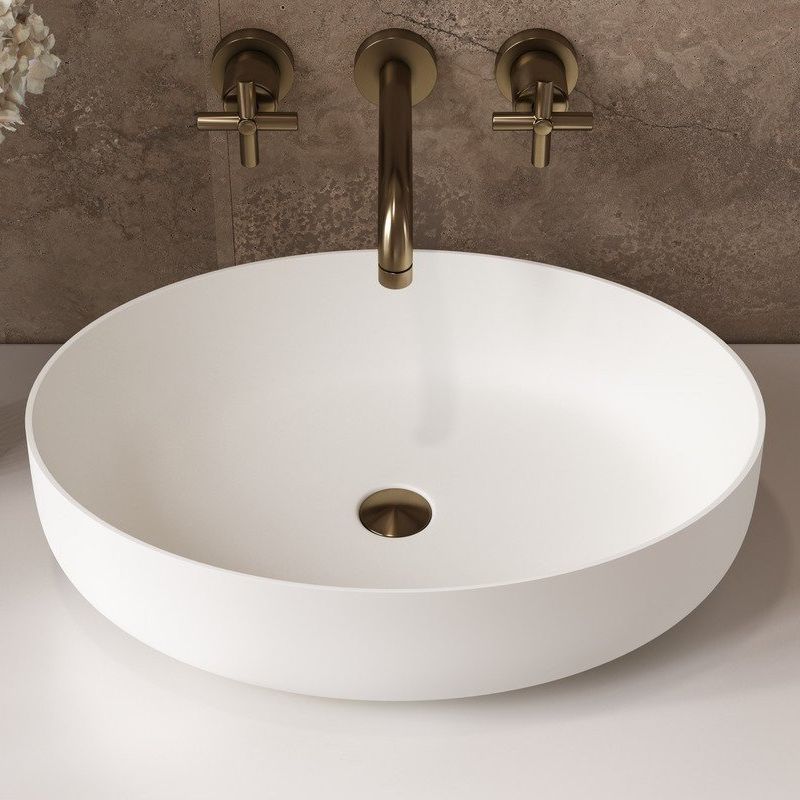
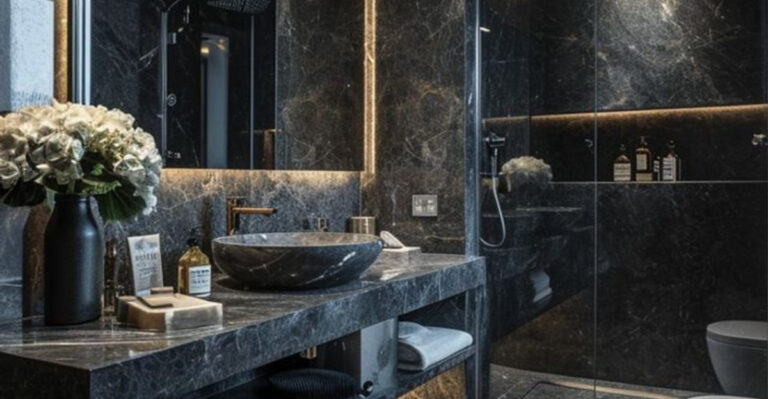
Imagine trying to brush your teeth while water splashes everywhere! Vessel sinks sit atop counters like decorative bowls, creating annoying splash zones and awkward heights for everyday use.
Cleaning becomes a nightmare as grime builds up around the base where the sink meets the counter. Their shallow designs often lead to water pooling issues. Despite their eye-catching appearance in magazines, most professionals advise clients to choose more practical undermount options instead.
3. Jetted Tubs
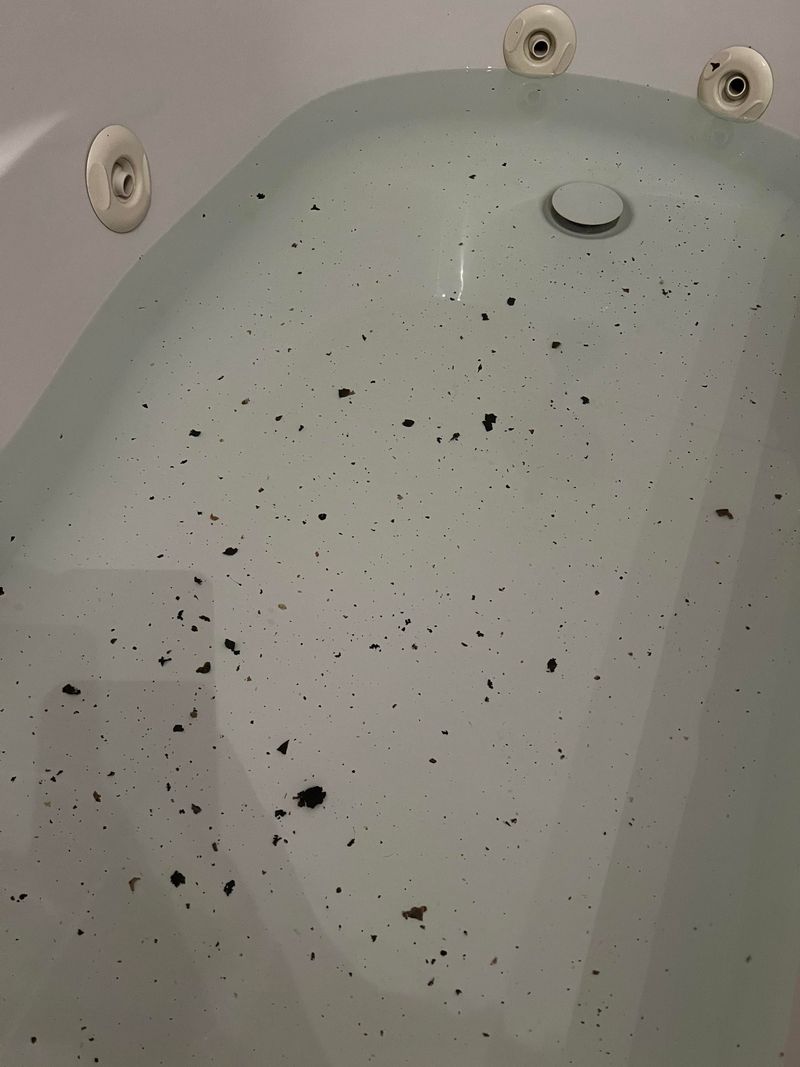
Nobody talks about the maintenance nightmare that comes with those fancy jets! When not used regularly, jetted tubs develop disgusting biofilm inside the pipes that can spray out next time you use them.
The cleaning process is tedious, requiring special solutions run through the system monthly. Many homeowners find they rarely use the jets after the novelty wears off. Meanwhile, they’re stuck with higher water bills, longer fill times, and the constant hum of motors.
4. All-White Everything
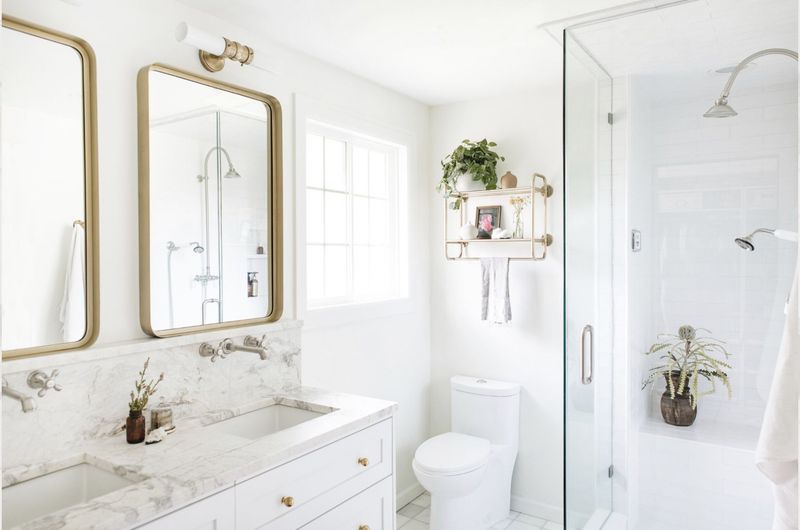
Sure, that pristine all-white bathroom looks stunning in professional photos! Unfortunately, in real life, it transforms into a cleaning nightmare faster than you can say “toothpaste splatter.” Every water spot, makeup smudge, and speck of dust becomes glaringly obvious against the stark backdrop.
Maintaining that magazine-worthy appearance requires nearly constant cleaning. Many professionals recommend incorporating some warmer tones or patterns that help disguise everyday mess instead.
5. Digital Shower Controls
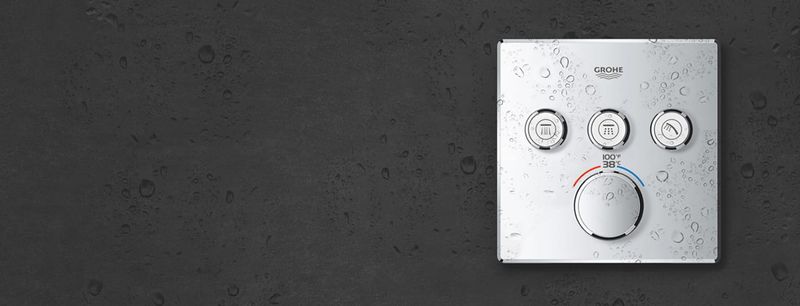
Fancy digital controls with temperature presets and multiple spray patterns seem futuristic until the power goes out! Without electricity, many systems won’t function at all, leaving you unable to shower during outages.
When technical problems arise, you’ll need specialized technicians rather than a regular plumber. Replacement parts often cost a fortune compared to standard fixtures. Smart bathroom technology advances quickly, making today’s expensive system potentially obsolete within a few years.
6. Bathroom Televisions
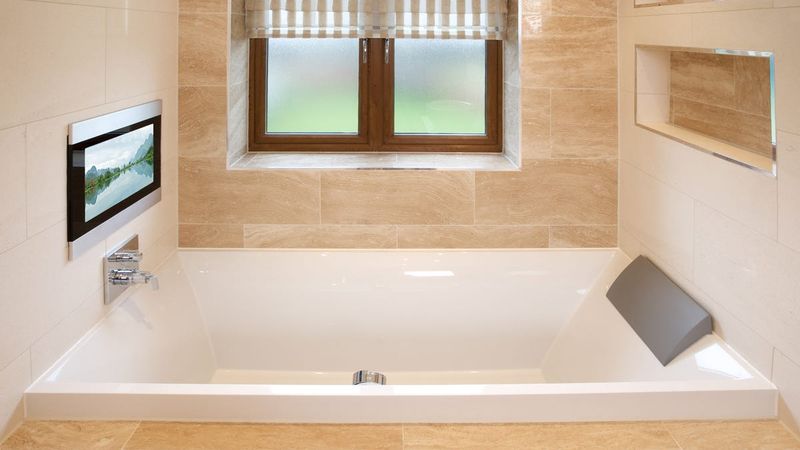
Having a TV while soaking in the tub sounds luxurious until you consider the practical issues. Steam and moisture are electronics’ worst enemies, causing premature failure even in “waterproof” models.
Special waterproof TVs cost significantly more than regular ones yet typically offer lower picture quality. Most homeowners find their bathroom TV usage drops dramatically after the novelty wears off, making it an expensive dust collector.
7. Doorless Showers
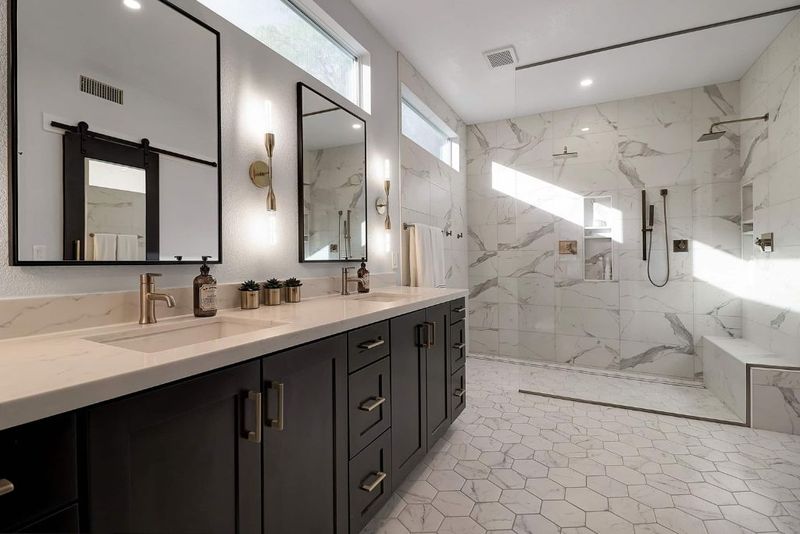
Walking straight into a shower without opening a door feels luxuriously open until water starts splashing everywhere! Without proper space planning and slope design, doorless showers create perpetually wet bathroom floors.
Cold air flows freely into the shower area, making for chilly bathing experiences in cooler months. These open designs require significantly more square footage to function properly than traditional enclosed showers.
8. Trendy Patterned Tile
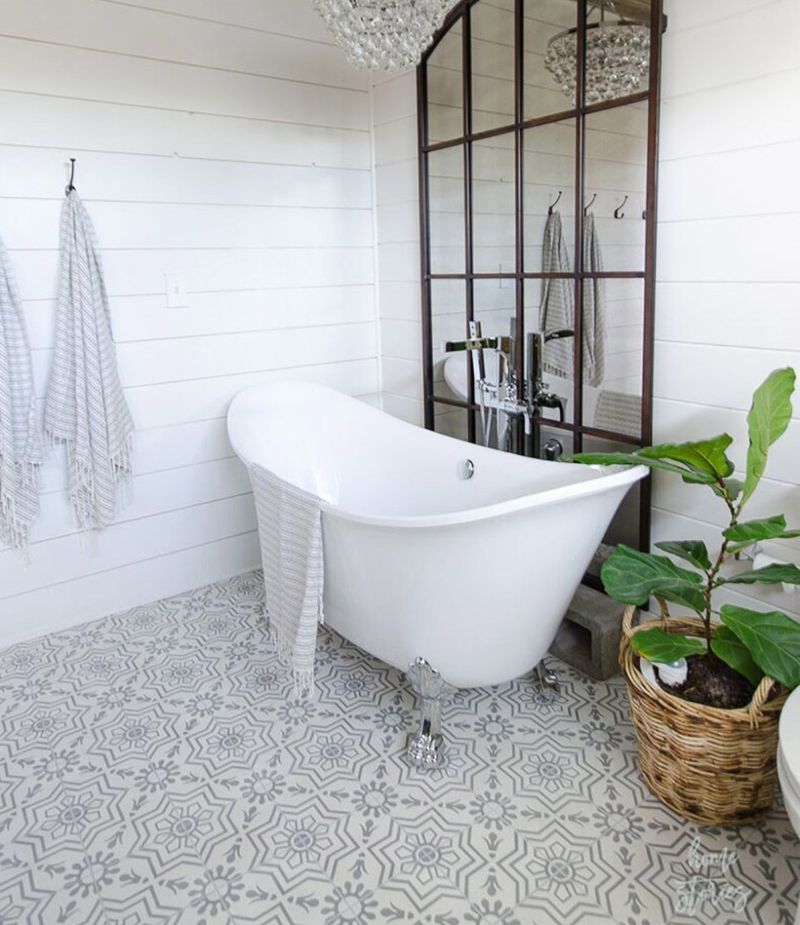
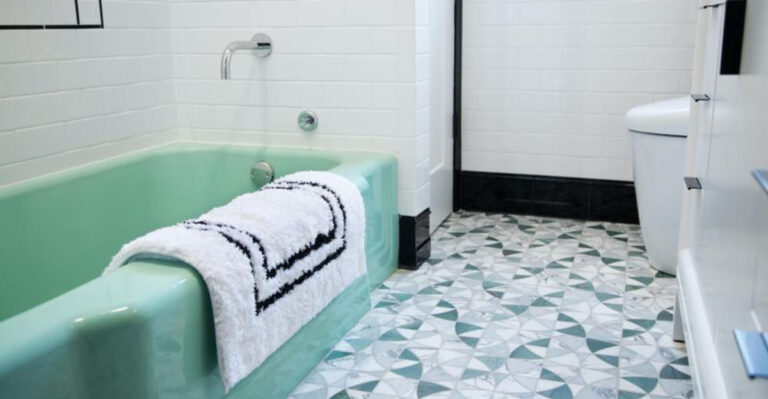
Those bold geometric floor tiles making waves on social media might seem irresistible today, but professionals know they’re tomorrow’s dated look. Remember avocado green bathroom fixtures from the 70s? That’s how today’s trendy patterns will appear in a decade.
Replacing tile is incredibly labor-intensive and expensive. Instead of committing to statement floors or walls, pros suggest using easily changeable elements like shower curtains or towels for introducing trendy patterns and colors.
9. Oversized Bathtubs
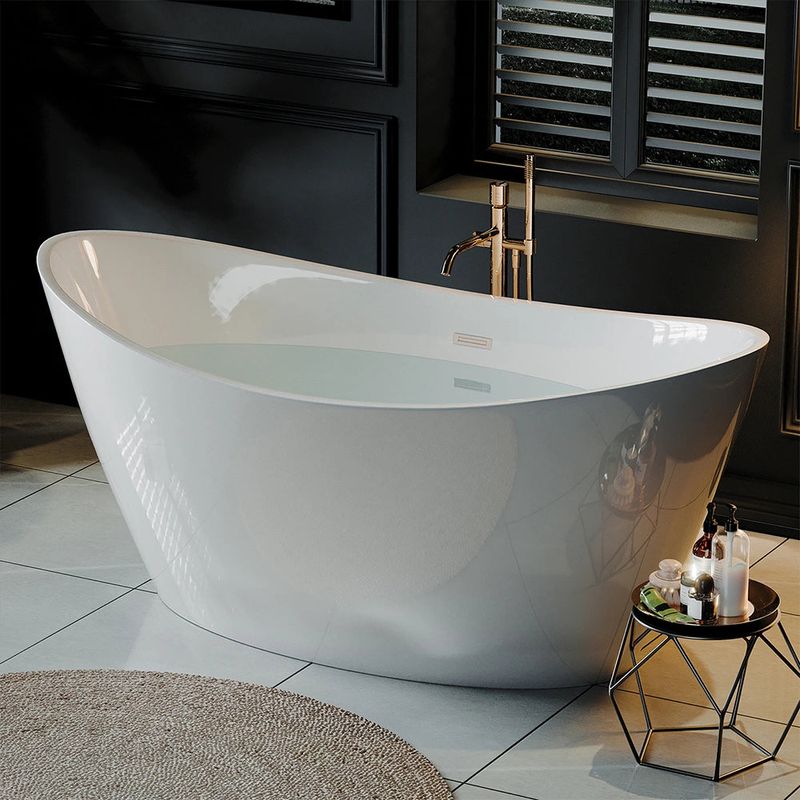
Daydreaming about soaking in a massive tub might cloud your judgment during renovations. Those dramatic freestanding soakers require enormous amounts of hot water that many standard water heaters can’t provide in one go.
Filling these giants takes forever and depletes hot water for other household needs. The weight when filled can exceed what some floor structures safely support without additional reinforcement.
10. Chandelier Lighting
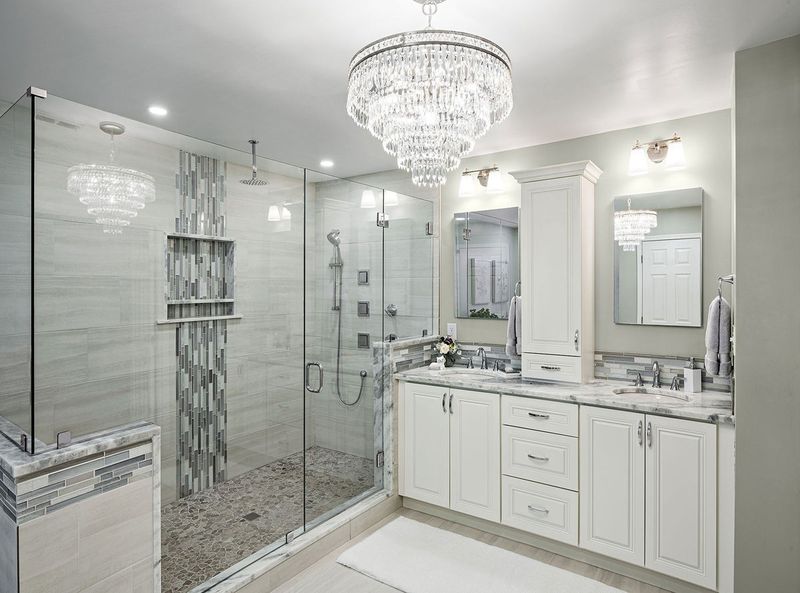
Hanging a glittering chandelier above your tub creates instant drama but poses serious safety concerns. Building codes in most areas prohibit hanging fixtures directly over wet areas due to electrocution risks.
Cleaning becomes a tedious chore as steam and bathroom products create a sticky film on all those crystal pieces. The moisture-rich environment causes metal components to corrode much faster than in other rooms.
11. Glass Shower Doors Without Proper Treatment
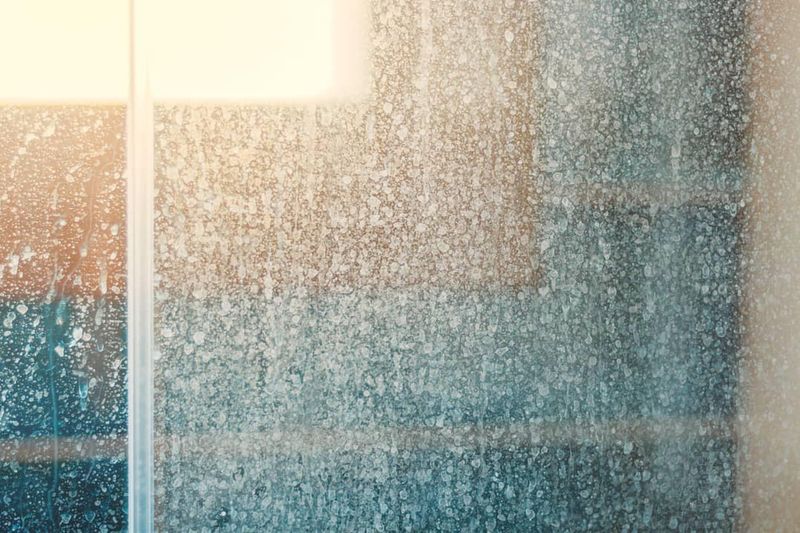
Crystal-clear glass doors showcase beautiful shower tile until the first shower, when water spots and soap scum begin their relentless assault! Without factory-applied protective treatments, keeping glass doors spotless becomes a daily battle.
Even with religious post-shower squeegee use, mineral deposits eventually build up. Professionals often recommend either factory-treated glass with water-repellent coatings or high-quality shower curtains that can be easily replaced when they lose their luster.
12. Exposed Plumbing Fixtures
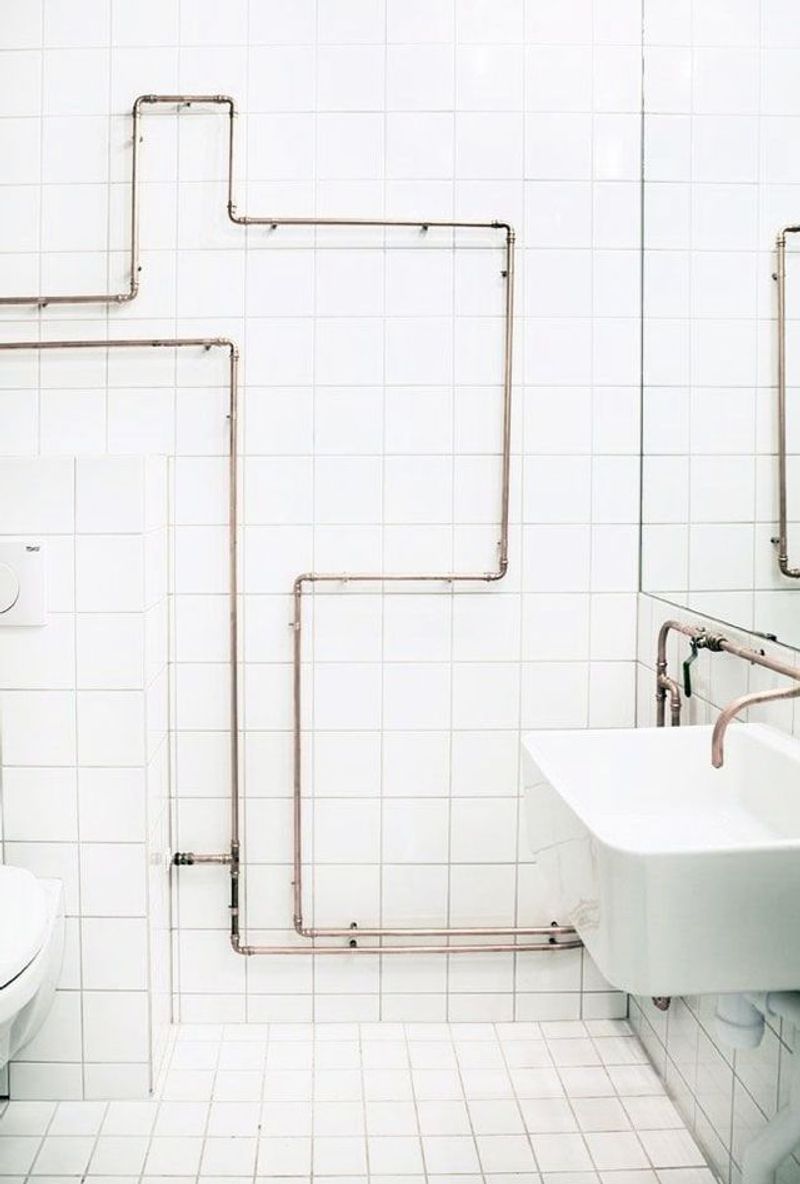
Industrial-chic exposed pipes and fixtures make a bold statement, but living with them quickly reveals practical drawbacks. Those stylish exposed components collect dust in hard-to-reach places and require regular cleaning to maintain their appearance.
In cold climates, exposed pipes are more vulnerable to freezing without the insulation of wall cavities. Metal surfaces show water spots constantly, requiring frequent polishing.
13. Wooden Vanity Tops
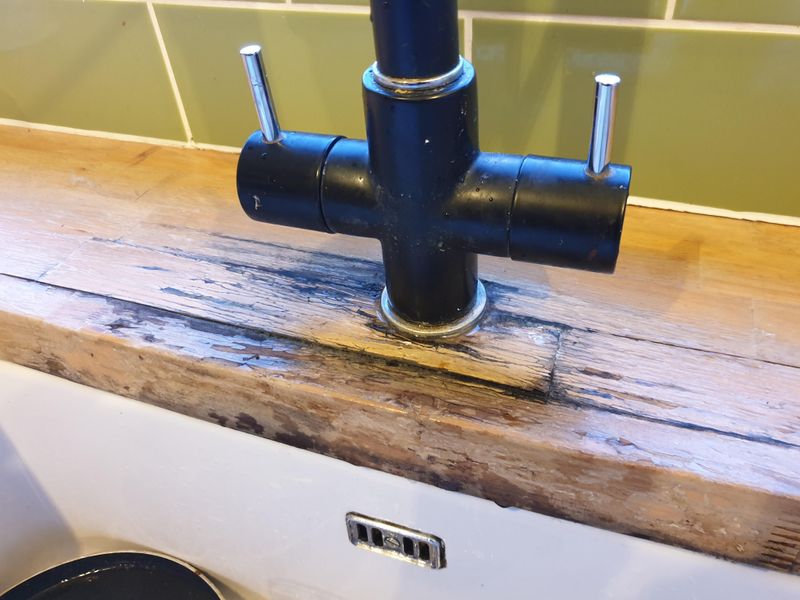
Warm wooden countertops bring natural beauty to bathrooms but quickly deteriorate in such a moisture-rich environment. Even with proper sealing, wood remains vulnerable to water damage around sink areas. The constant resealing required becomes a maintenance burden many homeowners eventually neglect.
When water inevitably penetrates the protective coating, the wood warps, stains, and can develop mold. Professionals typically recommend stone, quartz, or solid surface materials that better withstand bathroom conditions while still offering aesthetic appeal.
14. Dimmer Switches Without Proper Ventilation
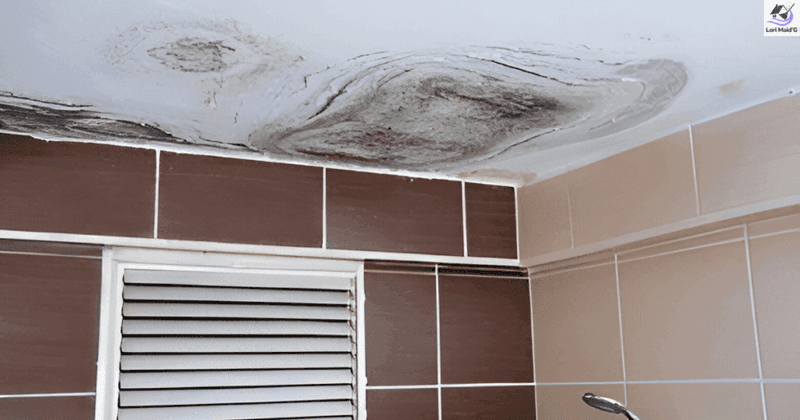
Setting the perfect mood lighting sounds romantic until you step out of the shower into a foggy, humid room! Dimmers often replace ventilation fans in bathroom renovations focused more on aesthetics than functionality.
Without proper air circulation, moisture accumulates on surfaces, eventually leading to mold and mildew problems. Paint peels faster, metal fixtures corrode, and wood elements swell.
15. Multiple Shower Heads
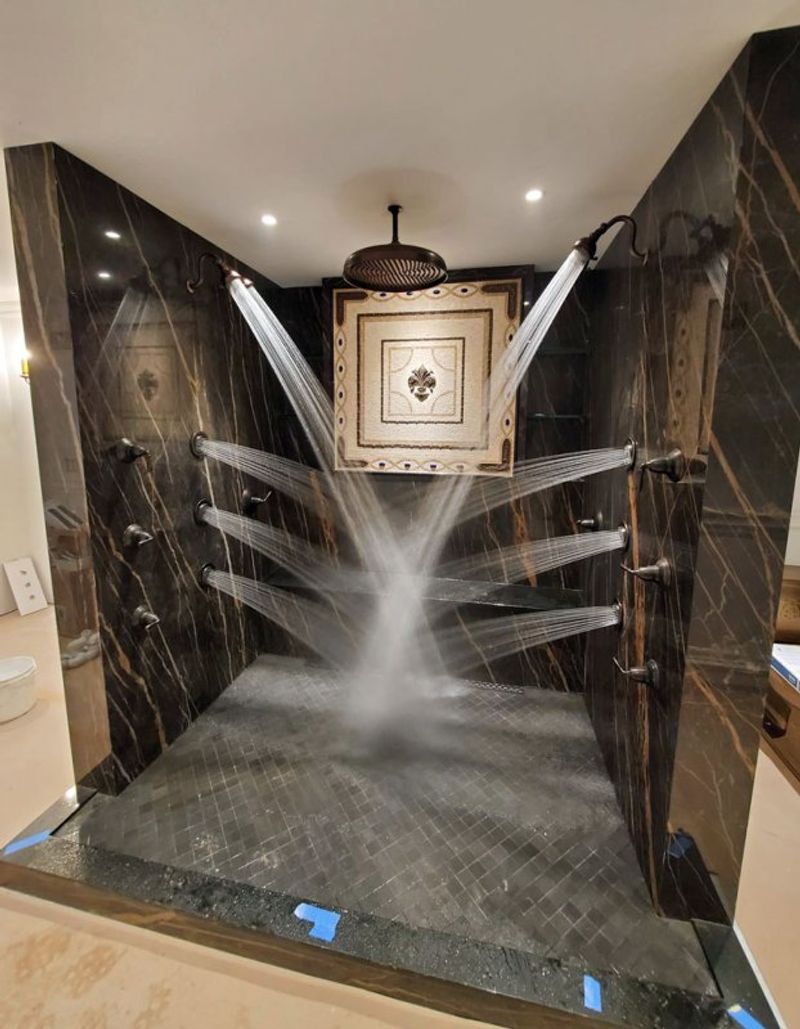
Creating a shower system with body sprays hitting you from every angle seems luxurious until you consider the water consumption. These setups often require upgraded water heaters and pressure systems to function properly.
Multiple heads can use upwards of 10-12 gallons per minute, emptying a standard water heater in minutes. In regions with water restrictions, they may not even be permissible under current building codes.