10 Things People Get Wrong About Manufactured Mobile Homes And 5 Even Worse Facts To Make You Question Everything
Manufactured homes have gotten a bad rap for decades, often dismissed as flimsy trailer houses not worth investing in. The reality is far different from what most people imagine!
Whether you’re considering one as an affordable housing option or just curious about them, understanding the truth behind these misunderstood dwellings might surprise you.
1. They’re All Poorly Built
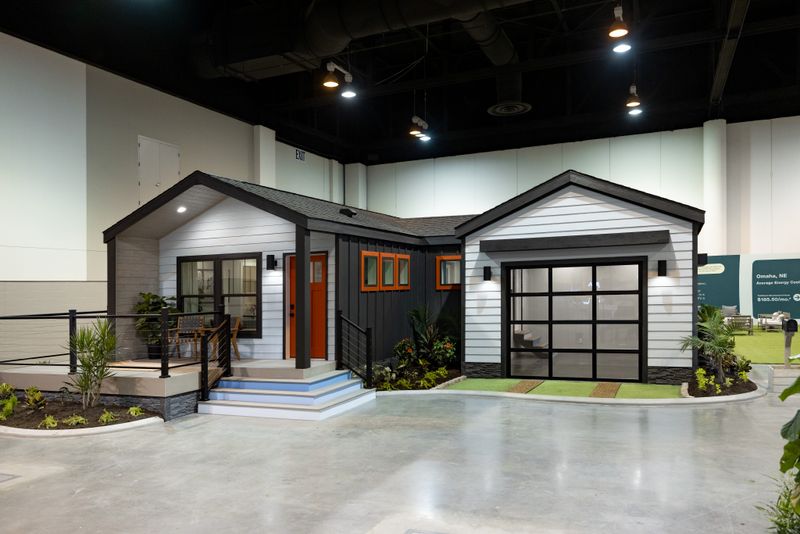
Contrary to popular belief, modern manufactured homes must meet strict HUD building codes.
Quality varies just like with traditional houses, with many high-end models featuring solid construction, premium materials, and craftsmanship that rivals site-built homes.
Some manufacturers even exceed minimum standards, offering enhanced structural elements and luxury finishes.
2. They Can’t Withstand Severe Weather
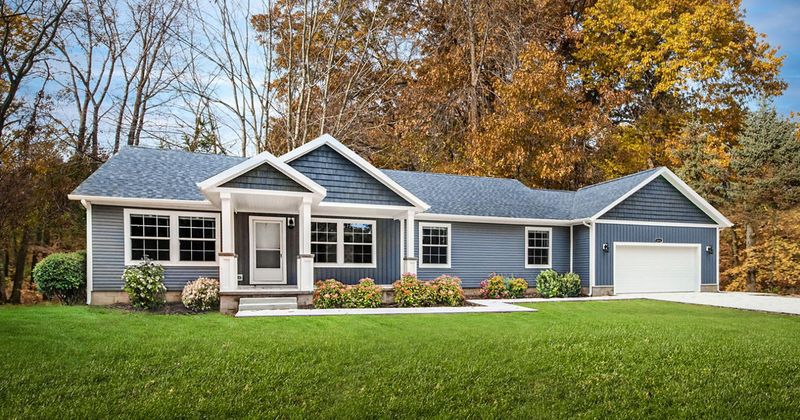
Wind tunnel tests reveal many manufactured homes can withstand hurricane-force winds when properly installed.
Manufacturers now design homes specifically for regional weather challenges, including reinforced structures for high-wind zones and enhanced insulation for extreme temperatures.
Since 1994, updated building codes have dramatically improved durability during storms.
3. Financing Is Impossible
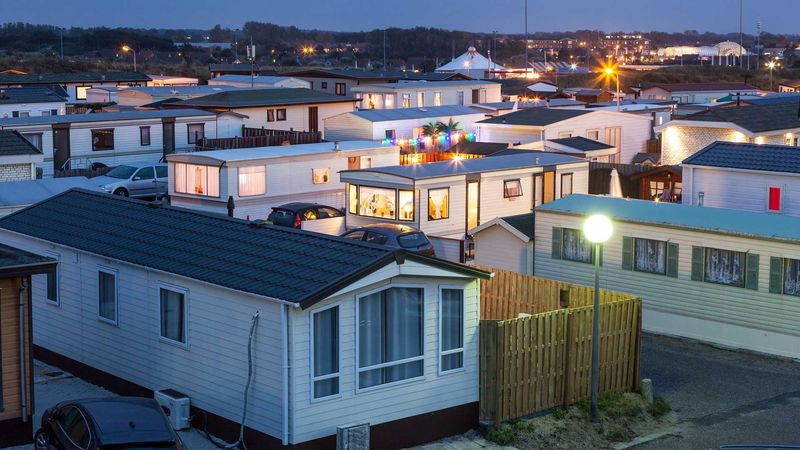
Mortgages absolutely exist for manufactured homes! FHA, VA, USDA, and Fannie Mae all offer specialized loan programs.
While interest rates might run slightly higher than traditional homes, qualified buyers have numerous financing options available.
Many lenders now recognize manufactured homes as legitimate real estate investments, especially when permanently installed on owned land.
4. They Always Depreciate
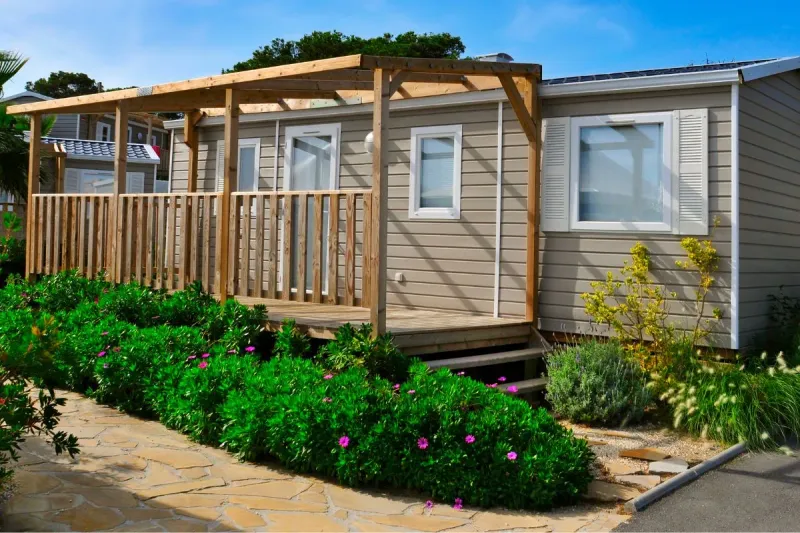
Location matters enormously! Manufactured homes on owned land can appreciate similarly to traditional homes in the same neighborhood.
Factors like maintenance, landscaping, and local market conditions influence value—just like any property.
Lots of new owners have sold their well-maintained manufactured homes for significant profits, especially in high-demand housing markets.
5. They’re Unsafe for Families
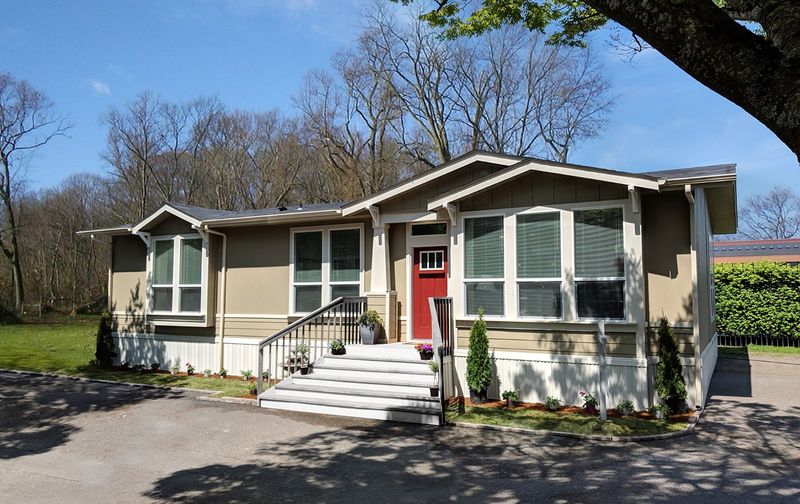
Smoke alarms, escape windows, and fire-resistant materials are mandatory in all new manufactured homes.
Modern units feature the same safety elements as traditional construction, including circuit breakers, GFCI outlets, and reinforced entry doors.
Statistically speaking, properly maintained manufactured homes have comparable safety records to site-built houses when it comes to everyday hazards.
6. You Can’t Customize Them
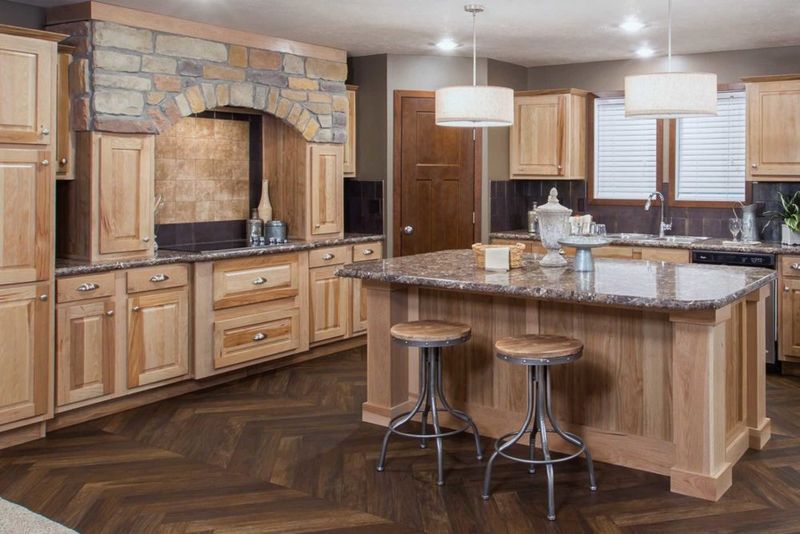
Walk through a modern manufactured home showroom and prepare to be amazed! Granite countertops, hardwood floors, garden tubs, and custom cabinetry are readily available options.
Homebuyers can select from hundreds of floor plans and endless finish combinations.
Plenty of brands offer complete customization services, allowing buyers to design homes that perfectly match their lifestyle and aesthetic preferences.
7. They’re All Located in Trailer Parks
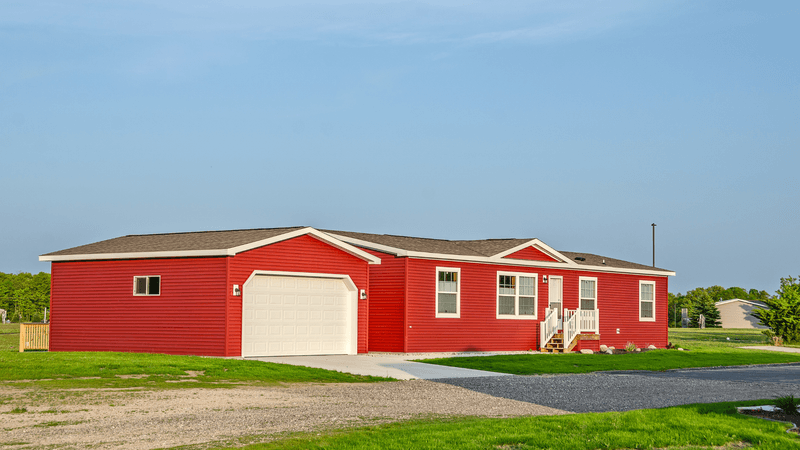
Driving through rural America reveals countless manufactured homes on private lots.
Roughly half of all manufactured homes sit on privately owned land, not in communities or parks.
People place these affordable houses on family property, acreage in the countryside, or even upscale subdivisions that permit manufactured housing.
8. They’re Not Energy Efficient
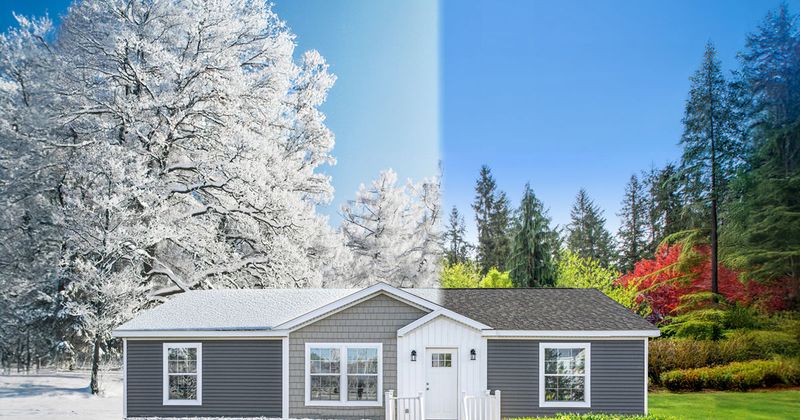
Energy Star certified manufactured homes can cut utility costs by nearly 30%, outpacing older models in both comfort and efficiency.
Standard perks like double-pane windows, beefed-up insulation, and top-tier HVAC systems make modern units feel anything but “mobile.”
Solar-ready layouts, intuitive smart tech, and ultra-efficient appliances now rival—and often surpass—the performance of high-end site-built homes.
9. Zoning Laws Don’t Allow Them
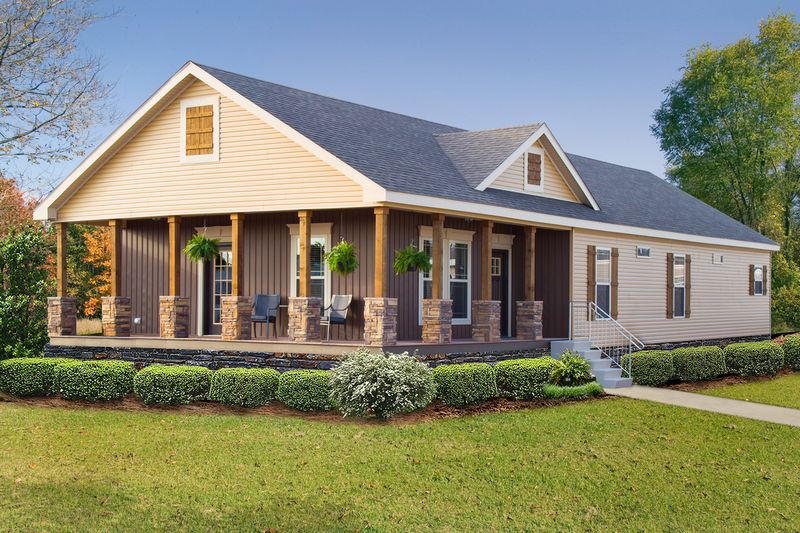
While some municipalities have restrictions, thousands of counties nationwide welcome manufactured housing.
Many states have passed laws limiting discriminatory zoning against manufactured homes that meet appearance standards.
Savvy future buyers research local regulations before purchasing, often finding that modern manufactured homes easily satisfy architectural and aesthetic requirements in many communities.
10. They Don’t Appreciate in Value
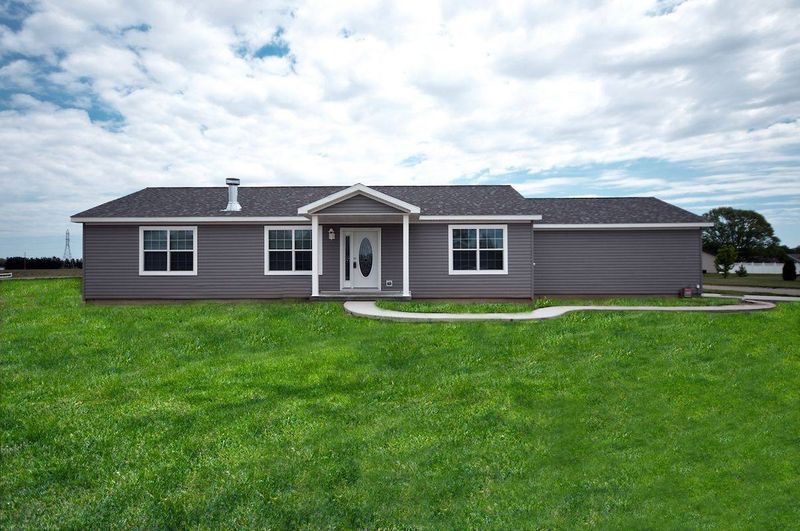
Manufactured homes on permanent foundations with strong upkeep, smart upgrades, and prime locations are seeing serious gains in value.
Appraisals are now more likely to stack them against site-built properties—proof they’re earning real estate respect.
A University of Michigan study found that manufactured homes can appreciate at rates similar to traditional housing when properly sited and maintained.
11. Some States Still Discriminate in Lending
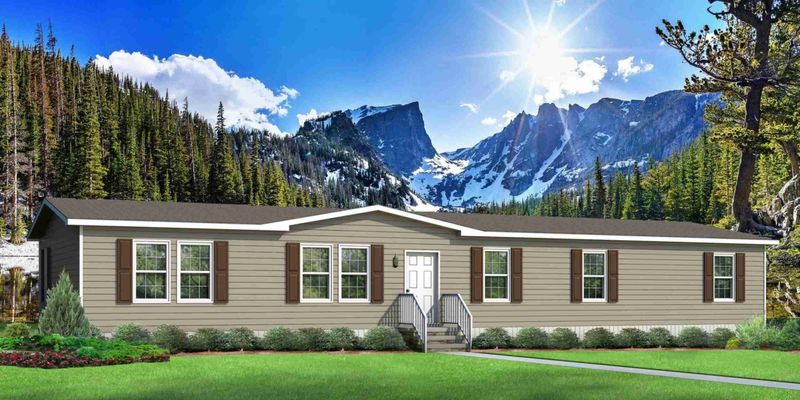
Banking laws in several states classify manufactured homes as personal property, not real estate.
This legal distinction forces owners into higher-interest “chattel loans” instead of traditional mortgages, even when homes are permanently installed.
Lobbyists for conventional housing have successfully maintained these discriminatory practices, costing manufactured homeowners thousands in additional interest payments.
12. Many Communities Ban Them Through HOAs
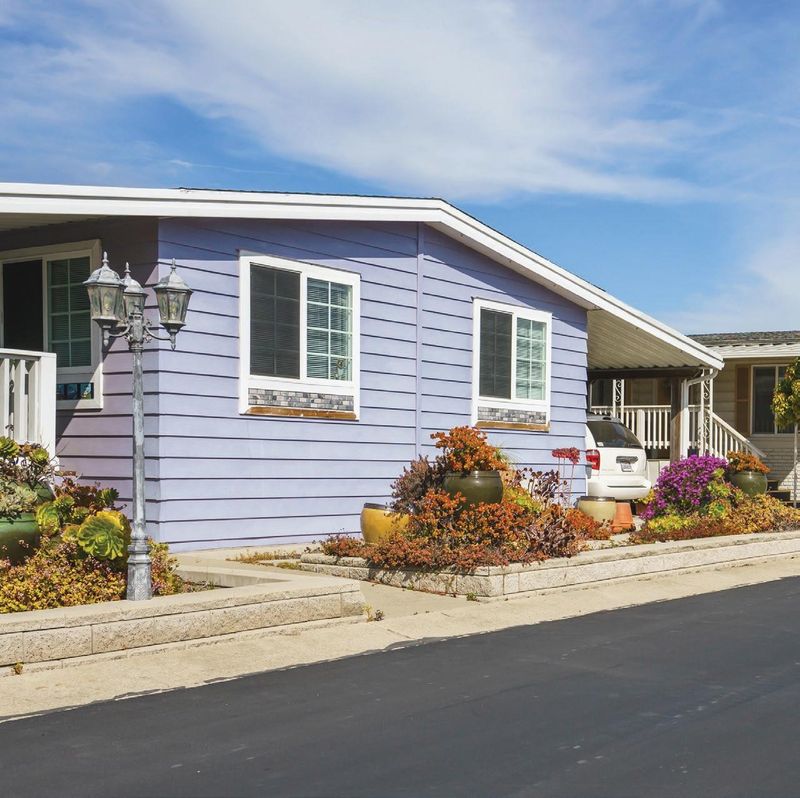
Leafing through homeowners association bylaws reveals shocking discrimination against manufactured housing.
Even architecturally identical homes get banned solely because they were built in factories rather than on-site.
Class-based prejudice drives many of these restrictions, as HOAs often permit modular homes (also factory-built) while specifically prohibiting HUD-code manufactured homes.
13. Insurance Rates Can Be Shockingly High
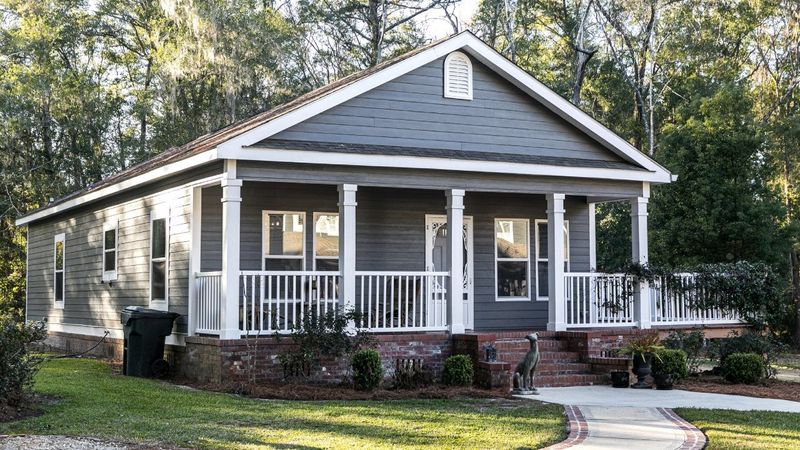
Insurance companies frequently charge 50-100% more for manufactured home coverage compared to site-built houses of identical value.
Many major insurers refuse to cover them altogether, forcing owners into specialized high-cost policies.
Statistical justification for these rate differences remains questionable, as modern manufactured homes have safety records comparable to conventional housing.
14. Hidden Transport Costs Often Get Ignored
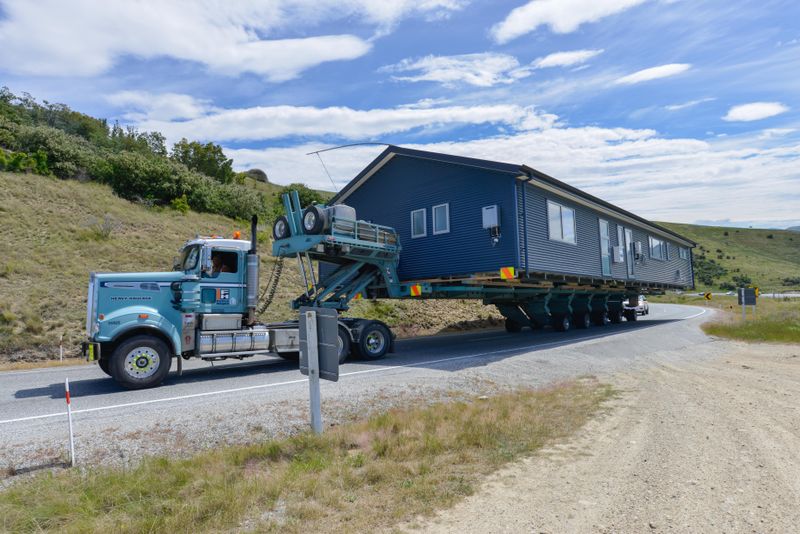
Moving a manufactured home can cost upwards of $15,000—a fact salespeople rarely emphasize.
Specialized equipment, permits, police escorts, and professional setup teams all add to the expense.
These shocking costs only get discovered when circumstances force relocation, sometimes making moving more expensive than the home’s remaining value.
15. They’re Sometimes Built to Different Codes Than You Think
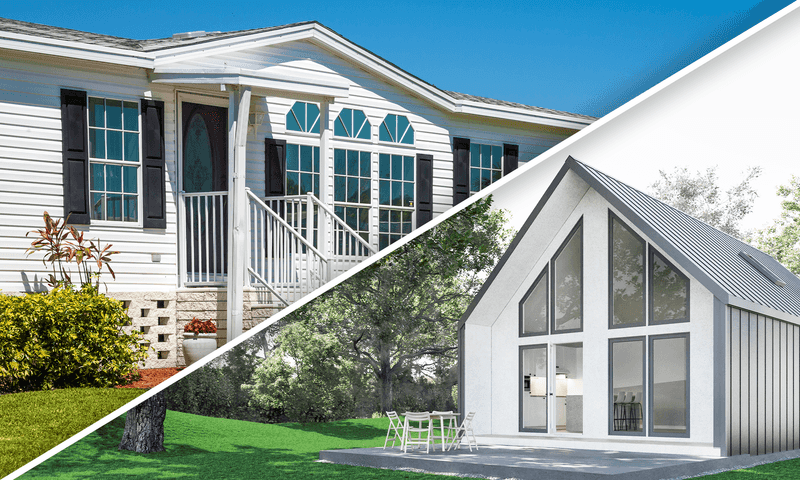
Federal HUD code overrides local building standards for manufactured homes, sometimes allowing less stringent requirements.
While marketed as equivalent to local construction, these homes may legally have thinner walls, lighter roof loads, or different electrical systems.
Modular homes, often confused with manufactured homes, must meet the same local building codes as site-built houses—a crucial distinction buyers frequently misunderstand.