10 Majestic Ancestral Homes Forever Lost To Time (And 5 Extra Ones For Those Curious About History)
Some of the world’s most breathtaking ancestral homes have vanished – lost to war, neglect, or the march of progress.
These once-grand estates held stories, artistry, and architectural feats that can only be glimpsed now through faded photographs and written accounts. Though their walls no longer stand, their legacies continue to fascinate.
For history lovers and design enthusiasts alike, these lost treasures still spark curiosity. Here are 10 majestic ancestral homes gone forever, plus 5 more worth discovering.
1. The Amber Room (St. Petersburg, Russia)
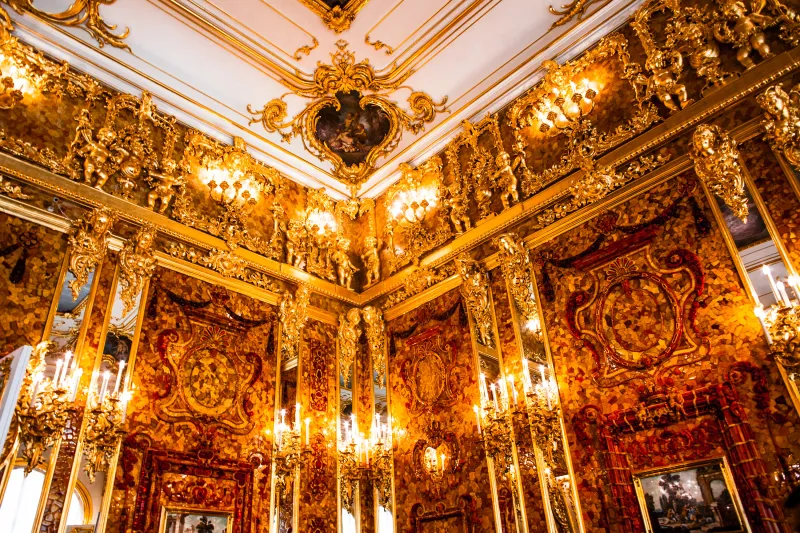
Imagine walking into a chamber where every surface gleamed with amber and gold! Often called the ‘Eighth Wonder of the World,’ this spectacular room within Catherine Palace featured six tons of amber panels backed with gold leaf.
Nazi forces dismantled this treasure during World War II, packed it into crates, and shipped it to Königsberg. After 1945, its whereabouts became one of history’s greatest mysteries.
While a reconstruction now exists, the original masterpiece—valued at over $500 million in today’s currency—remains lost, possibly destroyed during Allied bombing or hidden in a forgotten bunker.
2. Villa Ephrussi de Rothschild Original Interiors (Saint-Jean-Cap-Ferrat, France)
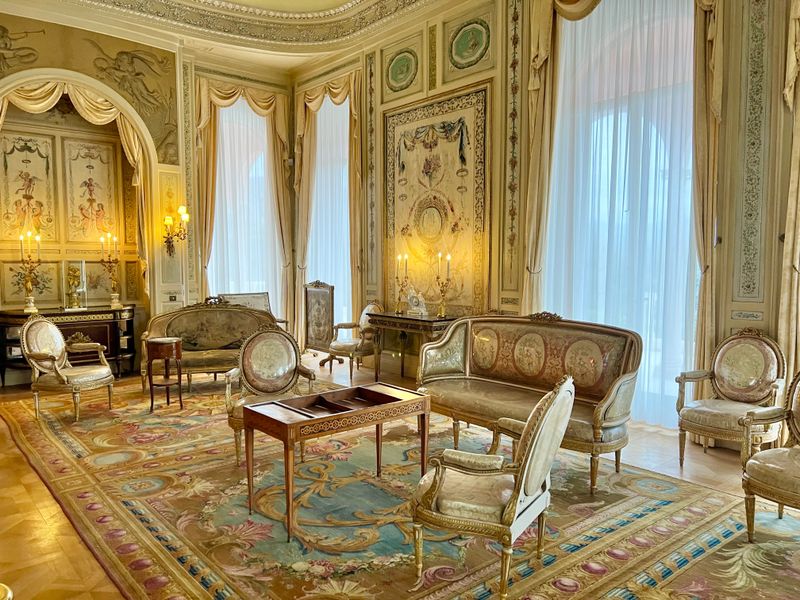
What happens when unlimited wealth meets exquisite taste? The answer once lived within the pink walls of this Mediterranean villa. Béatrice Ephrussi de Rothschild filled her seaside palace with museum-quality furnishings, tapestries, and art collections that rivaled royal treasures.
During World War II, many original interior elements were looted or destroyed. The villa itself survived, but its soul—the carefully curated collections reflecting Béatrice’s refined aesthetic—was largely lost.
Today’s visitors see a beautiful reconstruction that only hints at its former glory.
3. Richmond Palace (London, England)
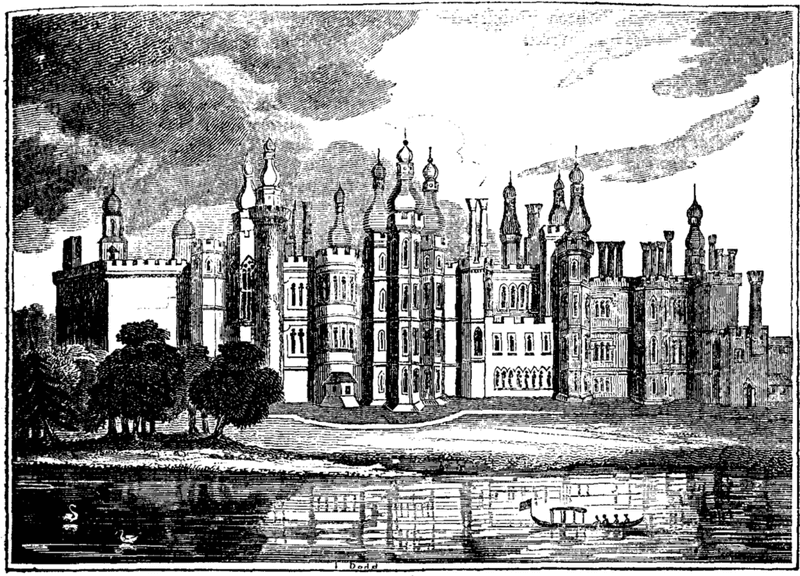
A jewel in Tudor England’s crown vanished before photography could capture its magnificence. Henry VII’s riverside masterpiece combined medieval grandeur with Renaissance innovations, featuring the first great hall built without a central hearth.
Following the execution of Charles I, Parliament sold the palace in 1649. New owners methodically dismantled it for building materials, leaving only a gateway and fragments that hint at lost splendor.
Contemporary accounts describe a fairytale palace with ornate towers, elaborate gardens, and a courtyard that hosted Shakespeare’s players—all now existing solely in historical illustrations.
4. Berlin City Palace (Original) (Berlin, Germany)
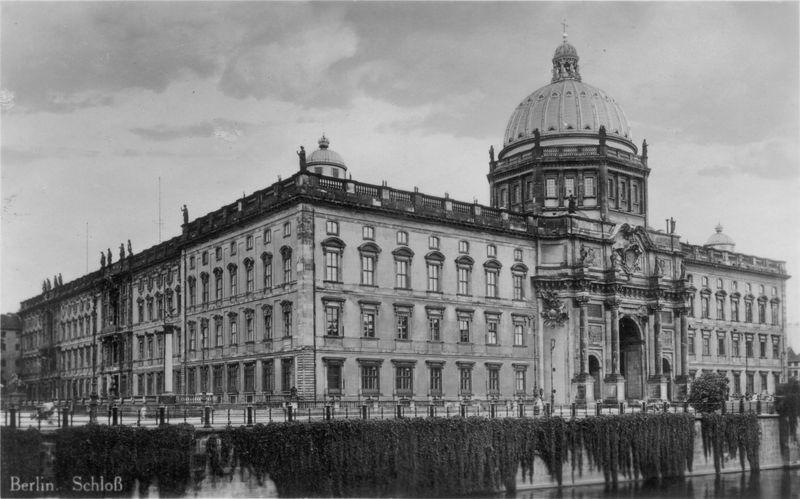
For centuries, a baroque masterpiece dominated Berlin’s heart, housing Prussian kings and German emperors in its 1,200 rooms. The palace witnessed history unfold—from Frederick the Great’s musical evenings to Kaiser Wilhelm’s fateful decisions before World War I.
Allied bombing in 1945 left the structure damaged but repairable. Tragically, East German authorities demolished the palace in 1950 for ideological reasons, erasing centuries of architectural heritage.
A modern reconstruction now stands on the site, but countless original artistic details—hand-carved ceilings, intricate stonework, and historic interiors—remain forever lost.
5. Kowloon Walled City Homes (Hong Kong, China)
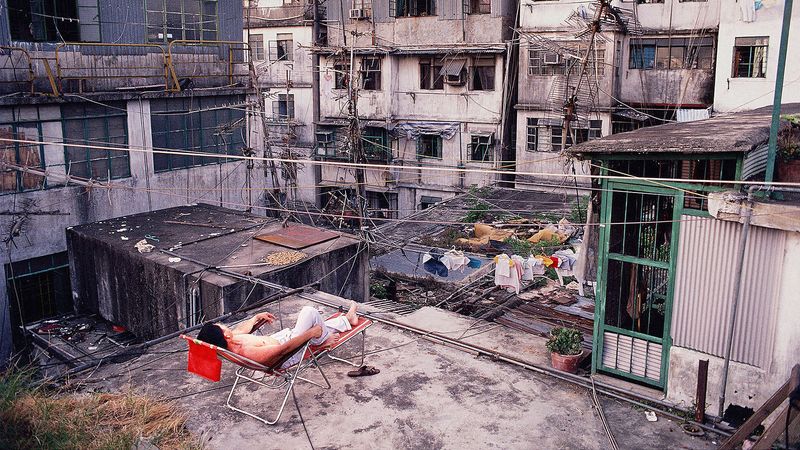
Ever wondered what happens when a city grows without rules? This architectural anomaly began as a Chinese military fort before evolving into history’s most densely populated settlement—a labyrinth where 33,000 people occupied just 6.4 acres.
Families created homes in impossibly tight spaces, with makeshift apartments stacked upon each other. Narrow corridors rarely saw sunlight, while a rooftop community thrived above the darkness.
Demolished in 1994 after years of lawlessness, these improvised dwellings represented extraordinary human adaptation. Today, only photographs preserve the memory of this vertical village where residents created order within chaos.
6. Winter Palace Original Interiors (St. Petersburg, Russia)
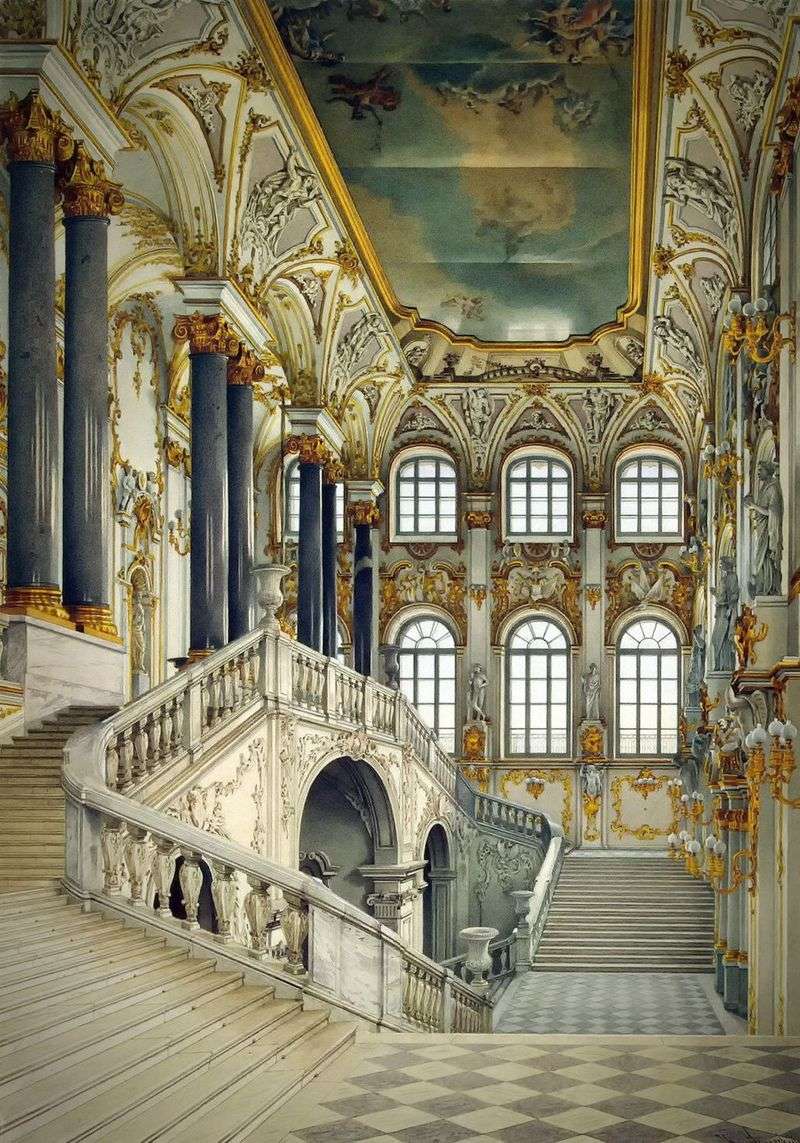
Before becoming the world-famous Hermitage Museum, this seafoam-green palace housed Russian emperors in unimaginable luxury. The private quarters of the Romanovs featured heated marble floors, silk-paneled walls, and furniture crafted by Europe’s finest artisans.
A devastating fire in 1837 consumed much of the original interior, while the 1917 Revolution led to further destruction and looting. Revolutionary soldiers smashed mirrors, slashed paintings, and used priceless furniture for firewood during those chaotic days.
While the building survived, the intimate spaces where the last imperial family lived their private lives were irrevocably altered.
7. Great Zimbabwe Original Structures (Masvingo, Zimbabwe)
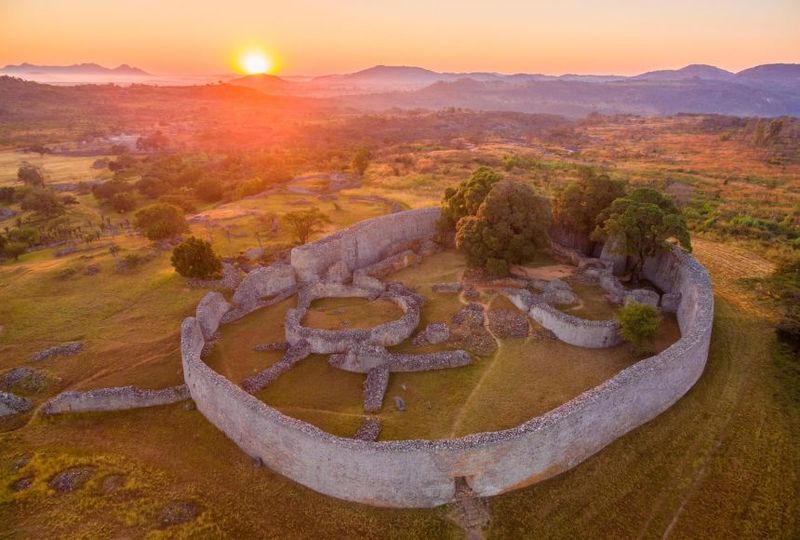
Would you believe that medieval Africa produced architectural marvels without mortar? Between the 11th and 15th centuries, the Shona people constructed this stone city using nothing but precisely cut granite blocks, creating walls up to 36 feet tall.
What remains today represents only a fraction of the original city. The living quarters of kings and the everyday homes of thousands of residents have largely vanished, leaving us to imagine this African metropolis in its prime.
8. Palace of the Republic (East Berlin, Germany)
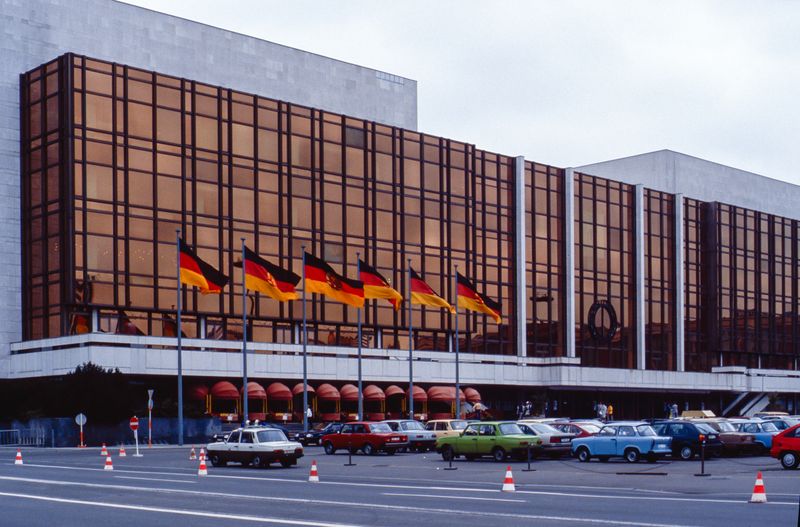
Behind the Iron Curtain stood a modernist marvel that defied Western stereotypes about communist architecture. Completed in 1976, this bronze-glass structure housed both East Germany’s parliament and cultural venues enjoyed by ordinary citizens.
The building’s heart was the Grand Hall, where crystal chandeliers containing 25,000 bulbs created a stunning “sky of lights” above concerts and state ceremonies. After German reunification, asbestos contamination sealed the palace’s fate.
Despite protests from former East Germans who saw it as part of their heritage, demolition was completed in 2008. The space now holds a reconstruction of the imperial palace it once replaced.
9. Old Summer Palace (Yuanmingyuan) (Beijing, China)
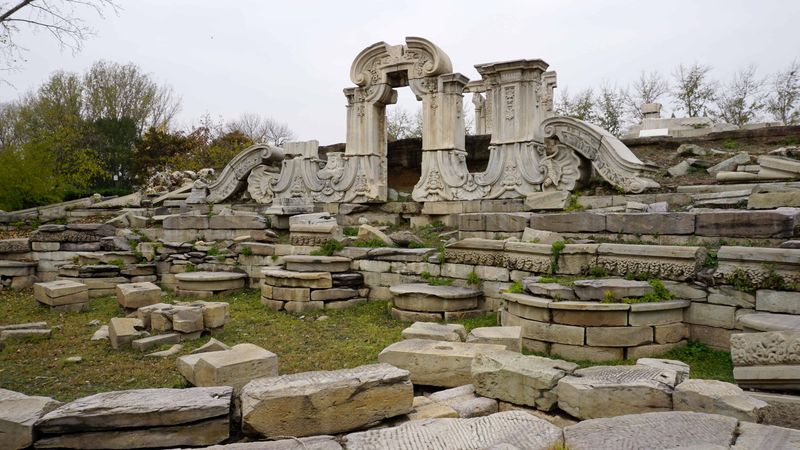
Nicknamed the “Versailles of the East,” this imperial wonderland once sprawled across 860 acres, containing hundreds of pavilions, temples, and gardens. Chinese emperors filled its halls with priceless art and literary treasures collected over centuries.
In 1860, during the Second Opium War, British and French troops systematically looted the palace, taking countless artifacts that now reside in Western museums. They then set fire to the entire complex, burning for three days.
Victor Hugo called this destruction “one of the greatest crimes ever committed against humanity’s shared heritage.” Today, only marble ruins and recreated garden landscapes hint at its former magnificence.
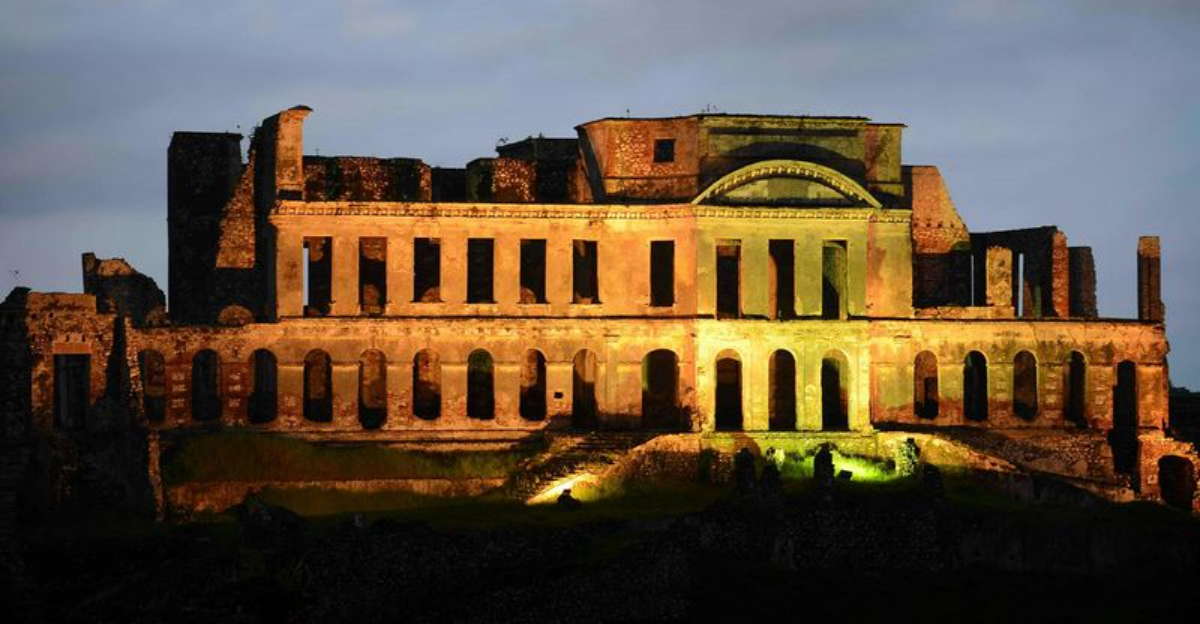
10. Sans-Souci Palace (Milot, Haiti)
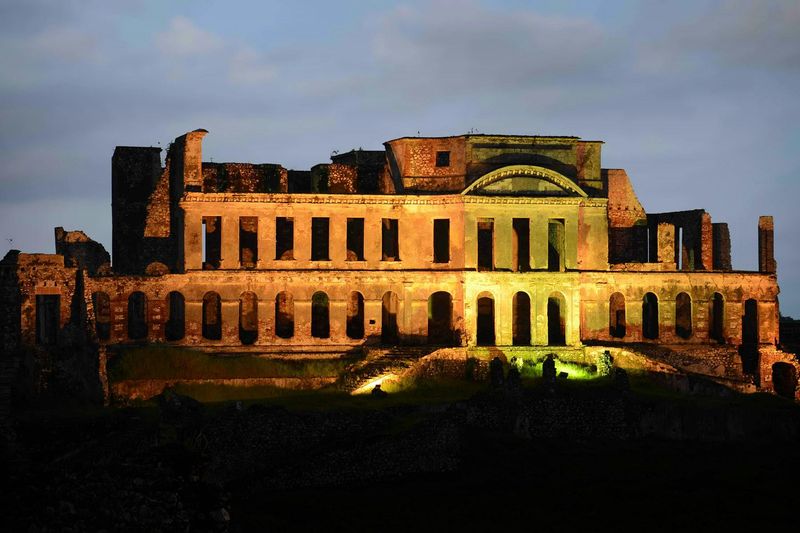
Rising from the ashes of revolution, this Caribbean palace tells an extraordinary story of freedom and ambition. King Henri Christophe, a former slave who helped lead Haiti’s independence, built this neoclassical masterpiece in 1813 to rival European royal residences.
The mountaintop palace featured marble staircases, copper bathtubs, and crystal chandeliers imported from Europe. Following Christophe’s suicide in 1820, the palace began a slow decline.
An earthquake in 1842 devastated the structure, leaving impressive ruins that UNESCO now protects. The original interior grandeur—once a powerful symbol of Black sovereignty and achievement—exists only in written accounts.
1. Knossos Original Complex (Crete, Greece)
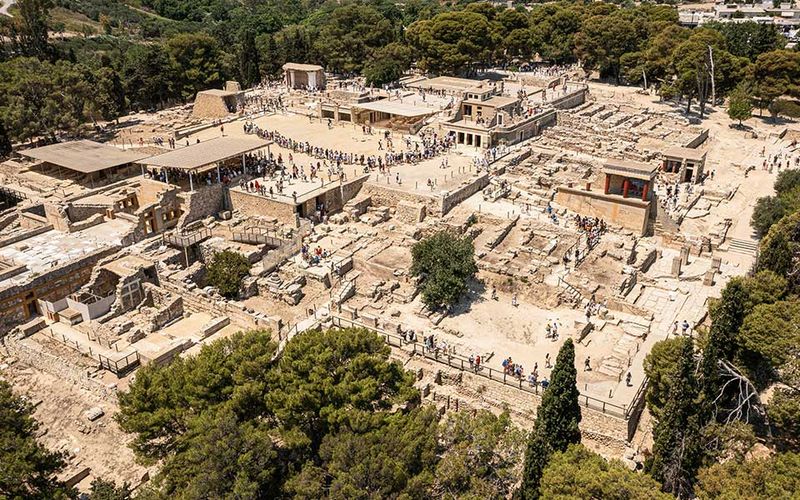
Beneath the famous reconstructions lies a mystery 4,000 years in the making. The original Minoan palace contained innovations we still use today—indoor plumbing, advanced ventilation systems, and multi-story buildings with light wells.
Around 1700 BCE, earthquakes devastated the complex. Determined Minoans rebuilt on an even grander scale, creating the structure whose remains we see today.
Controversial archaeologist Arthur Evans extensively reconstructed parts of the ruins in the early 1900s, using concrete and bright paints based on his theories. While these reconstructions help visitors visualize the past, they obscure the authentic remains of Europe’s first advanced civilization.
2. Aztec Royal Palaces of Tenochtitlán (Mexico City, Mexico)
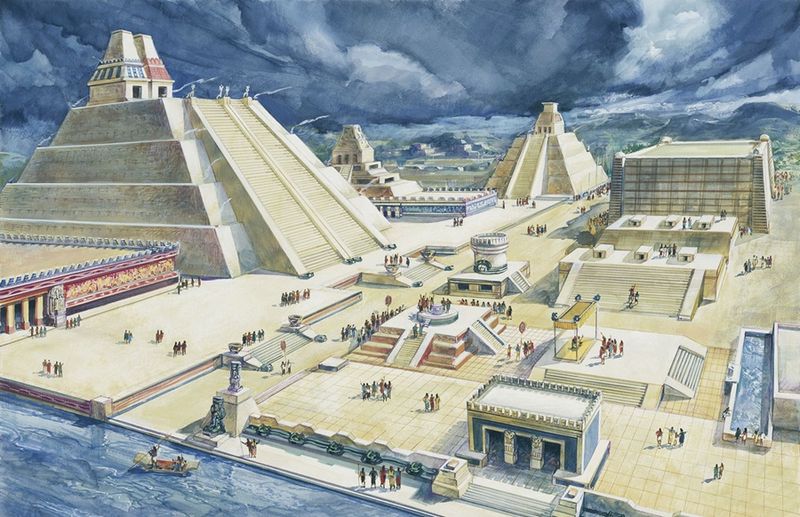
When Spanish conquistadors first gazed upon the Aztec capital in 1519, they couldn’t believe their eyes. Rising from an island in Lake Texcoco stood a metropolis larger than any European city, centered around royal palaces of unimaginable splendor.
Emperor Moctezuma’s residence featured aviary gardens where thousands of exotic birds lived among flowering trees. The palace complex included zoological gardens, libraries of pictographic manuscripts, and halls adorned with gold and jade.
Following conquest, Spaniards dismantled these structures stone by stone, using the materials to build colonial churches and mansions atop the Aztec capital.
3. Château de Chanteloup (Loire Valley, France)
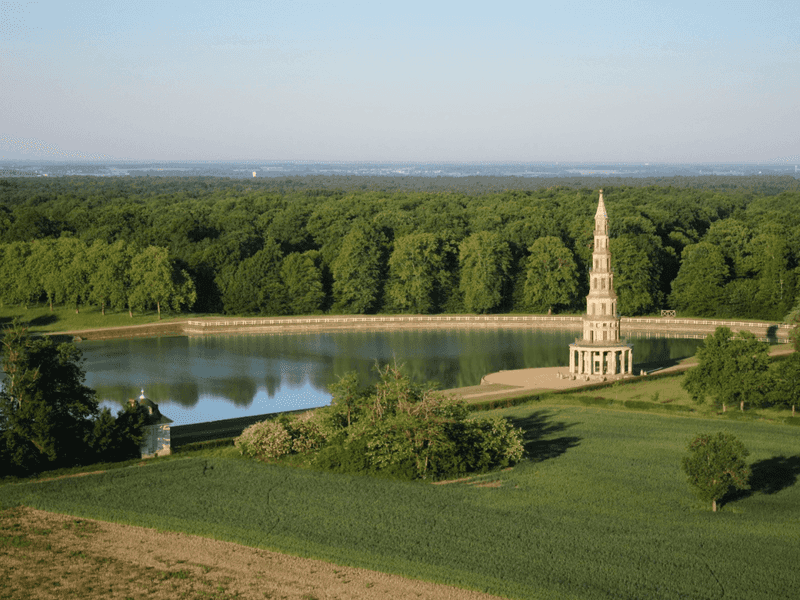
Few visitors to the Loire Valley realize that one of its greatest architectural treasures has vanished. This neoclassical château once belonged to the Duke of Choiseul, Louis XV’s powerful minister, who retreated here after falling from royal favor.
Following the French Revolution, the château changed hands repeatedly before being sold to a demolition company in 1823. Workers systematically dismantled the once-magnificent residence, selling its materials piece by piece.
Today, only a curious seven-story Chinese-inspired pagoda remains standing in the former gardens, a solitary sentinel marking where one of France’s most elegant homes once stood.
4. Sasanian Palaces of Ctesiphon (Near Baghdad, Iraq)
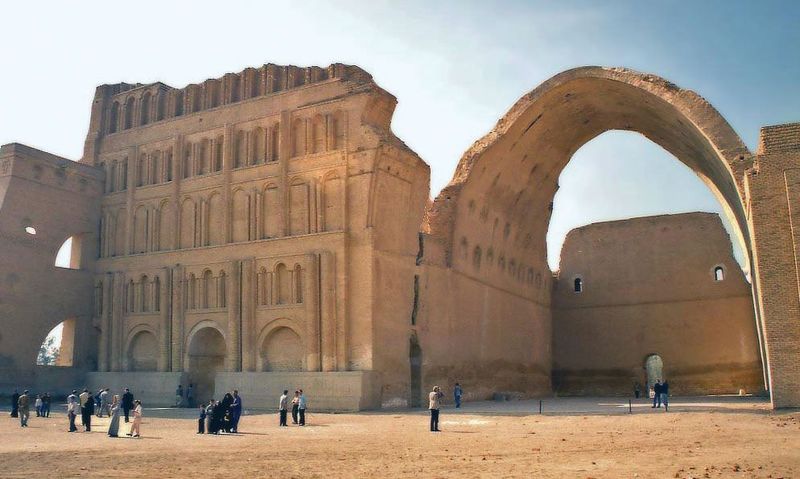
Gazing at the remaining arch – the largest single-span brick arch in the world – one can hardly imagine the lost splendor surrounding it. The Sasanian Empire’s capital featured multiple palaces where Persian kings ruled from jeweled thrones beneath ceilings adorned with gold stars.
Arab historians described floors covered with silk carpets so precious that visitors removed their shoes and walked on special cloths. Gardens featured mechanical birds that sang through ingenious water-powered mechanisms.
5. Nishapur Ancient Houses (Nishapur, Iran)
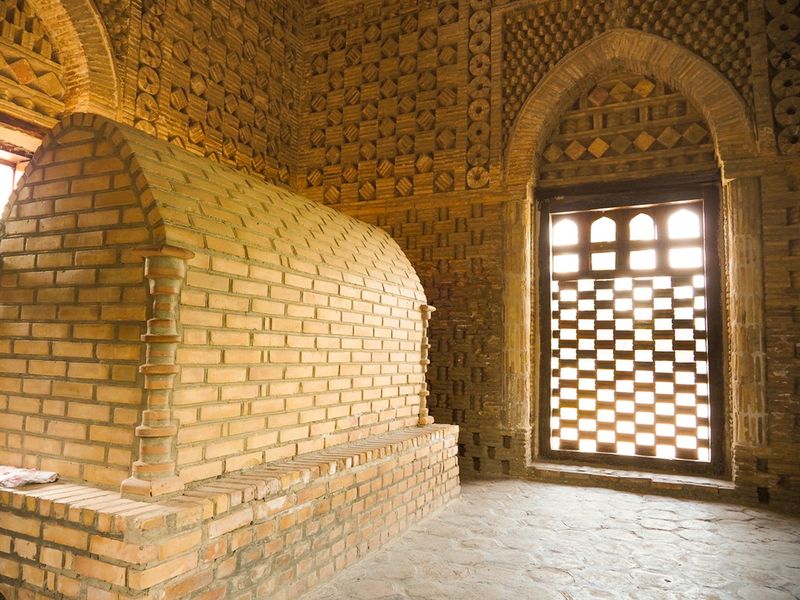
Before Mongol hordes swept through in 1221, this Persian intellectual center boasted some of medieval Islam’s most sophisticated residences. Wealthy merchants and scholars lived in mud-brick homes featuring ingenious cooling systems, interior courtyards, and walls decorated with geometric stucco designs.
Archaeological excavations revealed fragments of these once-beautiful homes, including innovative underground water channels that kept interior fountains flowing year-round.
Today, modern Nishapur stands near the ancient site, with little visible evidence of its golden age.