20 Most Legendary Homes Ever Built, From Kings To CEOs
Throughout history, the world’s most powerful and wealthy individuals have created homes that transcend mere shelter, becoming legendary symbols of status, innovation, and artistic vision.
From ancient palaces to modern architectural marvels, these extraordinary residences showcase human achievement at its most extravagant. Journey with us through these incredible homes that have captivated imaginations and redefined what’s possible in residential architecture.
1. Versailles: The Sun King’s Ultimate Statement
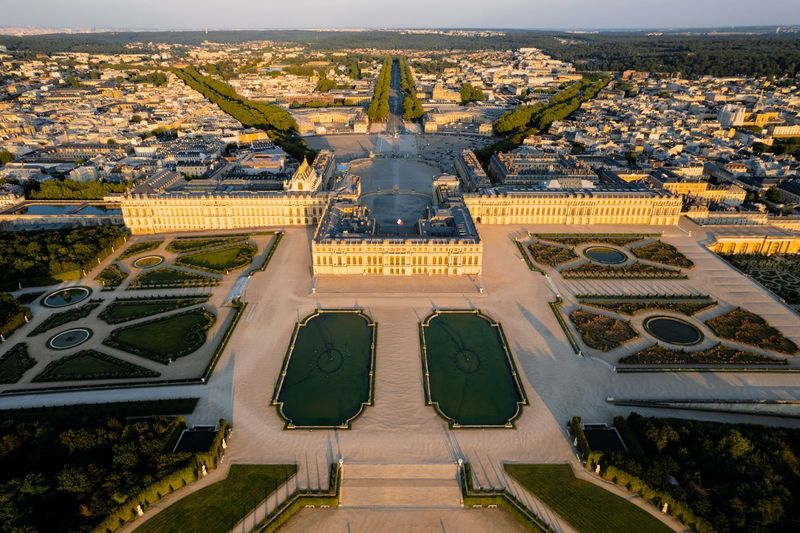
What began as a hunting lodge transformed into perhaps history’s most famous palace. Louis XIV poured France’s wealth into creating this 700-room masterpiece with its Hall of Mirrors and sprawling gardens.
Over 36,000 workers labored on the estate. The palace became the center of French political power and set architectural standards that nobility across Europe scrambled to imitate for centuries afterward.
2. Hearst Castle: A Newspaper Tycoon’s Fantasy
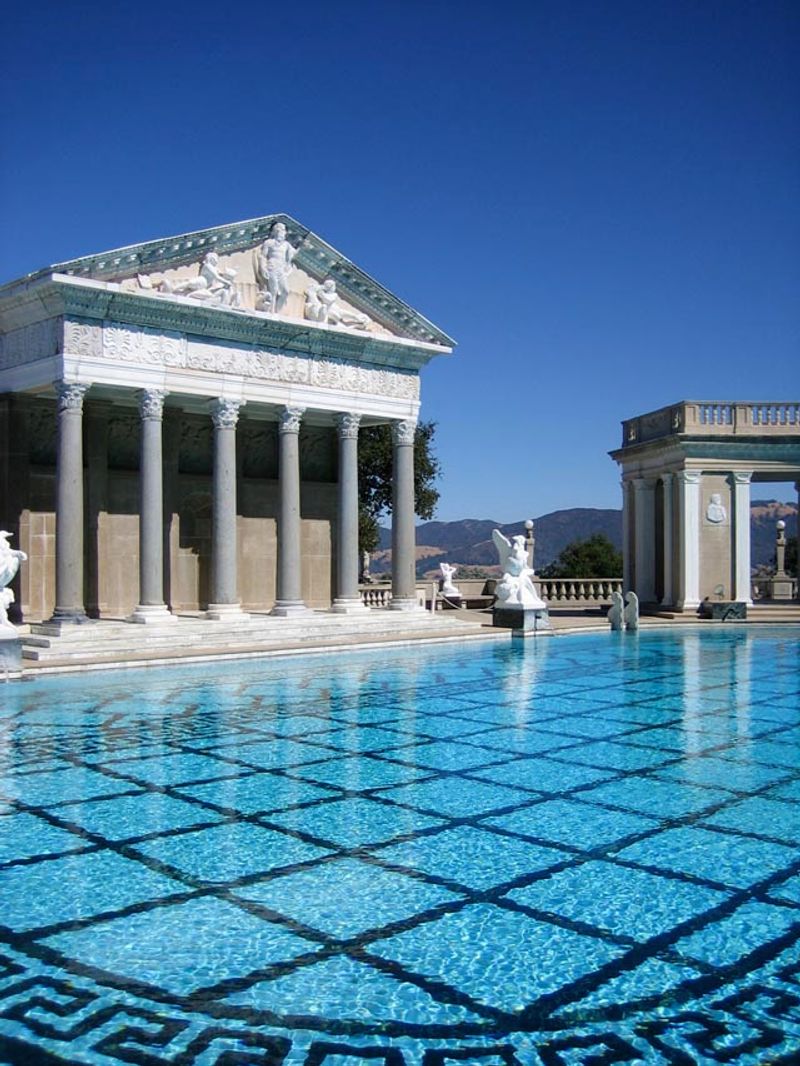
Perched high on California’s enchanted hill sits William Randolph Hearst’s magnificent obsession. This Mediterranean Revival mansion boasts 165 rooms filled with priceless art and antiquities collected during Hearst’s global travels.
The Neptune Pool, with its ancient Roman temple façade, remains one of the property’s most photographed features. Hollywood elites frequently visited this extravagant estate during its heyday in the 1920s and 1930s.
3. Bill Gates’ Xanadu 2.0: The Smart Home Pioneer
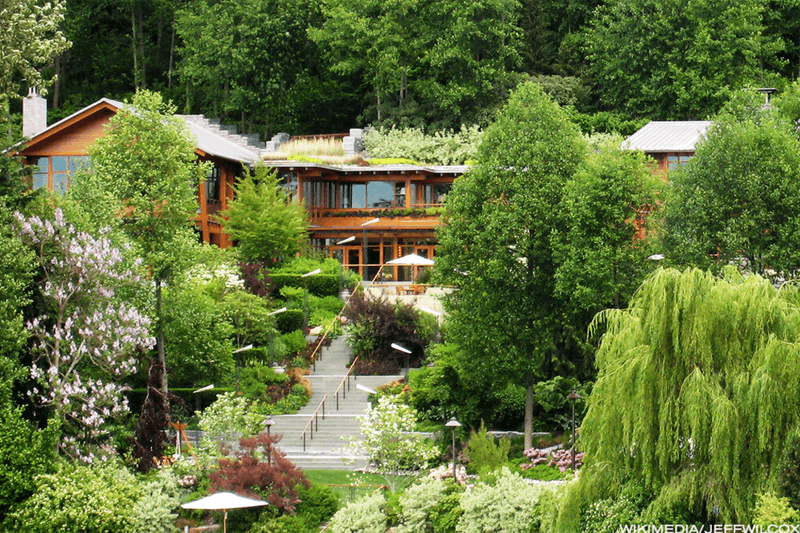
Hidden behind dense foliage on Lake Washington, the Microsoft founder’s technological wonderland spans 66,000 square feet. Visitors receive electronic pins that automatically adjust room temperature and lighting to their preferences as they move throughout the home.
Underwater music systems serenade swimmers in the 60-foot pool. The property’s private library houses the Codex Leicester, Leonardo da Vinci’s 16th-century manuscript that Gates purchased for $30.8 million.
4. Buckingham Palace: The Royal Family’s HQ
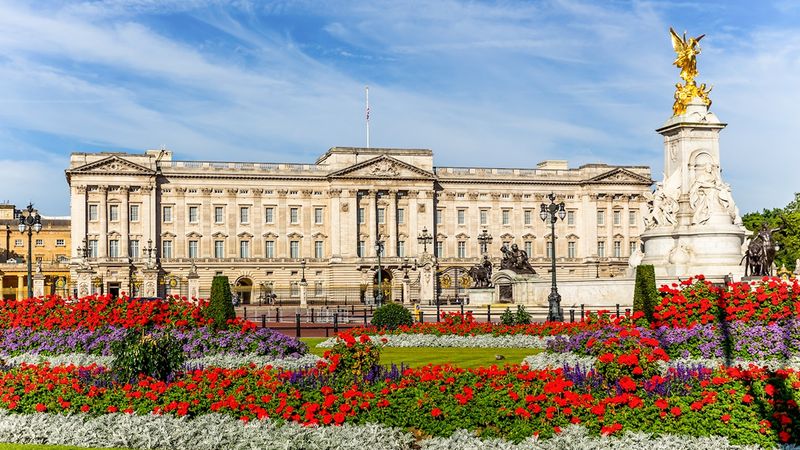
Standing majestically in London since 1703, this 775-room palace serves as both the Queen’s residence and administrative headquarters. The iconic balcony has witnessed countless royal waves to adoring crowds below.
Inside, priceless treasures fill the State Rooms. The palace underwent a major transformation under Queen Victoria, who added the famous façade and expanded it to accommodate the growing royal household and their ceremonial duties.
5. Antilia: Mukesh Ambani’s Vertical Mansion
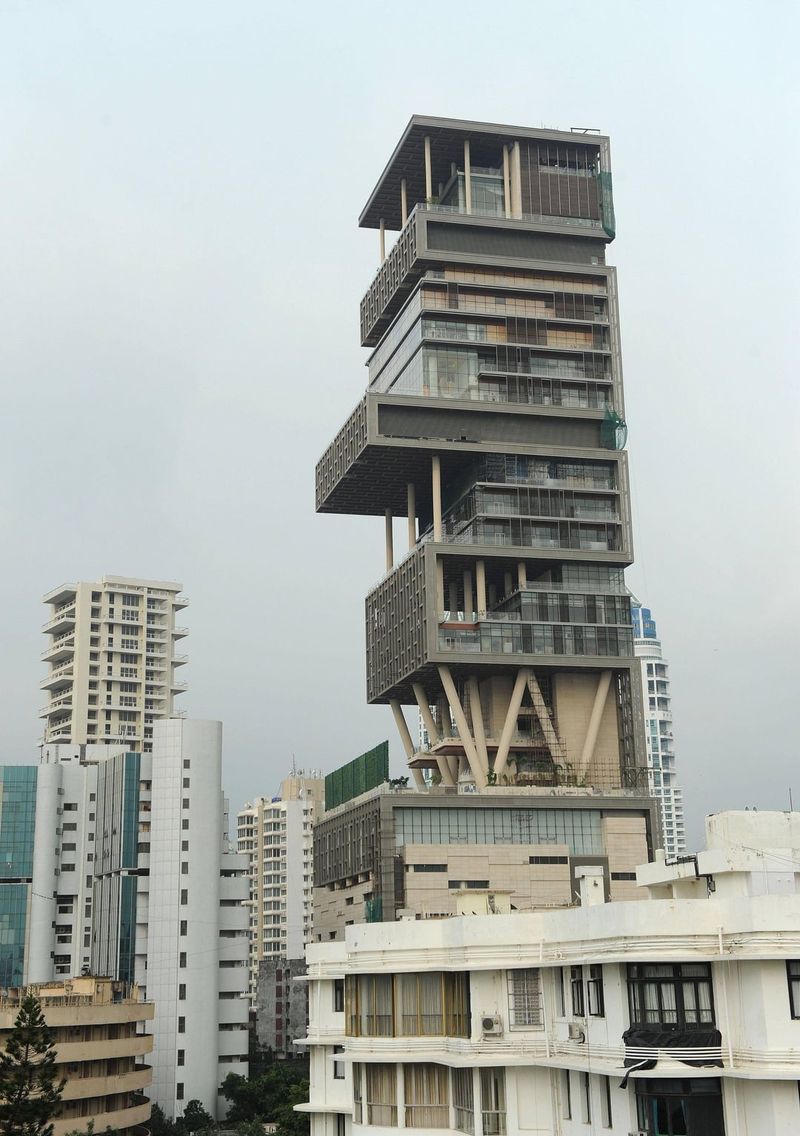
Rising 27 stories above Mumbai’s skyline, this billion-dollar home belongs to India’s richest man. Unlike typical skyscrapers, no two floors share identical layouts or materials, creating a stunning vertical puzzle of architectural innovation.
The structure houses multiple swimming pools, a 50-seat theater, and several helicopter landing pads. Despite its massive size, the building was designed to withstand an 8.0 magnitude earthquake, combining luxury with remarkable engineering.
6. Fallingwater: Frank Lloyd Wright’s Masterpiece
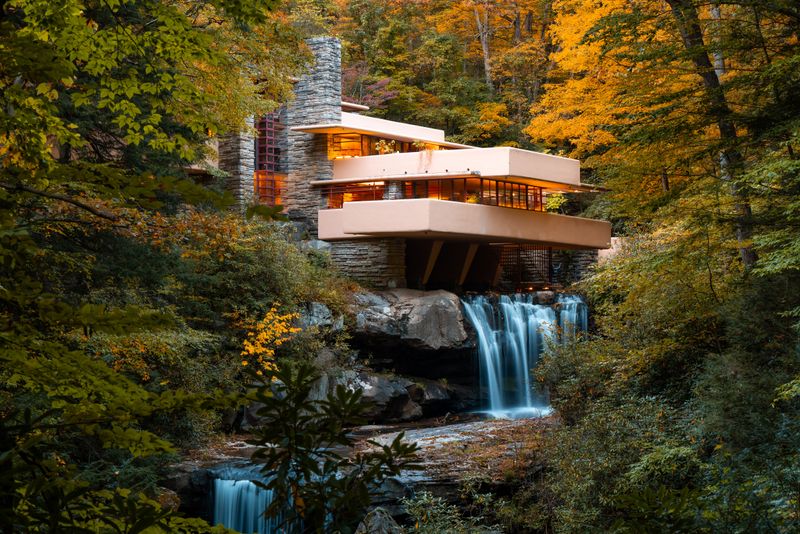
Cantilevered dramatically over a waterfall in Pennsylvania’s woods, this architectural marvel revolutionized the relationship between human dwellings and nature. Frank Lloyd Wright designed the home in 1935 for the Kaufmann family, department store owners seeking a weekend retreat.
The home’s terraces mirror the rock ledges beneath, while interior spaces feature natural stone floors and built-in furniture. Time magazine called it Wright’s “most beautiful job” when completed.
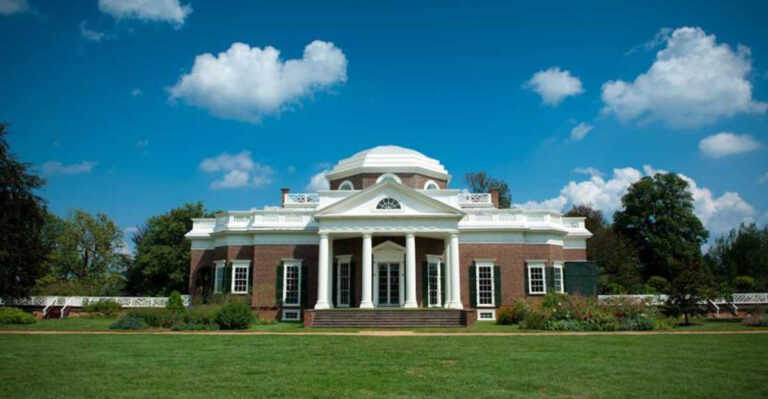
7. Monticello: Thomas Jefferson’s Self-Designed Estate
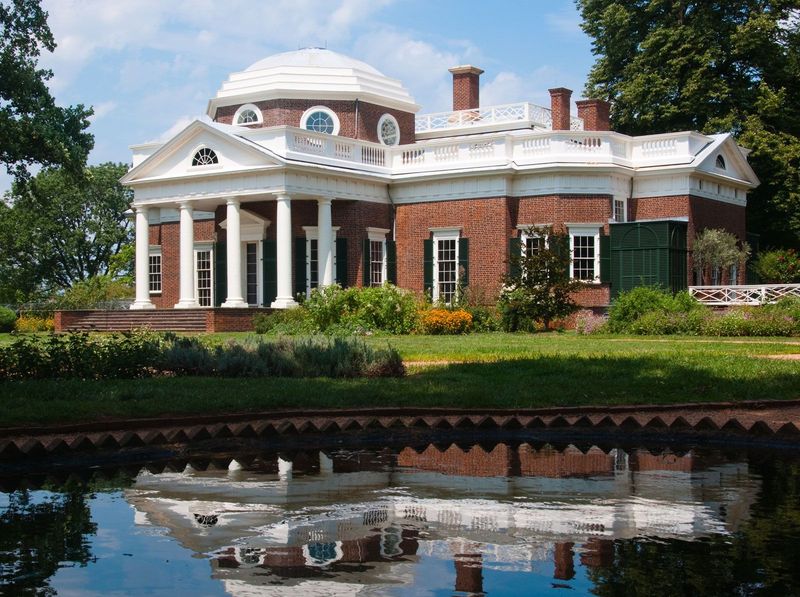
America’s founding father spent 40 years perfecting his neoclassical mansion atop a Virginia hill. The name itself means “little mountain” in Italian, reflecting Jefferson’s love of European aesthetics combined with practical American innovation.
Clever features abound throughout the property. The Great Clock shows both hours and days, while hidden dumbwaiters delivered wine from the cellar. Jefferson’s architectural vision remains so significant that it appears on the back of the nickel.
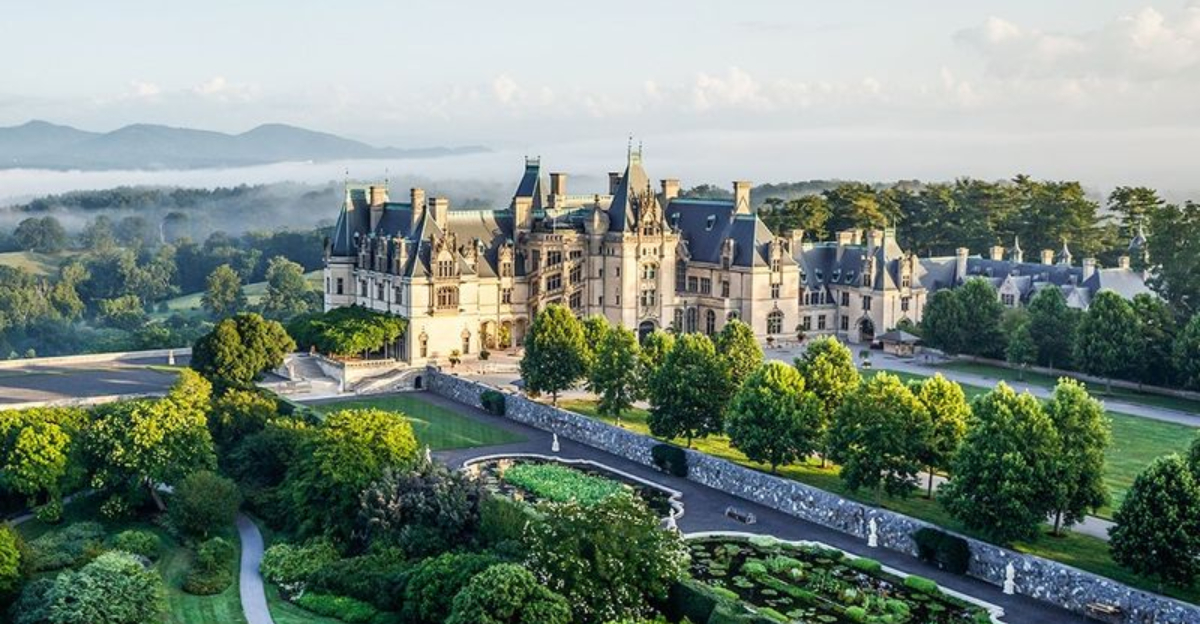
8. The Biltmore Estate: America’s Largest Private Home
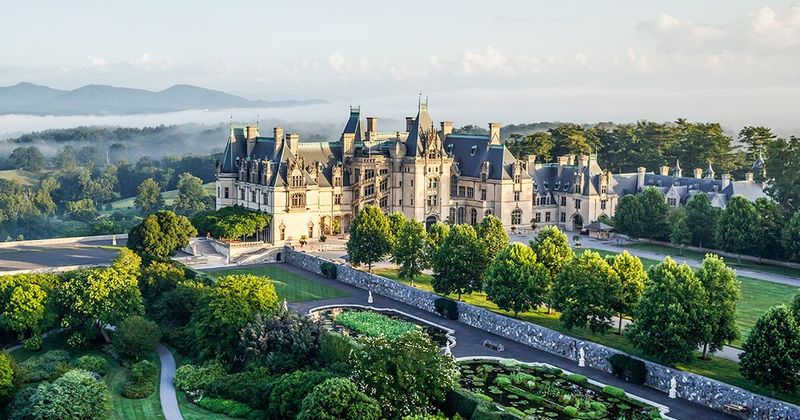
Nestled in North Carolina’s Blue Ridge Mountains, George Vanderbilt’s 250-room French Renaissance château remains unrivaled in American residential grandeur. Completed in 1895, this limestone giant boasts 35 bedrooms, 43 bathrooms, and 65 fireplaces.
The estate originally encompassed 125,000 acres with its own village and church. Indoor amenities include a bowling alley, swimming pool, and gymnasium, showcasing the Gilded Age’s extraordinary wealth through architecture and landscape design.
9. Neverland Ranch: Michael Jackson’s Fantasy Playground
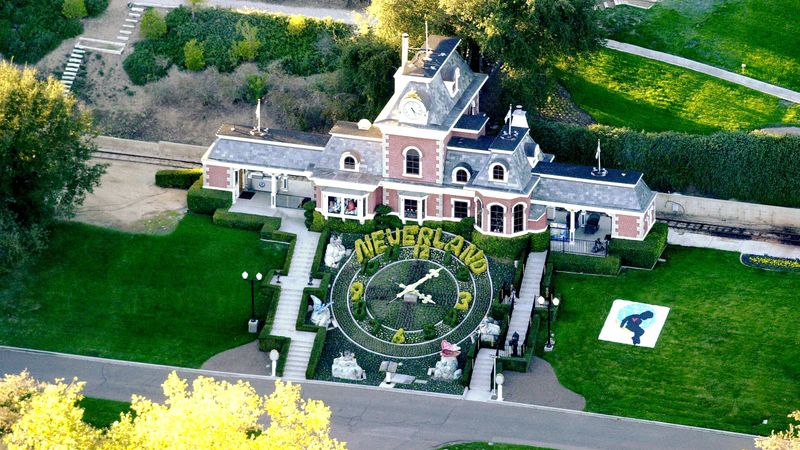
For nearly 15 years, the King of Pop transformed this 2,700-acre California property into his personal wonderland. A working train station greeted visitors at the entrance, while a private amusement park with a ferris wheel and carousel occupied the grounds.
The main house spanned 12,000 square feet. Jackson named the estate after the magical world in Peter Pan where children never grow up, reflecting his desire to recapture childhood experiences through elaborate entertainment features and zoo animals.
10. Highclere Castle: The Real Downton Abbey
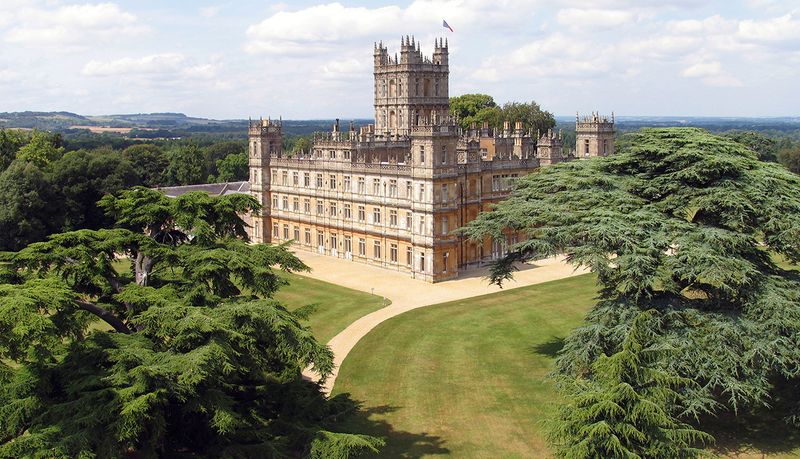
Long before becoming the backdrop for the hit TV series, this Victorian castle in Hampshire, England was the ancestral seat of the Earls of Carnarvon. The 5th Earl famously financed the expedition that discovered King Tutankhamun’s tomb.
Designed by the architect behind the Houses of Parliament, the castle features 300 rooms. The current Countess opens the estate to visitors, allowing fans to explore the grand saloon, library, and drawing room where the Crawley family drama unfolded on screen.
11. The Forbidden City: China’s Imperial Palace
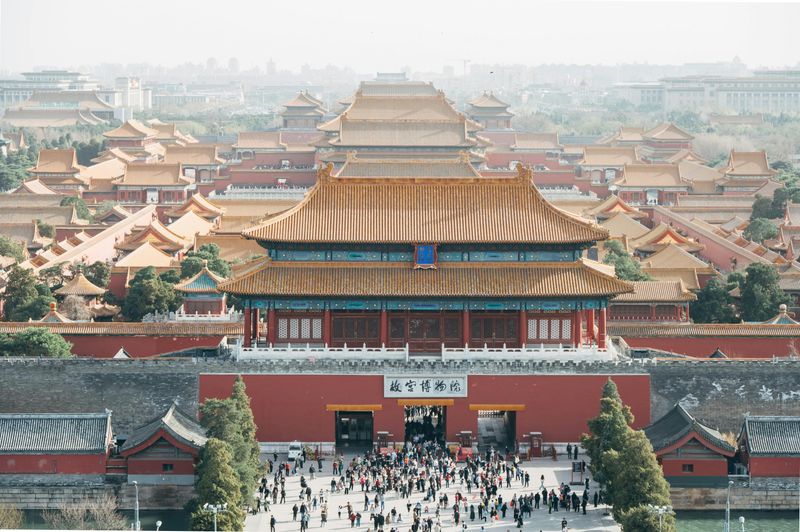
Serving as home to 24 emperors across two dynasties, this massive Beijing complex contains 980 buildings spread across 180 acres. The name comes from the fact that commoners were forbidden to enter without imperial permission.
Construction required over a million workers. The palace’s layout follows strict feng shui principles, with buildings arranged symmetrically along a north-south axis. Yellow roof tiles symbolize imperial power, while intricate dragon motifs appear throughout the complex.
12. Villa La Leopolda: The Riviera’s Crown Jewel
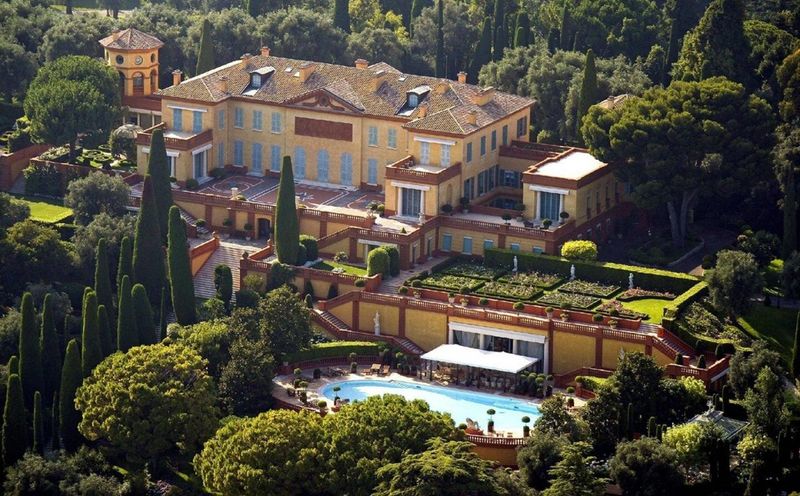
Originally built for King Leopold II of Belgium, this Belle Époque villa overlooks the Mediterranean from Cap Ferrat on the French Riviera. The estate spans 18 acres of terraced gardens requiring 50 full-time gardeners to maintain.
Russian billionaire Mikhail Prokhorov once attempted to purchase it for $750 million. The property gained additional fame as a filming location for Alfred Hitchcock’s “To Catch a Thief,” showcasing its palatial interiors and stunning coastal views.
13. Updown Court: Britain’s Modern Palace
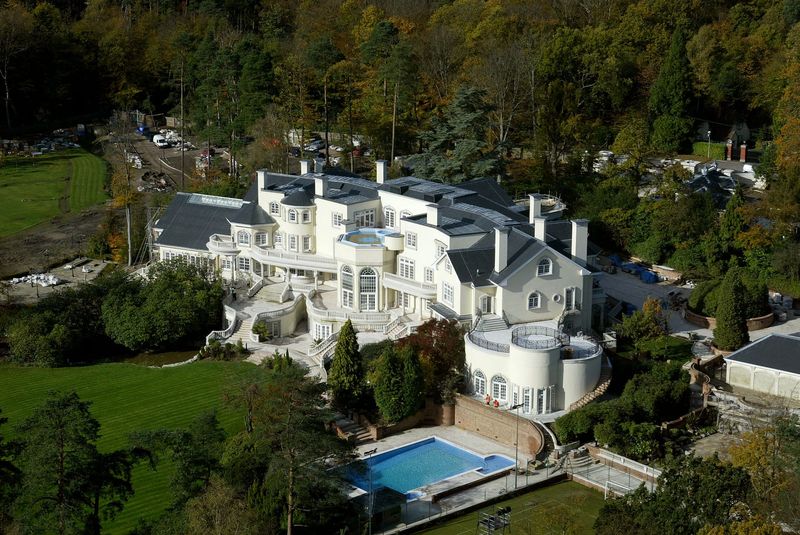
Once listed for $123 million, this massive Surrey estate attempted to redefine modern luxury with 103 rooms spread across 50,000 square feet. The home boasted 22 bedrooms, each with its own marble bathroom.
Five swimming pools, a bowling alley, and a private theater provided entertainment options. Perhaps most extravagantly, the driveway was heated to prevent ice formation, and the garage could accommodate eight limousines plus a helicopter landing pad.
14. The One: America’s Largest Modern Mansion
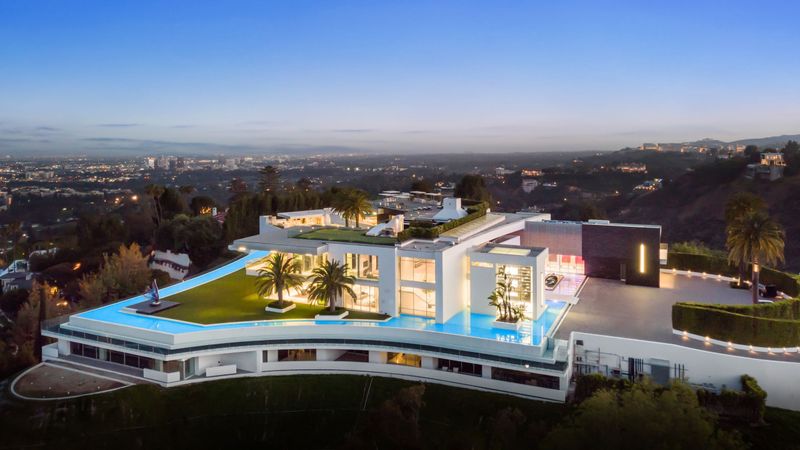
Perched atop Bel Air with 360-degree views of Los Angeles, this controversial mega-mansion spans 105,000 square feet. Developer Nile Niami envisioned it as the ultimate trophy home with a $500 million price tag.
Amenities include 42 bathrooms, 21 bedrooms, and a 5,500-square-foot master suite. The property features a 30-car garage gallery, multiple pools, a nightclub, and a philanthropy wing designed for charity galas. Financial troubles ultimately forced its sale at bankruptcy auction.
15. Neuschwanstein Castle: The Fairy Tale Inspiration
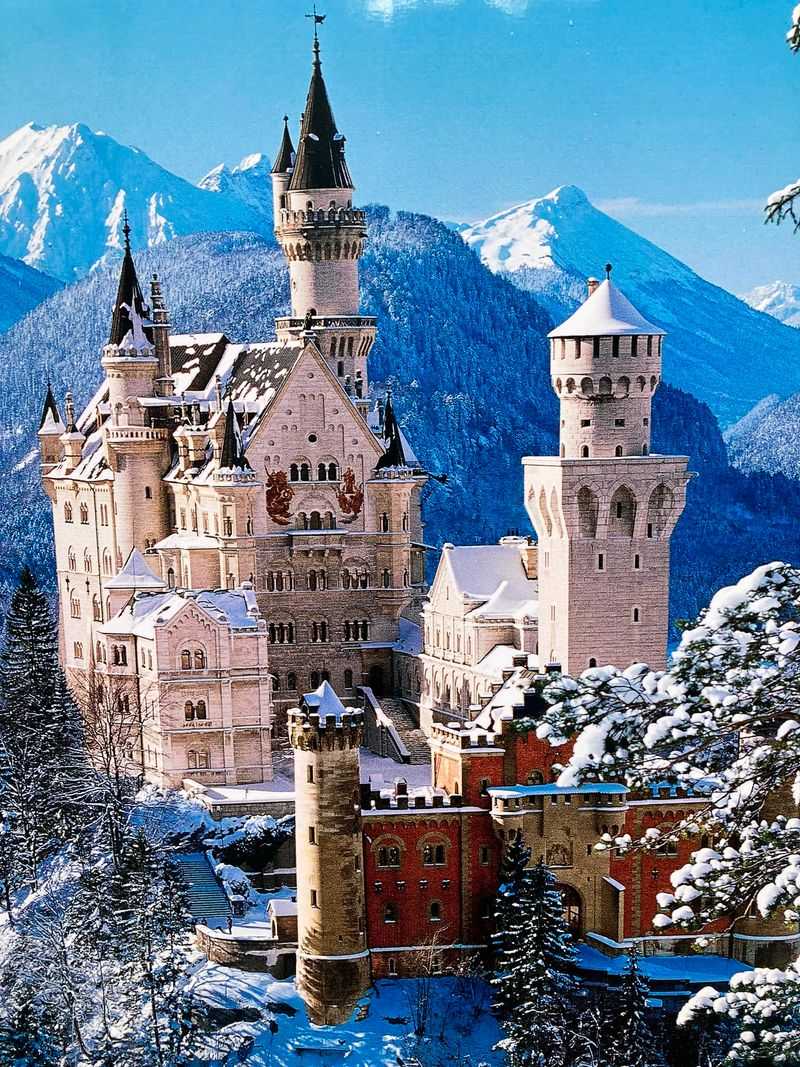
Commissioned by Bavaria’s “Mad King” Ludwig II in 1869, this fantastical castle perched on a rugged hill later inspired Walt Disney’s Sleeping Beauty Castle. Ludwig dedicated it to composer Richard Wagner, with rooms depicting scenes from his operas.
The king’s bedroom alone took 14 woodcarvers four years to complete. Despite its medieval appearance, the castle featured modern conveniences including running water, central heating, and telephone lines, blending romantic fantasy with cutting-edge technology.
16. Casa Loma: The Canadian Castle
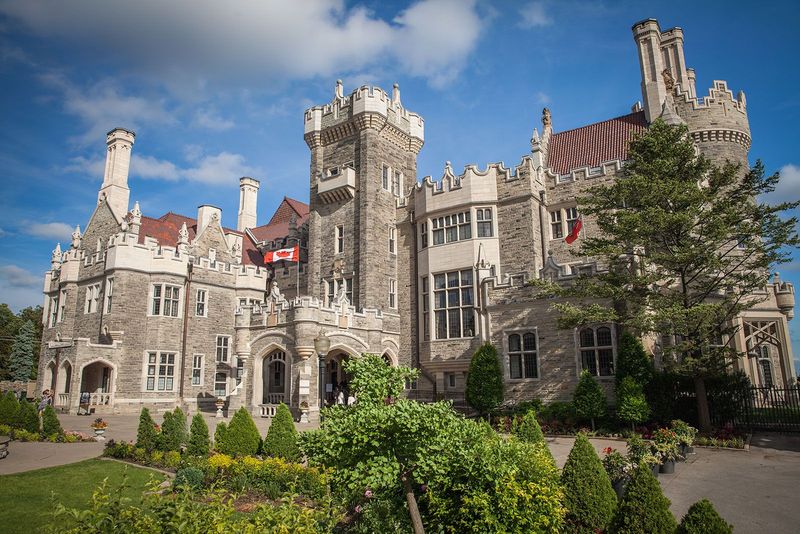
Rising dramatically above Toronto, this Gothic Revival mansion was built by financier Sir Henry Pellatt between 1911 and 1914. The name means “Hill House” in Spanish, reflecting its commanding position overlooking the city.
The 98-room castle cost $3.5 million to build (equivalent to $85 million today). Ahead of its time, it featured an elevator, central vacuum system, and swimming pool. Financial setbacks forced Pellatt to abandon his dream home after living there less than ten years.
17. Mar-a-Lago: The Winter White House
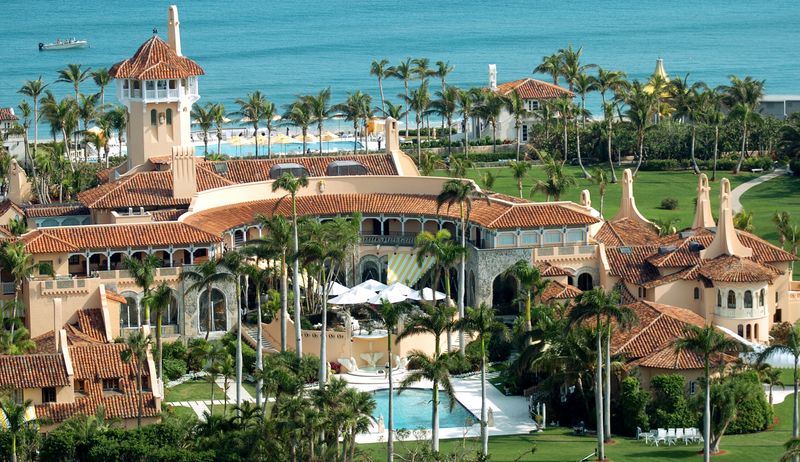
Cereal heiress Marjorie Merriweather Post built this 126-room Spanish-Moorish palace in 1927, envisioning it as a future presidential retreat. Her dream came true decades later when Donald Trump purchased the property and later used it while serving as president.
The estate spans 17 acres between the Atlantic Ocean and Lake Worth. The name means “Sea-to-Lake” in Spanish, reflecting its unique position. National Historic Landmark status protects its distinctive architecture and lavish interiors.
18. Bubble Palace: Pierre Cardin’s Futuristic Masterpiece
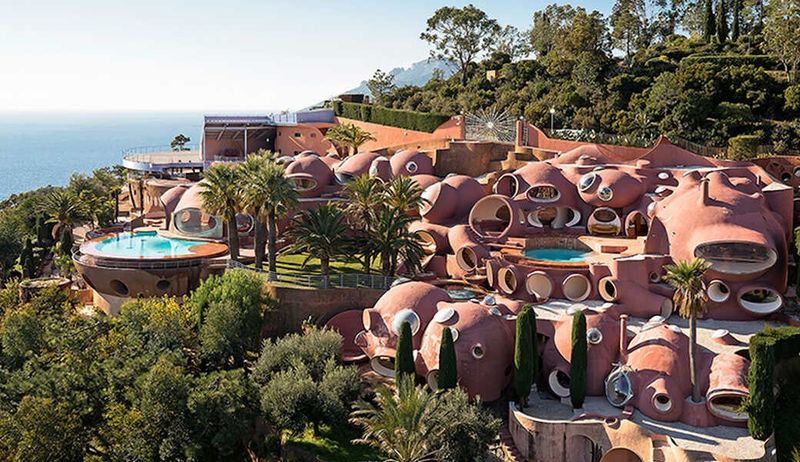
Fashion designer Pierre Cardin commissioned this otherworldly residence on the French Riviera in the 1970s. Architect Antti Lovag rejected traditional straight lines and right angles, creating a series of interconnected terracotta-colored bubbles instead.
The 10-bedroom complex includes a 500-seat outdoor amphitheater overlooking the Mediterranean. Floor-to-ceiling windows throughout maximize the spectacular coastal views. The unique structure represents a radical departure from conventional architecture, emphasizing organic forms inspired by prehistoric cave dwellings.
19. Topkapi Palace: The Ottoman Sultans’ Lavish Court
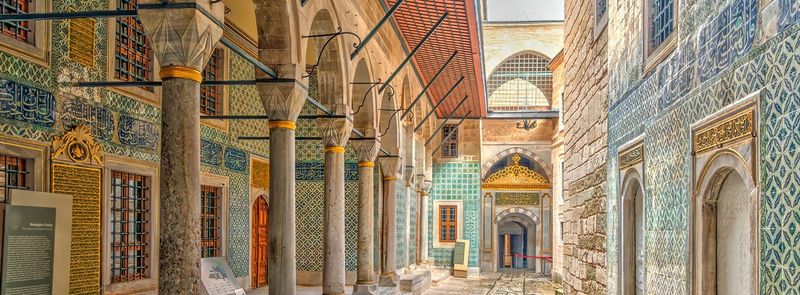
For nearly 400 years, this sprawling complex served as the primary residence and administrative headquarters for Ottoman sultans. Located on Istanbul’s Seraglio Point overlooking the Bosphorus, the palace complex expanded with each ruler’s additions.
The Harem section alone contains over 400 rooms. The Imperial Treasury displays priceless artifacts including the 86-carat Spoonmaker’s Diamond. The palace’s kitchens could serve meals for 4,000 people daily during the empire’s height of power.
20. The Glass House: Philip Johnson’s Transparent Masterpiece
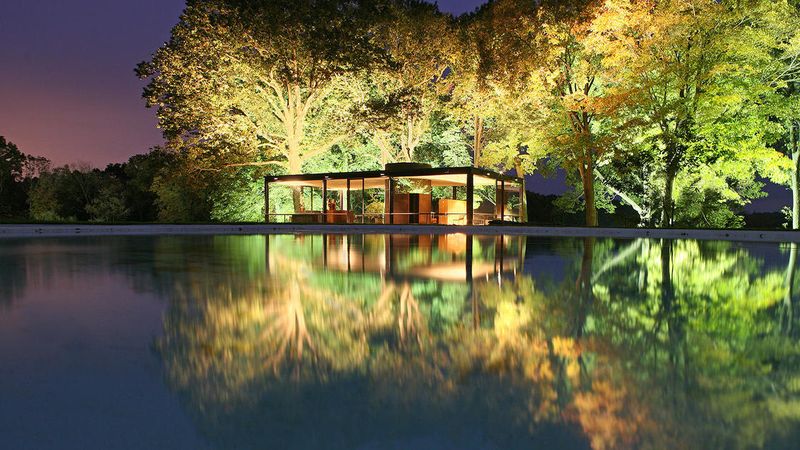
Revolutionary in 1949, this Connecticut home consists of one glass-walled room surrounded by nature. Architect Philip Johnson created this 1,800-square-foot transparent box as his own residence, challenging conventional notions of privacy and the boundary between indoor and outdoor space.
The minimalist interior features just a bed, bathroom cylinder, and a few pieces of furniture. Despite its apparent simplicity, the property includes several other structures including a guest house, painting gallery, and sculpture pavilion across its 49-acre landscape.
21. Witanhurst: London’s Secret Mega-Mansion
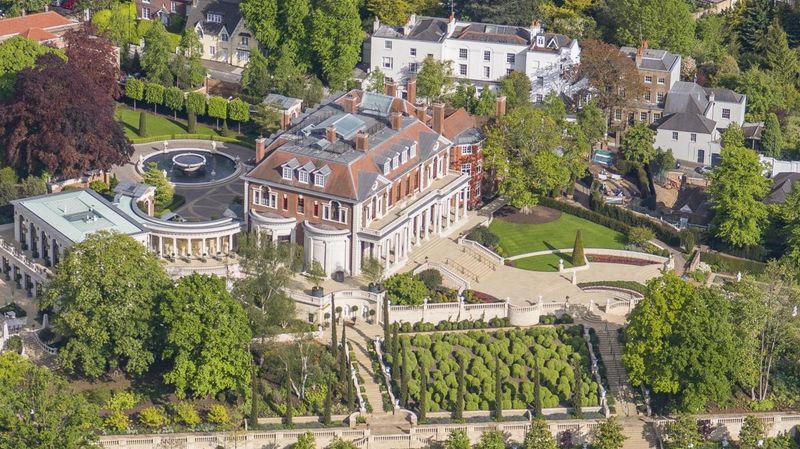
Hidden behind high walls in Highgate, this secretive residence is London’s largest private home after Buckingham Palace. Built in 1913 for soap magnate Arthur Crosfield, the mansion fell into disrepair before a mysterious buyer initiated a massive renovation in 2008.
The expanded property now encompasses 90,000 square feet with 25 bedrooms. The renovation added a two-story basement featuring a 70-foot swimming pool, theater, and parking for 25 cars. Russian billionaire Andrey Guryev was later revealed as the owner.