17 Things To Know Before You Get A Modular Home, According To A Building Safety Expert
Thinking about joining the modular home revolution? These innovative houses are built in sections at factories before being transported to your property for assembly.
They offer impressive benefits like faster construction times and potentially lower costs compared to traditional builds.
Before you jump in, though, there are crucial safety and practical considerations that every potential modular homeowner should understand.
1. Zoning Regulations Can Make or Break Your Project
Ever had your dreams crushed by a piece of paper? That’s what zoning laws can do to your modular home plans if you’re not careful.
Many neighborhoods have specific restrictions that might prohibit modular construction or dictate minimum square footage requirements. Before purchasing land or signing any contracts, verify with local authorities that modular homes are permitted in your desired location.
2. Modular Doesn’t Mean Manufactured
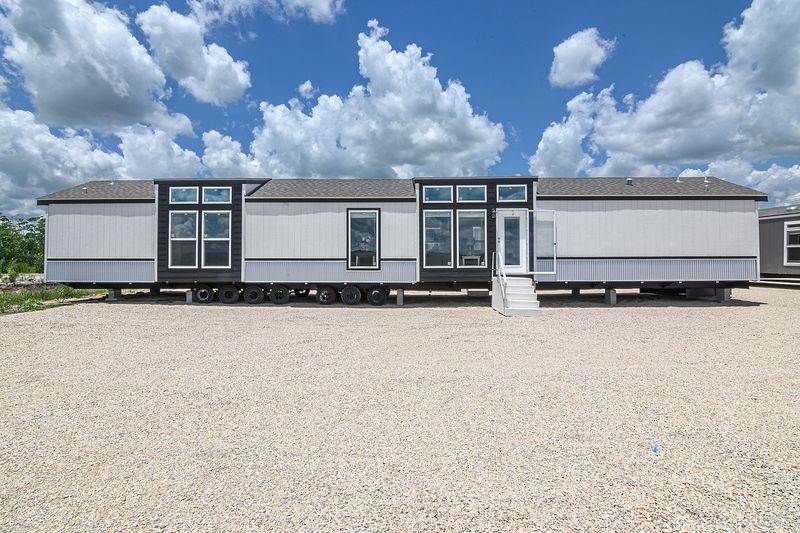
Contrary to popular belief, modular and manufactured homes are distant cousins, not identical twins. The difference matters tremendously for your investment.
Modular homes adhere to the same local building codes as site-built homes and typically appreciate in value over time. Manufactured homes (formerly called mobile homes) follow federal HUD codes instead and generally depreciate like vehicles.
3. Foundation Requirements Are Non-Negotiable
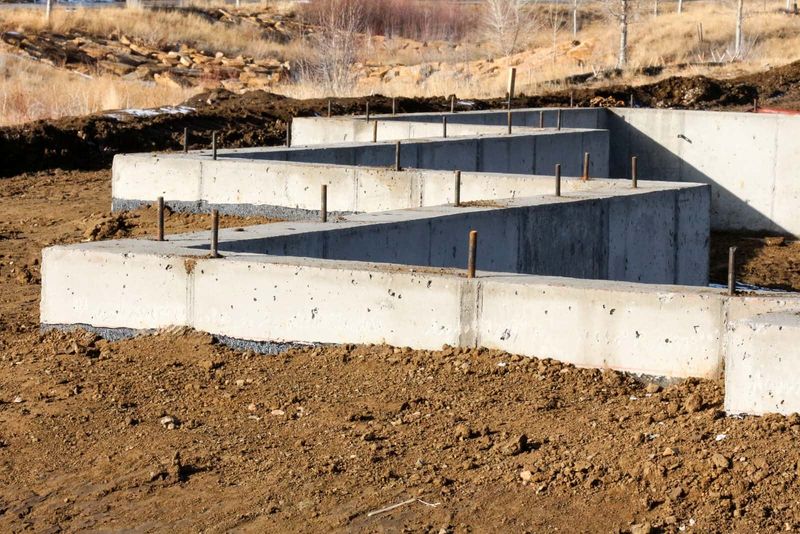
Would you build a castle on quicksand? Of course not! Your modular home deserves an equally solid foundation.
Most modular homes require permanent foundations just like traditional homes – typically concrete basements or crawl spaces. The foundation must be precisely engineered to support the specific modules of your home. Skimping here isn’t an option if you want structural integrity and proper warranty coverage.
4. Weather Considerations During Transportation
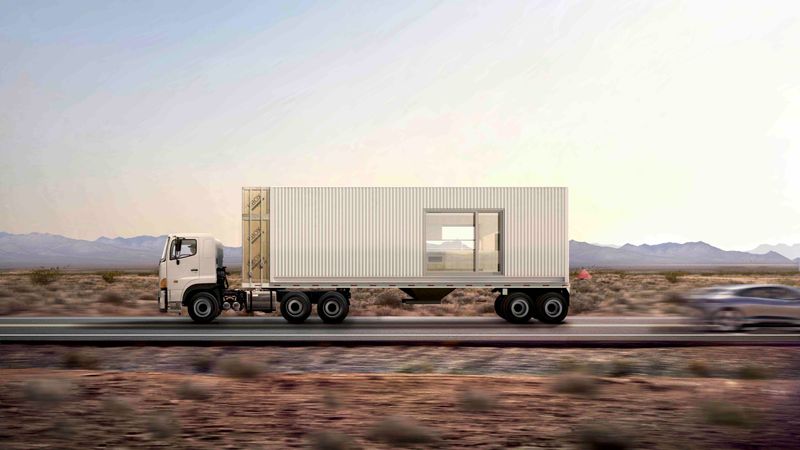
Mother Nature doesn’t always cooperate with delivery schedules. When modules travel from factory to building site, they’re temporarily exposed to the elements.
Heavy rain, snow, or high winds can delay transportation or even damage modules. Smart builders schedule deliveries during favorable weather seasons for your region. Always have contingency plans for potential weather delays to avoid cascading scheduling problems.
5. Factory Quality Control Offers Consistency
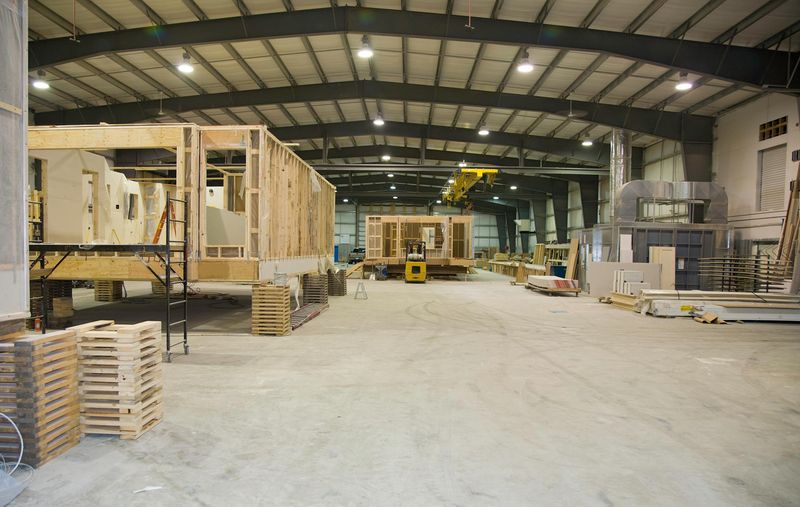
Imagine carpenters working in perfect conditions rather than battling rain, snow, or scorching heat. That’s the factory advantage!
Modular construction happens in climate-controlled environments with consistent quality oversight. Materials aren’t exposed to weather during critical building phases, reducing warping and moisture problems. This controlled environment typically results in more precise construction than traditional building methods.
6. Multiple Inspections Ensure Safety
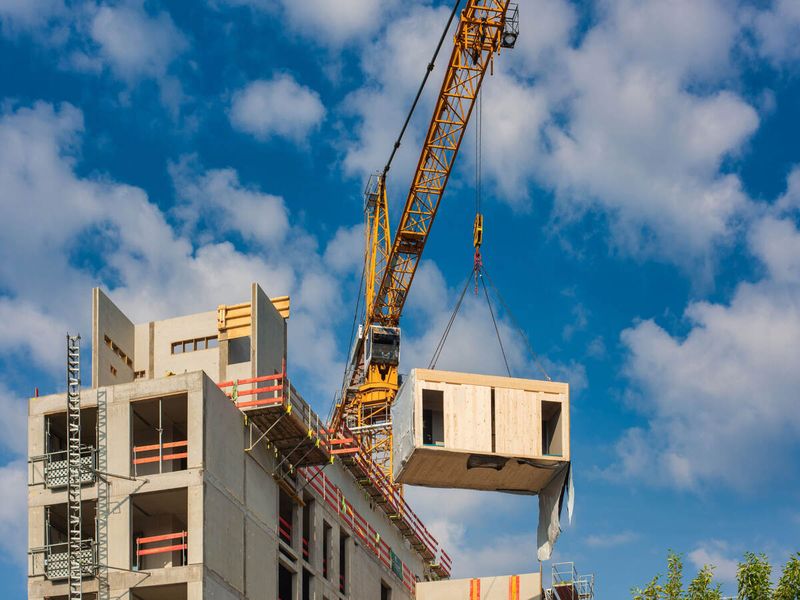
Your modular home will likely be more thoroughly inspected than its site-built counterparts. Talk about peace of mind!
These homes undergo inspections at multiple stages: during factory construction, after transportation, and during on-site assembly. This triple-check system catches potential issues that might be missed in traditional construction. Always request copies of all inspection reports for your records.
7. Size Limitations Due To Road Restrictions
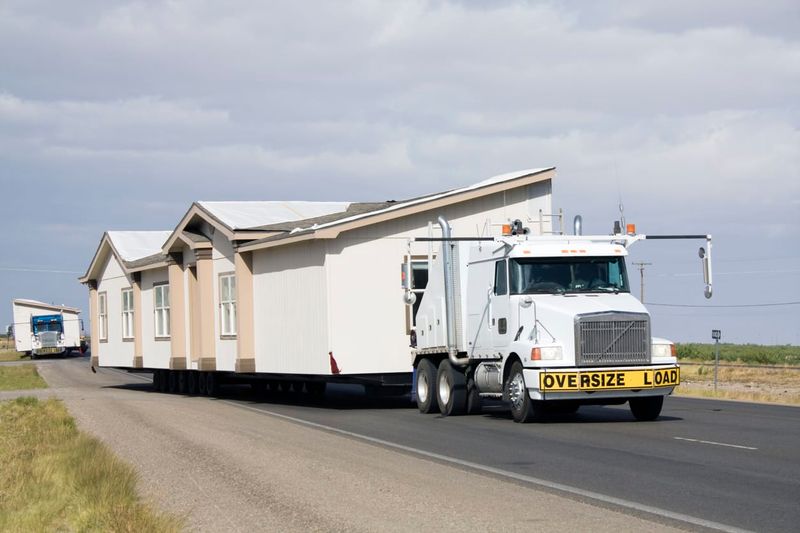
Highway regulations might clip your design wings before you even start flying. Each module must travel public roads to reach your property.
Standard modules typically can’t exceed 16 feet in width, 70 feet in length, and 11 feet in height due to transportation limitations. These constraints affect your floor plan options. Work with designers experienced in modular construction to create homes that optimize within these boundaries.
8. Energy Efficiency Is Built In
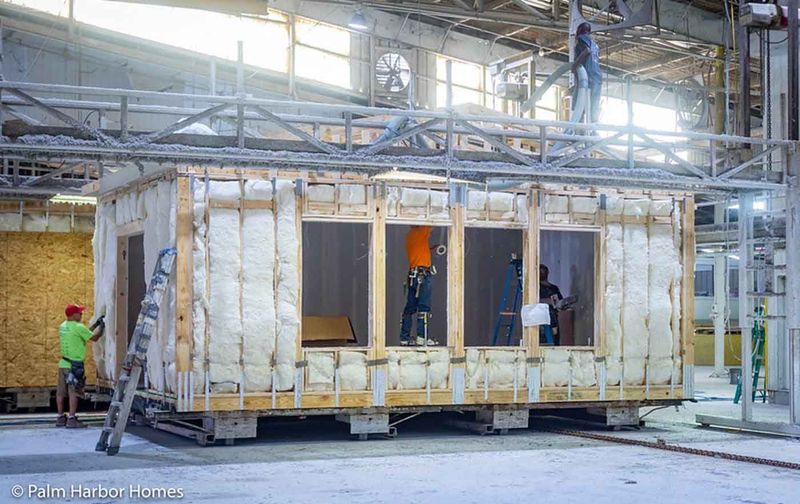
Slash those utility bills! Factory-built walls, floors, and ceilings typically achieve better insulation performance than site-built alternatives.
Precise cutting and assembly in factory settings create tighter building envelopes with fewer thermal gaps. Many manufacturers offer enhanced energy packages with superior insulation values, high-performance windows, and efficient HVAC systems. These features translate to meaningful long-term savings on heating and cooling costs.
9. Crane Access Is Essential
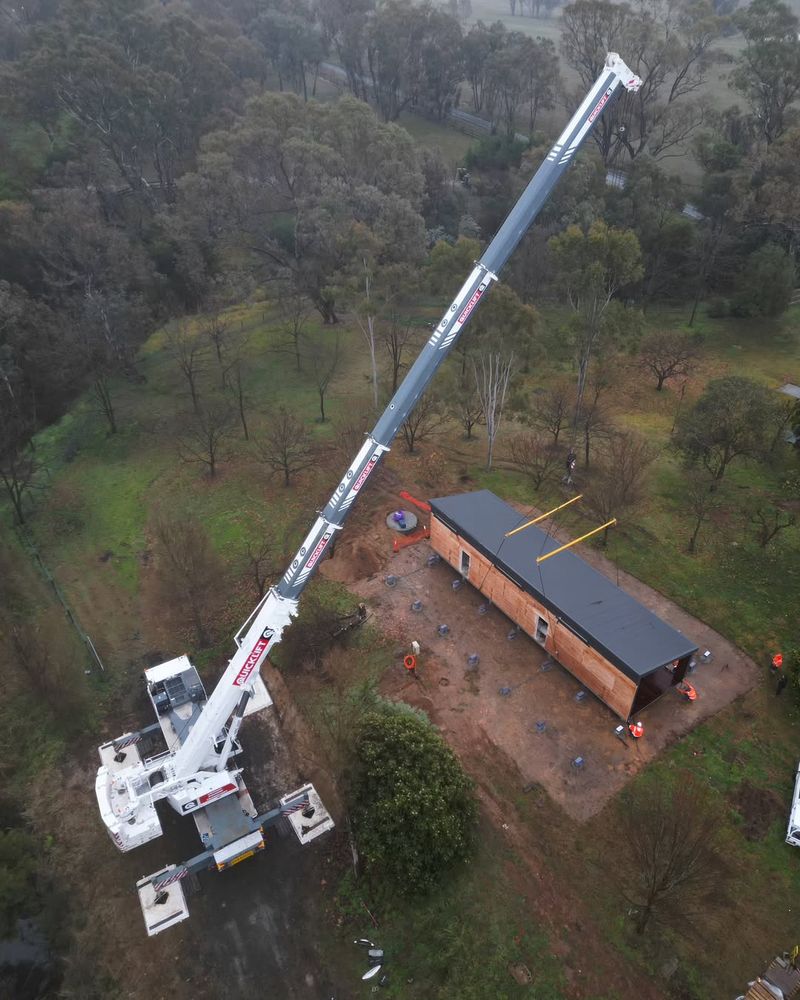
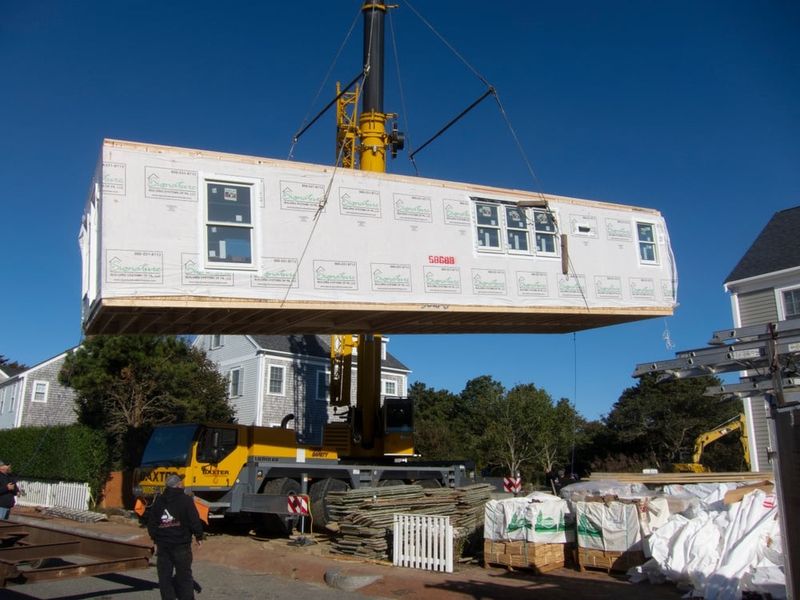
Picture a massive steel arm hoisting your future bedroom through the air – that’s module installation day!
Your property must accommodate large cranes needed to place modules onto the foundation. Trees, power lines, or limited access roads can create serious installation challenges. Professional site evaluations should include crane accessibility assessments before finalizing your land purchase.
10. Customization Options Are Expanding
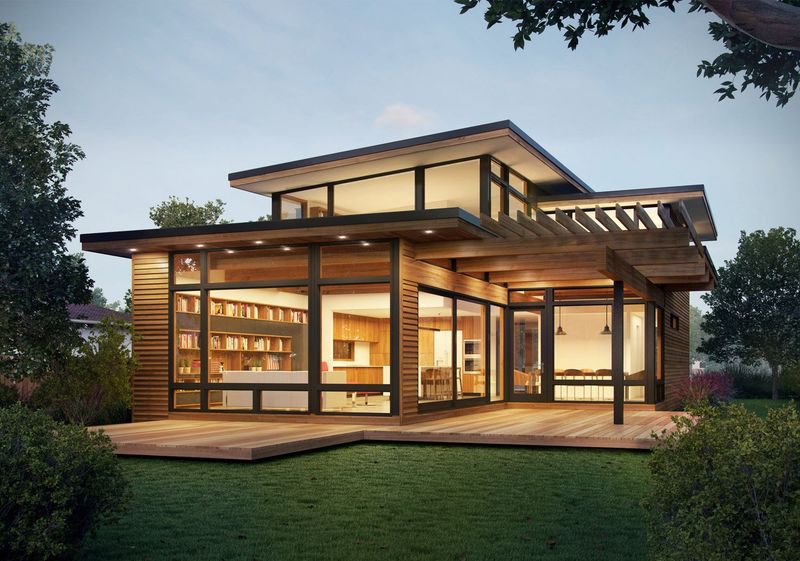
Gone are the days of boxy, cookie-cutter designs! Modern modular homes offer impressive architectural flexibility that might surprise you.
Today’s manufacturers provide numerous customization options for floor plans, exterior finishes, rooflines, and interior features. Some even produce stunning multi-story homes with dramatic open spaces. Review manufacturer portfolios to find companies whose design aesthetic matches your vision.
11. Total Cost Involves More Than Modules

Sticker shock can strike when you realize the quoted price is just the beginning of your financial journey.
Beyond the modules themselves, budget for land costs, site preparation, foundation construction, utility connections, and finishing work. These “completion costs” typically add 30-100% to the base module price. Request detailed breakdowns of all expenses to avoid unpleasant financial surprises during your project.
12. Warranty Coverage Varies Widely
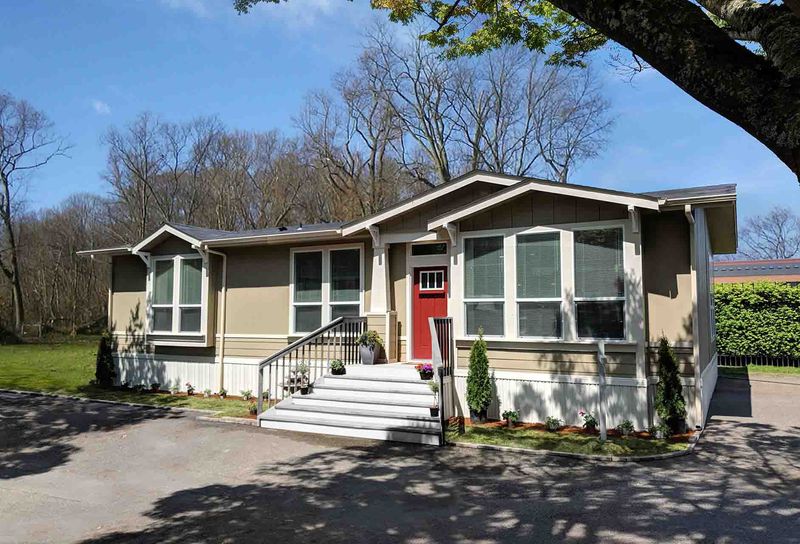
Not all protection plans are created equal! Some manufacturers offer comprehensive coverage while others provide bare minimum protection.
Quality modular homes typically come with multi-tiered warranties: short-term comprehensive coverage (1-2 years), intermediate structural elements coverage (5-10 years), and long-term major structural defects protection (10+ years).
13. Structural Durability Exceeds Expectations
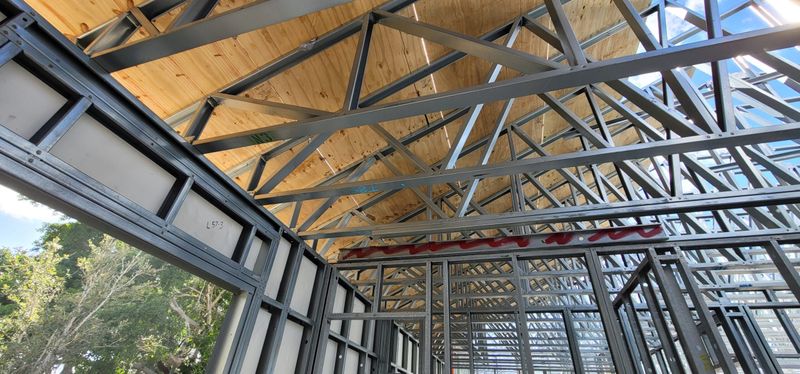
Hurricane-force winds might be less worrying when you understand how modular homes are constructed. These structures are built tough! Modular homes must withstand transportation stresses, which means they’re typically built with stronger materials than site-built homes.
Each module has its own structural integrity, and when combined, creates a remarkably durable dwelling. Many modular homes have demonstrated superior performance during hurricanes and earthquakes.
14. Financing Can Be More Complex

Banks sometimes raise eyebrows at modular projects, which can complicate your mortgage journey. Preparation is key. Traditional mortgage lenders may be unfamiliar with modular construction, requiring additional documentation and explanations.
Construction-to-permanent loans are typically needed, where funds are released in stages. Work with lenders experienced in modular projects and expect to provide more detailed documentation than with conventional home purchases.
15. Site Preparation Timeline Is Critical
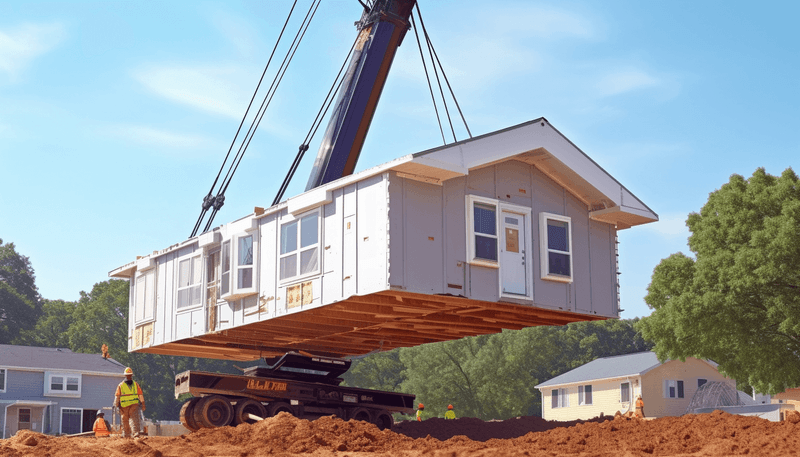
Synchronizing foundation completion with factory delivery requires military-precision scheduling. Timing mistakes can be costly!
Your foundation must be ready exactly when modules arrive from the factory. Delays in site preparation can result in expensive module storage fees or production schedule conflicts. Professional modular builders coordinate these elements carefully, which is why experienced contractors are worth their weight in gold.
16. Module Connections Require Special Attention
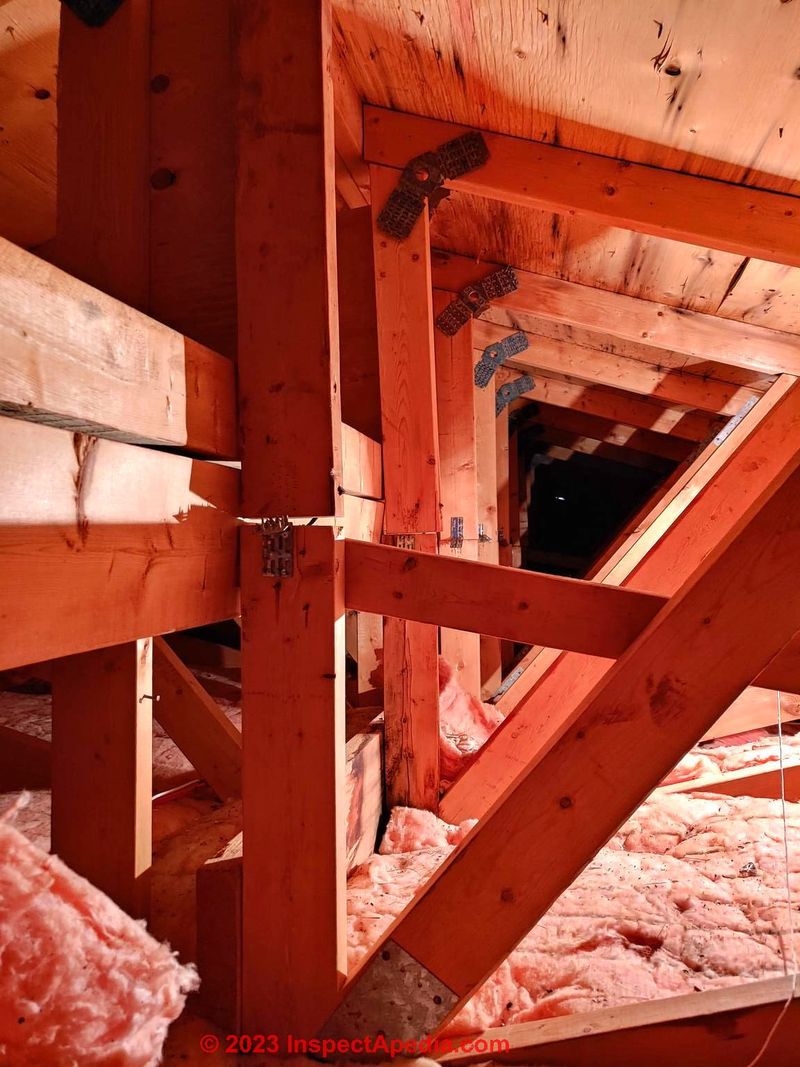
Where modules meet, potential problems lurk. These seams are the Achilles’ heel of modular construction if not properly executed.
Marriage lines (where modules join) need expert finishing to ensure structural integrity and aesthetic continuity. Floors, ceilings, and roofs must align perfectly. Reputable installers use specialized techniques to hide these connections, making them virtually invisible in the finished home.
17. Utility Connections Need Coordination
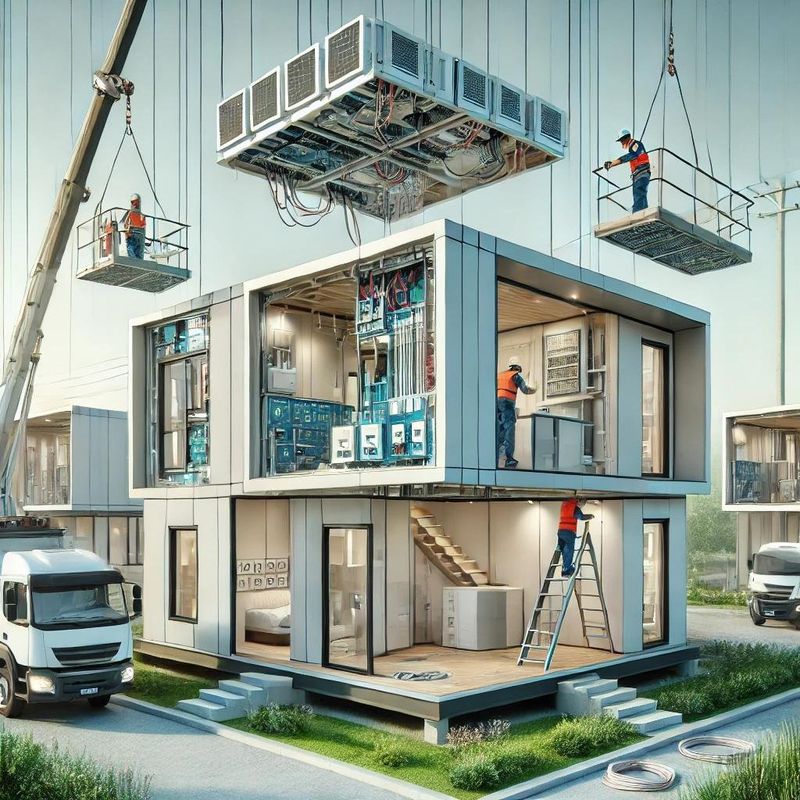
Hooking up water, power, and sewage systems requires careful choreography between multiple professionals. Timing is everything!
Utility connections must be planned well before modules arrive. Systems need to integrate seamlessly between modules and with local infrastructure. Professional modular builders coordinate with electricians, plumbers, and local utility companies to ensure smooth connections during the critical assembly phase.