16 Reasons Why a Kitchen Table Beats an Island, According to People Who Made the Switch
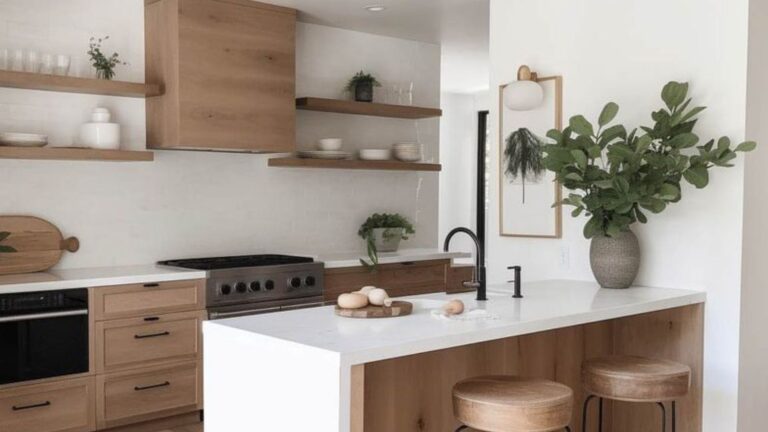
Kitchen remodels often spark the great debate: island or table? While islands have dominated design trends for years, many homeowners are rediscovering the humble kitchen table’s charm and practicality.
After making the switch from trendy islands back to traditional tables, these homeowners share compelling reasons why they’re not looking back.
1. More Flexible Seating Options
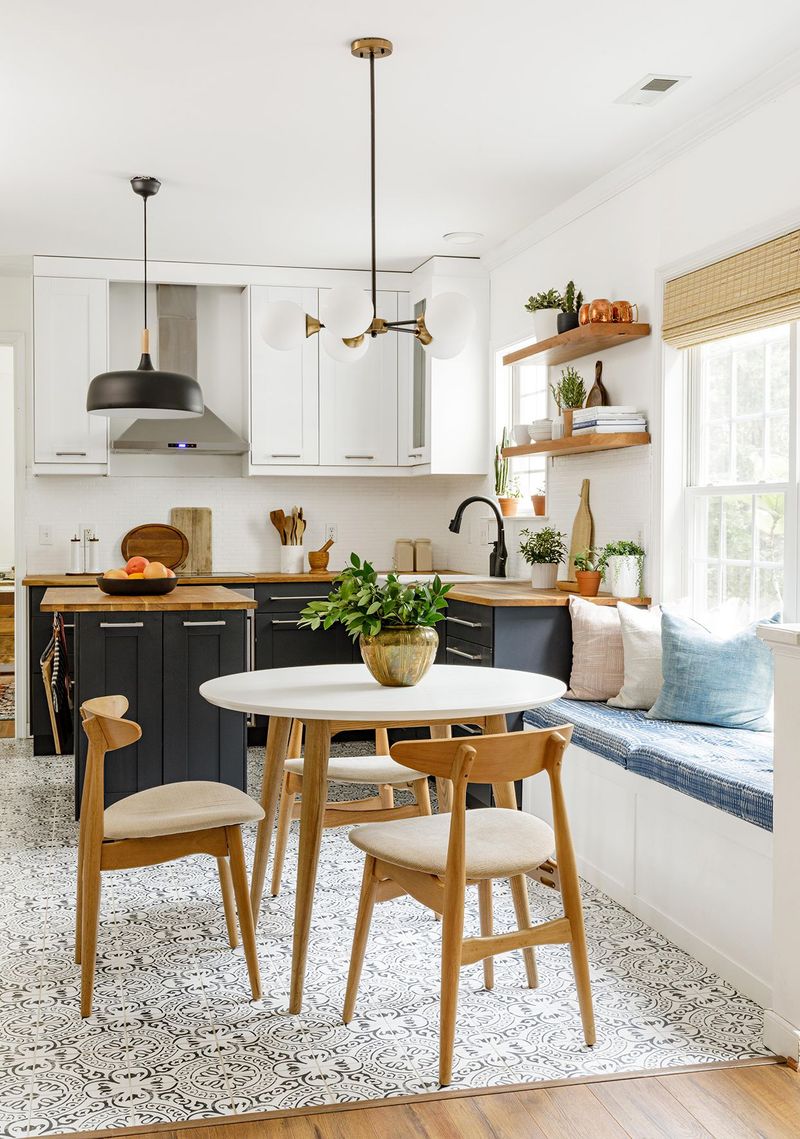
Pull up a chair—or two, or six! Unlike fixed island stools, tables accommodate varying numbers of guests without awkward crowding.
Grandma drops by unexpectedly? Simply grab another chair from the living room. Kids want friends over for homework? No problem with expandable tables that adapt to your changing needs.
2. Easier to Move Around
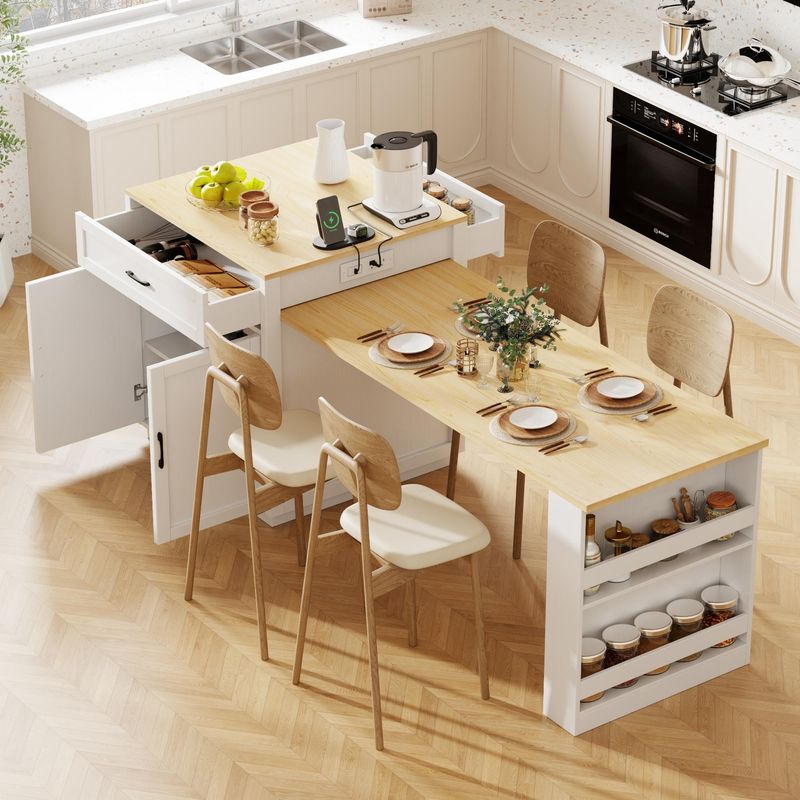
Navigating kitchen traffic becomes remarkably simpler without a permanent obstacle in your path. Morning coffee runs flow smoothly when family members can glide past each other without bottlenecks.
Want to dance while cooking? A table-centered kitchen provides the space. Plus, wheelchair users and people with mobility aids find tables significantly more accommodating than island-centric layouts.
3. Creates a Cozy, Inviting Atmosphere
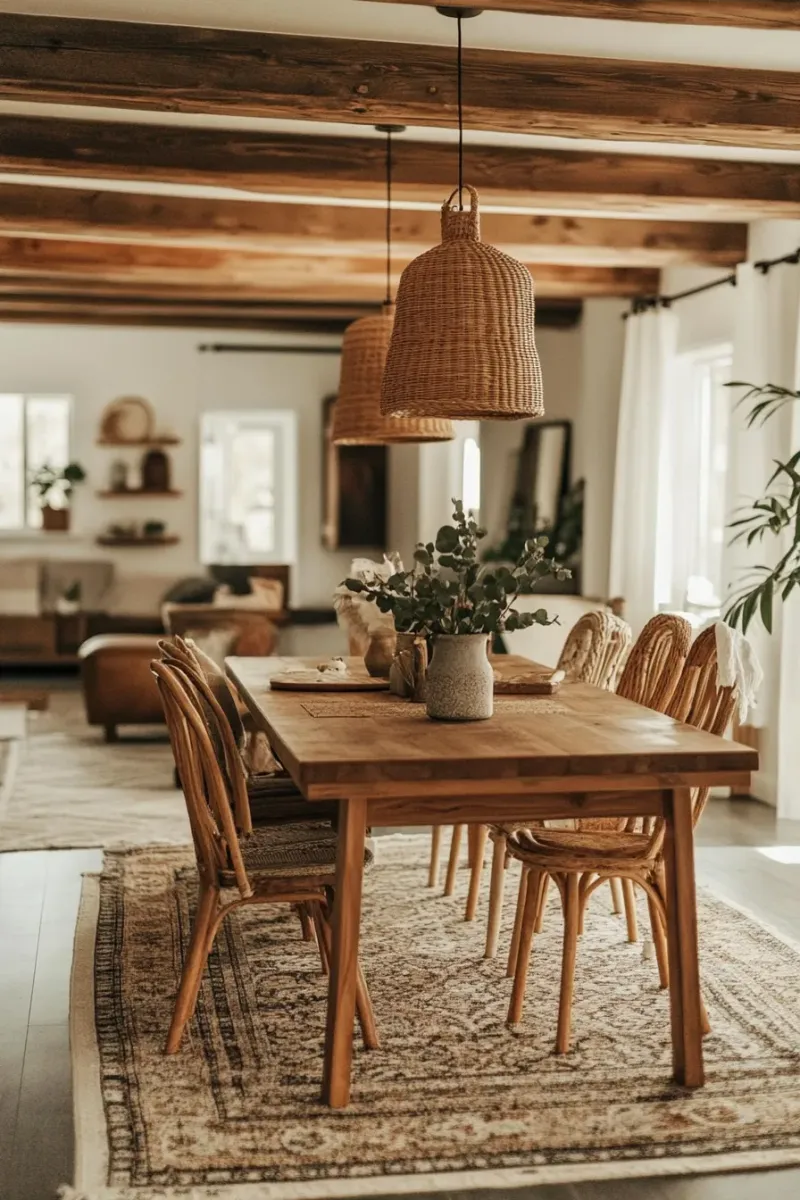
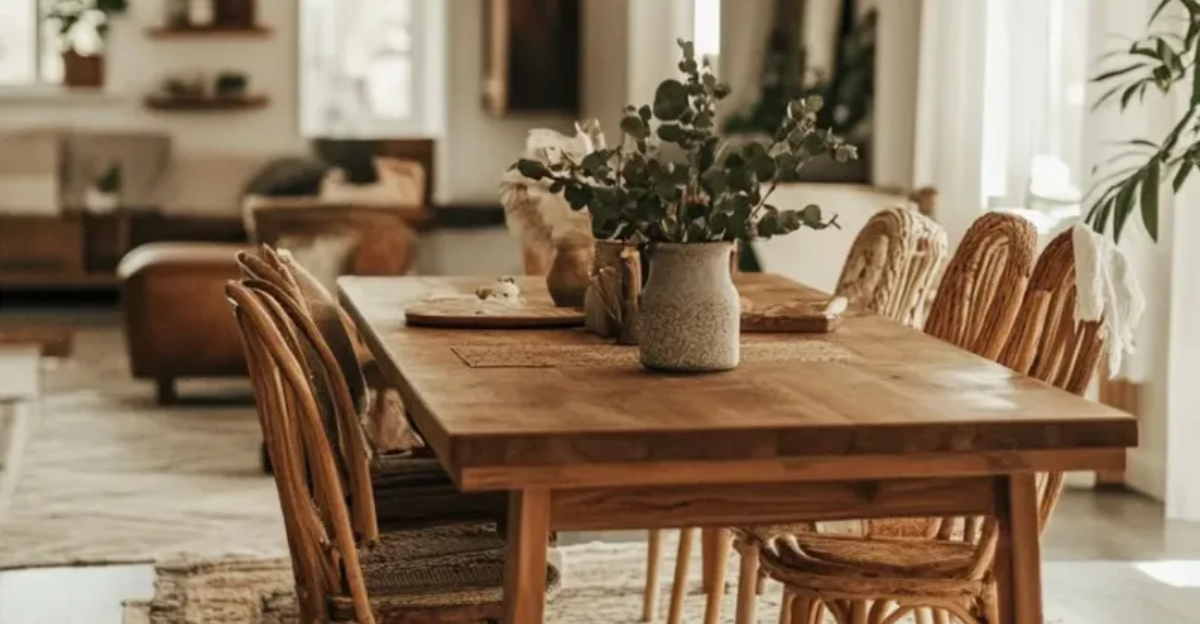
Something magical happens when people gather around a proper table. Conversations flow more naturally when everyone faces each other instead of lining up barstool-style.
Warm lighting hanging above a well-loved table creates an instant focal point that draws people in. Many homeowners report their kitchens feel more like cherished family spaces rather than just cooking zones after making the switch.
4. Takes Up Less Visual Space
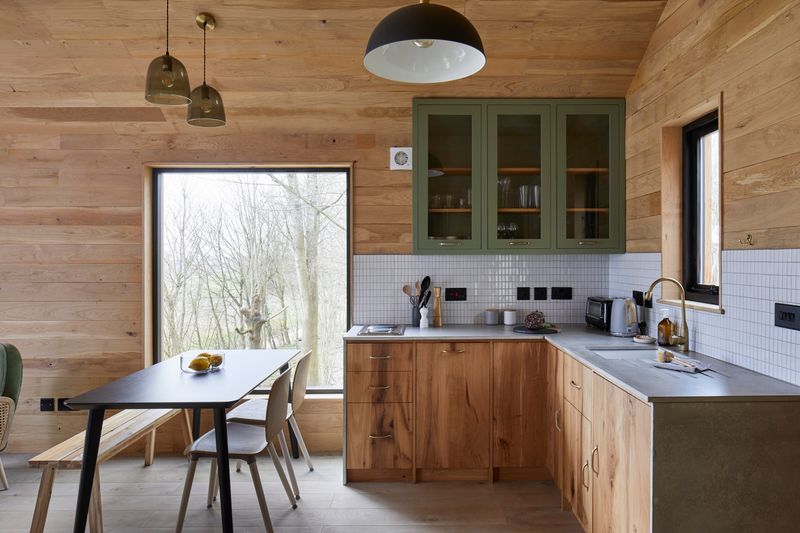
Walking into a kitchen with a table feels airier than one dominated by a hefty island. Light flows underneath tables, creating the illusion of more space even in modest kitchens.
Visual clutter diminishes dramatically without that massive block in the middle. One homeowner remarked, “My kitchen breathes again since we removed our island—it’s like the walls moved outward!”
5. Offers Better Legroom
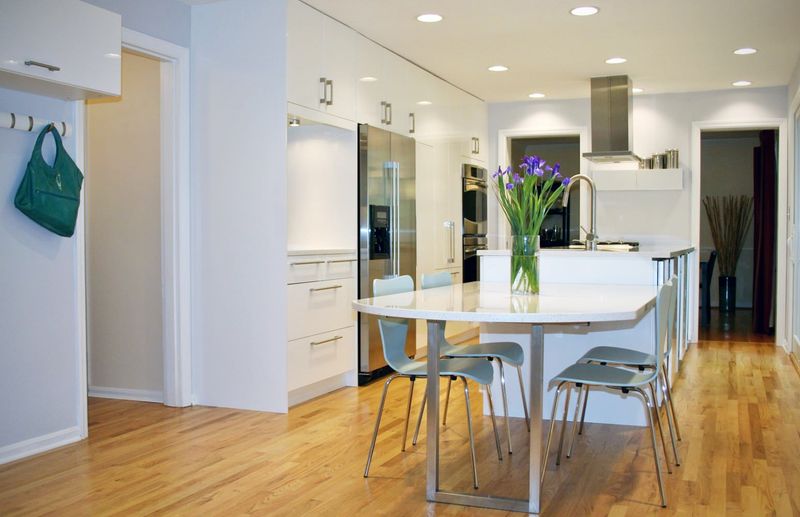
Cramped knees become a thing of the past when switching to tables! Islands often have cabinets or appliances underneath that limit comfortable seating positions.
Anyone who’s ever bumped their knees on island panels appreciates the freedom tables provide. For taller family members especially, proper tables with ample legroom make lingering over meals much more enjoyable without that awkward perched-on-a-stool feeling.
6. Easier to Clean Underneath
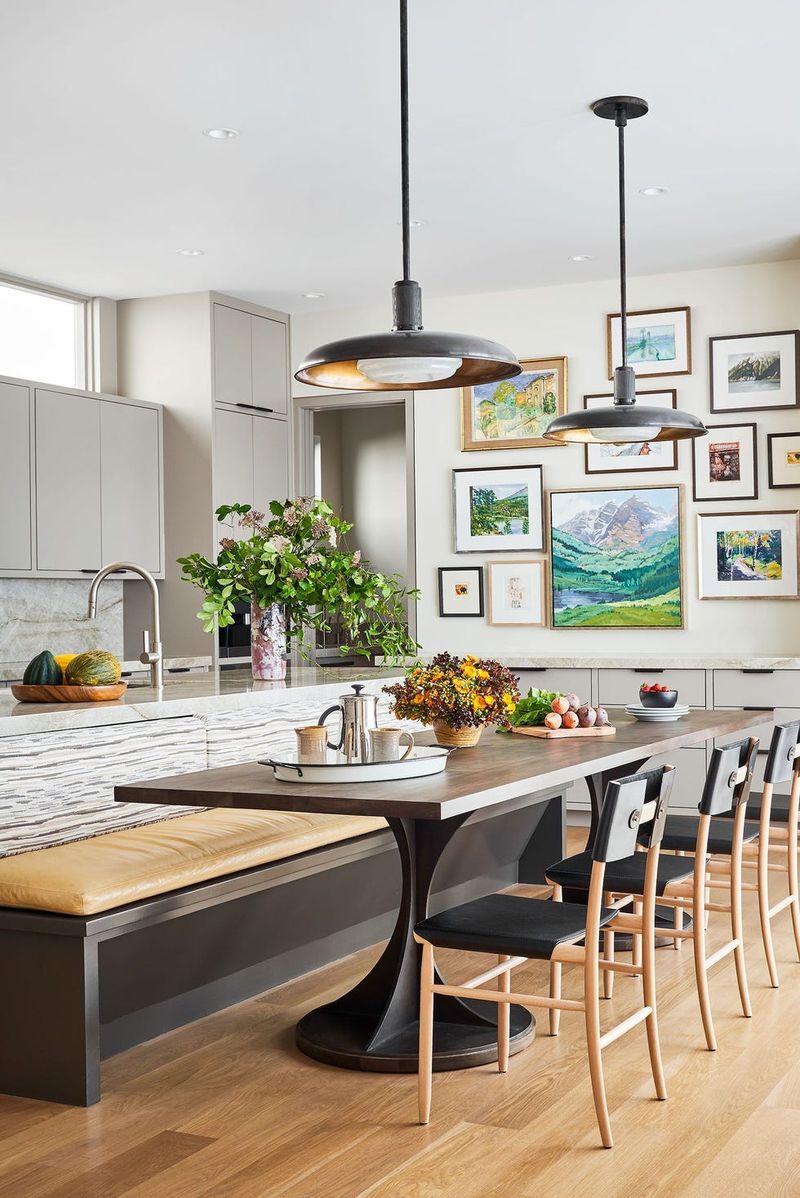
Spilled cereal no longer becomes a permanent kitchen feature. Moving a table to sweep or mop underneath takes seconds compared to the impossible task of cleaning under fixed islands.
Pet owners particularly celebrate this advantage—no more unreachable dust bunnies or kibble hideouts. One convert laughingly shared, “My robot vacuum actually completes its job now instead of bumping endlessly against the island.”
7. Less Expensive to Install
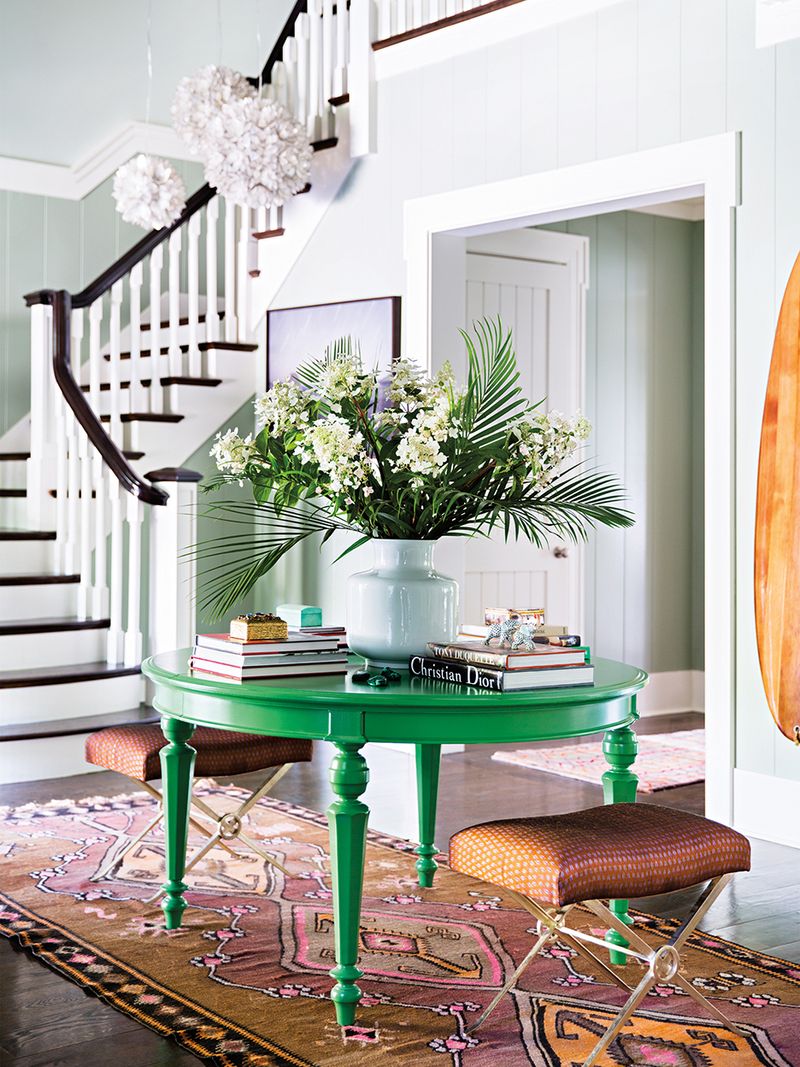
Saving thousands on kitchen renovations sounds appealing to most homeowners. A quality table costs a fraction of custom island installation with its required plumbing, electrical, and cabinetry work.
Budget-conscious families appreciate redirecting those funds elsewhere. “We used the money we saved on not installing an island to upgrade our appliances instead,” reported one practical homeowner who made the switch last year.
8. Fits Smaller Kitchens Better
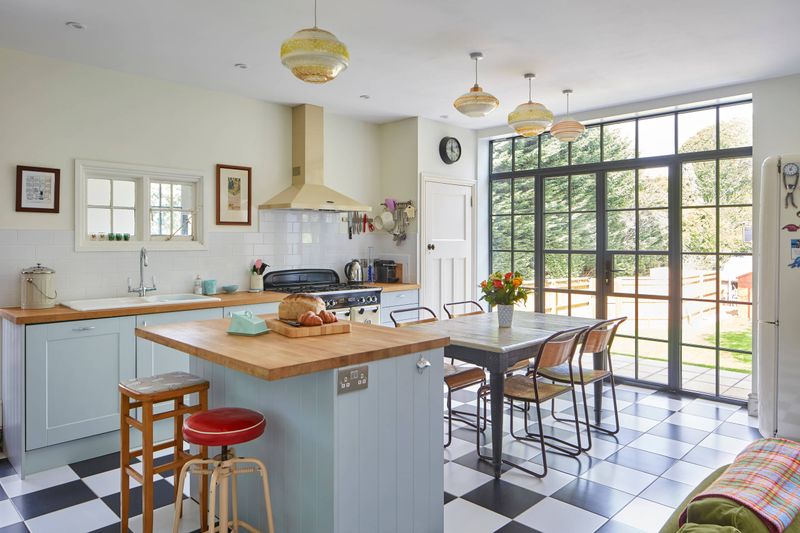
Apartment dwellers rejoice at having functional dining without sacrificing precious square footage. Tables scale appropriately to available space, while islands demand minimum clearances that many kitchens simply can’t provide.
Round or drop-leaf tables particularly shine in compact settings. “My 900-square-foot apartment kitchen went from cramped to comfortable overnight,” shared one city resident who abandoned island dreams for table reality.
9. Doubles as a Workspace or Homework Spot
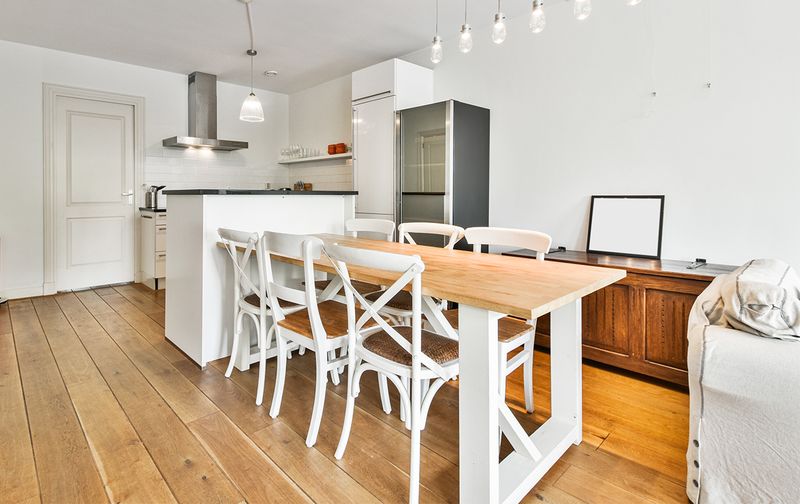
Multitasking becomes effortless with a proper table surface. Kids spread homework across the table while dinner prep happens simultaneously—try that with narrow island seating!
Work-from-home parents appreciate having a legitimate surface for laptops that’s separate from food prep areas. Plus, craft projects, puzzle nights, and board games find a natural home on kitchen tables that islands simply can’t match.
10. Encourages Family Gatherings
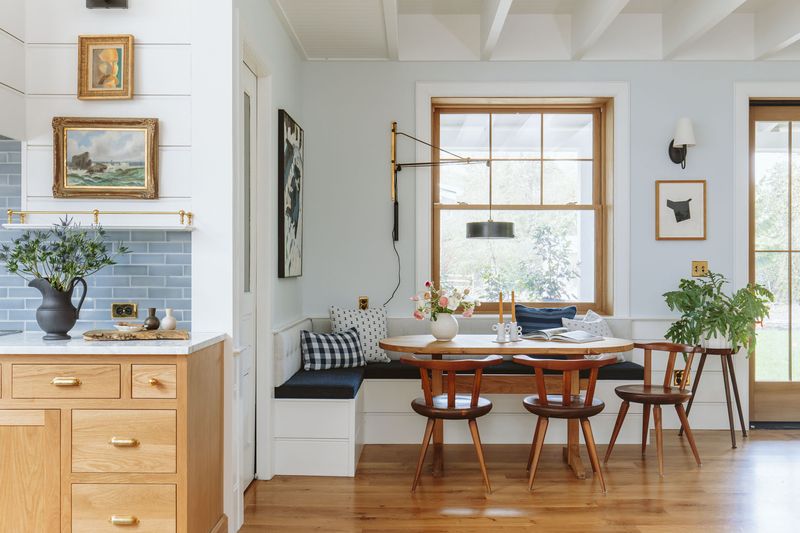
Face-to-face seating naturally promotes meaningful connections. Families report longer, more engaged mealtime conversations when gathered around tables rather than perched along island counters.
Morning routines transform when everyone has a designated spot. Evening meals stretch longer as comfort encourages lingering rather than rushing.
11. No Need for Built-In Electricals
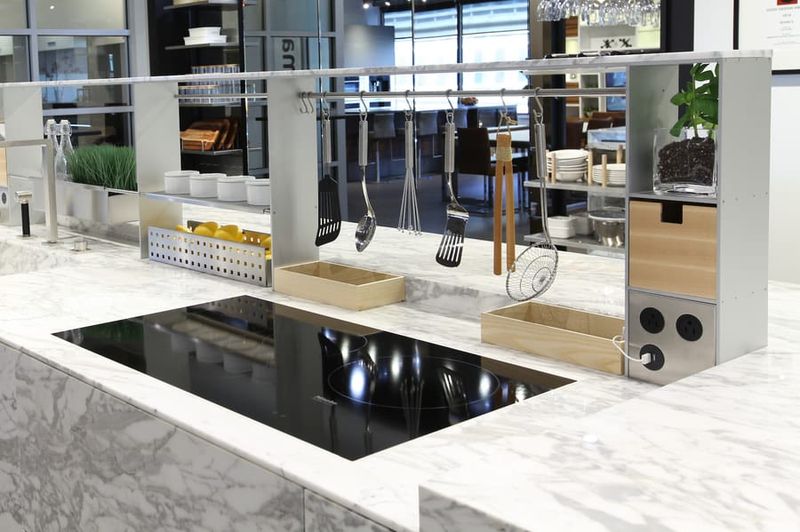
Avoiding complicated electrical work saves headaches and future maintenance issues. Islands often require specialized outlets and lighting that demand professional installation and potential wall/floor disruption.
Power needs change over time, making fixed solutions problematic. “When our island outlets needed updating, it became a major project,” explained one homeowner.
12. Easier to Change Style or Size
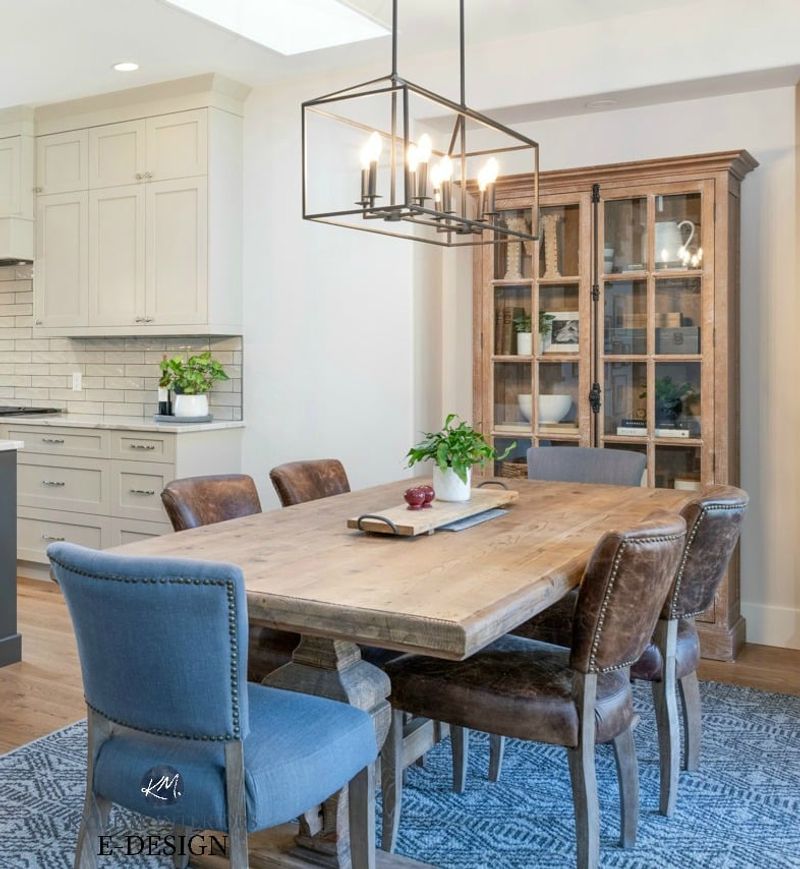
Design flexibility remains forever with tables! Redecorating becomes as simple as swapping out your table rather than demolishing built-in cabinetry.
Growing families appreciate the ability to upgrade from a four-person table to a six-seater without construction crews. Empty-nesters enjoy downsizing to cozier options. One style-conscious homeowner gushed, “I’ve changed my kitchen’s look three times in five years just by updating my table!”
13. Provides a Clearer Traffic Flow
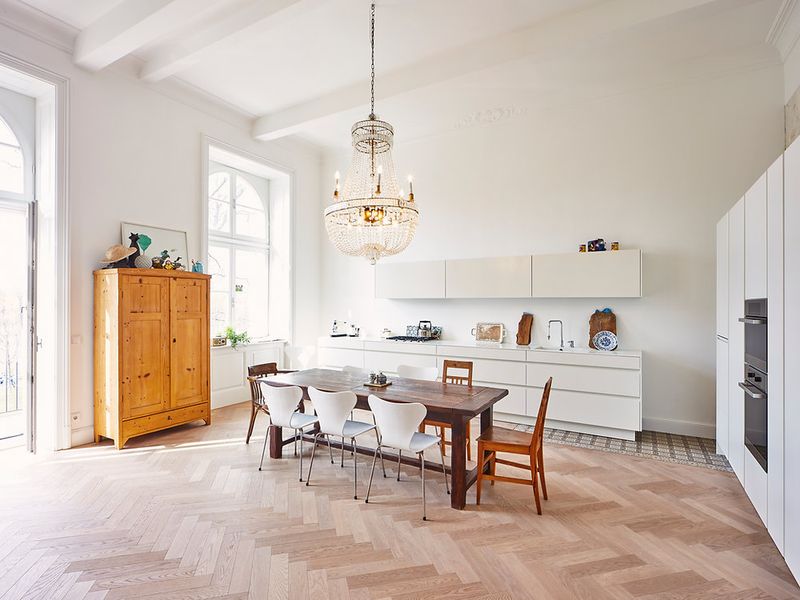
Imagine walking straight from refrigerator to stove without navigating around a permanent obstacle. Kitchen choreography becomes infinitely smoother with table-centered designs.
Multiple cooks can work simultaneously without collisions. Party guests flow naturally through the space instead of creating bottlenecks. “Our kitchen feels twice as functional since removing the island,” reported one home chef who hosts frequent dinner parties.
14. Simpler to Rearrange for Different Needs
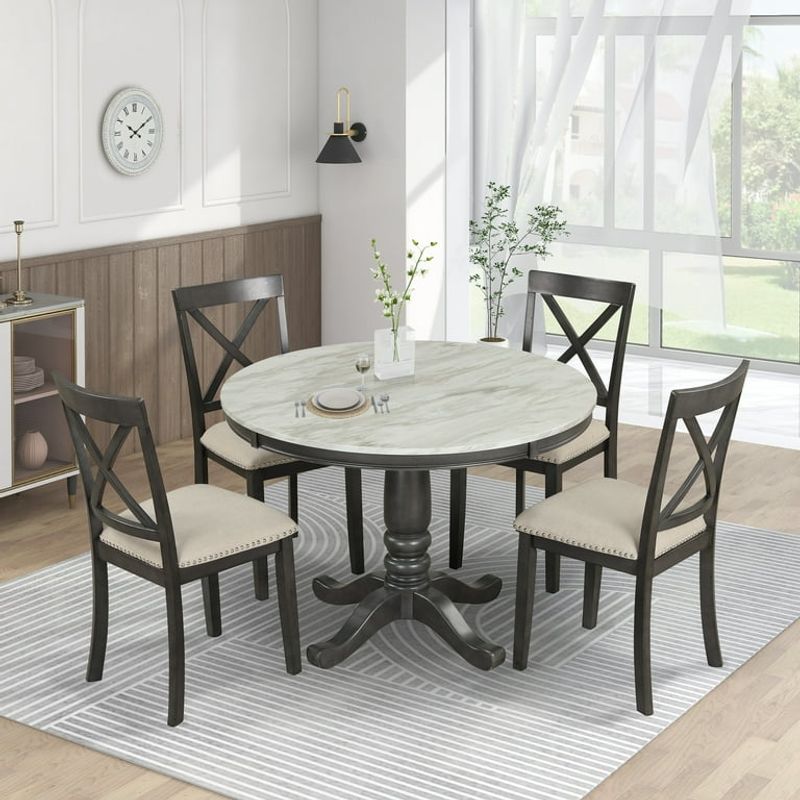
Hosting Thanksgiving? Simply move the table against a wall for buffet service. Need extra floor space for a kitchen dance party? Push it aside temporarily!
Adaptability ranks high among former island owners who switched. Weekend pancake breakfasts, weeknight homework sessions, and Saturday crafting all demand different configurations.
15. Less Cluttered Look Without a Bulky Island
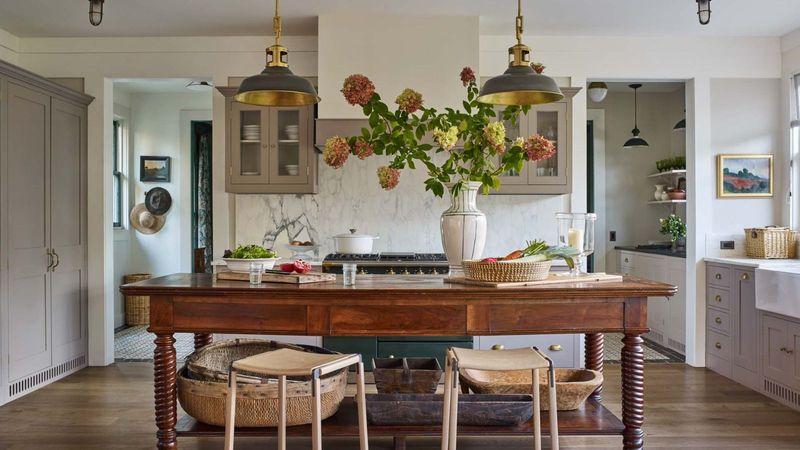
Visually streamlined kitchens create a sense of calm that busy families crave. Islands inevitably collect mail, keys, homework, and random items that create permanent clutter zones.
Tables somehow encourage better habits—perhaps because they’re clearly dining spaces rather than ambiguous surfaces. “We’re more mindful about keeping our table clear since it’s our dedicated eating area,” noted one reformed clutterer who made the switch last year.
16. Adds a Classic, Timeless Feel
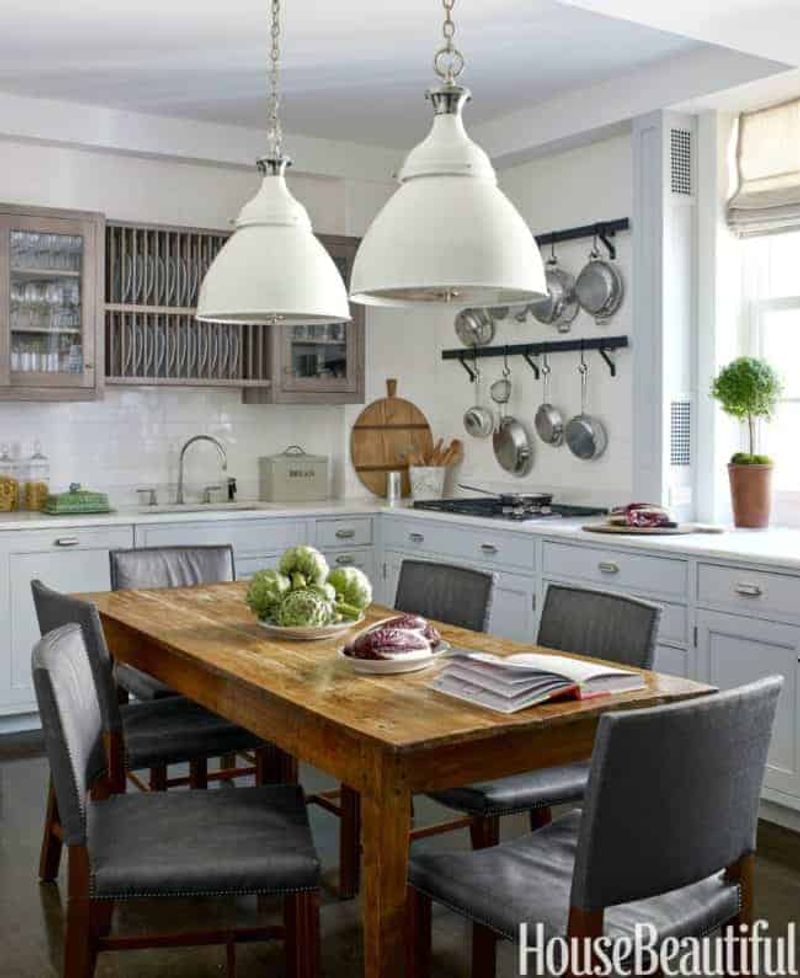
Fashion comes and goes, but kitchen tables have endured for centuries for good reason. While islands may eventually date your kitchen to specific decades, tables remain eternally relevant.
Vintage and antique tables bring character that manufactured islands can’t match. “The 1940s enamel-top table tells a story that no island could,” shared one homeowner. “It’s been in my family for generations and still works perfectly in our modern kitchen.”