10 Charming Kitchen Ideas That Have Gone Out Of Style In America Plus 5 That Will Always Stay Forgotten
Remember when your kitchen was the epitome of style? Time moves on—and so do design trends. What once graced magazine covers as must-have kitchen features now makes designers cringe.
Here are ten once-beloved kitchen elements that have fallen from grace, plus five that were so questionable they’ll remain permanently in design purgatory.
1. Tuscan-style faux finishes
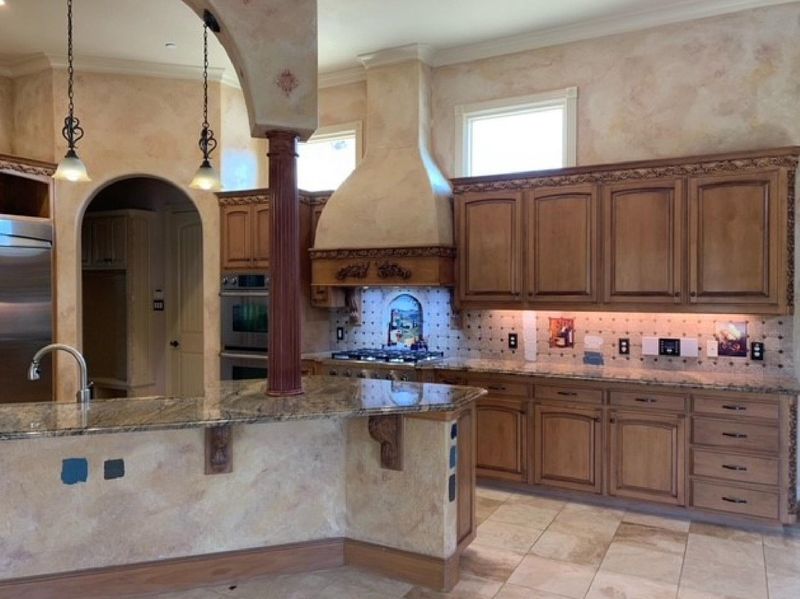
Walking into a kitchen with sponge-painted walls in burnt sienna was once like stepping into an Italian villa fantasy. Homeowners couldn’t get enough of those textured, multi-layered paint techniques mimicking aged plaster.
Fast forward to today, and these labor-intensive finishes look dated and heavy. Modern sensibilities favor clean, bright walls that don’t compete with other kitchen elements.
2. Overly ornate cabinet details
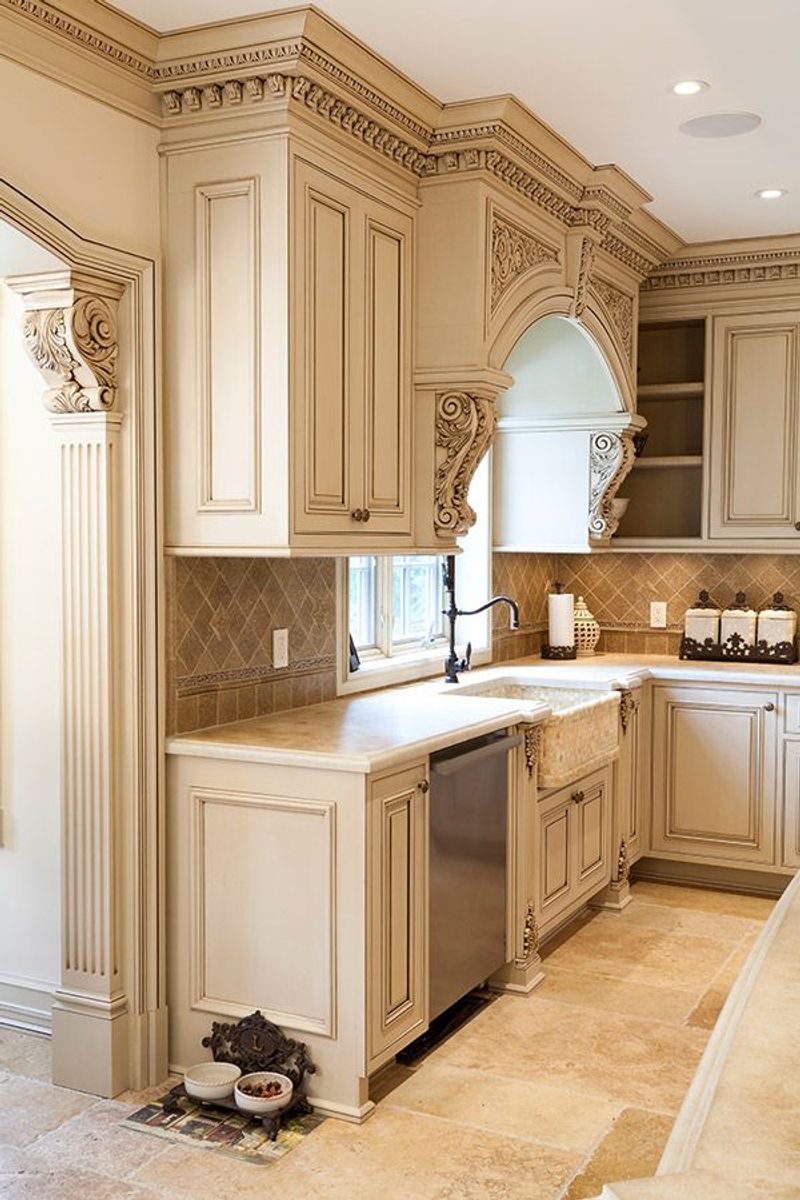
Gone are the days when cabinets resembled furniture from European palaces. Intricate scrollwork, elaborate crown moldings, and fancy corbels once signaled luxury and craftsmanship to visitors.
Dust-catching details and visually overwhelming designs have given way to sleeker profiles. Contemporary kitchens embrace simplicity with clean lines that feel timeless rather than tied to a specific decorative era.
3. Checkerboard floors
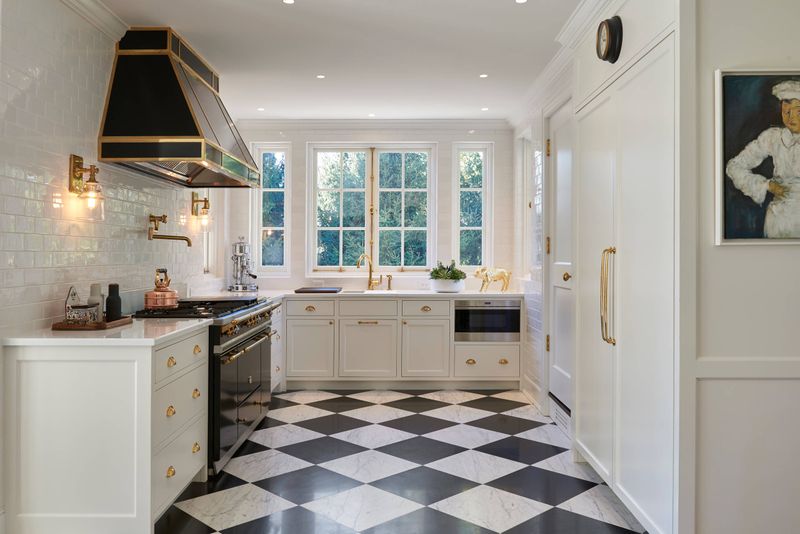
Black and white squares once dominated kitchen floors across America, channeling 1950s diner vibes or classic European bistros. The high-contrast pattern made a bold statement that people couldn’t resist. While occasionally revived for retro-themed spaces, this dramatic flooring has largely retreated.
Modern kitchens favor more subtle patterns or uniform surfaces that won’t compete with other design elements or quickly reveal every speck of dirt.
4. Pot racks hanging from the ceiling
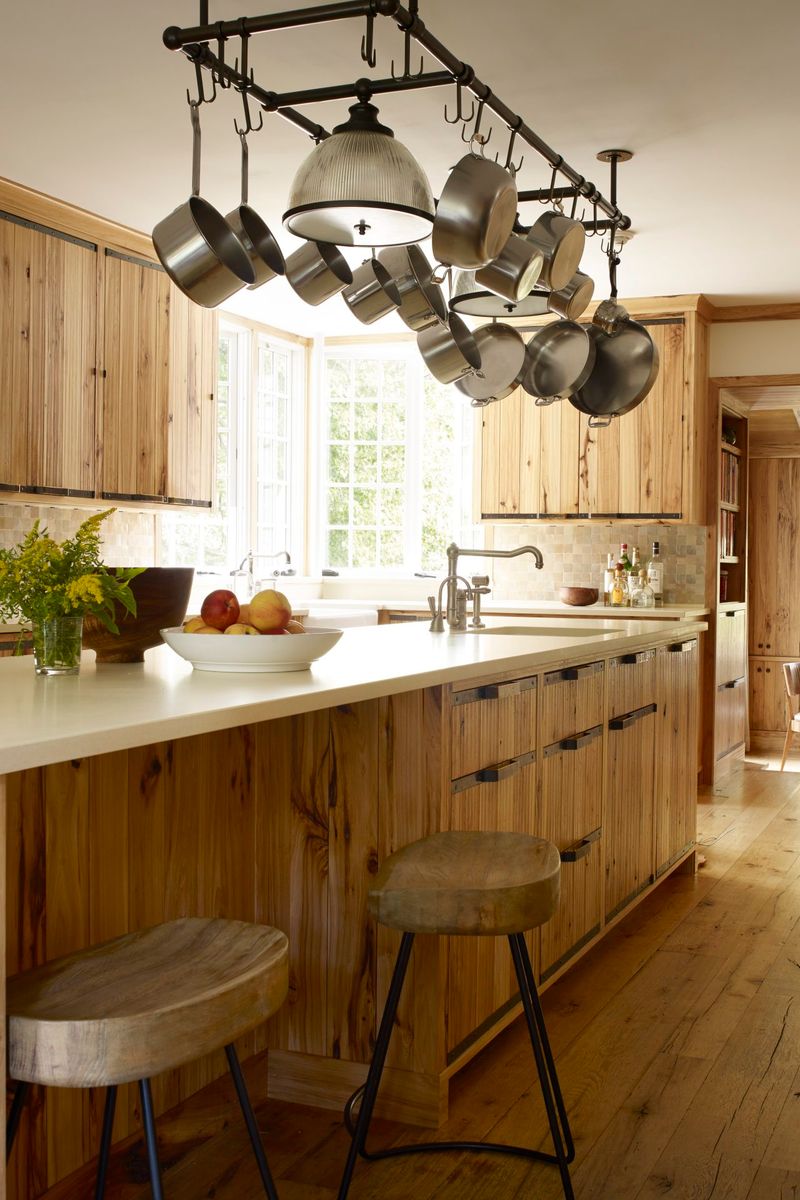
Suspended copper and wrought iron contraptions once showcased prized cookware collections while supposedly saving cabinet space. Celebrity chefs made them aspirational symbols of serious home cooking prowess.
Reality proved less glamorous as dust accumulated on rarely-used pots. Most homeowners discovered they preferred hiding everyday cookware rather than turning it into overhead decor that required regular polishing and created visual clutter in already busy kitchens.
5. Decorative roosters and grape motifs
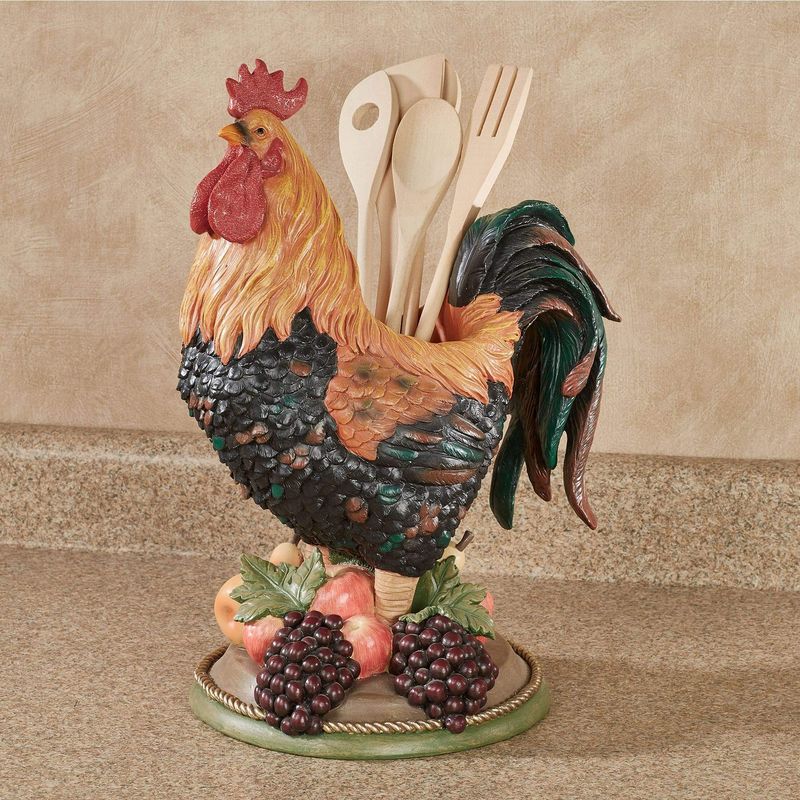
Country kitchens once couldn’t exist without an army of ceramic roosters and grape-themed everything. From wallpaper borders to cabinet knobs, these agricultural motifs reigned supreme in American homes.
What started as charming nods to rustic farmhouse living eventually became the poster children for dated kitchens. Current tastes lean toward more subtle references to nature or no theme at all, letting architectural elements and quality materials speak for themselves.
6. Heavy granite countertops
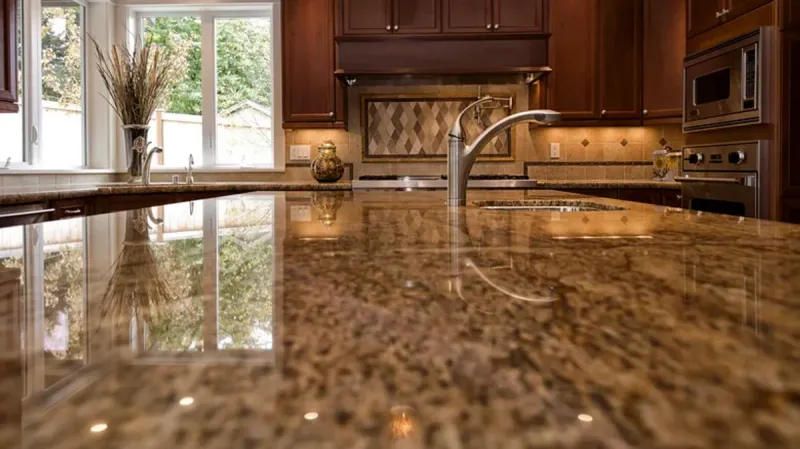
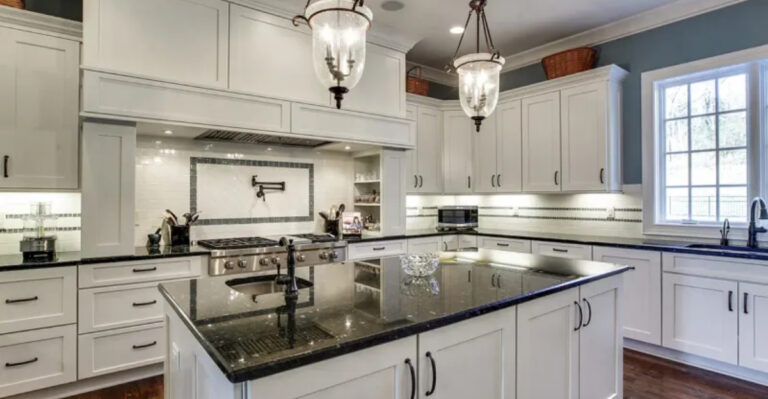
Remember when dark, speckled granite countertops were the ultimate kitchen status symbol? Those thick slabs with bullnose edges screamed luxury and durability in the early 2000s. Visually weighty and often clashing with cabinet colors, these statement counters have lost favor.
Today, we all gravitate toward lighter quartz, marble-look surfaces, or even concrete options that appear more seamless and less dominating in the overall kitchen design.
7. Distressed wood everything
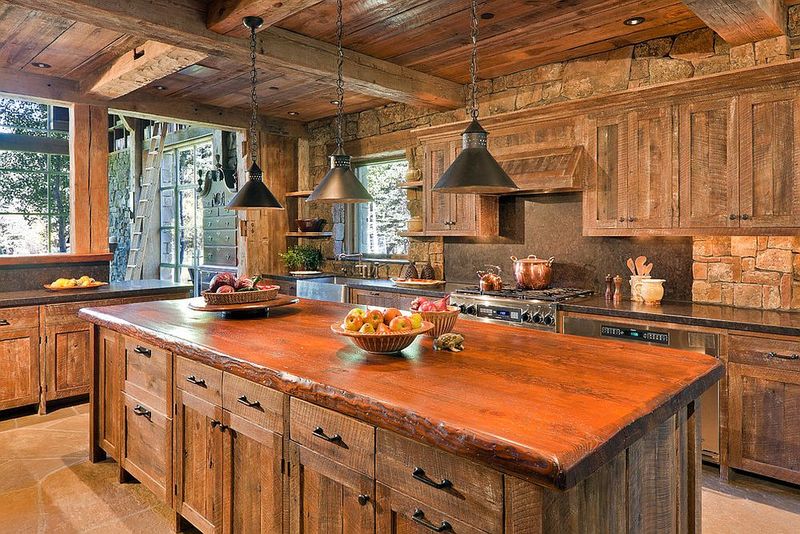
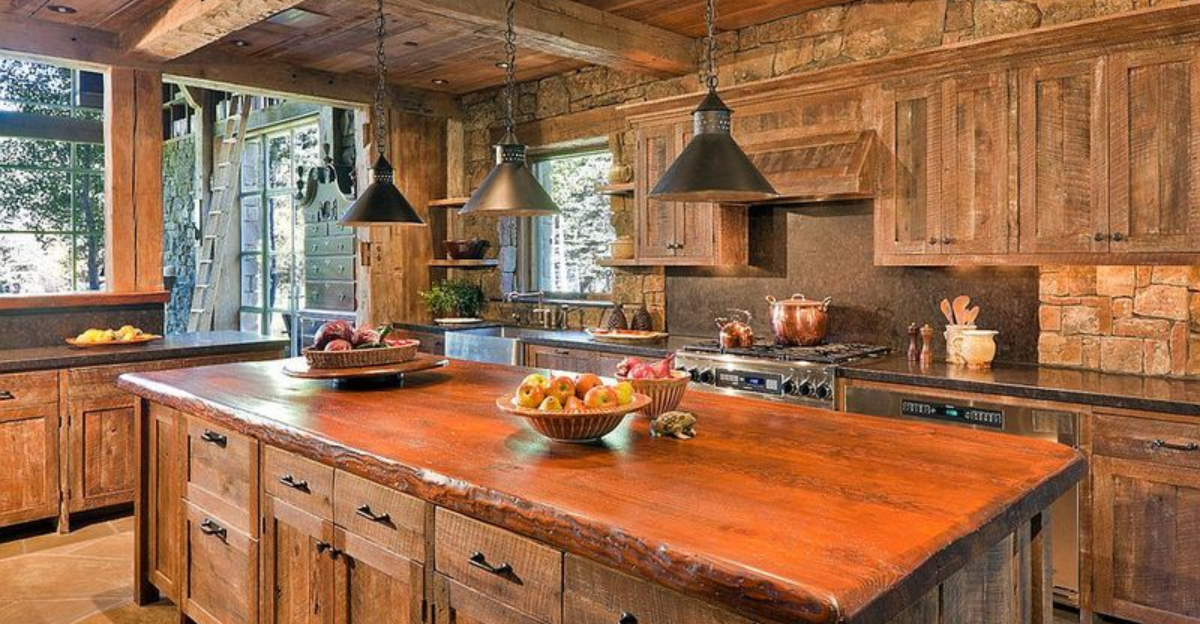
Artificial aging techniques once transformed perfectly good wood into seemingly antique treasures. Cabinets, islands, and floating shelves were deliberately dinged, scratched, and worn to achieve that coveted lived-in farmhouse look.
Intentionally damaged wood has lost its charm as homeowners realize authentic patina develops naturally over time. Modern kitchens celebrate either the clean lines of pristine wood or genuinely reclaimed materials with legitimate history, not factory-created wear.
8. Tiled countertops
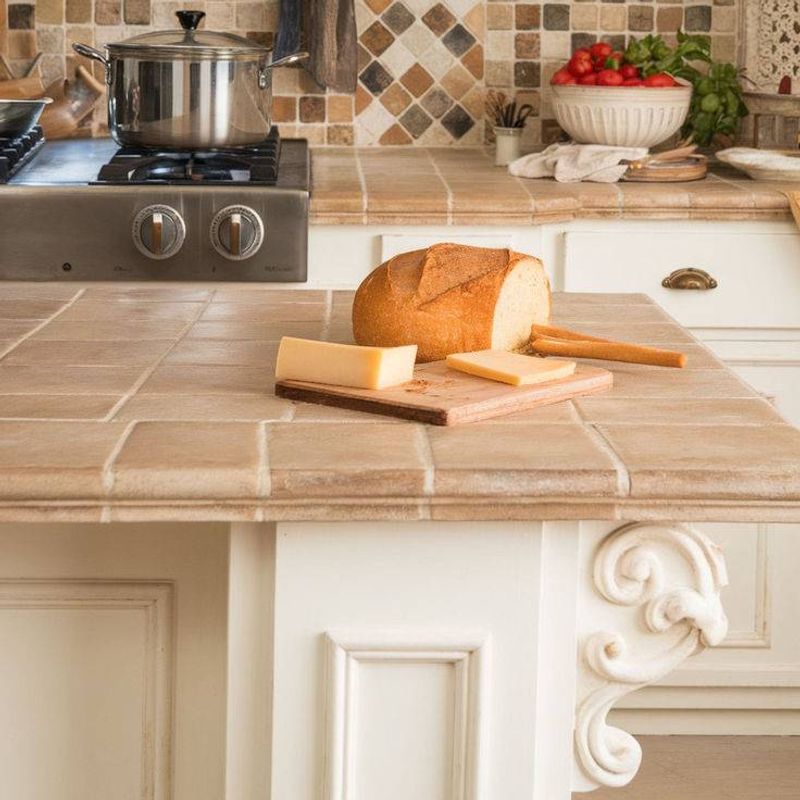
Square ceramic tiles once covered countless kitchen work surfaces, offering affordable customization options when solid surface materials were prohibitively expensive.
Colorful combinations and decorative accent tiles personalized these practical installations. Grout lines quickly became cleaning nightmares, trapping food particles and staining despite regular maintenance.
9. Microwave over the range
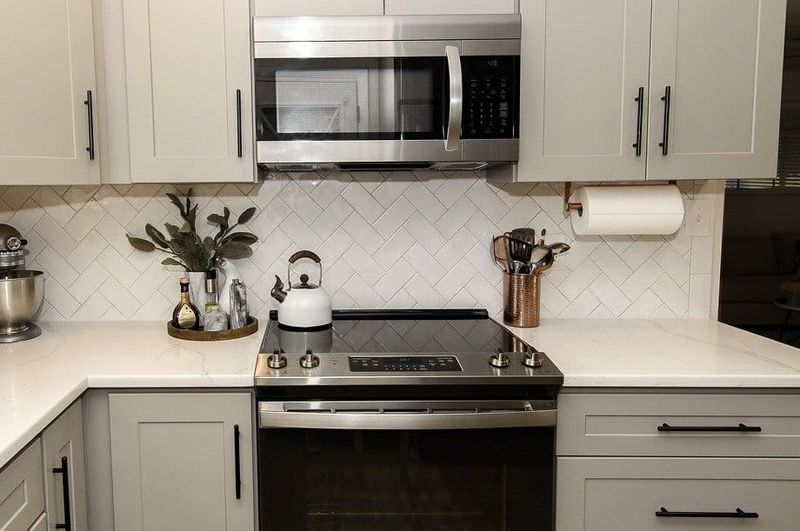
Mounting microwaves above stoves once seemed like genius space-saving innovation. This positioning freed up precious counter space while keeping a frequently used appliance within easy reach.
Safety concerns and practical limitations have diminished this trend’s popularity. Short family members struggle to reach hot dishes, steam damages electronics, and ventilation often proves inadequate.
10. Dark cherry cabinetry
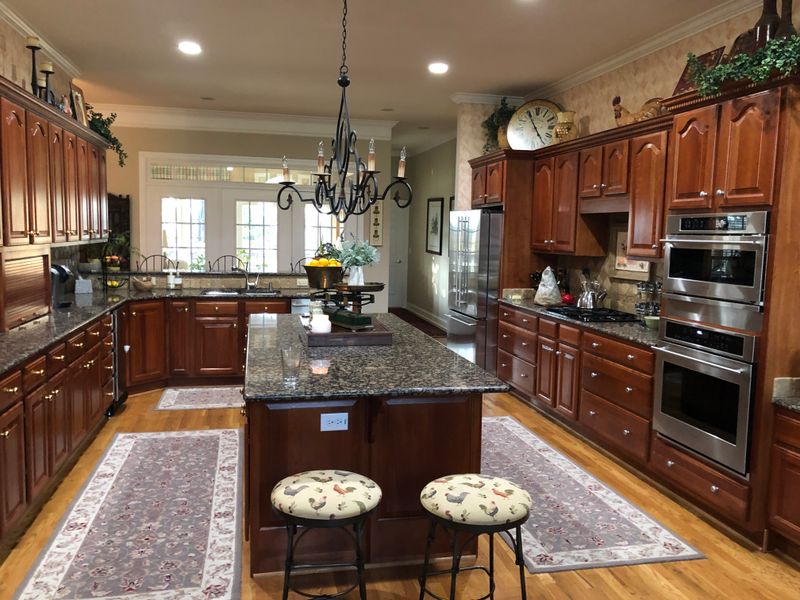
Rich, reddish-brown cherry cabinets once dominated kitchen design, projecting an air of traditional elegance and formal sophistication. Their deep tones were thought to hide fingerprints while creating dramatic contrast with lighter elements.
Unfortunately, these dark woods made kitchens feel smaller and more confined. Contemporary preferences have shifted dramatically toward brighter, more reflective surfaces that maximize natural light and create airy, open-feeling spaces regardless of actual room dimensions.
11. Built-in flour bins
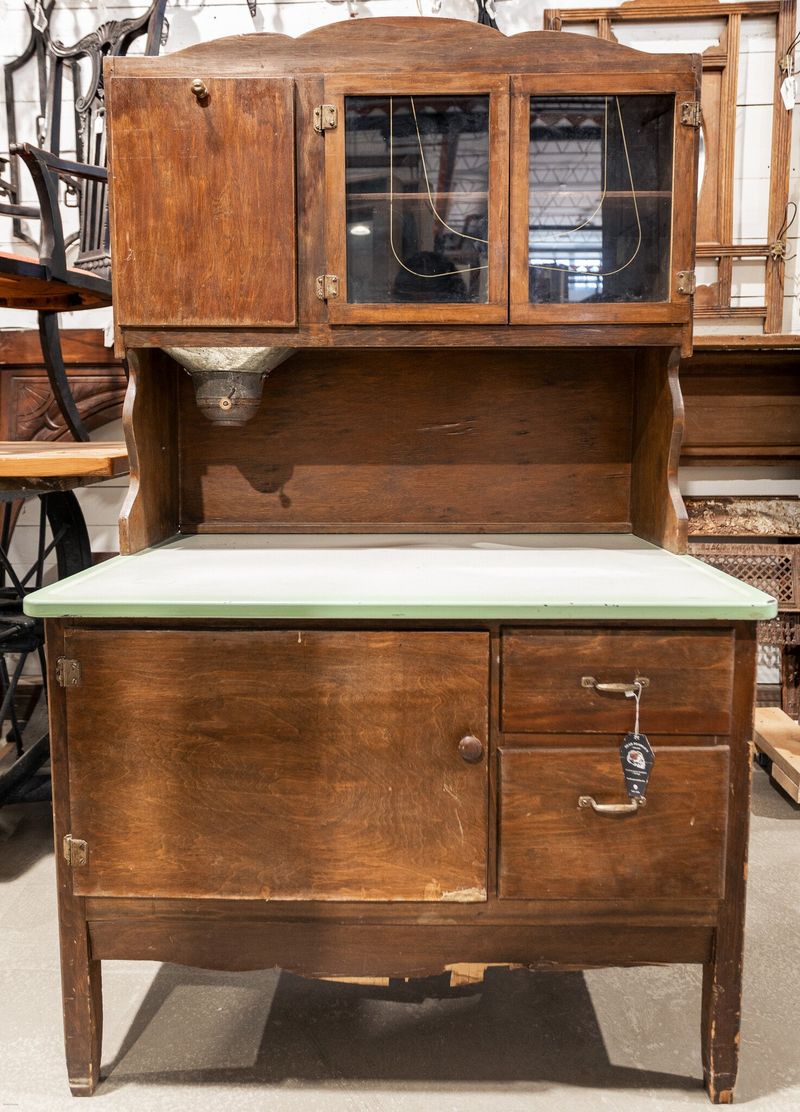
Once standard in early 20th-century kitchens, pull-out wooden flour bins represented the height of baking convenience. Homemakers could scoop directly from these tilting compartments integrated into cabinet bases.
Food safety concerns and modern packaging rendered these clever contraptions obsolete. Sealed containers prevent pest infestations better than these wooden bins ever could. Plus, few modern home bakers need bulk flour storage that justifies dedicated built-in cabinetry.
12. Avocado green appliances
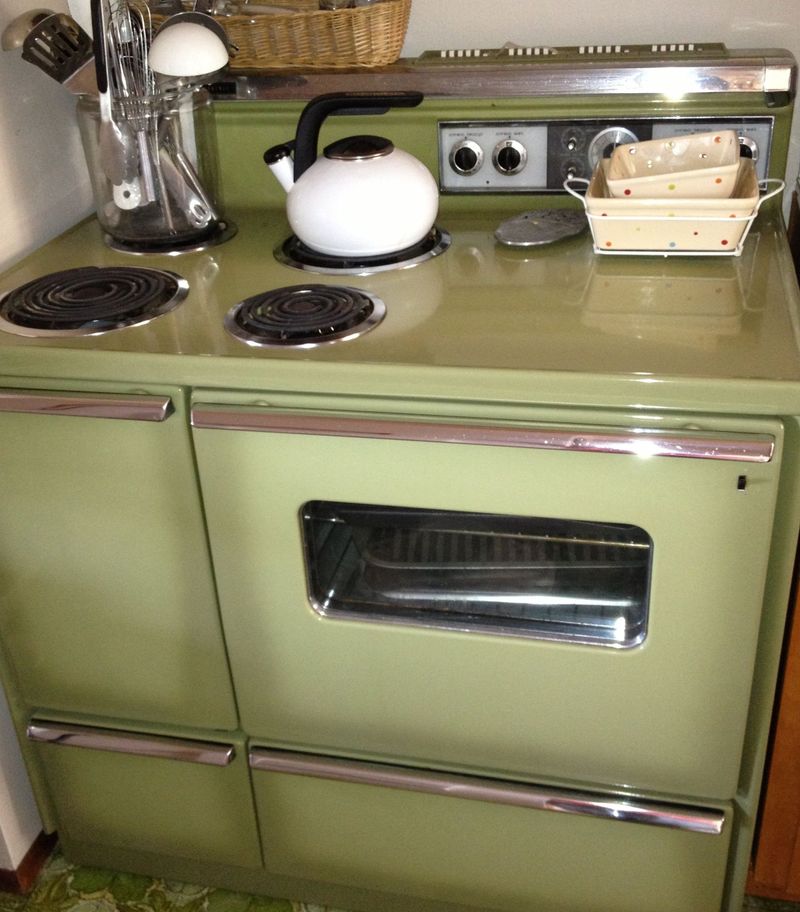
Nothing screams 1970s kitchen like appliances in that distinctive yellowish-green shade. Refrigerators, stoves, and dishwashers coordinated in this trendy color were status symbols for fashion-forward homeowners.
Color psychology research now suggests these murky tones suppress appetite rather than enhance it. While some vintage enthusiasts collect these pieces, most homeowners prefer neutral appliances that won’t look painfully dated when color trends inevitably shift again.
13. Vinyl padded kitchen chairs
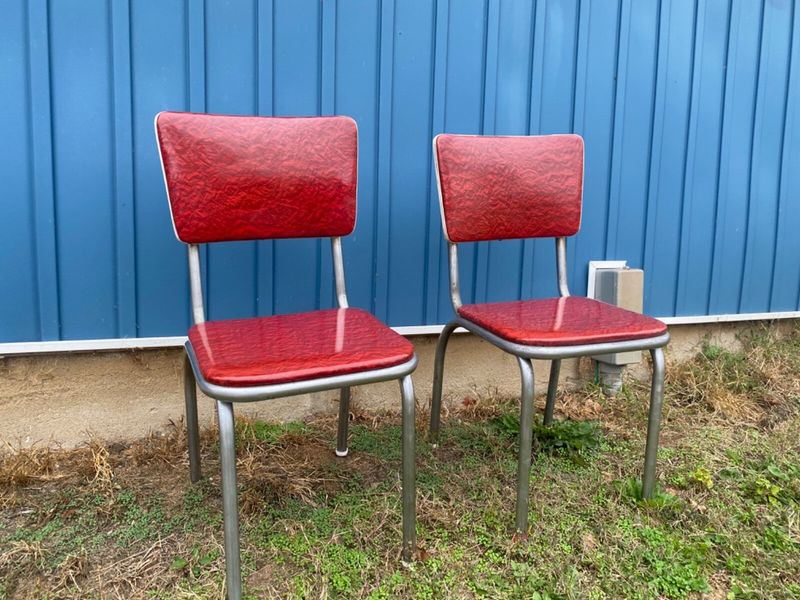
Remember those chrome-legged chairs with puffy vinyl seats and backs? Often featuring sparkly flecks embedded in the plastic, these space-age seating options promised easy cleaning and modern style.
Reality proved less appealing as the vinyl cracked along seams and sticky summer days created uncomfortable sweating situations.
14. Carpeted kitchen floors
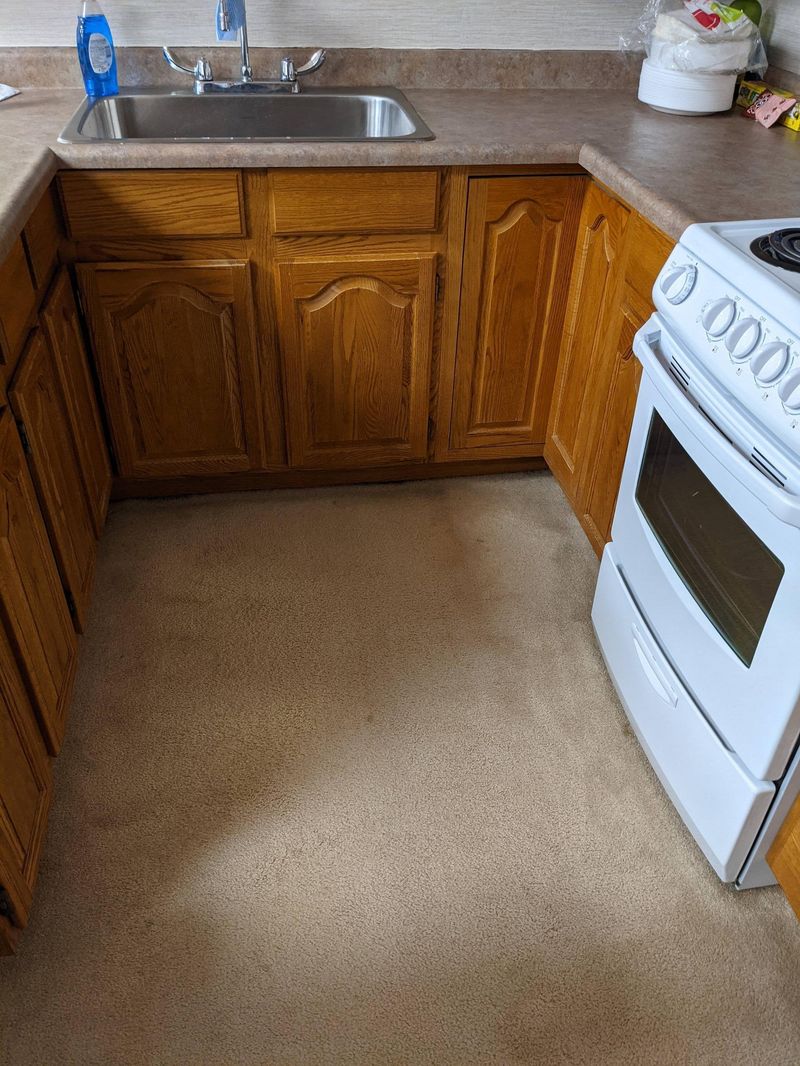
Believe it or not, wall-to-wall carpeting once extended into American kitchens, promising comfort underfoot while preparing meals. Special “kitchen carpets” with tight, low-pile construction claimed to resist stains and simplify cleanup.
Anyone who lived with this impractical flooring remembers the inevitable disaster. Spills soaked in permanently, cooking odors lingered indefinitely, and no amount of vacuuming could remove embedded food particles. Modern flooring wisely prioritizes waterproof, easily sanitized surfaces.
15. Popcorn ceilings above kitchen islands
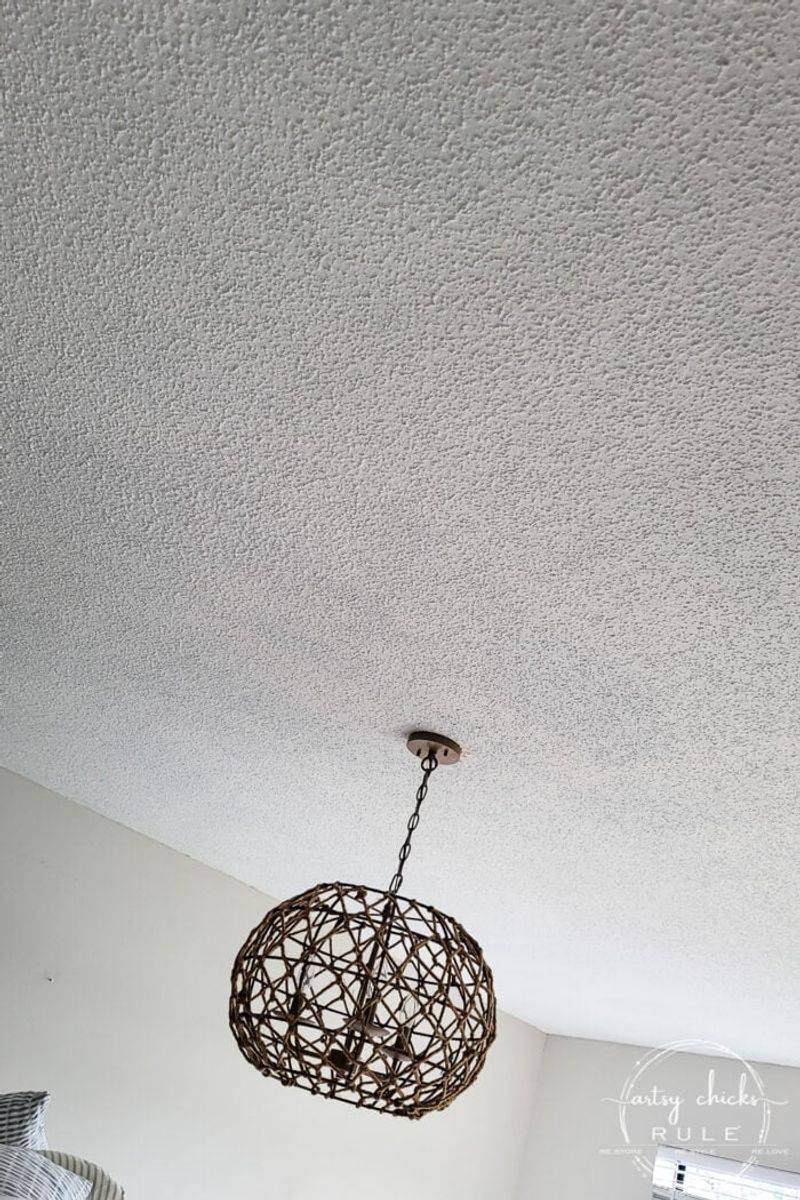
Spray-on acoustic “popcorn” texture once covered kitchen ceilings, including areas directly above food preparation spaces.
Builders loved how easily this application hid imperfections while providing supposed sound-dampening benefits. Cooking grease inevitably settled into those countless tiny crevices, creating a grimy, yellowed surface impossible to clean.