15 Items To Keep Off Your Porch To Prevent Fire Hazards, Security Issues, And Pest Problems
Your porch isn’t just the welcoming face of your home – it’s also a potential hotspot for unexpected dangers.
Many everyday items we casually leave outside can invite fires, attract thieves, or become cozy homes for unwanted critters.
Learning what not to store on your porch might be the simplest way to protect your home and family from these preventable problems.
1. Propane Tanks
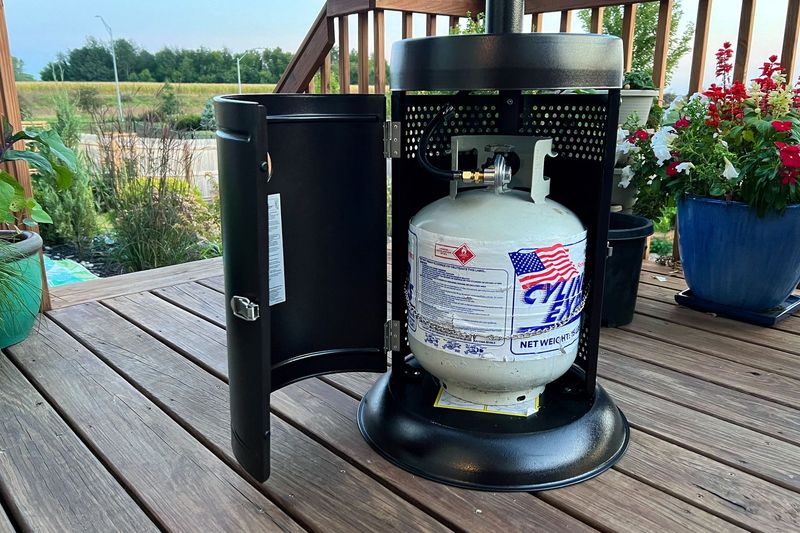
Ever wondered what happens when propane tanks sit in direct sunlight? Nothing good! These pressurized containers can leak or even explode when exposed to extreme temperatures.
Store them in cool, ventilated areas away from your home instead. The volatile gases inside make them particularly dangerous near entry points where sparks from doorbells or light switches could trigger disaster.
2. Firewood Piles
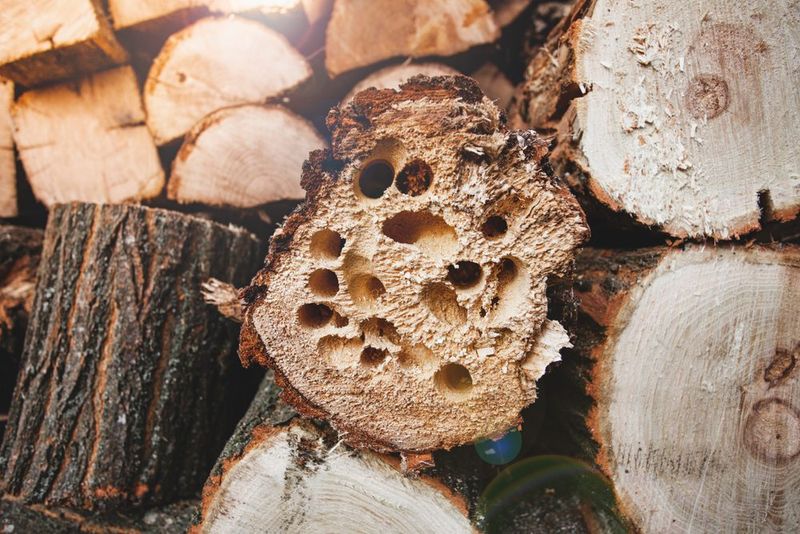
That rustic stack of firewood might look charming, but it’s secretly a five-star hotel for insects. Termites, ants, and beetles check in easily and soon find their way into your home’s wooden structures.
Moisture trapped between logs creates perfect breeding conditions for mold and fungi too. Keep firewood at least 20 feet from your house, elevated off the ground, and covered to prevent it from becoming a pest paradise.
3. Stacks of Cardboard or Paper
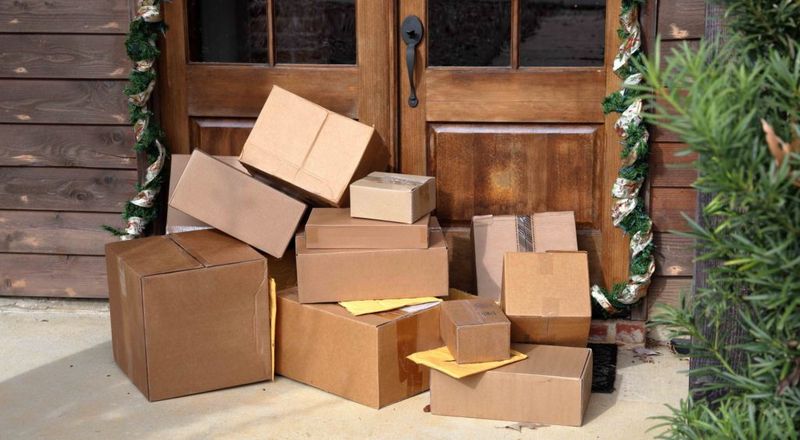
Rainy days turn those Amazon boxes into soggy fire hazards faster than you can say “recycling.” Paper products absorb moisture like a sponge, creating perfect conditions for mold growth and spontaneous combustion when they eventually dry out.
Plus, rodents love using these materials for nesting. The combination of flammability and pest attraction makes paper products particularly problematic porch residents. Break down boxes immediately and store them inside until recycling day.
4. Upholstered Furniture

That old sofa might seem perfect for porch sitting, but indoor furniture wasn’t built for outdoor conditions. Rain seeps into the cushions, creating a breeding ground for mold and mildew that can trigger allergies and respiratory problems.
When dry, these furnishings become highly flammable. A single spark from a nearby grill or cigarette could set them ablaze in seconds. Invest in proper outdoor furniture designed to withstand the elements instead.
5. Trash Bags

Nothing says “all-you-can-eat buffet” to neighborhood critters quite like garbage bags on your porch. Raccoons, possums, and rats can smell these goodies from surprising distances and won’t hesitate to tear through plastic for a midnight snack.
Food waste attracts insects too, creating a pest party situation. The scattered remains become slip hazards and can stain porch surfaces permanently. Use sealed bins stored away from your main entrance instead.
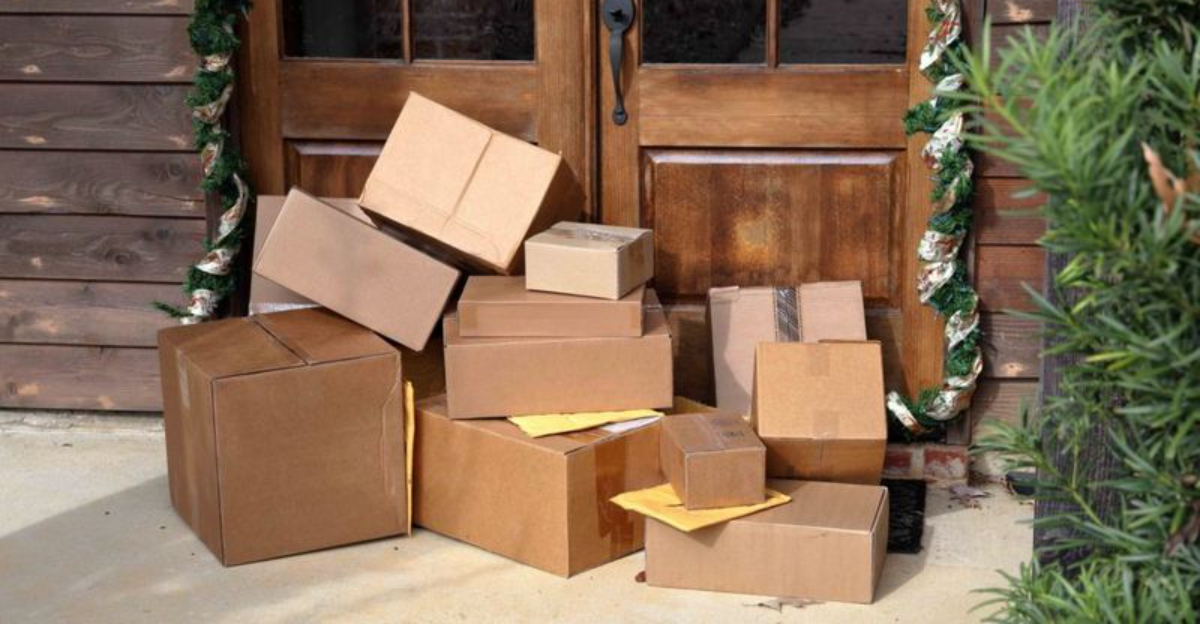
6. Unsecured Packages
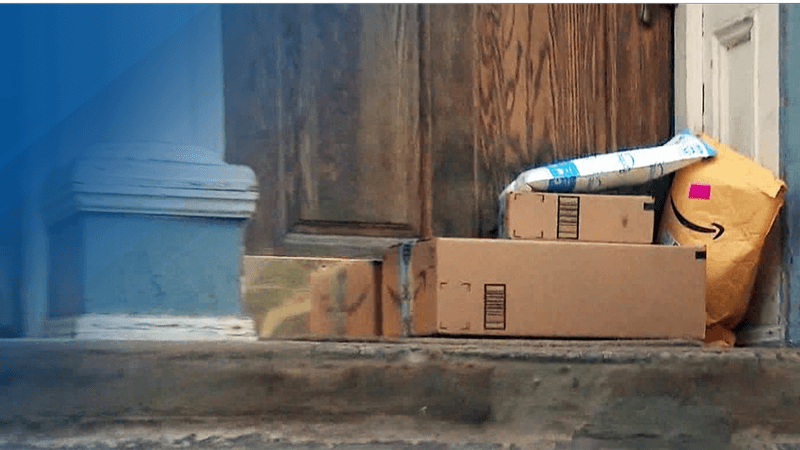
Package theft has become increasingly common, with porch pirates specifically targeting homes with visible deliveries. Beyond the financial loss, stolen packages containing medications or essential items can create serious disruptions to your daily life.
Boxes also advertise potentially valuable new purchases to would-be burglars. Consider using package lockboxes, delivery instructions, or neighbor assistance to keep deliveries safe until you can bring them inside.
7. Bird Feeders
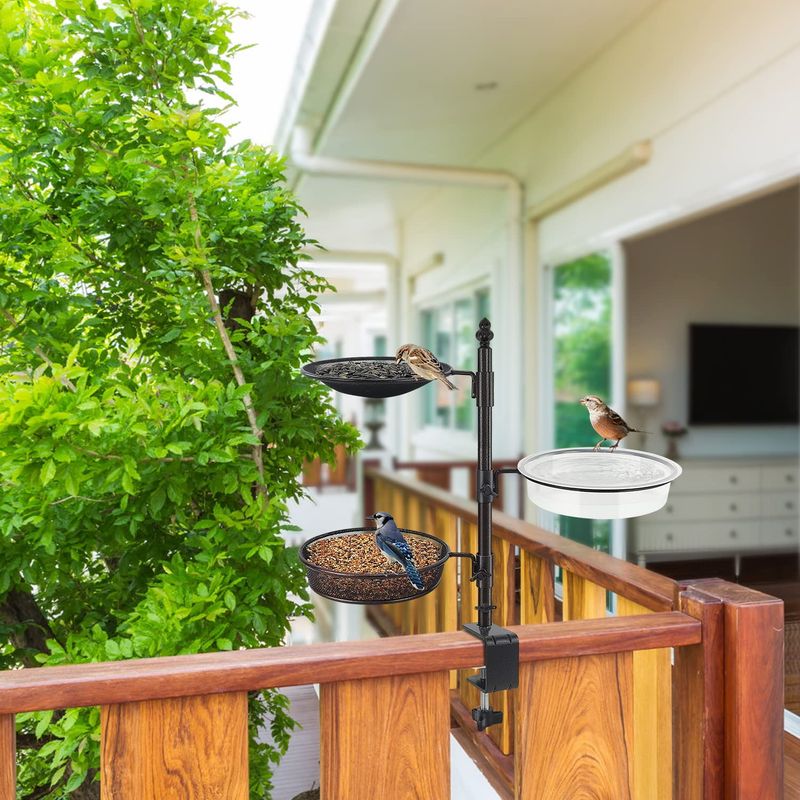
While feeding our feathered friends seems harmless, bird feeders create messy situations when placed near porches. Scattered seeds attract rodents, who view this generosity as an invitation to explore your home further.
The accumulated droppings beneath feeders can damage porch surfaces and create slip hazards. If you enjoy bird watching, mount feeders on poles at least 10 feet from your house, with trays to catch fallen seeds.
8. Unsealed Pet Food
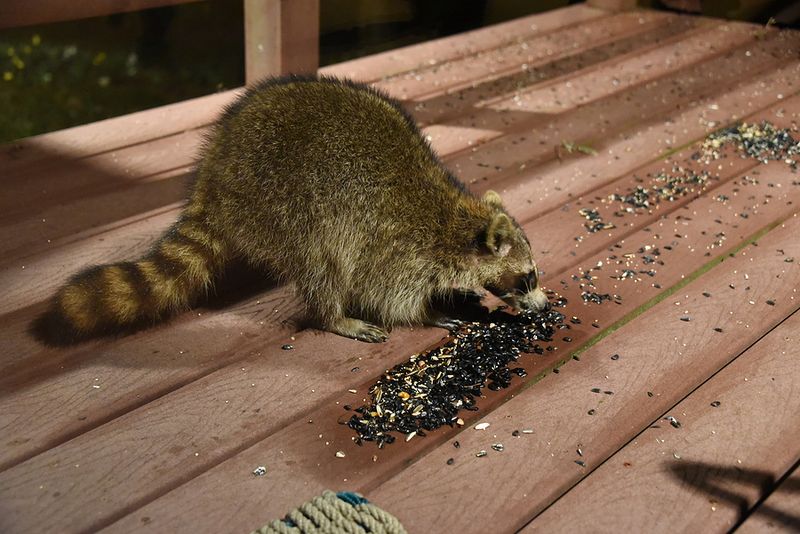
Leaving Roko’s dinner on the porch might seem convenient, but it’s essentially ringing the dinner bell for every hungry critter in the neighborhood. Raccoons, opossums, and stray animals can smell pet food from remarkable distances.
Once these animals discover this reliable food source, they’ll return regularly, potentially becoming aggressive or territorial. The scent also attracts insects like ants and roaches. Always store pet food in airtight containers inside your home.
9. Gas Cans
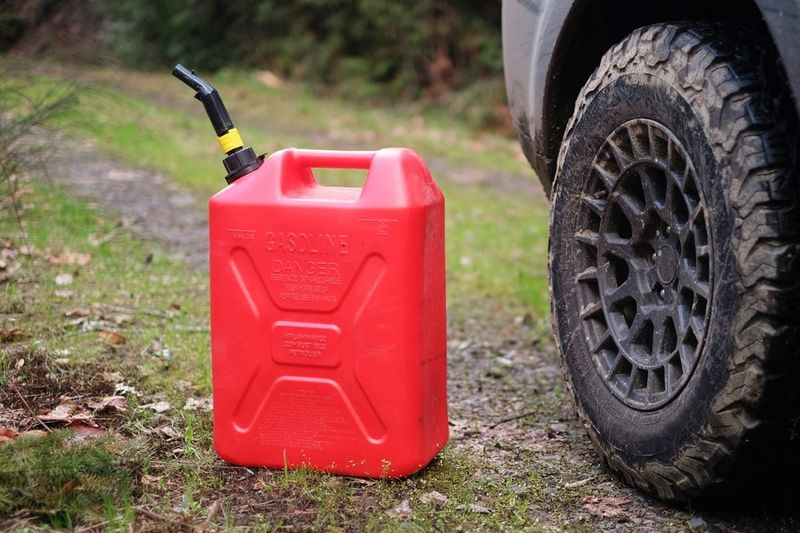
Gasoline vapors are invisible troublemakers that can travel surprising distances to find ignition sources. A gas can on your porch creates a serious explosion risk, especially near doorbells, light switches, or outdoor lighting that could create sparks.
Temperature fluctuations can also cause expansion and dangerous leaks. The fumes alone pose health hazards with prolonged exposure. Always store fuel in approved containers in well-ventilated, separate structures away from living spaces.
10. Piles of Dry Leaves
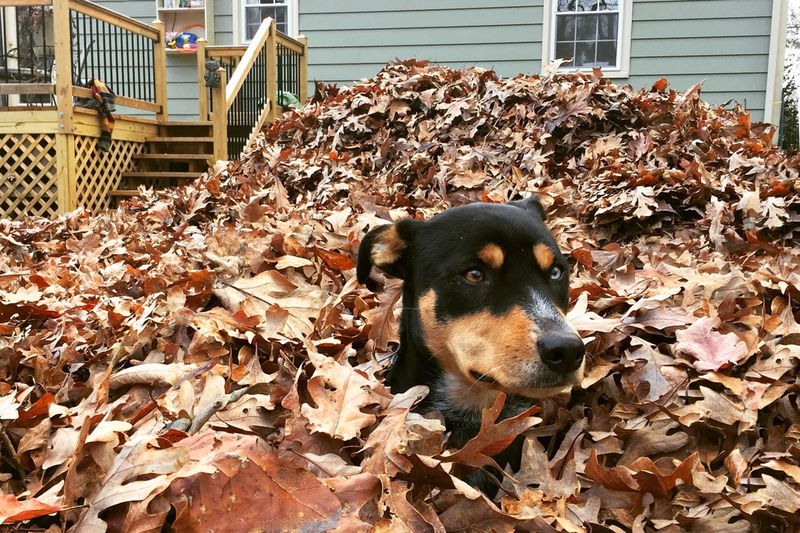
Autumn’s colorful decorations quickly transform into fire kindling when they accumulate on porches. A single spark from a nearby grill, cigarette, or even electrical outlet could ignite these dry materials in seconds.
Leaf piles also provide perfect hiding spots for snakes and rodents seeking shelter. When wet, decomposing leaves create slippery surfaces and can stain porch materials permanently. Regularly sweep leaves away from your home’s perimeter for both safety and cleanliness.
11. Ladders or Tools

Leaving your ladder propped against the porch practically invites trouble on two fronts. For thieves, it’s a convenient tool for accessing second-story windows. For curious children, it’s an irresistible climbing challenge with dangerous fall potential.
Other tools like shovels and rakes create tripping hazards in the dark. Secure these items in locked sheds or garages instead. If you must store a ladder outside, use chains and locks to secure it flat against a side wall.
12. Door Mats That Block Vents
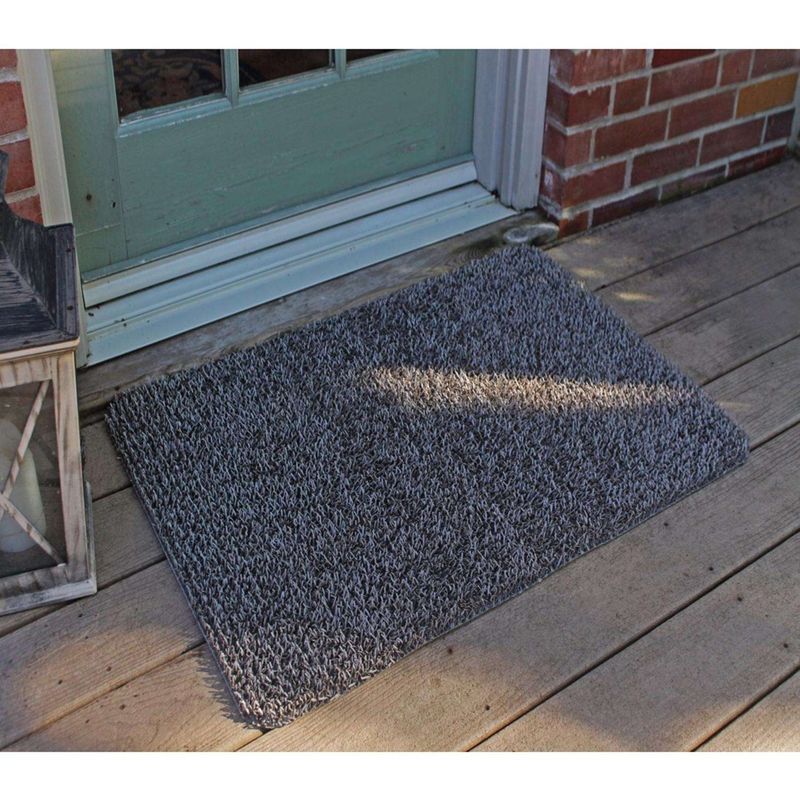
Ironically, that welcoming doormat might be suffocating your home! Heavy mats placed over foundation vents restrict crucial airflow that prevents moisture buildup underneath your house.
This trapped humidity creates perfect conditions for mold growth and wood rot. Some vents also release small amounts of gases that should never be blocked. Position mats carefully away from any ventilation openings, choosing smaller options if space is limited.
13. Standing Water Containers
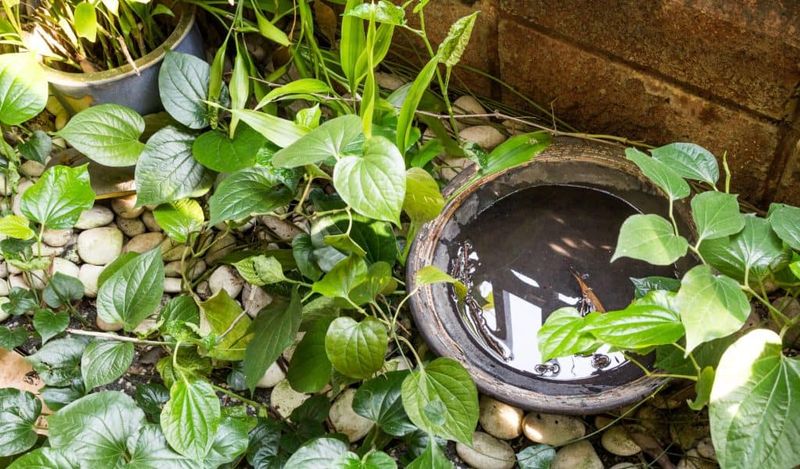
From forgotten watering cans to decorative pots collecting rainwater, standing water creates mosquito breeding grounds in as little as 48 hours. Just one tablespoon is enough for these pests to lay hundreds of eggs!
Beyond the itchy bites, mosquitoes carry serious diseases like West Nile virus. Empty all water-collecting items after rain, or treat them with mosquito dunks if they’re part of your décor. Consider drilling drainage holes in decorative containers.
14. Broken Outdoor Lights
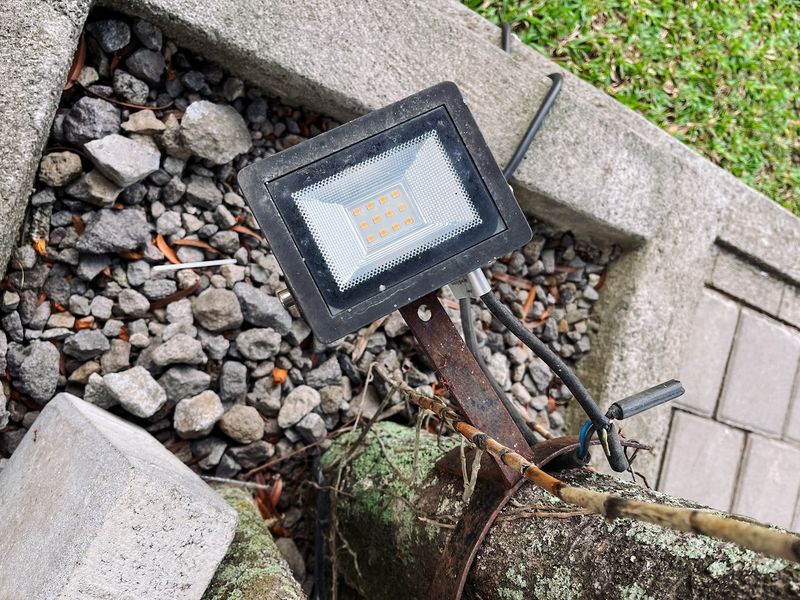
That flickering porch light isn’t just annoying—it’s a potential fire starter! Damaged fixtures expose wiring to moisture, creating short circuit risks and possible electrical fires.
Faulty lighting also creates security vulnerabilities by leaving entry points in darkness. Insects are particularly attracted to inconsistent light patterns, gathering around these fixtures in greater numbers. Replace damaged lights immediately, considering energy-efficient LED options that generate less heat.
15. Old Rugs or Carpets

What begins as a charming porch accessory quickly transforms into a moldy, mildewed mess after a few rainstorms. Outdoor moisture gets trapped in carpet fibers, creating perfect conditions for fungal growth that can trigger allergies and respiratory issues.
These soggy textiles become incredibly heavy, potentially damaging porch floors underneath. Choose weather-resistant outdoor mats made specifically for exterior use instead, and shake them out regularly to prevent debris accumulation.