15 Ways How Designers Use Hidden Doors, The Whimsical Trend That Can Actually Be Very Practical
Hidden doors have transformed from novel curiosities into practical design elements that blend functionality with mystery. These clever architectural features save space while adding a touch of magic to everyday homes.
Whether concealing storage or creating private retreats, secret doors combine childhood fantasy with grown-up practicality in ways that delight both homeowners and guests alike.
1. Concealing pantries behind matching cabinet fronts
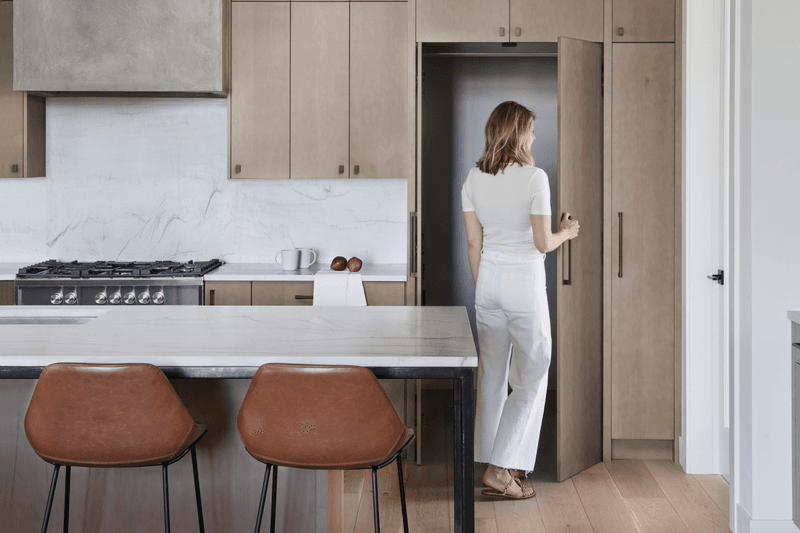
Imagine reaching for what looks like an ordinary cabinet only to discover an entire walk-in pantry! Kitchen designers love this trick because it maintains visual continuity across cabinetry while hiding food storage.
The seamless integration eliminates the eyesore of a traditional door frame and creates the illusion of a more spacious kitchen. Plus, you’ll enjoy the surprised expressions when guests discover your secret food stash!
2. Hiding ensuite bathrooms in primary bedrooms
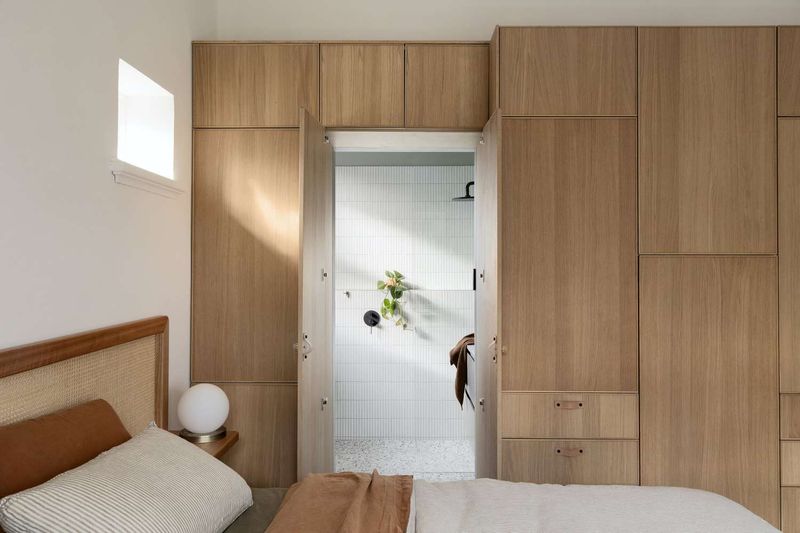
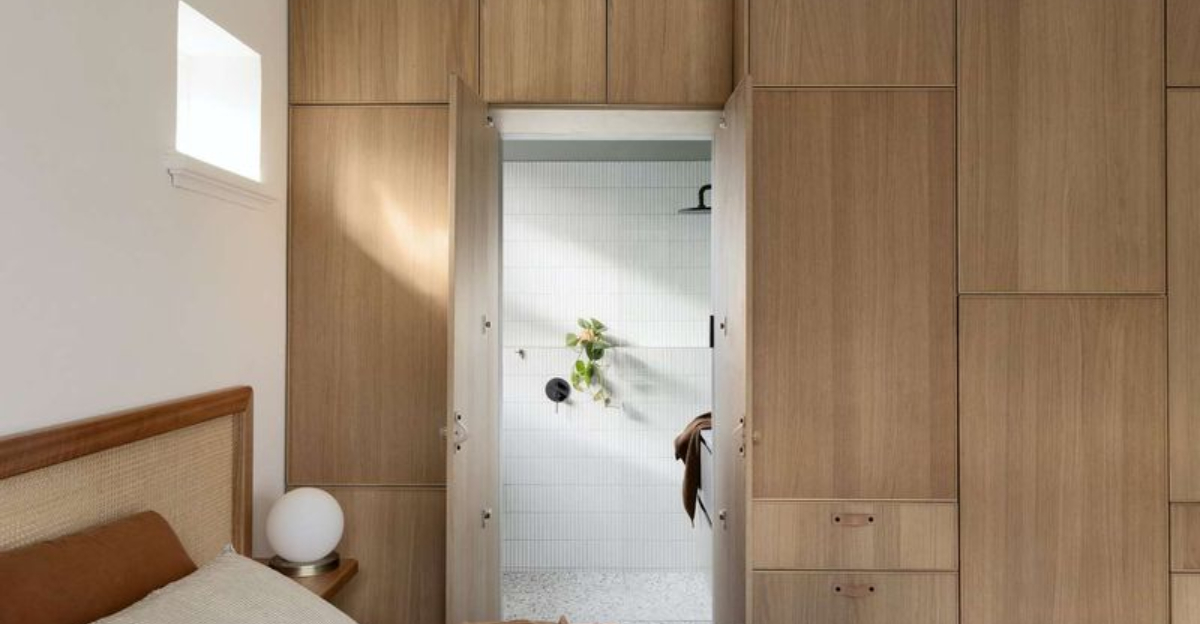
Who needs an obvious bathroom door when you can have a mysterious panel in the wall? Savvy homeowners are embracing this luxurious trend that transforms bedrooms into serene retreats without visual bathroom interruptions.
Architects typically design these doors to blend perfectly with surrounding wall treatments. When closed, guests would never guess there’s a full bathroom behind that seemingly decorative wall section!
3. Disguising home offices within bookcases
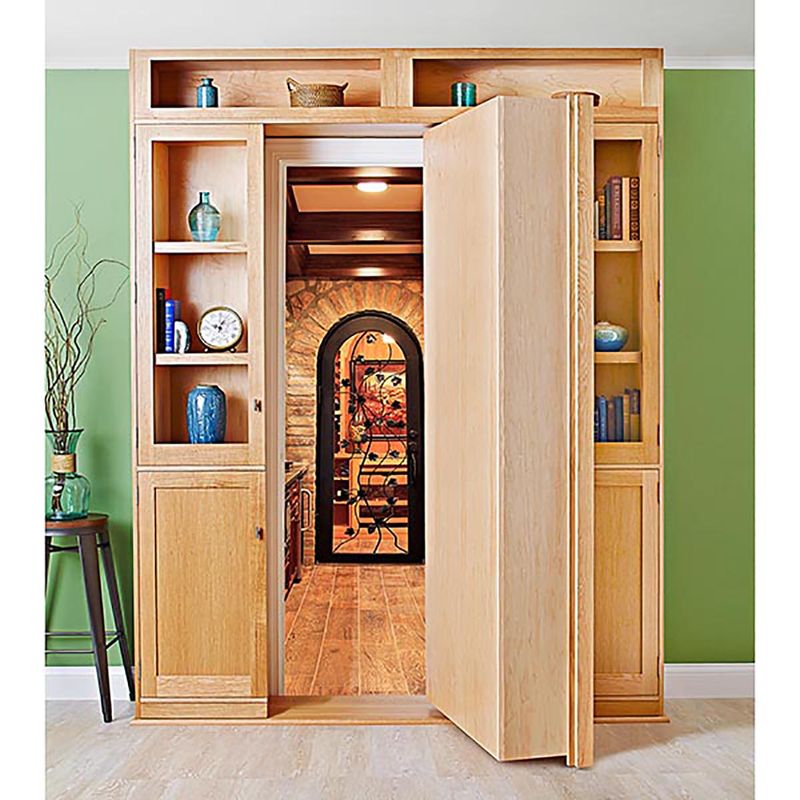
Pull the right book and whoosh—a bookcase swings open to reveal your workspace! This classic secret door technique has found renewed popularity as remote work becomes permanent for many professionals.
The beauty lies in its dual functionality: displaying books while concealing office clutter. When work hours end, simply close the bookcase door and transform your living space back into a relaxation zone without visual reminders of pending tasks.
4. Creating secret kids’ playrooms under staircases
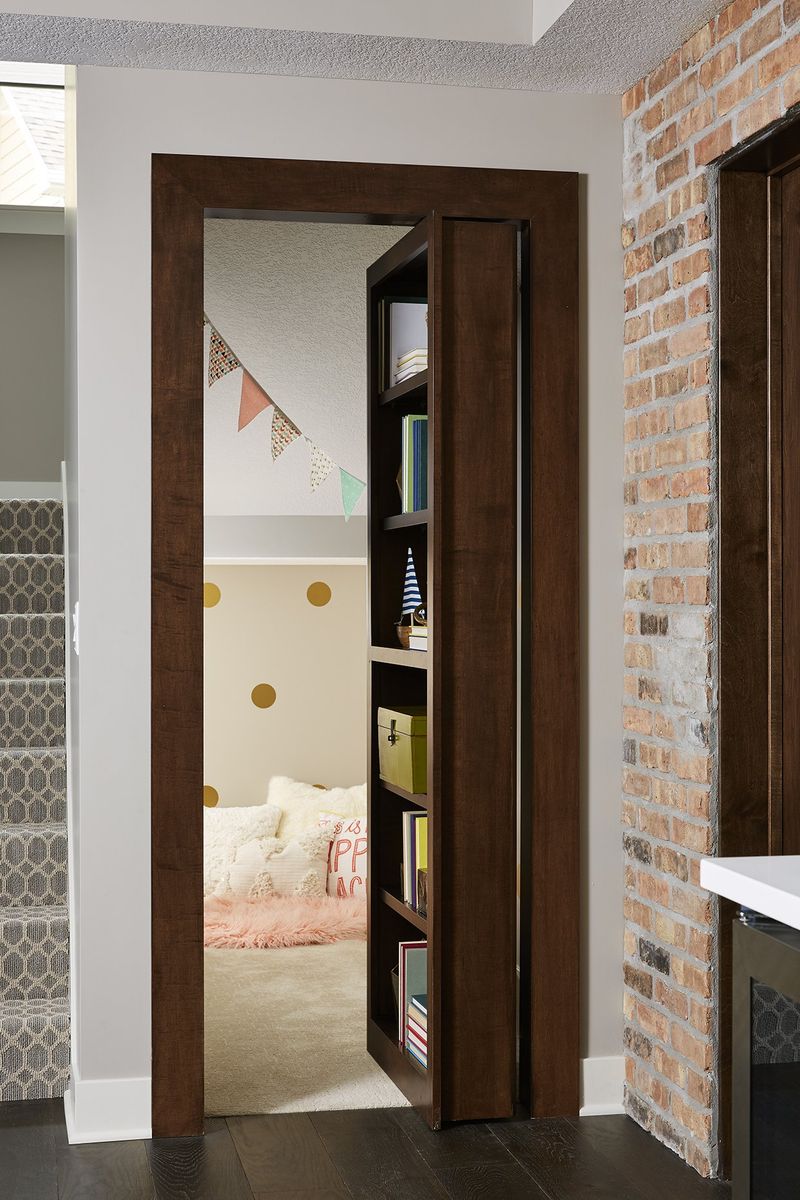
Remember the magic of Harry Potter’s cupboard? Families are bringing that wonder home by transforming under-stair spaces into enchanted hideaways accessed through disguised doors.
What appears to be ordinary wall paneling secretly opens to colorful playspaces where imagination runs wild. These clever nooks not only contain toy clutter but create memorable childhood experiences that kids will cherish long after they’ve outgrown the space.
5. Blending mudrooms into entry walls seamlessly
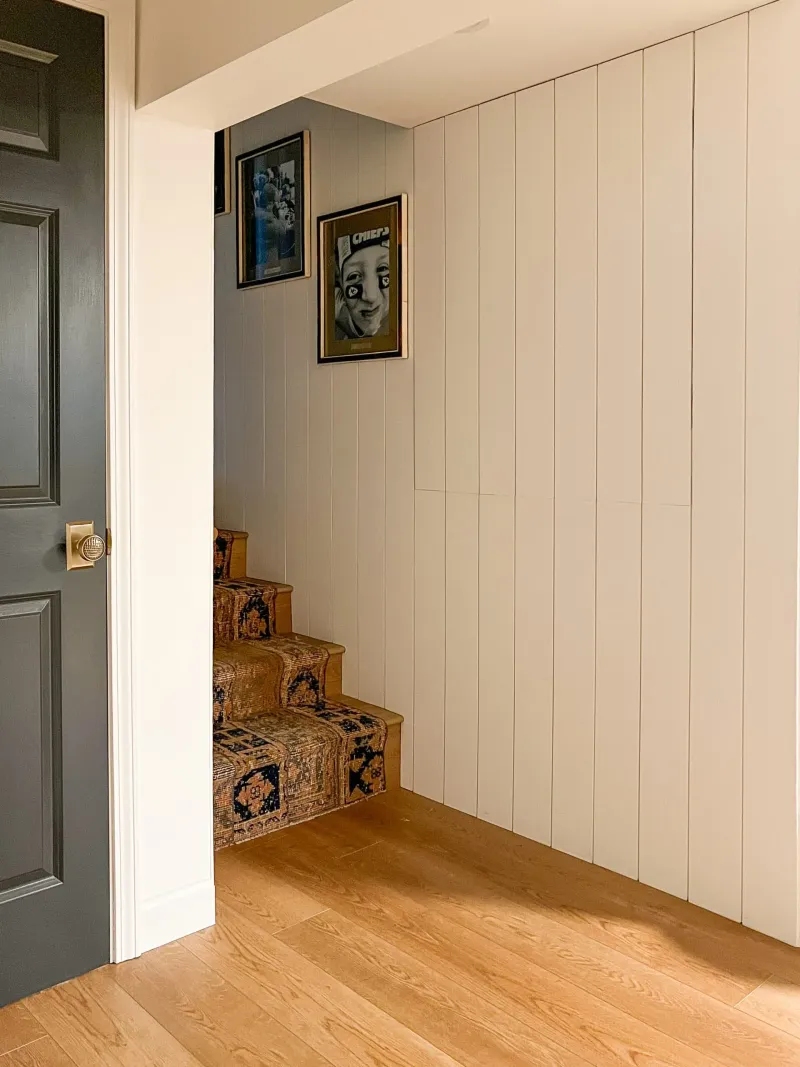
Tired of seeing shoes and coats the moment you enter? Smart designers are creating hidden mudroom doors that disappear into entry hallway walls when closed.
The magic happens through careful matching of trim, paint, and hardware elimination. Without obvious handles or hinges, these doors become virtually invisible parts of your wall. Yet they open to reveal organized spaces for boots, coats, and all the gear that would otherwise clutter your entryway.
6. Tucking laundry rooms behind mirrored panels
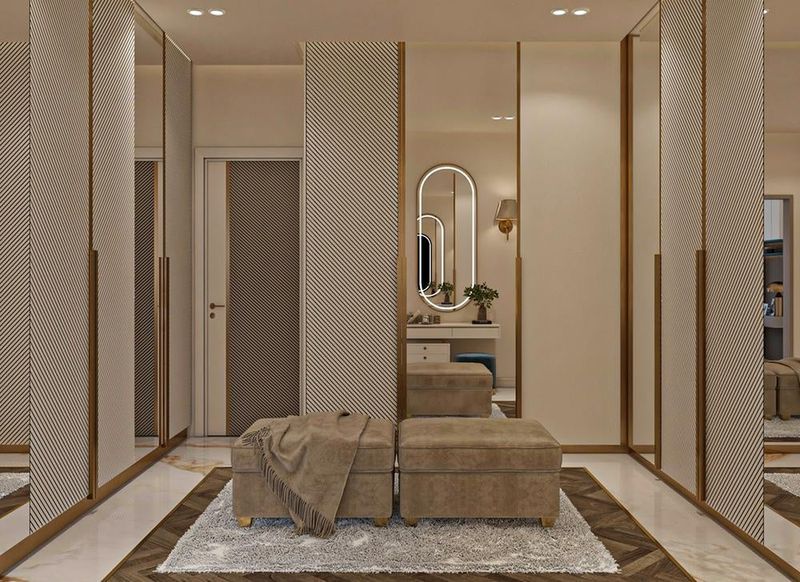
Mirrors aren’t just for checking your outfit anymore! Innovative designers use full-length mirrors as concealed doors to laundry facilities, transforming utilitarian spaces into secret rooms.
The reflective surface serves double duty by visually expanding your space while hiding unsightly appliances. A gentle push reveals washing machines and dryers tucked away from main living areas.
7. Using artwork as a swinging door facade
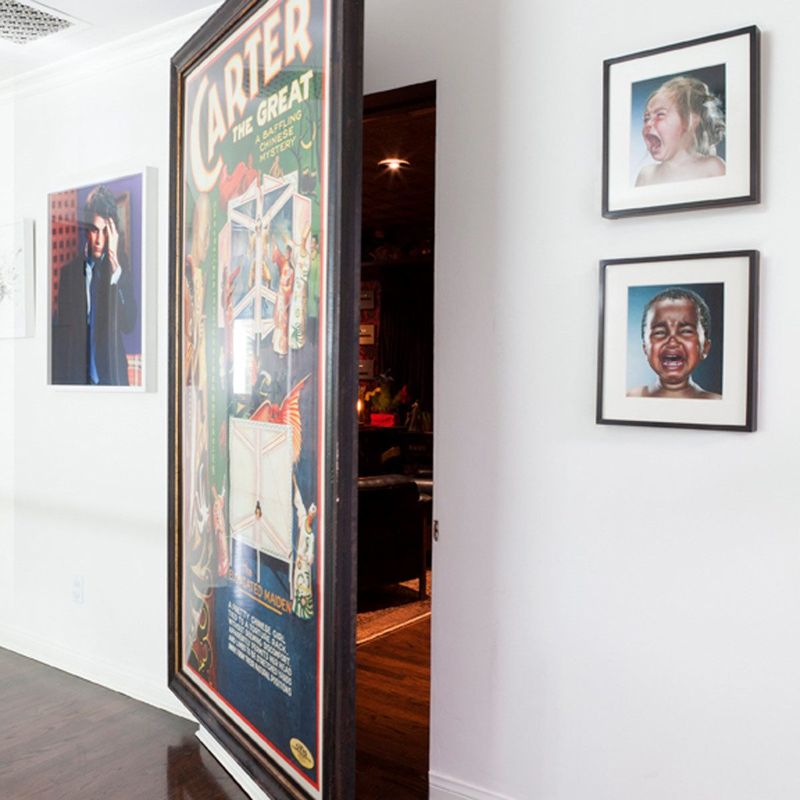
That striking painting on your wall might actually be a portal to another room. Designers mount artwork on specially designed hinges that transform ordinary wall decor into functional doors.
When visitors admire your taste in fine art, they’ll never suspect it conceals a storage closet, wet bar, or media room. The key is selecting substantial frames that can accommodate hidden hardware while maintaining the illusion of a standard art installation.
8. Integrating guest room doors into wood paneling
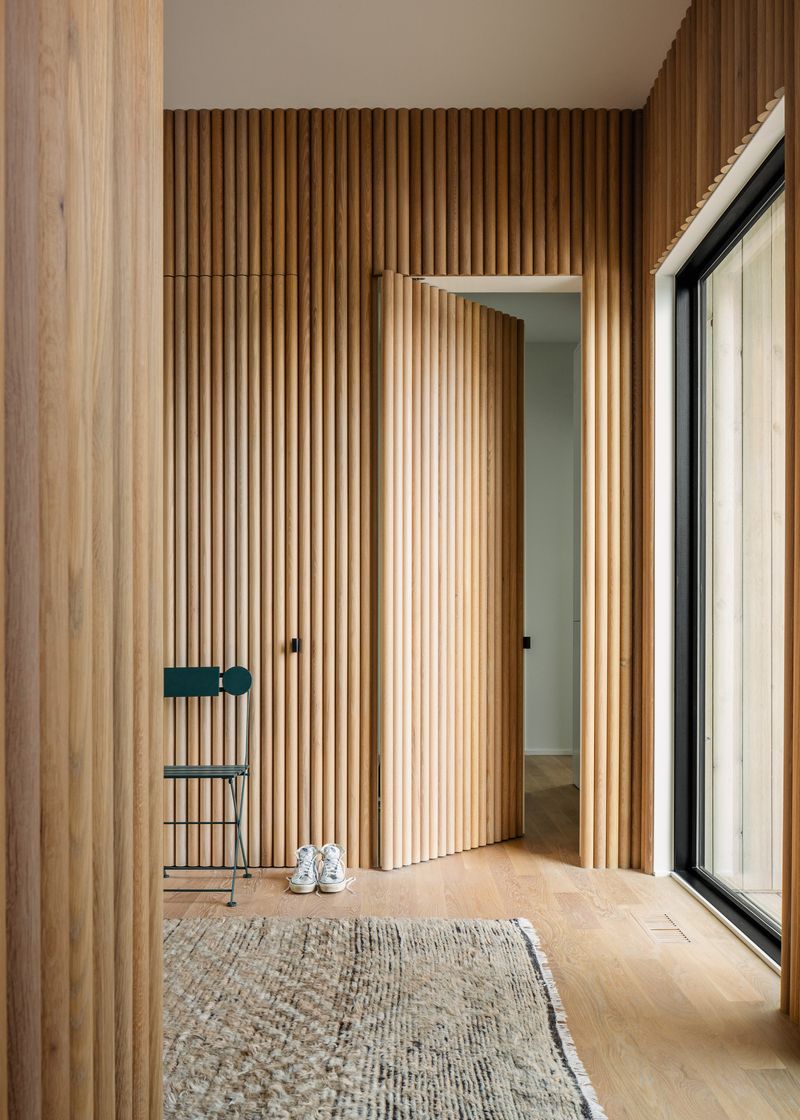
Surprise overnight visitors with accommodations that seem to materialize out of nowhere. By incorporating guest room entrances into continuous wood paneling, homeowners maintain clean architectural lines throughout their homes.
The secret lies in precise woodworking that aligns grain patterns across the door and surrounding panels. When closed, even the most observant guests might walk right past without noticing.
9. Making closet doors vanish into wallpaper patterns
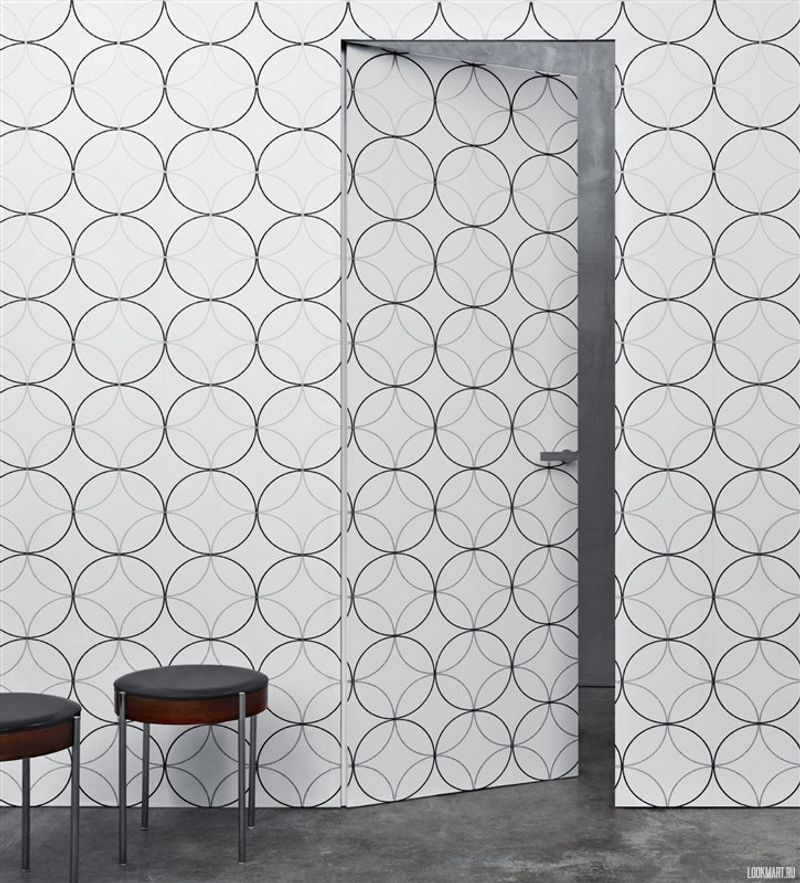
Wallpaper isn’t just decorative—it’s becoming the perfect camouflage for storage solutions. By applying identical wallpaper patterns to both walls and doors, designers create storage that seemingly disappears.
The trick involves precise pattern matching and minimal hardware. Push-to-open mechanisms eliminate visible handles, while continuous patterns flow uninterrupted across surfaces.
10. Installing flush doors in media walls for storage access
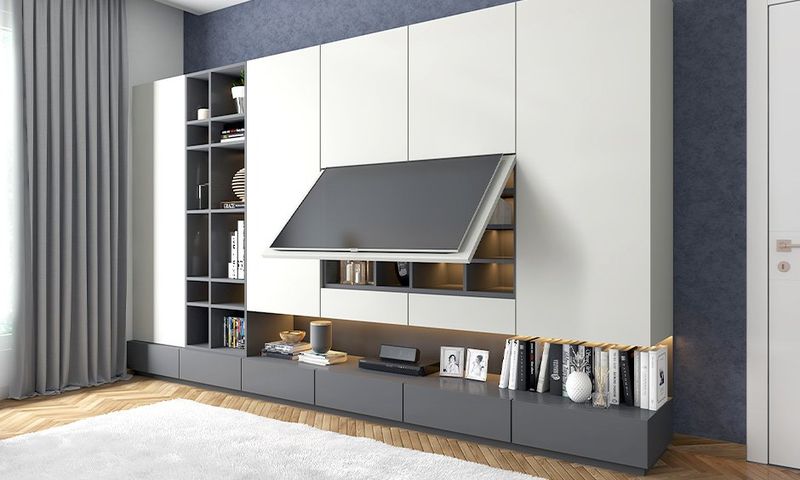
Your gorgeous entertainment center holds more secrets than you’d think. Modern media walls now incorporate hidden doors that provide access to components, wiring, or additional storage without disrupting the sleek facade.
We love how these concealed panels maintain the clean lines of their entertainment spaces. When watching movies, nobody notices the invisible access points. Yet when maintenance or storage is needed, a simple touch reveals easy access to everything behind your screens.
11. Hiding wine cellars behind built-in shelving
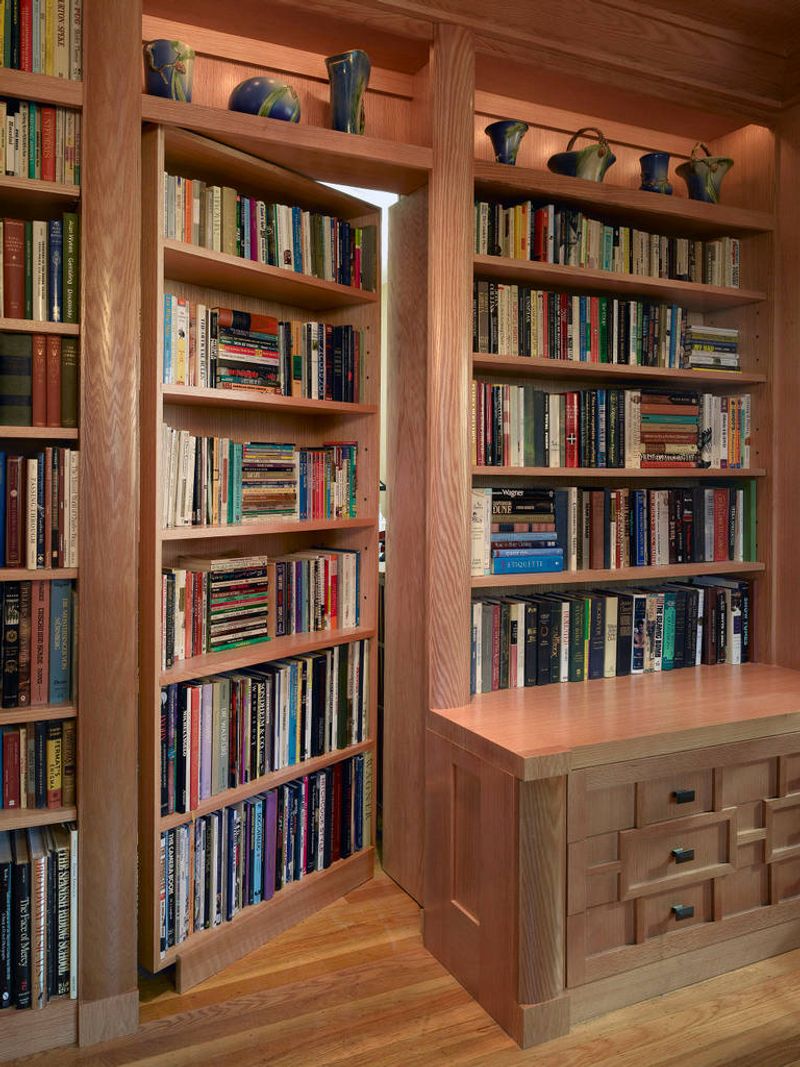
Wine enthusiasts are elevating their collections with entrances worthy of a spy movie. Seemingly ordinary bookcases or display shelves pivot to reveal temperature-controlled wine storage behind them.
Traditional basement cellars aren’t the only option—hidden wine rooms can be incorporated anywhere in the home. Some homeowners opt for dramatic lighting that activates when the door opens, creating a theatrical reveal. The unexpected location adds an element of surprise for guests while keeping valuable bottles secure.
12. Using sliding barn walls to obscure utility spaces
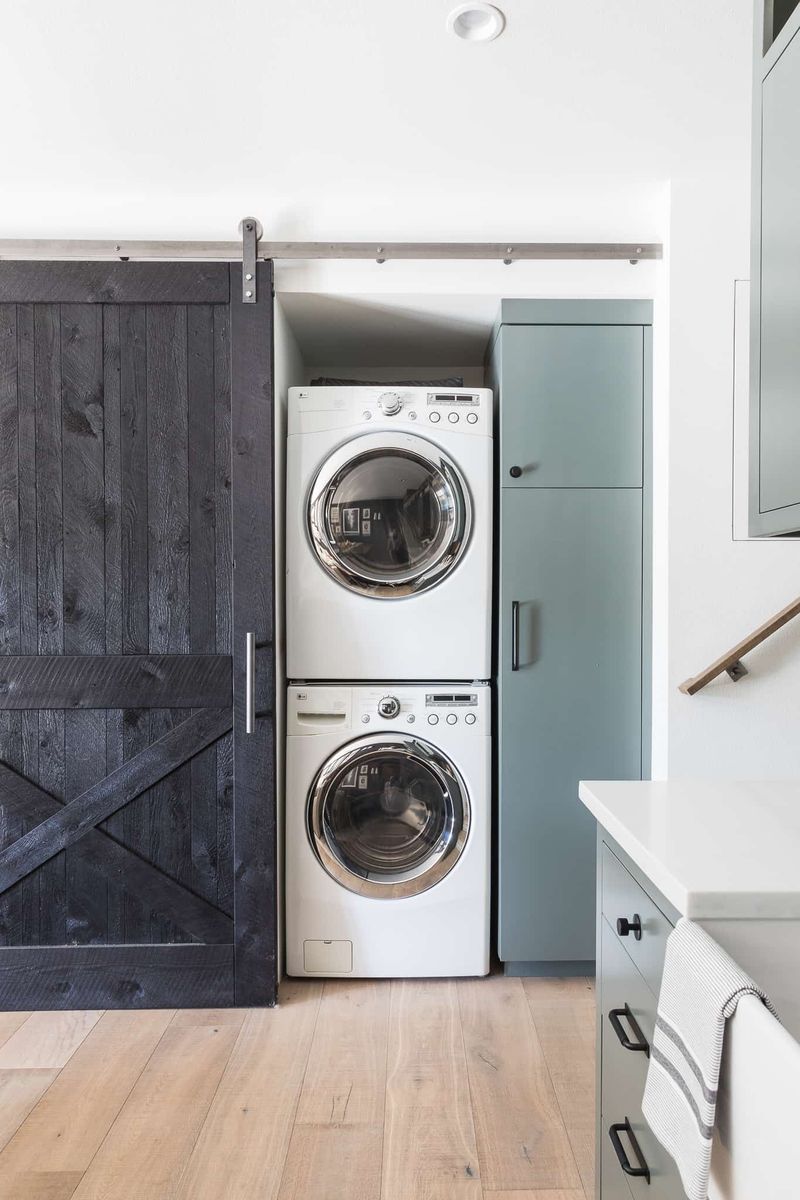
Farmhouse style meets practical magic when rustic sliding doors conceal utility areas. These substantial wooden panels glide along tracks to reveal laundry rooms, storage areas, or home offices when needed.
These sliding solutions work in tight quarters where traditional doors would be impractical. The substantial wood construction provides excellent sound dampening too—perfect for hiding noisy appliances or creating quiet work zones within open floor plans.
13. Camouflaging safes inside decorative niches
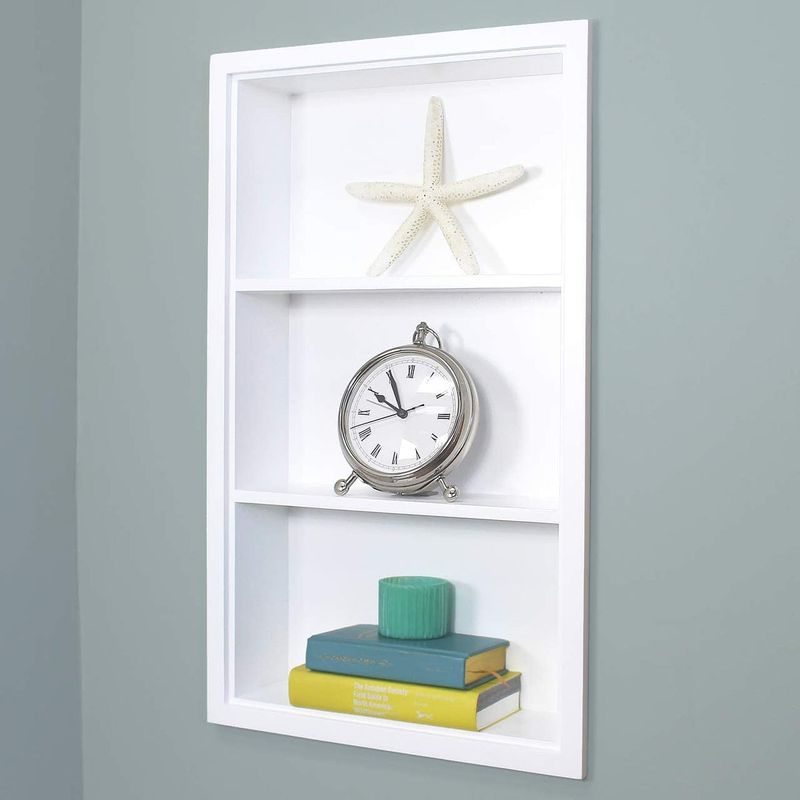
Security meets style when designers hide safes behind ornamental wall features. What appears to be decorative molding, artwork, or an architectural detail might actually conceal your valuables behind a clever facade.
Homeowners appreciate how these disguised safes eliminate obvious targets for potential intruders. The best designs incorporate authentication methods that blend with decor—think decorative wall sconces that actually function as biometric scanners or medallions that rotate to reveal keypads.
14. Concealing panic rooms or storm shelters
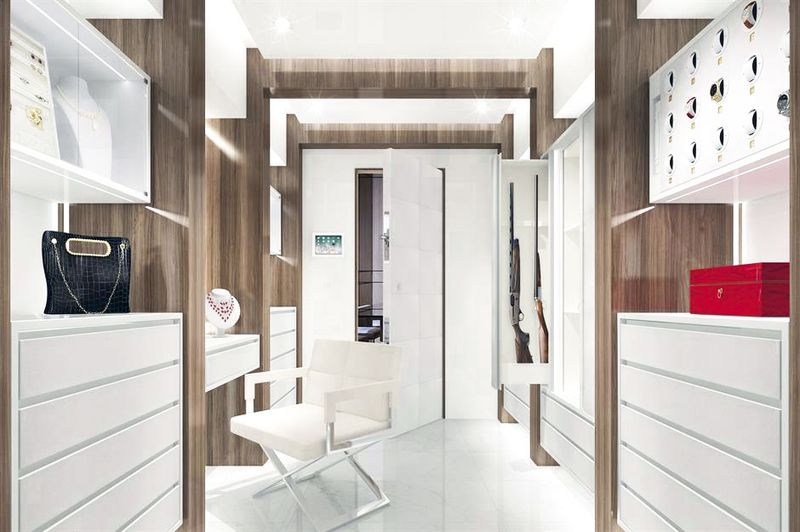
Safety doesn’t have to compromise your interior design. Architects are creating secure spaces behind ordinary-looking walls, closets, or even under staircases that serve as emergency shelters.
Unlike obvious safe rooms of the past, modern panic rooms disguise themselves as regular parts of your home. The entrances blend seamlessly with surrounding surfaces while concealing reinforced doors and walls. Some even include dummy furnishings that move aside to reveal shelter access during emergencies.
15. Designing powder rooms behind dramatic feature walls
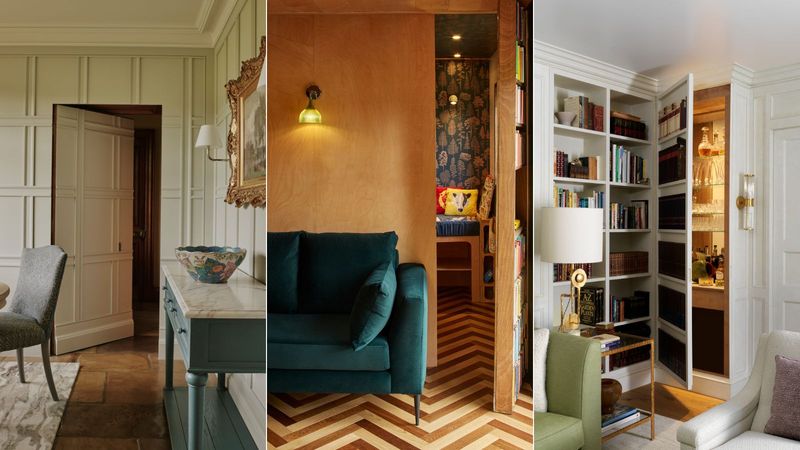
Guests will do a double-take when your stunning accent wall suddenly opens to reveal a powder room. This growing trend transforms necessary facilities into magical discoveries within social spaces.
The visual impact comes from the unexpected contrast between the dramatic exterior and functional interior. Designers often use statement materials like stone veneer, reclaimed wood, or metallic finishes for the outer wall. When closed, these powder rooms completely disappear into your home’s architectural features.