
16 Housing Myths That Real Estate Agents Wish You’d Stop Believing
Home buying and selling can feel like navigating a maze blindfolded. With so much advice floating around, it’s hard to know what’s actually true.
Real estate agents deal with countless misconceptions that make their jobs harder and might cost you money.
1. You Need 20% Down to Buy a Home

Many first-time buyers delay purchasing because they’re saving for that magical 20% down payment. Actually, numerous loan programs accept as little as 3-5% down, and VA loans offer zero-down options for veterans.
While smaller down payments mean higher monthly costs and mortgage insurance, waiting years might cost you more in rising prices.
2. Spring Is the Only Good Time to Sell

Forget waiting for flowers to bloom before listing your property! While spring traditionally brings more buyers, selling during “off-seasons” often attracts more serious purchasers.
Winter buyers typically need to move quickly, face less competition, and may pay premium prices. Smart pricing and presentation matter more than calendar dates when selling your home.
3. Bigger Homes Always Mean Better Investments

Square footage isn’t the golden ticket to investment success many believe it to be. Modest-sized homes in excellent locations often appreciate faster than mansions in less desirable areas.
Maintenance costs, utility bills, and taxes increase with size, eating into potential profits. Market trends increasingly favor efficient spaces over sprawling floor plans.
4. Renovations Always Add Value

Knocking down walls or installing fancy fixtures doesn’t guarantee dollar-for-dollar returns. Certain upgrades actually harm resale value by being too personalized or maintenance-heavy.
Kitchen and bathroom refreshes typically yield good returns, while swimming pools and elaborate landscaping often don’t. Smart renovations match neighborhood standards without significantly exceeding them.
5. Open Houses Sell Homes Faster

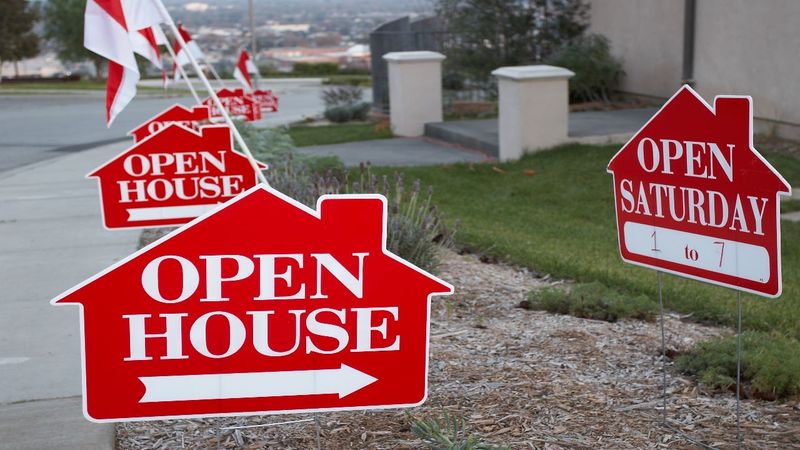
Surprisingly, very few properties sell directly from open house events! Professional agents know open houses primarily benefit them by connecting with potential future clients.
Most serious buyers schedule private showings through their agents. Virtual tours and quality online listings typically drive more qualified traffic than weekend open houses.
6. You Must List With the Highest Price Possible
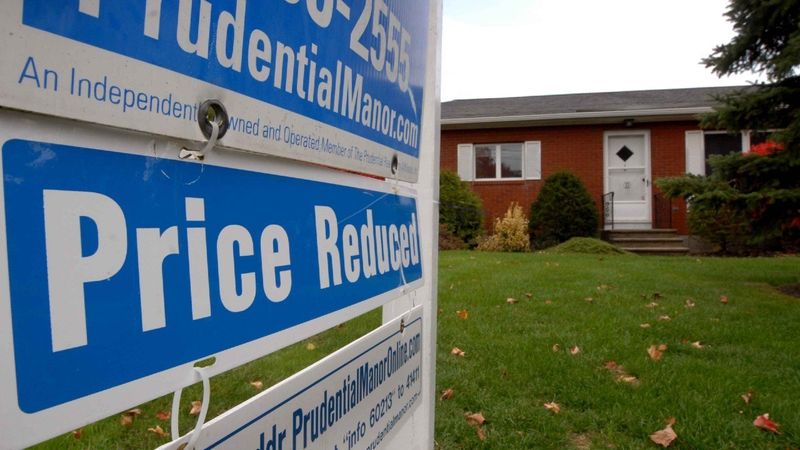
Aiming too high creates a dangerous pricing trap! Overpriced listings sit longer, becoming increasingly unattractive to buyers who wonder what’s wrong with them.
Properties typically get the most attention during their first two weeks on market. Strategic pricing at market value or slightly below often creates bidding wars that drive final prices higher.
7. New Builds Are Always Better Than Older Homes
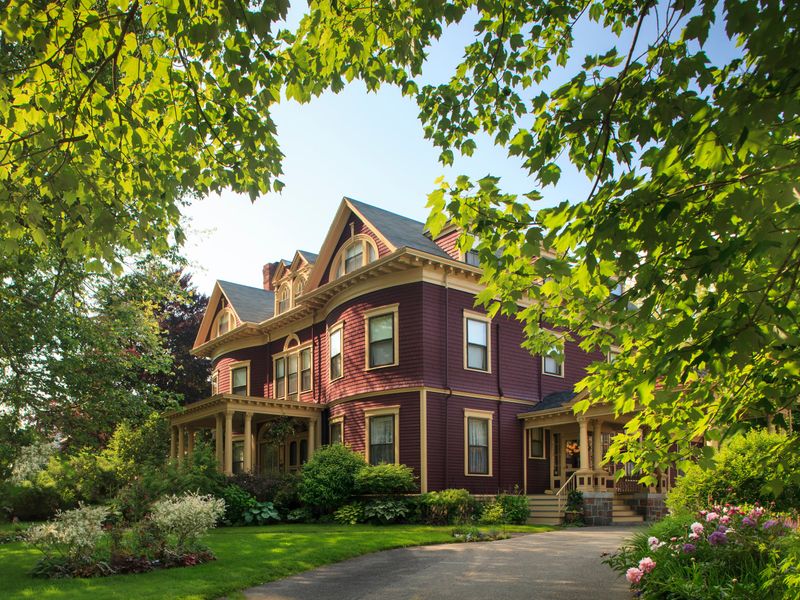
Fresh paint and modern fixtures can mask significant construction shortcuts in new developments. Vintage homes often feature superior craftsmanship, established landscaping, and proven durability that new construction can’t match.
Older neighborhoods typically offer mature trees, developed community amenities, and predictable property values compared to untested new subdivisions.
8. Real Estate Agents Only Want Your Commission

Good agents earn every penny through behind-the-scenes work most clients never witness. From market analysis and professional photography to negotiating repairs and navigating legal pitfalls, agents handle countless details.
Commission covers expenses like marketing, professional listings, document preparation, and extensive education. Skilled agents frequently save clients more than their fee.
9. You Can Skip a Home Inspection If You Trust the Seller
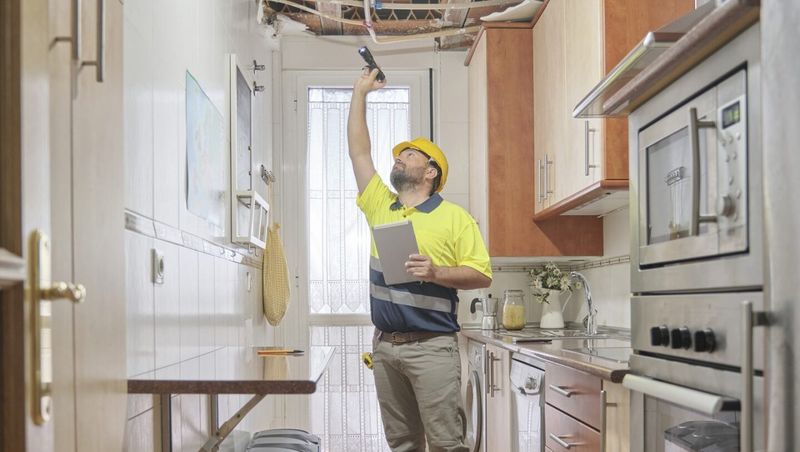
Friendly sellers might not even know about the termite damage hiding behind their walls! Even meticulously maintained homes can harbor serious defects invisible to untrained eyes.
Professional inspections reveal electrical hazards, foundation issues, and costly plumbing problems before they become your expensive emergencies. Skipping inspection to save a few hundred dollars risks thousands in repairs.
10. Location Is Everything, No Exceptions
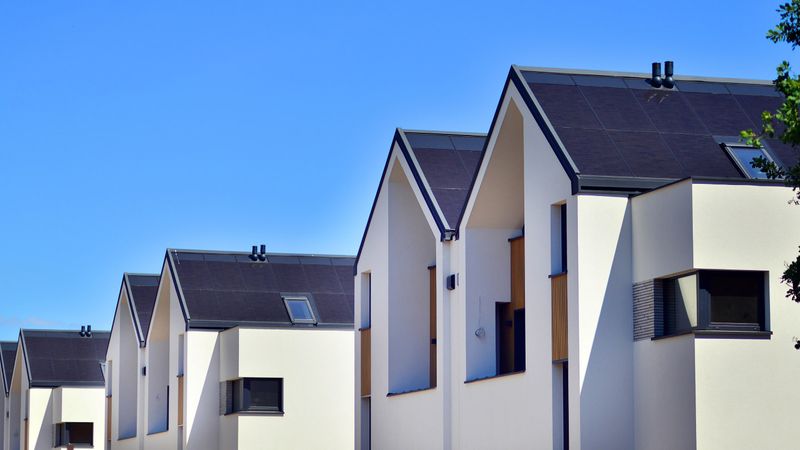
While location matters tremendously, it’s not the only factor determining property value. A perfectly positioned disaster requires substantial investment to reach its potential.
Conversely, exceptional homes in transitional areas often appreciate significantly as neighborhoods improve. Smart buyers balance location considerations with property condition, layout functionality, and renovation potential.
11. The First Offer Is Always the Best Offer
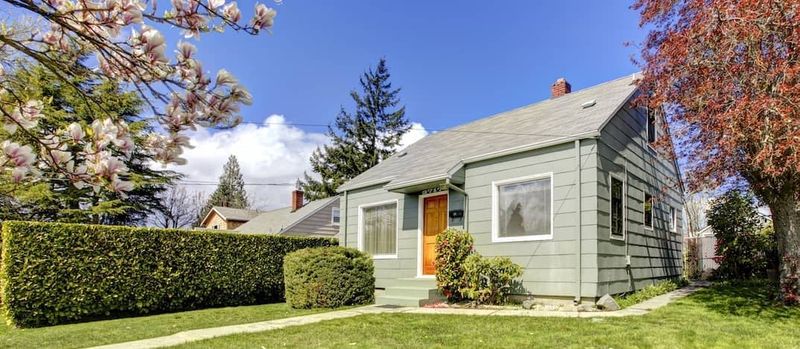
Initial offers deserve serious consideration but don’t automatically trump all future possibilities. Market conditions, property uniqueness, and timing all influence whether early or later offers prove superior.
Experienced agents help evaluate each offer’s strength beyond just price, considering financing security, contingencies, and closing timeline flexibility.
12. Pricing Just Below a Round Number Guarantees a Sale
Listing at $299,900 instead of $300,000 isn’t the magical marketing trick many believe. Modern buyers use online search filters with price ranges, making psychological pricing less effective than in retail.
Market value fundamentals matter far more than pricing gimmicks. Accurate pricing based on comparable sales and property condition drives successful transactions.
13. You Have to Accept the First Offer You Get

Feeling pressured to grab the first offer reflects anxiety, not market reality. Sellers maintain full control over whether to accept, counter, or decline any proposal.
Market conditions should guide response strategies – in hot markets, patience often rewards sellers with better terms. Even in slower markets, unreasonable offers can be declined without penalty.
14. All Upgrades Recoup Their Cost at Sale
Marble countertops might delight you daily without impressing future buyers’ wallets. Upgrade returns vary dramatically by project, neighborhood, and regional preferences.
Minor kitchen refreshes typically return 70-80% of costs, while home offices average only 40-45%. Smart sellers focus on repairs and modest updates rather than luxury overhauls when preparing to list.
15. Selling Your Home “As-Is” Saves Time and Money

Skipping pre-sale improvements often backfires spectacularly in final pricing. Buyers mentally overestimate repair costs, often deducting $3-5 for every $1 of visible needed work.
Simple fixes like fresh paint, clean carpets, and decluttering typically yield returns of 200-400% on investment. Even modest preparation dramatically expands your buyer pool beyond investors seeking discounts.
16. The Housing Market Always Goes Up

Anyone who lived through 2008 knows this dangerous myth firsthand! Real estate markets cycle through periods of growth, plateau, and correction like all investments.
Local market factors can create drastically different conditions even in neighboring communities. Long-term appreciation remains historically reliable, but short-term fluctuations affect buyers and sellers dramatically.