16 Ways to Give Your Home a Bit More Breathing Room
Feeling cramped in your own home can make even the coziest space feel stressful. When walls seem to close in and clutter takes over, it’s time for some breathing room magic.
These simple tweaks can transform your space from suffocating to spacious without knocking down a single wall.
1. Ditch Bulky Furniture
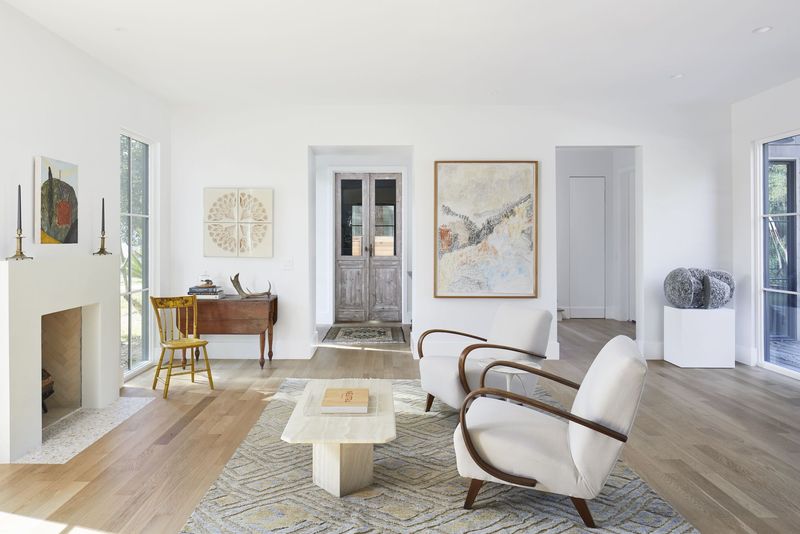
Oversized sofas and massive entertainment centers eat up precious floor space like hungry giants.
Swap that chunky coffee table for something slimmer and replace that overstuffed recliner with a more streamlined chair. Your room will instantly feel like it took a deep breath of fresh air.
2. Embrace Light, Neutral Walls
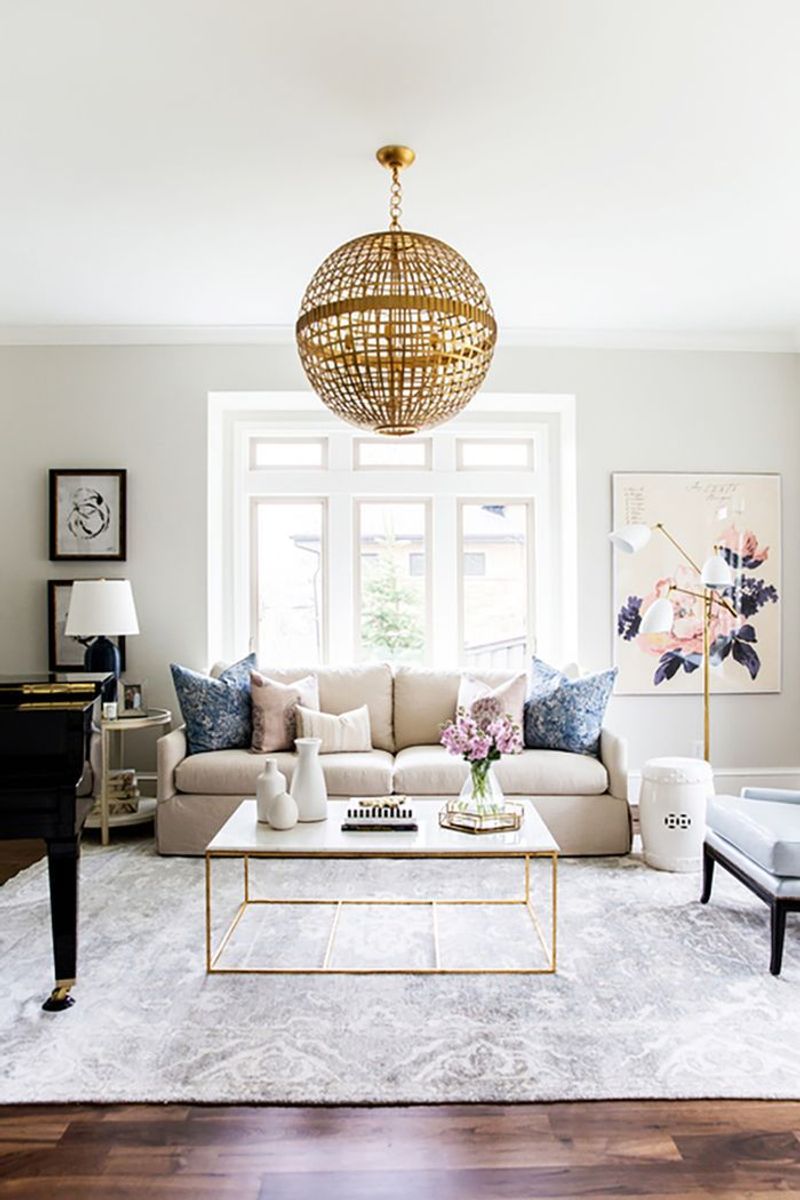
Dark colors might look dramatic on Pinterest, but they visually shrink your space faster than you can say ‘claustrophobia.’
Painting walls in soft whites, creams, or pale grays creates an optical illusion of expanded space. Suddenly rooms feel airier and more open, as if the walls have stepped back a few inches.
3. Float Furniture Away from Walls
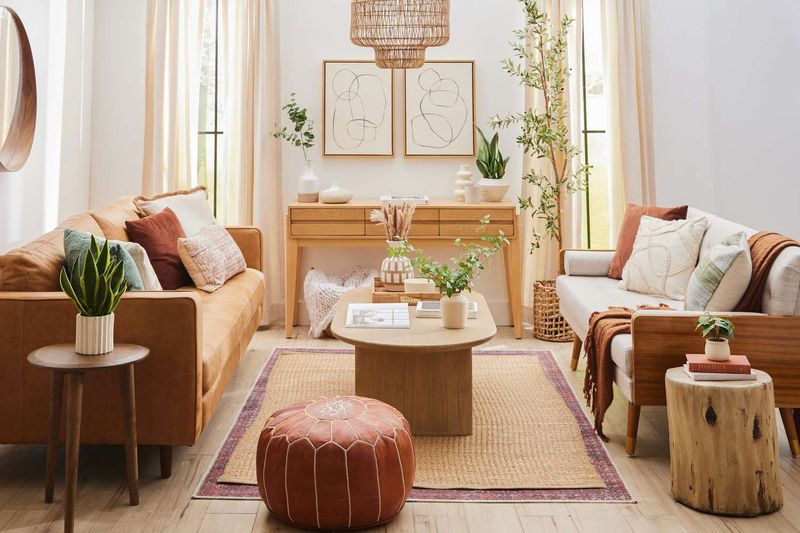
Pushing everything against the perimeter creates that dreaded ‘waiting room’ effect.
Pull your sofa forward just a few inches and angle that armchair slightly. This counterintuitive trick actually makes rooms feel larger by creating breathing space around your furniture and defining conversation areas more naturally.
4. Swap Heavy Curtains for Sheers
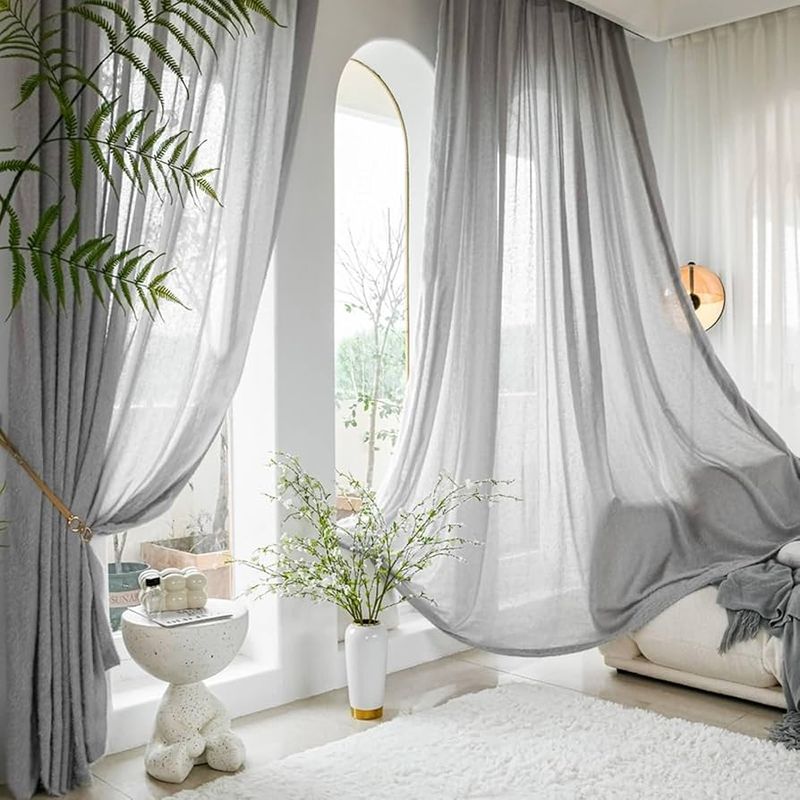
Bulky window treatments are like wearing a winter coat in summer – unnecessarily stifling.
Lightweight, flowing fabrics allow natural light to filter through while maintaining privacy. As sunlight dances through sheer curtains, your space instantly feels more open and connected to the outdoors.
5. Use Mirrors to Reflect Light
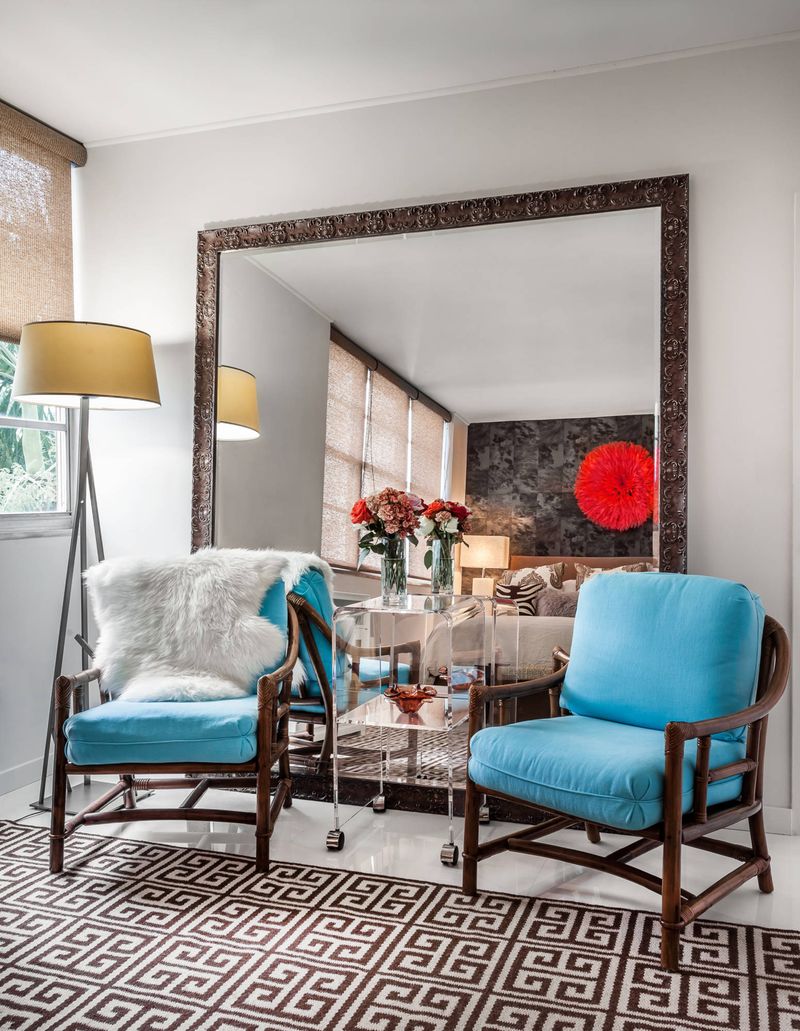
A well-placed mirror isn’t just for checking your outfit – it’s a space-expanding superpower.
Hang one across from your brightest window and watch as it bounces light throughout the room, creating the illusion of another window. Suddenly your space feels twice as big without moving a single piece of furniture.
6. Choose Leggy, Open-Base Pieces
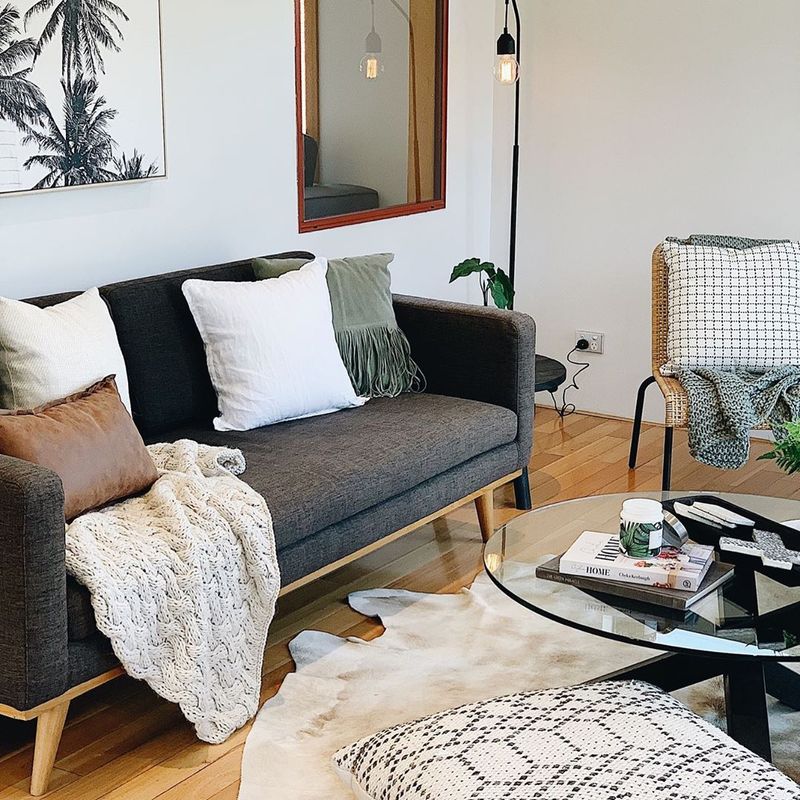
Solid-to-the-floor furniture creates visual heaviness that weighs down your space.
Furniture with visible legs allows your eye to travel underneath, creating a sense of airiness. Just seeing that extra bit of floor beneath your sofa or dresser tricks your brain into perceiving more square footage.
7. Limit Patterns to One Per Room
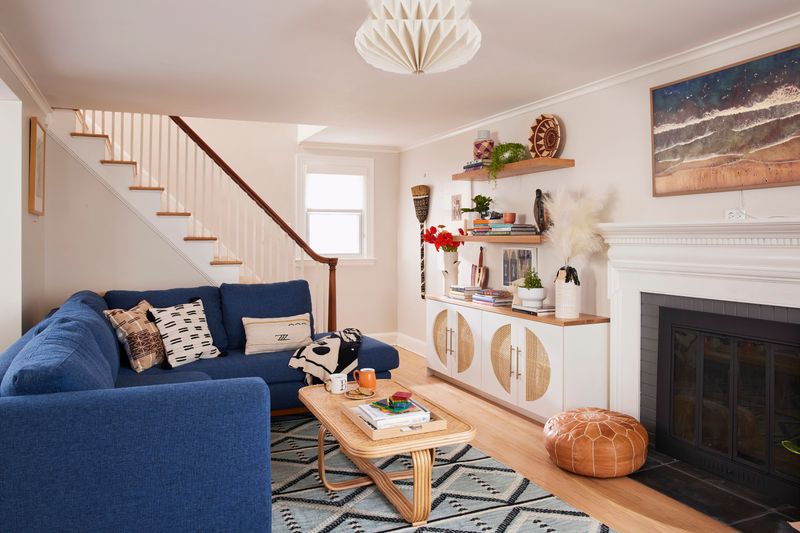
Mixing too many busy patterns is like having multiple conversations at once – overwhelming and chaotic.
Pick just one statement pattern for your space, whether it’s a bold rug or striking wallpaper. Everything else should play a supporting role with solids or subtle textures that let your eyes rest between visual excitement.
8. Go for Multipurpose Furniture
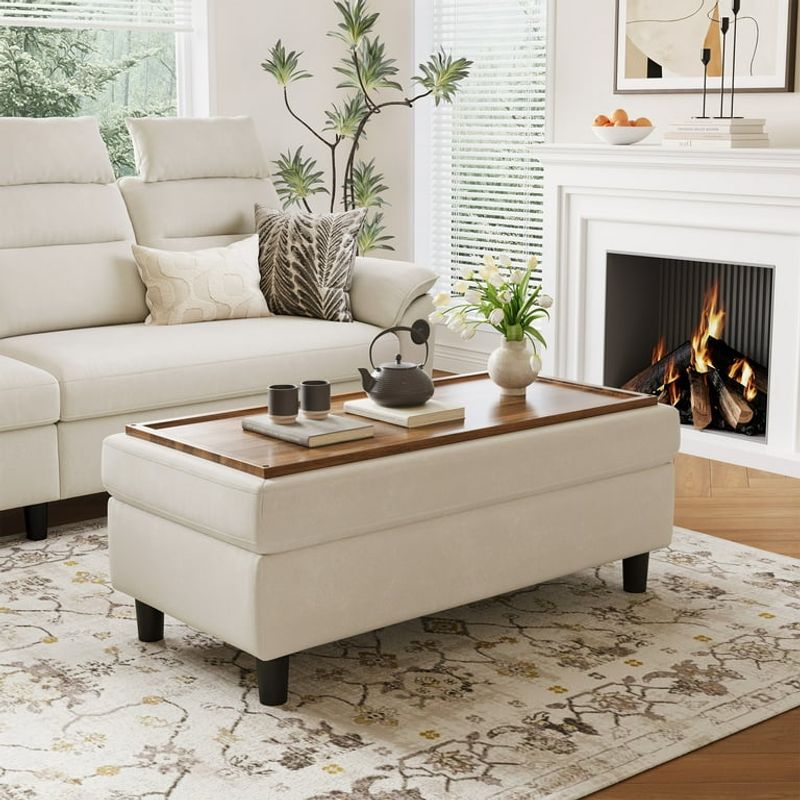
Why own five mediocre pieces when one brilliant multitasker can do it all?
A storage ottoman serves as coffee table, extra seating, and hidden storage vault. Convertible sofas, extendable tables, and nesting side tables are space-saving superheroes that expand or contract based on your needs.
9. Clear the Floors and Corners
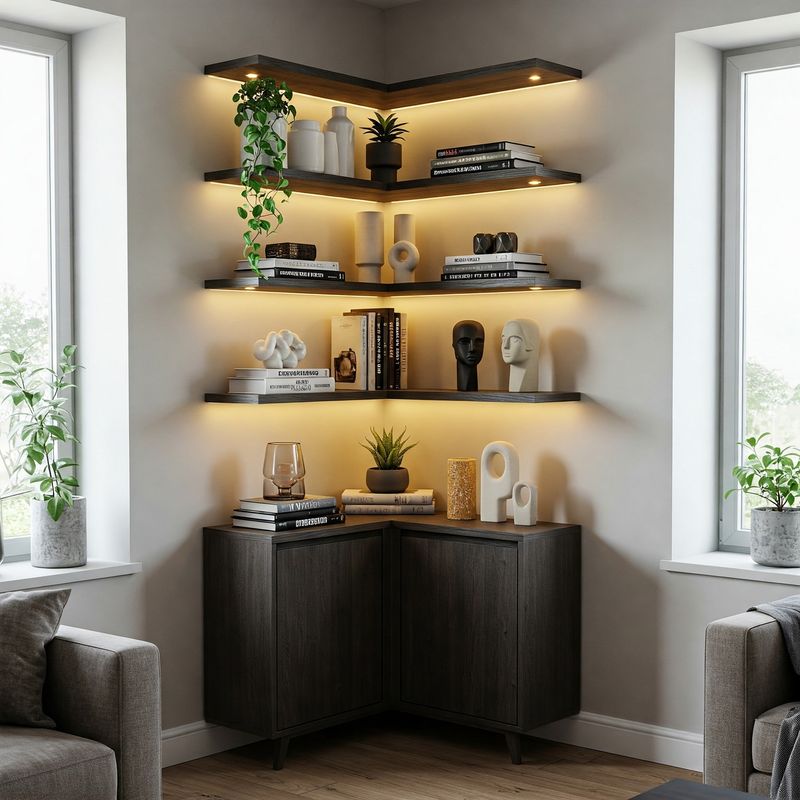
Floor clutter creates visual speed bumps that make your eyes stop short, emphasizing space limitations.
Empty floor space, especially in corners, allows your gaze to travel further uninterrupted. Simply relocating floor lamps to wall sconces or mounting your TV instead of using a stand creates precious breathing room.
10. Edit Down Decorative Accessories
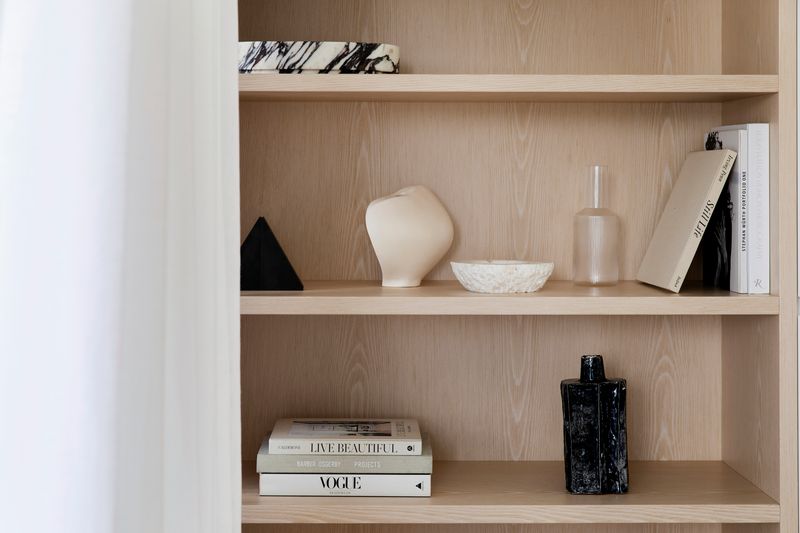
Knickknack overload creates visual noise that makes rooms feel stuffed to the gills.
Curate your collections ruthlessly, displaying only your absolute favorites. Each item earns its spot through beauty or meaning, creating breathing room between pieces and giving your eyes welcome rest.
11. Use Closed Storage Generously
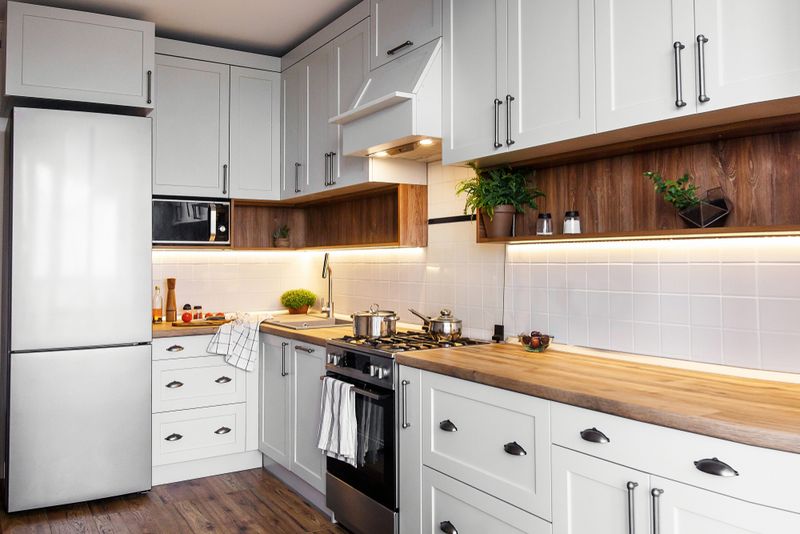
Open shelving showcases everything – including visual chaos that makes rooms feel smaller.
Cabinets with doors hide necessary but not-so-pretty items behind clean lines. Everyday clutter disappears behind closed doors, and the brain registers the simplified visual plane as more spacious—even if the actual square footage stays the same.
12. Mount Shelves Higher on the Wall
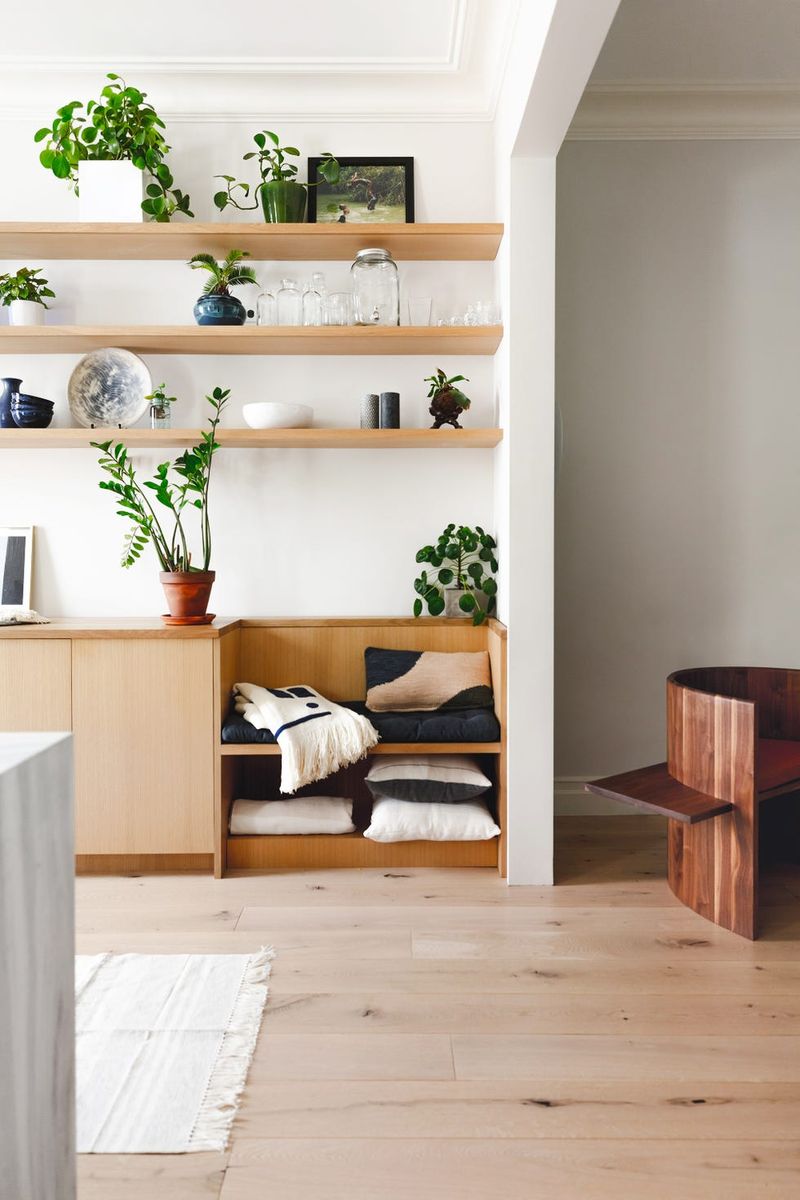
Low-hanging shelves create a compressed, top-heavy feeling that pushes down on the room.
Raising shelving draws the eye upward, utilizing often-forgotten vertical space. Your gaze travels from floor to ceiling, making the room feel taller and more expansive.
13. Keep Window Sills Bare
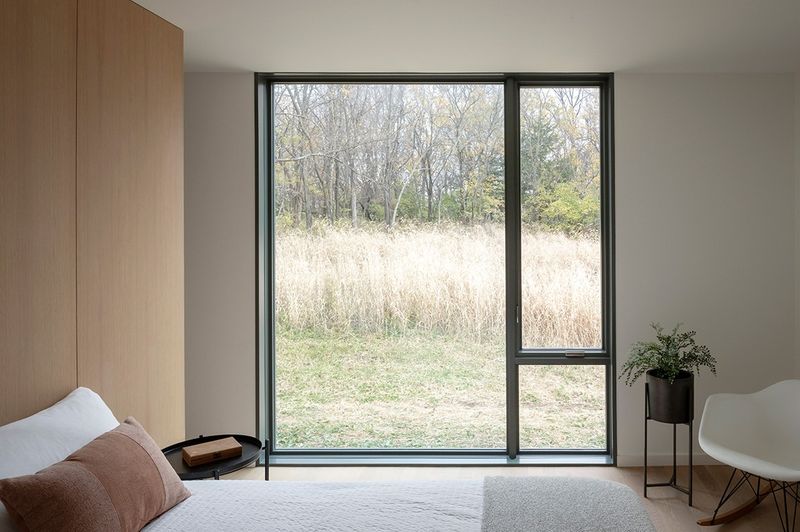
Cluttered window ledges block precious natural light and create visual heaviness.
Clearing window sills allows maximum sunshine to pour in unobstructed. Without plants, knickknacks or books crowding the opening, your windows become proper portals connecting inside to outside, instantly expanding your sense of space.
14. Break Up Large Rooms with Rugs
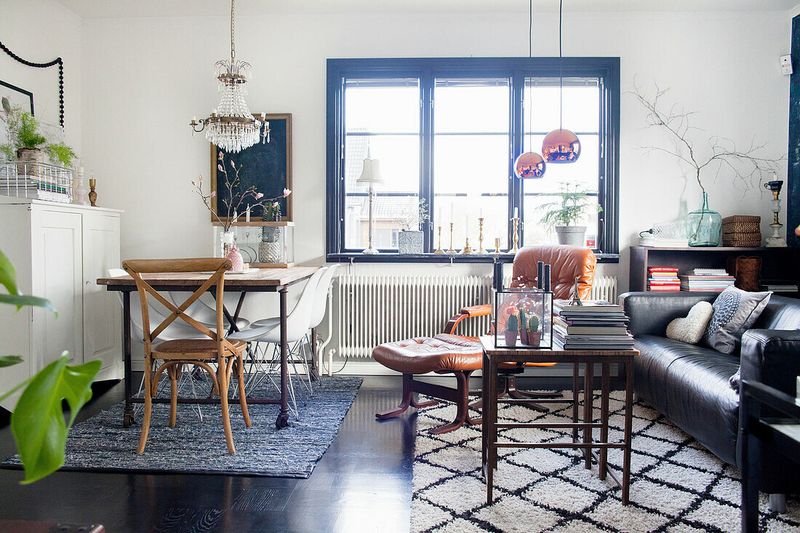
One massive rug can make even generous spaces feel undifferentiated and overwhelming.
Smaller rugs strategically placed create distinct zones within open layouts. Just as room dividers physically separate spaces, area rugs visually define activity centers without blocking sightlines or light flow.
15. Opt for Glass or Lucite Tables
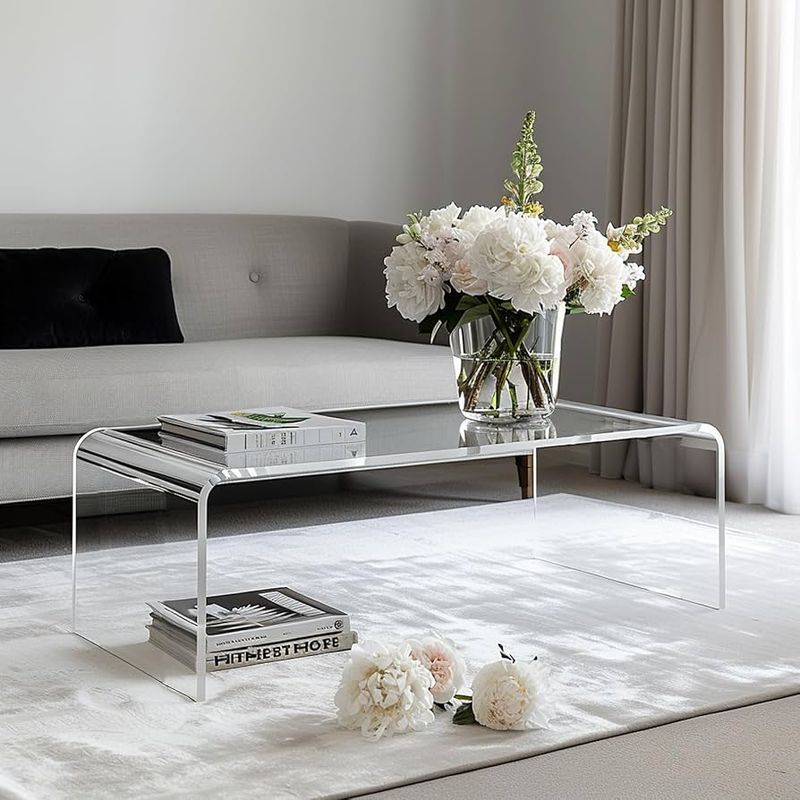
Solid wood or metal tables create visual roadblocks that stop your eye’s journey through the room.
See-through surfaces perform the same function without the visual weight. Light passing through coffee or side tables lets the floor plane appear continuous, creating the illusion of uninterrupted space.
16. Let Natural Light Take Center Stage
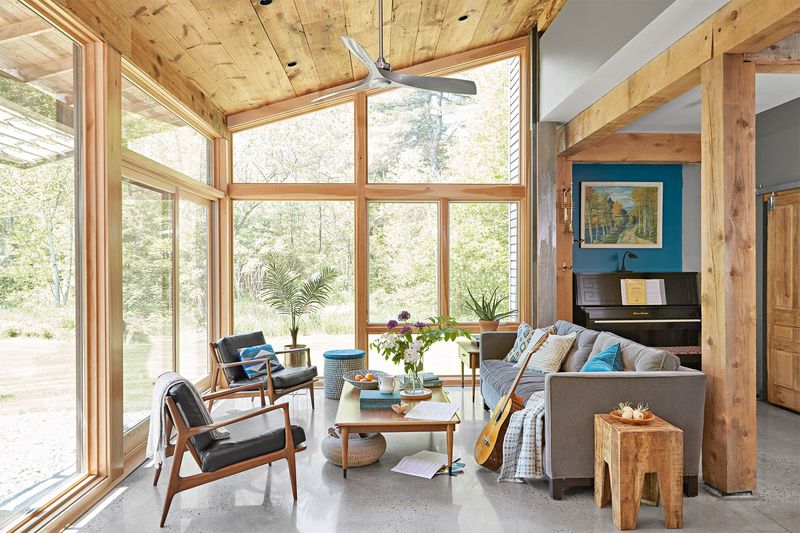
Blocked windows are like closed doors to spaciousness.
Prune outdoor shrubs that shadow your glass and rearrange furniture that obstructs windows. Sunshine streams in freely, and it brings the outdoors inside, blurring boundaries between your four walls and the world beyond.