
17 Historic Design Traditions That Can Help You Decorate Beautifully On A Budget
Looking to create a beautiful home without breaking the bank? Historic design traditions offer timeless techniques that deliver stunning results for less.
People have been creating gorgeous homes for centuries before big-box stores existed.
These time-tested approaches use simple materials, smart techniques, and clever repurposing to create spaces with character and charm.
1. Whitewashed Walls
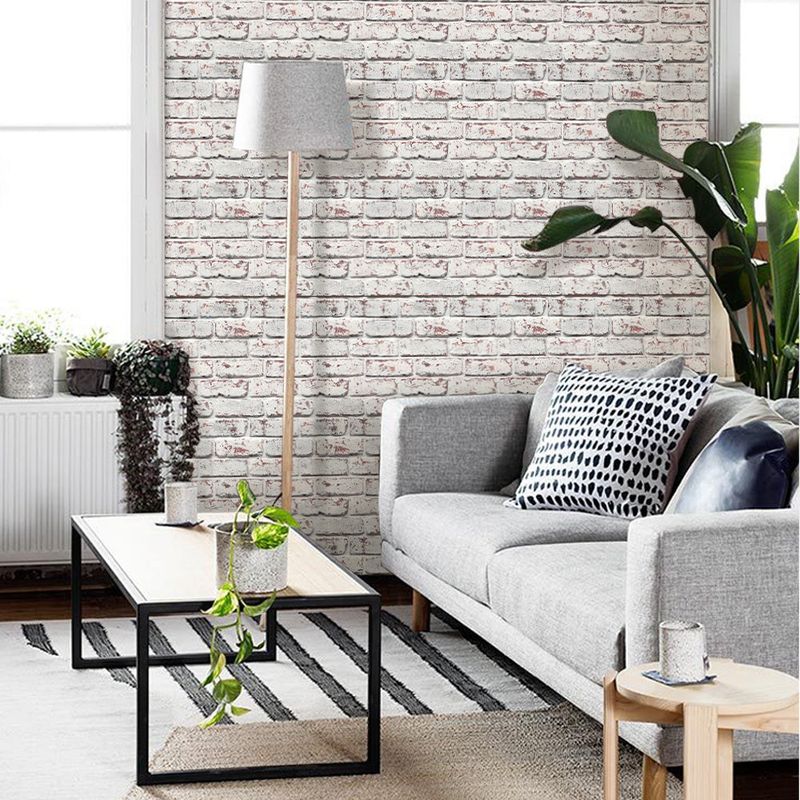
Forget expensive designer paints! For centuries, homeowners have used simple lime wash to create luminous, textured walls with depth that flat modern paints can’t match.
The technique involves mixing lime with water and sometimes natural pigments, then applying it with a brush. The result is a breathable surface that develops a beautiful patina over time.
2. Hand-Painted Stencils
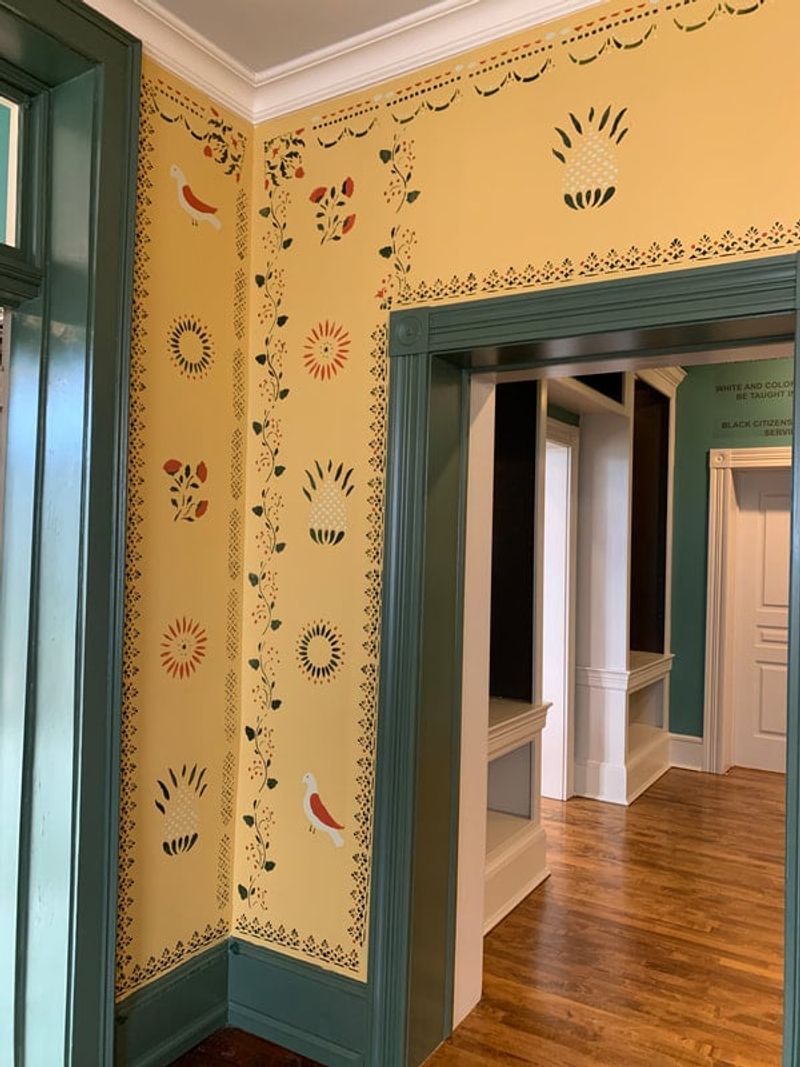
Long before wallpaper became widely available, crafty homeowners used stencils to create beautiful patterns on walls, floors, and furniture.
With just a few simple tools – cardboard or plastic stencils, paint, and a sponge – you can recreate this charming technique. Folk traditions from Pennsylvania Dutch to Scandinavian rosemaling offer endless inspiration.
3. Collected Botanicals
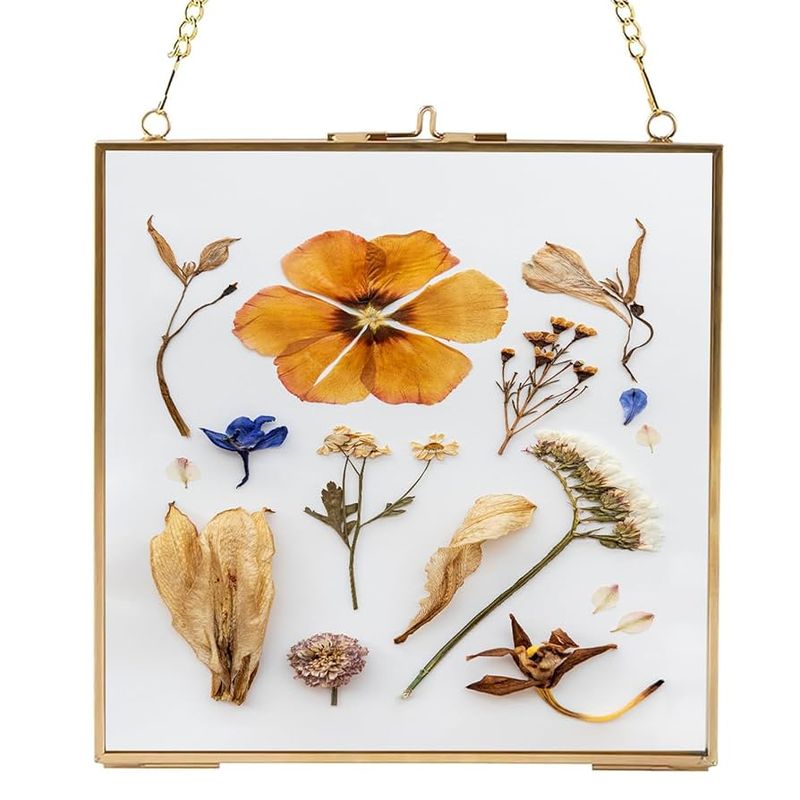
Victorian-era nature enthusiasts turned pressed flowers and leaves into stunning wall displays, creating affordable botanical art that still inspires today.
Gathering specimens from your garden or neighborhood walks costs nothing but time. Simply press flowers between heavy books for several weeks, then arrange them in inexpensive frames.
Group several framed specimens together for a gallery-style installation that brings timeless natural beauty to any room.
4. Rag Rugs
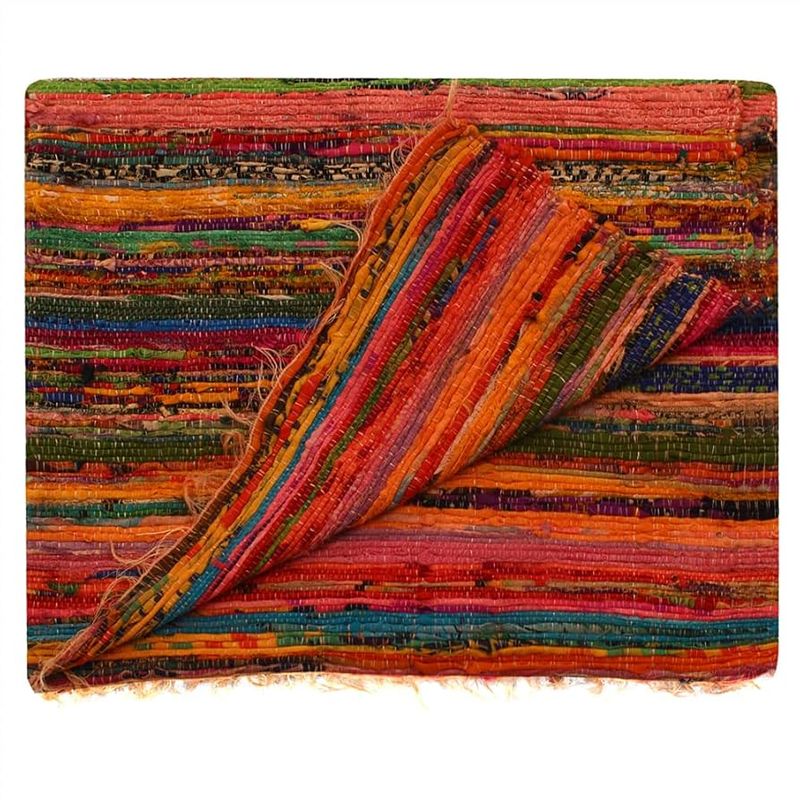
Who knew old clothes could transform into beautiful floor coverings? Thrifty homemakers across cultures mastered this resourceful tradition centuries ago.
Braided, hooked, or woven from fabric scraps, these colorful rugs add warmth and texture to any space. The beauty lies in their imperfection – each unique rug tells a story through its materials.
Modern crafters can find tutorials online or search thrift stores for authentic vintage pieces at bargain prices.
5. Tin Ceiling Tiles
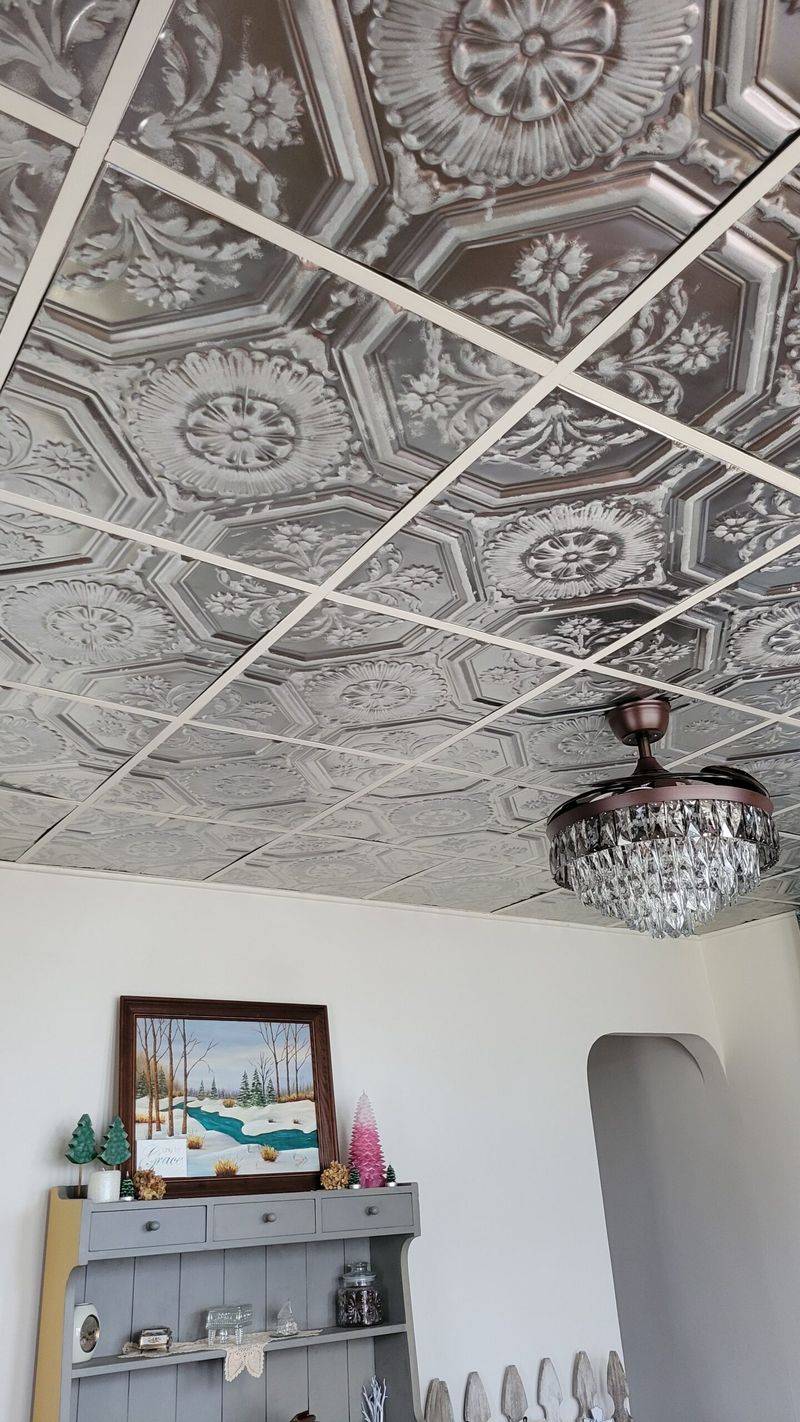
During the Victorian era, pressed tin ceilings offered an affordable alternative to elaborate European plasterwork. The embossed metal patterns caught light beautifully while costing a fraction of ornate plaster.
Today’s budget decorators can find reproduction tiles in plastic or thermoplastic that install easily with adhesive. Some companies even make paintable wallpaper that mimics the look.
6. Milk Paint Finishes
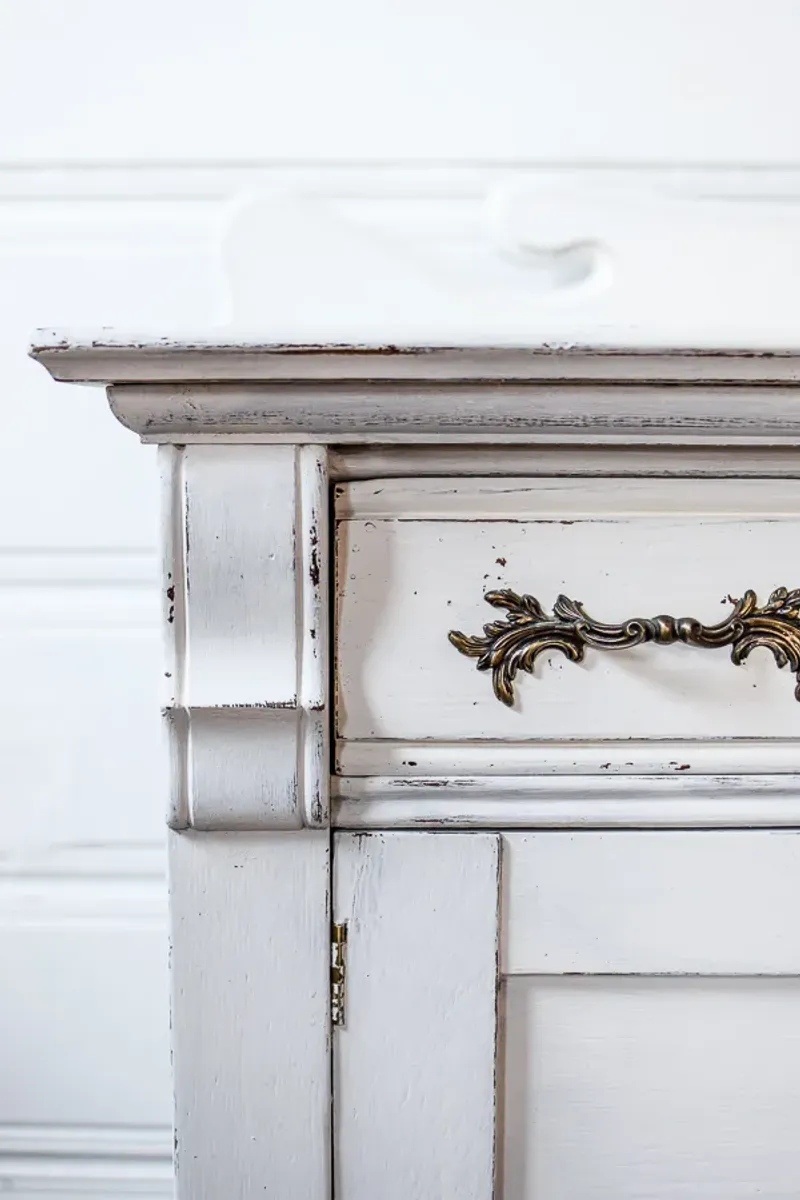
Before modern paints existed, furniture makers used simple milk-based formulas that created distinctive, matte finishes with incredible depth.
Unlike flat modern paints, traditional milk paint develops a naturally distressed appearance over time. It’s perfect for creating authentic-looking antique finishes on inexpensive furniture finds.
Modern milk paint powders mix with water, making them both eco-friendly and budget-conscious – a small amount covers surprising square footage.
7. Quilted Textiles
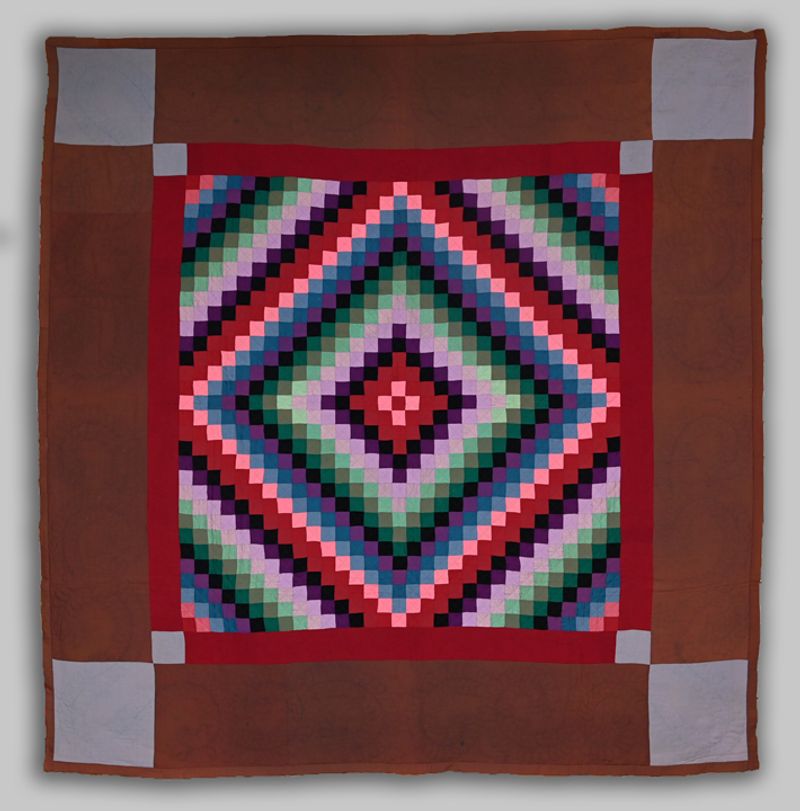
Crafty ancestors turned fabric scraps into stunning bedcoverings through the art of quilting. These practical heirlooms combined warmth with visual interest.
You needn’t be a master quilter to incorporate this tradition. Vintage quilts from estate sales make instant wall hangings, while quilt fragments can become distinctive pillow covers or table runners.
8. Hand-Dipped Candles
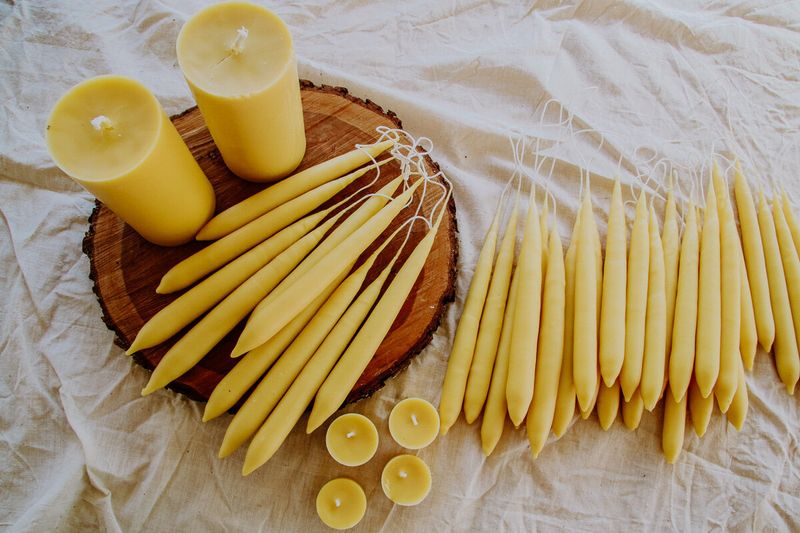
Before electricity, candle-making wasn’t just a craft – it was essential household production. The rhythmic process of dipping wicks into melted wax created tapers with distinctive character.
Making your own candles costs significantly less than store-bought versions. Simple materials from craft stores let you create dozens of tapers in custom colors that complement your decor.
9. Woven Baskets
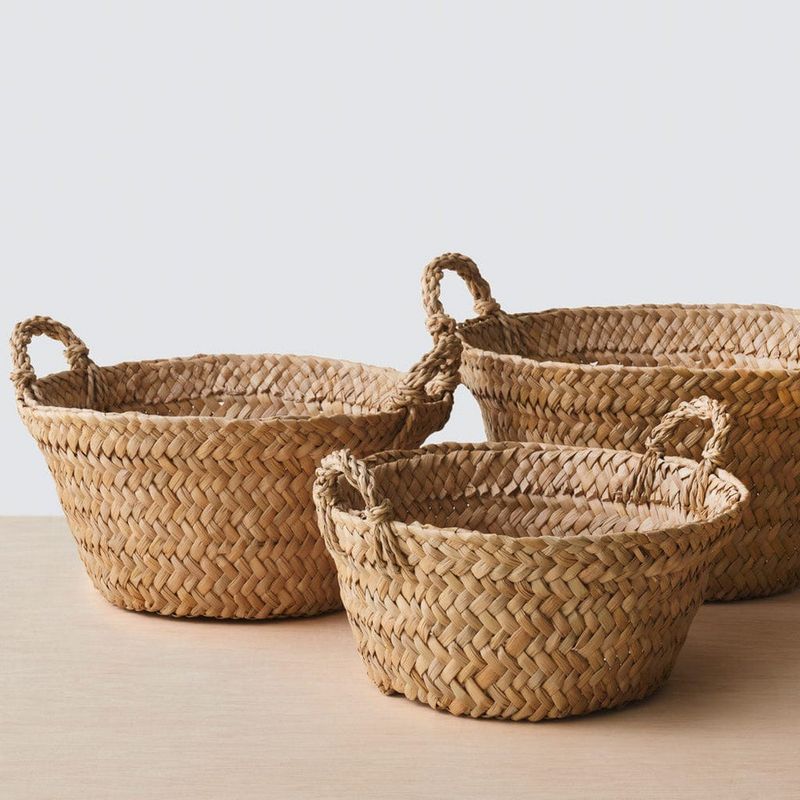
Almost every culture across history has developed distinctive basket-weaving traditions using locally available materials. These functional items beautifully combine practicality with regional aesthetic traditions.
Thrift stores and flea markets often overflow with affordable baskets that add instant texture and warmth to rooms. Hung on walls in collections, they create dramatic three-dimensional art.
Use them to corral clutter while adding authentic handcrafted elements to your decor scheme.
10. Découpage Decoration
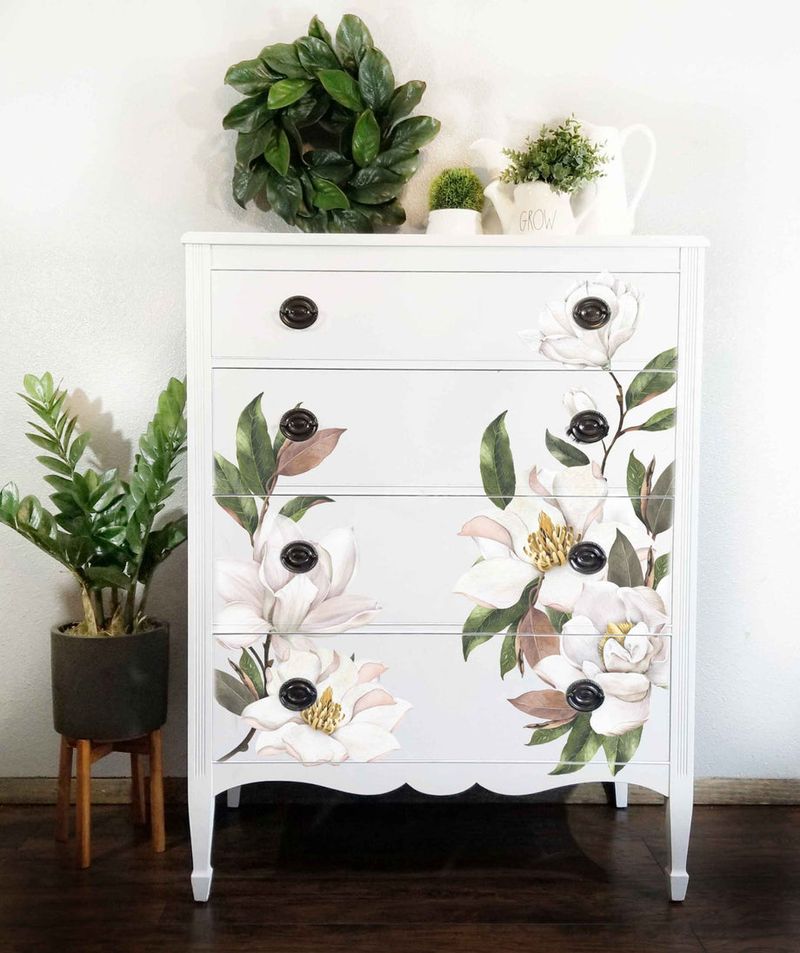
Victorian homemakers transformed ordinary objects into works of art by applying paper cutouts sealed under layers of varnish. This technique let them personalize everything from furniture to decorative boxes.
Armed with decorative paper, scissors, and craft glue, you can update thrift store finds for pennies. Old furniture gains new life with images from vintage books or botanical prints.
The finished pieces have a depth and character that mass-produced items simply can’t match.
11. Painted Floor Cloths
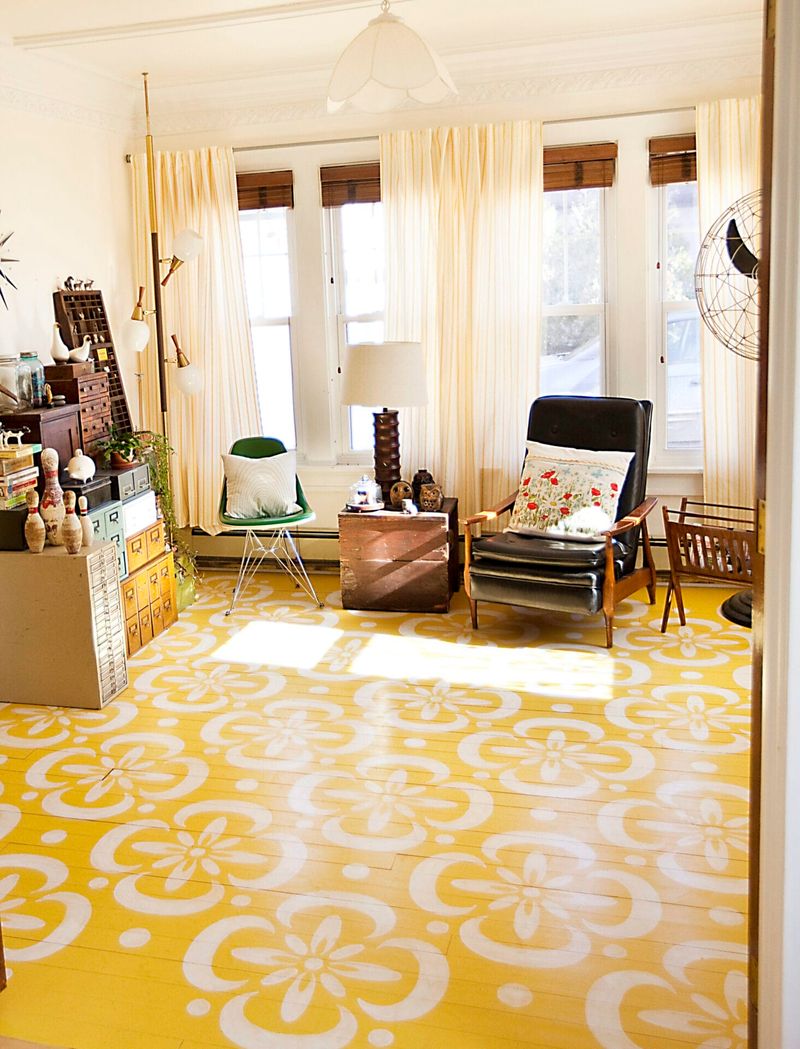
Before wall-to-wall carpeting, early Americans created durable floor coverings by painting canvas with decorative patterns. These practical alternatives to expensive imported rugs brightened homes at minimal cost.
Creating your own requires just heavy canvas, primer, paint, and sealer. The finished pieces clean easily with a damp cloth – perfect for high-traffic areas.
Traditional geometric patterns work beautifully, but you can also design custom versions to complement your color scheme.
12. Sponge Painting
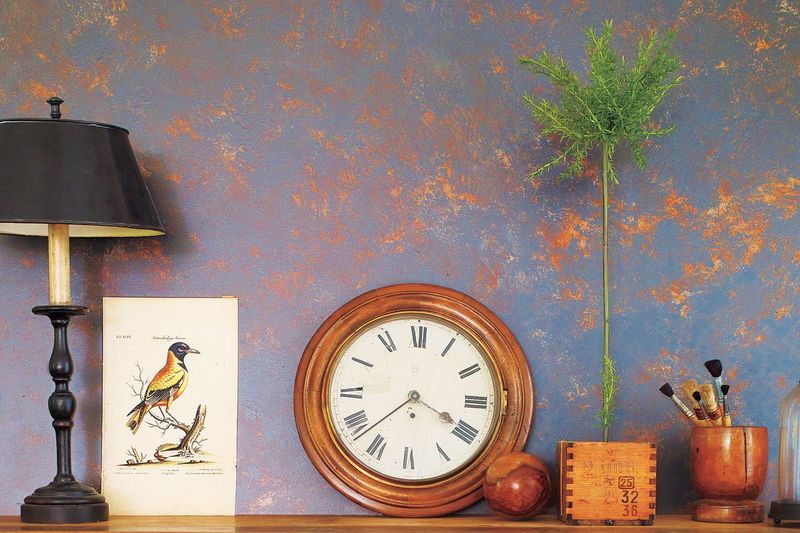
Mediterranean cultures developed sponge painting techniques that added texture and depth to plain walls. Using simple sea sponges and thinned paint, they created surfaces with visual interest and subtle color variations.
The technique remains one of the easiest DIY wall treatments for beginners. With just two complementary paint colors and a natural sponge, you can transform a room in a weekend.
The slightly mottled finish also hides wall imperfections – perfect for older homes with less-than-perfect surfaces.
13. Hand-Blocked Textiles
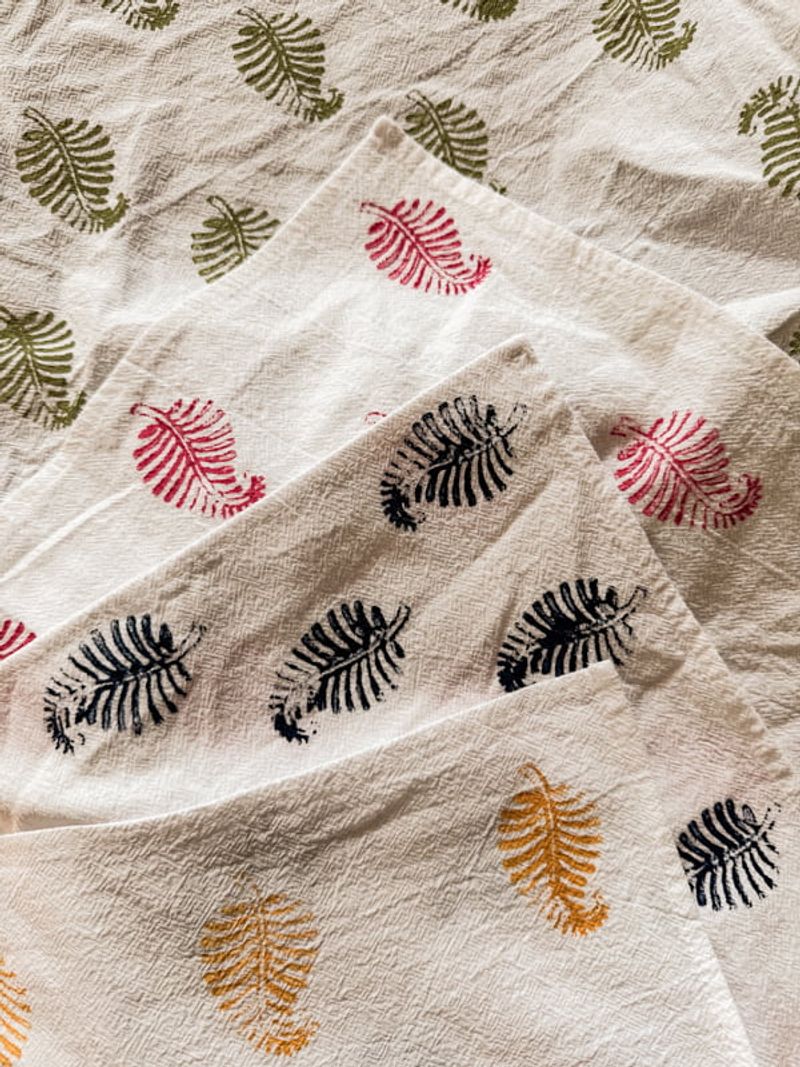
From Indian palaces to English cottages, hand-blocked textiles have adorned homes for centuries. The distinctive patterns come from wooden blocks pressed into fabric with pigment.
While authentic versions can be pricey, you can create similar effects using craft store rubber stamps on plain fabric. Simple cotton becomes custom curtains, pillow covers, or tablecloths with your personal touch.
Stick with geometric patterns for foolproof results that echo traditional designs from around the world.
14. Reverse Glass Painting
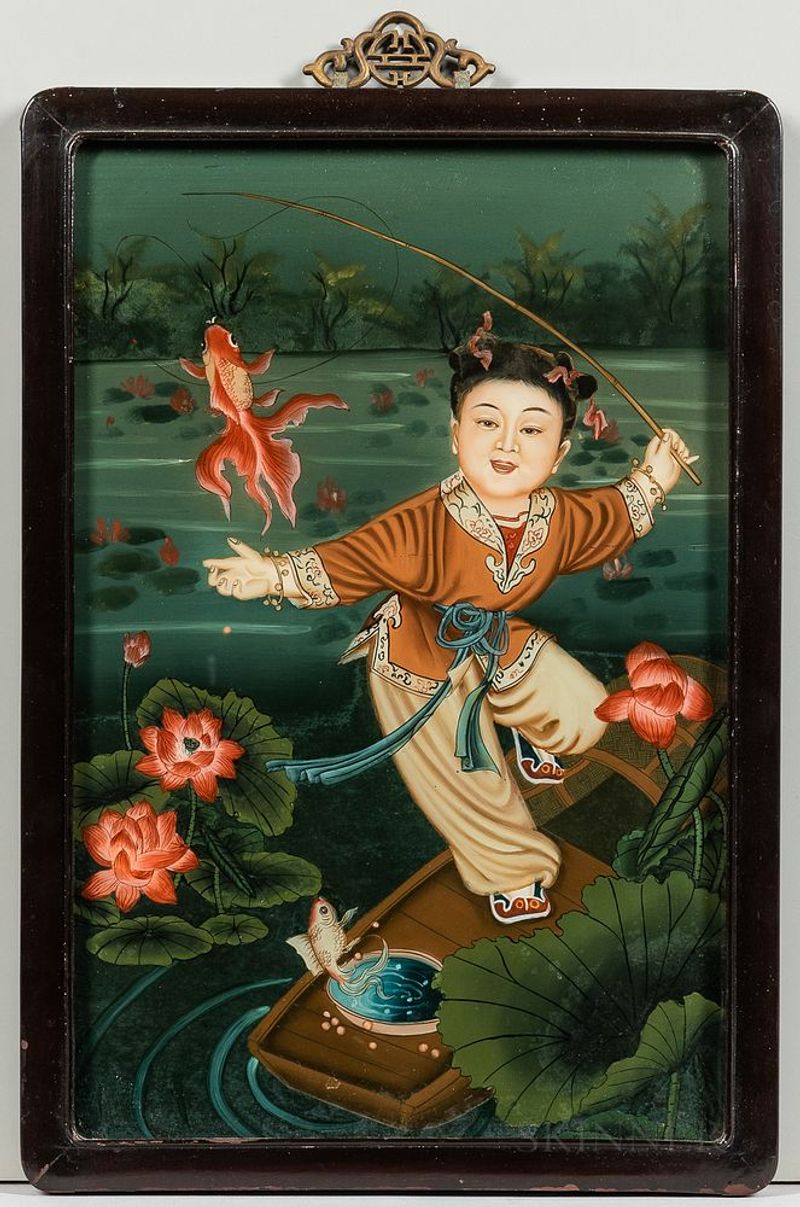
From Bavarian farmhouses to Chinese palaces, reverse glass painting created luminous decorative pieces that caught light in magical ways.
The technique involves painting backward on glass – starting with details and finishing with backgrounds. When viewed from the unpainted side, the image gains remarkable depth and brilliance.
Simple picture frames with glass inserts provide perfect canvases for beginning artists to try this historic technique that turns inexpensive materials into glowing art.
15. Wrought Iron Accents
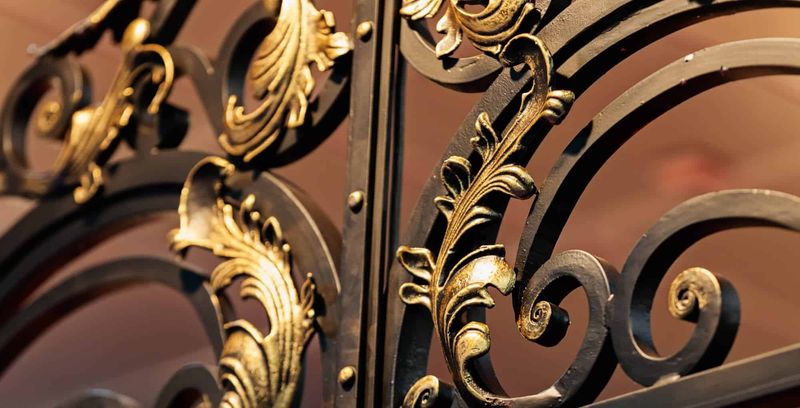
Blacksmiths throughout history created functional art from iron – from fireplace tools to candle holders. These durable pieces developed beautiful patinas that improved with age.
Modern budget decorators can find reproduction pieces at flea markets or thrift stores. A simple collection of iron candlesticks creates instant atmosphere on a mantel or dining table.
Their dark silhouettes provide striking contrast against lighter walls, adding architectural interest without major renovation.
16. Painted Furniture Borders
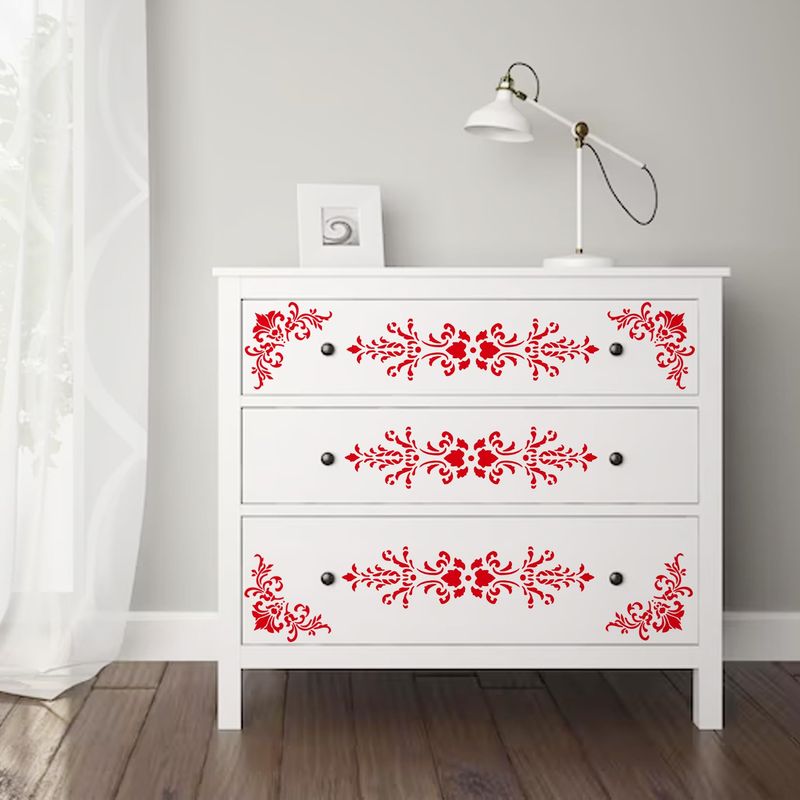
Before mass production, furniture makers added value to simple pieces with hand-painted decorative borders. From Pennsylvania Dutch to Scandinavian traditions, these colorful embellishments turned ordinary items into family treasures.
With basic painting skills and small brushes, you can add similar details to thrift store finds. Simple repeating patterns like vines, dots, or geometric motifs work well for beginners.
17. Pressed Tin Backsplashes
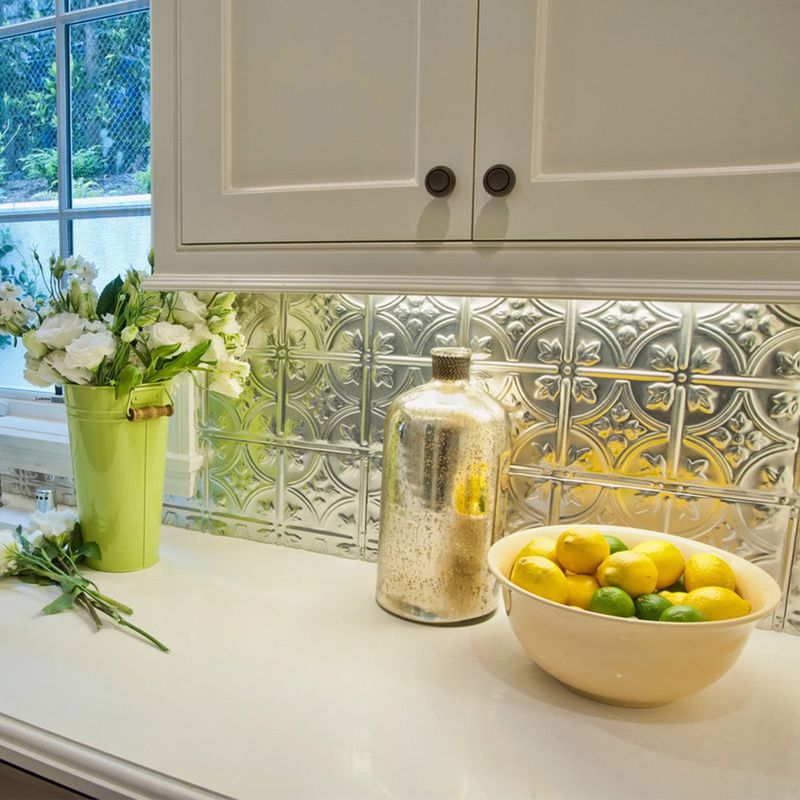
Victorian homeowners used decorative tin panels not just on ceilings but as practical backsplashes in kitchens and behind washstands.
Modern versions come in easy-to-install panels that transform kitchen areas for a fraction of the cost of tile. Many are made from lightweight, paintable materials that cut with scissors.
A small section behind a stove or sink makes dramatic impact without overwhelming your budget – the perfect weekend project for instant character.