17 Hacks To Making Your Thrifted Antiques Work In Your Home
Ever spotted a gorgeous antique piece at a thrift store but wondered if it would look out of place in your modern home?
Thrifted treasures carry stories and character that mass-produced items simply can’t match.
With a little creativity and these practical hacks, you can transform those second-hand gems into stunning focal points that breathe new life into your space.
1. Mix Old With New
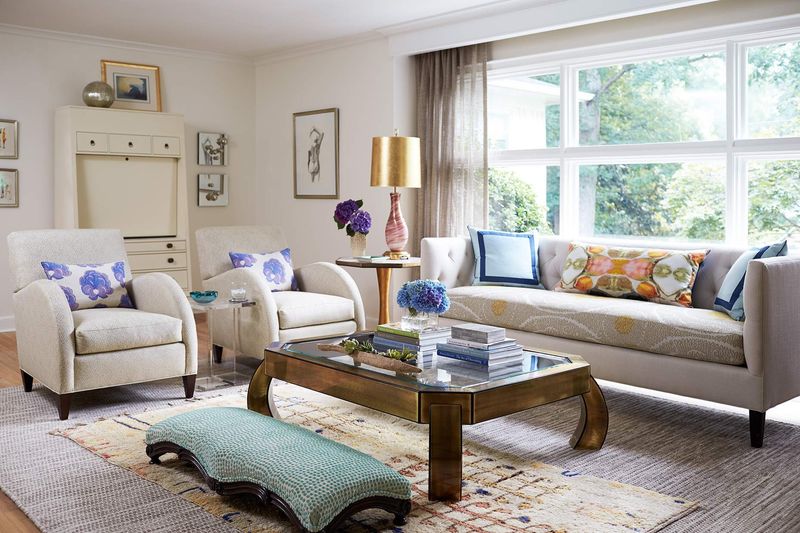
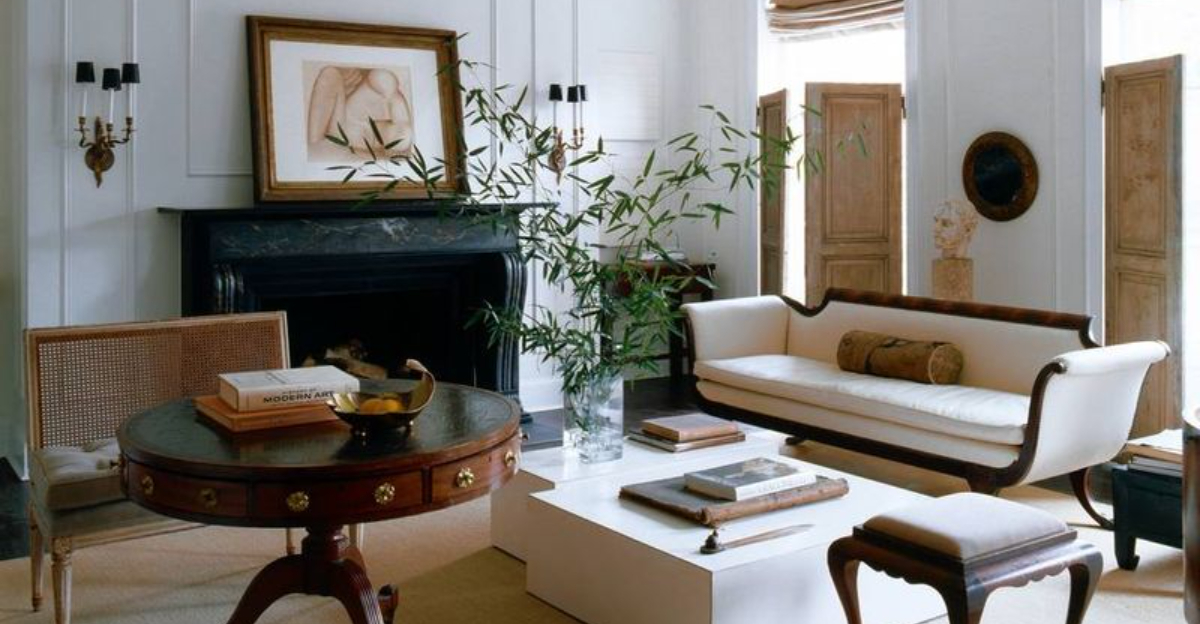
Balance is key when decorating with vintage finds! Pairing that ornate Victorian mirror with sleek contemporary furniture creates a delightful visual tension that makes both pieces shine.
The contrast between time periods adds depth and personality to any room. Try placing a modern lamp on an antique side table, or hanging abstract art above a traditional credenza for an effortlessly curated look.
2. Paint It Fresh
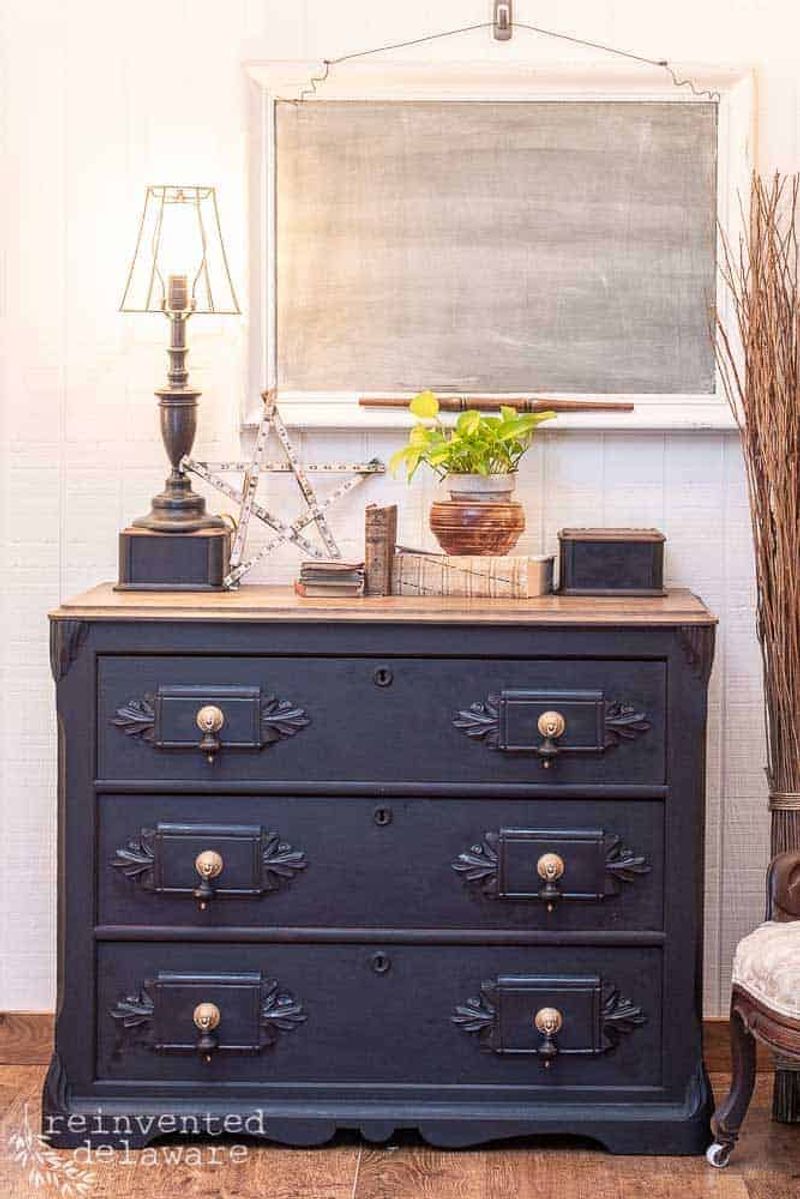
Who says antiques must keep their original finish? A fresh coat of paint can completely transform that dusty old dresser into a contemporary showstopper that fits your existing decor.
Chalk paint works wonders on vintage pieces since it requires minimal prep. Bold colors like navy, emerald, or even coral can breathe new life into traditional silhouettes while preserving their unique details and craftsmanship.
3. Creative Repurposing
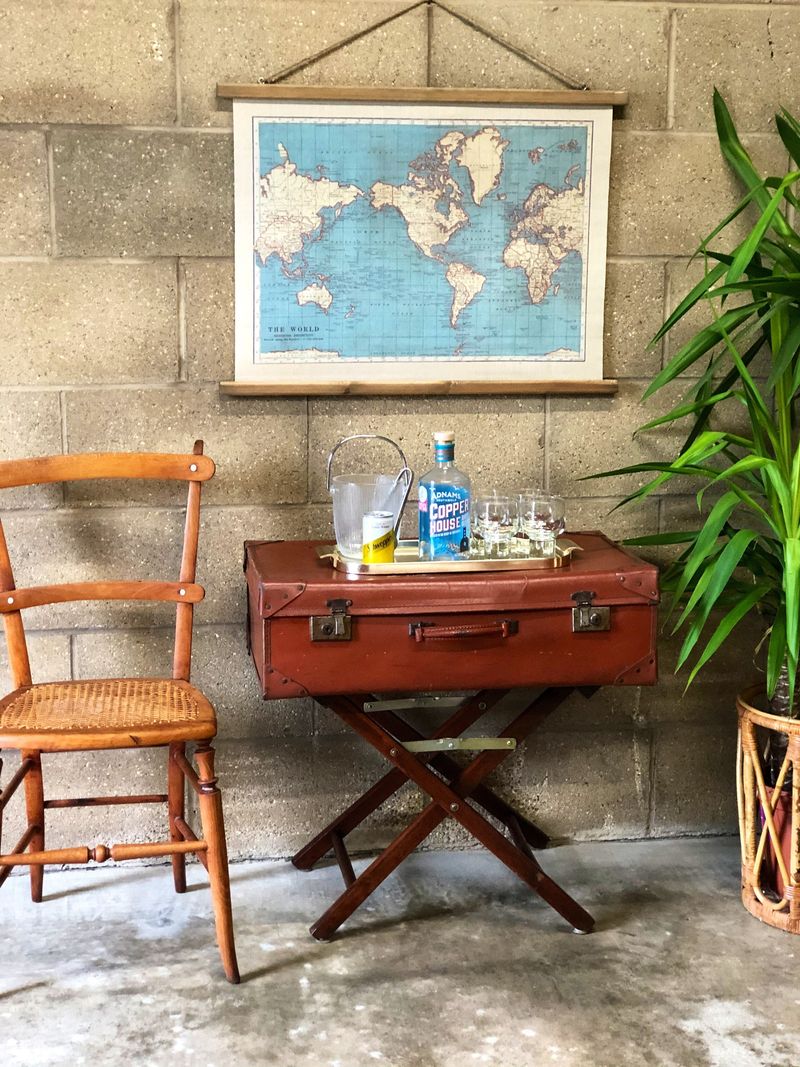
Look beyond an item’s original purpose! That vintage suitcase? It makes a fantastic side table when stacked or fitted with legs. Old ladders transform into unique bookshelves with minimal effort.
Vintage doors can become headboards, while antique crates make perfect wall shelving. The beauty of repurposing lies in creating conversation pieces that nobody else has, all while giving new purpose to items that might otherwise be discarded.
4. Hardware Refresh
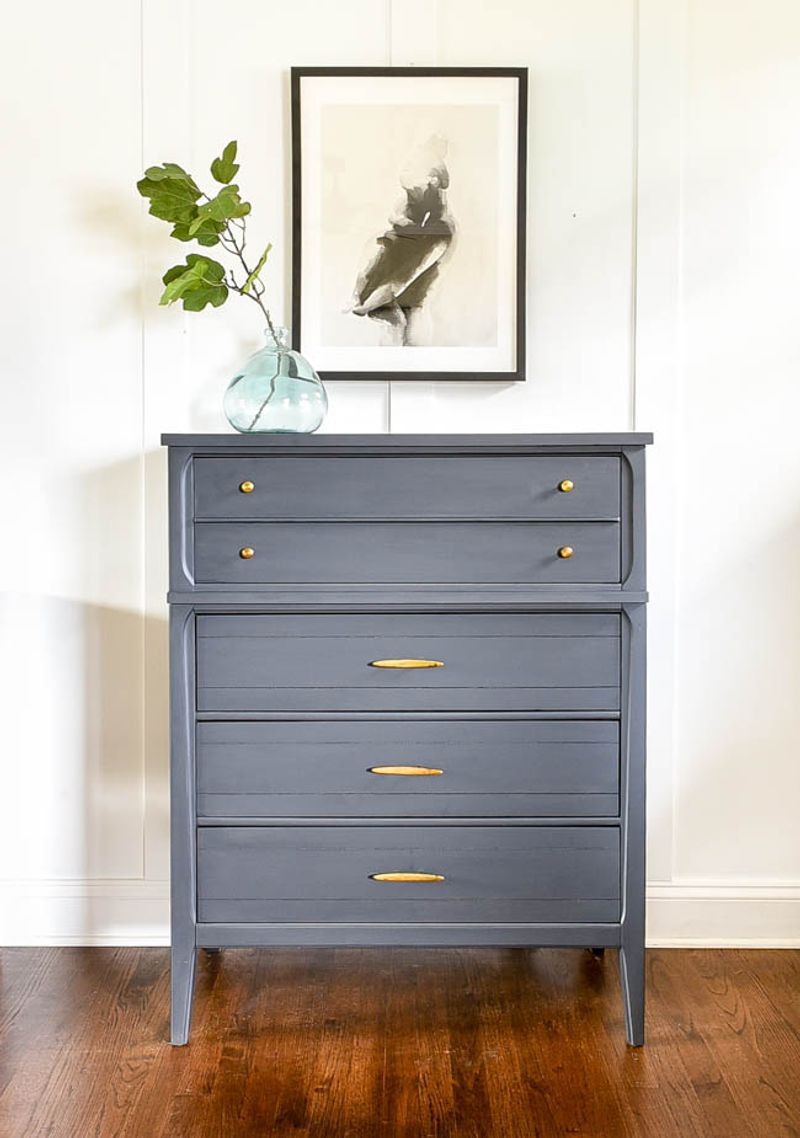
Sometimes the smallest details make the biggest difference! Swapping out dated knobs and handles on that thrifted dresser instantly modernizes the piece without major renovations.
Hardware stores offer countless options from sleek brass pulls to whimsical ceramic knobs. For cohesion, choose hardware that complements your existing decor style—perhaps matte black for industrial spaces or crystal for glamorous rooms.
5. Reupholstery Magic
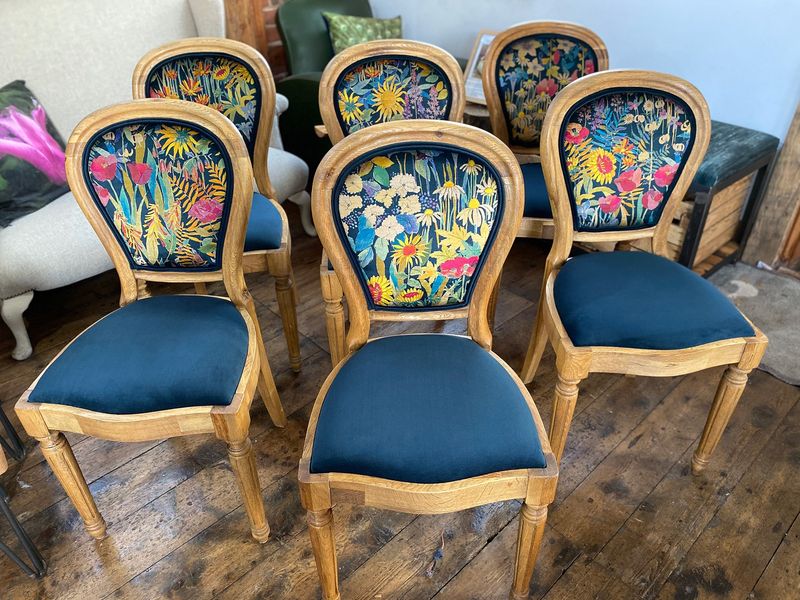
Fabric can make or break a vintage chair! That structurally-sound thrift store find with hideous upholstery is actually a diamond in the rough waiting for transformation.
Consider bold patterns for small accent pieces or timeless neutrals for larger furniture. Even if professional reupholstery isn’t in your budget, a quality staple gun and some gorgeous fabric can work wonders for simple pieces like dining chairs or footstools.
6. Statement Piece Positioning
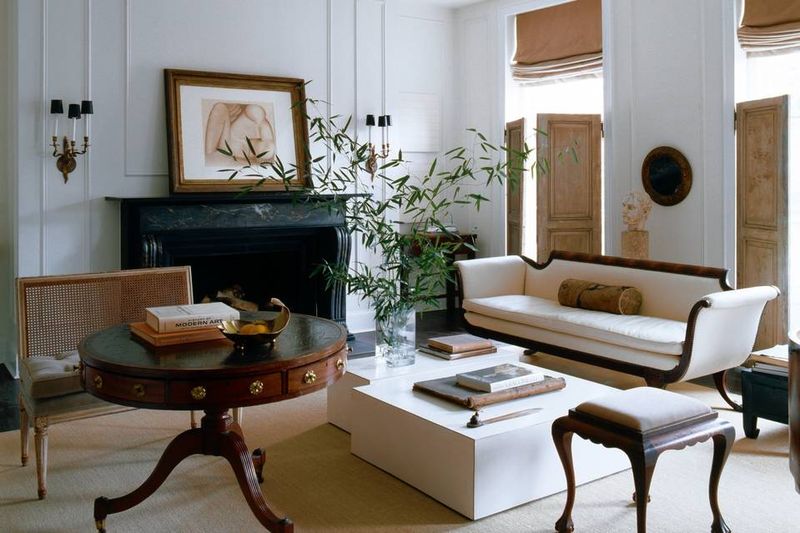
Every room deserves that one spectacular conversation starter! Position your most impressive antique find where it naturally draws attention—perhaps that ornate armoire centered on your living room’s main wall.
Keep surrounding decor relatively simple to let your statement piece shine. The juxtaposition of a single dramatic antique against contemporary surroundings creates visual interest while preventing the space from feeling like a museum.
7. Create Collections
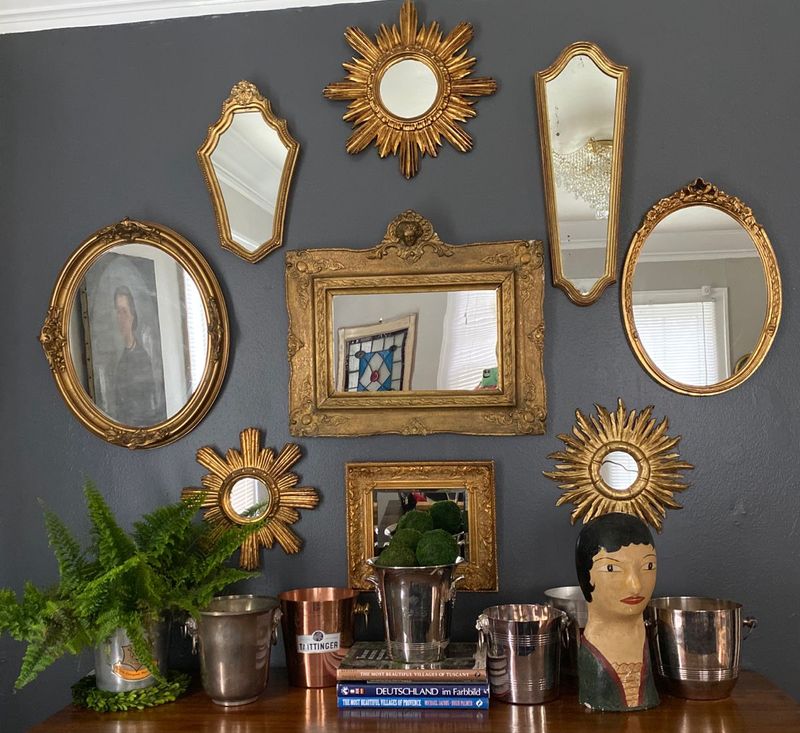
Strength comes in numbers when styling vintage treasures! Rather than scattering individual pieces throughout your home, try grouping similar items together for greater visual impact.
A cluster of vintage mirrors creates an artistic wall arrangement, while a collection of antique bottles makes a stunning windowsill display. The key is finding a common thread—whether it’s color, material, or purpose—to unite your collection into something greater than its parts.
8. Small Antiques as Accents
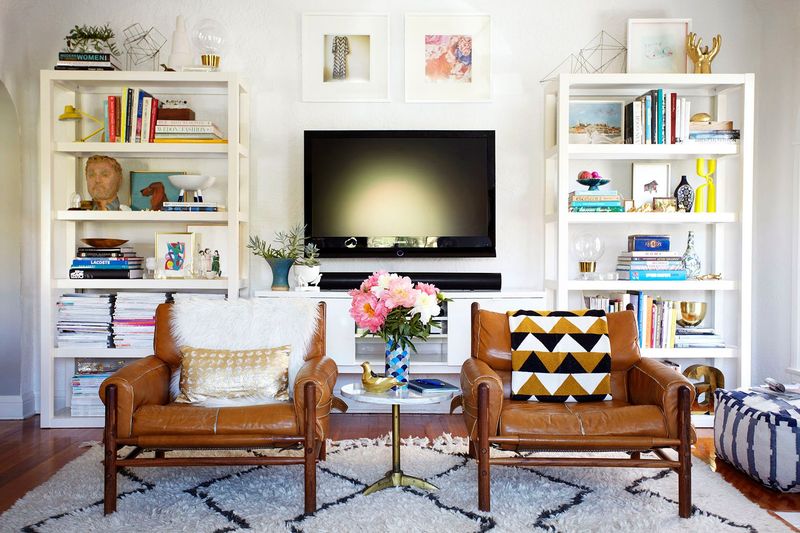
Not ready to commit to large antique furniture? Start small! Vintage accessories like brass candlesticks, porcelain figurines, or retro clocks add character without overwhelming your space.
Scatter these smaller finds thoughtfully among your modern decor to create visual intrigue. Even one carefully chosen vintage piece—like an antique clock on a contemporary bookshelf—can elevate the entire room’s design while maintaining its modern foundation.
9. Wood Refinishing
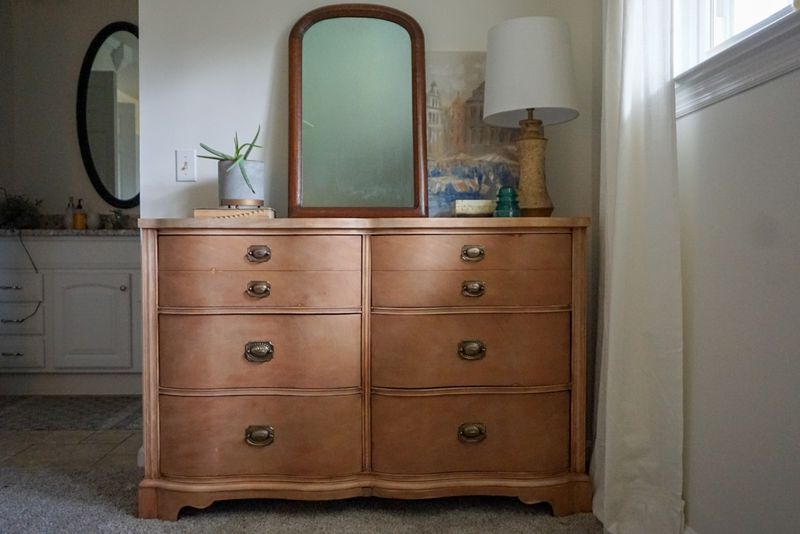
Underneath that dark, dated finish often lies gorgeous wood grain waiting to be rediscovered! Stripping and refinishing vintage wooden furniture reveals natural beauty while allowing you to customize the color.
Lighter wood tones like natural oak or blonde maple generally feel more contemporary than traditional dark stains. A simple clear satin polyurethane finish protects while letting the wood’s natural character shine through, making even the oldest pieces feel fresh again.
10. Apply Modern Finishes
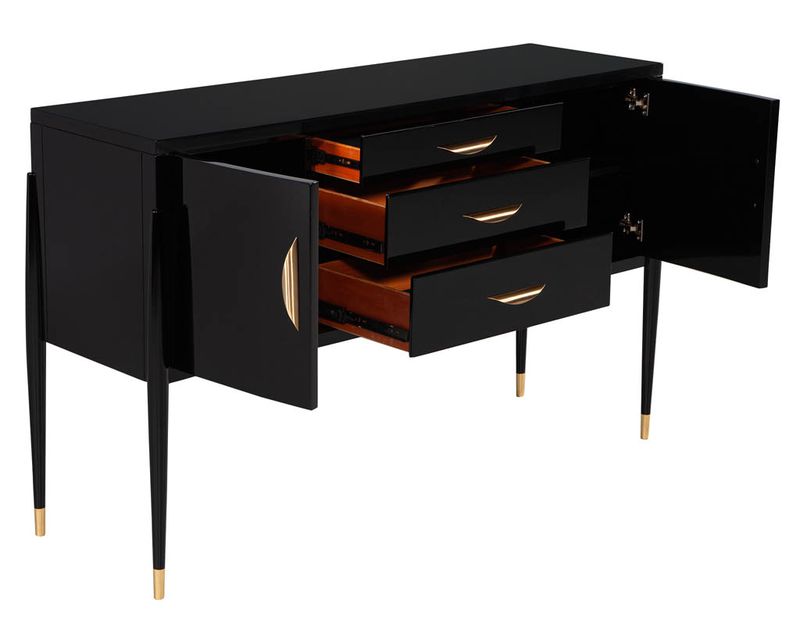
Lacquer is your secret weapon for bringing vintage pieces into the 21st century! This high-gloss finish transforms traditional furniture into something unexpectedly contemporary and eye-catching.
Bold colors like emerald green or cobalt blue lacquer turn conventional pieces into modern statements. For a more subtle approach, white or black lacquer creates a sleek, almost sculptural quality that works beautifully in minimalist spaces while preserving the interesting silhouettes of vintage finds.
11. Era Mixing
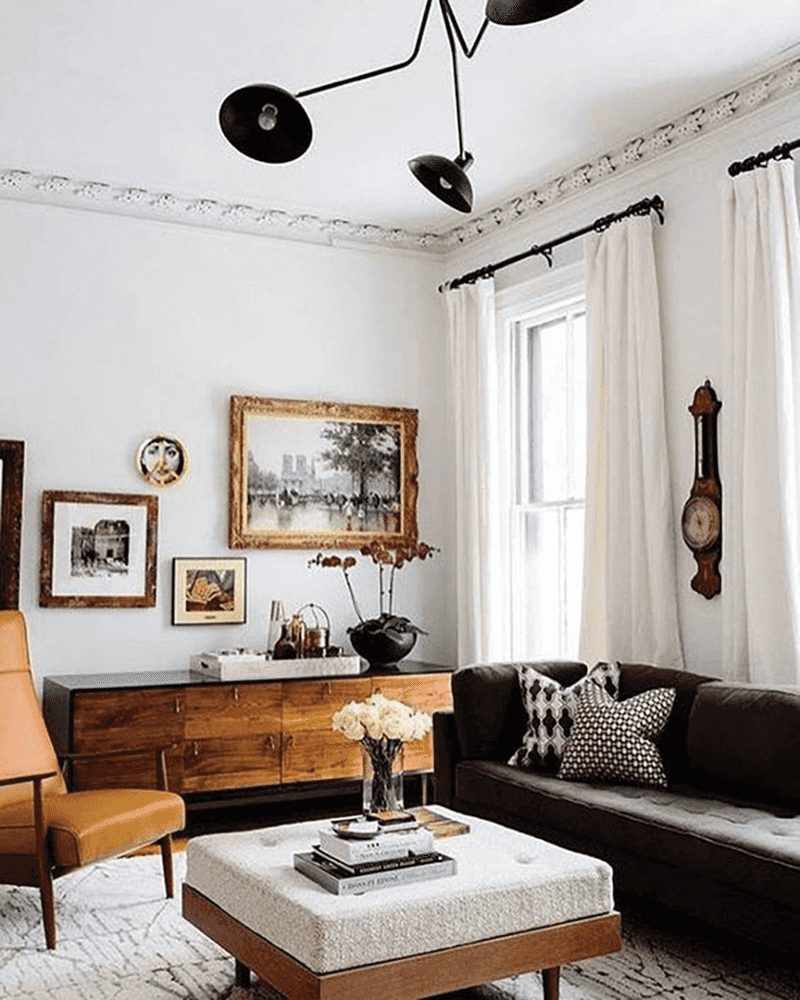
Forget matching everything perfectly! The most interesting homes feature thoughtful combinations of pieces from different time periods that somehow work harmoniously together.
Try pairing that Mid-Century sideboard with an antique oil painting and contemporary lighting. The key is balance—mix different eras while maintaining some connecting elements like complementary colors or materials. This approach creates spaces that feel collected over time rather than purchased all at once.
12. Wall-Mounted Drawers
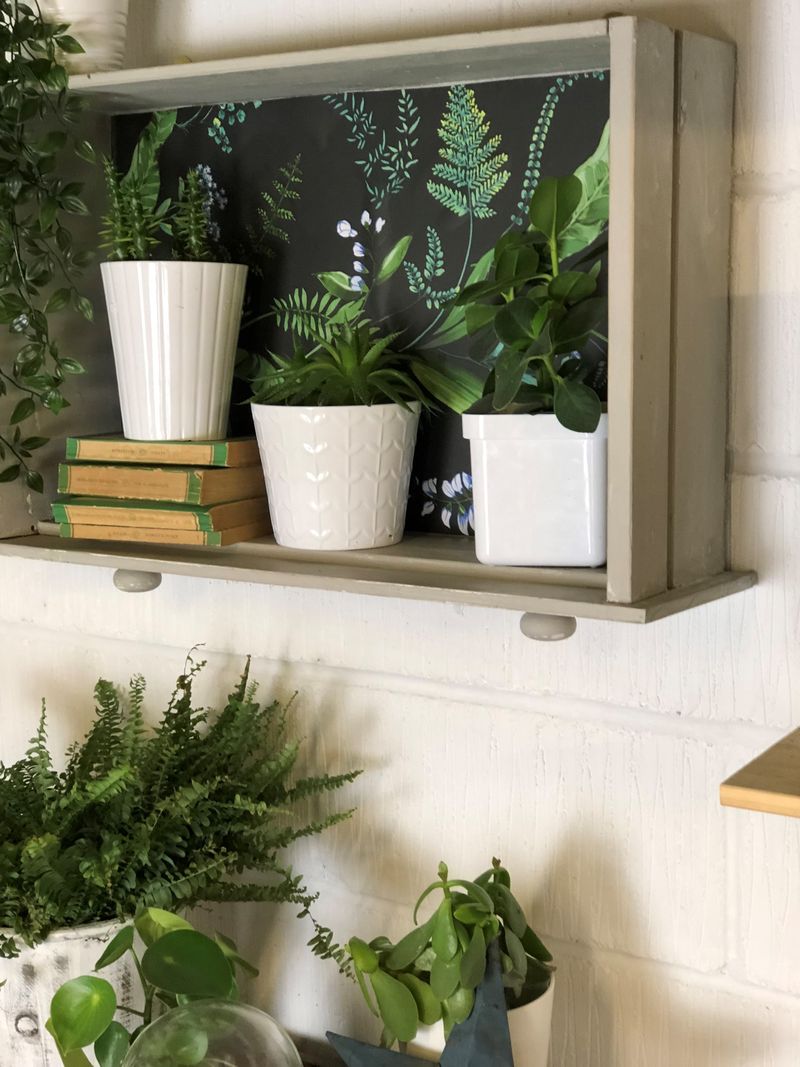
Give those orphaned vintage drawers new purpose as floating wall shelves! Removed from their original dressers, these wooden boxes take on sculptural qualities while providing unique display space.
Mount them at varying heights for visual interest, and consider painting the interiors in unexpected colors. These repurposed drawers work beautifully in entryways for mail and keys, bathrooms for toiletries, or bedrooms for jewelry and trinkets—practical storage with historical character.
13. Scale Balancing Act
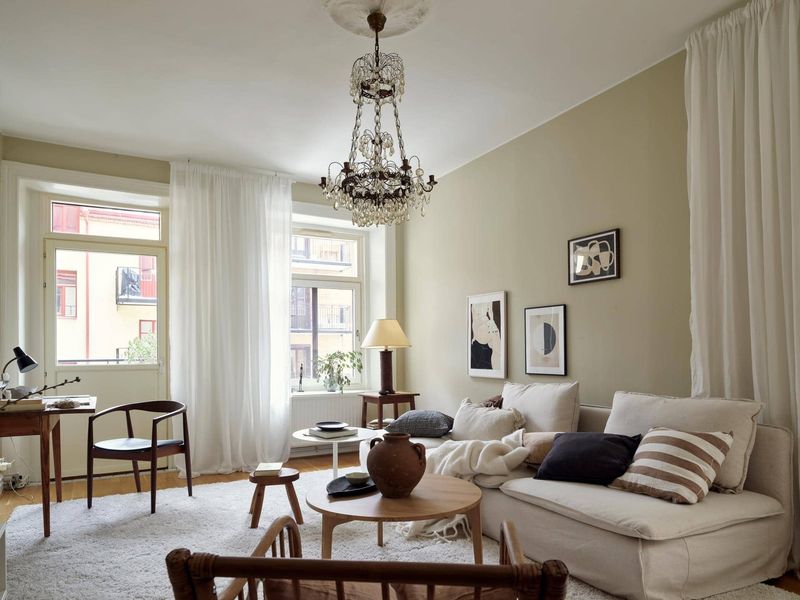
Large antiques need breathing room to shine! That massive vintage armoire looks best when balanced with plenty of negative space and minimalist surroundings rather than competing with other large pieces.
Conversely, petite antiques can get lost in spacious rooms unless grouped together for impact. The golden rule? If your vintage piece is ornate and detailed, keep surrounding elements simple. This contrast creates a pleasing visual balance while highlighting your thrifted treasure.
14. Metal Revival
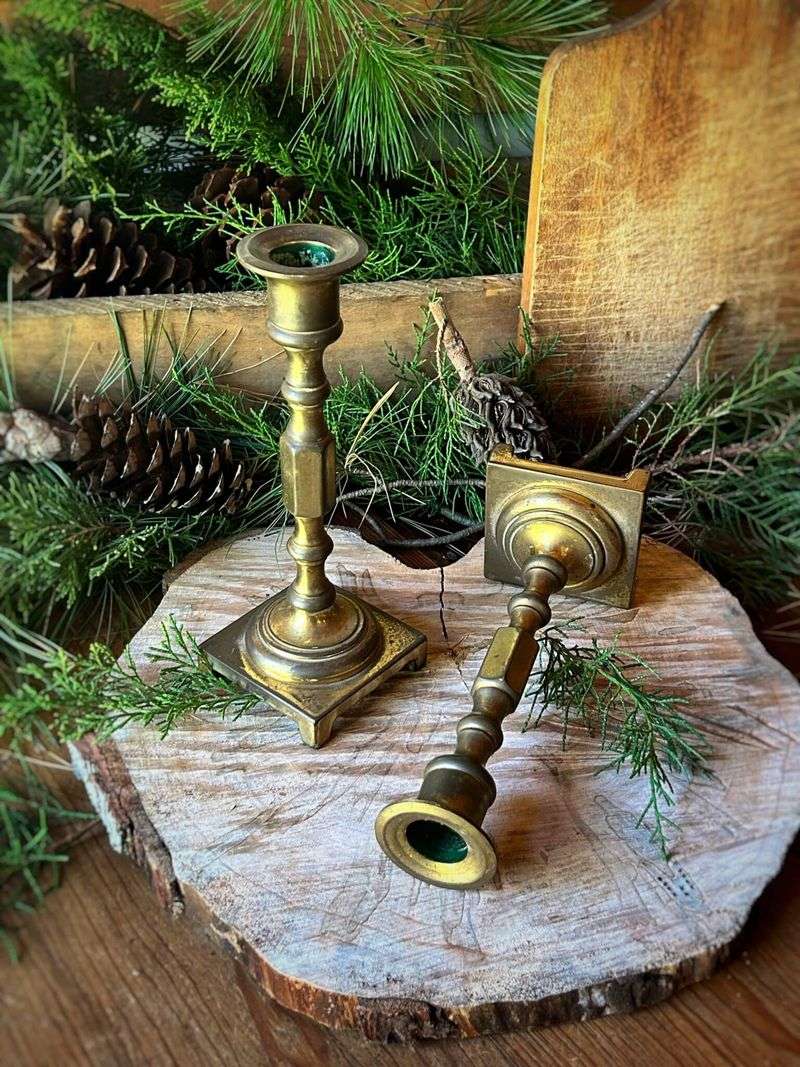
Those tarnished brass candlesticks or copper vessels are just a cleaning session away from becoming stunning decor! Different metals require specific cleaning approaches—brass polish for brass, vinegar solutions for copper.
Once cleaned, decide whether you prefer the gleaming polished look or a more subtle patina. Either way, vintage metal pieces add warmth and texture to contemporary spaces. Group them by material for a cohesive collection that feels intentionally curated rather than randomly accumulated.
15. Tray Transformation
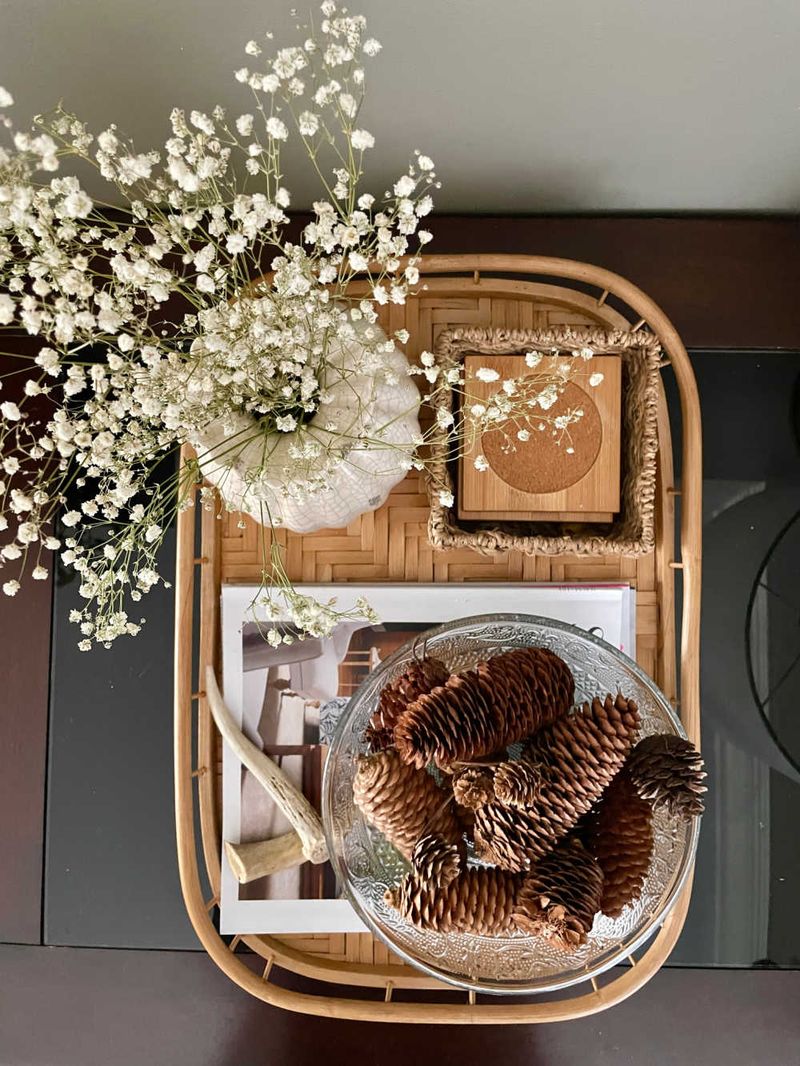
Vintage trays instantly organize scattered items into deliberate vignettes! Use them to corral perfume bottles on dressers, bar accessories on sideboards, or coffee supplies on kitchen counters.
For an updated look, consider painting or lacquering wooden trays in contemporary colors. Silver or brass trays need only polishing to shine. This simple organizational hack not only makes your home feel more put-together but also gives purpose to those beautiful thrifted trays.
16. Strategic Placement
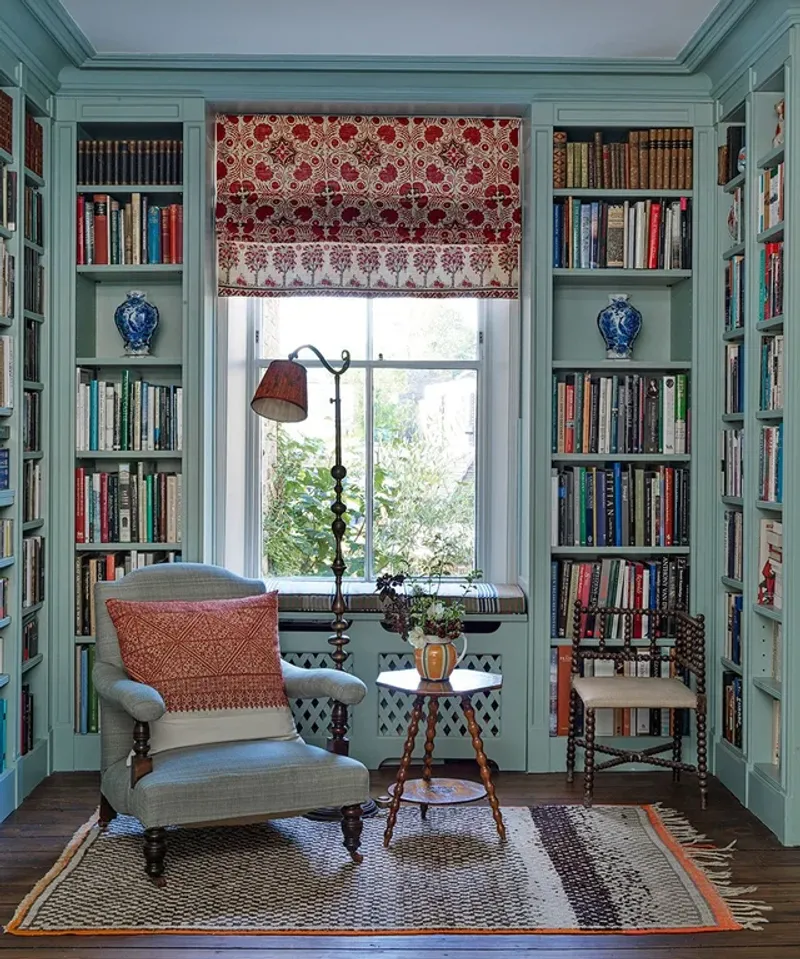
Context matters enormously when integrating antiques! Victorian chair might look out of place in your sleek kitchen but becomes perfectly at home in a reading nook or at a modern desk.
Consider unexpected locations—perhaps that antique trunk works better as a bathroom storage solution than in the bedroom. Sometimes the most successful placements create purposeful contrast, like positioning a delicate vintage writing desk against an industrial brick wall.
17. Fabric Modernization
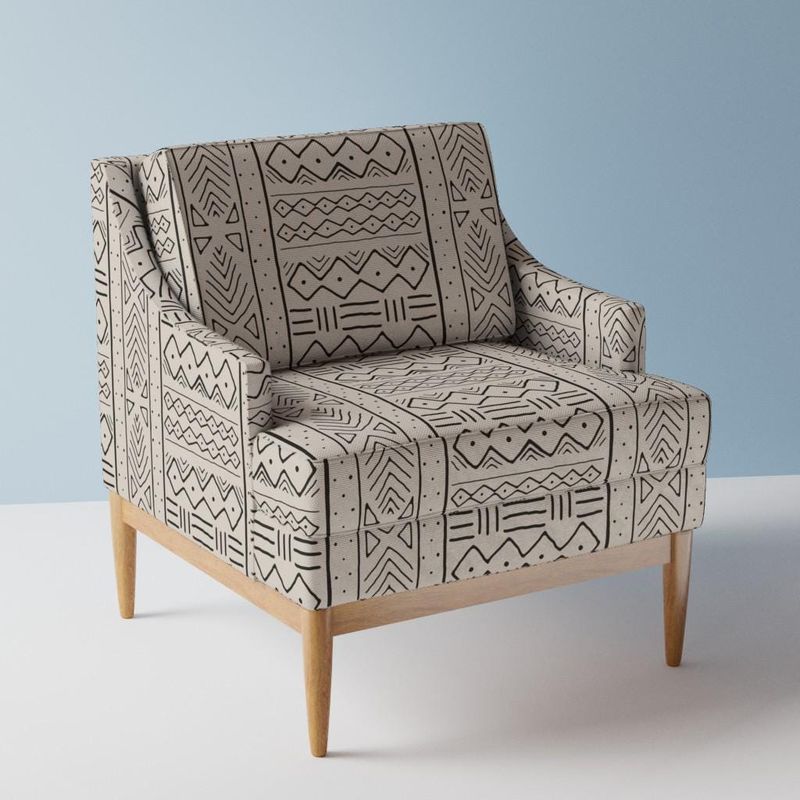
Antique frames with contemporary fabrics create magic! Beyond full reupholstery, consider simpler fabric updates like replacing the caning on chair backs with vibrant printed fabric or adding modern cushions to traditional seating.
Geometric patterns, bold florals, or even subtle textured solids can completely transform vintage furniture. This approach honors the craftsmanship of antique frames while giving them relevance in today’s interiors—the perfect marriage of past construction quality with present-day aesthetics.