15 Furniture Trends That Are Never Becoming A Thing Of The Past And 5 That Are
Furniture styles ebb and flow like seasons, yet some designs endure across generations. Timeless mid-century modern elegance and classic, well-crafted sofas have secured lasting places in homes.
Here’s a look at which furniture styles remain relevant and which risk fading into design history.
1. Mid-Century Modern Magic
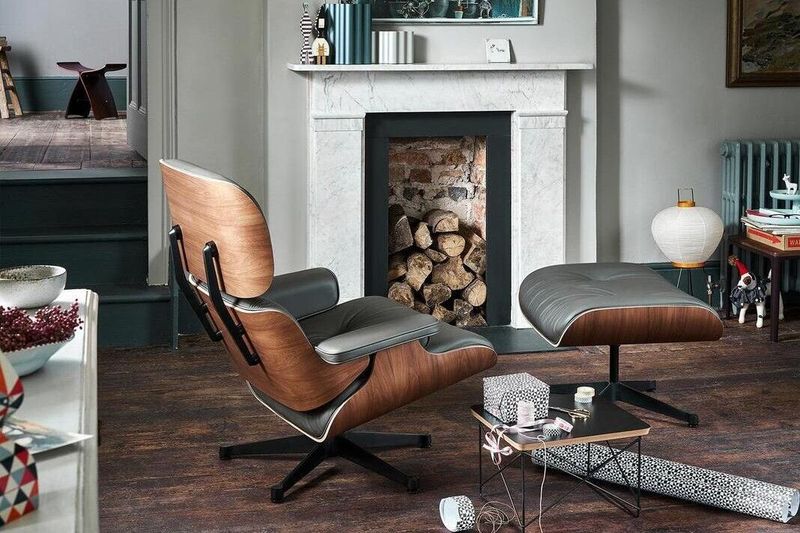
Clean lines and organic shapes from the 1950s and 60s continue to captivate homeowners decades later.
Why such enduring appeal? The functionality, simplicity, and natural materials speak to our desire for uncluttered living. Plus, these pieces complement nearly any décor style, making them the chameleons of the furniture world.
2. Farmhouse Chic Staying Power
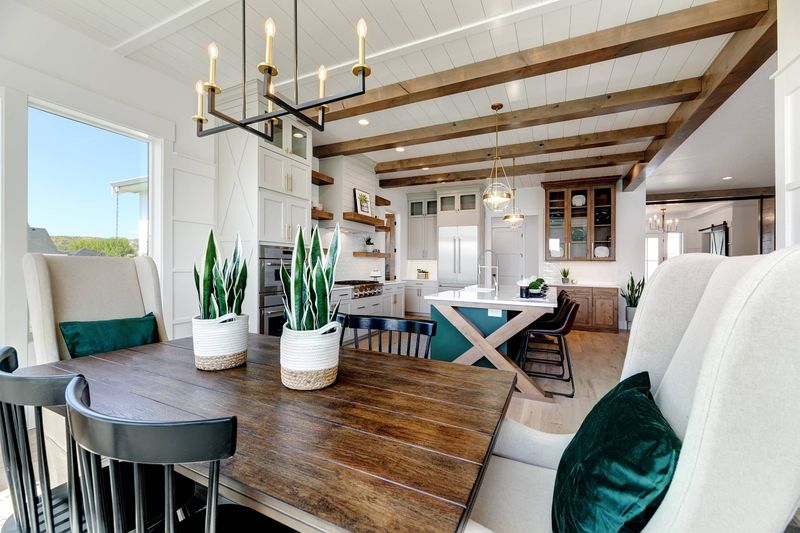
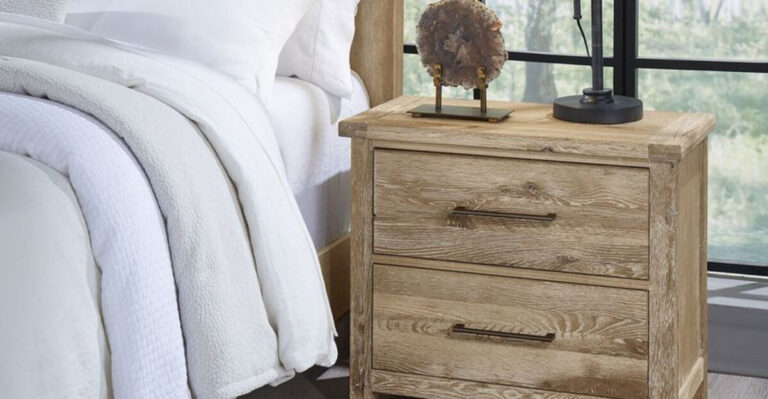
Rustic charm meets practical comfort in this beloved style that refuses to fade away.
Wooden tables with visible grain, apron sinks, and shiplap details create that cozy, gathered-over-time feeling we crave. The farmhouse aesthetic continues to evolve while maintaining its core elements of warmth, weathered textures, and unpretentious appeal.
3. Leather Upholstery Legacy
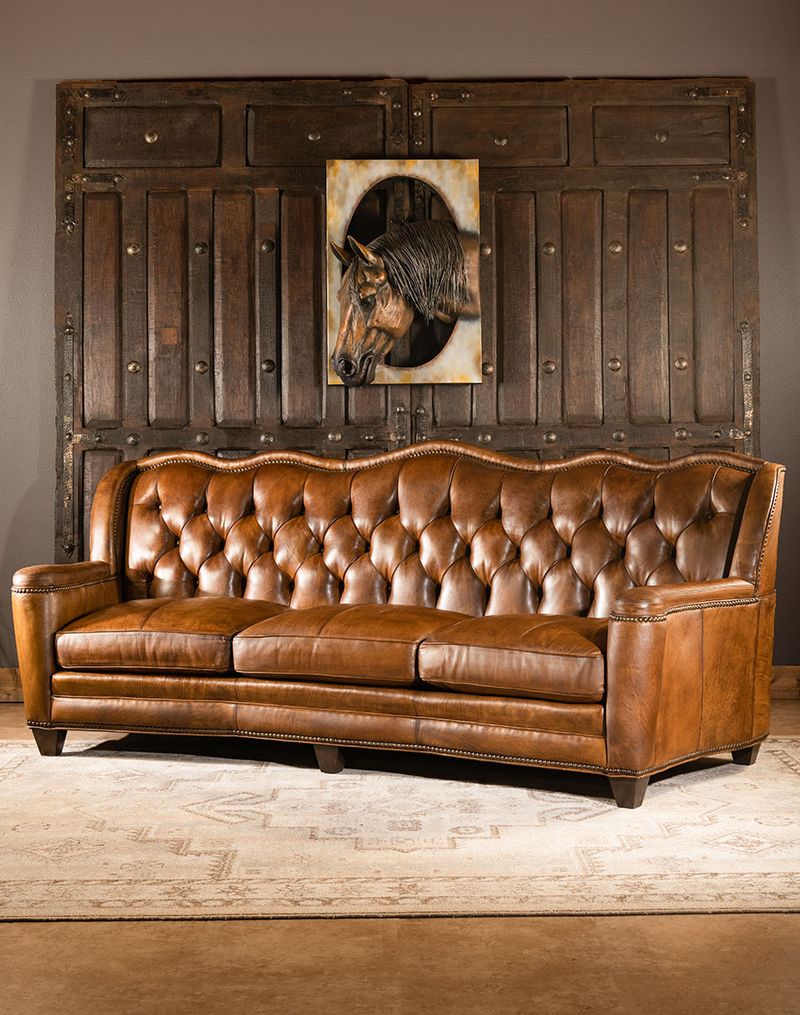
Rather than deteriorating, quality leather develops a rich patina that tells the story of your family’s life. Its durability makes it ideal for high-traffic areas, while its natural variations ensure each piece remains unique. From Chesterfield sofas to club chairs, leather pieces become heirlooms.
4. Built-In Bookcases Brilliance
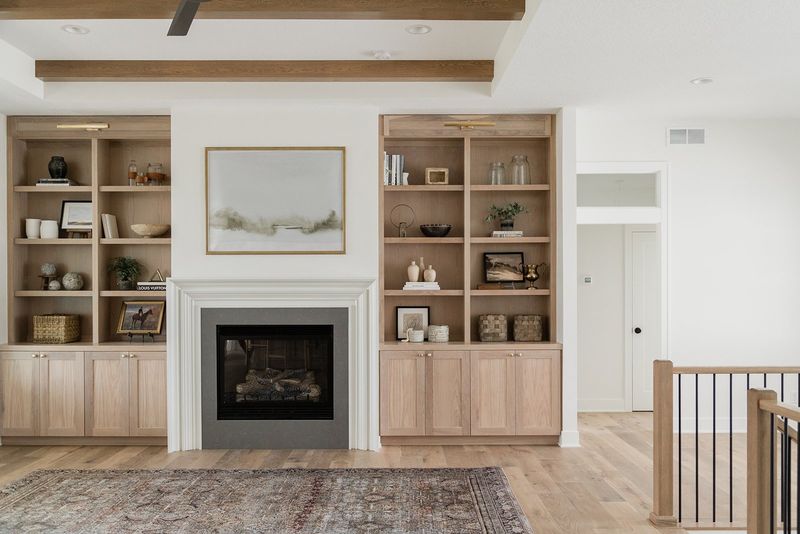
Unlike trendy standalone units, built-ins maximize vertical space while adding character and functionality. They frame windows, surround fireplaces, and transform awkward nooks into stunning focal points. The perfect marriage of storage and style, built-ins remain eternally desirable.
5. Multi-Functional Furniture Forever
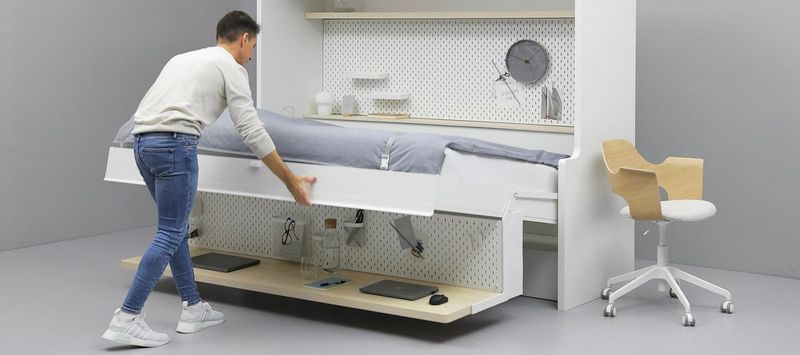
Sofa beds, extendable dining tables, and storage ottomans solve real-life space challenges. As urban living spaces shrink and flexible living arrangements increase, these ingenious pieces continue to evolve in style while maintaining their essential dual functionality.
6. Windsor Chair Wonderment
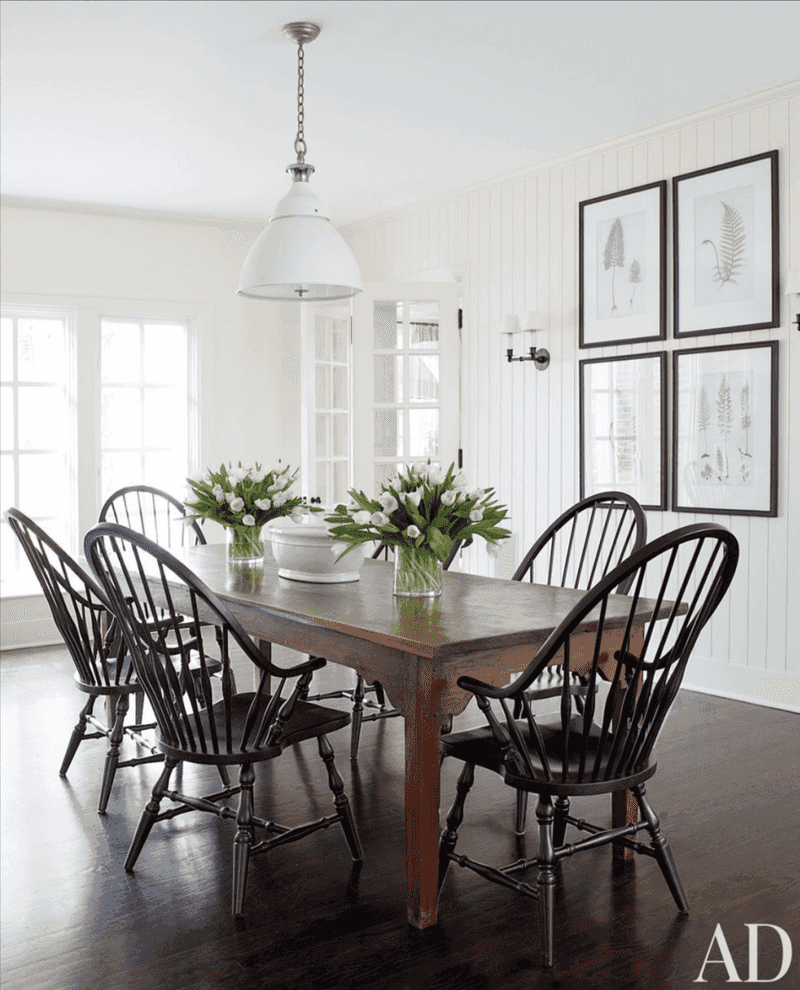
Dating back to the 18th century, these spindle-backed beauties have graced homes for generations.
Their enduring appeal lies in perfect proportions and honest craftsmanship. Whether painted in bold colors for contemporary spaces or left in natural wood for traditional settings, Windsor chairs effortlessly blend with virtually any décor style while maintaining their distinctive silhouette.
7. Persian Rug Permanence
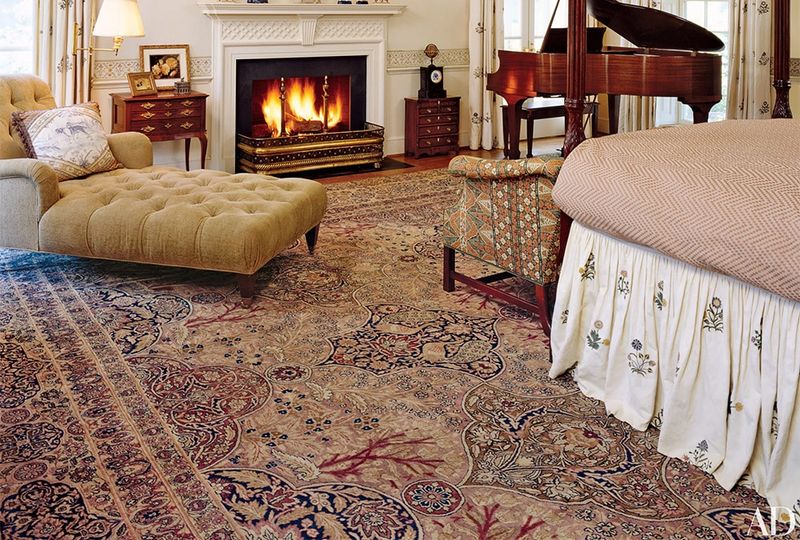
Handwoven with intricate patterns and rich colors, Persian rugs have adorned floors for centuries.
Artisanal treasures improve with age and foot traffic, anchoring rooms while blending seamlessly with antique and modern furniture. These durable masterpieces become timeless family heirlooms.
8. Tufted Headboard Timelessness
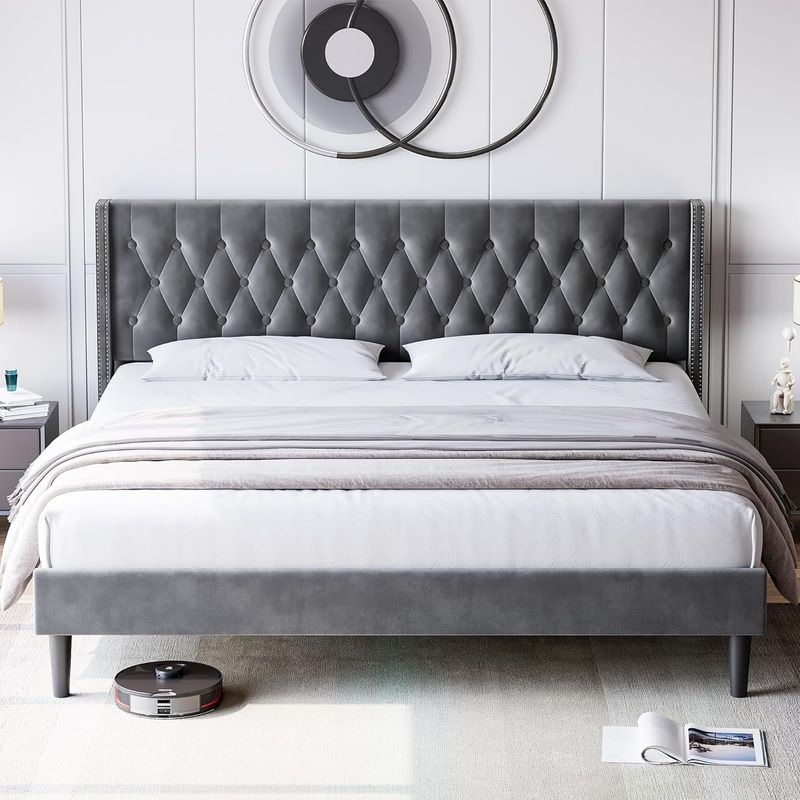
Plush, button-tufted headboards create an instant sense of luxury that never goes out of style.
Their soft, padded surfaces offer practical comfort for bedtime readers while adding visual texture to bedrooms. Available in countless fabrics from velvet to linen, these statement pieces adapt to changing color preferences while maintaining their classic diamond or square patterns.
9. Slipcovered Sofa Staying Power
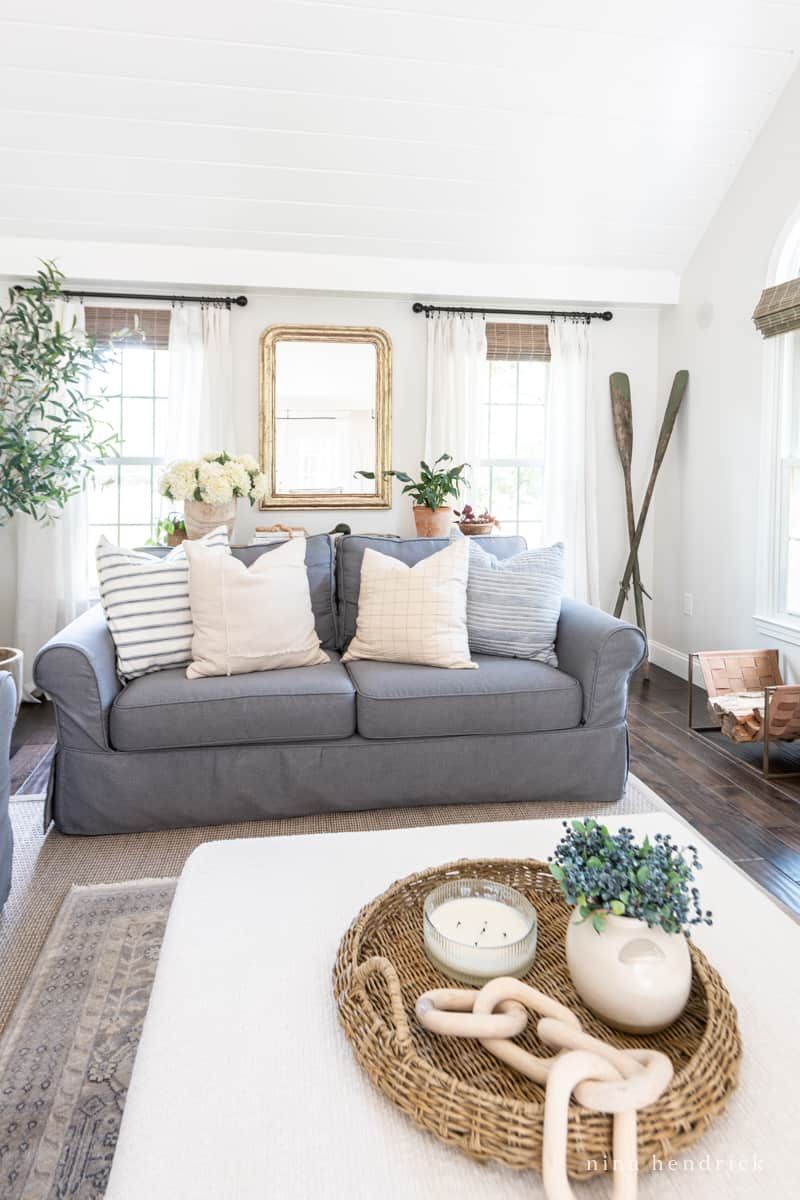
Practical yet pretty, slipcovered sofas offer the ultimate furniture flexibility.
Removable covers allow these sofas to be washed, replaced, or swapped seasonally. Their relaxed silhouettes add casual comfort, making them ideal for homes with kids, pets, or frequent guests.
10. Rattan and Wicker Resilience
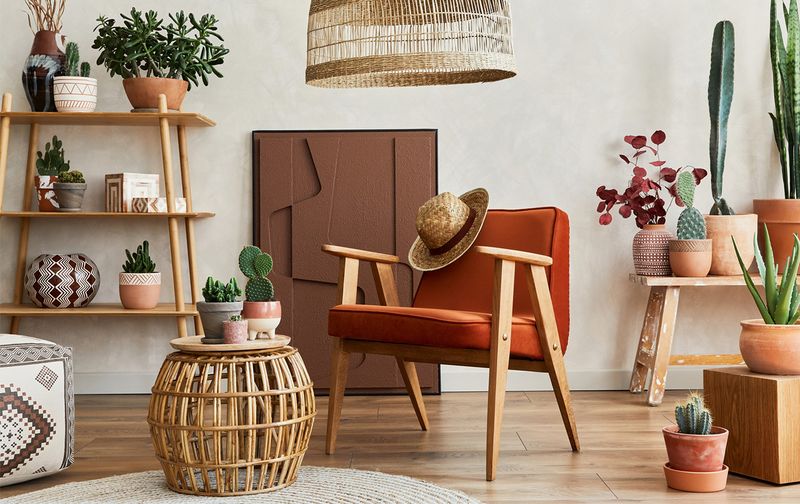
Natural woven furniture has cycled through popularity for centuries without ever truly disappearing.
The lightweight, airy quality of these materials brings outdoor freshness inside. From Victorian-era peacock chairs to mid-century rattan loungers, these pieces add textural interest and casual sophistication. Their sustainability credentials ensure continued appeal in our eco-conscious world.
11. Pedestal Table Permanence
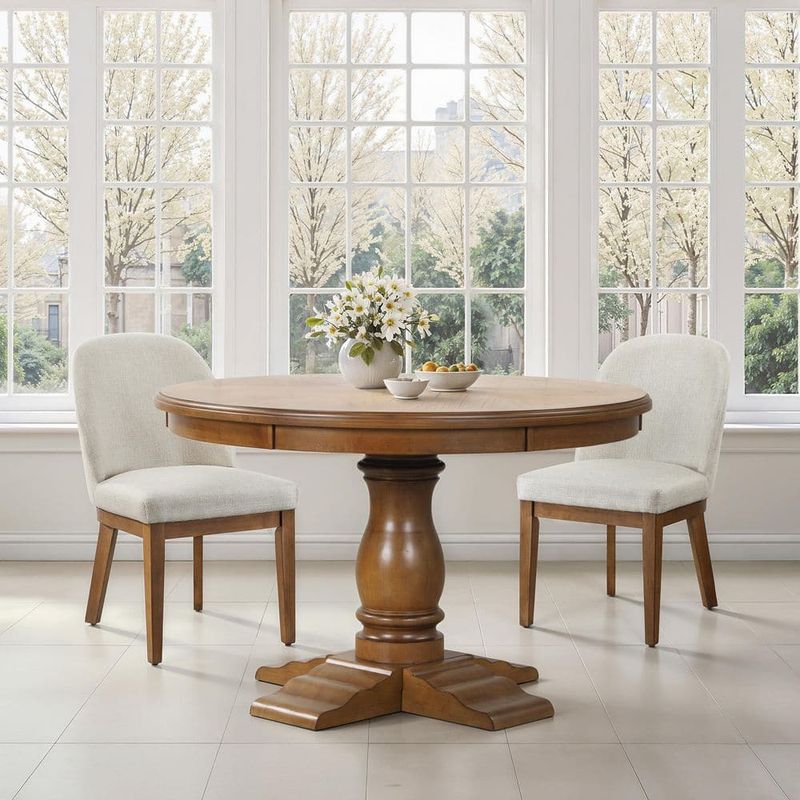
Single-column tables have remained relevant since ancient Roman times for good reason.
The absence of corner legs maximizes seating flexibility while creating an elegant silhouette. Round pedestal dining tables encourage conversation, while smaller versions make perfect side tables. Their classical proportions ensure they’ll never look dated, regardless of material or finish.
12. French Provincial Finesse
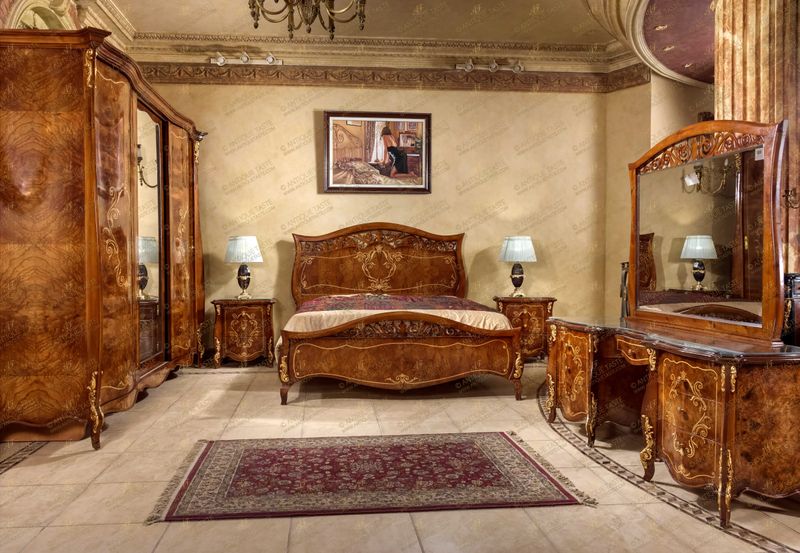
Graceful curves and delicate details define this elegant style inspired by 18th-century French countryside homes.
Cabriole legs, carved wood details, and painted finishes create sophisticated charm without feeling stuffy. While color preferences may shift from creams to grays, the fundamental design elements remain desirable for those seeking refined comfort with historical connections.
13. Club Chair Comfort
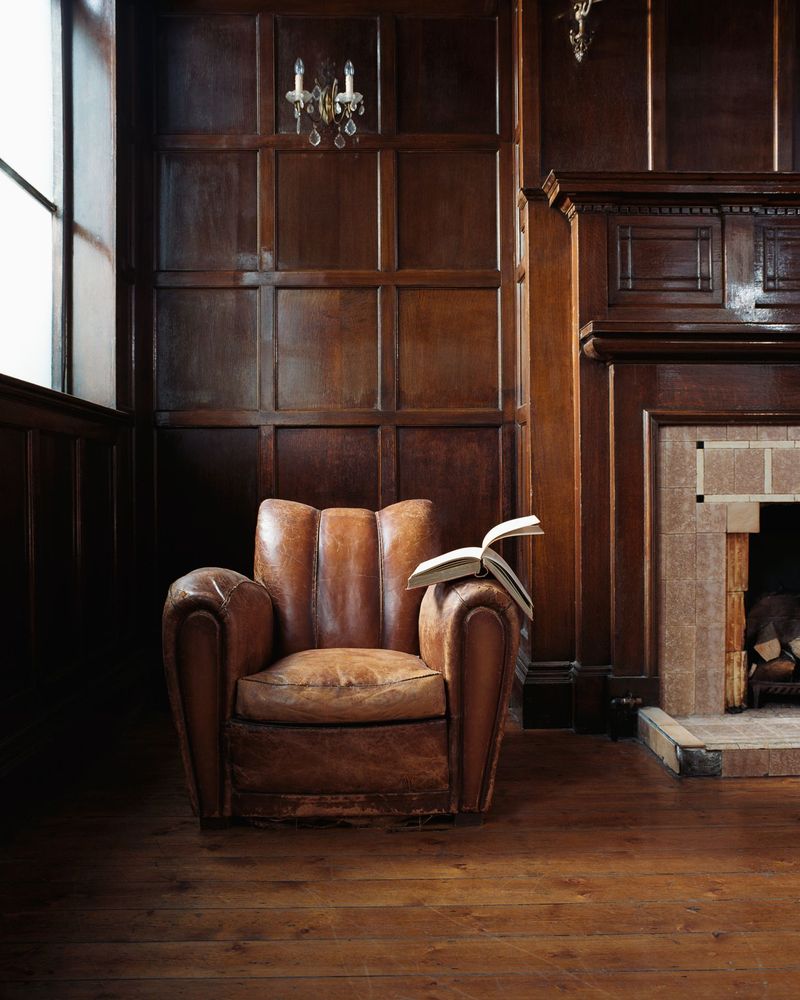
Originally designed for gentlemen’s clubs in 19th-century England, these deep-seated armchairs offer unmatched comfort.
Their low backs, wide arms, and generous proportions create the perfect reading or conversation spot. Whether in traditional leather or updated fabrics, club chairs remain the furniture equivalent of a warm hug – something humans will always crave.
14. Parsons Table Practicality
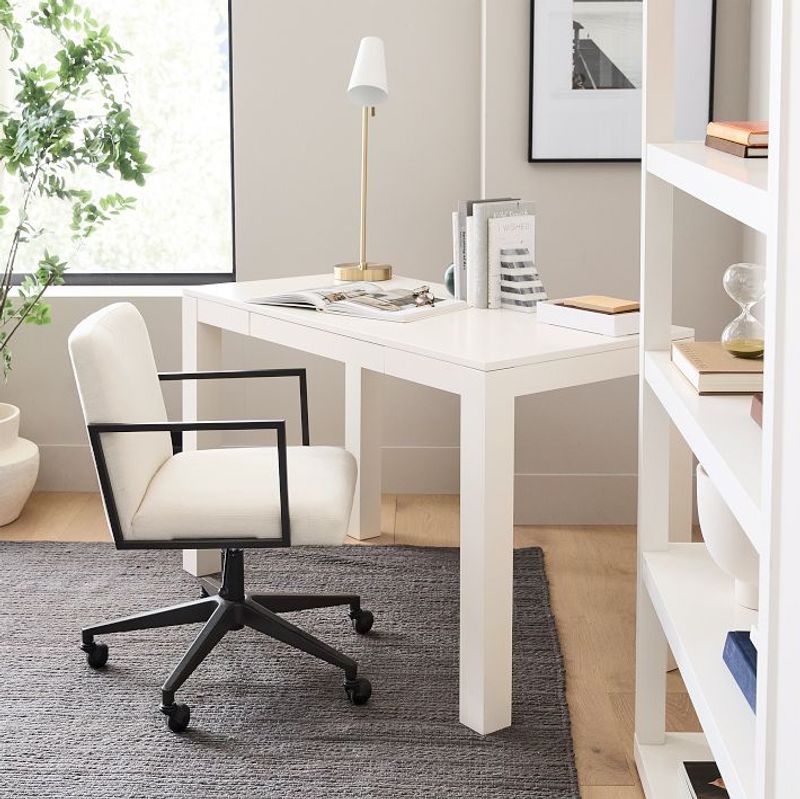
Sometimes the simplest designs have the greatest longevity.
Created in the 1930s, the clean-lined Parsons table features legs that are the same width as its top. This straightforward geometry allows it to complement any style from minimalist to maximalist. As console tables, desks, or dining tables, their versatility ensures ongoing relevance.
15. Wingback Chair Wisdom
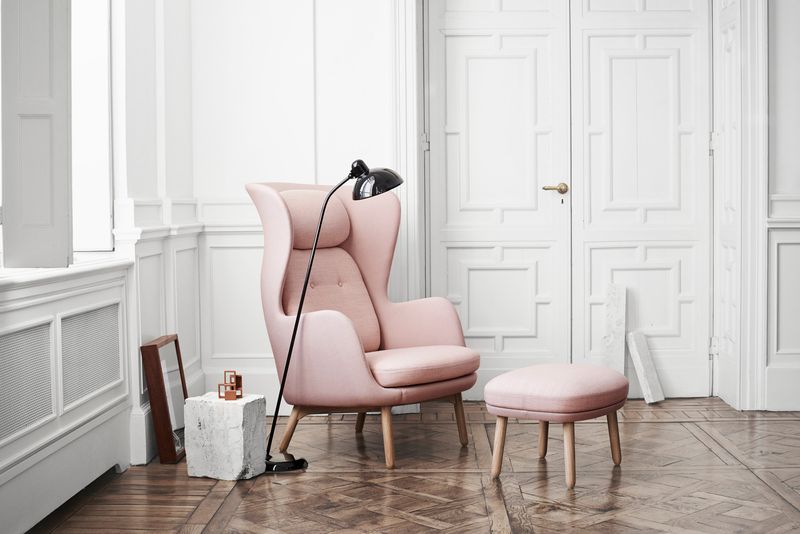
Originally designed to shield sitters from drafts and fireplace heat, wingback chairs combine function with distinctive style.
Their high backs, side wings, and comfortable proportions create natural focal points in living spaces. Contemporary designers continue reimagining these classics with updated fabrics and proportions while maintaining their protective, enveloping essence.
16. Marble-Topped Tables Magnificence
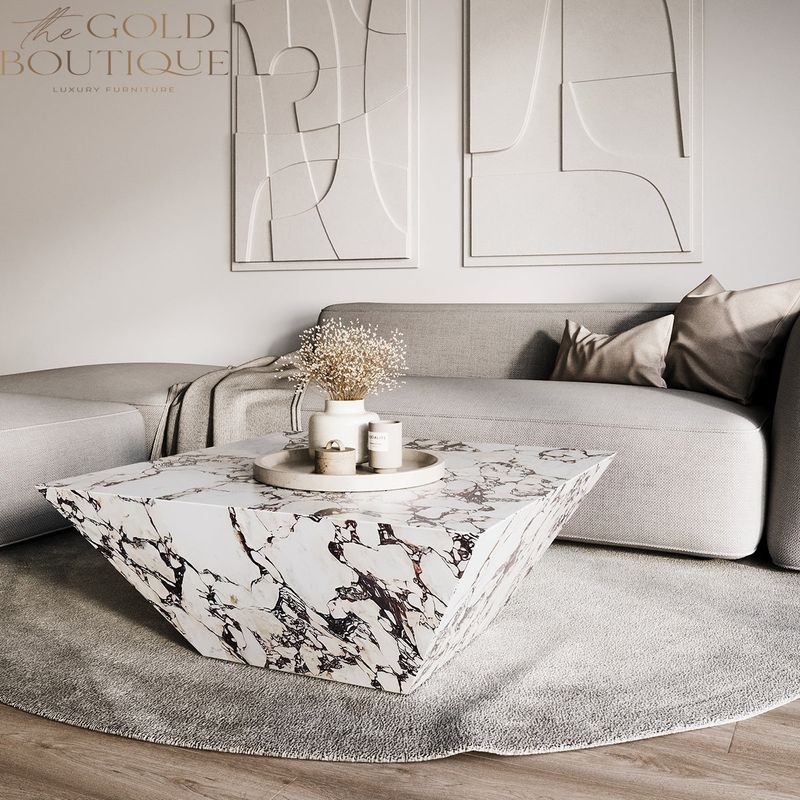
Cool, smooth stone surfaces have adorned furniture since ancient times.
Marble’s natural variations ensure each piece remains unique while providing practical heat resistance. From Italian caffè tables to French baking counters, marble surfaces develop character with age. Their ability to elevate both classical and contemporary designs guarantees their continued presence in sophisticated interiors.
17. Popcorn Ceiling Punishment
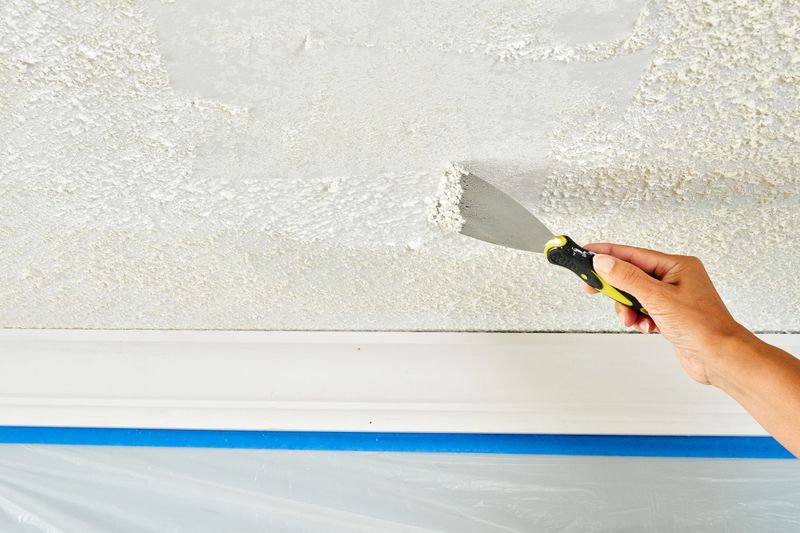
Once a popular shortcut for hiding imperfections, these textured ceilings now scream “outdated” to modern homeowners.
Beyond their dated appearance, they collect dust, are difficult to clean, and often contain asbestos in older homes. Removal has become a top priority for renovators seeking contemporary, smooth ceilings that create visual height and clean lines.
18. Overstuffed Matching Furniture Sets Farewell
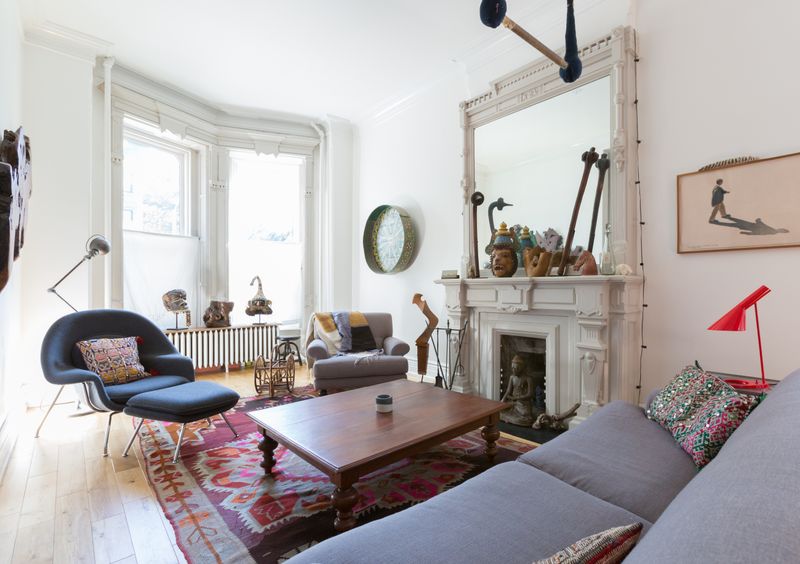
Remember those massive, identical sofa-loveseat-chair combinations from furniture showrooms? Their era has ended.
Today’s aesthetics favor curated, collected-over-time looks that mix complementary pieces rather than carbon copies. The bulky proportions and matchy-matchy fabrics that dominated suburban living rooms have given way to more thoughtful, personalized arrangements with varied textures.
19. Glass Block Wall Goodbye

Once considered innovative for bathrooms and room dividers, glass blocks have lost their appeal.
Their bubbly, distorted appearance now feels trapped in late 80s/early 90s design limbo. Modern alternatives like frosted glass panels, decorative screens, or open shelving provide privacy with cleaner lines. The maintenance challenges of cleaning between blocks has further hastened their departure.
20. Tuscan Kitchen Twilight
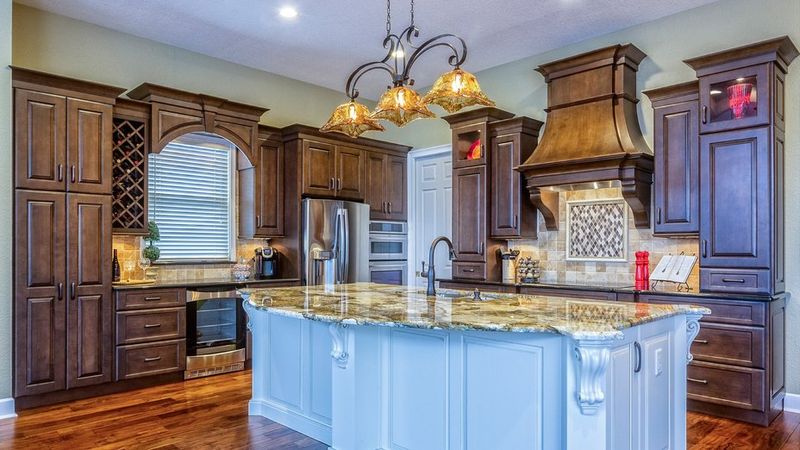
Those faux-finished walls, heavy wrought iron accents, and grape-themed everything are fading into design history.
The dark, ornate Tuscan kitchen trend that dominated early 2000s homes has been replaced by lighter, cleaner aesthetics. Distressed cabinetry, terracotta tiles, and those ubiquitous “Live, Laugh, Love” signs are disappearing as homeowners embrace more authentic and restrained approaches.
21. Wall-to-Wall Carpet Withdrawal
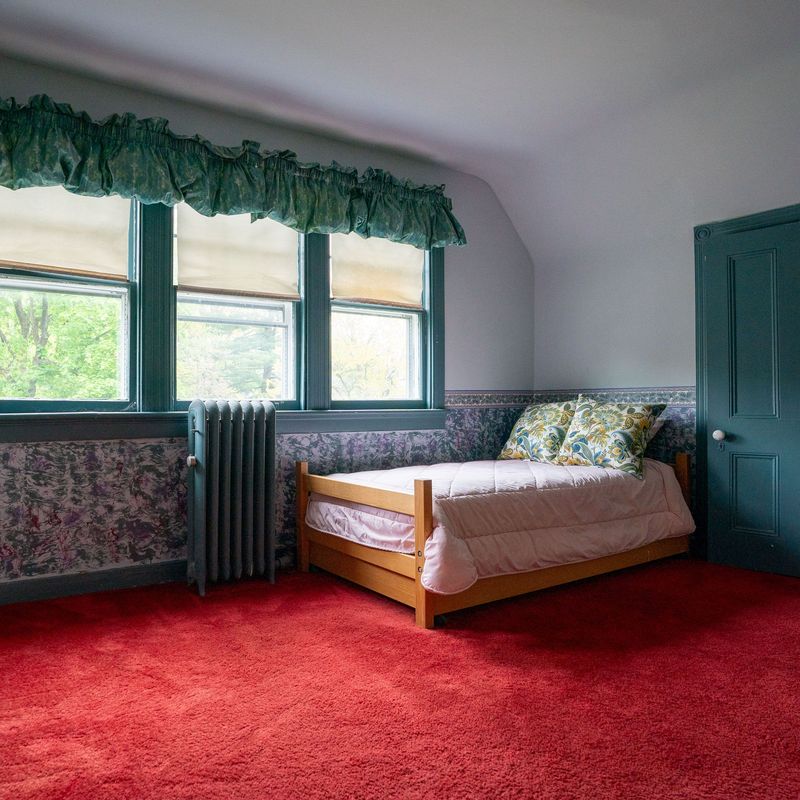
Homeowners increasingly prefer the durability and cleanliness of hard surfaces like hardwood, tile, or luxury vinyl. Carpet’s tendency to trap allergens, stains, and odors has diminished its appeal. While still appearing in bedrooms, its dominance throughout entire homes has definitely passed.