19 Reasons Freestanding Kitchen Furniture Is Making A Big Comeback
Kitchen design is shifting away from built-in everything. Homeowners are rediscovering the charm and practicality of freestanding furniture like hutches, islands, and cabinets.
These versatile pieces add character while solving storage problems in ways that built-ins simply can’t.
Let’s explore why more people are breaking free from wall-to-wall cabinetry and embracing these standalone statement pieces.
1. Versatility in Layout
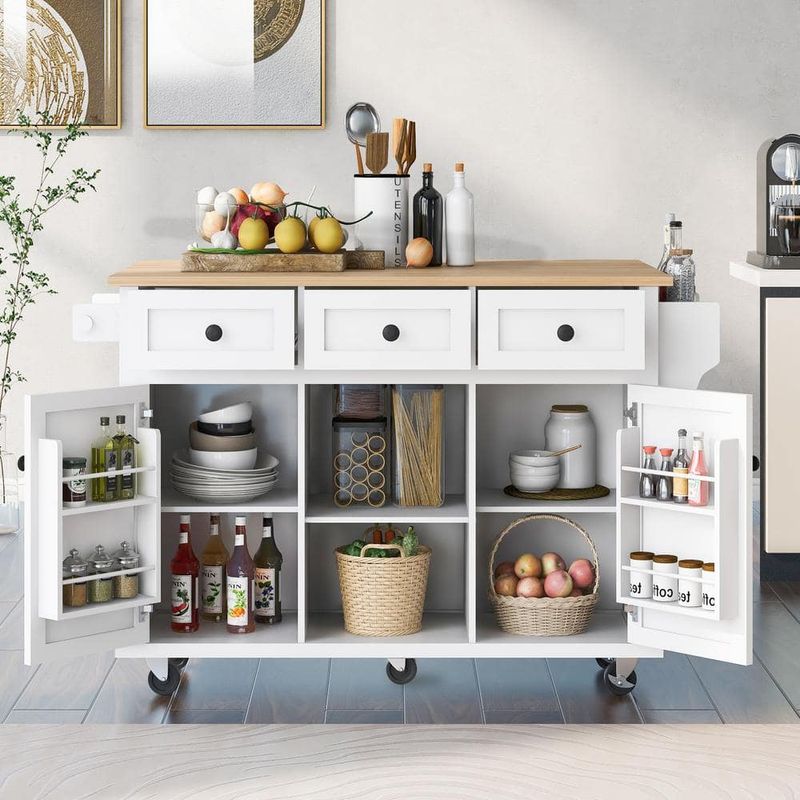
Rearranging your kitchen becomes a breeze with movable pieces. Unlike built-ins that lock you into one configuration forever, freestanding furniture lets you experiment with different layouts whenever inspiration strikes.
Many homeowners appreciate this flexibility when entertaining or when family needs change. A kitchen island that rolls aside creates space for a holiday gathering, while a hutch can move to a dining room when you need extra storage elsewhere.
2. Characterful Vintage Charm
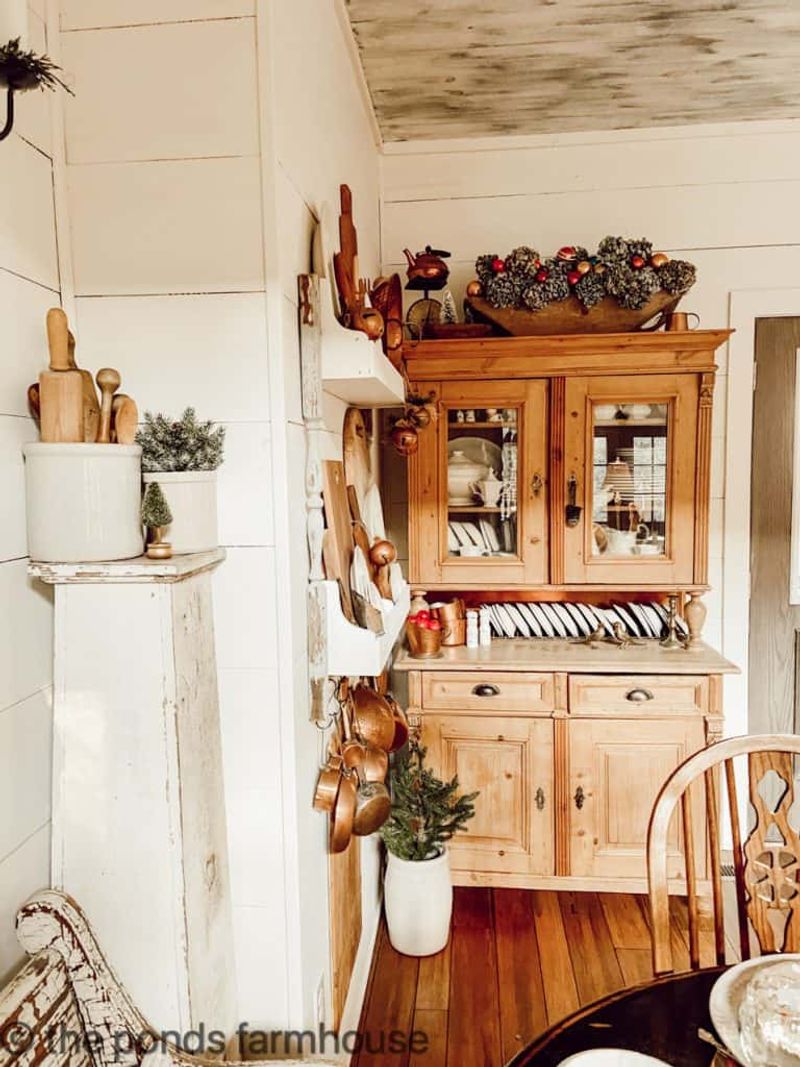
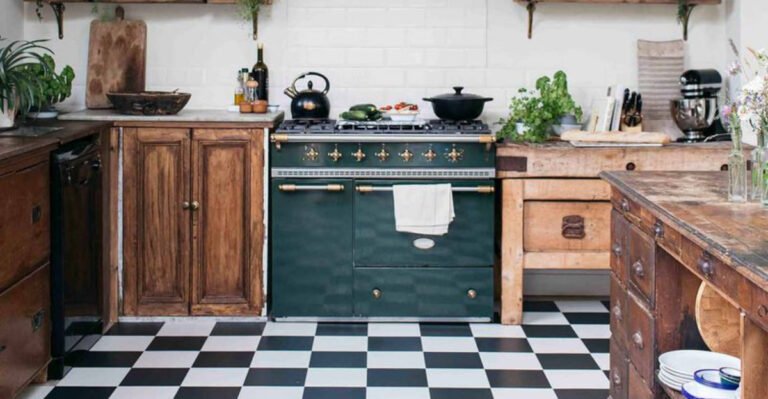
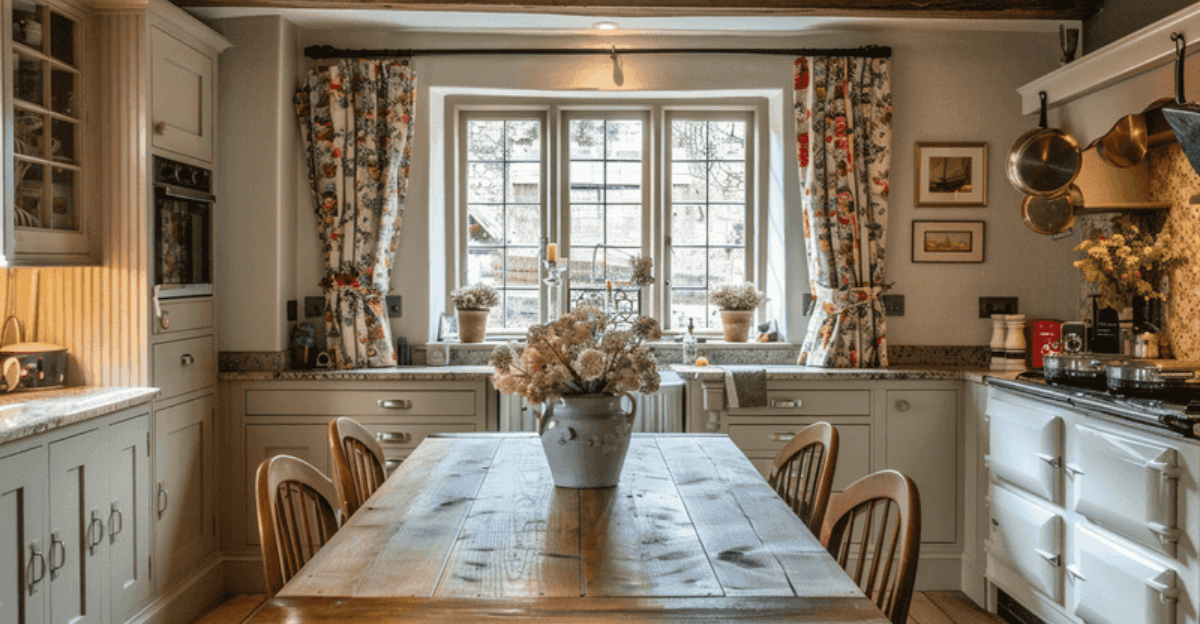
Nothing beats the storied personality of a well-loved hutch or farmhouse table. Each scratch and worn edge tells a story that sterile, factory-perfect cabinetry simply cannot match.
Vintage pieces bring instant soul to modern kitchens. Whether it’s grandmother’s pie safe or a flea market sideboard, these treasures create conversation starters while connecting your space to the past in meaningful ways.
3. Affordable Styling Option
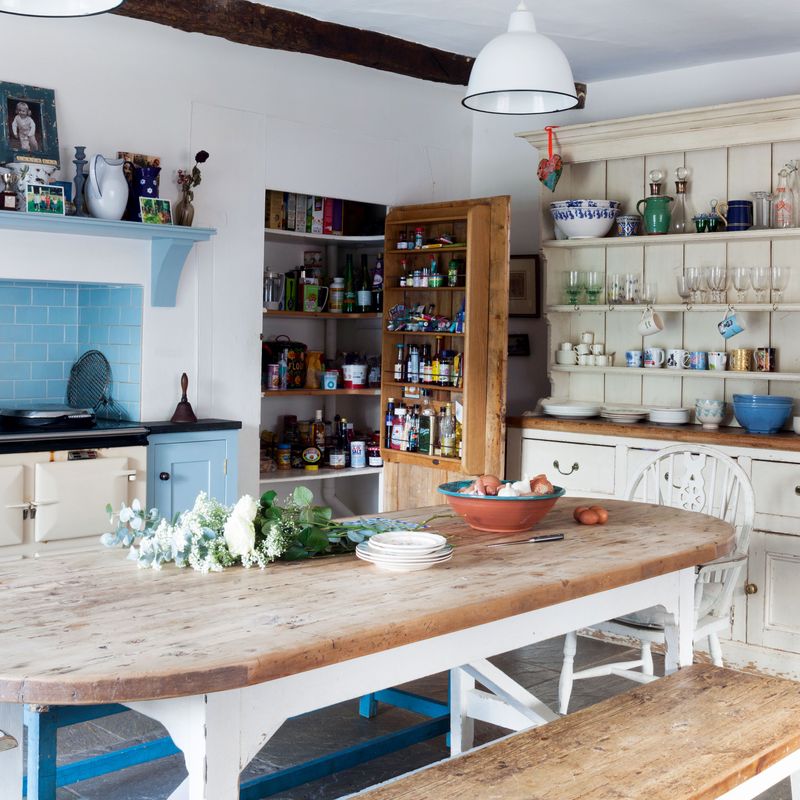
Who says beautiful kitchens require remortgaging your home? Freestanding pieces offer budget-friendly alternatives to costly built-in renovations that often run into five figures.
With standalone furniture, you can transform your kitchen’s look without demolition crews or weeks without a functioning cooking space. Even one statement piece—like a painted armoire repurposed for pantry storage—can dramatically change your kitchen’s personality for a fraction of renovation costs.
4. Easy to Move and Repurpose
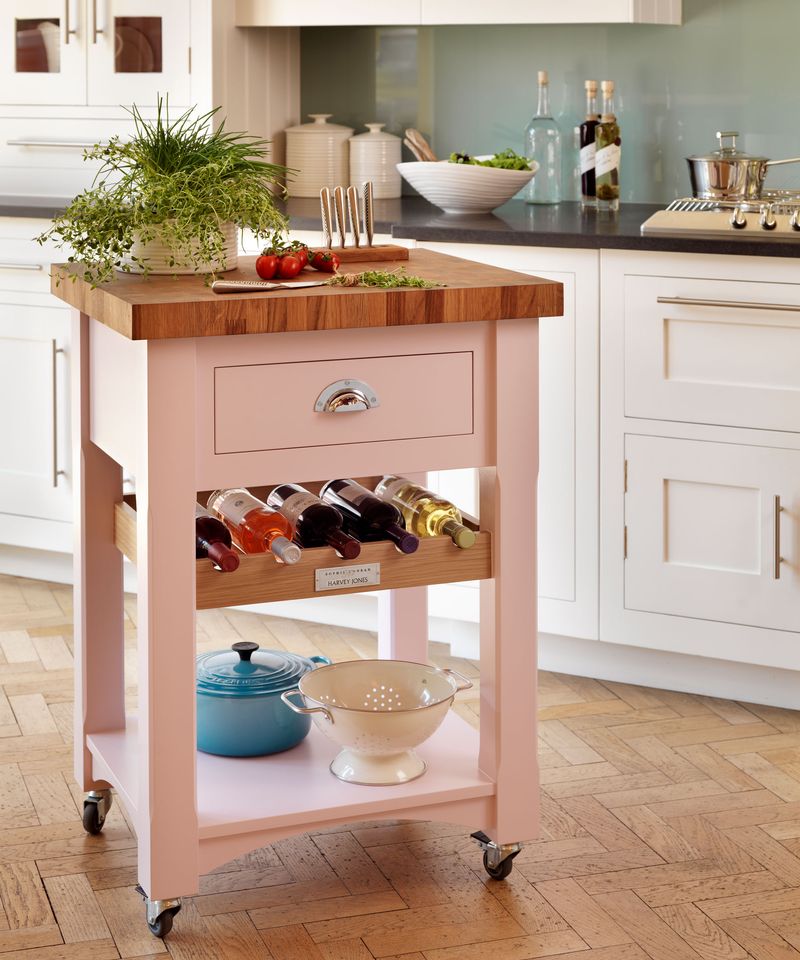
Moving day nightmares vanish when your favorite kitchen pieces travel with you. Unlike built-ins that stay behind when you sell, freestanding furniture represents an investment you keep.
That beloved butcher block island might become a craft table in your next home. Your kitchen dresser could serve as a bathroom vanity down the road. This adaptability makes each piece more valuable than something permanently attached to walls that you’ll never see again.
5. Customizable Finishes
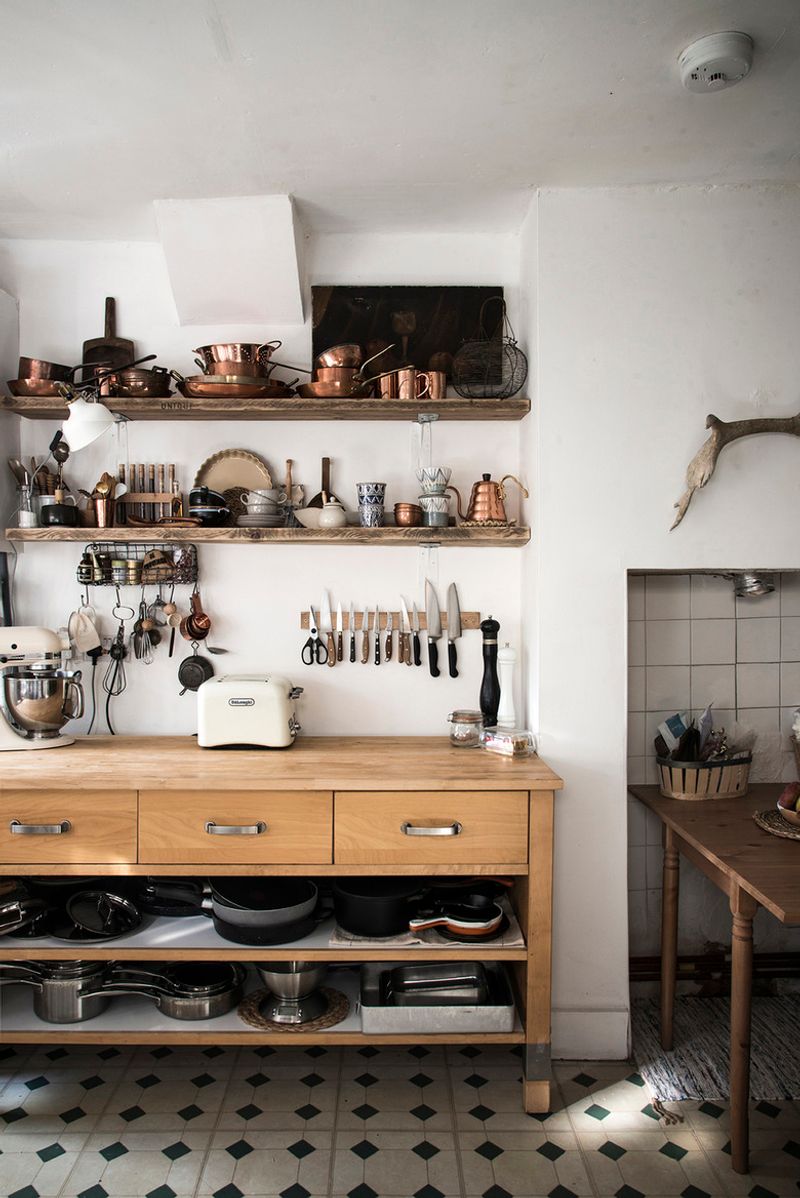
Fancy a pink hutch today and emerald green tomorrow? With freestanding pieces, your whims can become reality without major renovation headaches.
Homeowners love the freedom to experiment with paint, hardware, and decorative elements on individual furniture pieces. This low-commitment approach to design allows for seasonal refreshes or trend-following without being stuck with outdated built-ins for decades.
6. Adds Warmth Through Wood Tones
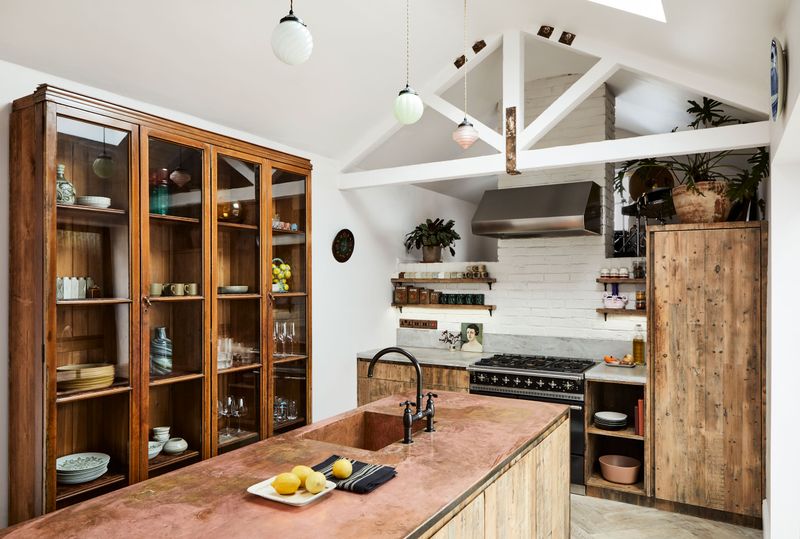
Cold, clinical kitchens are yesterday’s news. Today’s cozier cooking spaces often feature rich wood tones that only freestanding furniture can properly showcase. Natural grain patterns and warm finishes create visual interest against plain walls.
Unlike uniform cabinetry that can feel monotonous, a mix of wood pieces—perhaps a cherry table alongside an oak hutch—brings depth and character that makes kitchens feel more like living spaces than sterile workstations.
7. Creates Focal Points
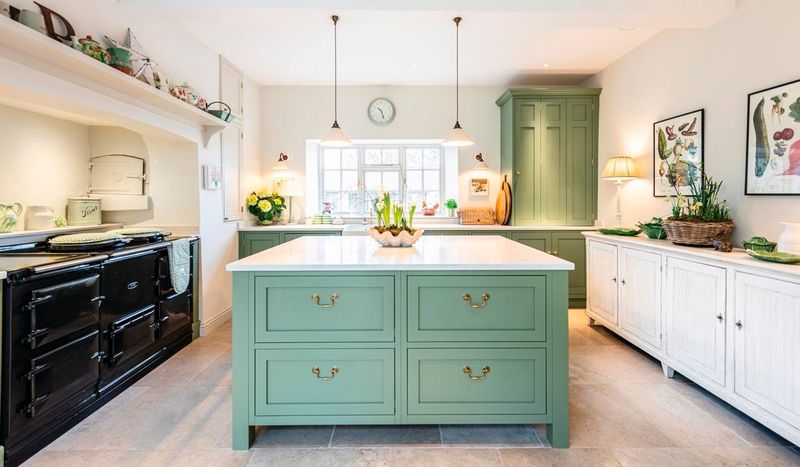
Every well-designed room needs something special that draws the eye. Freestanding pieces naturally become conversation-starting focal points that built-ins rarely achieve.
A dramatic armoire painted in a bold color or an antique baker’s rack displaying copper cookware instantly gives guests something to admire. These standout elements add personality while anchoring the room’s design in ways that ordinary cabinets simply cannot accomplish.
8. Flexible Storage Solutions
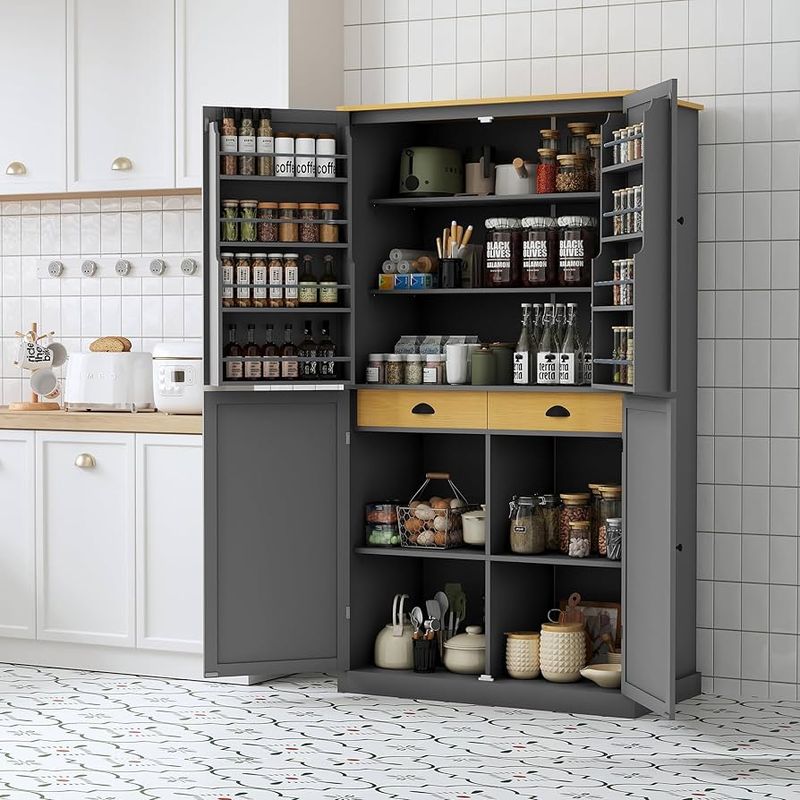
Storage needs change constantly as your kitchen habits evolve. Last year’s juicing obsession becomes this year’s bread-baking adventure, requiring entirely different equipment storage. Freestanding furniture adapts to these changing needs effortlessly.
Shelves can be adjusted, inserts added or removed, and entire pieces repurposed as your collection of cookware, appliances, or ingredients shifts over time.
9. Complements Built-in Units
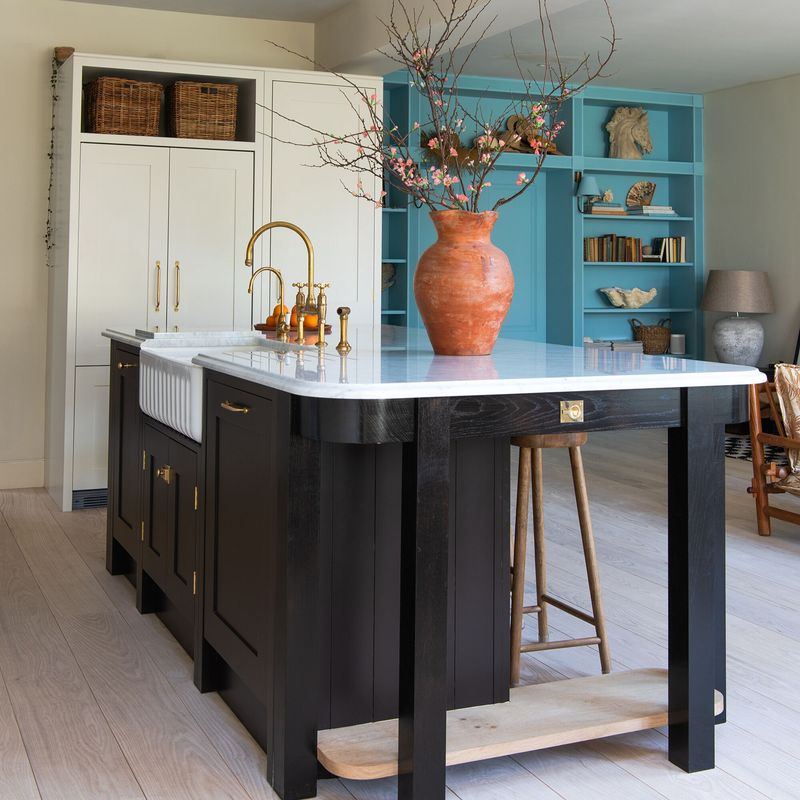
Mixing and matching creates kitchen magic! Freestanding pieces work beautifully alongside existing built-ins, creating layered, collected-over-time looks that designers adore.
Many homeowners find that adding just one or two standalone pieces to their standard cabinetry instantly elevates the entire room. A freestanding island with seating next to wall cabinets, for instance, creates a more interesting, less cookie-cutter kitchen than continuous cabinetry alone.
10. Ideal for Rental Kitchens
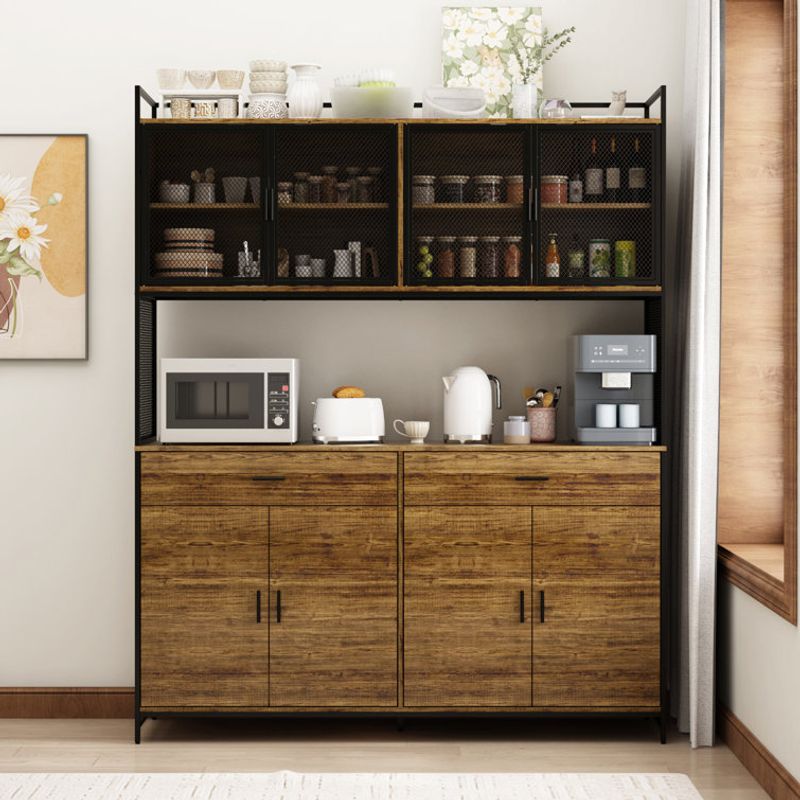
Renters rejoice! No longer must you suffer with landlord-grade cabinets and zero personality. Freestanding furniture offers rental-friendly kitchen upgrades without sacrificing security deposits. A rolling cart beside basic rental cabinets adds prep space and storage.
A standalone pantry hides unsightly packaged foods. These investments move with you from apartment to apartment, making each temporary space feel more like home without permanent modifications.
11. Quick Style Refresh
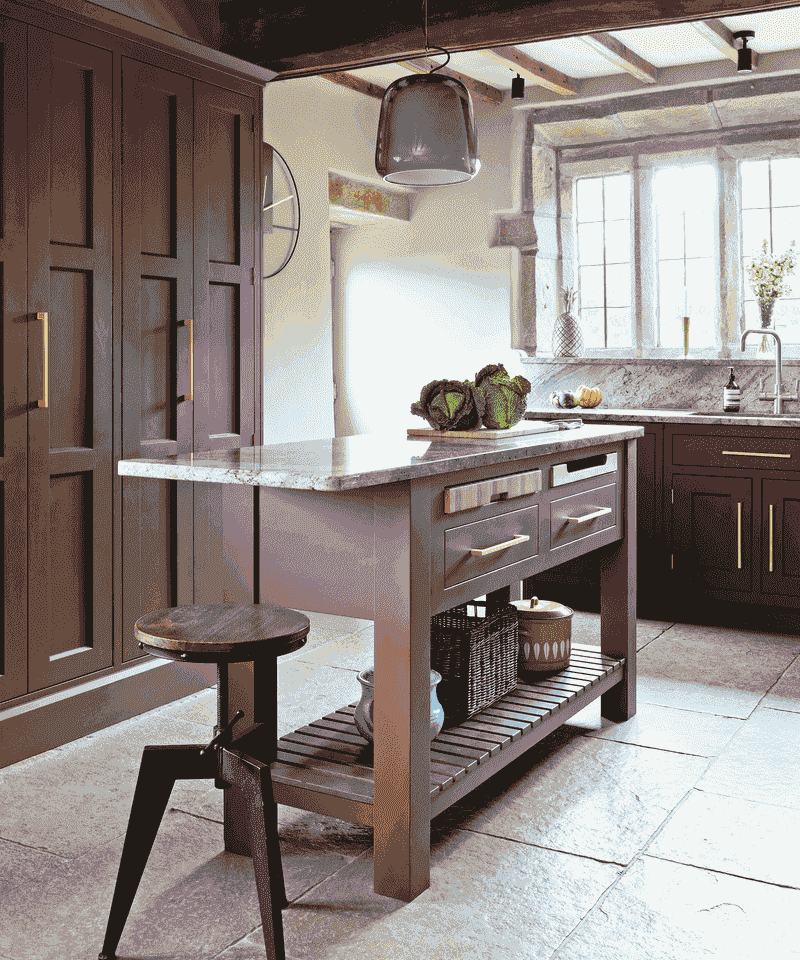
Changing your kitchen’s entire look no longer requires major construction. Simply swapping out or updating one freestanding piece can transform the room’s feel overnight. When design trends shift or your tastes evolve, standalone furniture offers quick adaptation possibilities.
Replace that farmhouse table with a sleek marble-topped island, and suddenly your kitchen speaks an entirely different design language—no contractors required.
12. Layered Design Depth
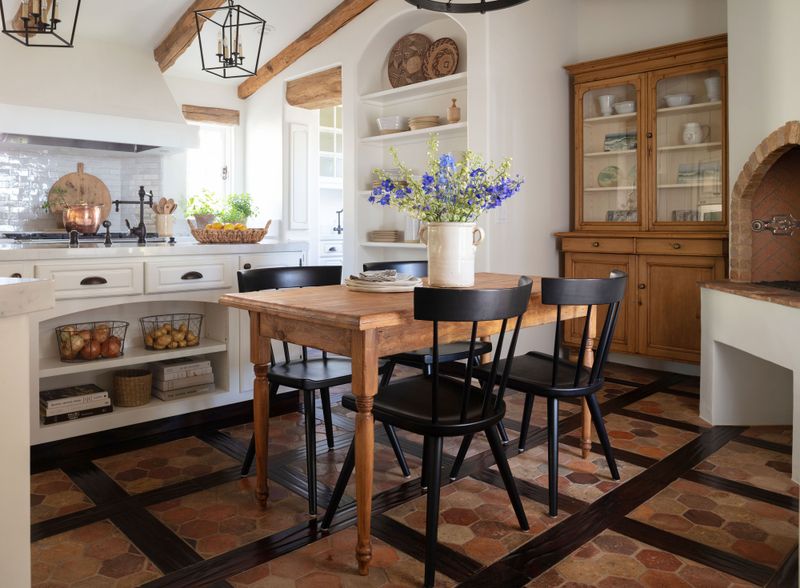
Cookie-cutter kitchens with matching everything feel flat and impersonal. The most interesting spaces tell stories through layers of different pieces collected over time. Designers often recommend mixing freestanding elements to create visual journeys around the kitchen.
An antique workbench beside a modern cabinet creates tension and interest. This layered approach adds sophistication that matchy-matchy built-ins can never achieve.
13. Supports Mixing of Textures
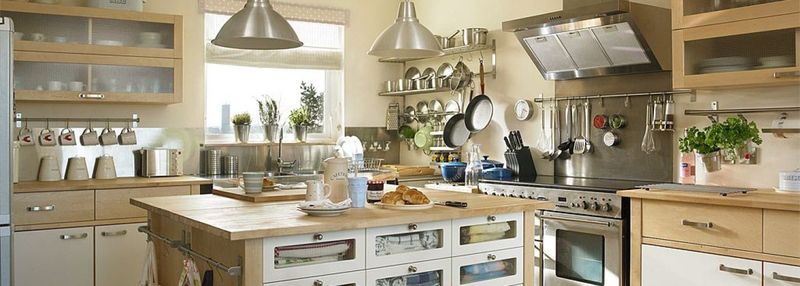
Tactile variety makes spaces more interesting to both eyes and fingers. Freestanding furniture naturally introduces textural diversity that uniform cabinetry lacks. Picture a rough-hewn wooden island against smooth painted hutch and sleek metal baker’s rack.
This textural playground creates rich sensory experiences as you move through the kitchen. Even in monochromatic color schemes, these varied surfaces create depth through their different light-reflecting properties.
14. Enhances Open Shelving Spaces
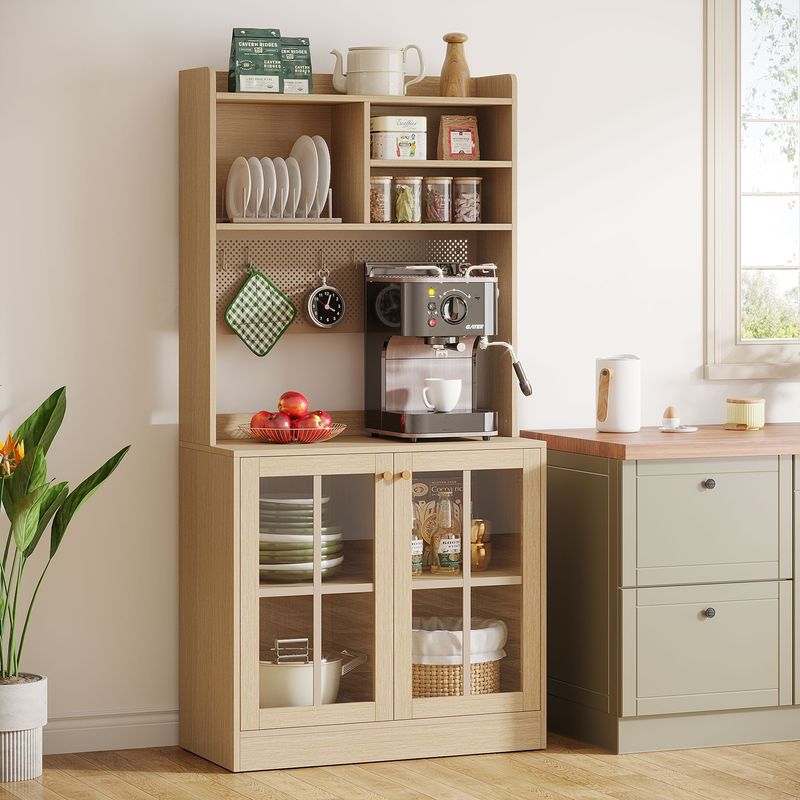
Open shelving looks fantastic but lacks practical storage for less-than-beautiful necessities. Freestanding furniture solves this dilemma perfectly.
While pretty dishes and glassware shine on open shelves, closed cabinets and hutches hide the plastic storage containers and mismatched mugs. This balanced approach gives you both display opportunities and practical hidden storage without sacrificing style or function.
15. Allows for Statement Pieces
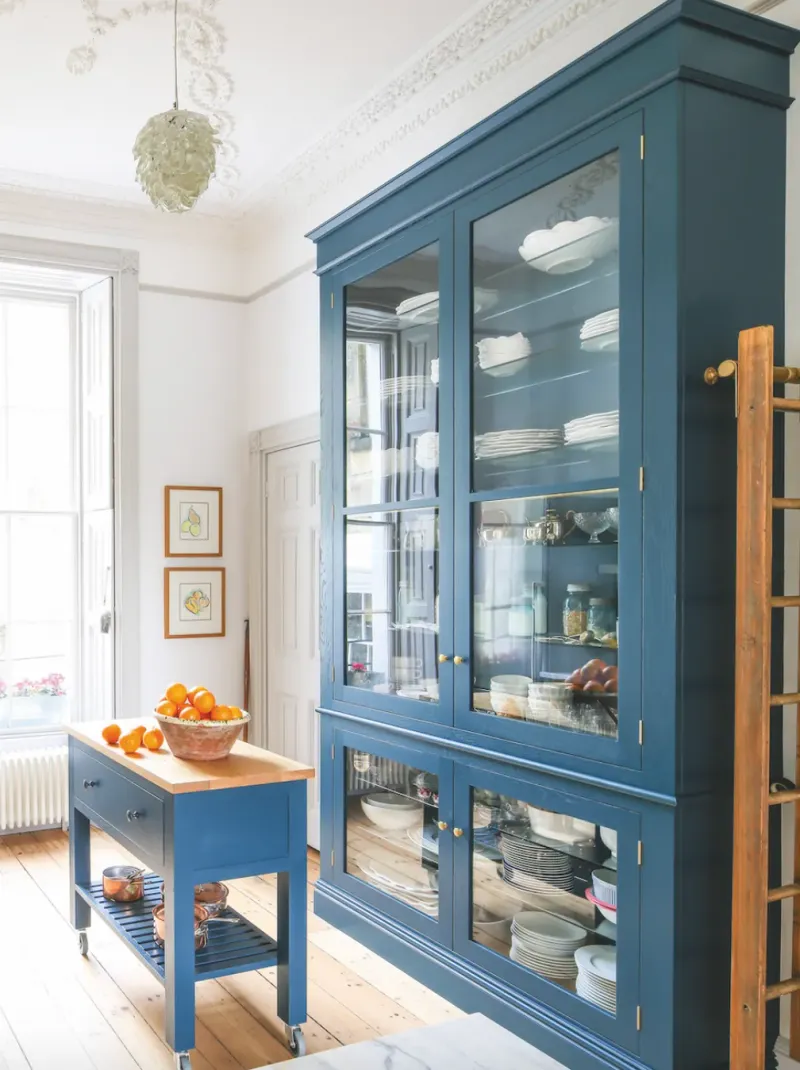
Bold design choices become less intimidating when they’re not permanently installed. Freestanding furniture lets you experiment with dramatic statements you might otherwise avoid.
That fire-engine blue china cabinet might seem too daring for built-in cabinetry, but as a standalone piece, it becomes brilliant kitchen jewelry. If you tire of it later, you can always repaint or replace it without major construction—something impossible with built-ins.
16. Great for Small Kitchens
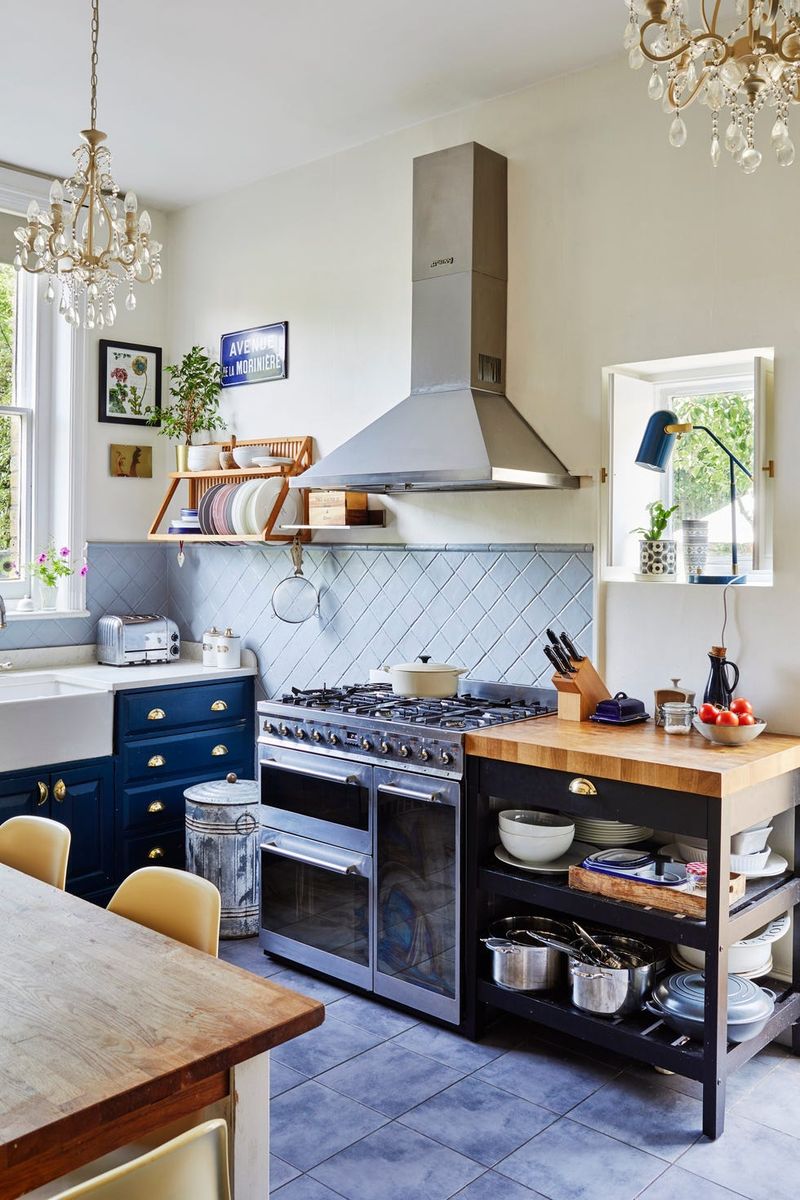
Tiny kitchen warriors know the struggle of maximizing every inch. Freestanding pieces often work better in awkward small spaces than built-ins that require standard dimensions.
A narrow rolling cart might fit perfectly beside the refrigerator where no cabinet could go. A half-width hutch might tuck into that odd corner. These specialized pieces solve spatial puzzles that standard cabinetry cannot address, making even the smallest kitchens more functional.
17. Encourages Preloved/Upcycled Finds
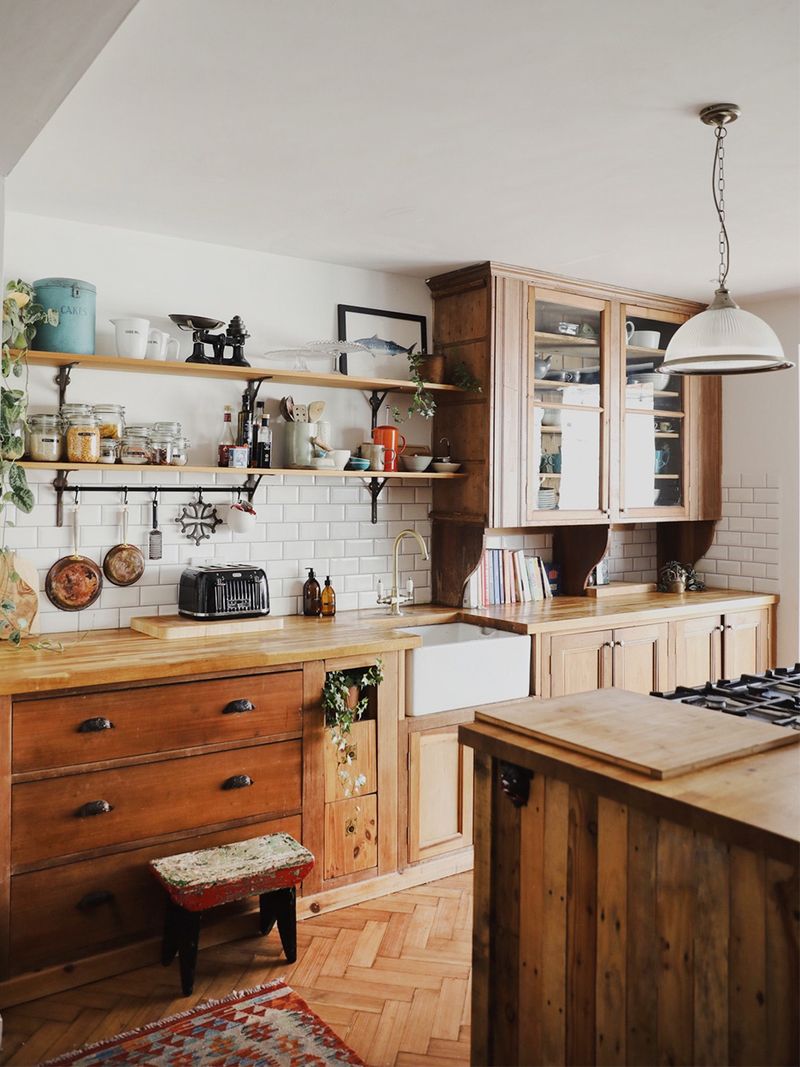
Sustainability gets a major boost when kitchens incorporate secondhand treasures. Freestanding furniture naturally supports eco-friendly design through reuse and repurposing. That vintage dresser from the thrift store becomes a stunning kitchen island with minor modifications.
Grandma’s hutch finds new life storing your cookbook collection. These creative reuses keep perfectly good furniture from landfills while creating unique, character-filled kitchens.
18. Bridges Traditional and Modern Styles
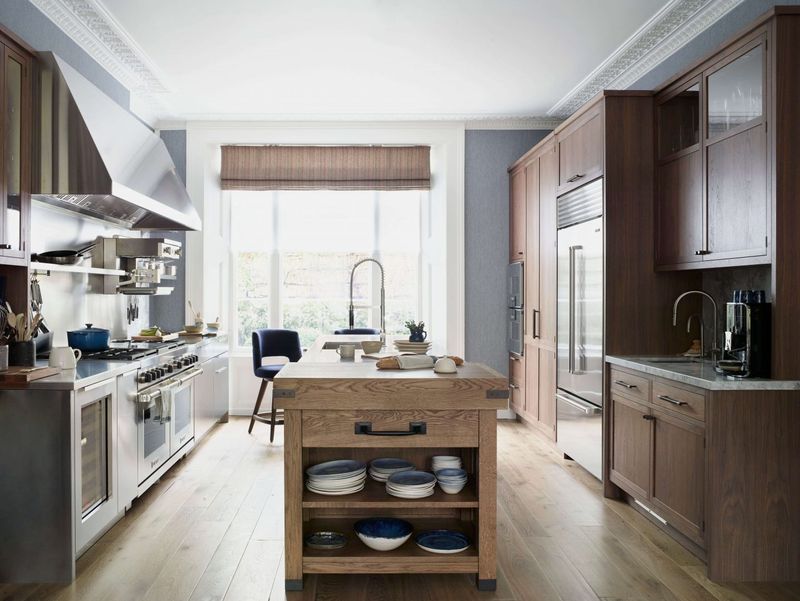
Style conflicts resolve beautifully through freestanding pieces. When partners disagree on design direction, standalone furniture offers perfect compromise opportunities. A sleek modern kitchen softens with the addition of a traditional wooden hutch.
Conversely, a country kitchen gains contemporary edge with a minimalist metal baker’s rack. These juxtapositions create more interesting, personalized spaces than kitchens committed to just one design era.
19. Fosters a Cozy, Homey Feel
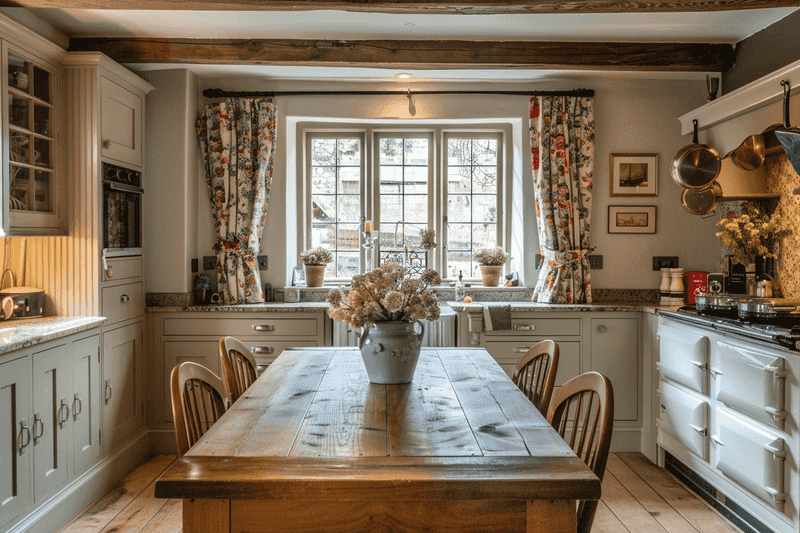
Nothing says “gather here” quite like furniture that resembles what’s found in living spaces. Freestanding kitchen pieces create this welcoming atmosphere naturally.
Kitchens with armoire-style pantries, comfortable island seating, and furniture-like cabinets feel more like extensions of living areas than utilitarian cooking spaces. This homey quality encourages lingering conversations and shared meals in ways that clinical, built-in-only kitchens rarely achieve.