20 Reasons To Get Dutch Doors In Your Home And 5 To Reconsider Your Choice
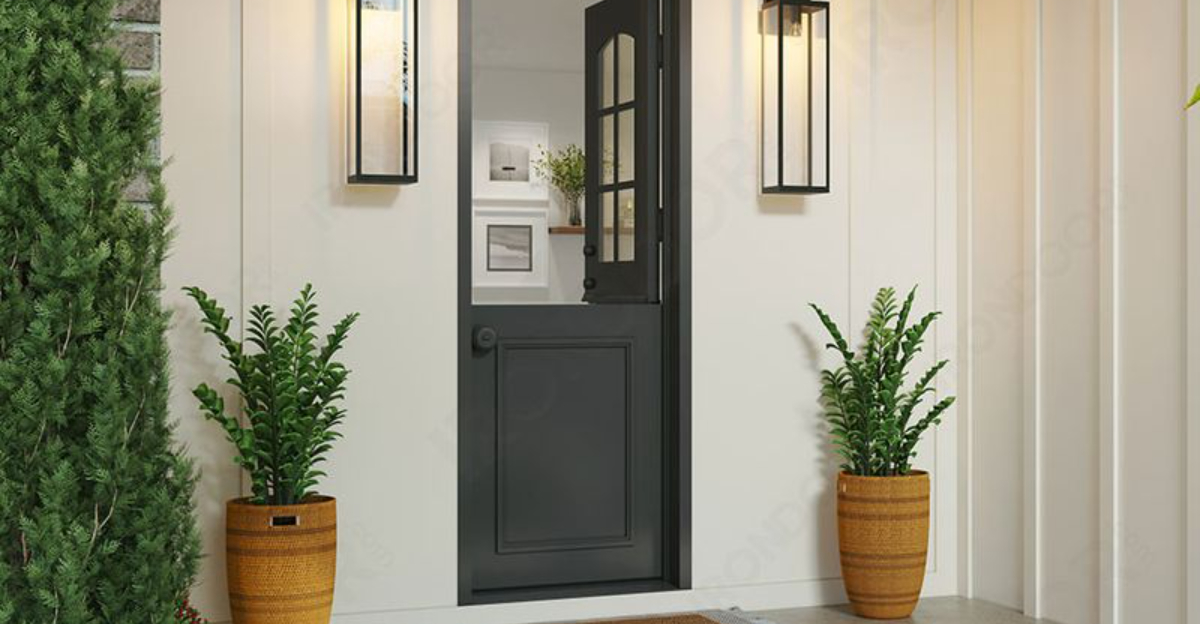
Dutch doors, featuring a split design, bring both charm and function to any home. With the ability to open the top independently, they offer ventilation, visibility, and unique styling opportunities. However, they aren’t without their drawbacks.
This article explores 25 reasons to embrace or reconsider Dutch doors, each with specific pros and cons for a well-rounded perspective.
1. Enhanced Ventilation
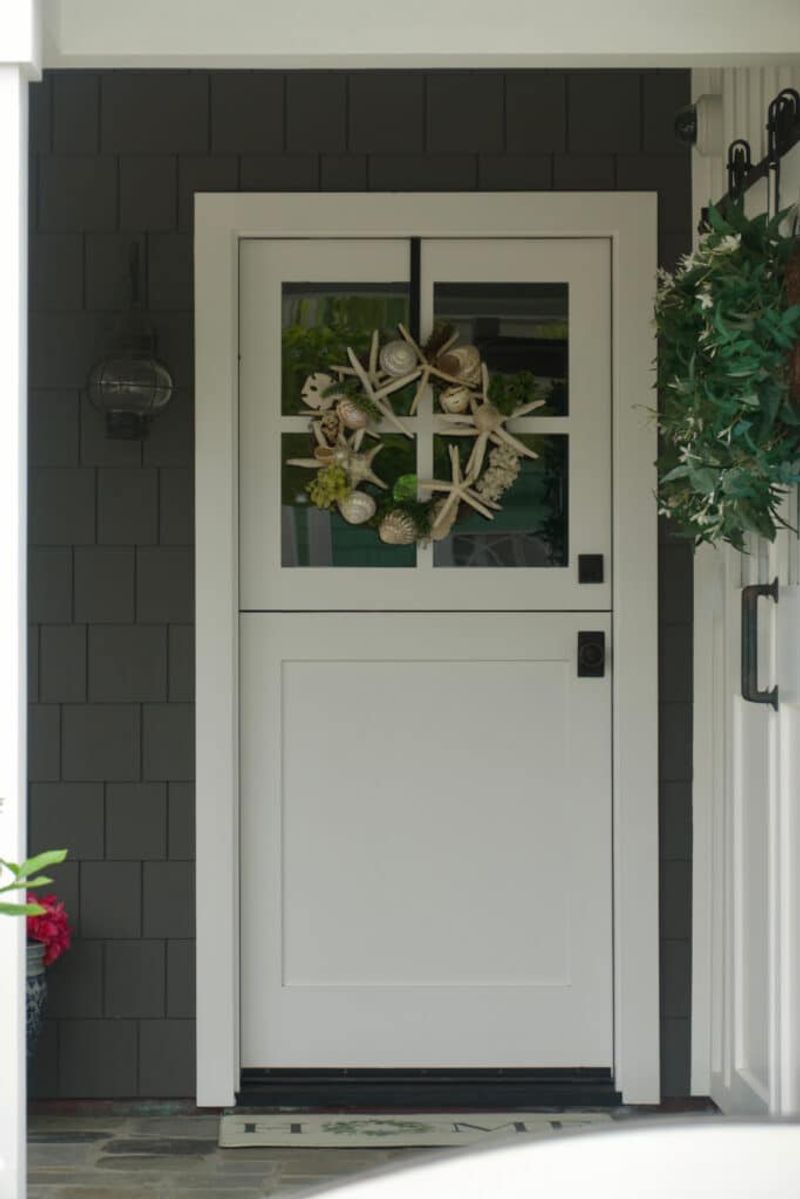
Dutch doors provide a quaint way to let in the breeze while keeping children or pets secure inside. The split design allows for airflow without compromising safety. However, in gustier conditions, they might not offer the same ventilation as fully opened doors.
2. Aesthetic Appeal
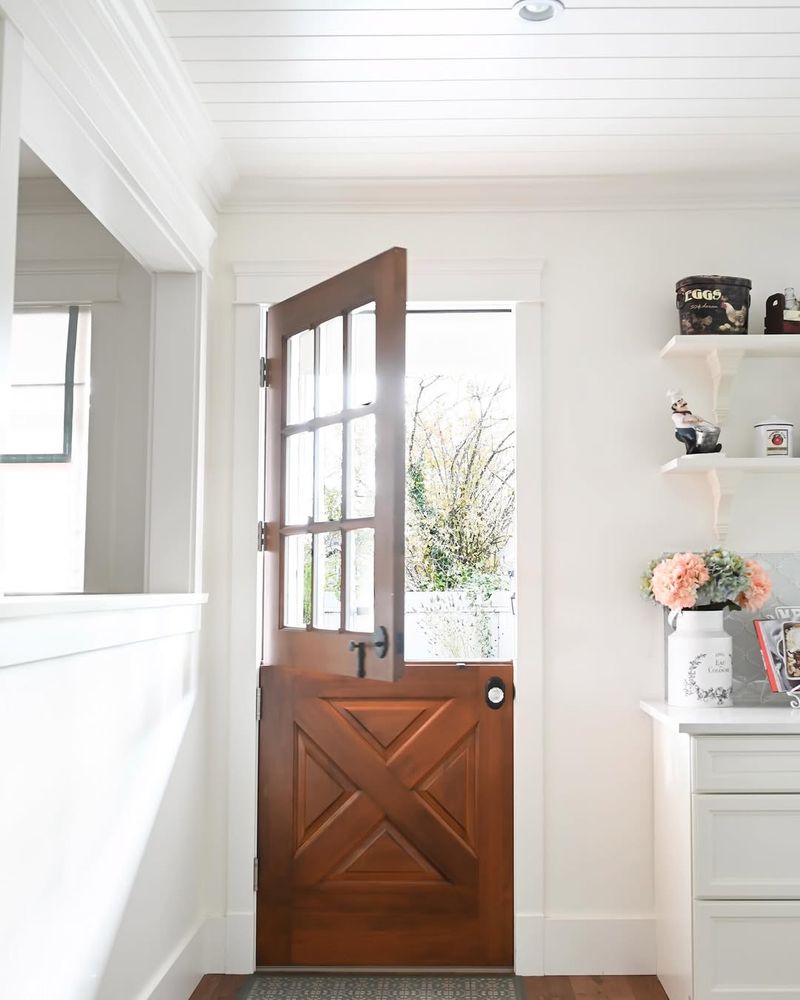
These doors add a touch of old-world charm, enhancing styles like cottage and farmhouse. Their split design offers a visually appealing contrast to standard doors. But for those who favor sleek, modern aesthetics, they may not fit the bill.
3. Better Pet Control
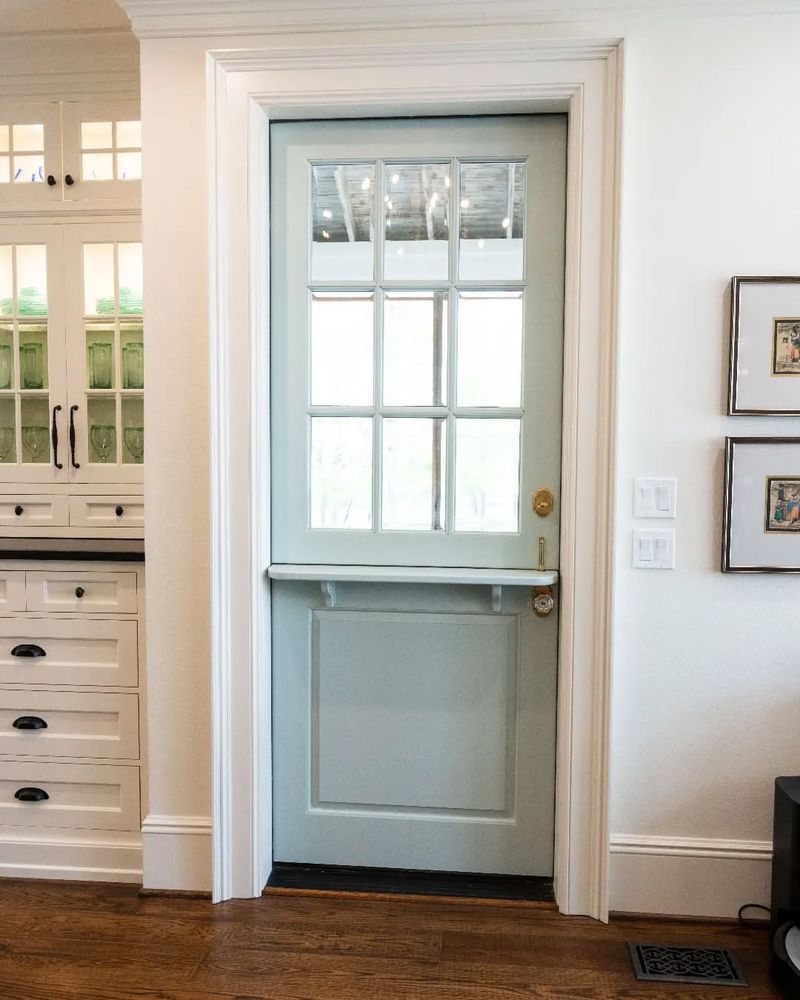
Dutch doors are a handy solution for pet owners, allowing fresh air in while keeping pets safely inside. The lower half serves as a barrier, although persistent pets might still try to jump over.
4. Child Safety
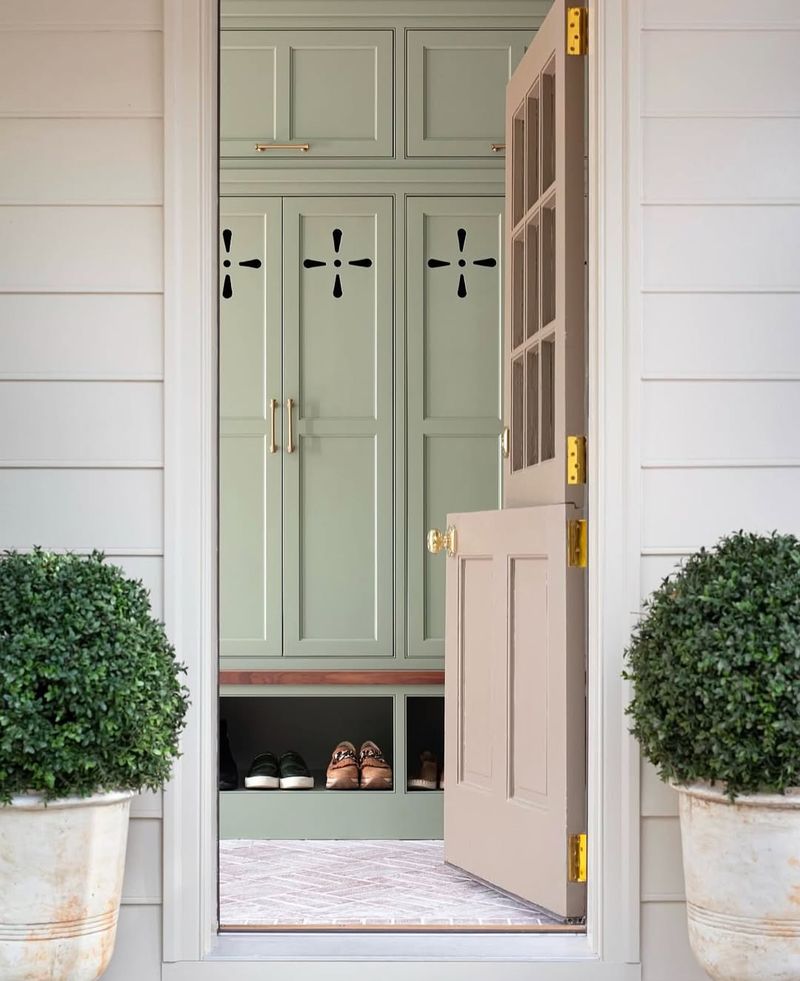
For families with young children, Dutch doors can provide a safe way to monitor playtime while keeping little ones contained. Still, adventurous kids might attempt to climb over, requiring additional precautions.
5. Increased Privacy
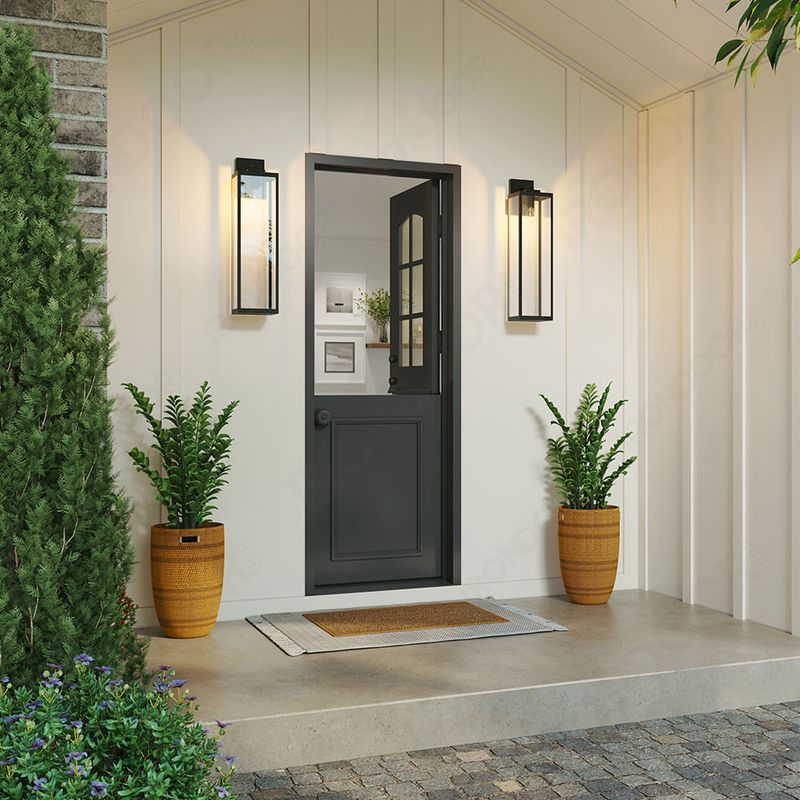
Dutch doors offer a balance of interaction and privacy, with the top half allowing conversation while the bottom limits view into the home. Some may feel the split doesn’t offer the same privacy as a solid door.
6. Easy Interaction with Visitors
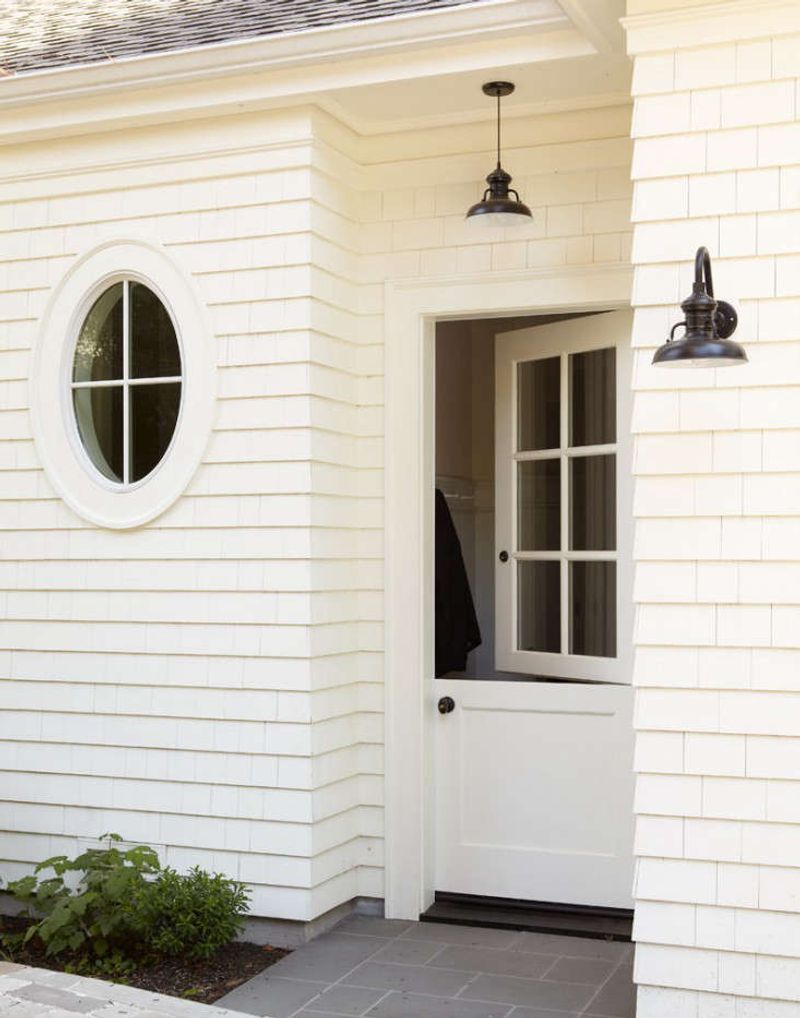
The unique design of Dutch doors simplifies interactions with visitors, letting you engage without fully opening your home. But the ease of access means privacy can be diminished if not latched securely.
7. Space Efficiency
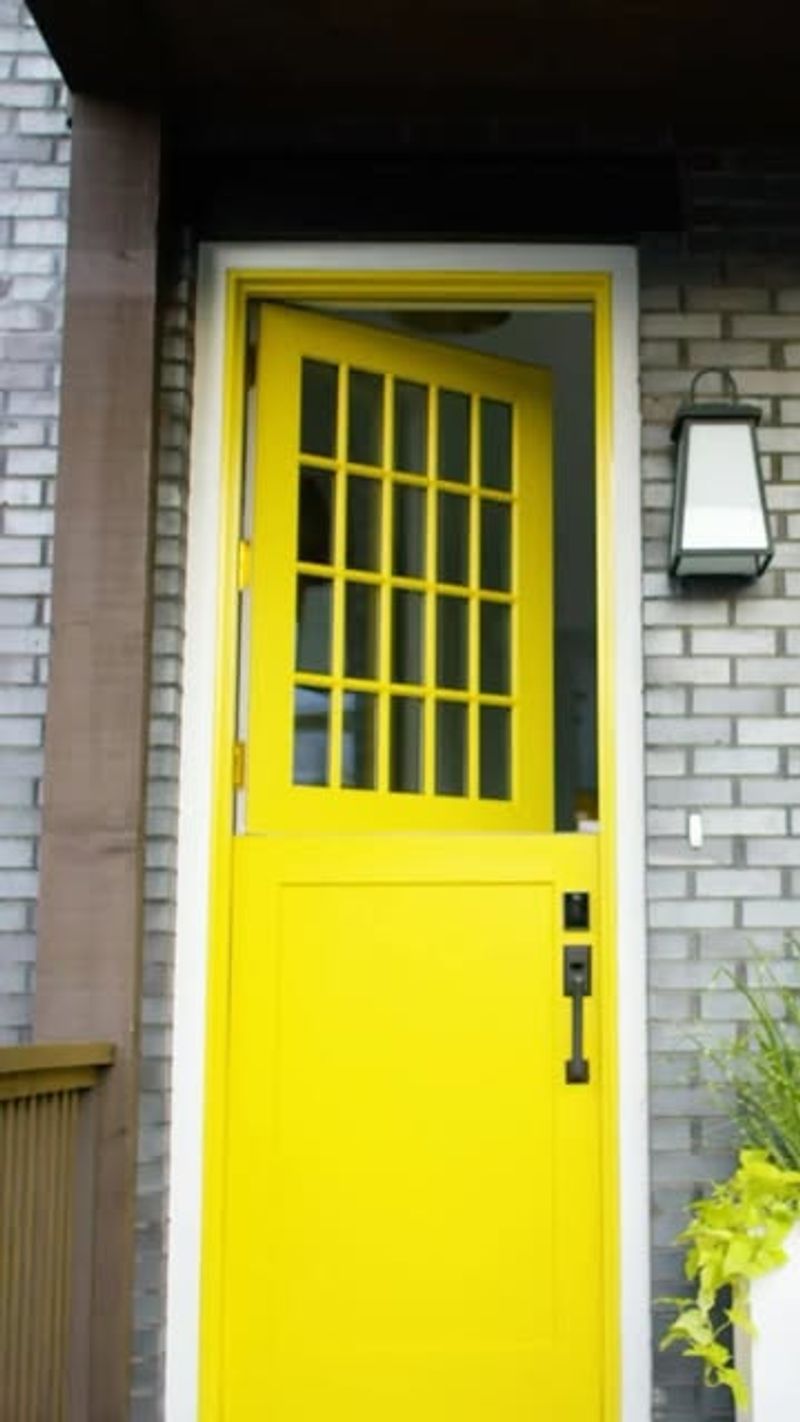
In tighter spaces, Dutch doors are a boon, taking up less room when only the top is opened. Yet, in larger areas needing full access, they might not be as practical.
8. Versatile Room Divider
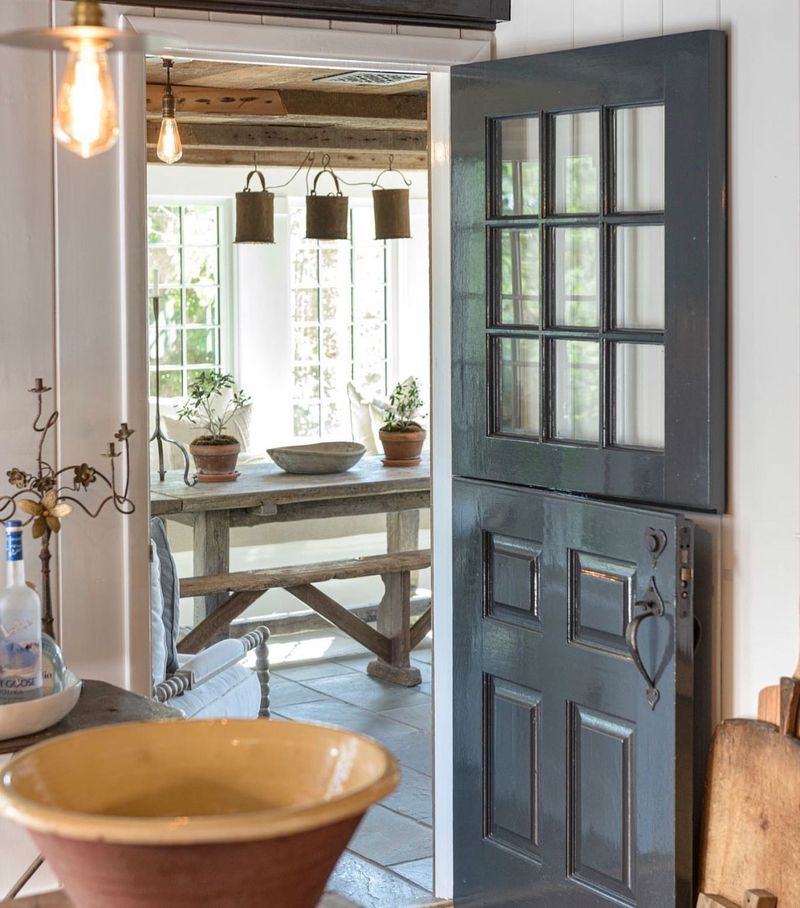
These doors can wonderfully divide spaces while letting light and air flow, adding functionality to interiors. In busy settings, they may not provide a clear division of space.
9. Natural Light
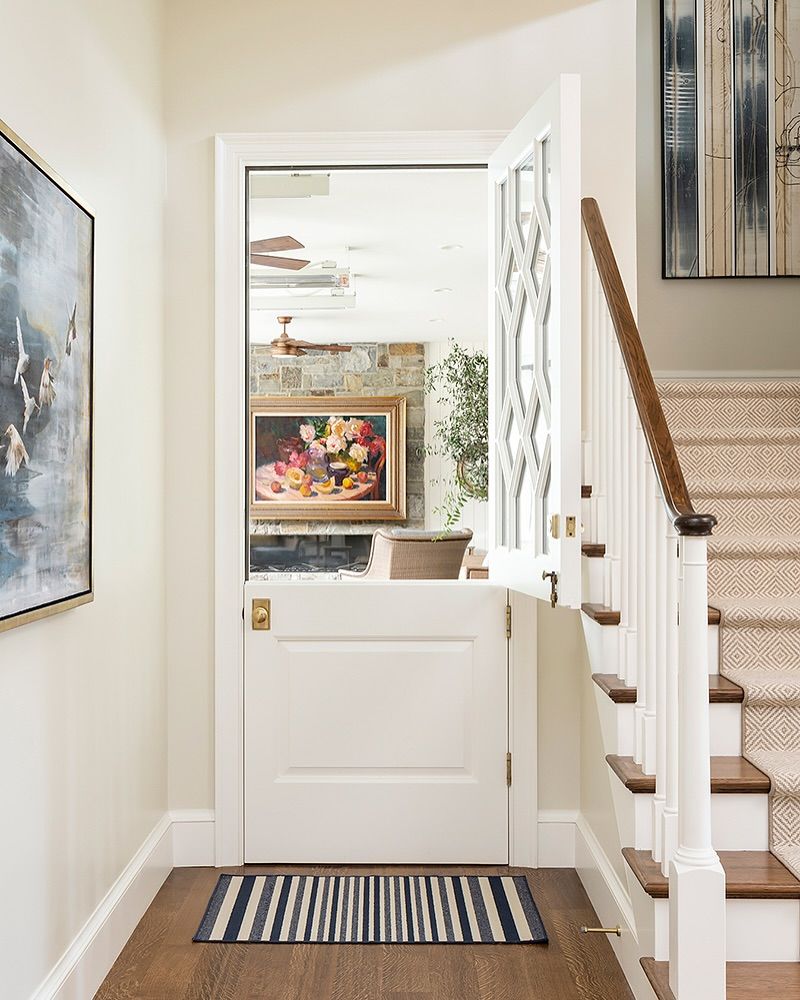
Opening the top half of a Dutch door invites natural light inside, creating a warm and inviting atmosphere. For those facing busy streets, this openness might compromise some privacy.
10. Increased Curb Appeal
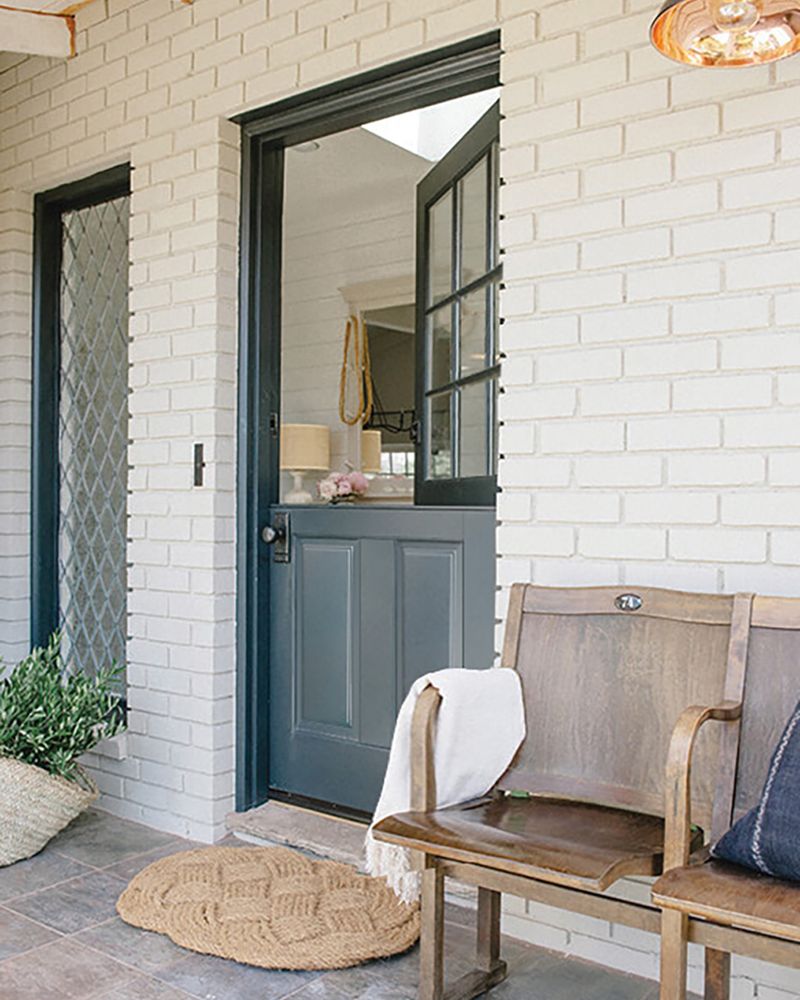
Dutch doors add personality to a home’s entrance, catching the eye and boosting curb appeal. They may require additional maintenance to keep them looking pristine, especially when exposed to harsh weather.
11. Ventilation in the Kitchen
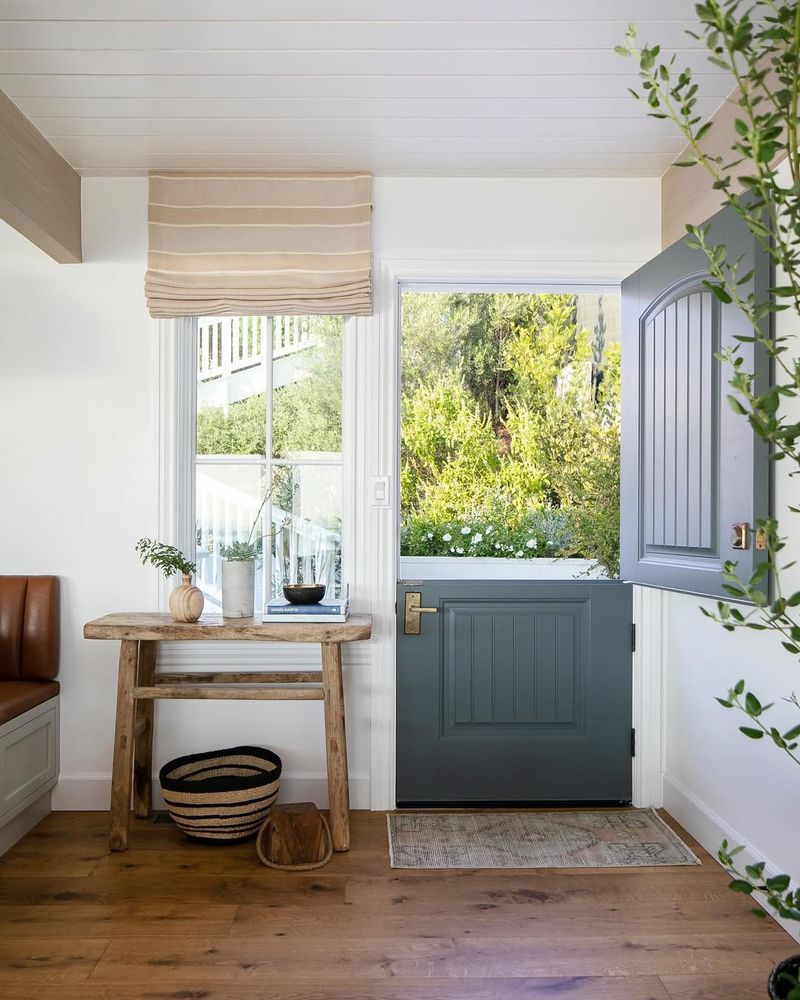
In kitchens, Dutch doors offer a clever way to vent steam and odors while maintaining a contained cooking space. Extreme weather might limit their effectiveness, though.
12. Eco-Friendly Design
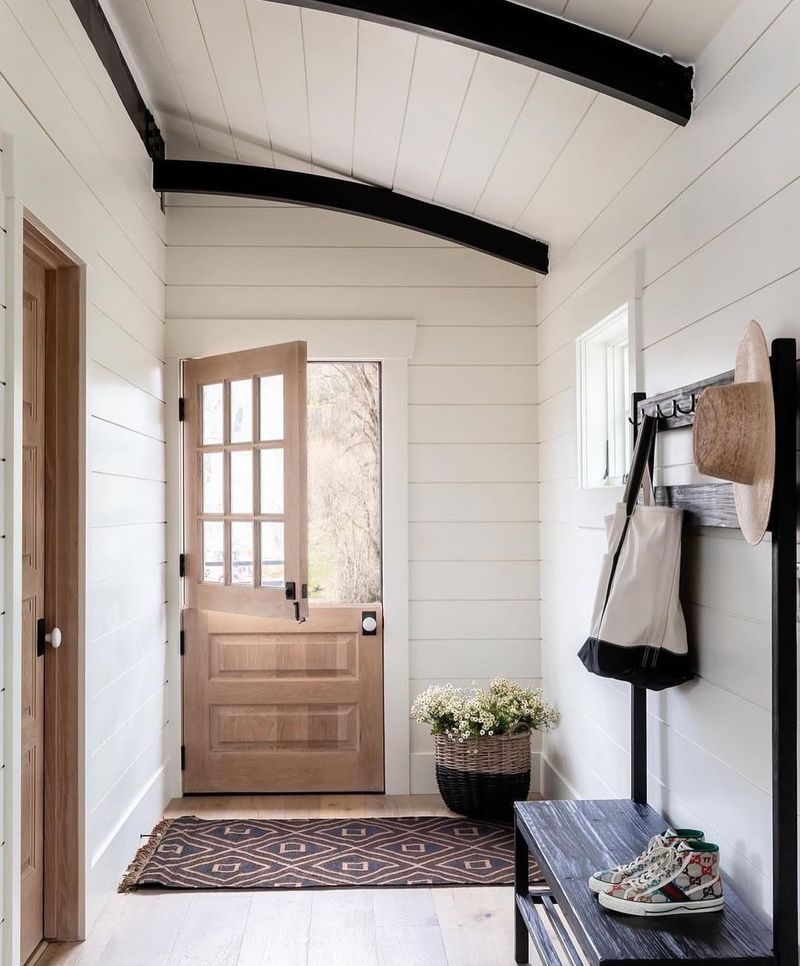
Crafted from sustainable materials, Dutch doors can enhance a home’s eco-friendliness, reducing reliance on artificial ventilation. In various climates, their insulation might not match that of solid doors.
13. Ease of Passing Items
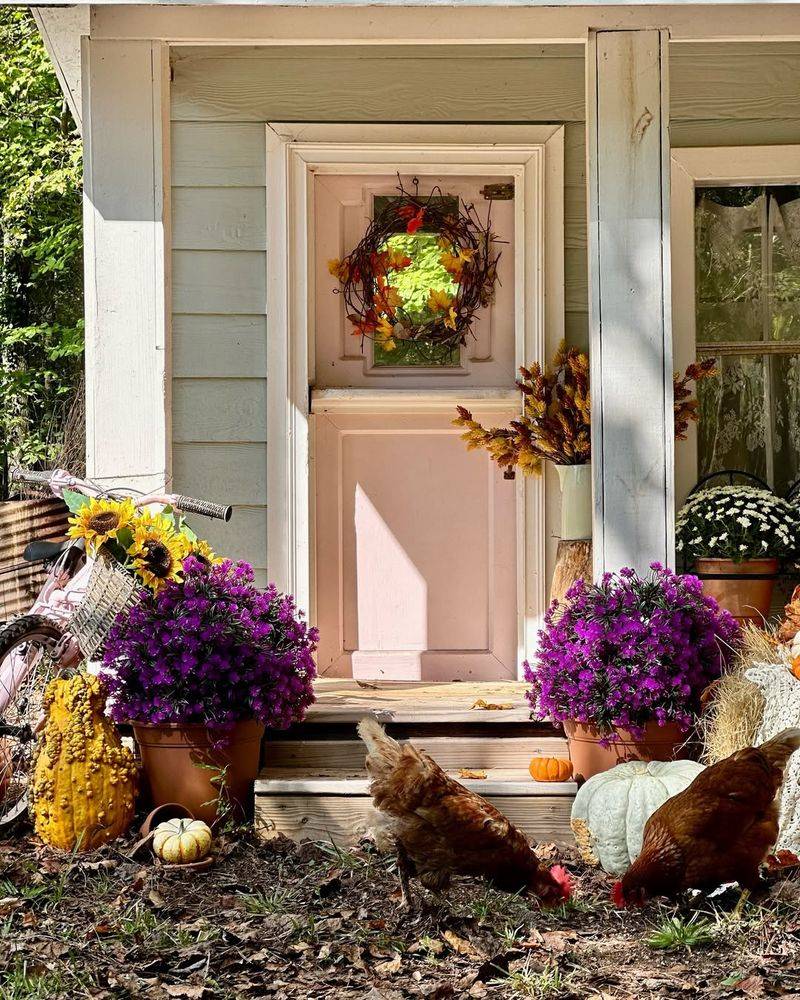
Passing items between rooms is a breeze with Dutch doors, thanks to their open top. But durability is key; if the door misaligns, its practicality diminishes.
14. Ideal for Farmhouses
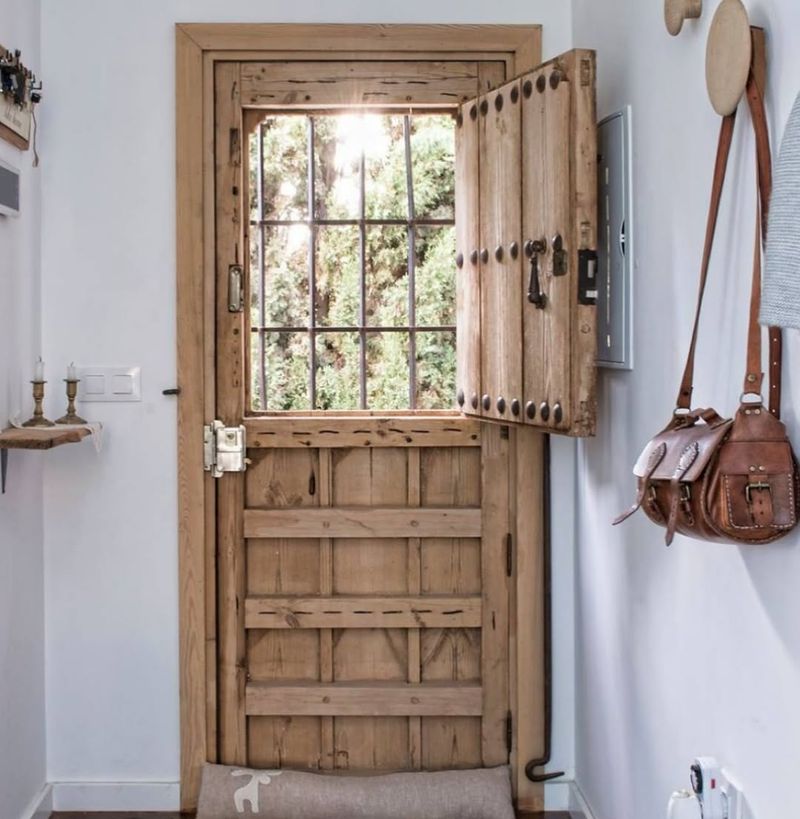
Dutch doors bring a charming, vintage flair to farmhouses, perfectly complementing the rustic vibe. In contrast, in sleek, ultra-modern homes, they may feel like a mismatched element, disrupting the contemporary flow.
15. Allows for a Breezy Porch Feel
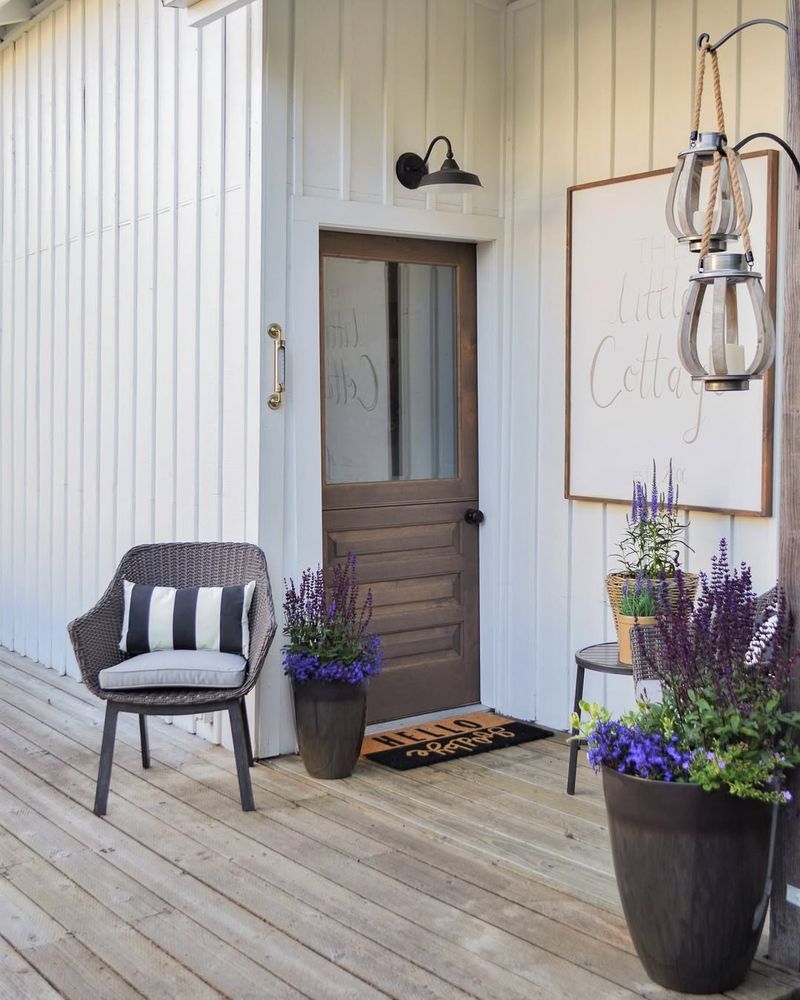
Dutch doors are perfect for porches, offering breezy openness without fully opening up to insects. But small critters can still find their way in if not screened properly.
16. Increased Safety for Entryways
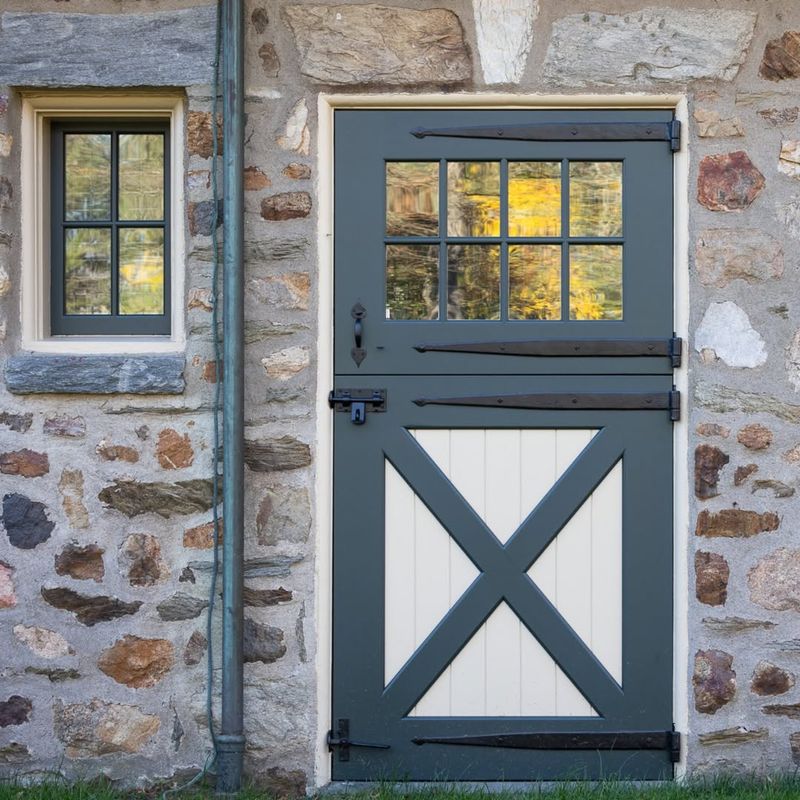
These doors add an extra layer of safety, permitting conversation without full exposure. If the lower half isn’t locked securely, though, some may feel vulnerable.
17. Eco-Friendly Materials
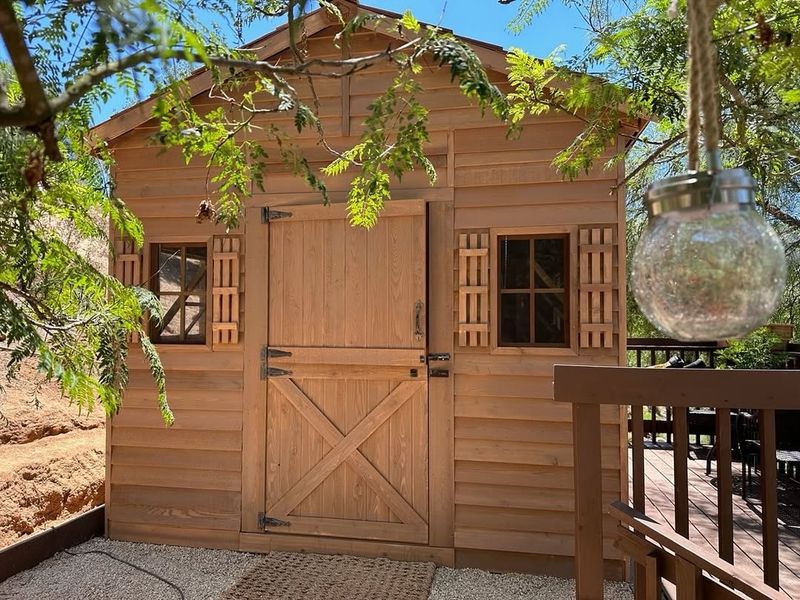
Emphasizing sustainability, Dutch doors often use reclaimed wood, aligning with green building practices. Yet, these materials might not offer the durability of newer options.
18. Better Air Circulation for Bedrooms
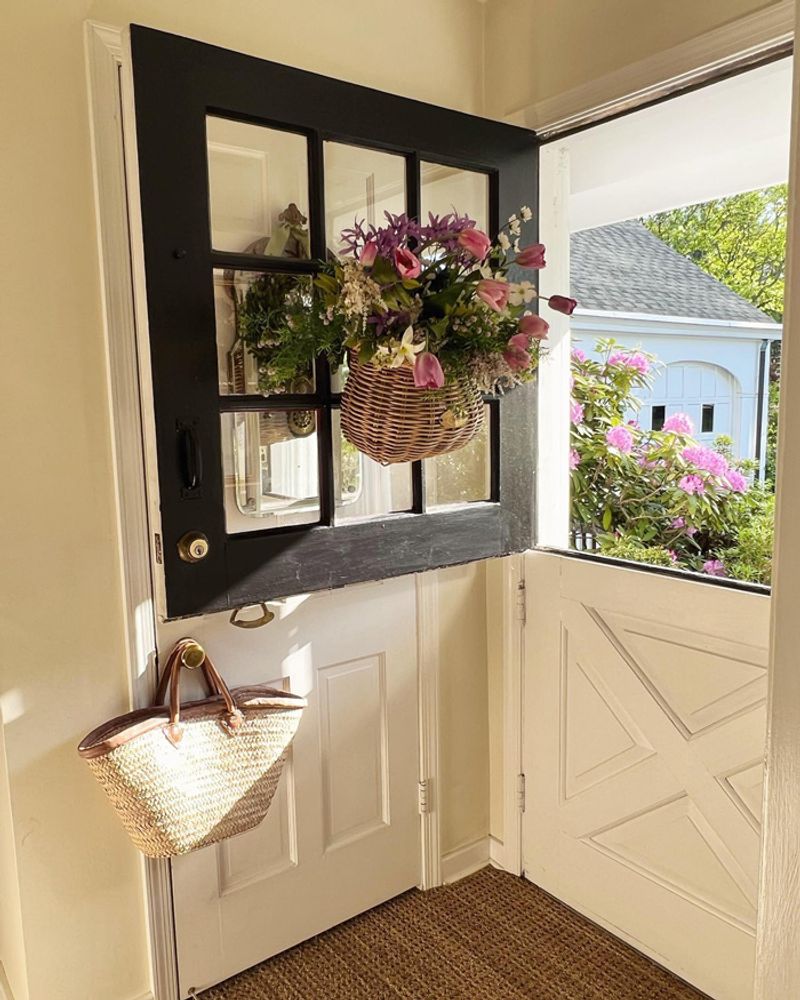
For bedrooms lacking windows, Dutch doors enhance circulation and refresh the air. In colder climates, though, they might let in more chill than desired.
19. Ideal for Laundry Rooms
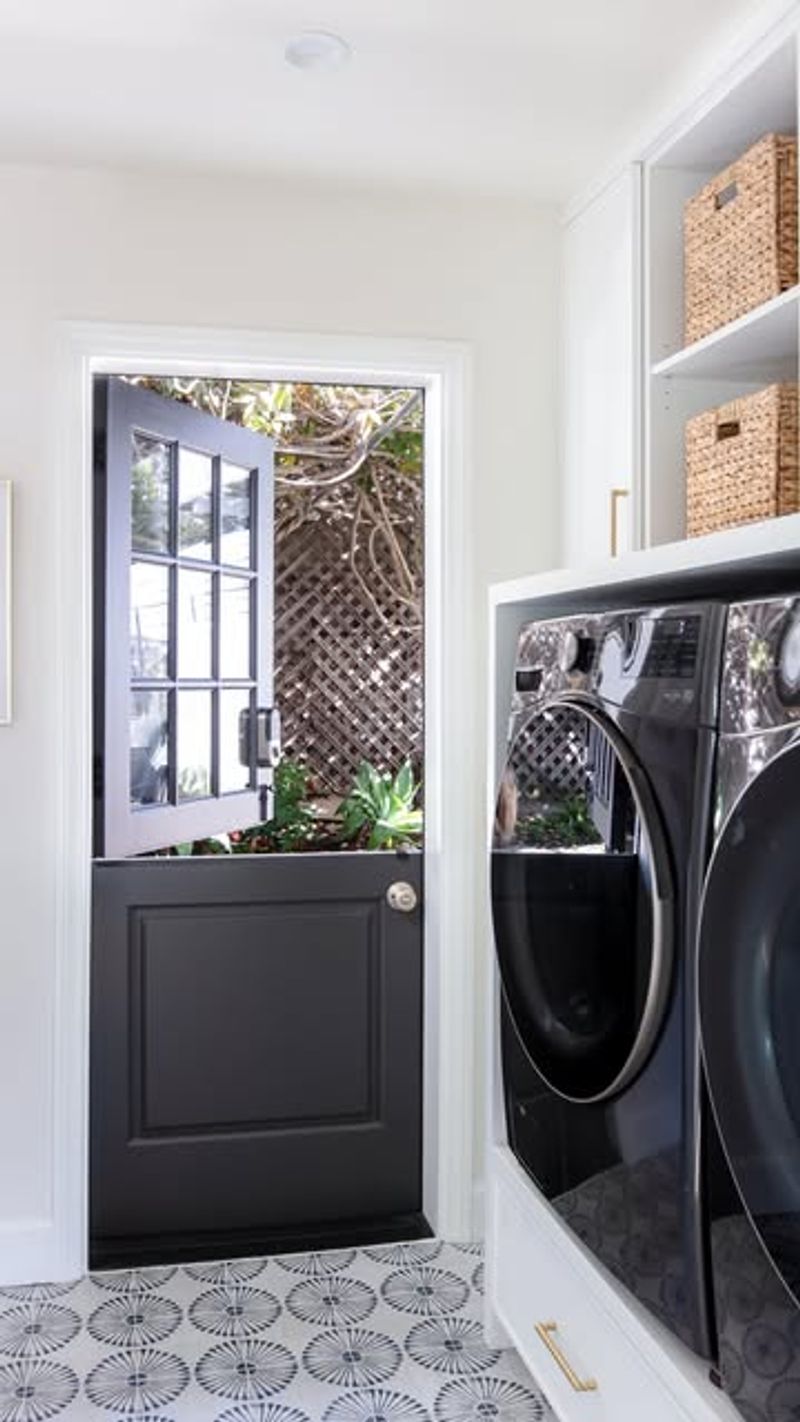
Dutch doors keep laundry odors in check while fostering interaction and air flow. However, if not sealed well, dust might accompany the breeze.
20. Better Visibility for Mail and Deliveries
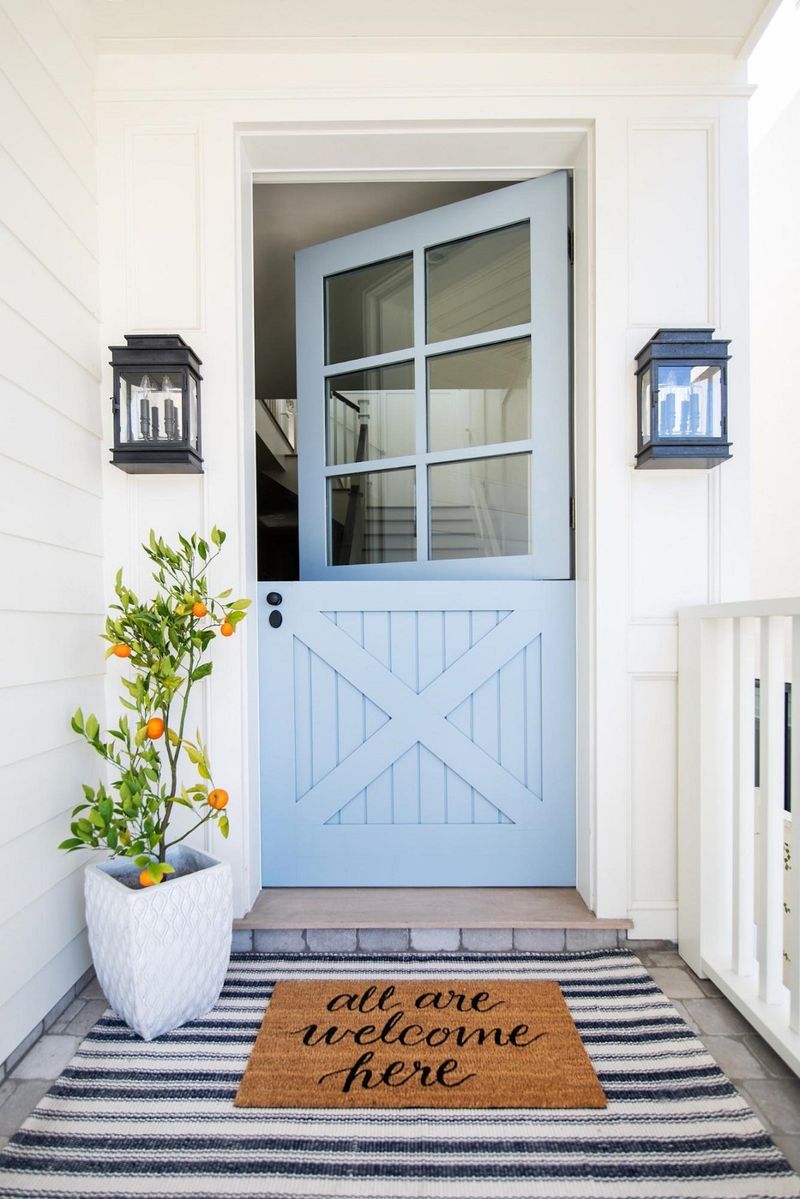
Easily see and greet delivery personnel through the top half of a Dutch door, making mail handling convenient. Larger packages might pose a challenge, though.
21. Unexpected Draft Dilemmas
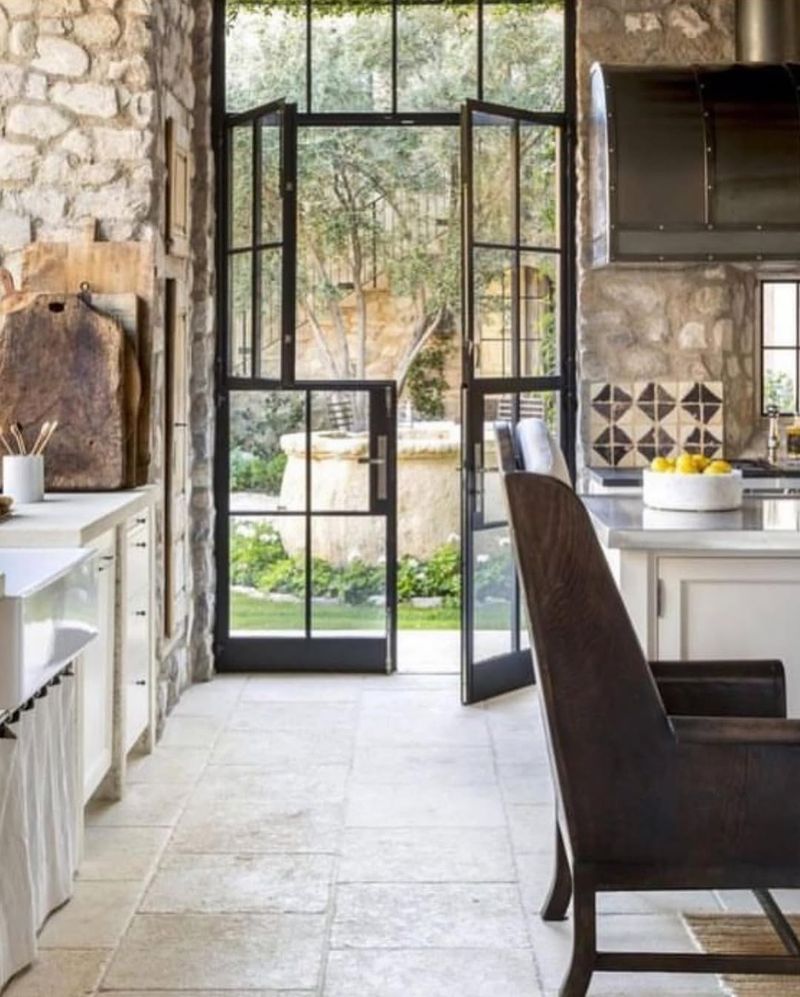
While Dutch doors bring charm, they might introduce unexpected drafts. The independent top and bottom sections can lead to fluttering papers and billowing curtains.
On a windy day, your cozy home might become a whirlwind of scattered documents. This can be particularly bothersome in a home office or study.
22. Unexpected Insect Intrusion
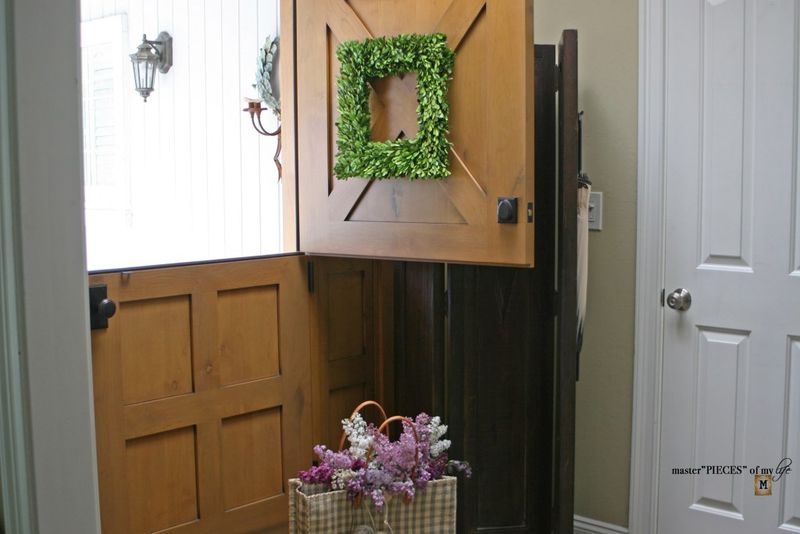
Imagine a sunny afternoon with the top half of your Dutch door swung open to let in the breeze. Sounds idyllic, right? But, this charming scene can quickly turn into an insect invasion. Flies, bees, and other tiny critters may see this as an open invitation to your home.
Consider investing in a screen or other deterrents to keep your home bug-free while enjoying fresh air.
23. Tricky Temperature Control
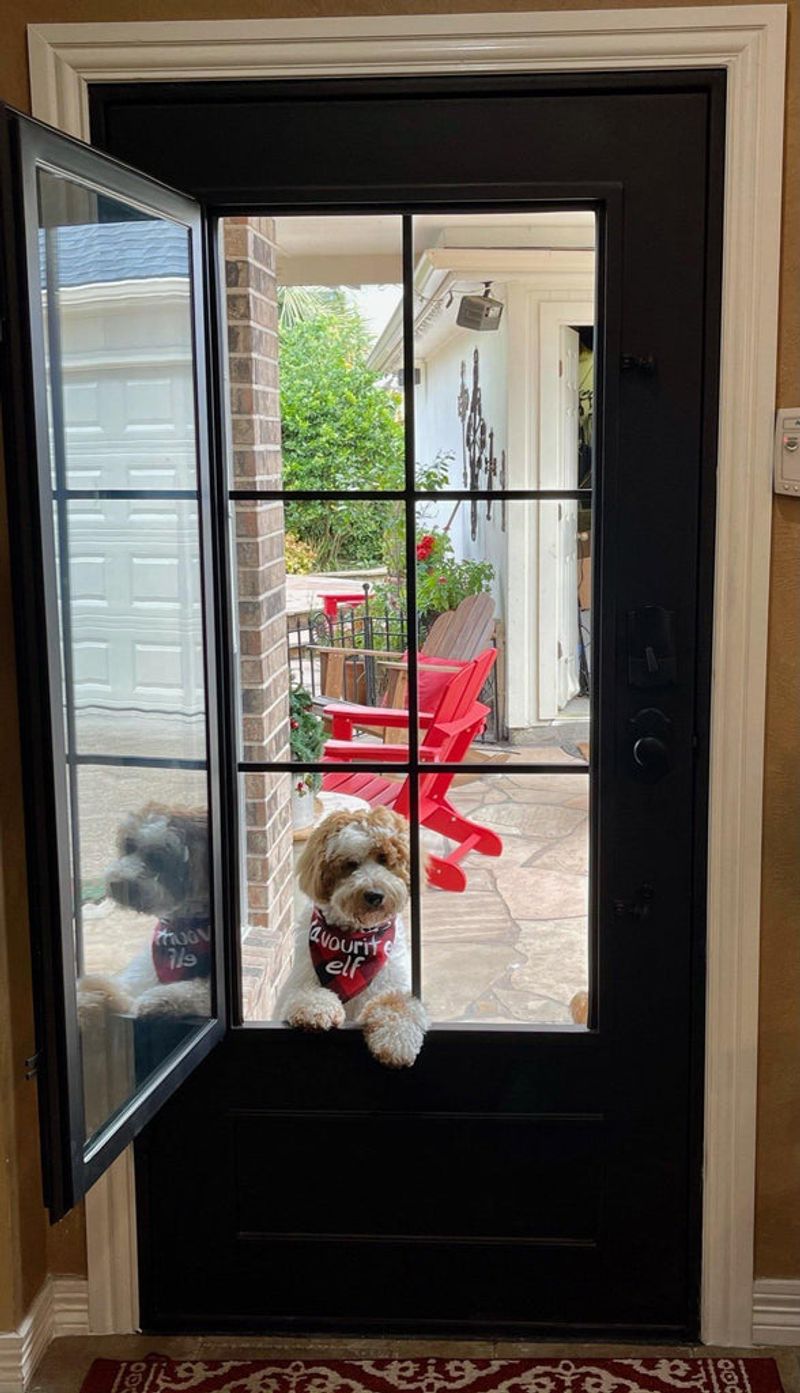
Dutch doors might be picturesque, but they can also be a temperature control nightmare. In climates with extreme temperatures, keeping the top half open might lead to unwanted heat or cold seeping in.
Your home’s HVAC system could work overtime, trying to maintain comfort inside. Installing weather stripping or other insulating solutions could mitigate this issue, but it’s a drawback to bear in mind.
24. Pet Escapades Galore
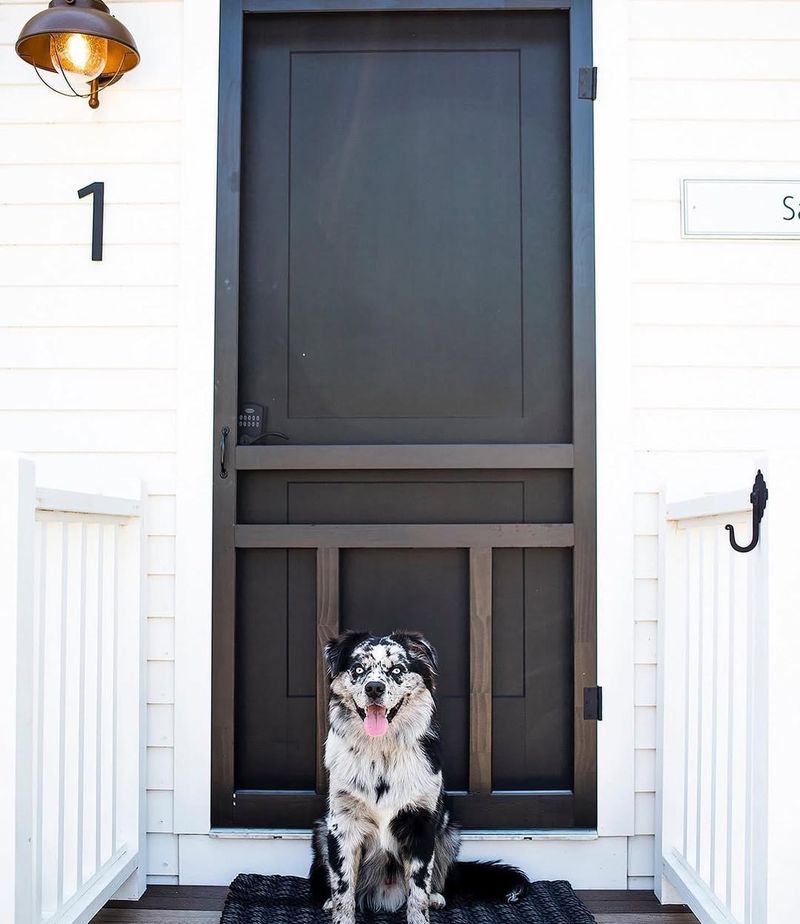
Dutch doors offer easy access, but they might also serve as an escape route for adventurous pets. Cats might see an open top door as an opportunity for exploration, possibly leading to unexpected escapades.
This might require keeping a keen eye on pets or installing barriers to prevent their sudden outdoor adventures.
25. Privacy Compromises
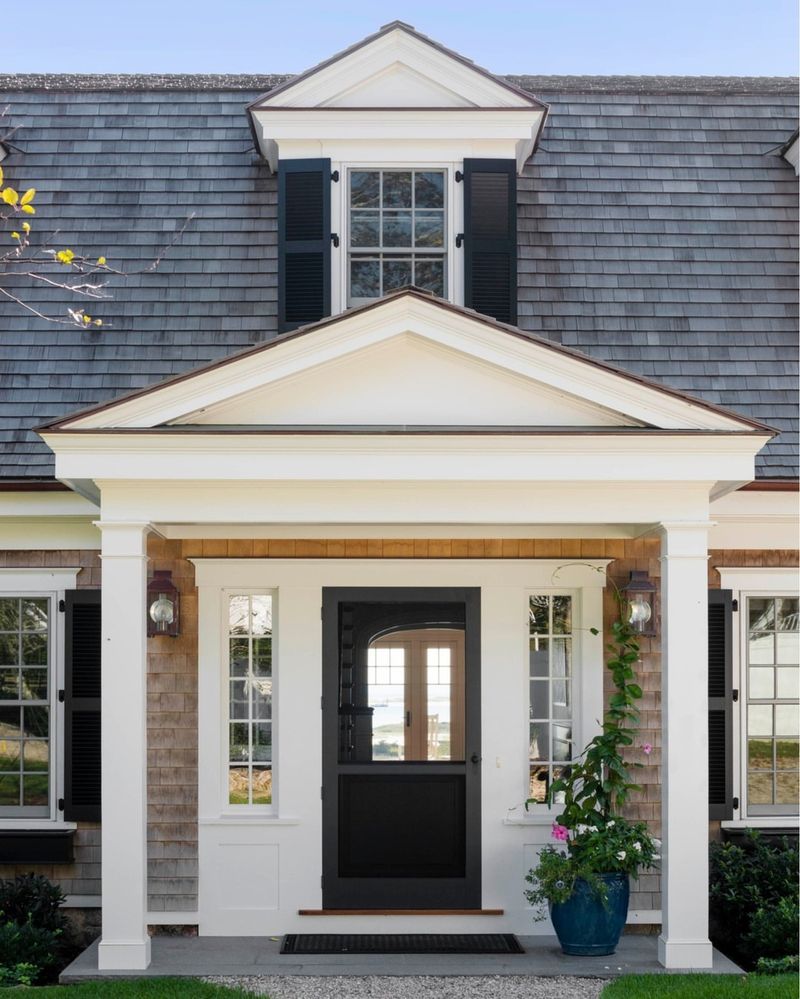
While Dutch doors can promote openness, they might also lead to privacy concerns. The open top half could allow nosy neighbors or passersby to catch glimpses into your home.
This setup may require additional privacy solutions like curtains or frosted glass.