10 Don’ts of a Bathroom Remodel Plus 5 Huge Don’ts You Should Never Even Think Of
Dreaming of a bathroom makeover? Before you tear out that old tub or pick paint colors, let’s talk about what NOT to do. Bathroom remodels can quickly turn into expensive nightmares when common mistakes happen.
I’ve seen homeowners waste thousands of dollars on fixable errors, so learn from others before picking up that sledgehammer!
1. Skipping proper ventilation
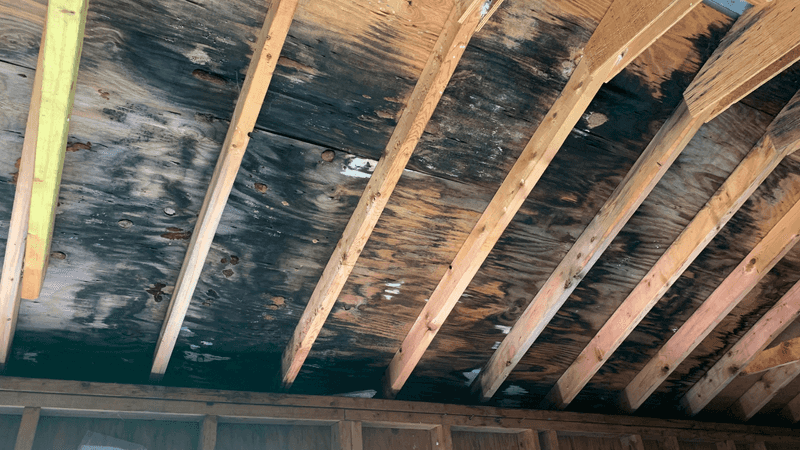
Moisture is your bathroom’s worst enemy! Without good ventilation, you’re basically creating a petri dish for mold and mildew to flourish on your beautiful new surfaces.
A quality exhaust fan isn’t just a suggestion—it’s absolutely essential for protecting your investment and your health. Remember to vent it properly to the outside, not just into your attic space.
2. Choosing low-quality materials
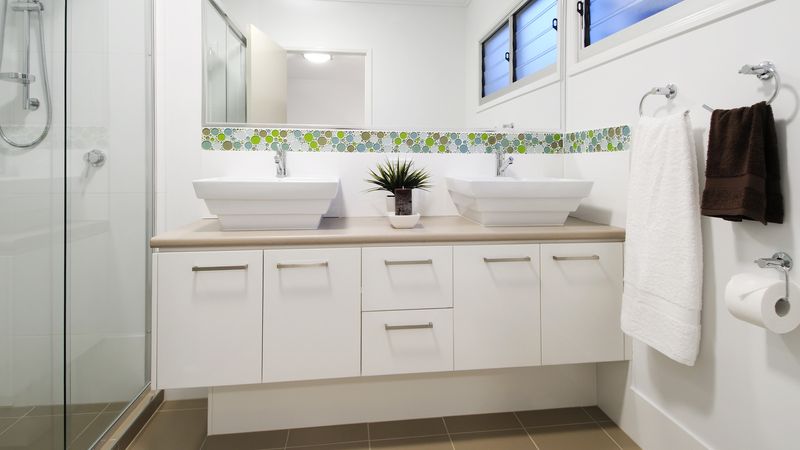
Penny-wise but pound-foolish describes cutting corners on bathroom materials perfectly. Bargain-basement fixtures might save money today but cost you dearly tomorrow when they leak, crack, or look worn after minimal use.
Quality materials specifically designed for wet environments pay dividends in longevity and performance. Invest in bathroom-grade products that can withstand constant moisture, temperature changes, and daily use.
3. Ignoring waterproofing
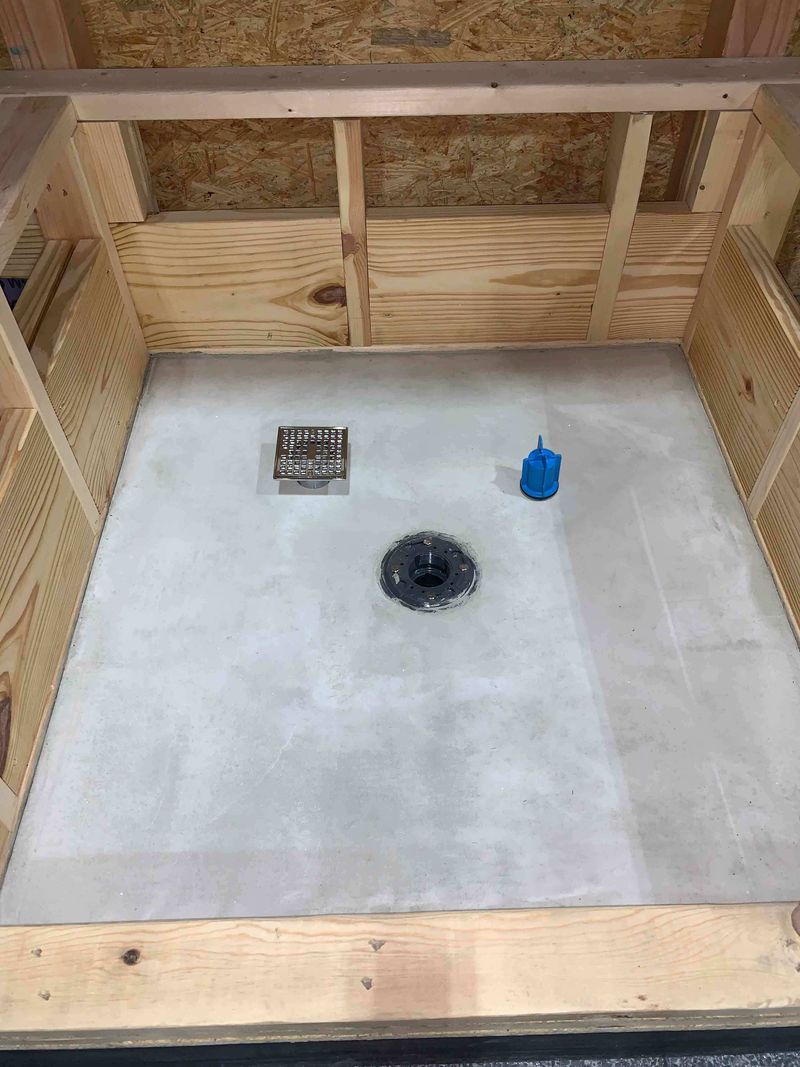
Water damage lurks behind beautiful tile work when waterproofing gets overlooked. Just one tiny leak can silently destroy your subfloor, walls, and even structural elements. Proper membrane systems aren’t glamorous but they’re your bathroom’s true heroes.
Skip this critical step and you might find yourself doing another remodel sooner than planned—this time because of extensive water damage rather than by choice.
4. Overcrowding the space
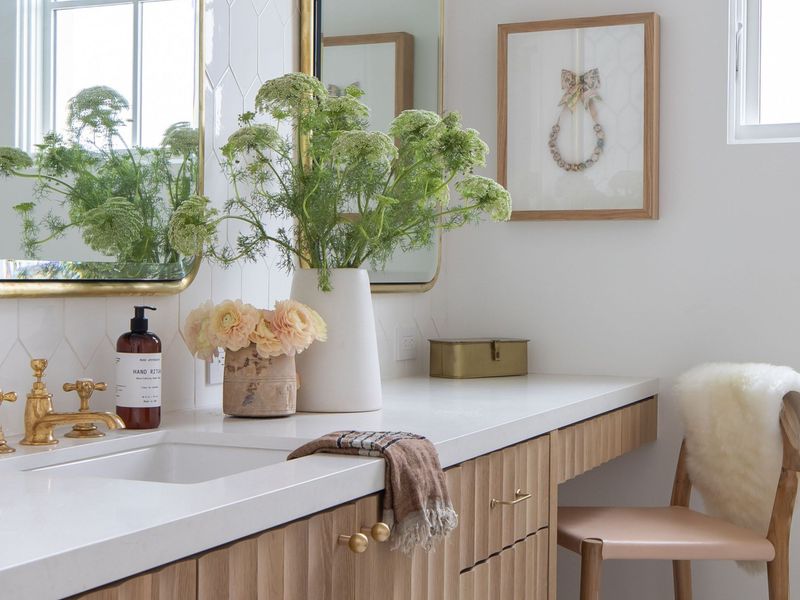
Bigger isn’t always better in bathroom fixtures! Cramming oversized tubs, massive vanities, and giant toilets into modest spaces creates a claustrophobic nightmare that’s both impractical and visually overwhelming. Breathing room matters in bathroom design. Properly scaled fixtures that allow comfortable movement make even small bathrooms feel luxurious. Focus on proportion and flow rather than cramming in every feature on your wish list.
5. Poor lighting choices
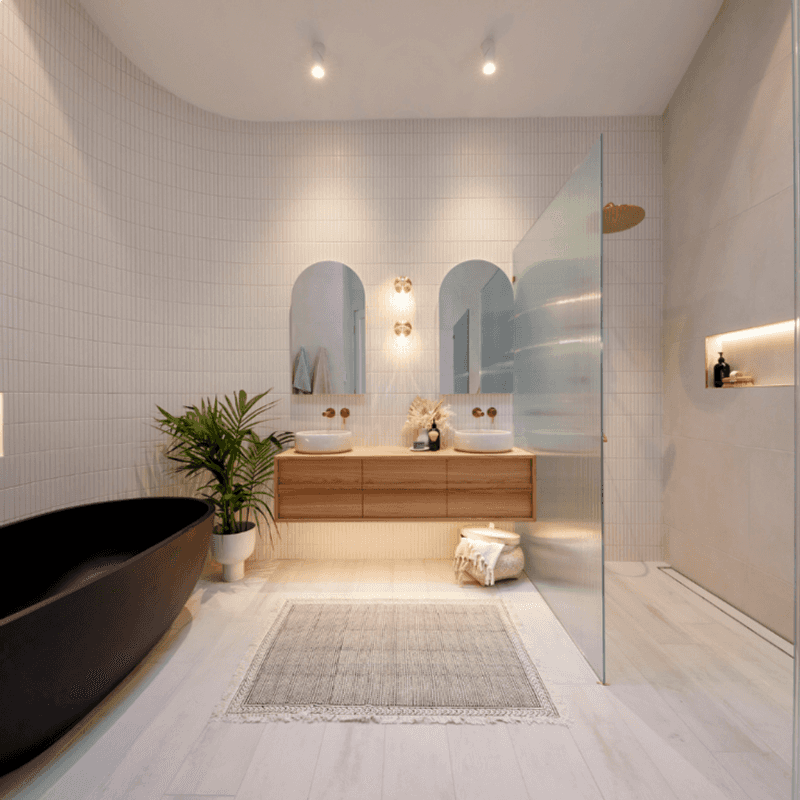
Shadows on your face while shaving or applying makeup are more than just annoying—they’re the result of bad lighting planning. Single overhead lights create unflattering shadows that make daily grooming tasks frustrating.
Layered lighting transforms bathroom functionality. Combine ambient ceiling fixtures with proper task lighting at the vanity and accent lighting to highlight architectural features. Well-planned illumination makes your bathroom both more functional and more beautiful.
6. Forgetting storage needs
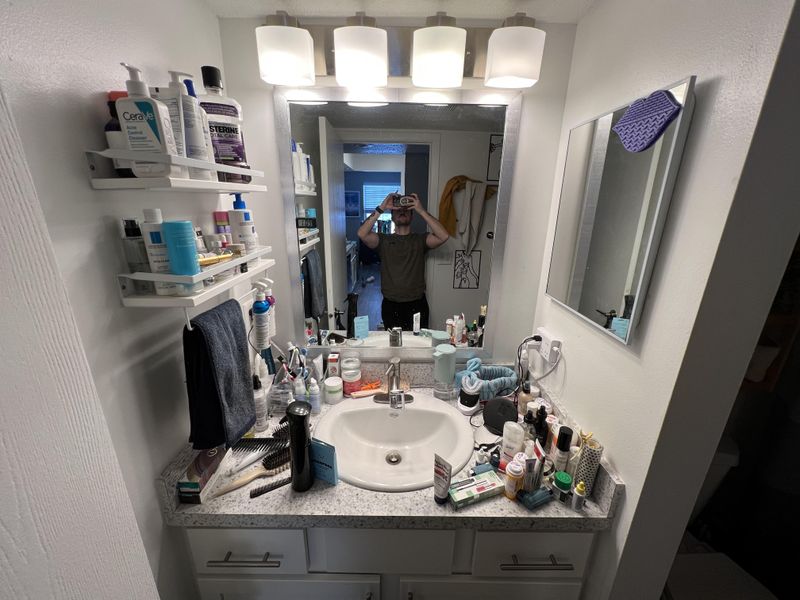
Morning routines quickly become chaotic when toothbrushes, makeup, hair products, and medicines have nowhere to live except cluttering your countertops. Real-life bathrooms need practical storage solutions. Smart storage doesn’t require massive space.
Medicine cabinets, vanity drawers, recessed niches in shower walls, and vertical shelving can keep essentials organized without sacrificing style. Plan storage based on your actual daily needs, not just what looks pretty in magazines.
7. Using slippery flooring
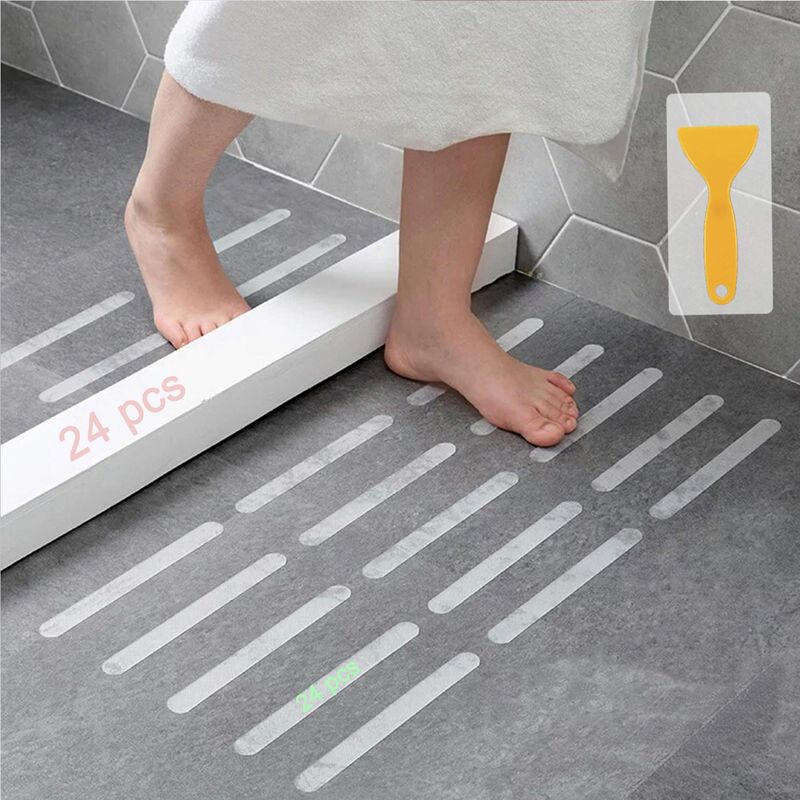
Glossy marble might look magazine-worthy until someone takes a dangerous fall on its slick surface. Bathroom floors get wet—that’s just reality—making slip resistance a critical safety feature, not an optional consideration.
Textured porcelain tiles, natural stone with honed finishes, or luxury vinyl with grip ratings provide both beauty and security. Look for flooring specifically rated for bathroom use with slip-resistance certifications, especially if children or older adults use the space.
8. Neglecting plumbing inspections
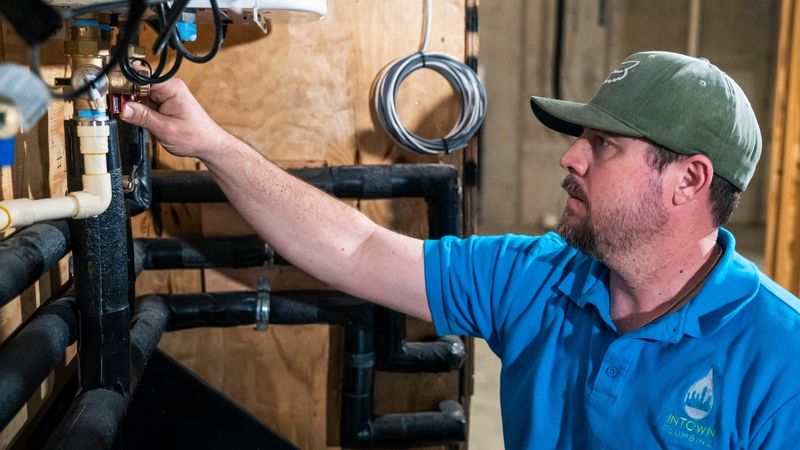
Hidden behind your walls lies the potential for disaster if old pipes aren’t properly evaluated before your remodel. What seems like a simple cosmetic update can turn into a major reconstruction if corroded pipes burst after you’ve installed expensive new finishes.
Professional plumbing inspections catch problems before they become catastrophes. Camera scopes can reveal clogs, corrosion, or improper venting that might compromise your beautiful new bathroom. Address plumbing issues first, then build your dream space.
9. Choosing trends over function
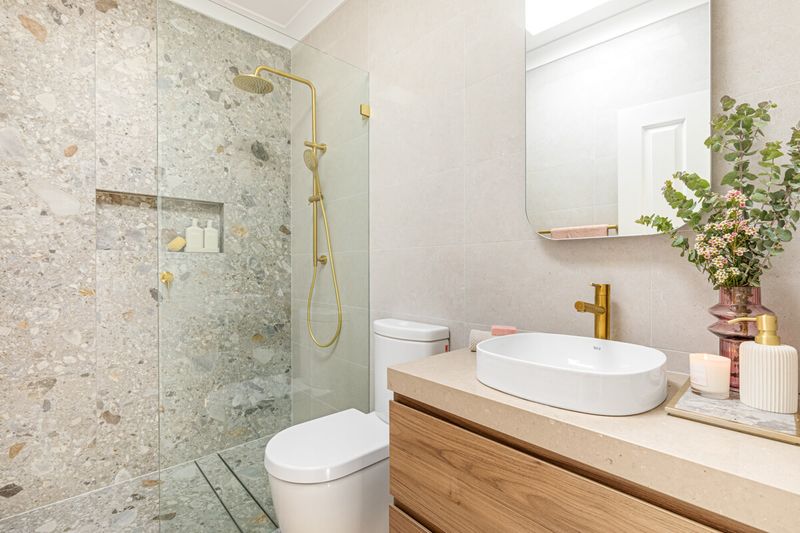
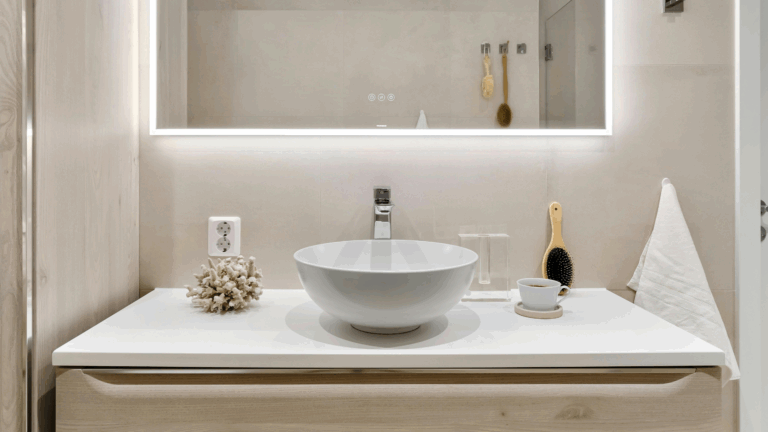
Vessel sinks look stunning on Pinterest but quickly lose their charm when you’re constantly wiping water from surrounding countertops. Design choices should enhance your daily routine, not complicate it. Function-first thinking prevents remodel regret.
Will that trendy feature still work for you in five years? Is it comfortable to use daily? Does it meet your family’s specific needs? Answer these questions honestly before committing to design elements that might not stand the test of time.
10. DIYing complex tasks without experience
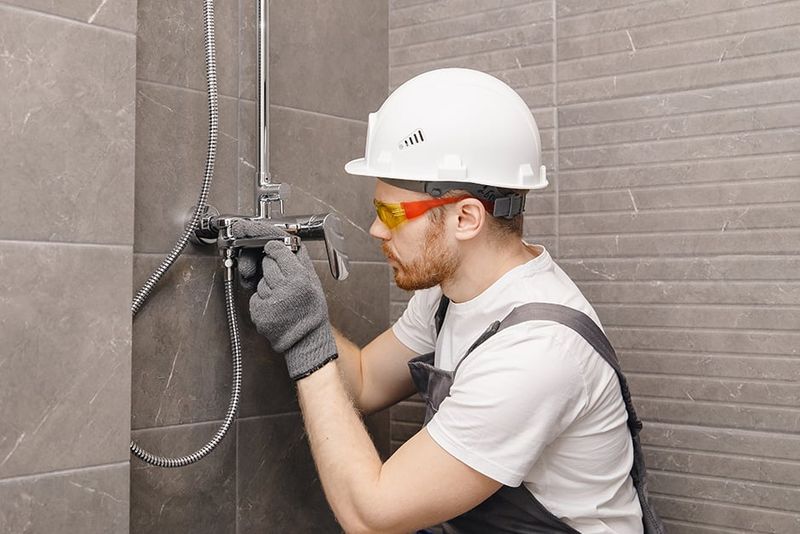
YouTube tutorials make tile installation look deceptively simple until you’re knee-deep in thinset with crooked lines and uneven surfaces. Bathrooms involve multiple specialized skills—plumbing, electrical, waterproofing, and finishing work.
Know your DIY limits honestly. Handle simple cosmetic updates yourself if you’re handy, but leave critical systems to professionals. The money saved by DIYing often disappears when professionals must fix mistakes later. Sometimes hiring experts from the start is actually the budget-friendly choice.
11. Ignoring building codes
Building codes exist for safety, not to complicate your renovation dreams! Skipping permits might seem harmless until your insurance denies a claim for damage caused by non-compliant work. Code requirements for electrical outlets, ventilation, and waterproofing protect you and future homeowners.
Beyond potential fines, non-permitted work can complicate selling your home later. Proper permits also ensure professional inspections that catch potential safety issues before they become dangerous.
12. Installing non-waterproof lighting
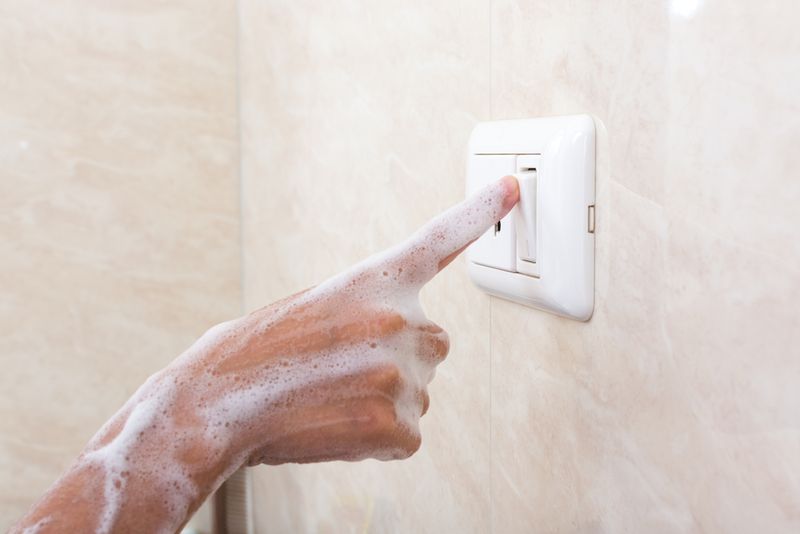
Mixing electricity and water creates deadly hazards when regular fixtures are installed in wet zones. Standard light fixtures corrode quickly in bathroom environments and potentially create shock risks. Wet-rated and damp-rated fixtures aren’t just suggestions—they’re life-saving requirements.
Look for proper UL ratings for shower and tub areas (wet-rated) and for general bathroom spaces (damp-rated). Never compromise on electrical safety, even if specialty fixtures cost more initially.
13. Skimping on professional help for electrical/plumbing
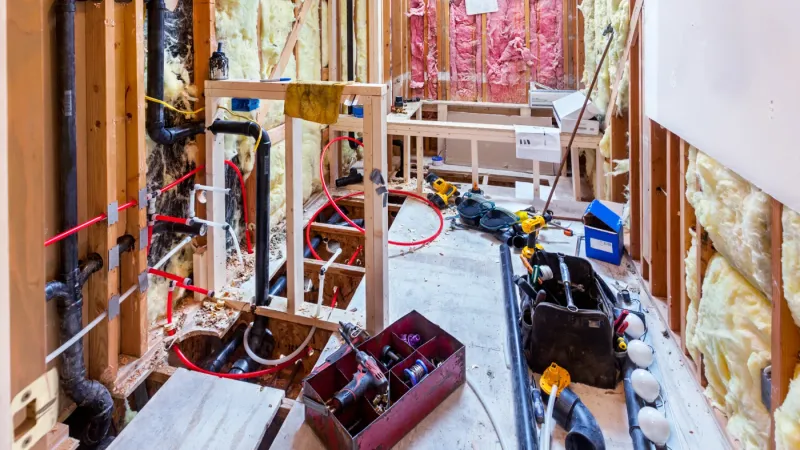
Faulty wiring hidden behind walls or improperly soldered pipes can lead to catastrophic failures long after your contractor has disappeared. Some systems simply require professional expertise. Licensed professionals bring code knowledge and specialized skills to critical bathroom systems.
Their work typically comes with warranties and proper insurance coverage too. While hiring professionals increases upfront costs, it dramatically reduces expensive emergency repairs and potential safety hazards down the road.
14. Overloading circuits
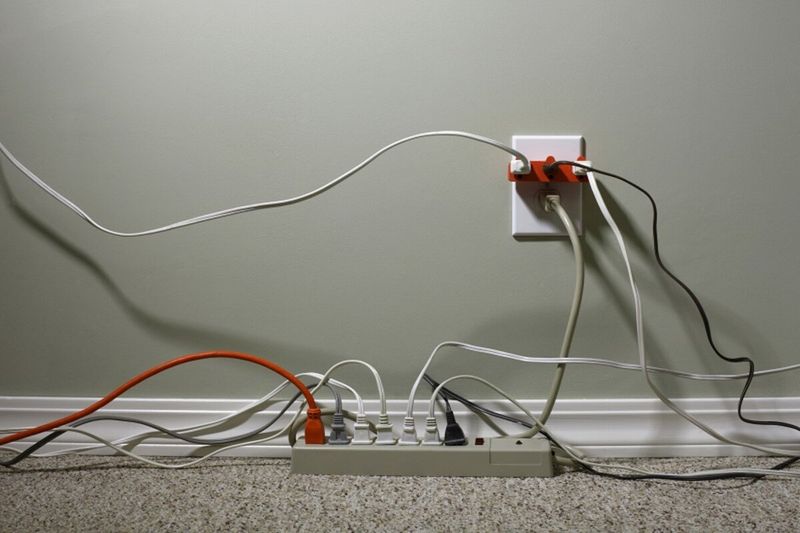
Morning routines grind to a halt when blow dryers, curling irons, and electric shavers trip your circuit breaker. Many older homes weren’t wired for today’s power-hungry bathroom gadgets. Modern bathrooms need dedicated 20-amp GFCI-protected circuits to handle multiple devices safely. Electrical upgrades might seem like an unnecessary expense until you’re repeatedly resetting breakers mid-shower. Proper electrical planning prevents frustration and eliminates dangerous overloaded circuits that could cause fires.
15. Neglecting to plan for future maintenance
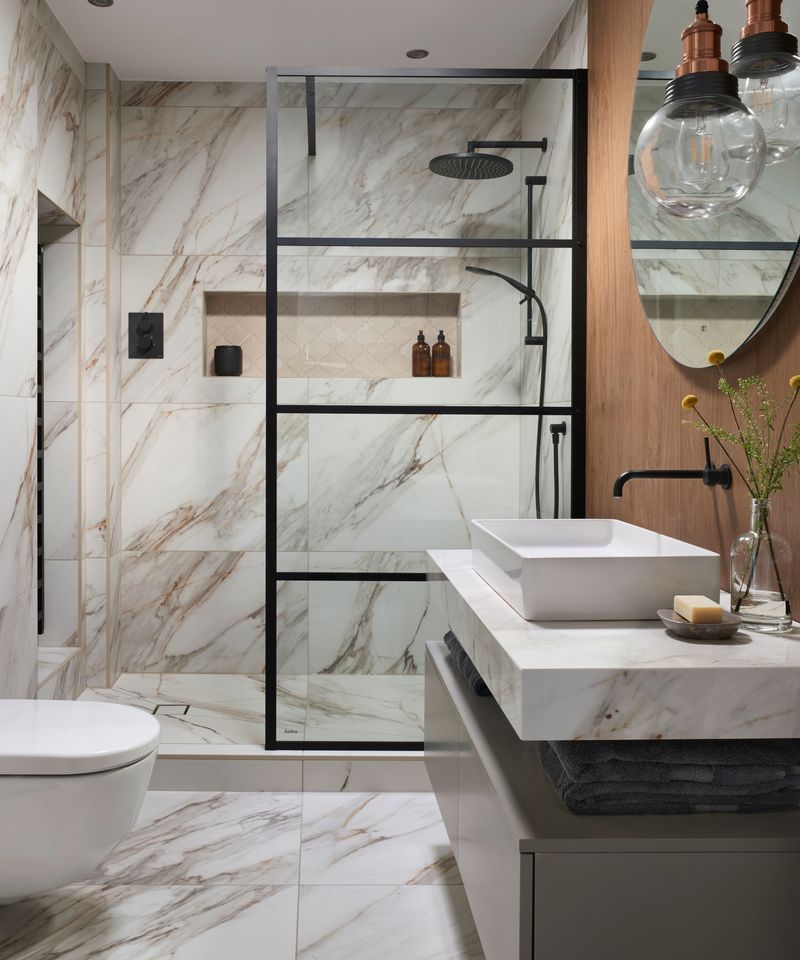
Gorgeous wall-to-wall tile loses its appeal when you need to demolish it to access a leaking pipe. Thoughtful design includes planning for inevitable maintenance needs. Access panels, removable sections, and strategic placement of critical components make future repairs simpler and less destructive.
Consider how you’ll reach shut-off valves, traps, and junction boxes years later. Small planning details now prevent major headaches and expenses when something eventually needs maintenance.