15 Everyday Items You Didn’t Realize Are Disrupting Your Kitchen’s Flow
Your kitchen should be a place where cooking feels effortless and enjoyable, but sometimes hidden culprits are sabotaging your efficiency without you even noticing.
From gadgets that steal valuable counter space to organizational mishaps that slow you down, these common items might be the reason your kitchen doesn’t function as smoothly as it could.
Identifying these flow-blockers is the first step toward creating a more harmonious and productive cooking space.
1. Bulky Countertop Appliances
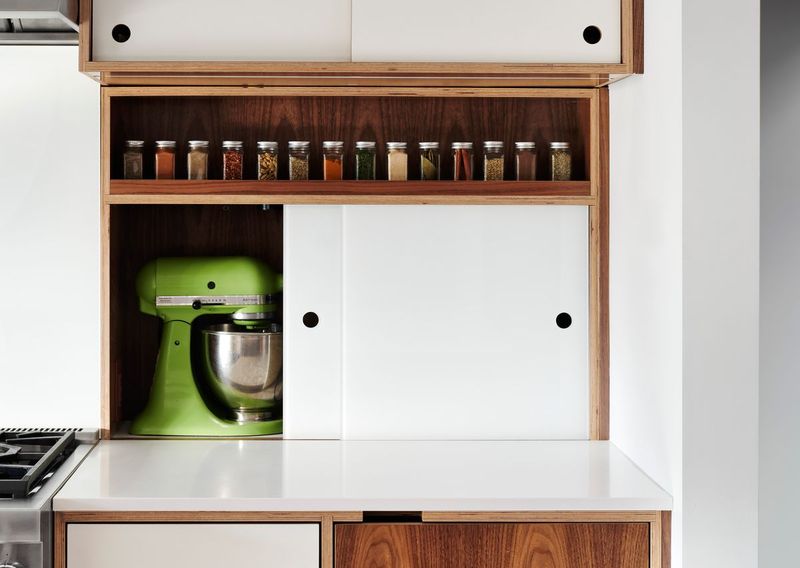
Large appliances left permanently on countertops drastically reduce your working space. Strategic storage solutions can rescue your prep area without sacrificing convenience.
Consider appliance garages or dedicated cabinet shelves that keep these tools accessible yet out of the way when not in daily use.
2. Overstuffed Utensil Jars
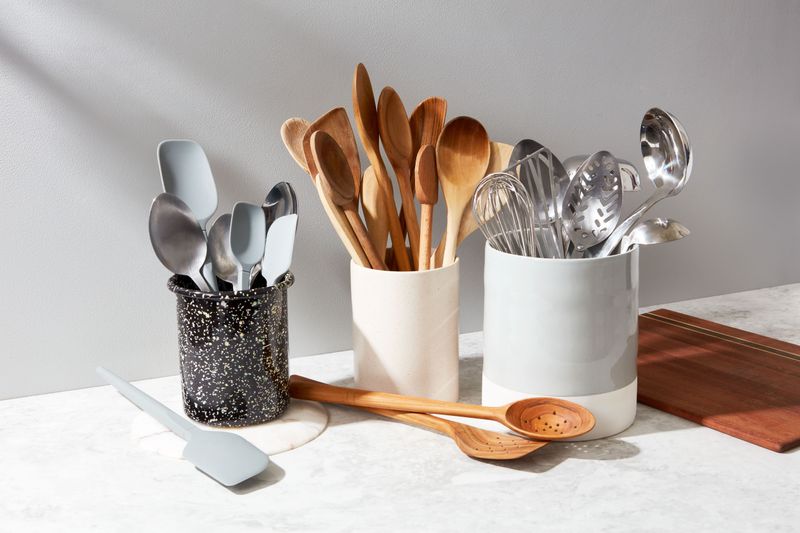
Rummaging through a jungle of spatulas and wooden spoons wastes precious cooking minutes. When utensil holders become catch-all containers, efficiency plummets.
A practical approach involves keeping only daily essentials within arm’s reach. The rest can find homes in drawers organized by function. This simple change creates visual calm while ensuring you can grab exactly what you need without frustrating searches.
3. Mismatched Food Storage Containers
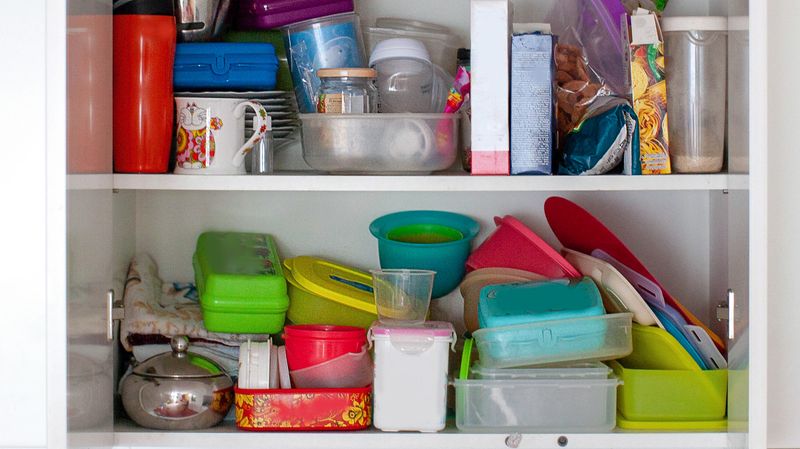
Looking for the right lid among a chaotic collection of plastic containers can feel like solving a frustrating puzzle. Random shapes and sizes create unnecessary cabinet congestion.
Investing in a uniform storage system with stackable pieces pays dividends in saved space and sanity. When containers nest neatly and lids have designated spots, meal prep becomes smoother and leftover storage stops being a dreaded chore.
4. Oversized Cutting Boards
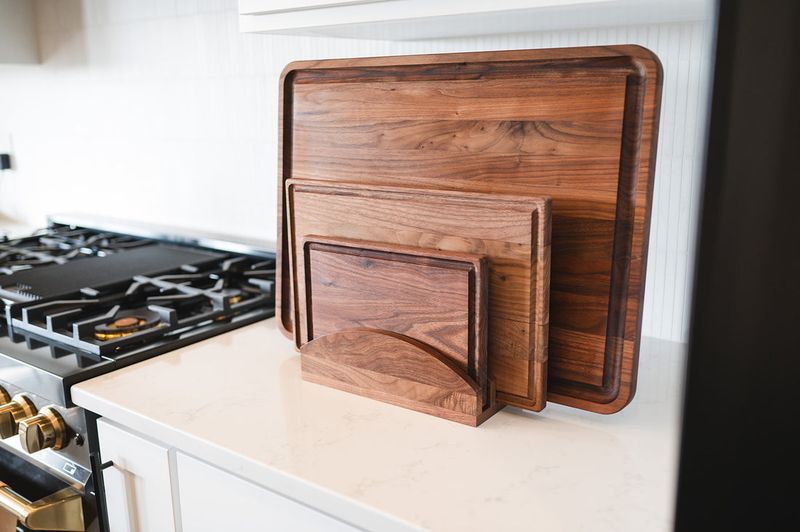
While that beautiful butcher block might look impressive, an excessively large cutting board can monopolize precious counter space. Many home cooks don’t realize how this single item restricts their workflow.
Having multiple boards in different sizes allows you to match the tool to the task. Store larger boards vertically between cabinets or on wall-mounted racks when not in use, freeing up valuable prep space.
5. Multiple Knife Blocks
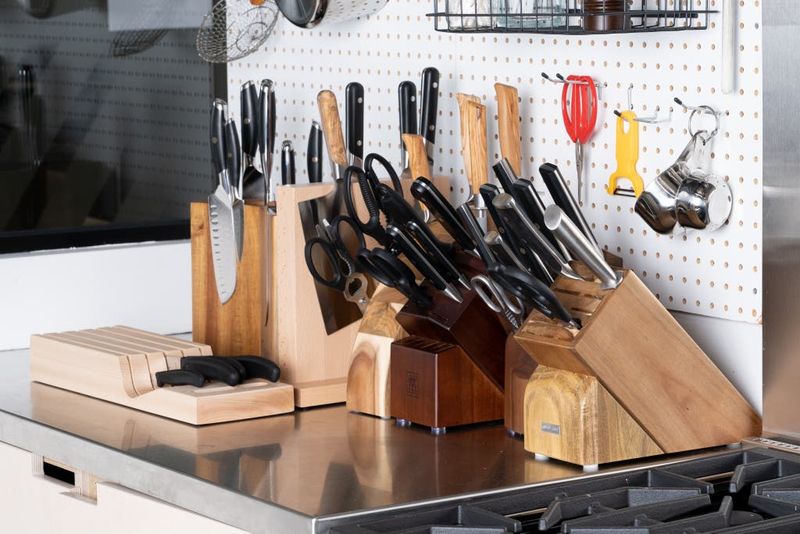
Having several knife collections scattered around creates unnecessary duplication and wastes valuable counter real estate. Many households accumulate these over time without realizing the redundancy.
Consolidating your blades into one quality set with a space-efficient storage solution makes cooking more streamlined. Magnetic strips, in-drawer organizers, or slim vertical blocks can keep your essential knives accessible without commandeering counter space needed for actual food preparation.
6. Dish Drying Racks
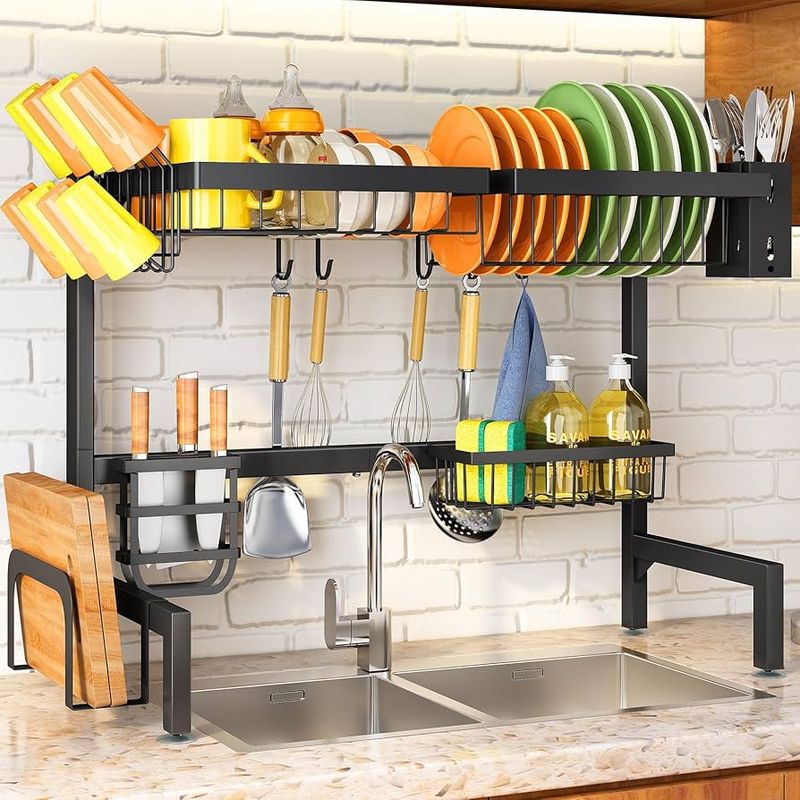
Traditional countertop drying racks occupy prime kitchen real estate 24/7, yet are actively used for just a fraction of that time. This permanent fixture creates a constant workflow bottleneck.
Modern alternatives like roll-up racks that extend over the sink or collapsible versions that store away after use offer superior space management. Some European-style cabinets even feature hidden drying compartments above the sink, keeping dishes out of sight while they air dry.
7. Heavy Spice Racks
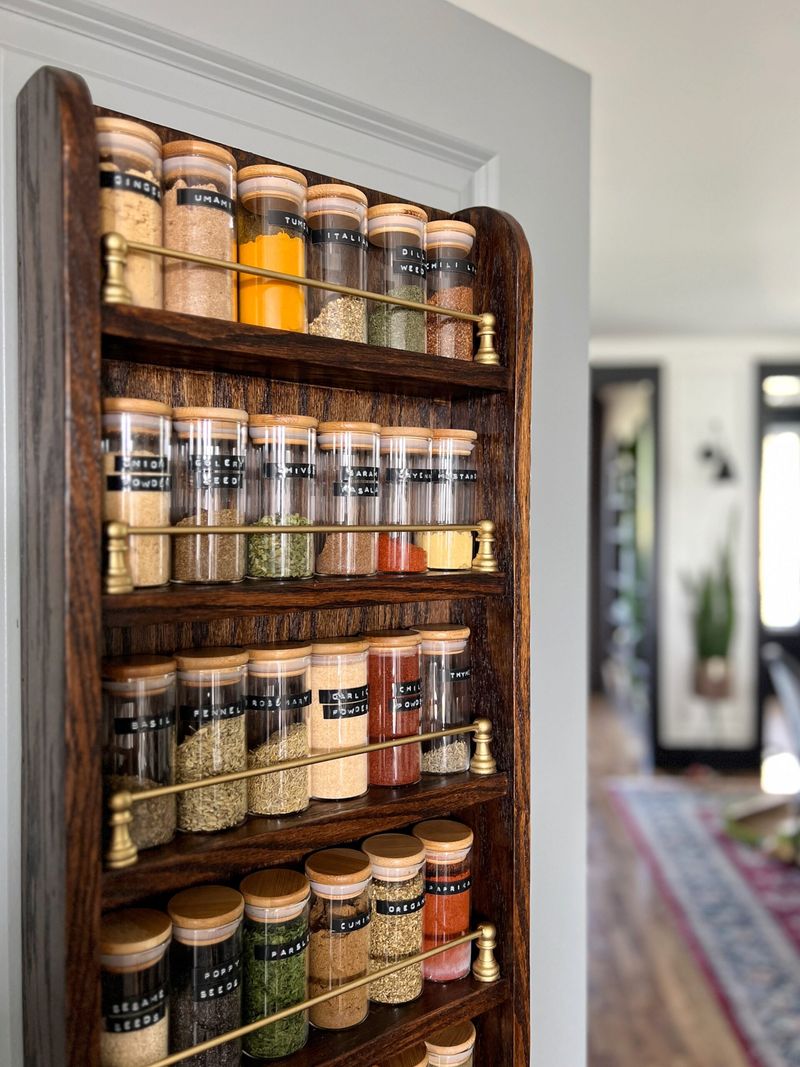
Massive spice collections in bulky storage systems can dominate valuable counter or cabinet space. Worse yet, these arrangements often make it difficult to find specific ingredients quickly.
Streamlined solutions like drawer inserts with jars laid flat or vertical wall-mounted systems can transform your seasoning situation. Alphabetical organization or grouping by cuisine type further enhances efficiency, ensuring you can grab exactly what you need without disrupting your cooking flow.
8. Open Shelving Overload
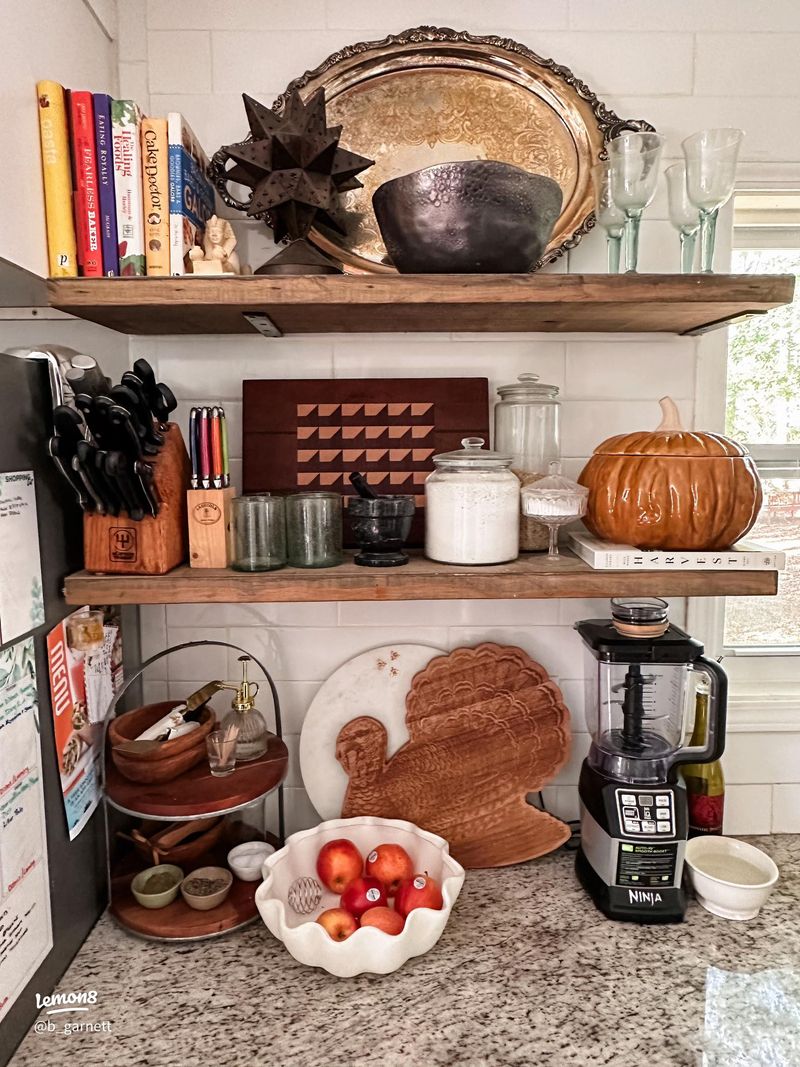
While stylish in design magazines, heavily loaded open shelves can create visual noise that subtly stresses you out while cooking. The constant visual input from exposed items competes for your mental attention.
Curating these displays thoughtfully makes a significant difference. Keep everyday essentials at eye level while storing visually busy items behind cabinet doors. This balanced approach maintains the aesthetic appeal of open shelving without the psychological weight of seeing everything at once.
9. Wall Decor in Prep Zones
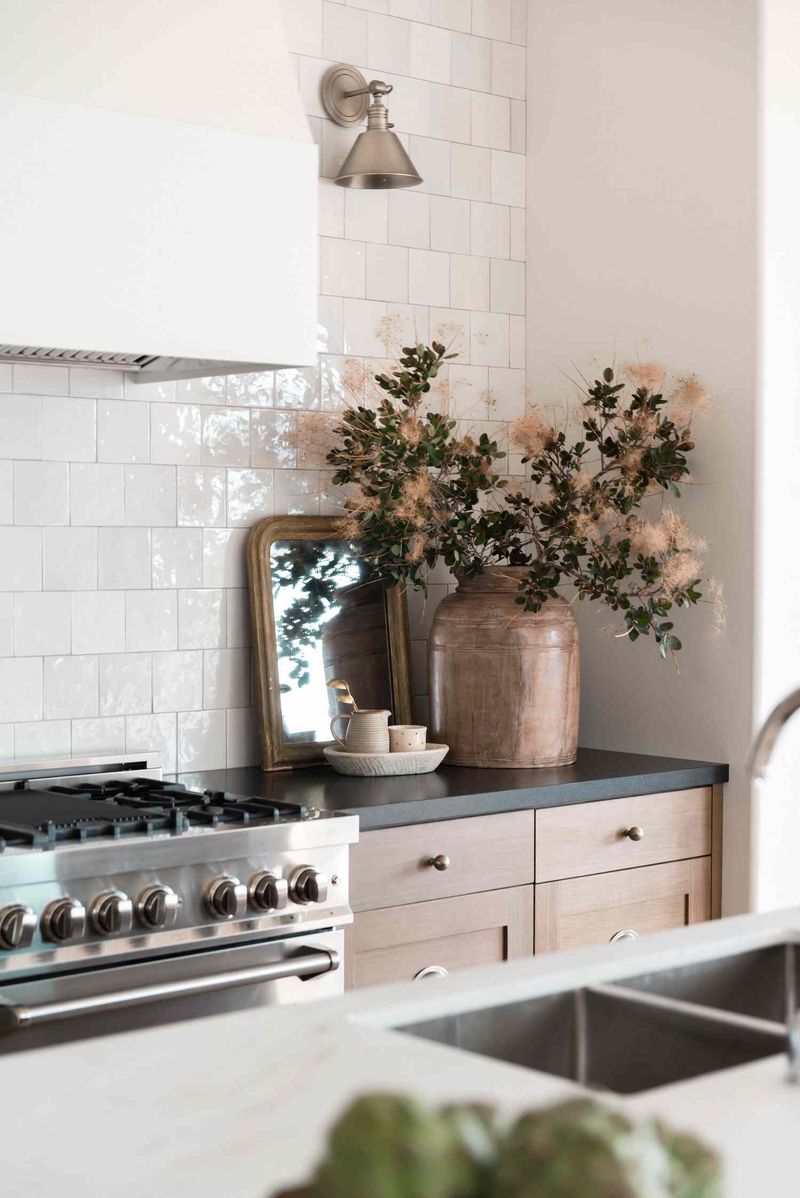
Artwork and decorative signs might seem harmless until they’re splattered with sauce. Placing decor directly behind stoves or prep areas creates cleaning headaches and workflow obstacles.
Reserve wall space near high-activity zones for practical items like utensil rails or magnetic knife strips. This approach maintains your kitchen’s personality while enhancing function. Decorative elements can still shine in dining areas or other less-active sections of your kitchen.
10. Too Many Mugs
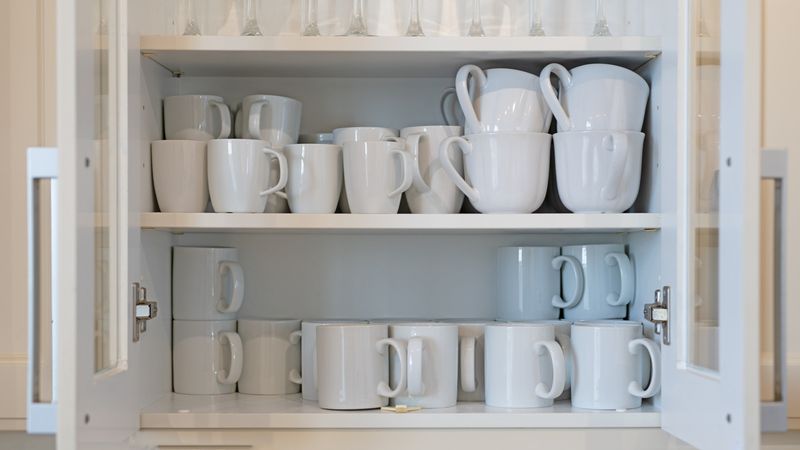
Souvenir and novelty mugs multiply mysteriously, gradually consuming entire cabinets while pushing everyday dishes into inconvenient locations. This common collection often grows unchecked for years.
Limiting yourself to one dedicated shelf for special mugs creates natural boundaries. The rest can be displayed elsewhere as decor or thoughtfully passed along. This simple boundary-setting ensures your most-used dishes remain easily accessible.
11. Bulky Paper Towel Holders
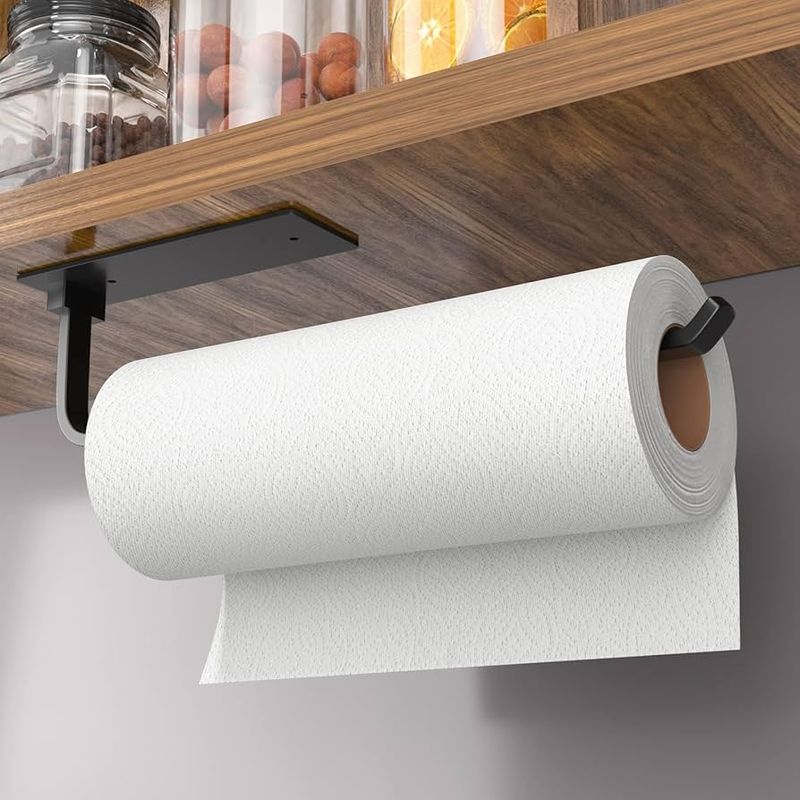
Standing paper towel dispensers consume precious counter space while offering minimal benefit over more efficient alternatives. Their awkward height and shape often make them unwieldy obstacles during busy cooking sessions.
Under-cabinet mounted dispensers or pull-out drawer systems keep these essentials accessible without sacrificing work surface. Some clever homeowners even install hidden holders inside cabinet doors, maintaining easy access while eliminating visual clutter altogether.
12. Underused Small Appliances
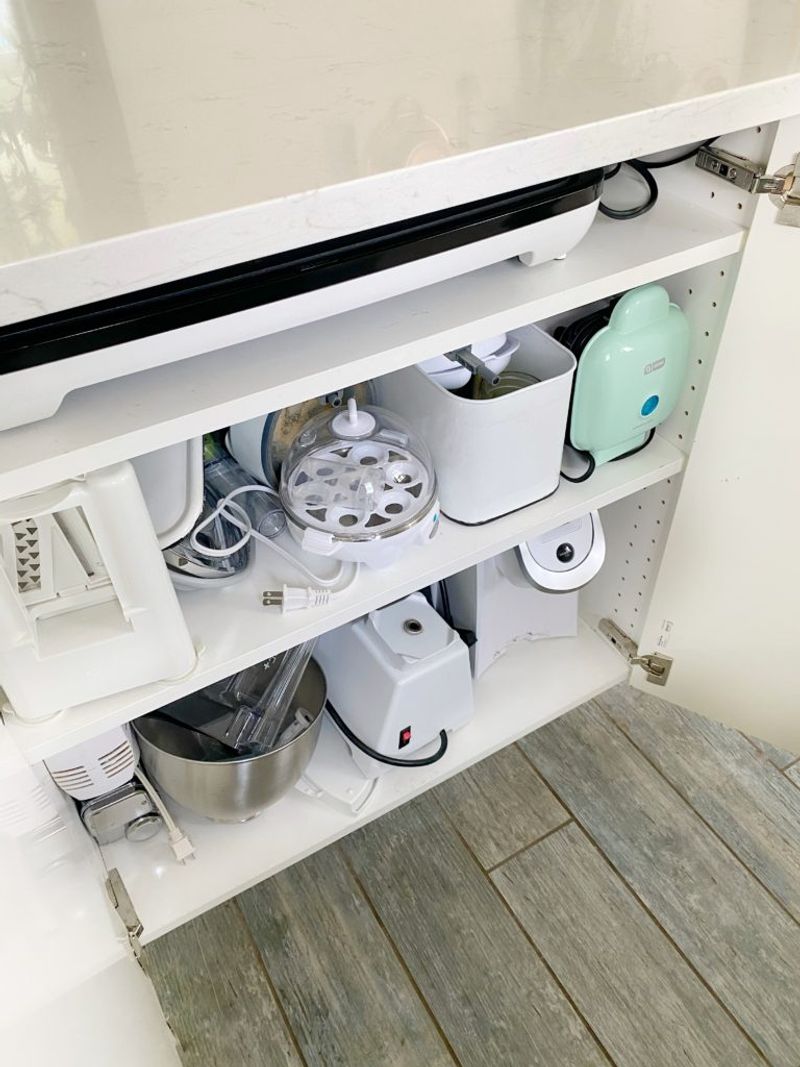
Remember that bread maker or pasta machine you used exactly twice? Specialty appliances often consume valuable storage while delivering minimal utility in return.
Being honest about which tools truly earn their keep can transform your kitchen storage situation. Consider borrowing specialty items for occasional use or investing in multi-purpose tools instead. This ruthless prioritization ensures your kitchen serves your actual cooking habits rather than aspirational ones.
13. Poorly Organized Drawers
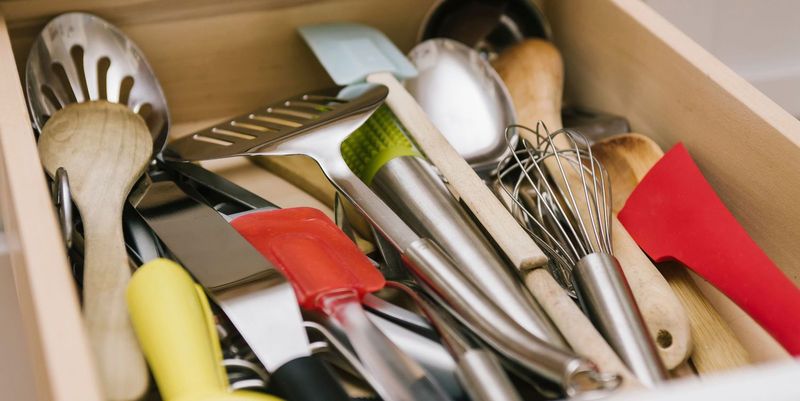
Rummaging through jumbled utensil drawers adds frustration and wasted minutes to meal preparation. Without thoughtful organization, even spacious drawers quickly become inefficient catch-all zones.
Custom dividers or adjustable organizers transform these chaos pockets into functional systems. Grouping similar items together and positioning frequently used tools in the most accessible spots creates intuitive workflow. This simple upgrade eliminates the daily aggravation of searching for basic tools.
14. Fridge Magnets and Papers
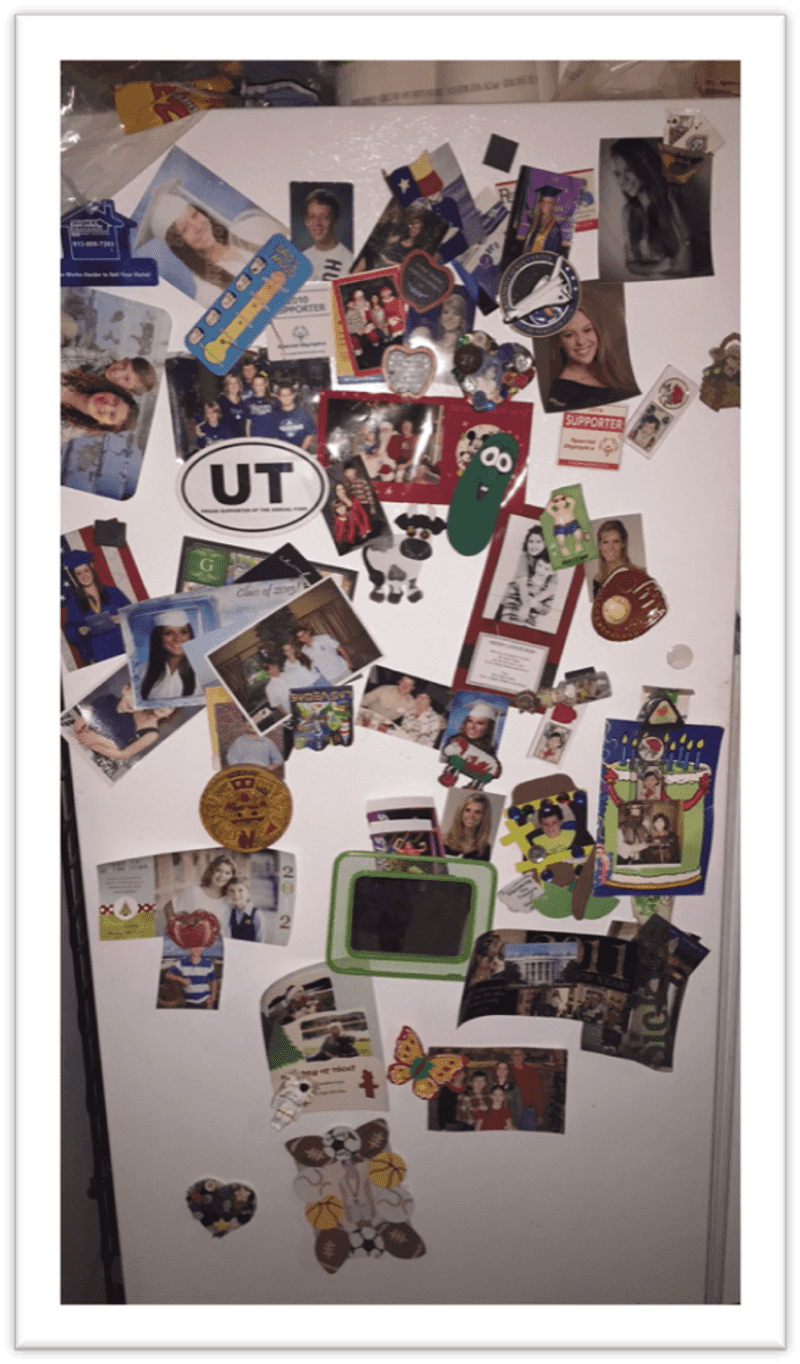
What starts as a few important notes can evolve into a chaotic collage that bombards you visually every time you enter the kitchen. This subtle visual noise affects your cooking mindset more than you might realize.
Creating alternative systems for papers and reminders, such as a dedicated bulletin board or digital solution, keeps important information organized without cluttering appliance surfaces. Your refrigerator can return to being a functional appliance rather than a disorganized command center.
15. Low-Quality Lighting
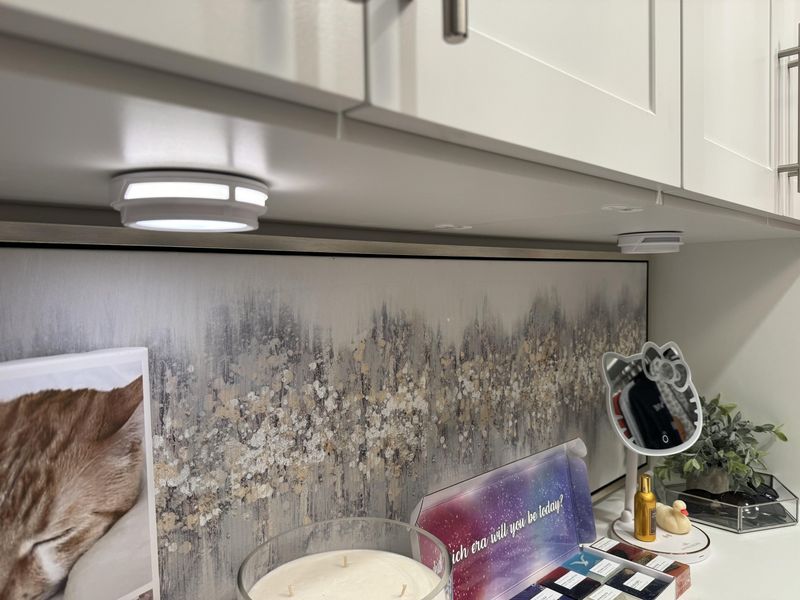
Inadequate illumination creates literal shadows on your cooking performance. Straining to see while chopping or reading recipes adds unnecessary stress and potential safety hazards.
Layered lighting transforms kitchen functionality instantly. Combine ambient ceiling fixtures with targeted under-cabinet lights and pendant fixtures over work zones. This comprehensive approach eliminates shadows while creating a more pleasant atmosphere for both cooking and gathering.