20 Disadvantages To Vinyl Sheet Flooring You Should Be Aware Of
Thinking about installing vinyl sheet flooring in your home? While this popular flooring option offers affordability and variety, it’s not without its downsides.
Before making your decision, you should know about some potential problems that might affect your satisfaction down the road.
Let’s explore the disadvantages that rarely make it into the sales pitch but could impact your long-term happiness with vinyl sheet flooring.
1. Easily Damaged by Sharp Objects
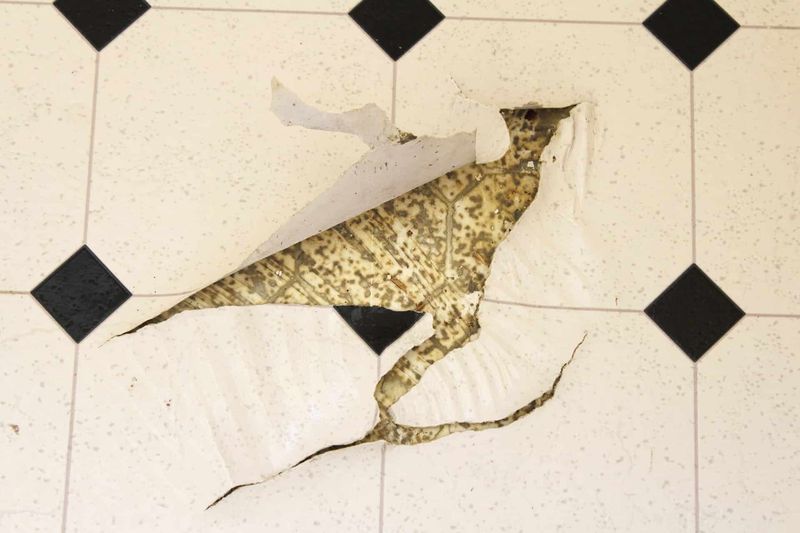
Ever dropped a knife in the kitchen? Vinyl sheet flooring won’t forgive such accidents. Unlike harder surfaces, vinyl is soft and susceptible to cuts, tears, and punctures from sharp objects.
Once damaged, the entire sheet may need replacement since repairs often remain visible. This vulnerability makes kitchens and craft rooms particularly risky spots for vinyl installation.
2. Fades in Direct Sunlight
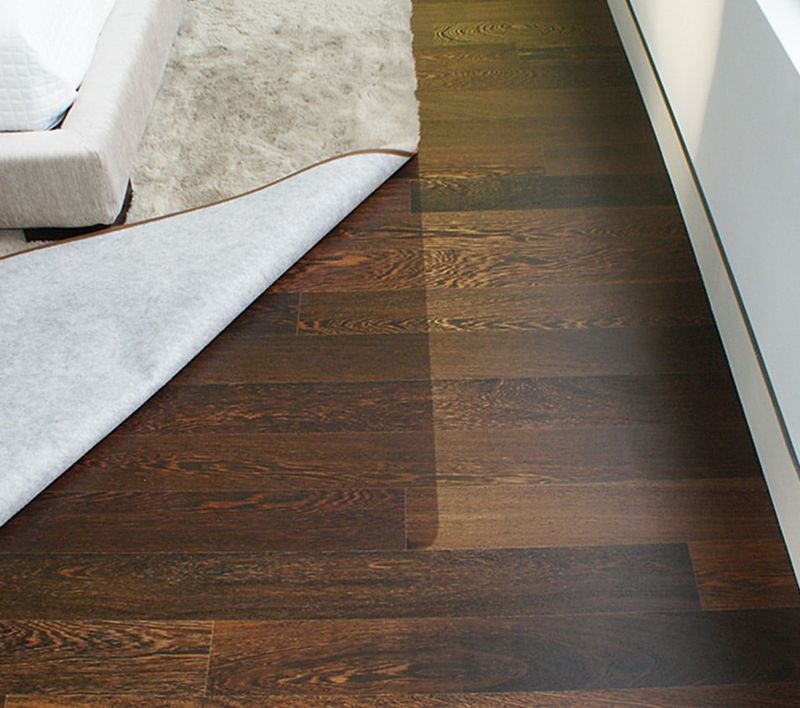
Morning sunshine streaming through your windows might seem delightful until you notice the uneven coloring of your floor. Vinyl sheet flooring is notoriously vulnerable to UV rays, which cause fading and discoloration over time.
Rooms with large windows or southern exposure often show this wear first. The result? Patches of faded flooring where sunlight regularly hits, creating an uneven, aged appearance that’s impossible to fix without replacement.
3. Prone to Denting and Indentation
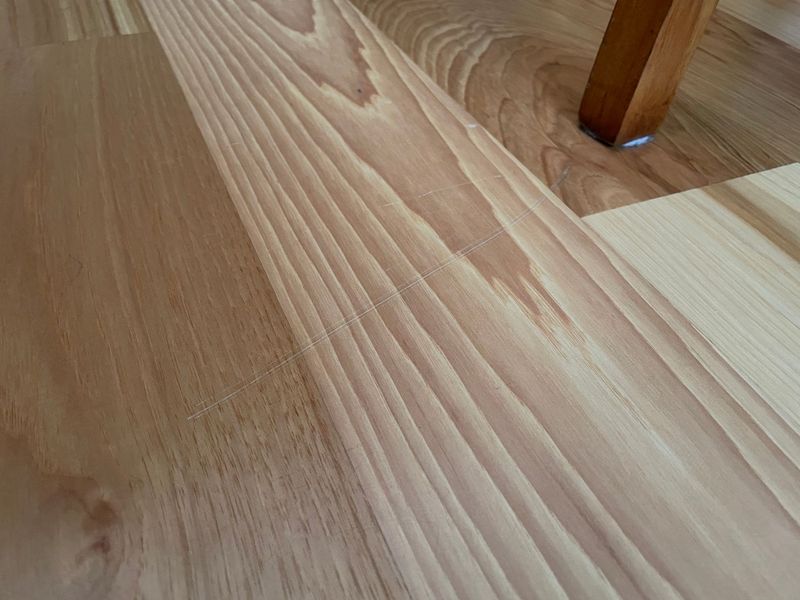
Heavy furniture can leave lasting impressions on your vinyl floor. Unlike harder flooring materials, vinyl sheet has a tendency to develop permanent dents under the weight of appliances, couches, or even high-heeled shoes.
Moving furniture around later only reveals these telltale depressions. For households with heavy items or frequent furniture rearrangement, these indentations become an unsightly reminder of vinyl’s softer composition.
4. Chemical Staining Issues
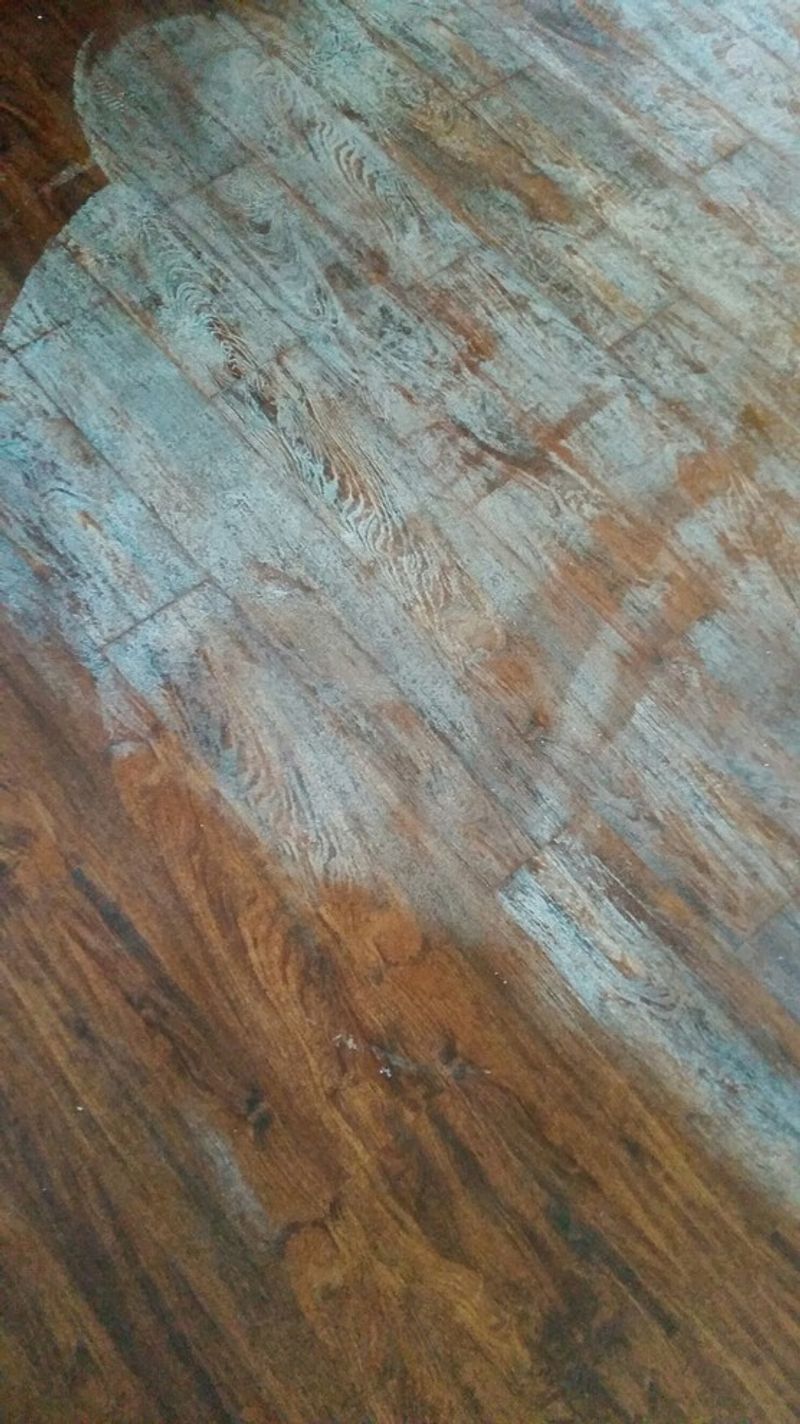
Spilled some nail polish remover? You might be looking at a permanent reminder on your vinyl floor. Certain chemicals react with vinyl’s composition, causing discoloration or deterioration that no amount of cleaning can fix.
Common household products containing solvents, rubber, and certain dyes can leave lasting marks. This susceptibility makes vinyl particularly problematic in bathrooms where cosmetics and cleaning products are frequently used.
5. Difficult Complete Removal
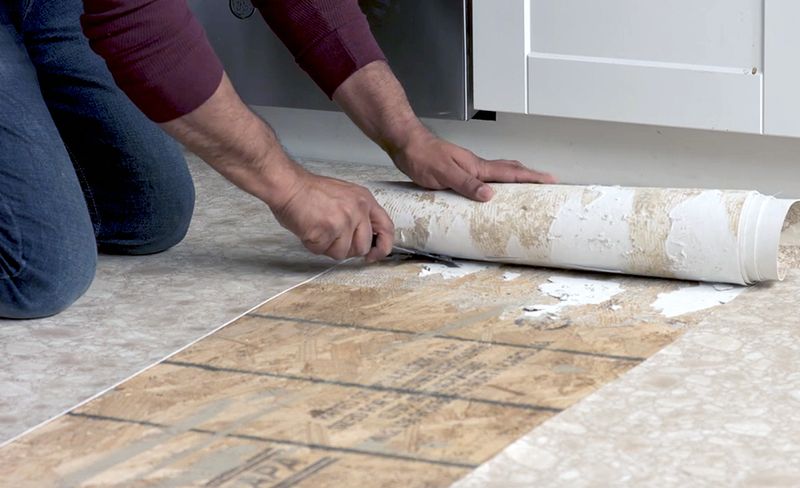
Changing your mind about vinyl flooring? Prepare for a workout! Removing vinyl sheet flooring ranks among the most frustrating home improvement tasks due to the strong adhesives used during installation.
The removal process often damages the subfloor, requiring additional repairs before new flooring can be installed. Many homeowners end up hiring professionals, adding unexpected costs to what should be a simple flooring update.
6. Poor Temperature Insulation
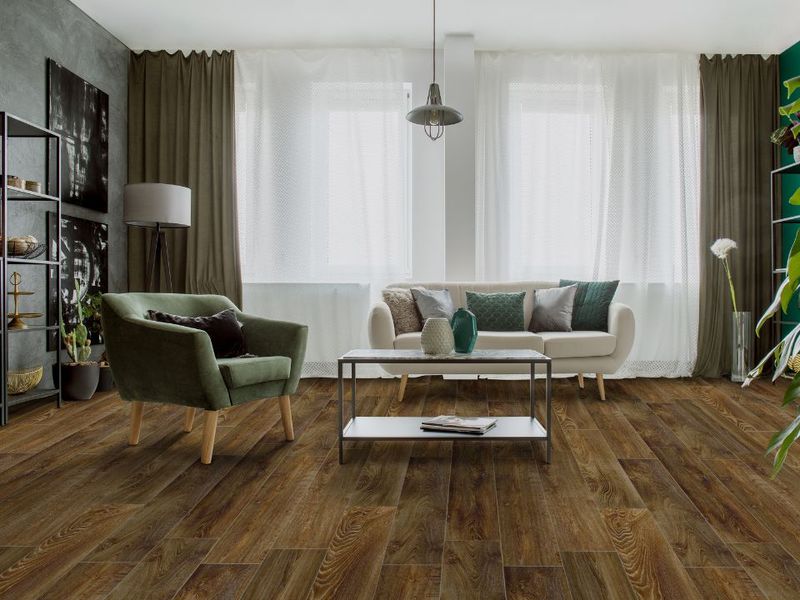
Winter mornings bring an unwelcome surprise with vinyl flooring – it gets cold! Unlike materials such as cork or carpet that provide natural insulation, vinyl quickly adopts the temperature of its surroundings.
This lack of insulation means chilly floors in winter and sometimes uncomfortably warm surfaces in summer. For homes in regions with temperature extremes, this characteristic can significantly impact comfort levels throughout the year.
7. Potential Health Concerns
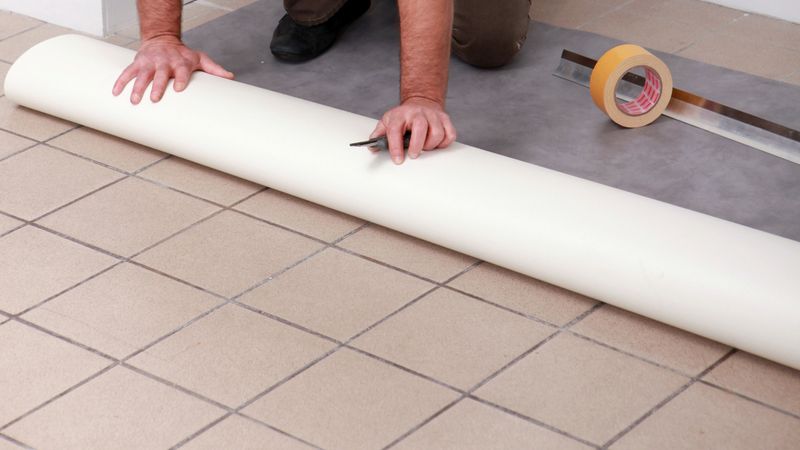
What’s that smell after installation? New vinyl flooring can release volatile organic compounds (VOCs) into your home’s air. These chemicals, which give vinyl its distinctive “new floor smell,” may trigger respiratory issues, headaches, or allergic reactions in sensitive individuals.
Lower-quality vinyl products tend to have higher VOC emissions. While outgassing decreases over time, health-conscious homeowners often find this initial period concerning, especially in homes with children or those with respiratory conditions.
8. Impossible to Refinish
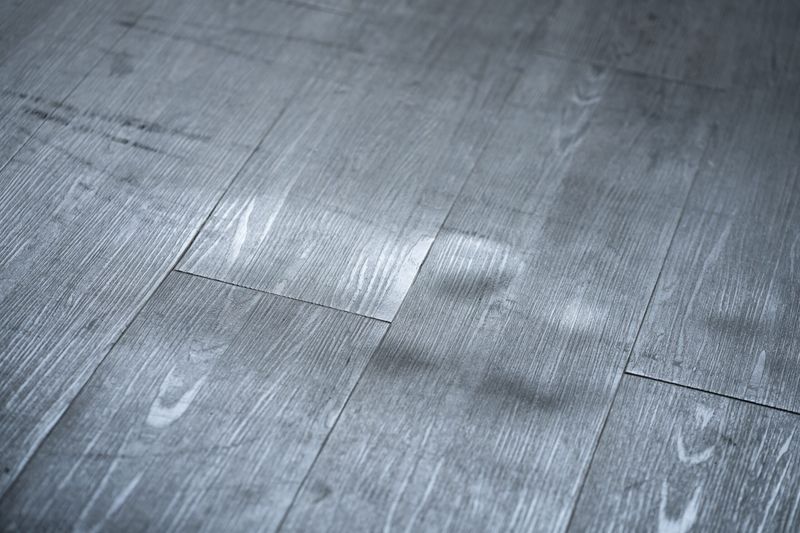
Unlike hardwood that can be sanded and refinished multiple times, vinyl sheet flooring offers no second chances. When it wears out or becomes damaged, replacement is your only option.
The wear layer eventually thins with regular use, especially in high-traffic areas. This non-renewable nature means that even minor widespread wear requires complete replacement, making vinyl less cost-effective over decades compared to refinishable flooring options.
9. Environmental Impact Concerns
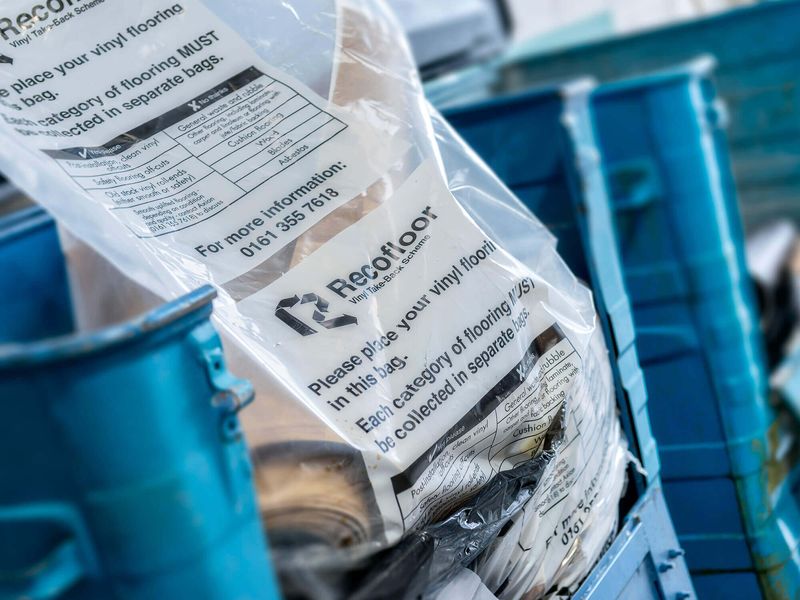
Green-minded homeowners should think twice about vinyl flooring. Most vinyl sheet products are made from polyvinyl chloride (PVC), a petroleum-based material that’s neither biodegradable nor easily recyclable.
At the end of its life cycle, vinyl typically ends up in landfills where it can take centuries to break down. Manufacturing processes also raise environmental concerns due to the chemicals involved and energy required, making vinyl a less eco-friendly choice compared to natural flooring alternatives.
10. Slippery When Wet
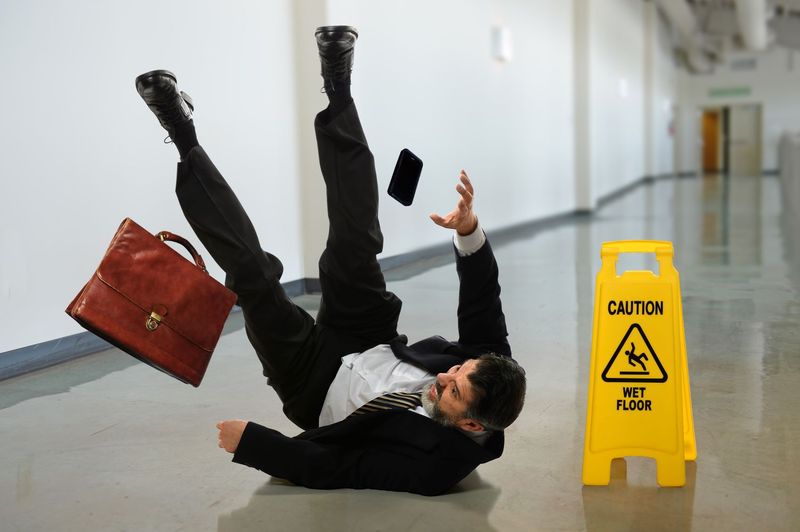
Walk carefully after mopping your vinyl floor! When moisture is present, vinyl sheet flooring can become surprisingly slippery, creating potential hazards, especially for households with elderly members or young children.
This slickness increases accident risks in naturally damp areas like bathrooms and entryways. While textured vinyl options exist, even these become significantly more slippery when wet compared to ceramic tile with proper slip ratings.
11. Lower Resale Value
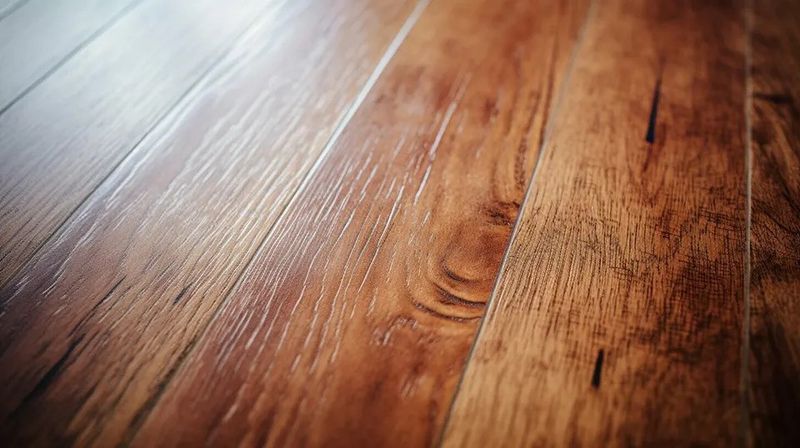
Real estate professionals have some bad news about vinyl floors. Homes with vinyl sheet flooring typically fetch lower prices compared to properties with hardwood, engineered wood, or even luxury vinyl tile.
Many prospective buyers view sheet vinyl as a budget option that they’ll need to replace. This perception can impact your home’s marketability and final selling price, making vinyl a questionable investment if you plan to sell your home within the next decade.
12. Vulnerable to Moisture Damage
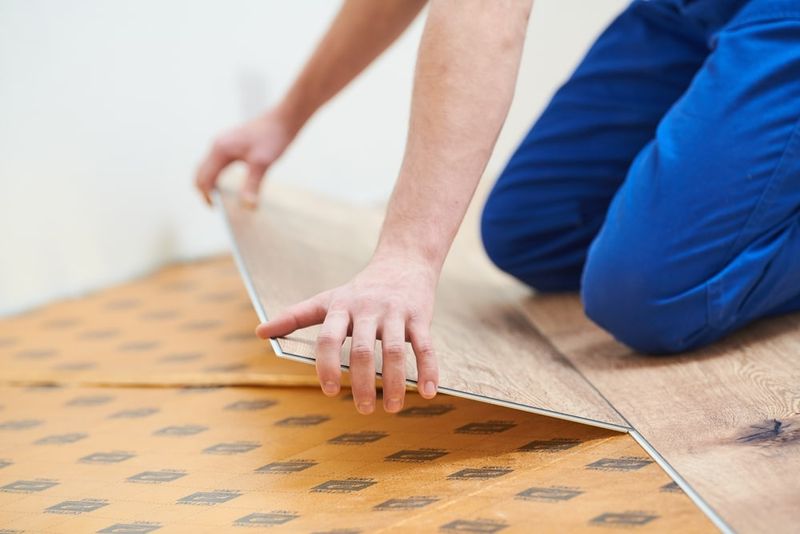
Water and vinyl have a complicated relationship. While the surface resists spills, moisture that seeps through seams or edges can become trapped underneath, leading to mold and mildew growth.
Once water infiltrates beneath the vinyl, it can loosen adhesives and cause bubbling or peeling. Bathrooms with frequent humidity and kitchens prone to spills present particular challenges, often requiring extra care during installation to prevent future moisture problems.
13. Limited Luxury Appeal
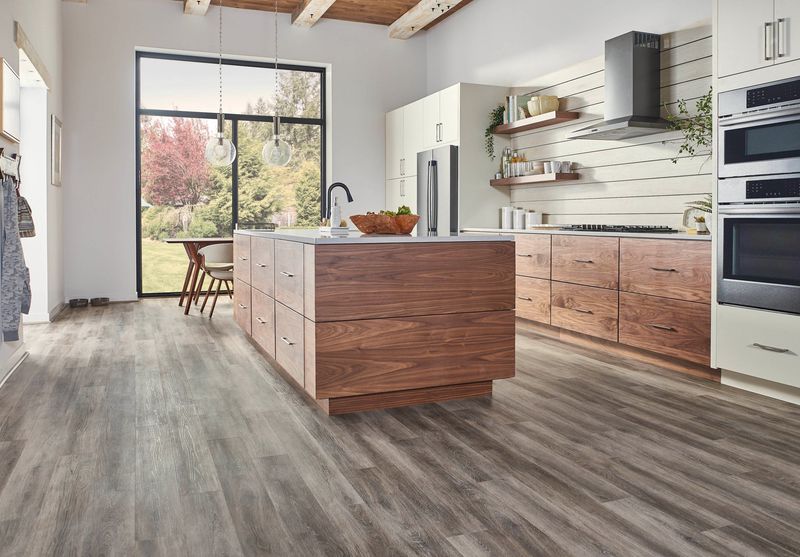
First impressions matter, and vinyl rarely impresses. Despite technological advances in printing techniques, vinyl sheet flooring still lacks the authentic look and feel of natural materials like hardwood or stone.
The repeating patterns become noticeable over larger areas, giving away the artificial nature of the flooring. Designers and architects often avoid vinyl in upscale projects because of this inherent limitation in creating truly luxurious spaces.
14. Traps Dirt in Seams
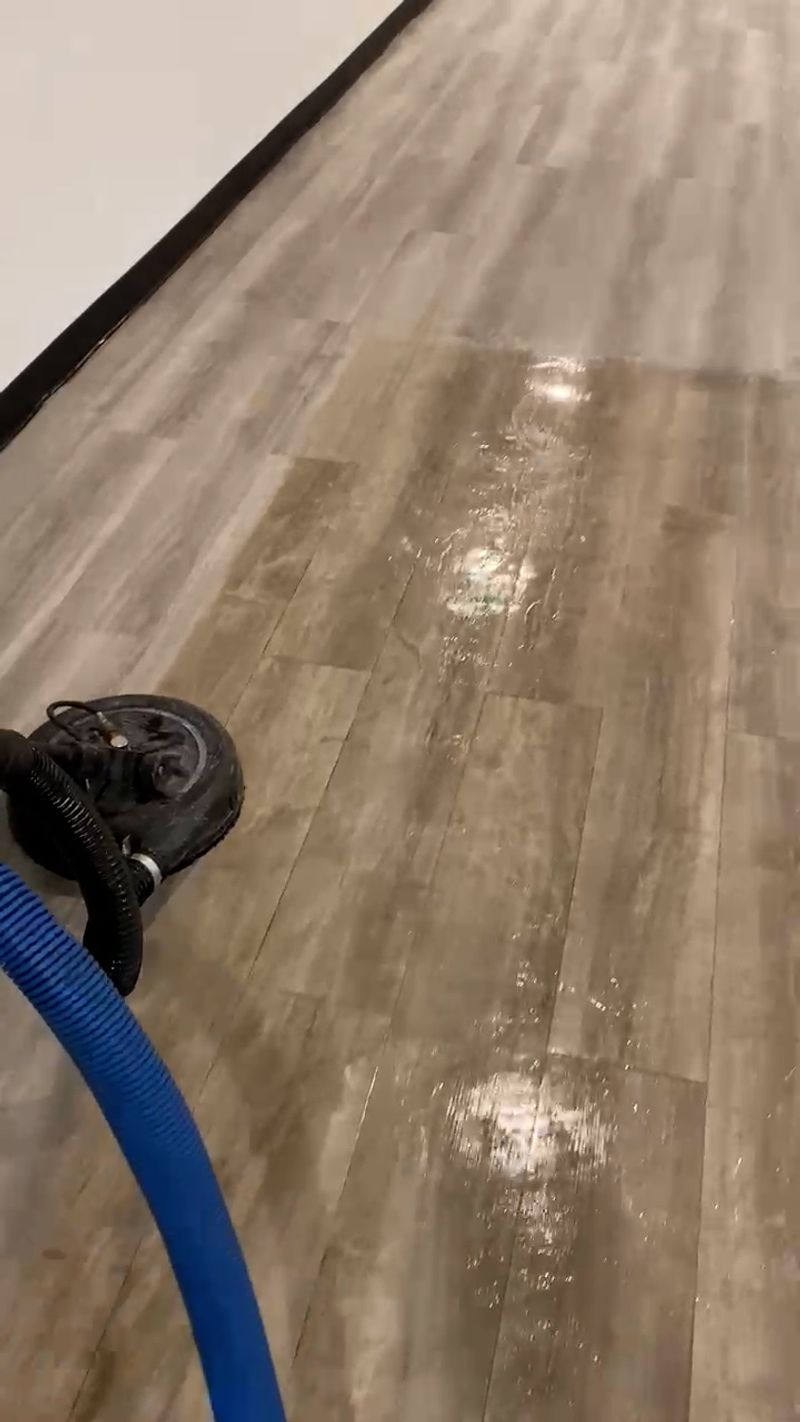
Keeping vinyl seams clean can become a never-ending battle. Where sheets meet, tiny gaps can form that collect dirt, dust, and debris over time.
Regular mopping often fails to remove this trapped grime, which gradually discolors the seams. In larger rooms requiring multiple sheets, these darkened lines become increasingly noticeable as the floor ages, detracting from the overall appearance despite regular cleaning efforts.
15. Can Develop Air Bubbles
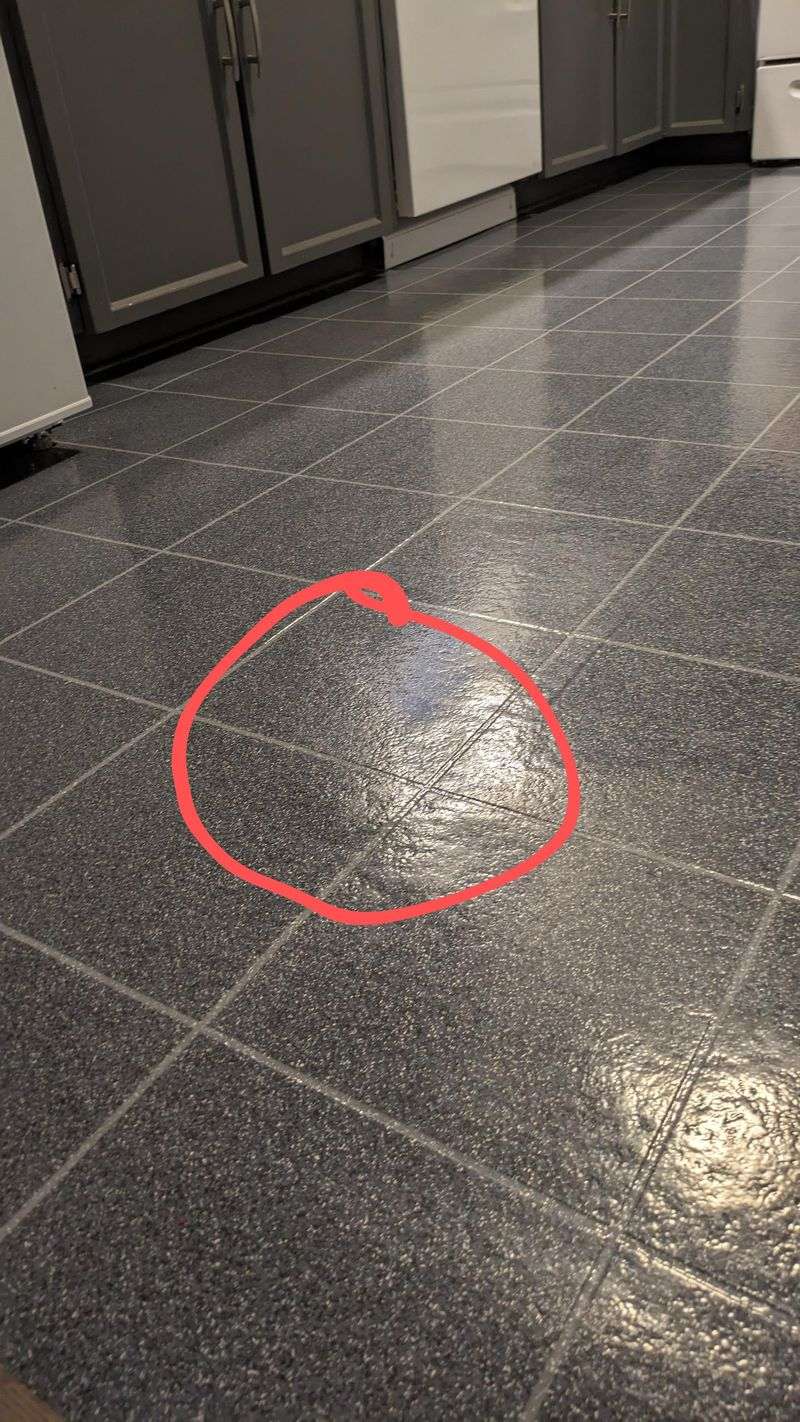
Nothing ruins the smooth look of vinyl flooring faster than bubbles appearing underneath the surface. These unsightly bulges occur when adhesive fails or moisture becomes trapped beneath the vinyl sheet.
Temperature fluctuations can exacerbate the problem by causing the material to expand and contract. Once bubbles form, they’re extremely difficult to fix without replacing sections or the entire floor, making this a frustrating long-term maintenance issue.
16. Color Limitations
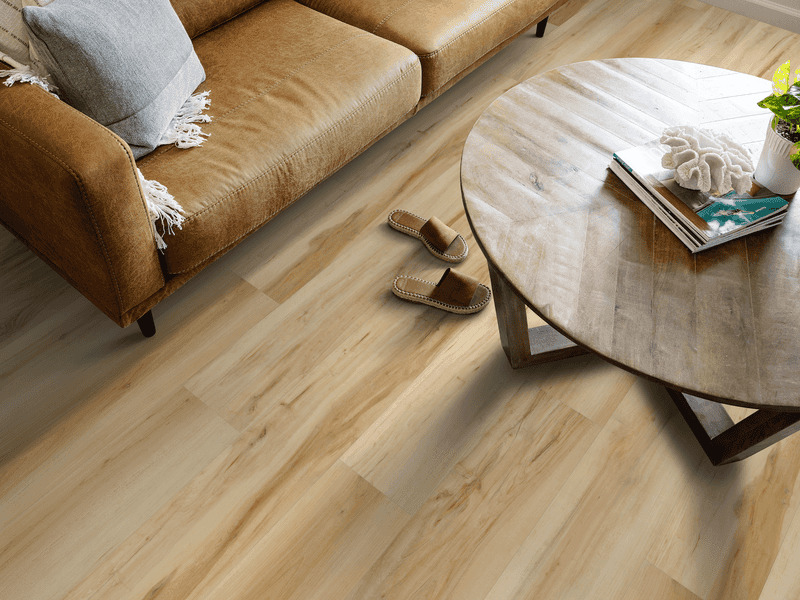
Dream of a specific shade for your floor? Vinyl might disappoint you. While manufacturers offer various patterns and colors, the selection remains more limited than other flooring options, particularly for unique or trendy colors.
Custom color matching is virtually impossible with vinyl sheet products. This restriction can create design challenges when coordinating with existing decor or trying to achieve a specific aesthetic vision for your space.
17. Susceptible to Rubber Staining
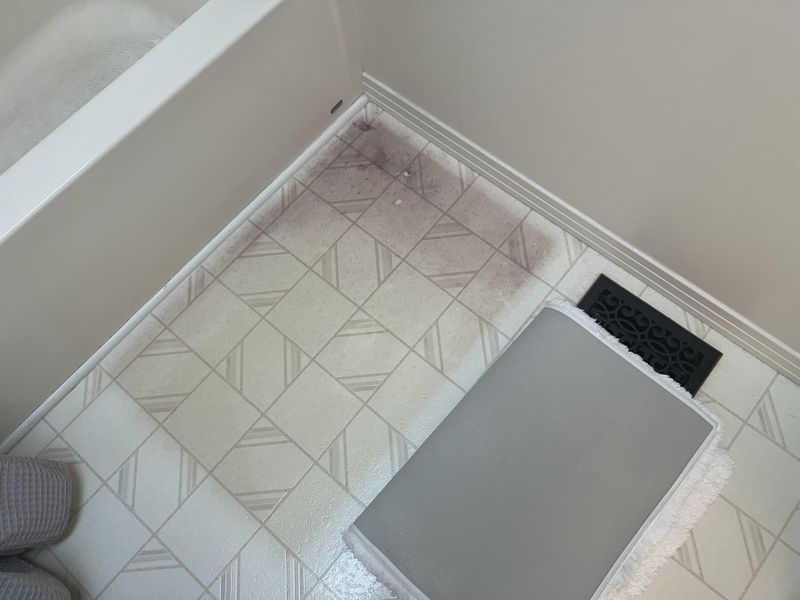
Rubber-backed mats seem innocent until they leave their mark. A strange chemical reaction occurs between rubber and vinyl that causes permanent yellowish or brownish discoloration.
This phenomenon, known as “rubber staining,” affects areas where rubber-backed rugs, mats, or even rubber-soled shoes remain in contact with vinyl for extended periods. Once this discoloration occurs, it cannot be removed through cleaning, making it a hidden risk many homeowners discover too late.
18. Difficult DIY Installation
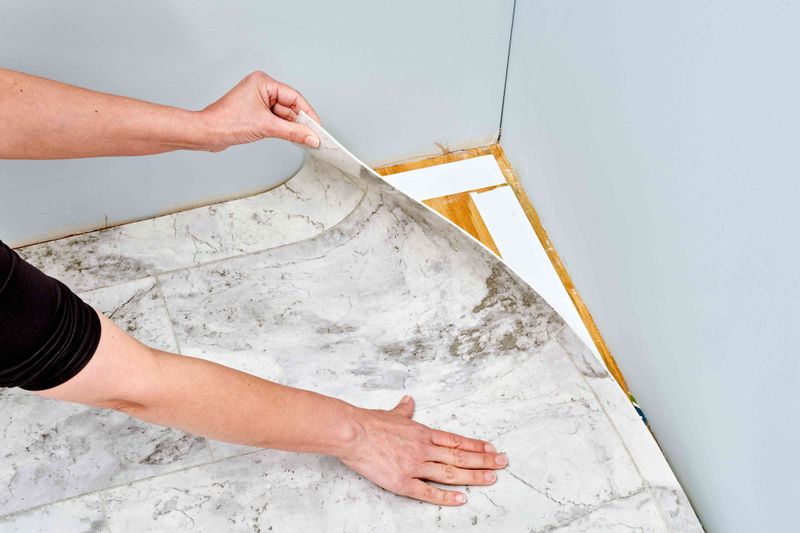
Those home renovation shows make vinyl installation look deceptively simple. In reality, properly installing sheet vinyl requires significant skill, especially when dealing with complex room layouts or patterns that need matching.
Measuring, cutting, and adhering large sheets without creating bubbles or misalignments challenges even experienced DIYers. Many homeowners end up hiring professionals after unsuccessful attempts, eliminating the cost savings that initially attracted them to vinyl flooring.
19. Feels Artificial Underfoot
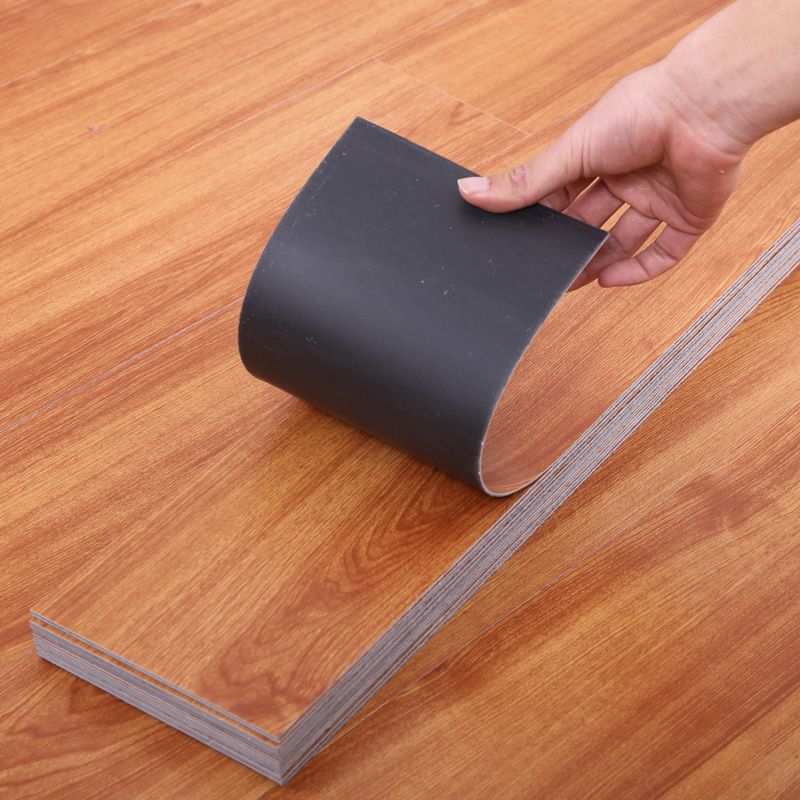
Your feet can tell the difference between vinyl and natural materials. The synthetic composition of vinyl sheet flooring creates a distinctive feel underfoot that many describe as “plastic-like” or hollow-sounding when walked upon.
This artificial sensation becomes particularly noticeable when transitioning from natural flooring materials. The lack of depth and texture that natural materials provide leaves many homeowners feeling disappointed with vinyl’s tactile experience despite its visual appearance.
20. Poor Sound Absorption
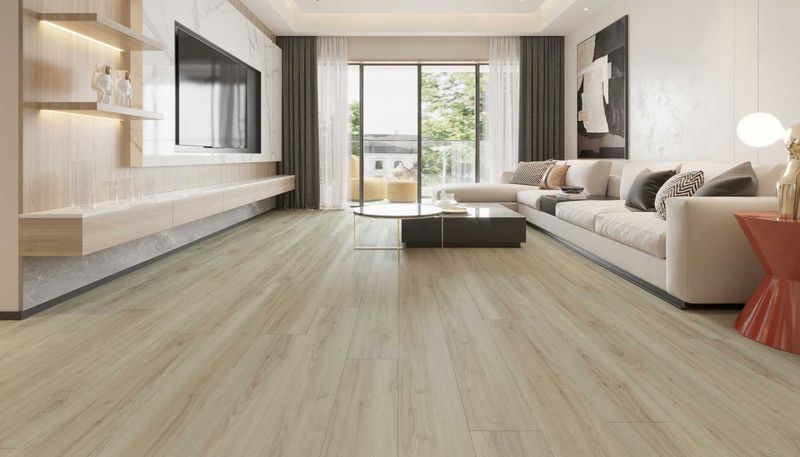
Footsteps echo more prominently on vinyl floors. Unlike carpet or cork flooring that naturally absorbs sound, vinyl sheet flooring reflects noise, creating a louder environment, especially in high-traffic areas.
This acoustic property makes vinyl problematic in multi-level homes or apartments where noise transfer becomes a concern. Adding area rugs helps but defeats the purpose of having a low-maintenance floor, creating an unexpected compromise many homeowners hadn’t considered.