15 Ways How Default Placement Syndrome Is Ruining Your Decor And How To Fix It
Ever wonder why some homes feel “off” even when the furniture looks great? You might be dealing with Default Placement Syndrome—that sneaky habit of putting things where they’re expected, not where they actually work.
It’s the silent saboteur of style, keeping your space stuck in cookie-cutter mode. Break the spell, and your home starts feeling curated, not copied.
1. Couch Glued to the Wall
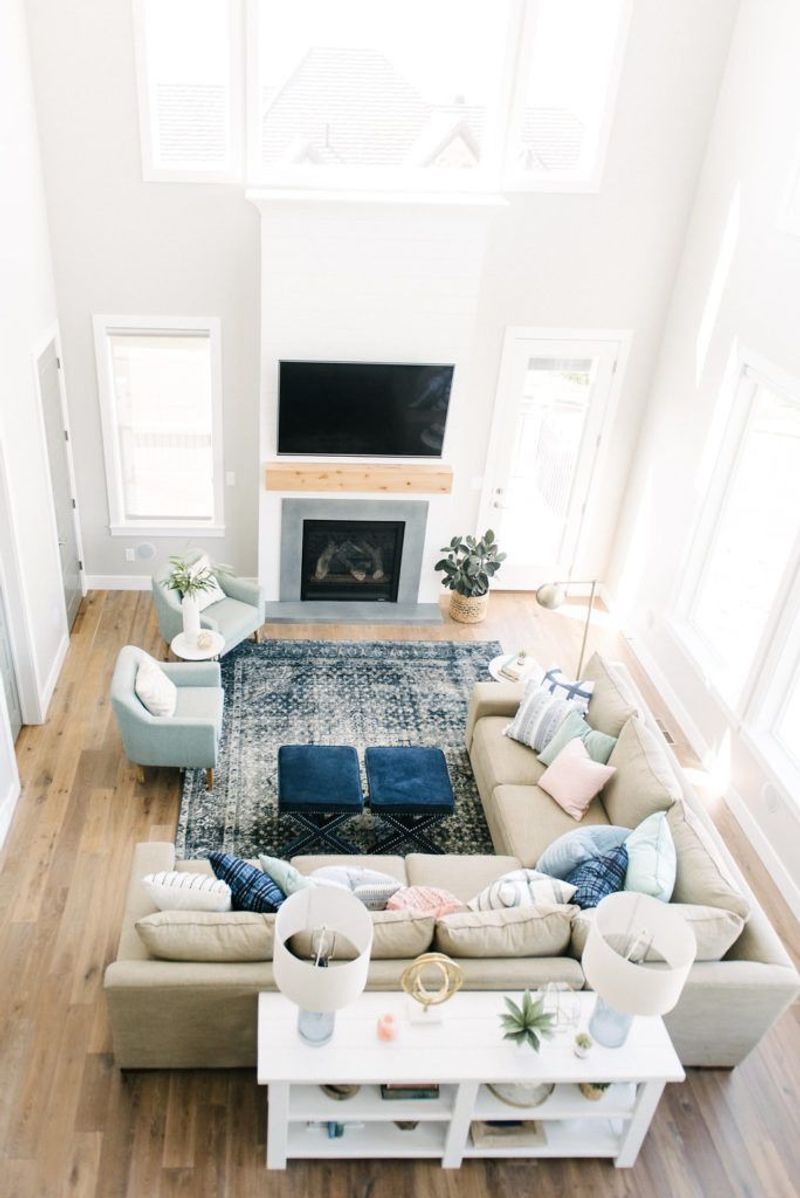
Pushing your sofa against the wall is like hugging the edge at a dance party – awkward and unsociable! Floating your couch even a few inches away creates breathing room and improves conversation flow.
Try pulling it forward to define separate areas in open-concept spaces. Add a slim console table behind for lamps, plants, or display items to maximize that newly created space.
2. Rug That’s Way Too Small
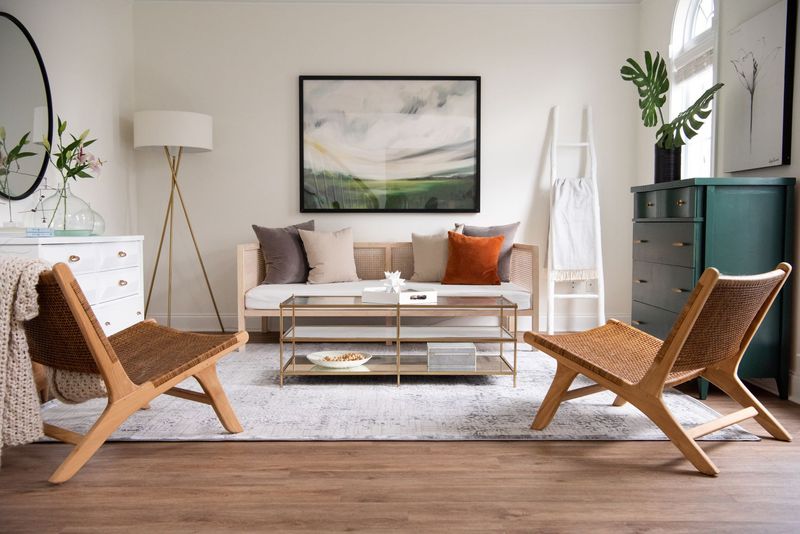
Imagine wearing shoes two sizes too small – that’s what a tiny rug does to your room! Undersized rugs create visual shrinkage and make everything feel disconnected and awkward.
Aim for a rug large enough that at least the front legs of all furniture sit comfortably on it. When in doubt, go bigger – your room will instantly feel more luxurious and pulled together.
3. TV as the Only Star
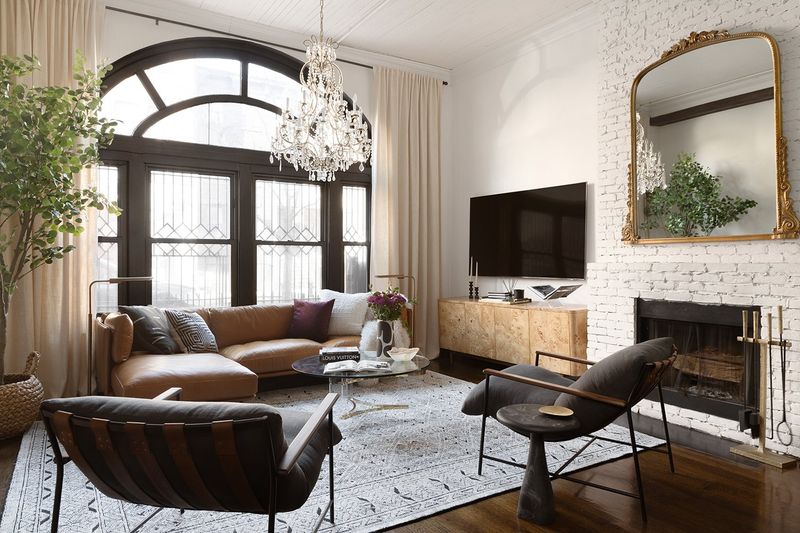
Walking into a room where every seat faces the black screen is like attending a concert where nobody showed up! Creating a shrine to your television makes the space feel like a waiting room rather than a home.
Arrange seating for conversation first, TV-viewing second. Add focal points like artwork, a striking fireplace, or an interesting bookshelf to balance the room’s visual weight and create multiple points of interest.
4. Lamps in Pairs Only
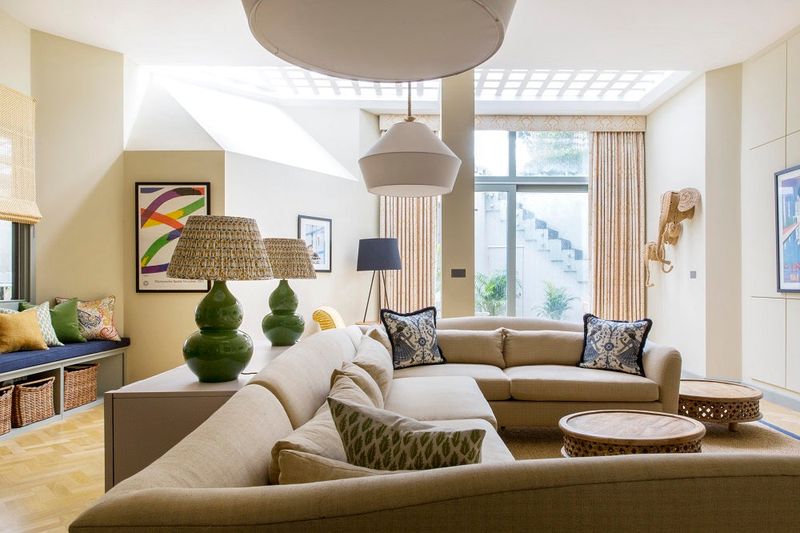
Matching lamps flanking your sofa might seem safe, but they’re secretly putting your room to sleep! Breaking up the predictable symmetry creates visual excitement and personality.
Mix it up with different heights, shapes, or styles that complement each other without being twins. Consider a floor lamp on one side and a table lamp on the other, or vary the shades while keeping the bases similar for a collected-over-time vibe.
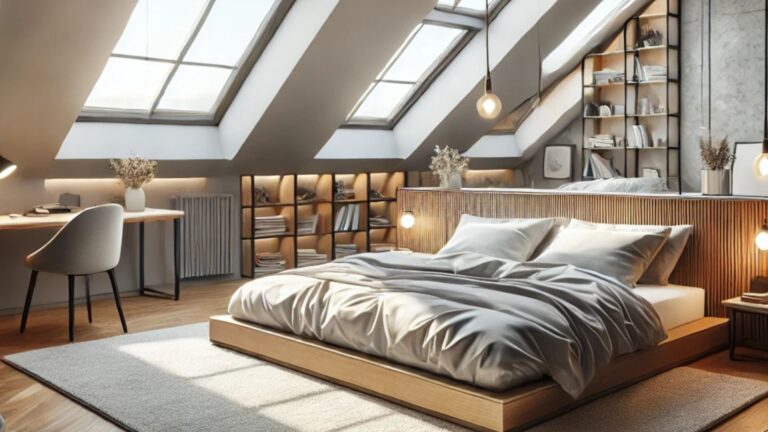
5. Bed in the Middle, No Questions Asked
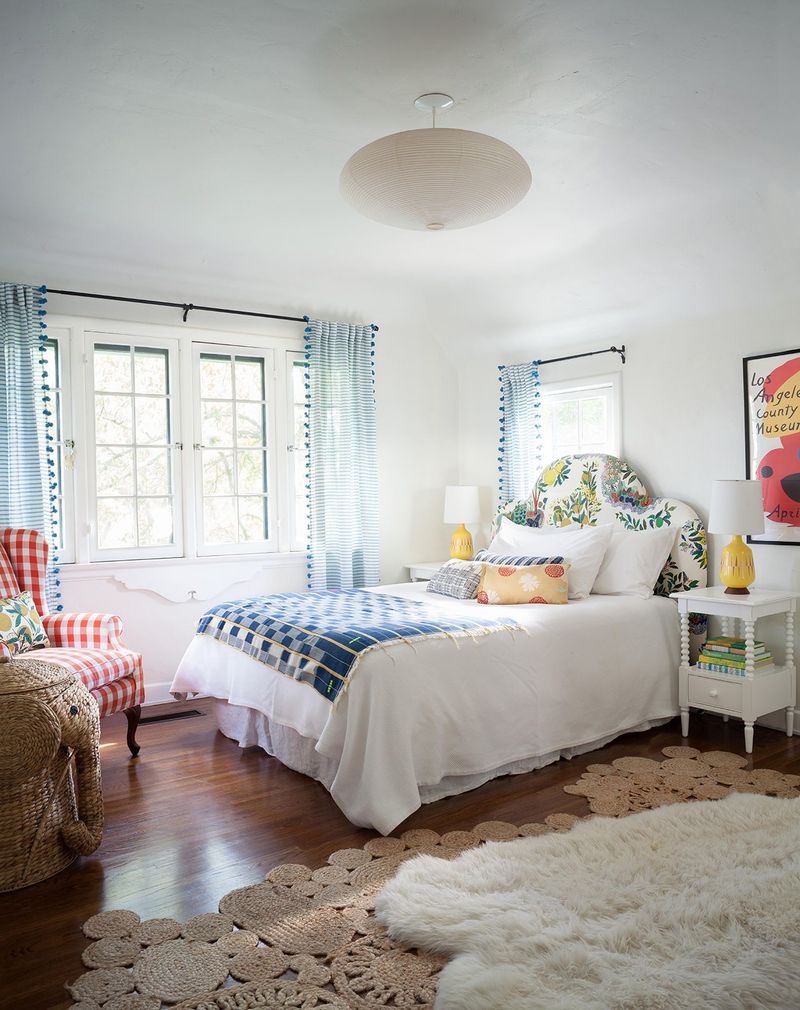
Automatically centering your bed on the wall is like always ordering vanilla ice cream – safe but missing out on exciting possibilities! Off-center placement can create space for a reading nook, desk, or larger nightstand.
For small rooms, try placing the bed in a corner to open up floor space. In larger rooms, angling the bed creates dynamic movement and can highlight architectural features like windows or a fireplace.
6. Art Hung at Neck Height
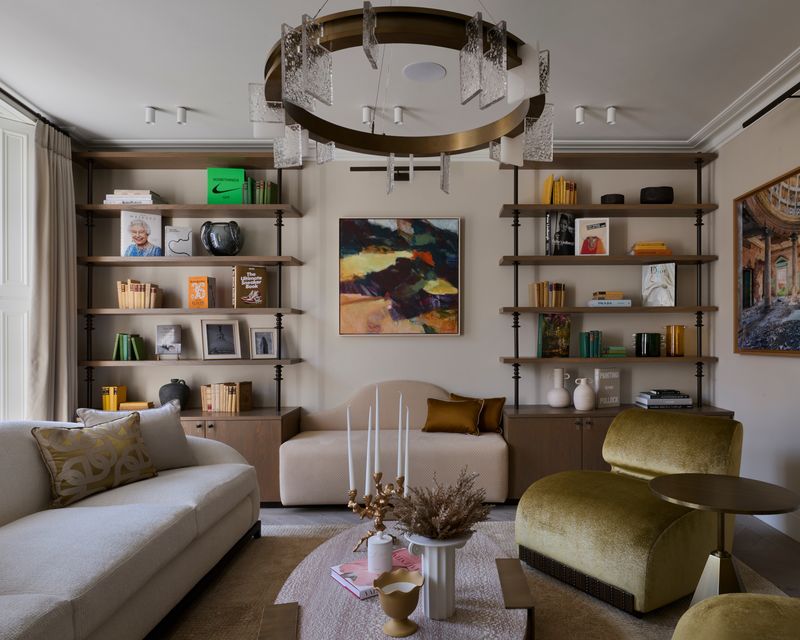
Hanging art at eye level sounds logical until you realize everyone’s sitting down. Artwork placed too high creates a disconnected feeling, while too low makes a room feel compressed.
Generally, aim for the center of the piece to sit about 57-60 inches from the floor. When hanging art above furniture, leave just 8-10 inches of space between the furniture and the frame to create a visual relationship between the pieces.
7. Nightstands that Came With the Set
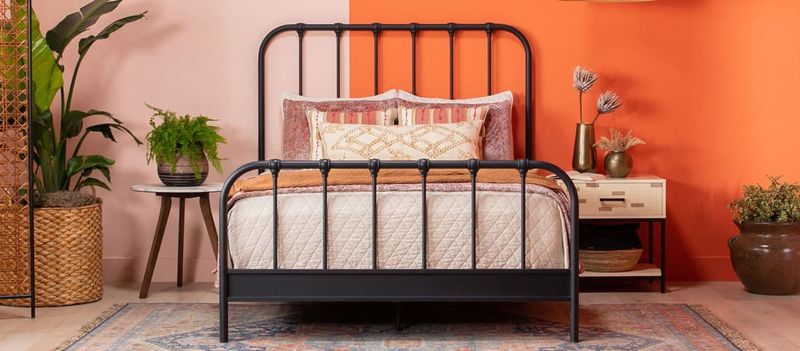
Matchy-matchy bedroom sets straight from the showroom floor scream “I lack imagination!” Using identical nightstands when your needs aren’t identical wastes valuable bedside real estate.
Consider your actual habits – one person might need space for books and water, while another needs charging stations and medication storage. Different-sized tables with complementary styles create interest while serving your unique needs better than cookie-cutter pairs.
8. Centered Dining Tables, No Matter What
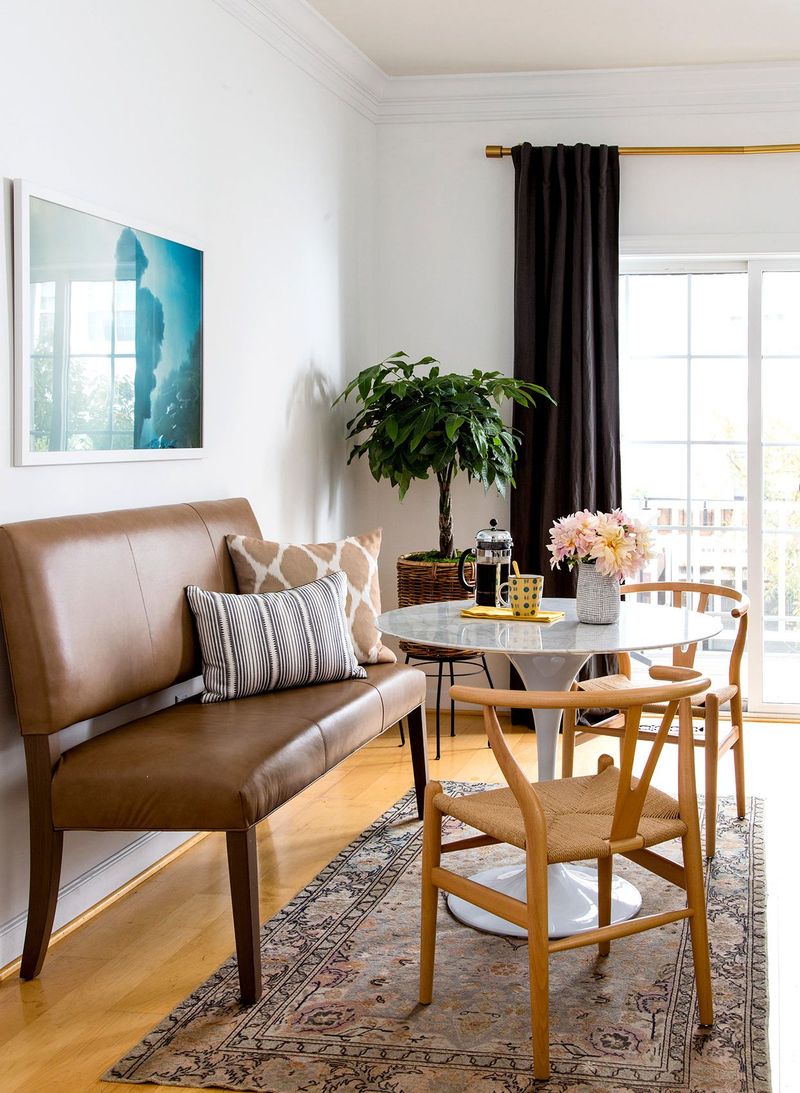
Plunking your dining table in the dead center of the room is like wearing your school uniform on weekends – technically correct but missing creative potential. Off-center placement can create better traffic flow and open up space for other functions.
Try floating the table closer to a window for better light during meals. Or pull it toward one wall to create room for a buffet, bar cart, or reading nook in the freed-up space.
9. Throw Pillows in Factory Position
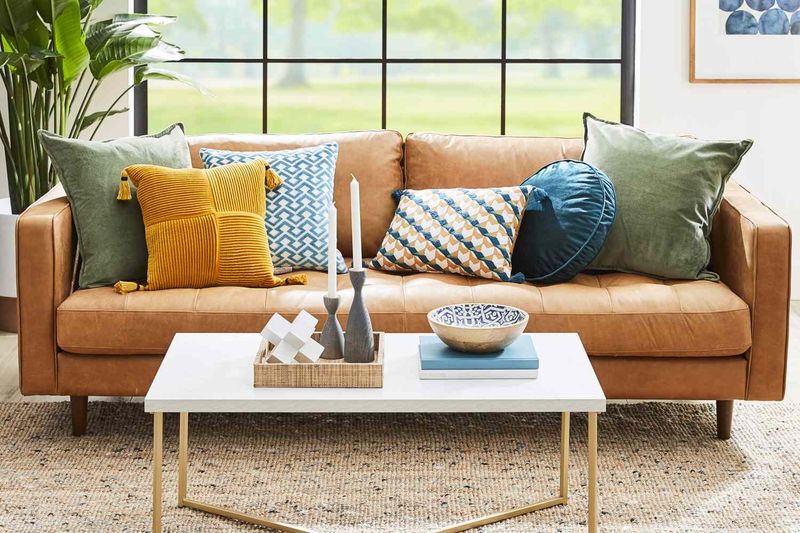
Leaving pillows exactly as they came – symmetrically paired with karate-chop indents – is the decorating equivalent of not removing price tags! Pillows arranged with military precision make your space feel like a furniture showroom.
Create inviting, lived-in comfort by varying pillow sizes, mixing patterns while keeping a cohesive color story. Odd numbers (three or five) arranged asymmetrically signal that real humans actually live and relax in your space.
10. Centered Light Fixtures That Don’t Match the Furniture Layout
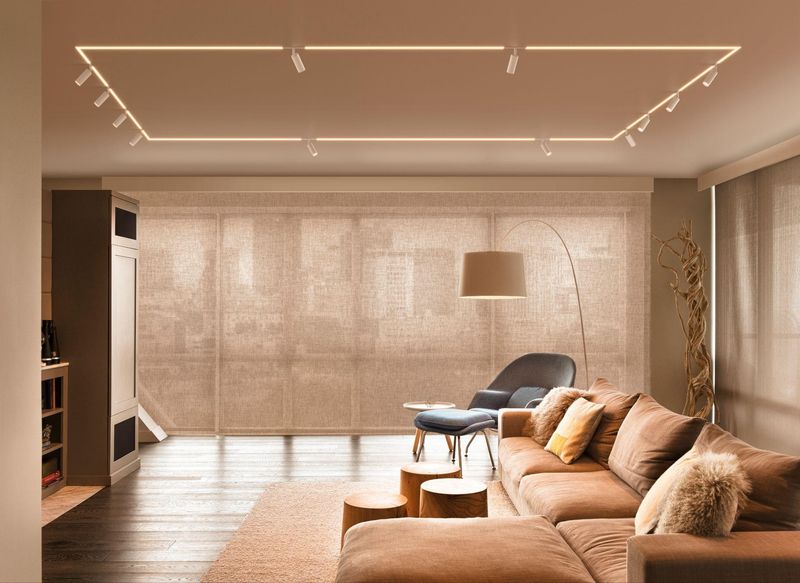
Leaving ceiling lights where builders installed them regardless of furniture placement is like wearing socks with sandals – technically functional but visually jarring. Lights centered in rooms rather than over activity areas create awkward shadows and poor task lighting.
Consider swag kits or ceiling-mounted tracks to reposition existing fixtures. For new installations, plan lighting around furniture groupings and tasks – dining tables, reading chairs, and kitchen work zones deserve their own dedicated illumination.
11. Desk Facing the Wall
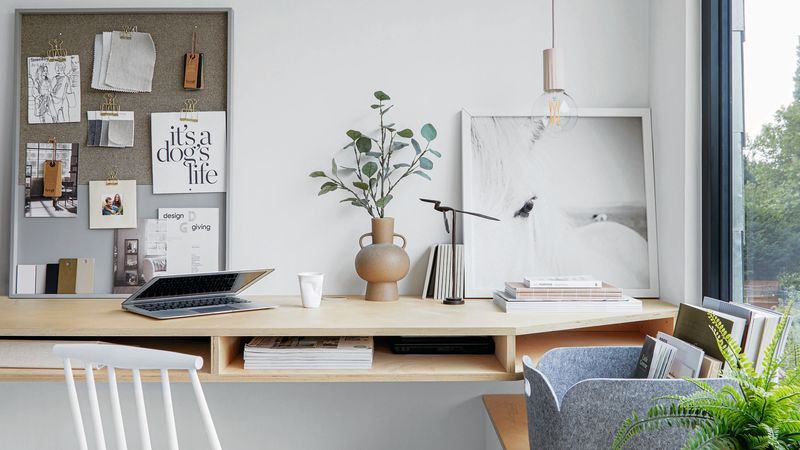
Shoving your desk against a blank wall feels like a time-out corner from elementary school. Working with your back to the room creates anxiety and misses opportunities for better views and natural light.
Float your desk perpendicular to a window for side lighting that reduces glare while providing energizing daylight. If possible, position your workspace with a view of the door and some inspiring scenery, even if it’s just your own beautiful room.
12. Bookshelves Treated Like Storage Units
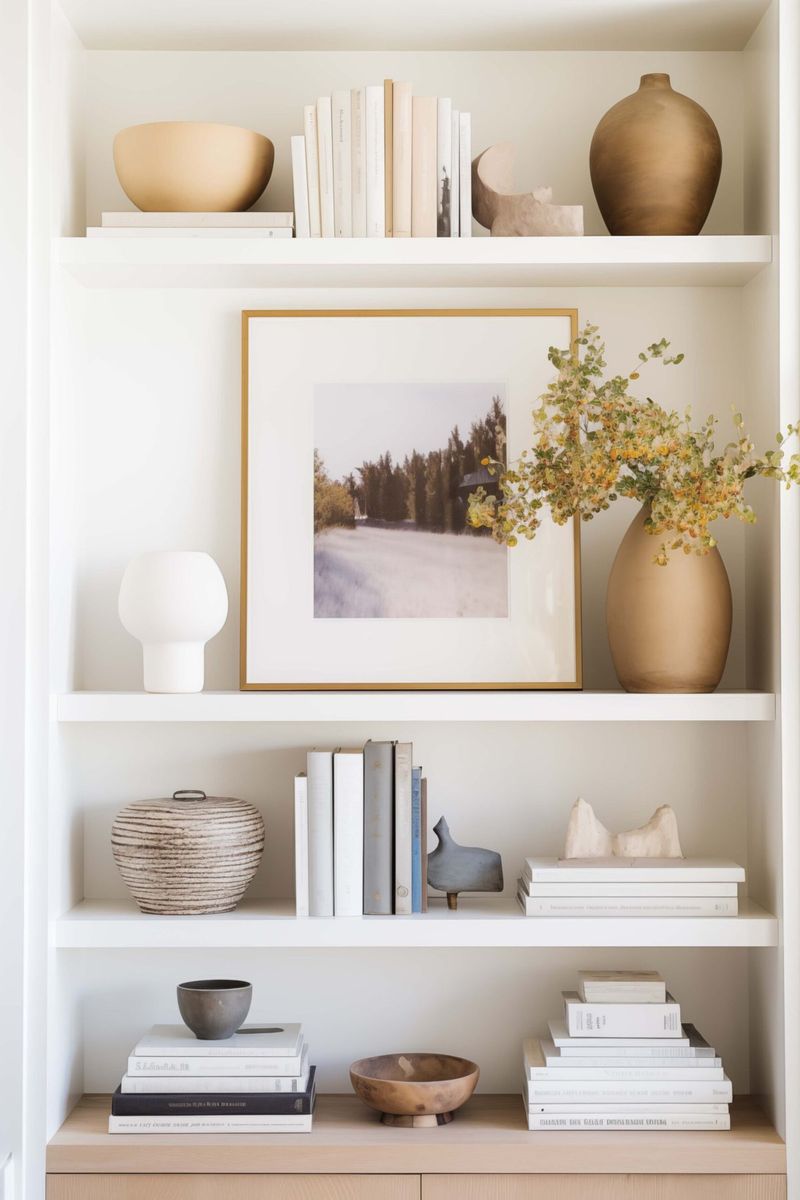
Cramming shelves with wall-to-wall books and knickknacks creates visual noise comparable to a toddler’s birthday party. Overstuffed shelves feel heavy and make individual items lose their impact.
Embrace negative space by leaving some shelves partially empty. Arrange books both vertically and horizontally, with decorative objects interspersed. Group similar items for cohesion, and consider color-coordinating for a curated look that gives eyes peaceful resting spots.
13. Plants in the Corners Only
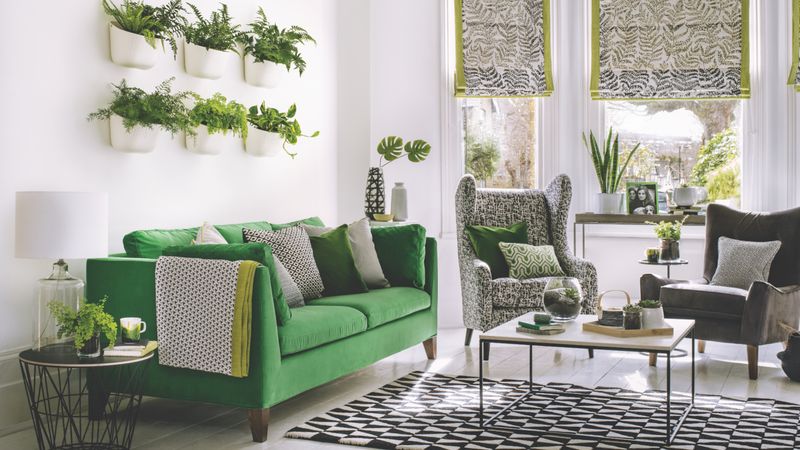
Relegating houseplants to forgotten corners is like sending kids to eat at the kiddie table – they deserve better. Corner-only placement creates predictable, uninspired design and often deprives plants of needed light.
Bring greenery into conversation areas as table centerpieces, shelf accents, or hanging features. Try clustering plants of varying heights for impact, or use a striking plant as a room divider or focal point to add life throughout your space.
14. Mirrors Above Every Console
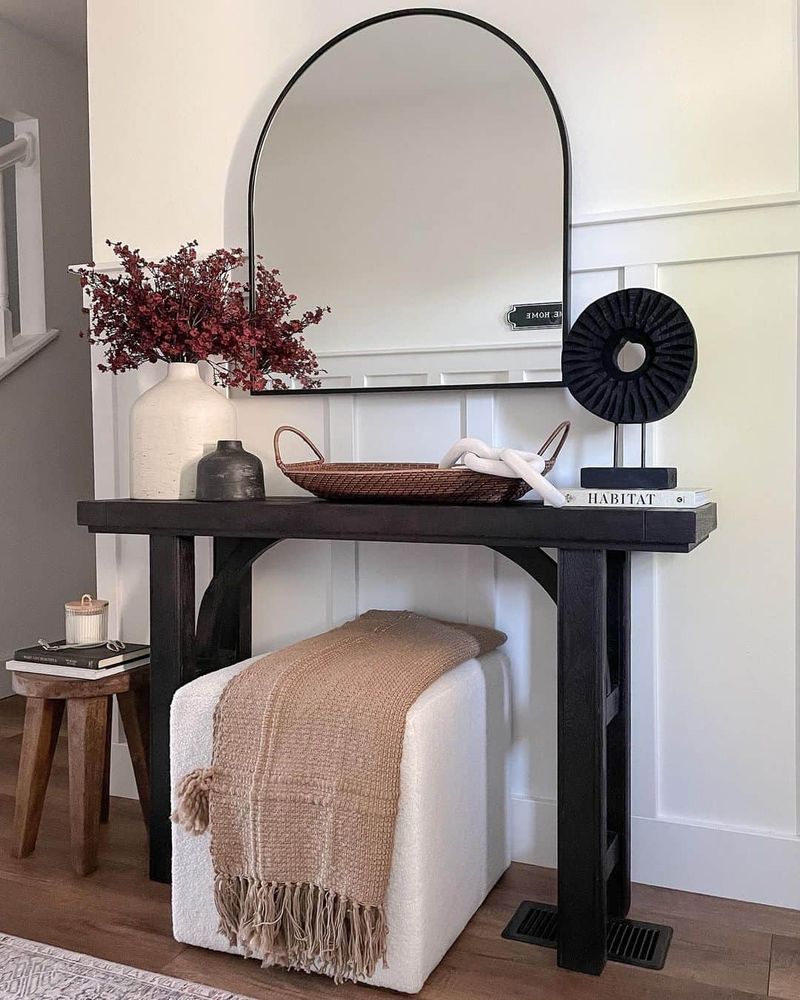
Automatically hanging a mirror above each console table is like wearing the same outfit every Monday – predictable and missing creative opportunities. While mirrors are fantastic for bouncing light, they don’t need to be your default wall decoration.
Consider what each space truly calls for—sometimes a striking artwork, TV, or layered gallery wall adds far more impact than a default mirror. And if you do use a mirror, make it intentional: reflect a window view, statement lighting, or art—not blank walls, cables, or last week’s mess.
15. Identical Furniture Layouts in Every Room
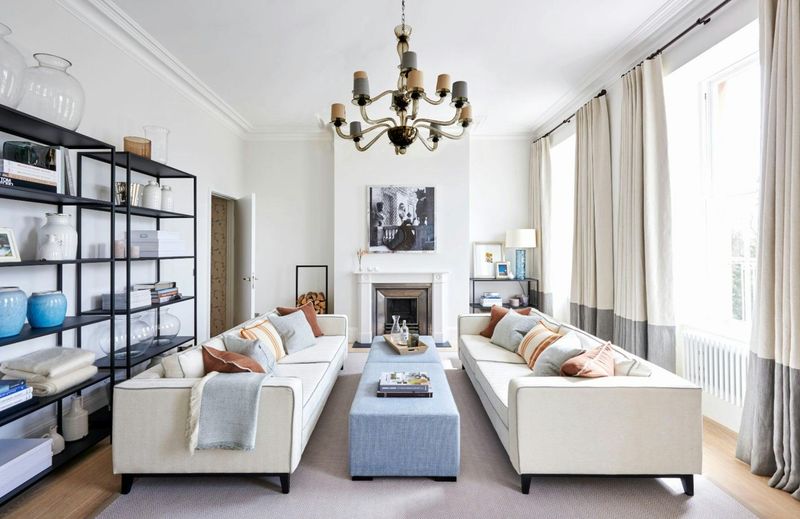
Copying the same furniture arrangement in every room is like using the same Instagram filter for all your photos – boring and ignoring each space’s unique potential. Cookie-cutter layouts waste architectural features and fail to address different room functions.
Assess each room’s natural focal points, traffic patterns, and purpose. A formal living room might benefit from symmetry, while a family room could use a more relaxed, asymmetrical approach. Let each room’s unique architecture and function guide your furniture placement decisions.