20 Decorating Priorities To Tackle First After Moving Into A New Home
Moving into a new home is like getting a blank canvas for your creativity.
Those first few weeks are crucial for setting up a space that feels comfortable, functional, and truly yours.
Before unpacking all those boxes, consider tackling these decorating tasks that will transform your new house into a home sweet home.
1. Paint the Walls
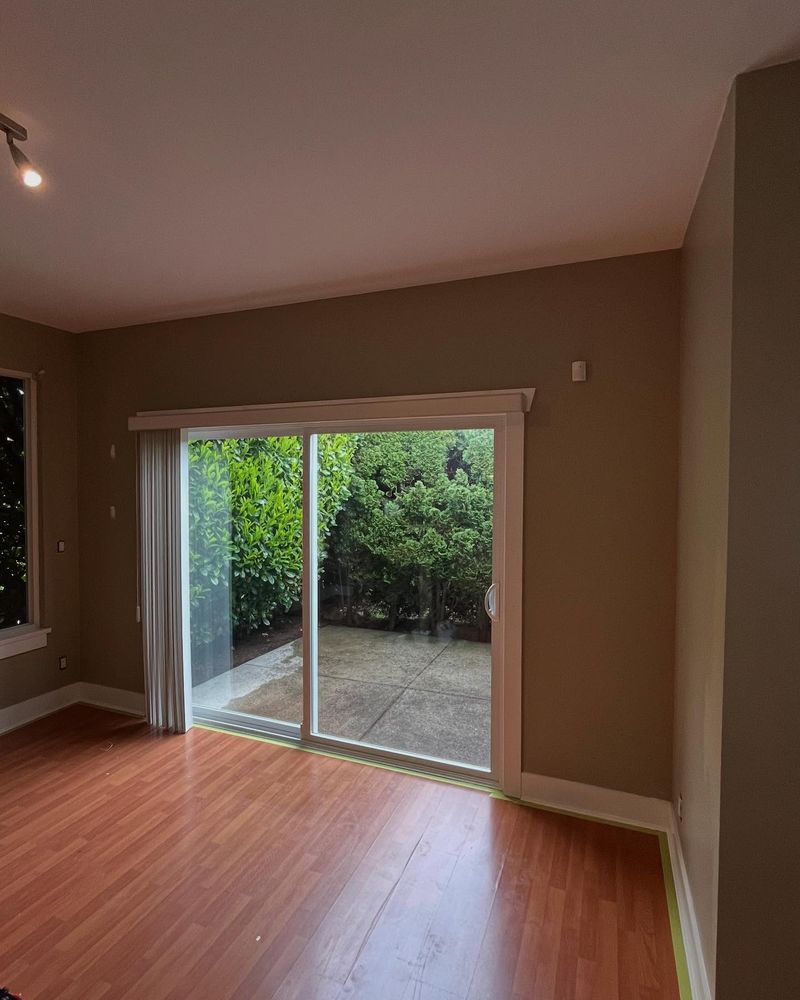
Tackle this messy job before your furniture arrives to avoid having to work around bulky items or risk paint splatters on your favorite couch.
Consider light, neutral colors that make rooms appear larger and brighter. Remember to test paint samples on different walls to see how the light affects the color throughout the day.
2. Clean Thoroughly
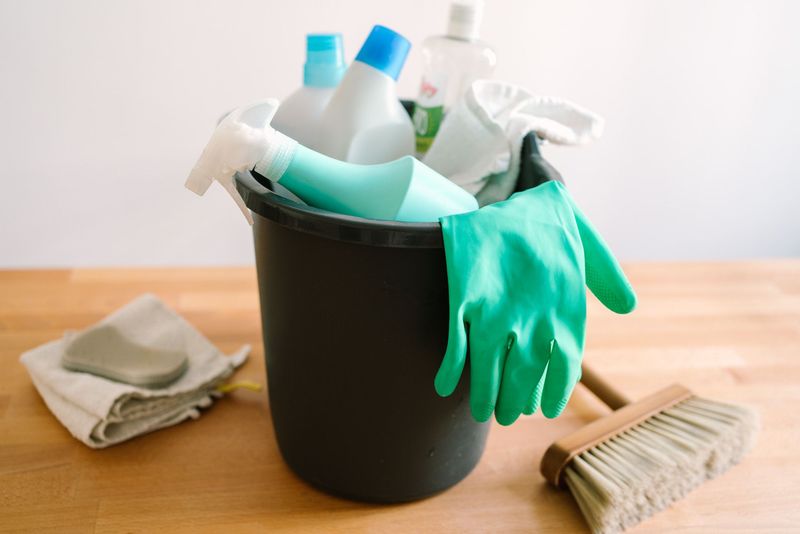
Even if the previous owners left the place spotless, giving your new home a deep clean establishes a fresh start. Focus on often-neglected areas like baseboards, inside cabinets, and light fixtures.
While cleaning, you’ll become more familiar with your home’s nooks and crannies. This intimate knowledge will come in handy when planning storage solutions and identifying any minor repairs needed before decorating begins.
3. Hang Window Treatments
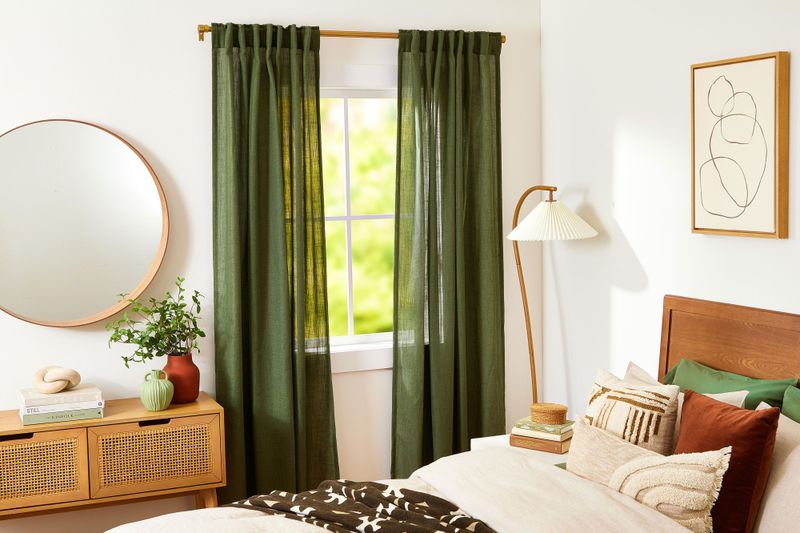
Your privacy matters from day one! Installing curtains, blinds, or shades should be a priority, especially in bedrooms and bathrooms where privacy is essential.
Beyond privacy, window treatments dramatically affect a room’s ambiance. They control light, add color and texture, and can make ceilings appear higher when mounted correctly. Choose light-filtering options for living spaces and room-darkening styles for bedrooms.
4. Update Light Fixtures
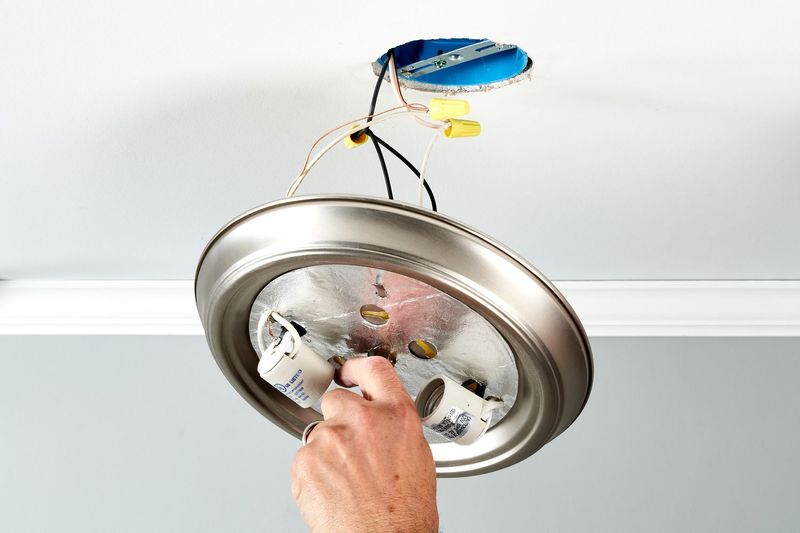
Out with the old, in with your style! Swapping dated light fixtures for modern alternatives instantly updates any space without major renovations. For maximum impact, focus on high-visibility areas like the dining room, entryway, and kitchen.
When selecting new fixtures, think of both function and form—ensure they provide adequate lighting while complementing your decorating style. Remember to turn off electricity at the breaker before installation!
5. Replace Outdated Hardware
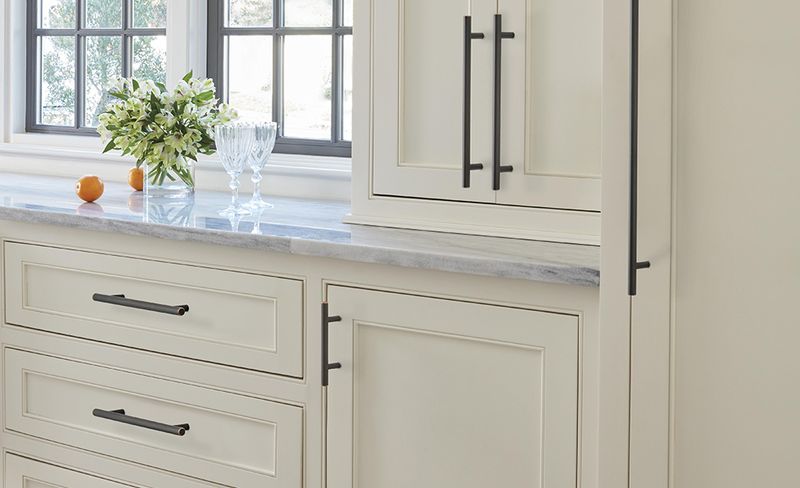
Sometimes the smallest details make the biggest difference! Upgrading cabinet knobs, drawer pulls, and doorknobs is an affordable way to modernize your space instantly. When selecting new hardware, bring one of the old pieces to the store for size comparison.
Choose finishes that complement your overall design scheme—brushed nickel for contemporary spaces or oil-rubbed bronze for more traditional homes. This simple swap can transform kitchen cabinets without the expense of replacement.
6. Install Closet Organizers
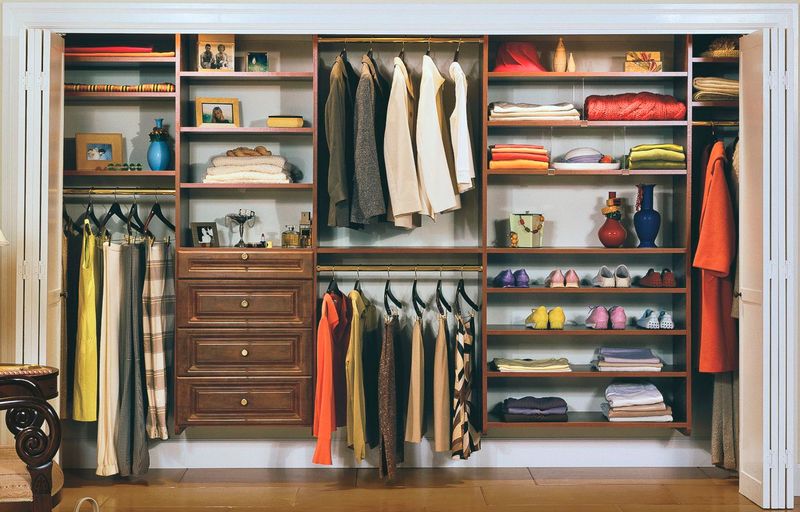
Why settle for basic hanging rods when you can create storage paradise? Setting up proper closet systems before unpacking clothes saves time and prevents the dreaded closet overflow. Take measurements and evaluate your wardrobe needs before purchasing.
Consider adding double hanging rods, shoe shelves, and drawers to maximize every inch of space. Custom solutions offer perfect fits, but budget-friendly modular systems from home improvement stores work wonders too.
7. Plan Furniture Layout
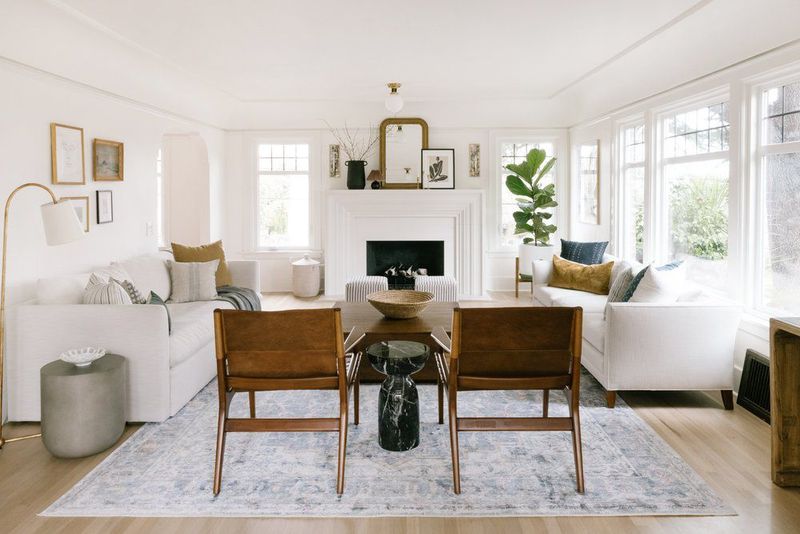
Before moving heavy pieces multiple times, grab a measuring tape and create a game plan! Mapping out furniture placement ensures proper traffic flow and balanced room proportions. Sketch each room on graph paper or use a free room planning app.
Account for electrical outlets, heating vents, and natural pathways through the space. Leave breathing room between pieces—overcrowding creates visual chaos and makes rooms feel smaller than they actually are.
8. Unpack Essentials First

Surrounded by boxes? Don’t panic! Start by setting up the spaces you use most frequently—typically the bedroom, bathroom, and kitchen basics. Creating functional zones immediately makes the moving process less overwhelming.
Assemble your bed with fresh linens for that crucial first night’s sleep. Arrange bathroom toiletries in logical spots for morning routines. Set up a simple kitchen station with coffee maker, toaster, and essential dinnerware.
9. Set Up Rugs and Flooring
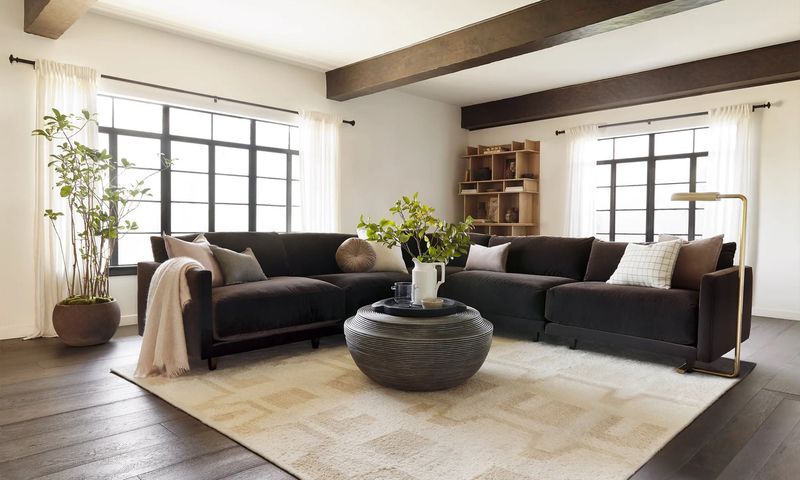
Bare floors echo uncomfortably in a new space. Introducing area rugs adds instant warmth, defines zones within open floor plans, and protects flooring from furniture damage. When selecting rug sizes, bigger is usually better—aim for all furniture legs to rest on the rug in seating areas.
In dining spaces, ensure the rug extends at least 24 inches beyond the table edge to accommodate pulled-out chairs.
10. Hang Art and Mirrors
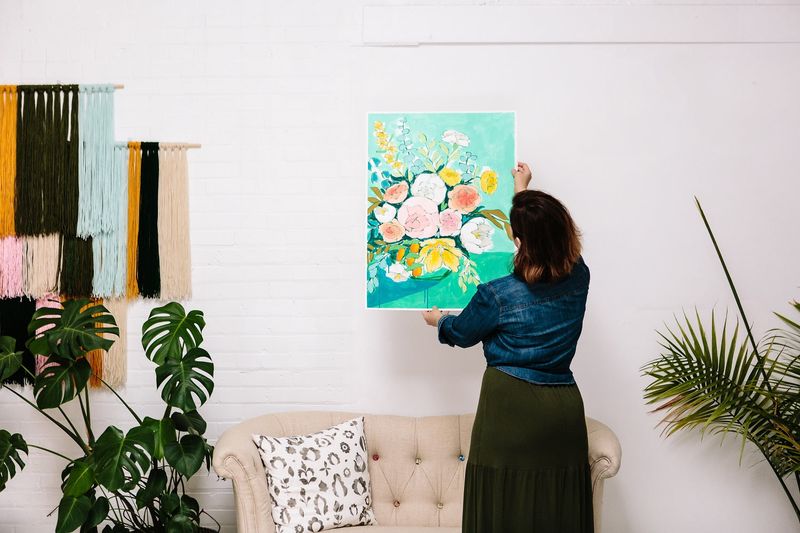
Blank walls scream “temporary living”! Personalizing your space with artwork and mirrors instantly makes a house feel like your home while adding visual interest and depth.
For proper hanging height, position the center of artwork at eye level (approximately 57-60 inches from the floor). Mirrors work wonders in small spaces by reflecting light and creating the illusion of more square footage. Consider creating a focal point with a larger piece above fireplaces or sofas.
11. Mount Shelves
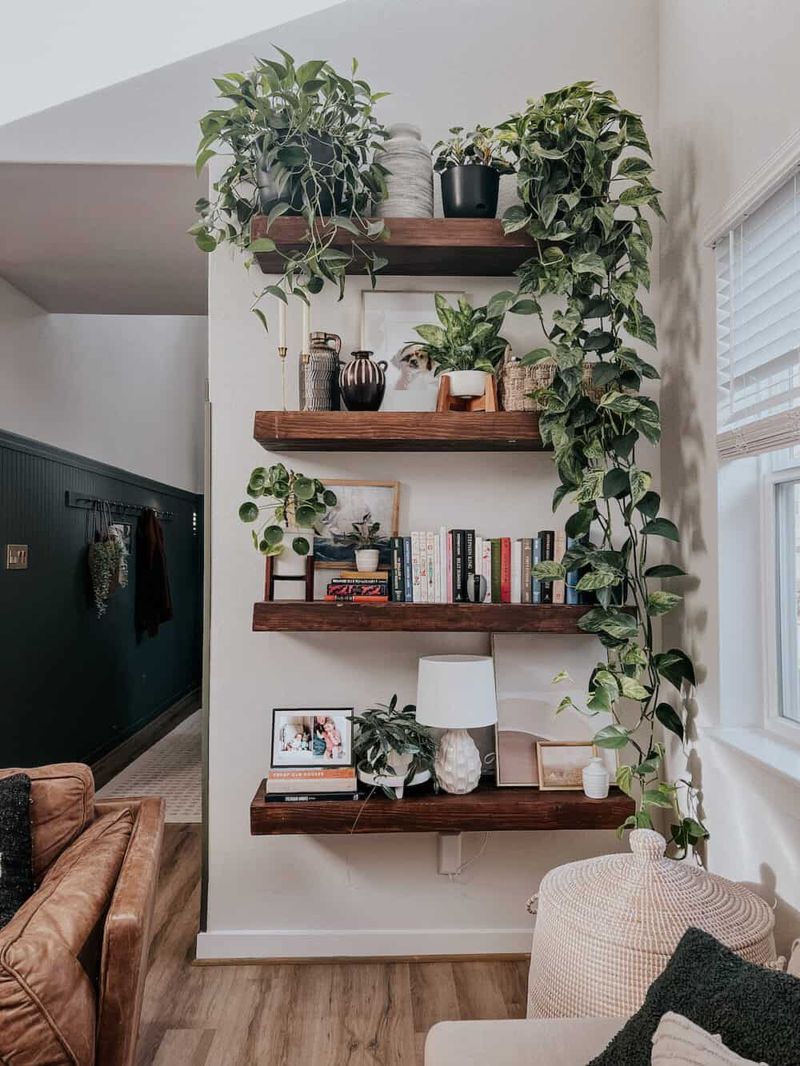
Running out of floor space? Look up! Wall-mounted shelving provides storage solutions without consuming precious square footage, perfect for displaying books, plants, and decorative objects. Before drilling, use a stud finder to locate secure mounting points.
Floating shelves offer clean, modern lines while bracket systems provide more weight support for heavier items. In small bathrooms or kitchens, shelving can transform awkward corners into functional storage nooks.
12. Style Entryway
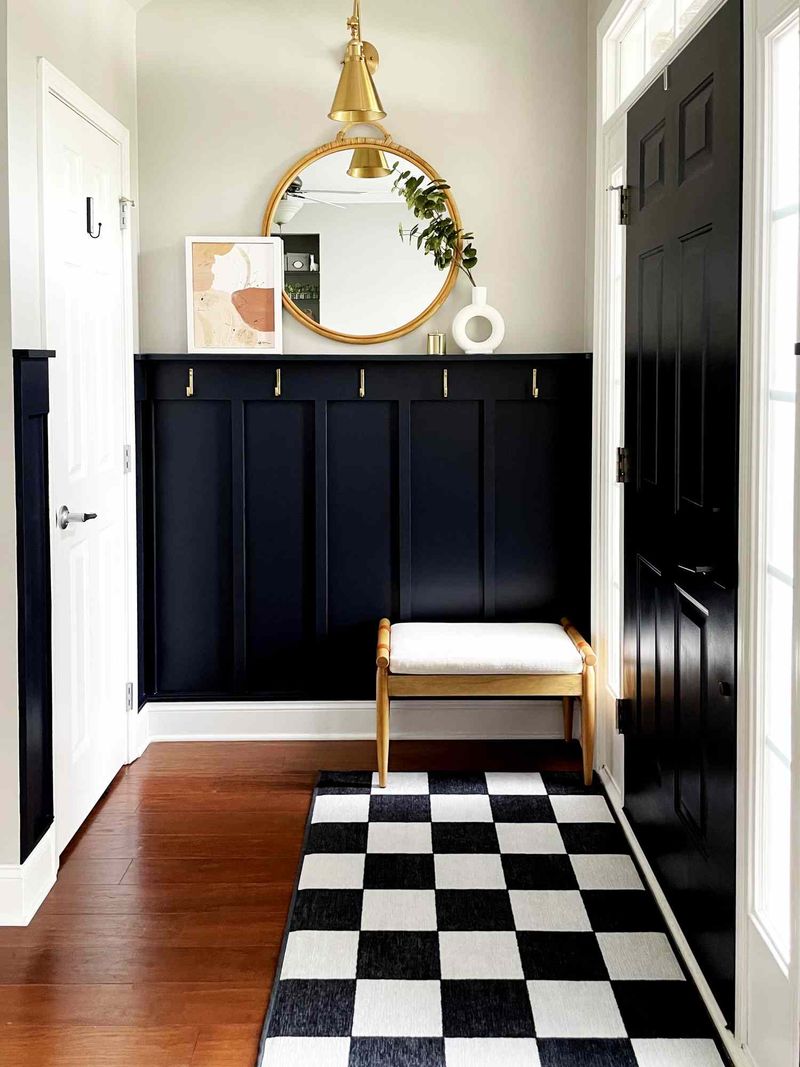
First impressions count! Creating a welcoming entryway sets the tone for your entire home while providing practical space for everyday items. Even small entries benefit from a narrow console table or wall-mounted shelf for keys and mail.
Add hooks or a coat rack for jackets and bags. A mirror serves double duty—checking appearances before heading out and visually expanding tight spaces. Don’t forget a durable rug to catch dirt from shoes.
13. Personalize Bedrooms
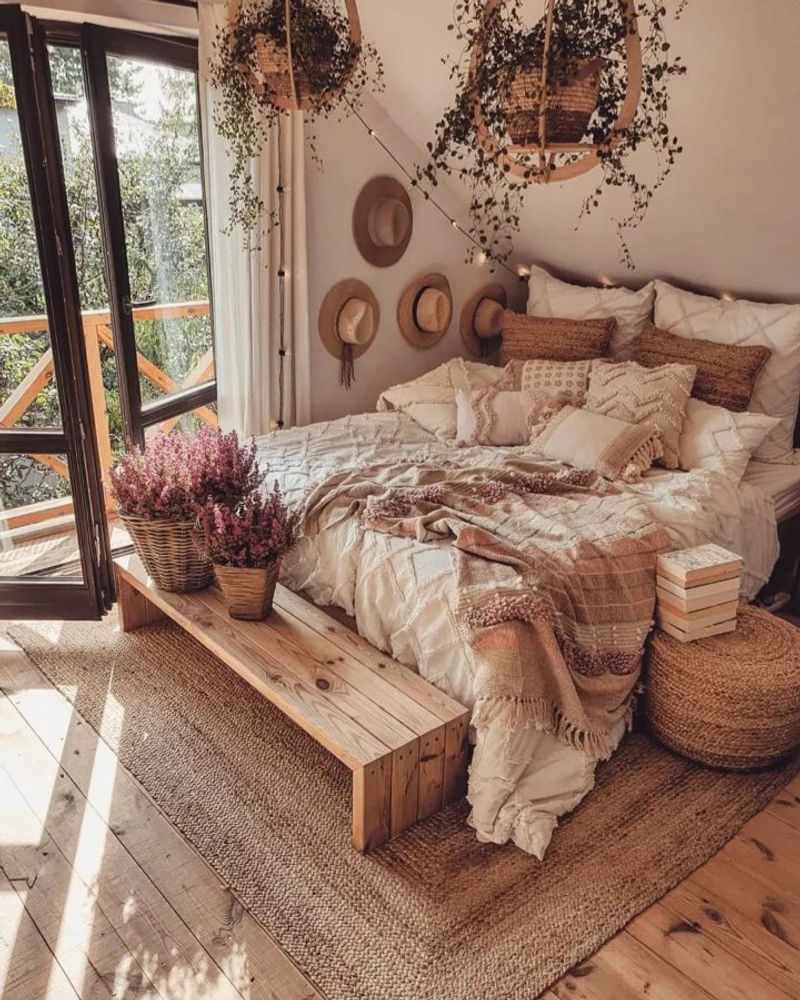
After long moving days, everyone deserves a peaceful retreat! Prioritizing bedroom setups ensures family members have personal sanctuaries amid the chaos of boxes. Start with proper bed placement—typically against the longest wall not facing the door.
Layer bedding with fresh sheets, blankets, and multiple pillow sizes for a hotel-like feel. Nightstands with good reading lights on both sides create balance. Blackout curtains promote better sleep while adjusting to new surroundings.
14. Organize Kitchen Cabinets
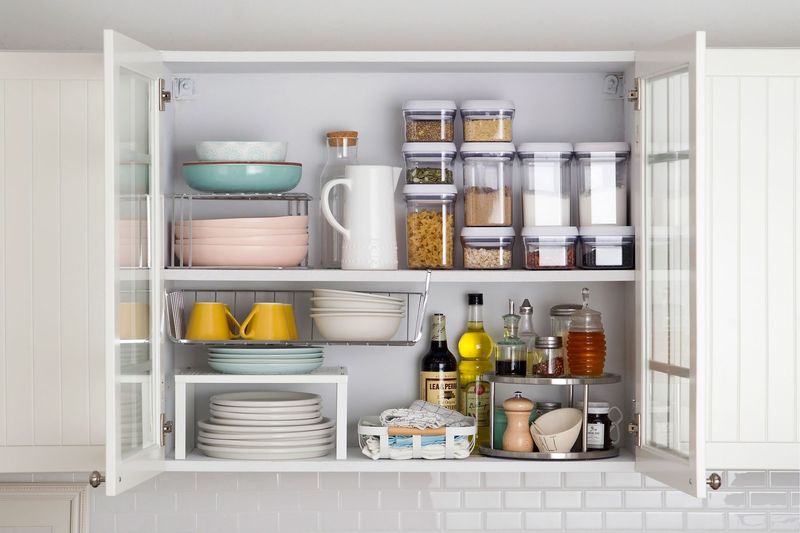
Hungry after unpacking? A well-organized kitchen makes meal preparation possible even during moving chaos. Think carefully about where items should live based on how you actually cook. Place everyday dishes in cabinets near the dishwasher for easy unloading.
Store frequently used pots and pans close to the stove. Consider installing drawer dividers for utensils and cabinet organizers for maximizing vertical space. Line shelves with non-slip material to protect dishes during the settling-in period.
15. Add Soft Lighting
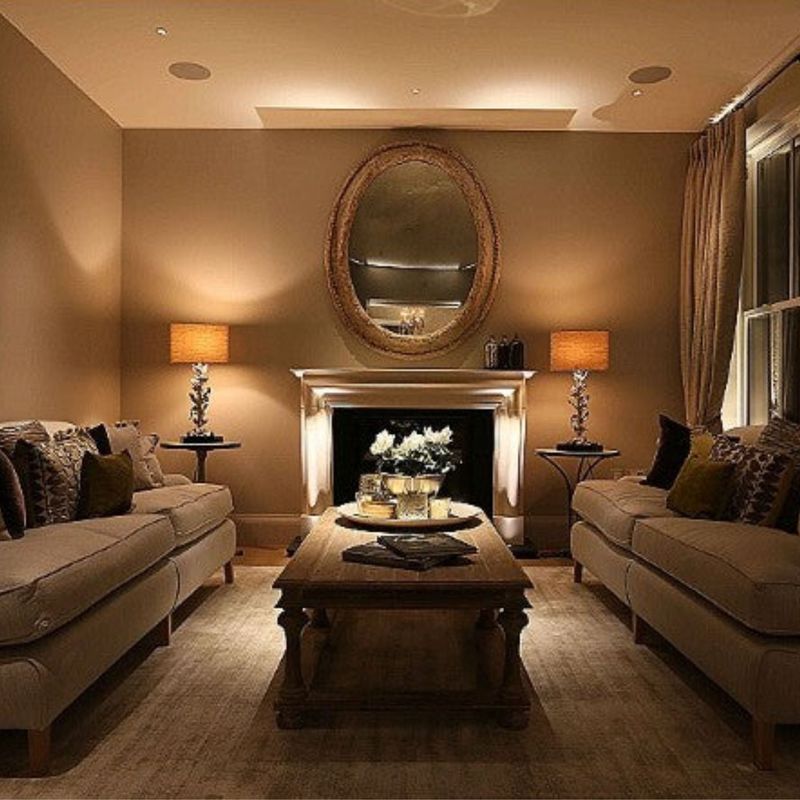
Harsh overhead lighting creates an institutional feel. Introducing table lamps, floor lamps, and wall sconces establishes a warm, layered lighting scheme that transforms evening ambiance.
Aim for three light sources in main living areas—ambient (general illumination), task (for reading or cooking), and accent (highlighting architectural features or artwork). Smart bulbs offer flexibility to adjust brightness and color temperature. Don’t forget nightlights in hallways and bathrooms for midnight navigation.
16. Create Cozy Zones
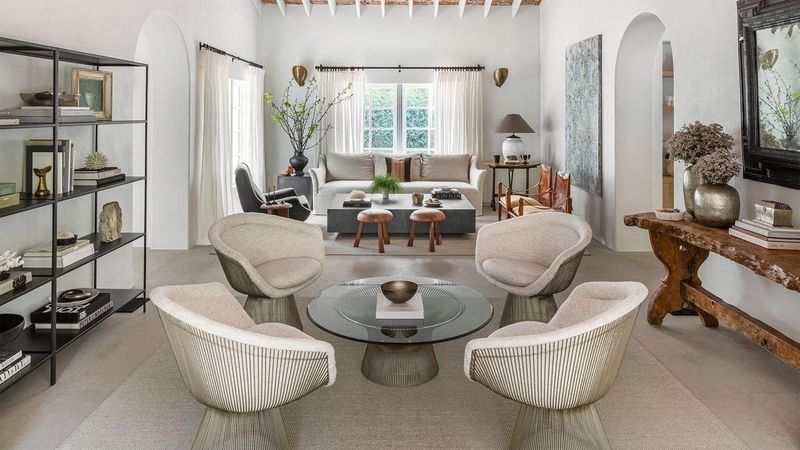
Large open spaces can feel impersonal without thoughtful arrangement. Establishing distinct functional areas helps rooms feel purposeful and intimate, even before all furnishings arrive. Use furniture groupings, area rugs, and lighting to define conversation areas, reading nooks, or workspace zones.
In open-concept homes, try out room dividers like bookcases or plants to create visual separation without blocking light. Even a single comfortable chair with good lighting creates a welcoming spot.
17. Arrange Indoor Plants
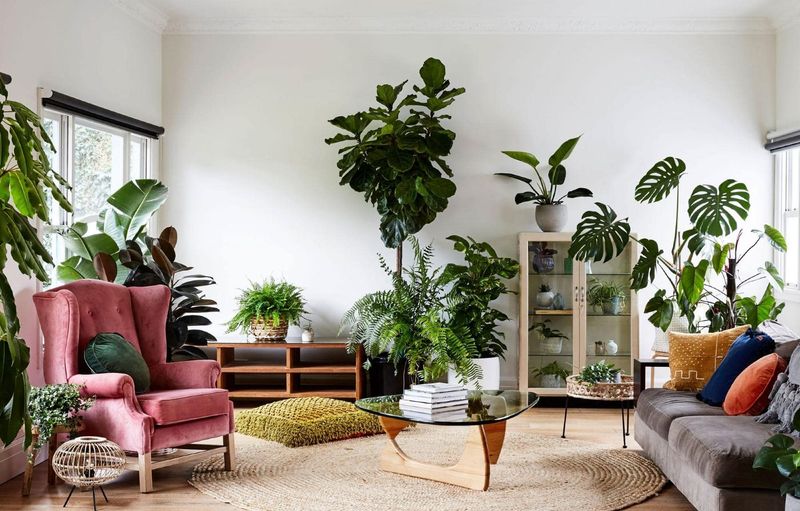
Feeling like something’s missing? Living plants instantly breathe life into new spaces, improving air quality while adding natural texture and color to sterile rooms.
For plant-keeping beginners, start with hardy varieties like snake plants, pothos, or ZZ plants that forgive irregular watering during busy moving times. Group plants of varying heights for visual interest. Empty corners come alive with larger floor plants, while shelves and counters benefit from smaller varieties.
18. Update Switch Plates
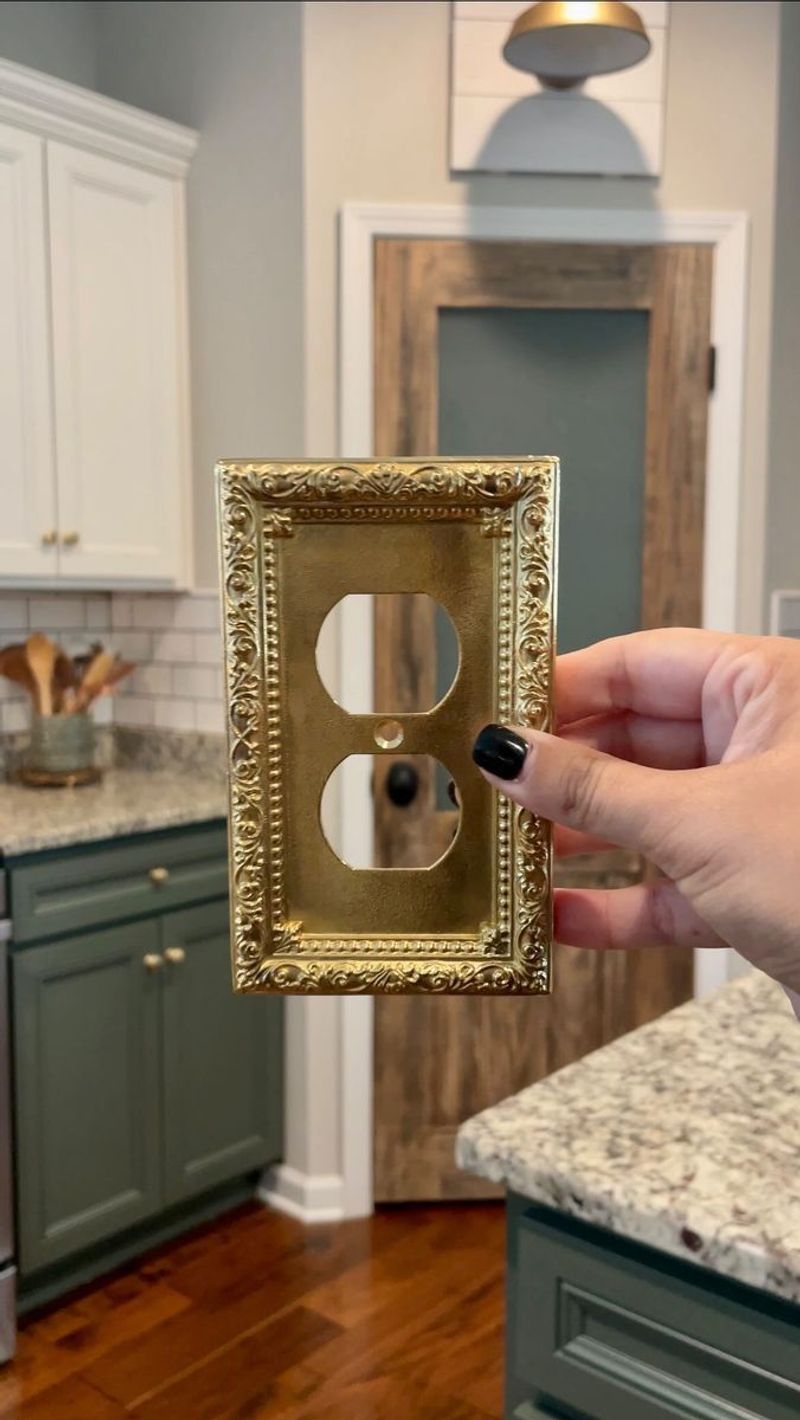
Often overlooked but frequently touched! Replacing basic white plastic switch plates and outlet covers with decorative versions adds unexpected polish to your walls. Choose materials that complement your decor—brushed metal for contemporary spaces, ceramic for country charm, or wooden plates for rustic homes.
Ensure all plates match throughout open areas for a cohesive look. This small update makes a surprisingly big impact on your home’s finished appearance.
19. Set Up a Gallery Wall
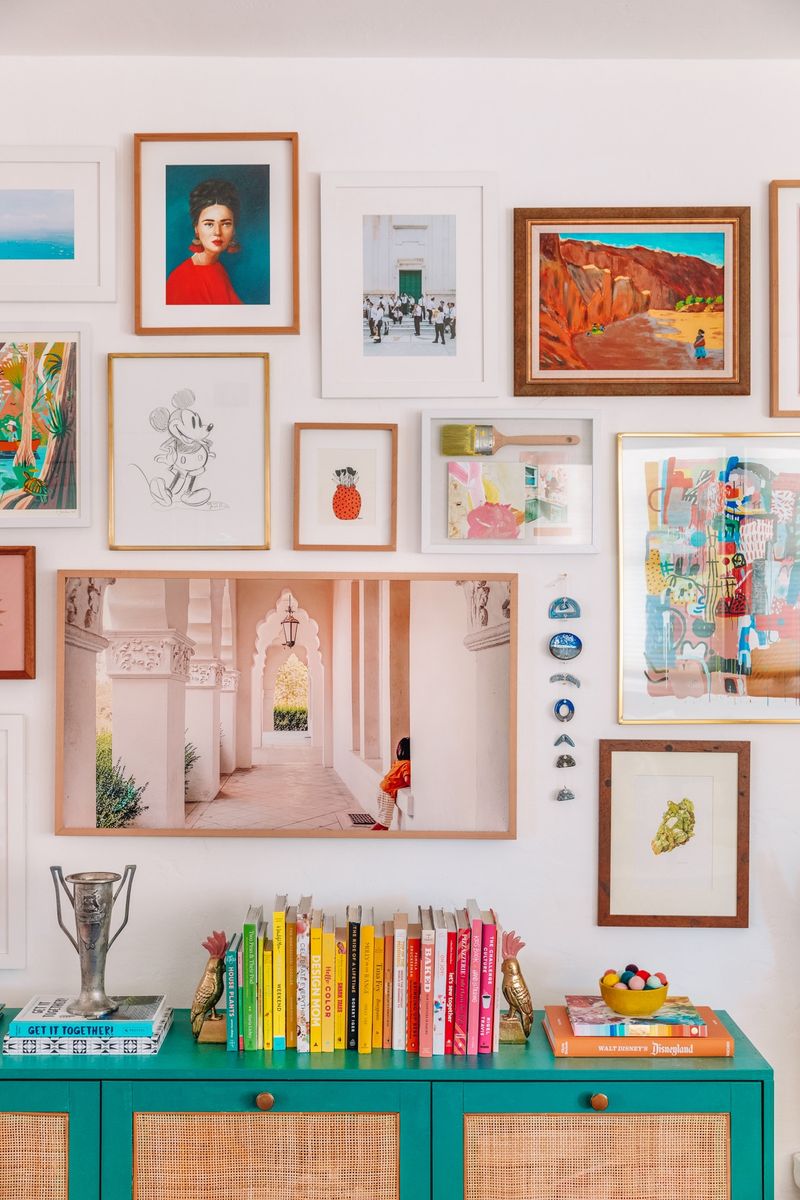
Blank walls getting you down? Creating a thoughtfully arranged collection of framed photos, artwork, and mementos establishes instant personality and conversation starters. Before hammering, arrange frames on the floor to experiment with layouts.
For foolproof installation, trace each frame on kraft paper, cut out the shapes, and tape them to the wall to visualize the finished product. Maintain consistent spacing between frames (2-3 inches works well) for a polished, intentional look.
20. Decorate the Main Living Space
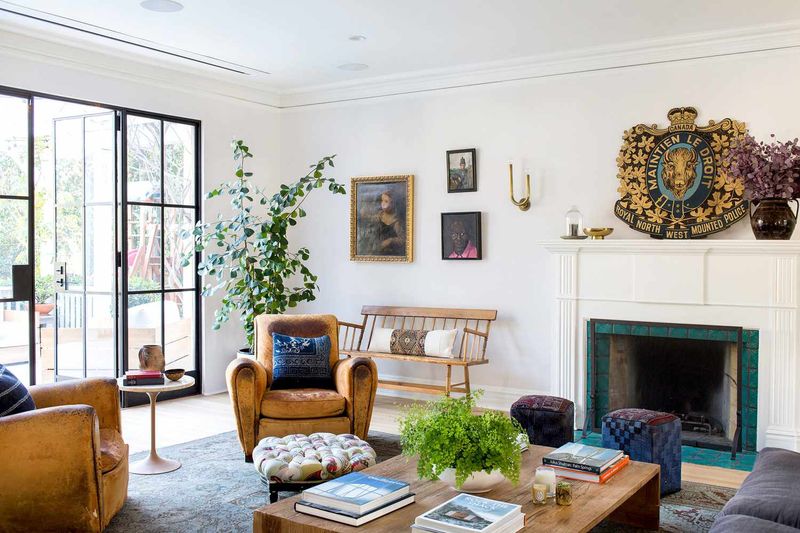
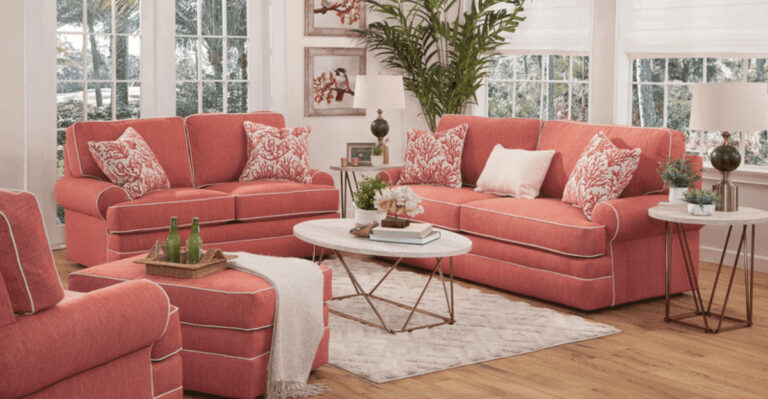
Where will you spend most waking hours? Your living room deserves special attention as the heart of daily family life and entertaining. Start with larger elements—sofa positioning, entertainment center placement, and coffee table location.
Layer in textiles like throw pillows and blankets in complementary colors for instant coziness. Add personal touches through books, travel souvenirs, or family photos. Remember to leave some empty space—rooms need breathing room to avoid feeling cluttered.