16 Timeless Decorating Lessons Interior Designers Learned From Their Parents and Grandparents
Family wisdom often shapes our approach to creating beautiful spaces. Professional interior designers frequently draw upon childhood memories and lessons passed down through generations when crafting stunning interiors.
What might seem like simple advice from grandma could actually be sophisticated design principles that stand the test of time.
1. Mix Old and New for a Lived-In Look
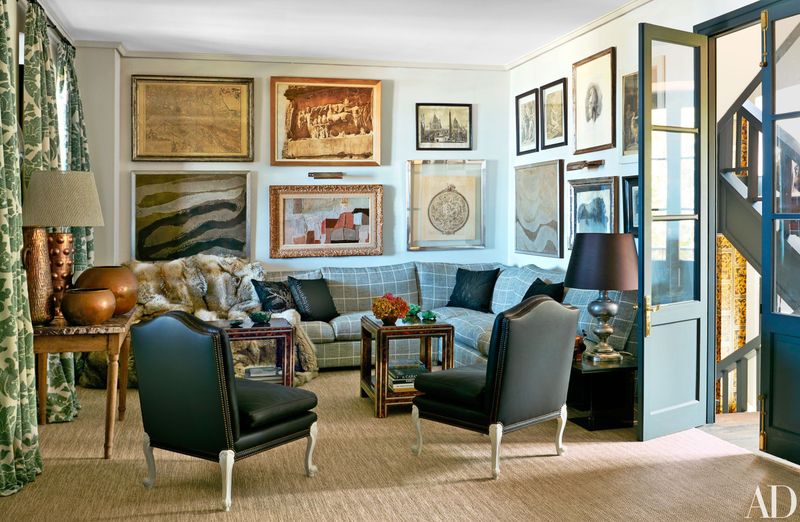
Grandma’s antique side table alongside a modern sofa creates magic that catalog-perfect rooms lack. Blending eras tells your unique story through design.
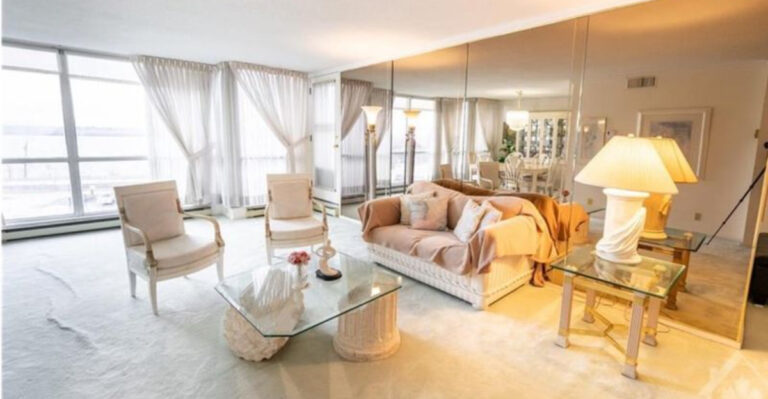
Professional designers regularly incorporate vintage finds with contemporary pieces to create depth and character. Rooms that evolve over time feel authentic rather than staged.
2. Invest in Quality Over Quantity
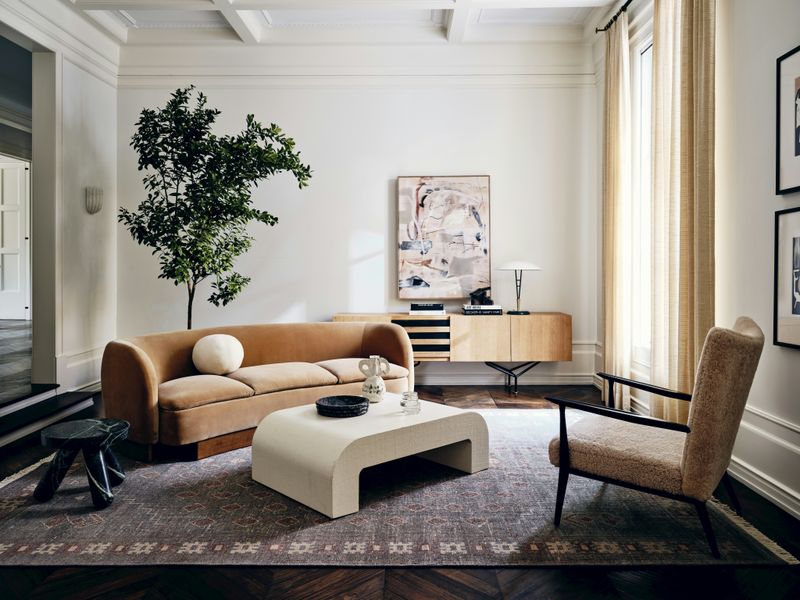
One exquisite armchair outlasts five cheap alternatives. Designers who grew up watching parents save for that perfect piece understand the value of patience in decorating.
Quality materials age gracefully, developing character rather than falling apart. Splurging on foundational furniture creates a home that evolves beautifully through decades.
3. Always Measure Twice
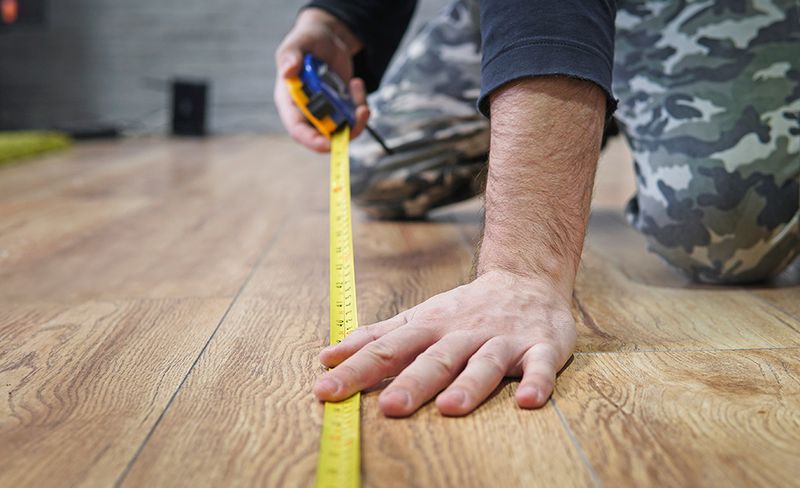
Rushing into furniture purchases without proper measurements leads to doorway disasters and awkward room layouts. Childhood memories of dad’s tape measure coming out before shopping trips stick with professional designers.
Accurate dimensions prevent costly mistakes and ensure proportional arrangements. Smart designers carry measuring tools everywhere, just like grandpa taught.
4. Use Color to Set the Mood
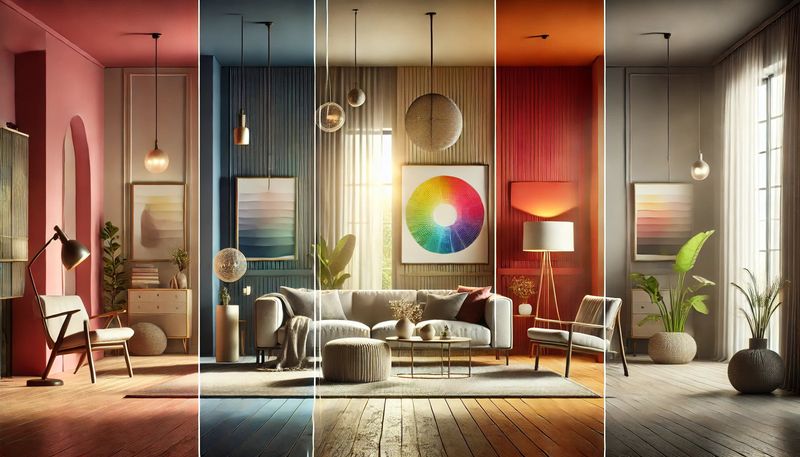
Watching mom repaint the kitchen from beige to sunny yellow revealed how color transforms environments. Professional designers remember how family spaces felt different after color changes.
Bold hues energize gathering areas while soft tones create tranquility in bedrooms. Color psychology learned at grandmother’s knee now guides sophisticated design decisions in award-winning interiors.
5. Let Natural Light Lead the Way
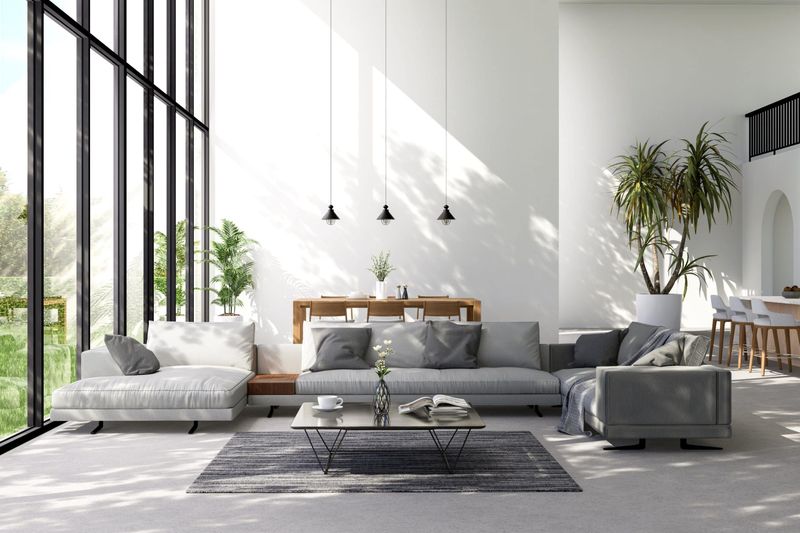
Grandparents who grew up before widespread electricity understood window placement matters more than any fixture. Watching how sunlight travels through childhood homes taught designers to prioritize natural illumination.
Morning light in breakfast nooks and golden afternoon glow in living areas create rhythm in homes. Strategic furniture arrangement maximizes daylight’s free design enhancement.
6. Rearrange Before You Replace
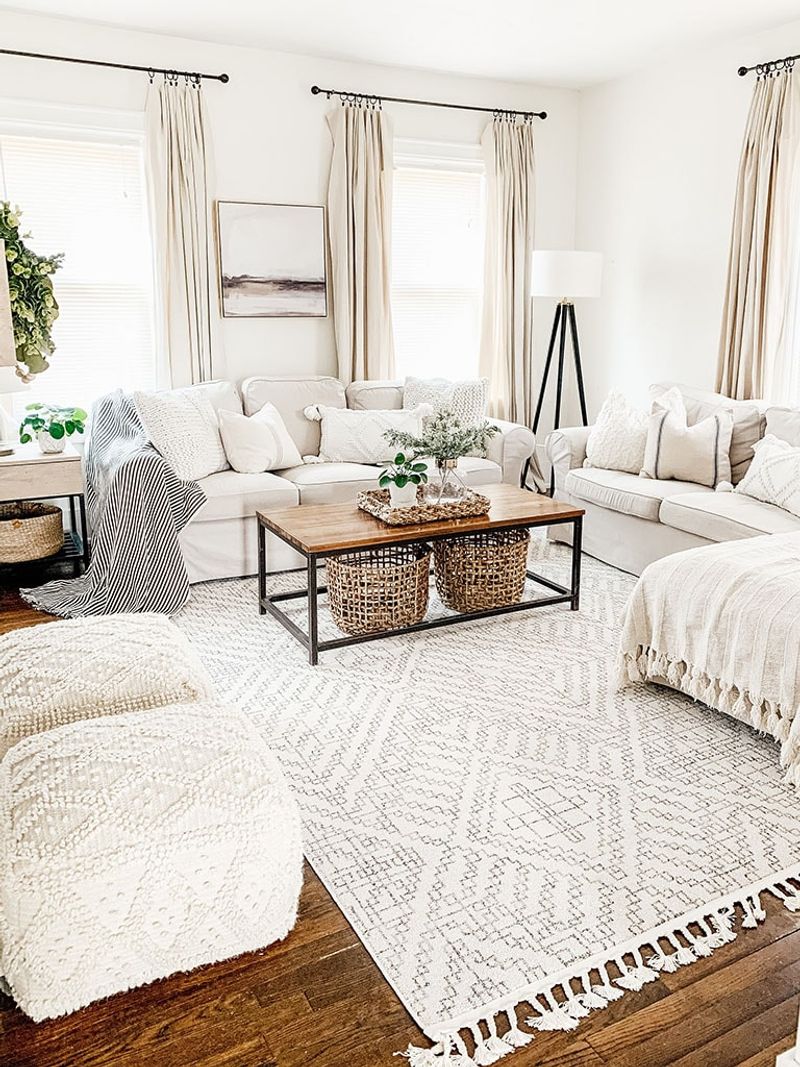
Money was often tight when today’s designers were growing up, so parents taught creativity through rearrangement. Moving furniture between rooms creates fresh perspectives without spending a dime.
Seasonal refreshes through repositioning became second nature. Professional designers still exhaust layout options before recommending new purchases, honoring that resourceful spirit.
7. Every Room Needs a Focal Point
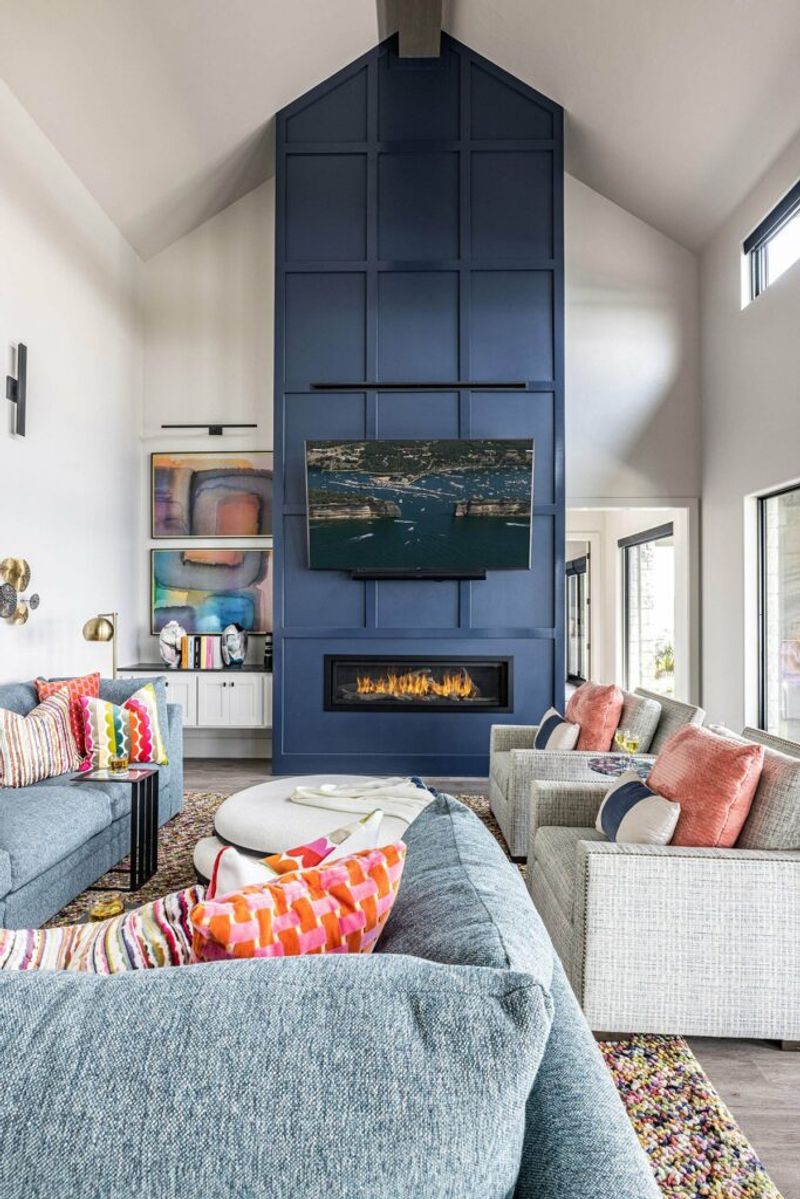
Grandmother’s prized china cabinet or grandfather’s reading chair anchored childhood spaces with purpose. Designers learned early that rooms feel directionless without a visual centerpiece.
Architectural features like fireplaces or stunning views naturally command attention. When lacking built-in features, statement furniture, artwork, or even a bold rug can establish the necessary visual hierarchy.
8. Display What You Love, Not What Matches
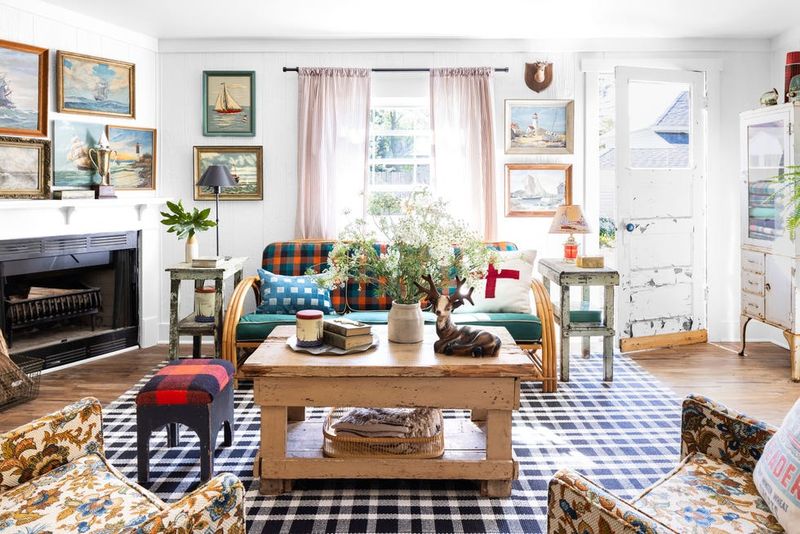
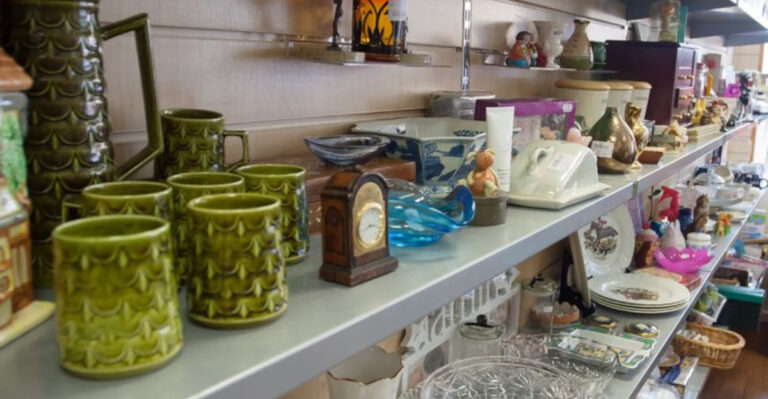
Mom’s mismatched teacup collection sparked joy decades before Marie Kondo’s philosophy. Experts who grew up with parents who prioritized meaningful objects over perfect coordination understand authenticity.
Personal collections, family photographs, and travel souvenirs create homes that tell stories. Perfectly coordinated rooms from catalogs lack the soul that cherished objects bring.
9. Embrace Imperfections
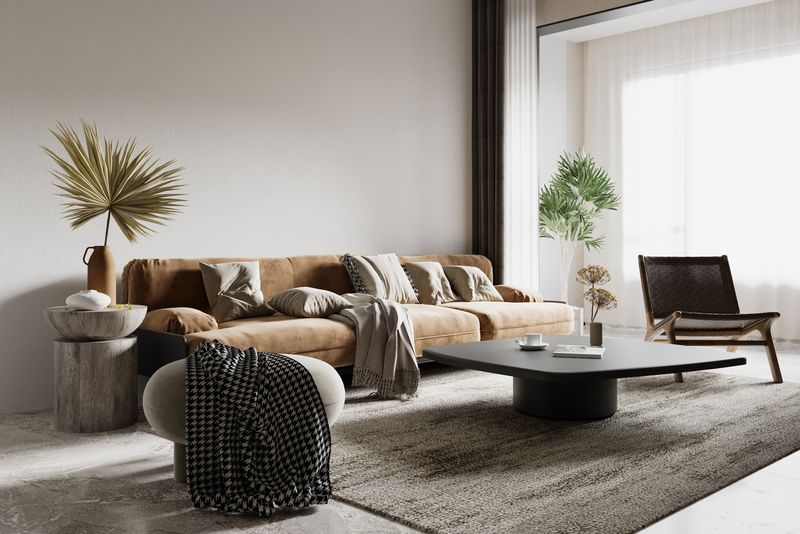
Grandmother’s worn dining table hosted countless family gatherings, its scratches recording history rather than diminishing value. Professionals raised appreciating patina understand that flawlessness often feels sterile.
Hand-crafted items with slight irregularities bring warmth machine-made perfection lacks. Celebrating the unique character of imperfect pieces creates homes with authentic personality and lived-in comfort.
10. Don’t Forget the Ceiling
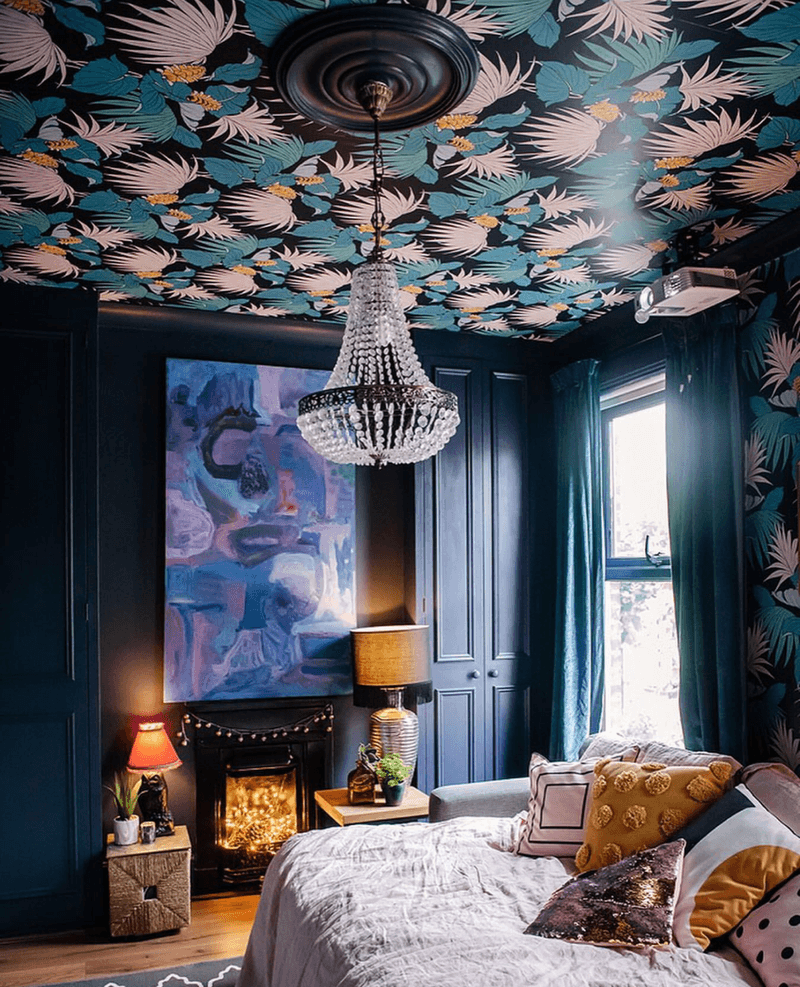
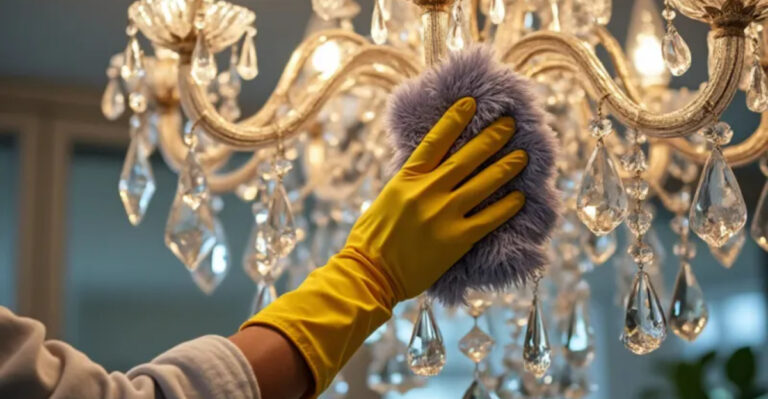
Childhood memories of grandmother’s painted ceiling medallions or grandfather’s hand-installed beadboard taught designers that overlooking the “fifth wall” wastes opportunity. Looking up should reward the viewer.
Paint, wallpaper, architectural details, or interesting light fixtures transform ordinary spaces. Professional designers now routinely include ceiling treatments in comprehensive design plans, honoring this often-forgotten lesson.
11. Layer Textures for Warmth
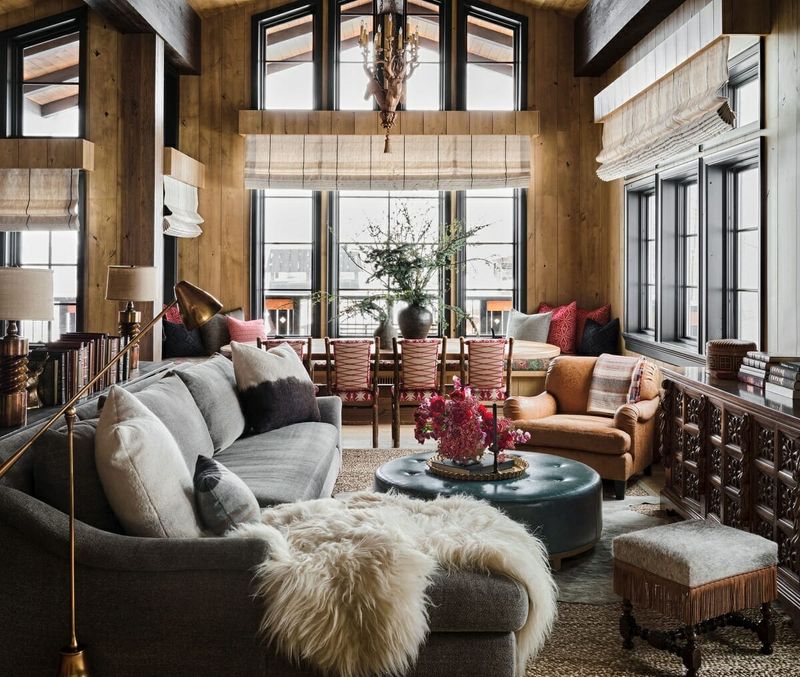
Curling up in grandma’s living room meant experiencing velvet pillows against wool throws on leather chairs. Interior design experts raised in homes with textural variety learned that touch matters as much as appearance.
Flat, one-dimensional spaces feel incomplete regardless of color scheme. Mixing rough with smooth, soft with firm, and matte with glossy creates multi-sensory environments that invite interaction.
12. Keep It Functional First
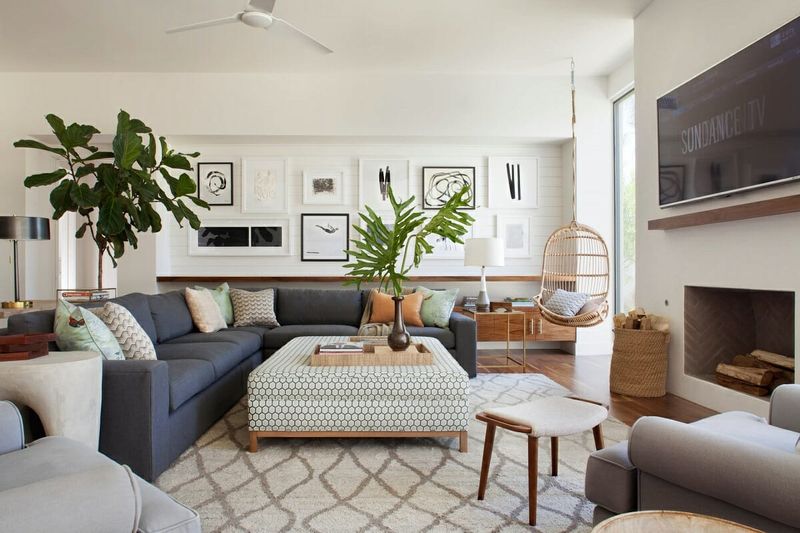
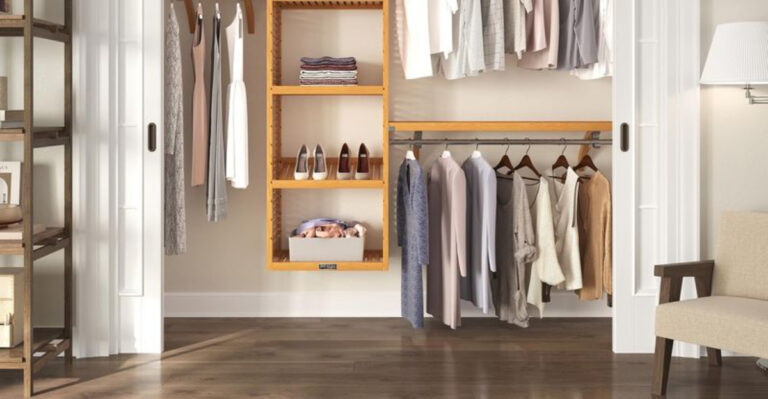
Practical parents who insisted on washable slipcovers and sensible furniture arrangements taught future designers that beauty without function fails. Pretty rooms that can’t accommodate real life create frustration.
Storage solutions, durable fabrics, and logical traffic patterns ensure spaces work efficiently. Professional designers balance aesthetic goals with practical needs, creating beautiful homes that genuinely support daily living.
13. Decorate Slowly and Intentionally
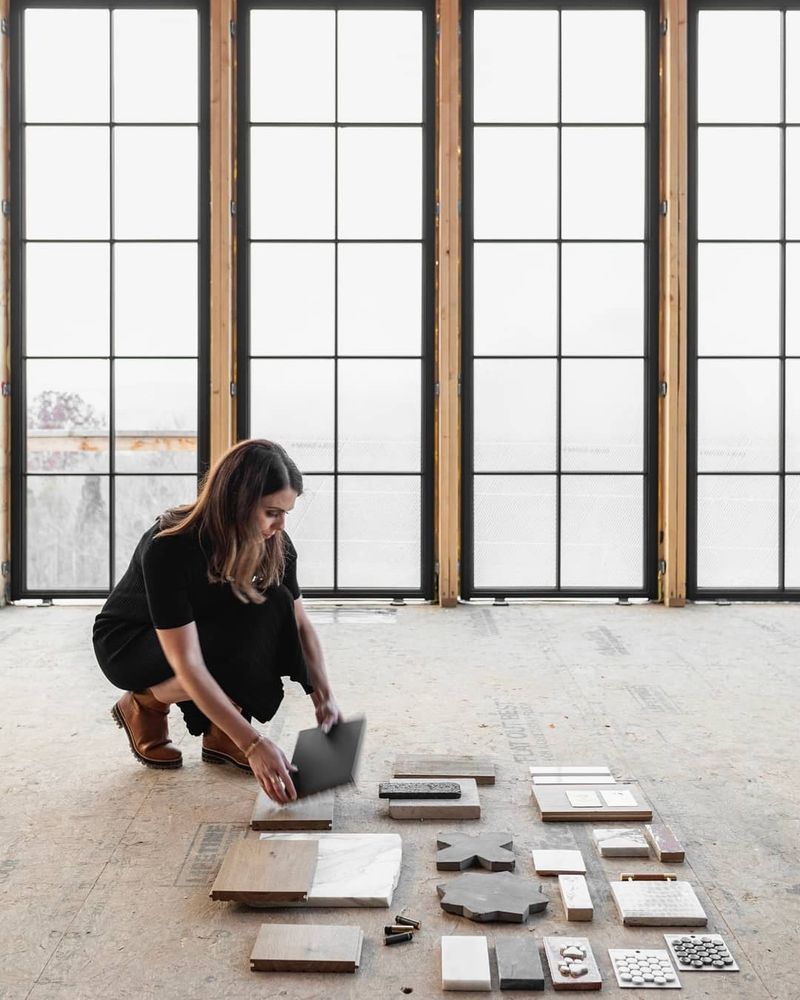
Watching parents gradually collect meaningful pieces over decades taught patience in creating authentic spaces.
Living with emptiness until finding the right piece builds discernment. Professional designers now counsel clients against immediate completion, encouraging thoughtful evolution that results in more personal, satisfying environments.
14. Use Rugs to Define Spaces
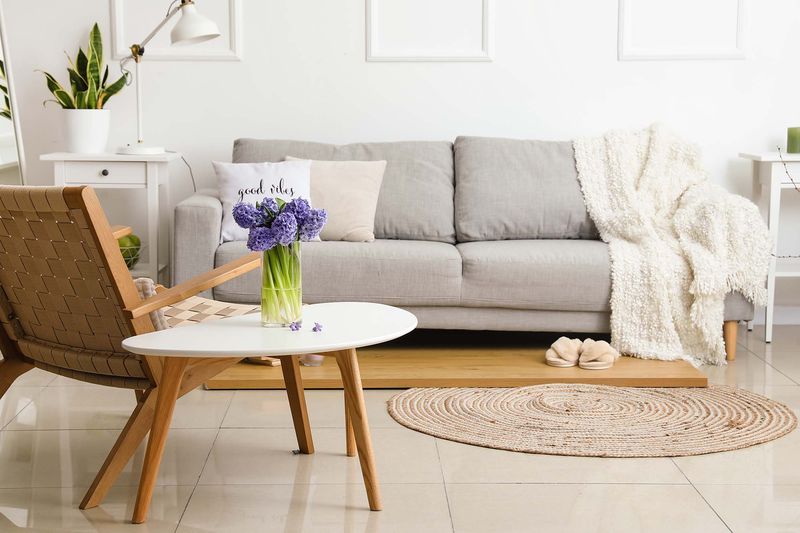
Grandma’s strategic rug placement created distinct areas within open rooms long before open-concept living became trendy.
Area rugs establish visual boundaries without walls. Professional designers regularly use floor coverings to create dining areas, conversation groupings, and reading nooks within larger spaces, honoring this timeless zoning technique.
15. Trust Your Instincts
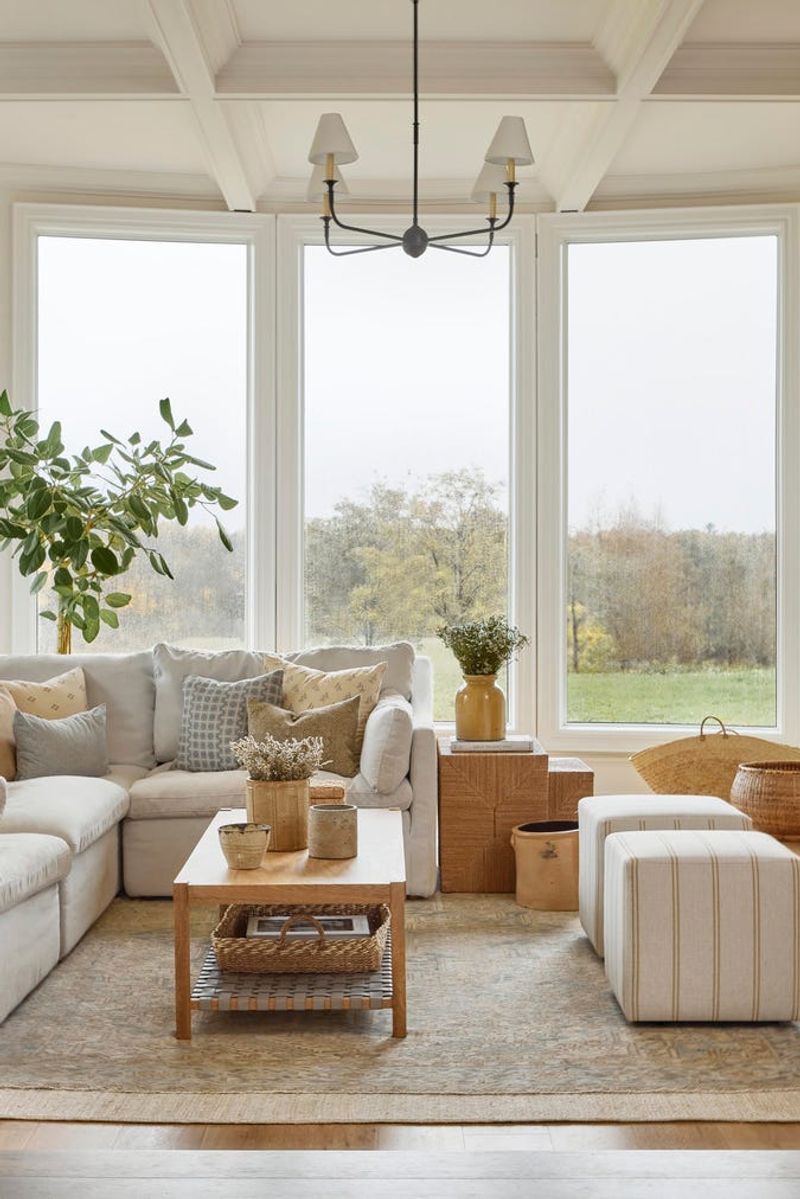
Mom’s confident dismissal of passing trends in favor of what felt right for the family home taught valuable lessons about authentic design.
Personal comfort trumps magazine perfection every time. Professional designers now encourage clients to listen to their own reactions rather than blindly following design rules.
16. A Cozy Home Is a Happy Home
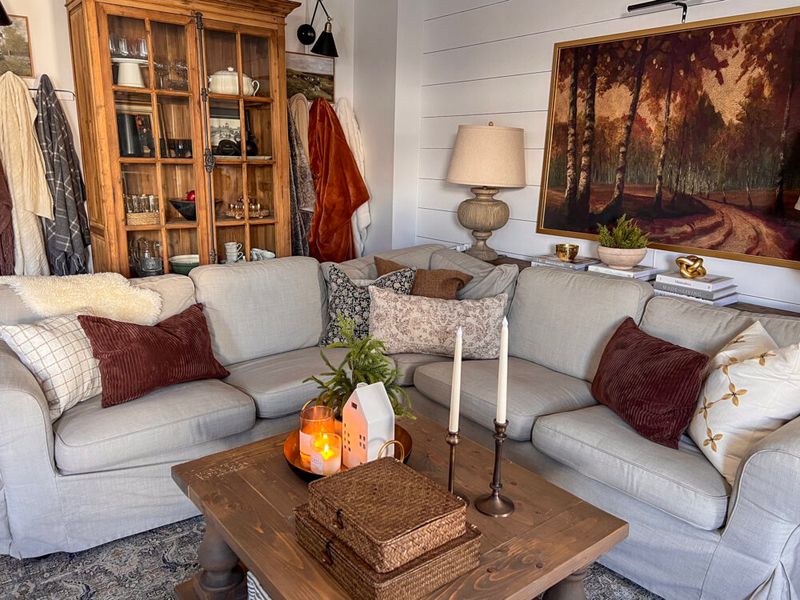
Grandfather’s reading nook with the perfect lamp and grandmother’s kitchen with welcoming scents created emotional sanctuaries.
Inviting spaces encourage connection and relaxation. Professional designers now measure success not just by aesthetic achievement but by how spaces make people feel—a lesson learned at family dining tables years before.