
17 Ideas For Creating A Peaceful Home When You Work Remotely
Working from home has become the new normal for many of us, but creating a peaceful environment isn’t always easy.
Between household distractions, blurred boundaries, and makeshift office spaces, finding tranquility can feel impossible.
These practical ideas will help transform your home into a sanctuary that supports both productivity and peace of mind while working remotely.
1. Establish a Dedicated Workspace
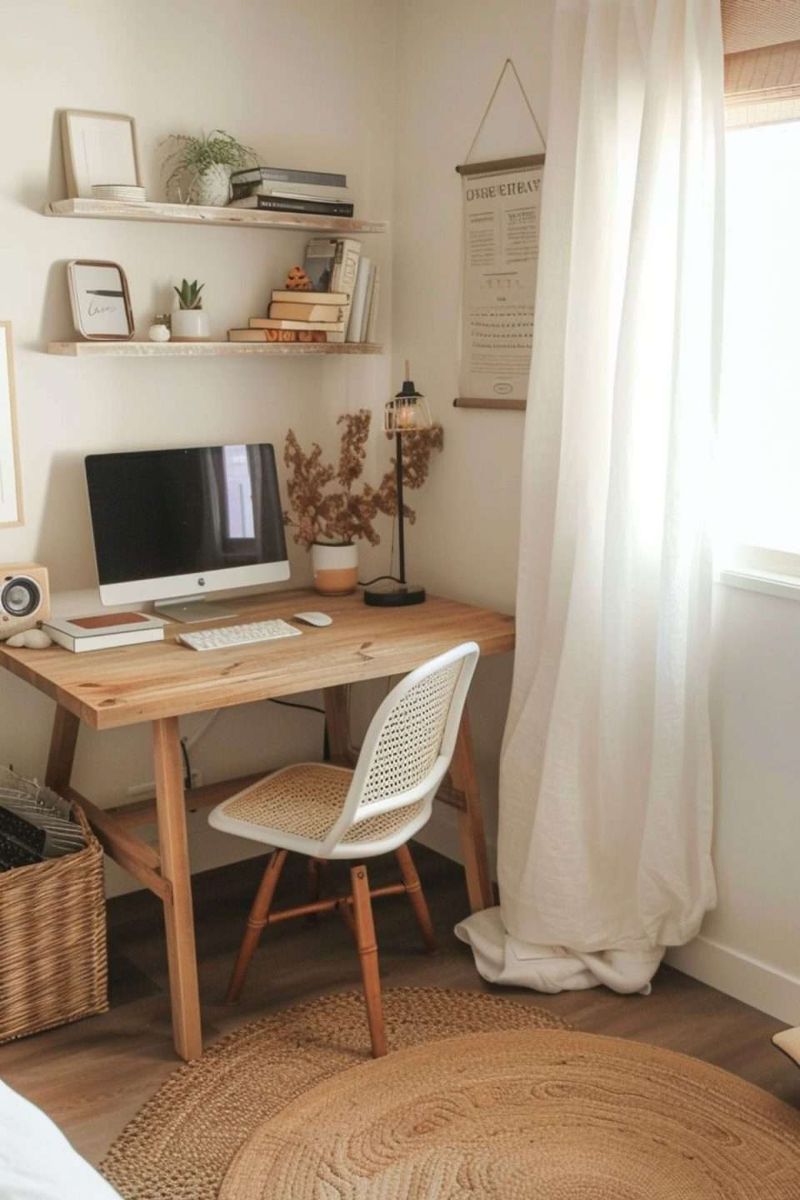
Your brain needs clear boundaries between ‘work mode’ and ‘home mode.’ Having a specific area solely for work helps your mind shift gears more effectively.
Even a small corner can become your productivity zone with the right setup. The key is consistency – return to this same spot each workday to build a routine that signals focus time.
2. Bring Nature Indoors

Nothing soothes the soul quite like a touch of greenery amid spreadsheets and emails. Indoor plants not only purify air but also reduce stress and increase productivity by up to 15%.
Low-maintenance varieties like snake plants or pothos thrive with minimal attention. Place a small plant within eyesight of your workspace as a calming visual break during intense work sessions.
3. Schedule Regular Movement Breaks

Sitting still for hours isn’t just bad for your body – it drains mental clarity too. Setting a timer for short movement breaks every 45-60 minutes can revitalize both body and mind.
Just standing and stretching for two minutes improves blood flow to your brain. Try the 20-20-20 rule: every 20 minutes, look at something 20 feet away for 20 seconds to reduce eye strain and mental fatigue.
4. Declutter Your Digital Space
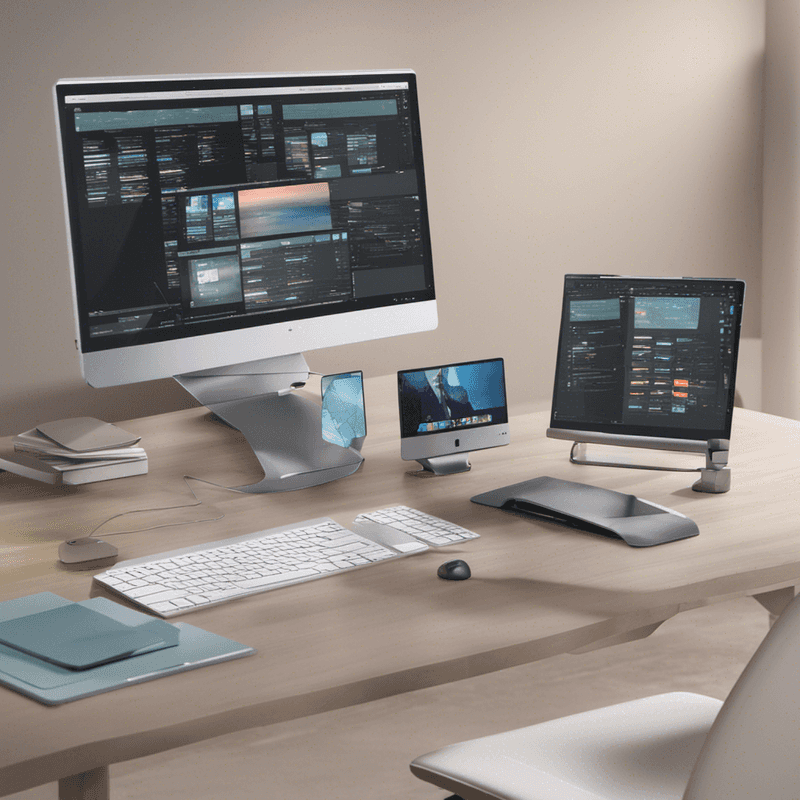
Visual chaos on your screen creates mental chaos in your head. Taking time to organize digital files, clear your desktop, and set up folder systems pays off in reduced stress and improved focus.
Close unnecessary tabs and applications when not in use. Consider digital minimalism tools that block distracting websites during work hours. A clean digital environment promotes the same peace as a tidy physical space.
5. Harness Natural Light

Humans simply function better with access to natural daylight. If possible, position your workspace near a window to benefit from mood-boosting natural light throughout the day.
Sunlight helps regulate your body’s internal clock and improves sleep quality. When natural light isn’t available, full-spectrum light bulbs can mimic some of these benefits. Proper lighting reduces eye strain and headaches while creating a more pleasant work environment.
6. Set Clear Boundaries with Household Members

Family members or roommates might not naturally understand that “working from home” means actually working. Having a straightforward conversation about when you’re available versus when you need focus time prevents frustration.
Visual signals like a closed door, headphones, or even a simple “in a meeting” sign can help. Children often respond well to timers or visual schedules showing when mom or dad will be available again.
7. Incorporate Calming Scents

Our sense of smell connects directly to brain regions controlling emotion and memory, making aromatherapy a powerful tool for creating atmosphere. Lavender promotes relaxation, while rosemary and peppermint can enhance focus and memory.
A small diffuser on your desk or a scented candle during breaks provides subtle mood management. Just keep scents light – you want enhancement, not distraction. Some people rotate scents to signal different work modes or times of day.
8. Adopt the Two-Minute Rule

Mental clutter often comes from knowing small tasks are piling up around you. The two-minute rule is simple: if something takes less than two minutes to complete, do it immediately rather than adding it to your to-do list.
Quick wins like hanging up a coat, answering a simple email, or filing a document create momentum. This prevents the buildup of minor tasks that collectively create a sense of being overwhelmed in your home workspace.
9. Create Transition Rituals

Without a commute, your brain needs new signals to transition between work and personal life. Developing simple end-of-day rituals helps create psychological distance even when physical distance isn’t possible.
Try writing tomorrow’s to-do list, changing clothes, taking a short walk, or simply shutting down your computer completely. The specific action matters less than its consistency. These small boundaries prevent work from bleeding into personal time.
10. Minimize Visual Distractions
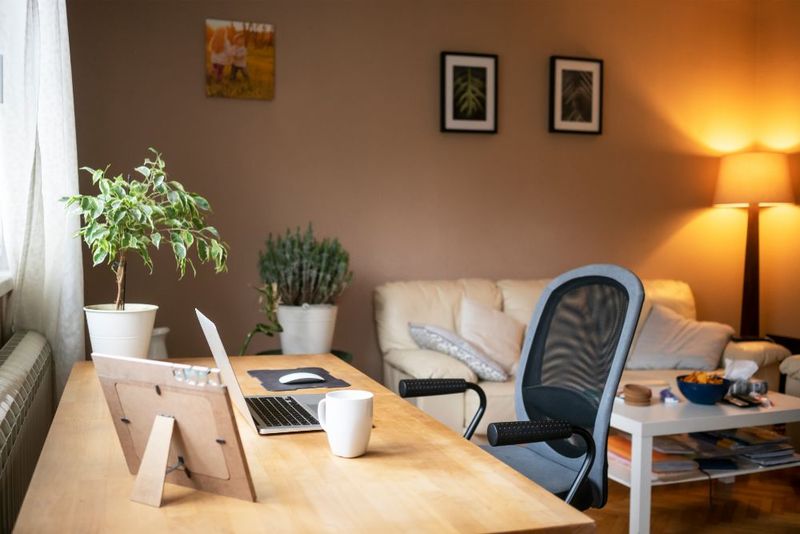
Laundry piles and dirty dishes in your line of sight create a constant low-grade stress that interferes with focus. Position your workspace away from household chaos or use room dividers to create visual separation.
Some remote workers find that facing a wall or window rather than the room helps maintain concentration. Keep only work essentials visible during work hours to signal to your brain that it’s time to focus.
11. Invest in Comfort
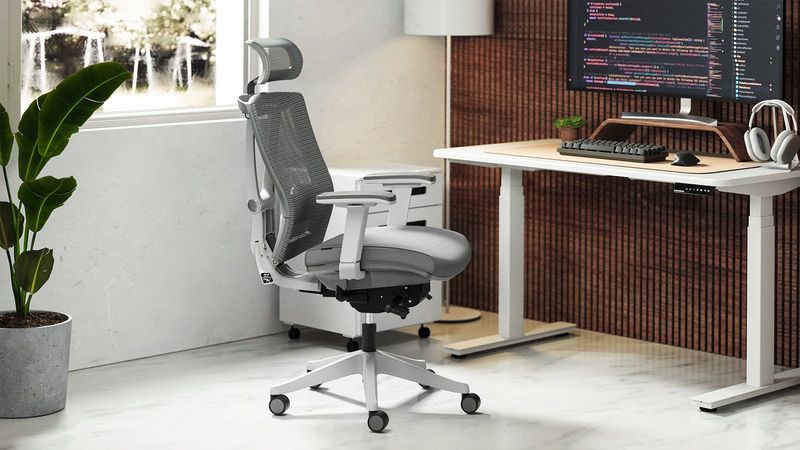
Physical discomfort is a productivity killer and peace destroyer. A quality chair that supports proper posture makes a world of difference in how you feel after a full workday. Consider ergonomic accessories like keyboard wrist rests or monitor stands.
Even simple additions like a supportive cushion or footrest can transform how your body feels. When your body is comfortable, your mind can better focus on work rather than aches and pains.
12. Designate Phone-Free Zones
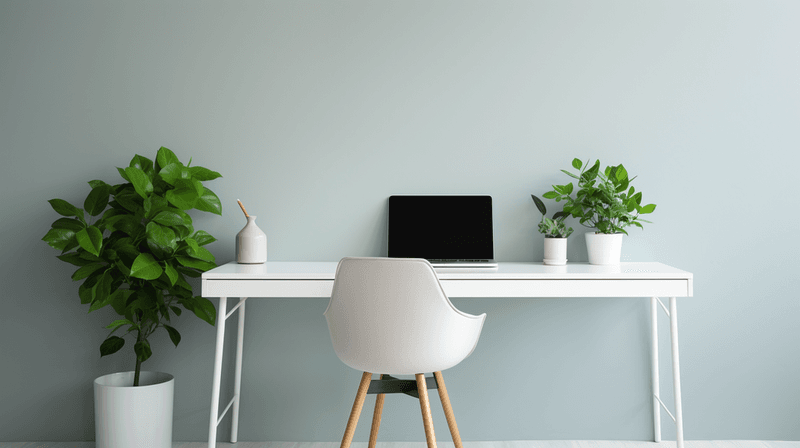
Constant notifications fragment attention and increase stress hormones. Creating specific times and places where phones aren’t welcome can dramatically increase both productivity and peace.
Many find that keeping their phone in another room during deep work sessions eliminates the temptation to check it “just quickly.” Others use apps that limit access to distracting features during work hours. This boundary helps restore the focus we had before smartphones became extensions of our hands.
13. Use the Power of Music Strategically

Different types of music affect our brains in specific ways that can be harnessed for productivity. Instrumental music without lyrics works best for tasks requiring verbal processing, while familiar music can energize repetitive tasks.
Creating specific playlists for different work modes helps train your brain to shift gears. Some people find that noise-canceling headphones playing gentle sounds like rainfall create an instant focus bubble even in chaotic environments.
14. Incorporate Meaningful Objects

Surrounding yourself with a few items that bring joy or inspiration can transform a sterile workspace into somewhere you actually want to be. A favorite photo, an inspiring quote, or a small memento can serve as visual anchors during stressful moments.
The key word is “few” – curate rather than clutter. Choose objects that genuinely lift your spirits rather than creating visual noise. These personal touches remind you of life beyond work even as you focus on tasks.
15. Establish WiFi-Free Time Blocks

Constant connectivity can create a background anxiety that prevents true peace. Scheduling specific times to disconnect completely allows your nervous system to truly reset.
Try working offline when possible – writing drafts, planning projects, or reviewing documents often doesn’t require internet access.
16. Practice the 5-Minute Reset

When tension builds during intense work periods, a quick reset can prevent stress from snowballing. Taking just five minutes to step outside, do some deep breathing, or stretch can completely change your mental state.
Keep a list of quick reset activities that work for you. The ideal reset involves changing physical positions, shifting your visual focus, and taking several deep breaths. These micro-breaks prevent the accumulation of stress throughout your workday.
17. Manage Temperature Comfort
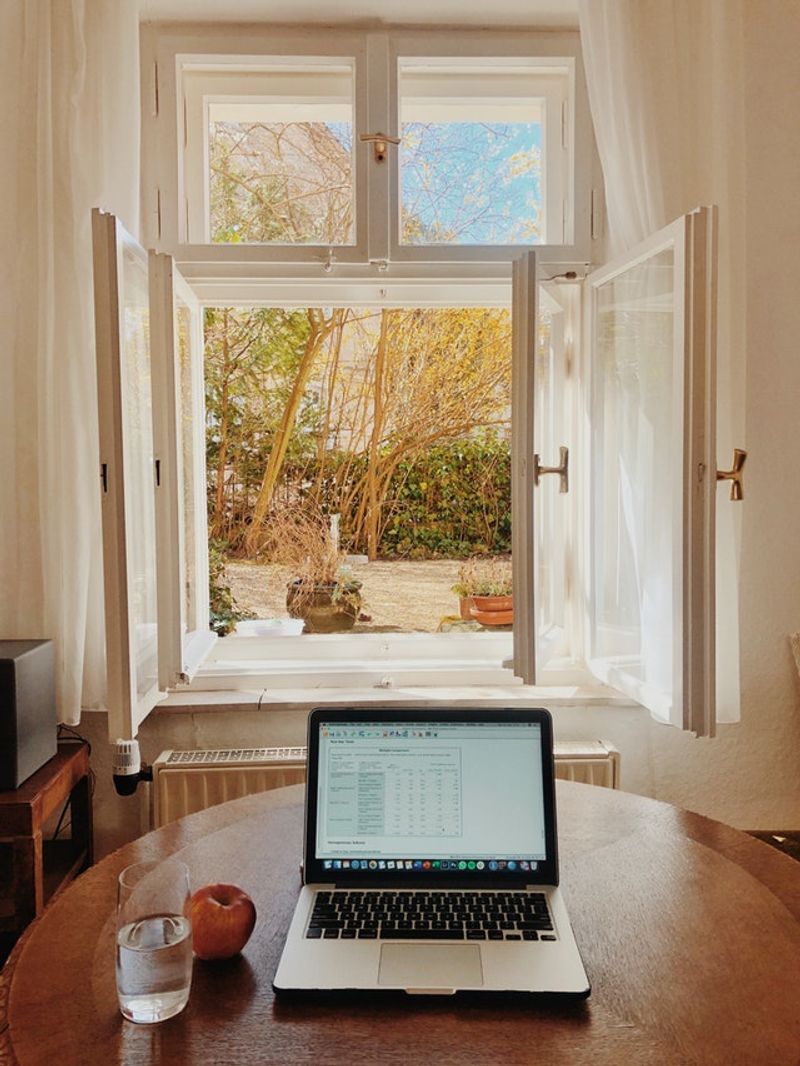
Being too hot or too cold significantly impacts both comfort and cognitive function. Studies show that the ideal temperature for productivity falls between 70-77°F (21-25°C), but personal preference matters most. Keep a light sweater or fan nearby for quick adjustments.
Some remote workers use programmable thermostats to optimize temperature for different parts of their day. Physical comfort creates the foundation for mental peace during work hours.