15 Things To Consider Before Buying A Mobile Home
Thinking about buying a mobile home? It’s a big decision that needs careful thought.
Mobile homes can offer affordable housing with flexibility, but there are important factors to weigh before signing on the dotted line.
This guide will walk you through 15 essential considerations to help make your mobile home purchase a success rather than a headache.
1. Location and Land Ownership Options
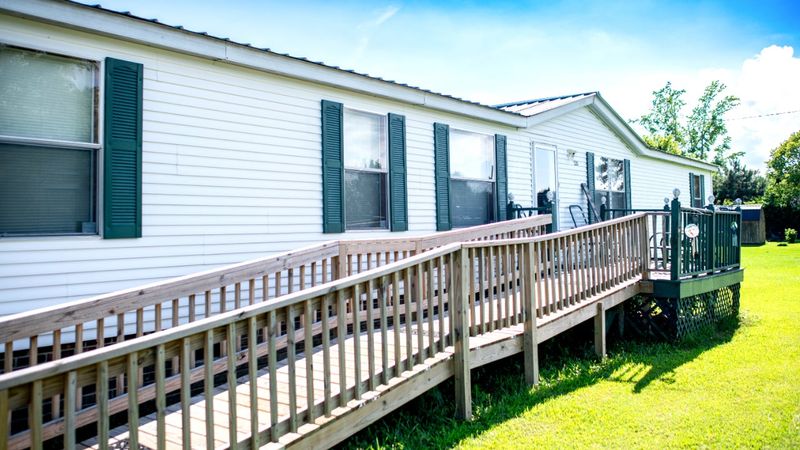
Would you rather own both your home and the land beneath it? Or perhaps you’re considering a mobile home park where you’ll pay monthly lot rent? Each option comes with distinct financial implications.
Owning land builds equity but requires more upfront investment, while renting a lot means lower initial costs but ongoing monthly expenses with no ownership benefits.
2. Zoning Laws and Local Regulations
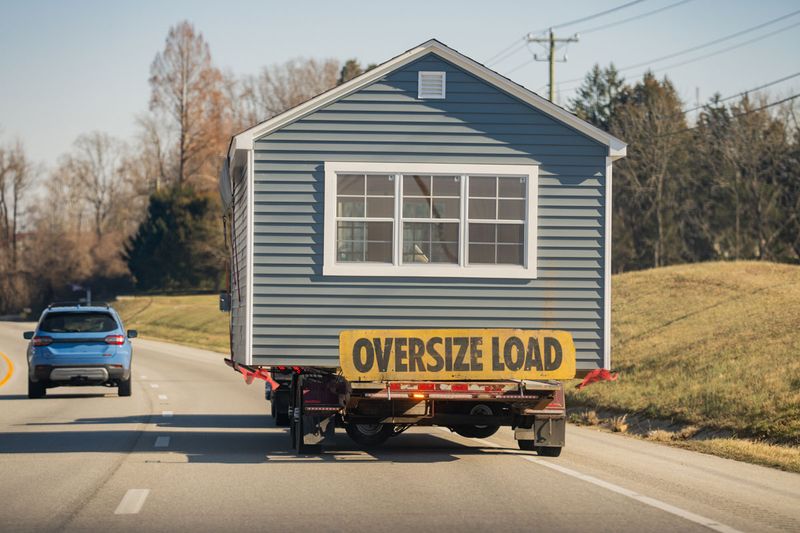
Before falling in love with a mobile home, check if you’re legally allowed to place it where you want! Some areas have strict zoning laws prohibiting mobile homes entirely.
Counties and municipalities often have specific regulations about mobile home placement, minimum size requirements, and aesthetic standards. Ignoring these rules could result in hefty fines or even being forced to relocate your home.
3. Age and Condition Assessment
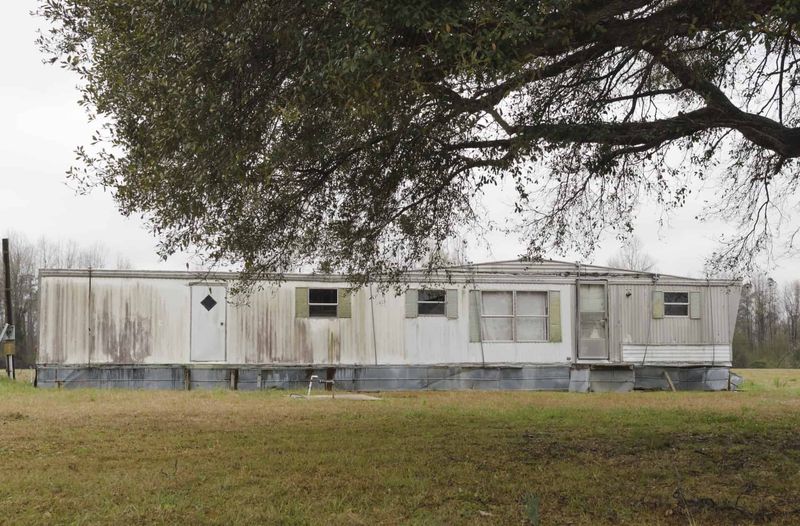
Just like any home, age matters significantly when purchasing a mobile home. Older units might come with hidden problems like outdated electrical systems or structural weaknesses.
Look for signs of water damage, sagging floors, or roof issues. Soft spots in flooring often indicate water damage beneath, while uneven floors could suggest foundation problems. Even small issues can become expensive headaches later.
4. Financing Challenges

Getting a loan for a mobile home isn’t always straightforward. Traditional mortgage lenders often shy away from mobile homes, especially older models.
You might need to explore specialized lenders offering chattel loans (for the home only) or FHA Title I loans. Interest rates typically run higher than conventional mortgages, and loan terms are usually shorter. Shop around extensively to find the best financing option.
5. Foundation Requirements
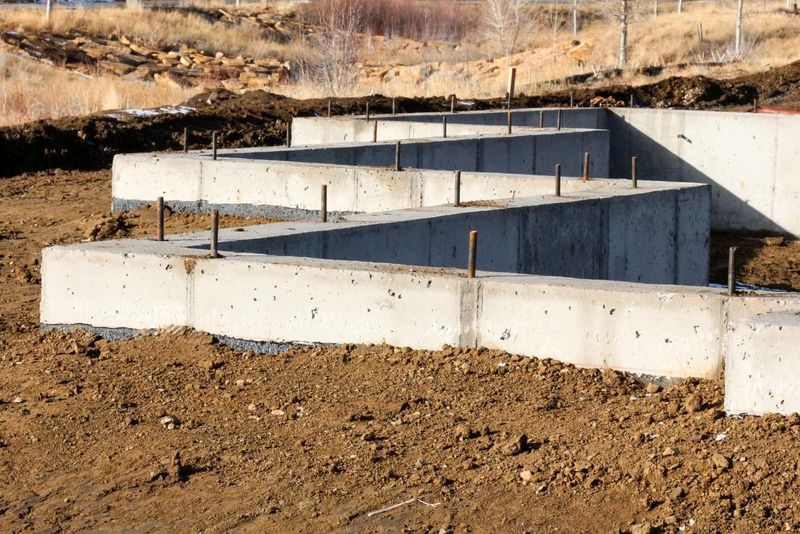
A proper foundation isn’t just good practice—it’s often legally required and affects everything from insurance to home value.
Permanent foundations generally increase a mobile home’s value and may qualify your purchase for better financing options. Various types exist, from concrete slabs to pier-and-beam systems. Local building codes typically dictate minimum requirements based on your climate zone.
6. Transportation and Setup Costs
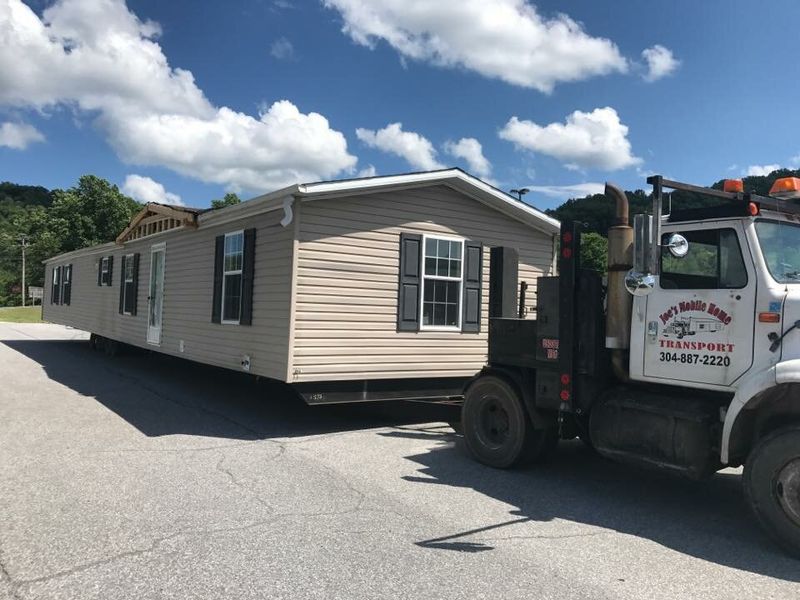
Moving a mobile home isn’t like hiring a regular moving truck. It requires specialized equipment, permits, and professional movers trained in handling these structures.
Setup costs include foundation preparation, utility connections, skirting installation, and anchoring. These expenses can easily add thousands to your budget. Always get multiple quotes from licensed, insured mobile home transport companies to compare prices.
7. Insurance Considerations

Finding adequate insurance coverage for mobile homes can be tricky. Many standard homeowners insurance companies either don’t cover mobile homes or charge premium rates.
Look for insurers specializing in manufactured housing. Coverage should include protection against wind damage, which is particularly important for mobile structures. Location significantly impacts premiums, with homes in storm-prone areas facing higher costs.
8. Utility Connections and Efficiency
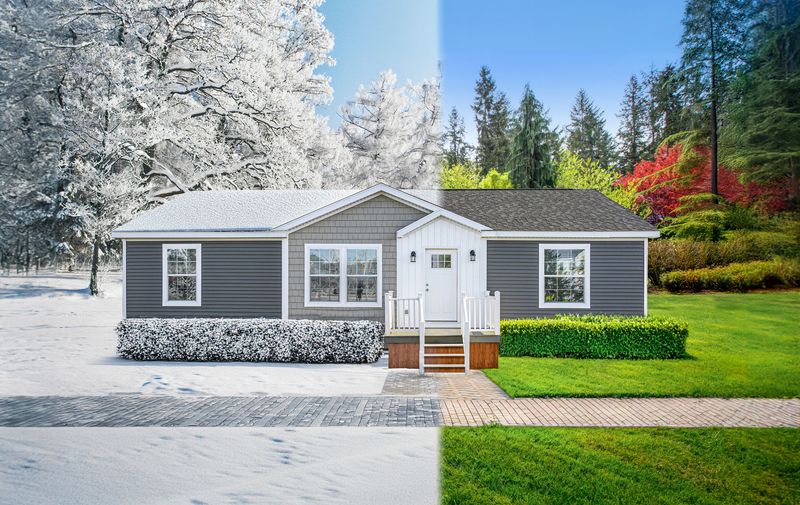
How efficiently will your mobile home handle heating and cooling? Older units often lack proper insulation, leading to sky-high utility bills.
Check the windows for double-paning and proper sealing. Examine insulation ratings in the walls, floor, and ceiling. Energy-efficient mobile homes can save thousands in utility costs over time, making newer models potentially more economical despite higher purchase prices.
9. Park Rules and Restrictions
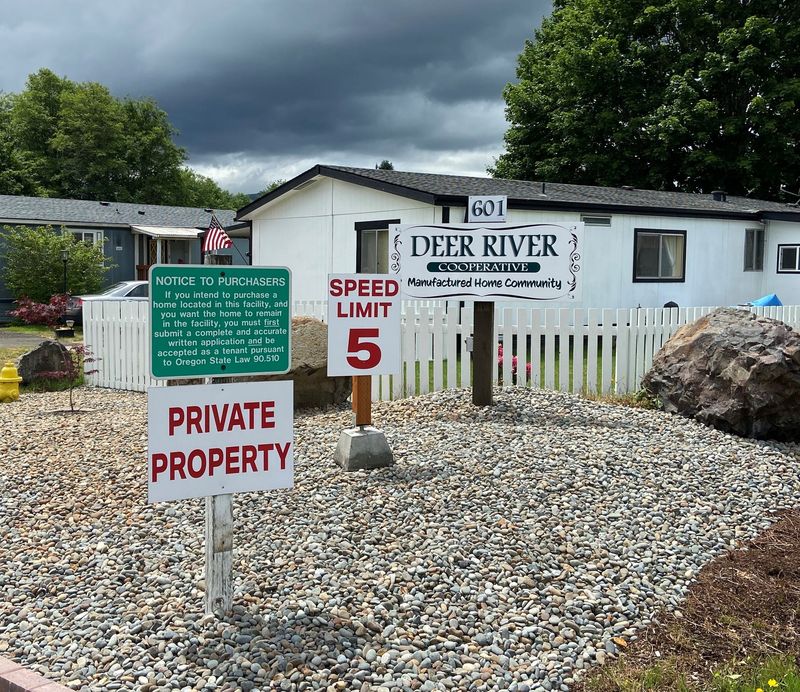
If you’re placing your home in a mobile home community, those seemingly innocent park rules could significantly impact your lifestyle.
Common restrictions include pet policies, visitor limitations, exterior maintenance requirements, and even age restrictions in senior communities. Request a complete copy of all community rules before committing, and talk with current residents about how strictly rules are enforced.
10. Warranty Coverage

New manufactured homes typically come with a manufacturer’s warranty, but coverage varies widely between companies. Most warranties cover structural elements for one year and major systems like plumbing and electrical for longer periods.
Used homes rarely include warranties unless purchased from dealers offering limited coverage. Consider purchasing extended warranties for older homes to protect against major system failures.
11. Resale Potential
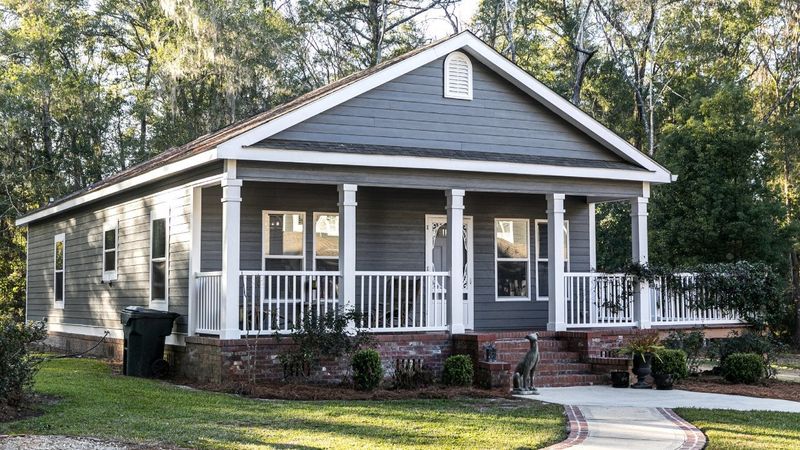
Even if you plan to live in your mobile home forever, circumstances change, and understanding future resale prospects is wise. Location remains the primary factor affecting resale value.
Homes in desirable areas with good schools and amenities sell faster and for better prices. Regular updates to kitchens and bathrooms can significantly improve marketability when selling.
12. Space and Layout Considerations
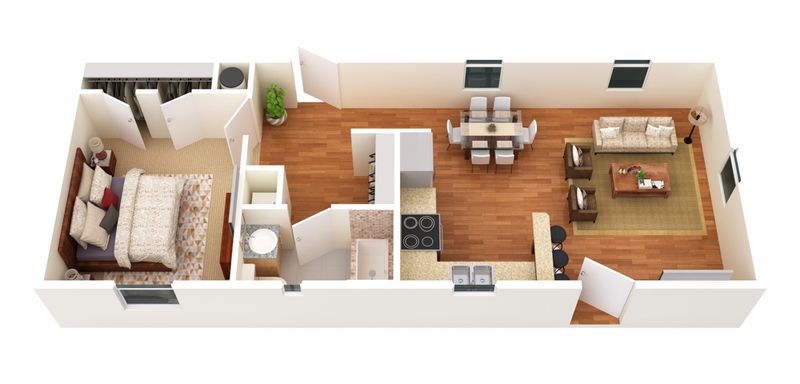
Mobile homes offer surprisingly efficient floor plans, but space limitations are real. Consider how your furniture and lifestyle will fit within these constraints.
Ceiling height varies between models and can feel confining in older units. Storage space is typically limited compared to traditional homes. Measure your largest furniture pieces before purchasing to ensure they’ll fit through doorways and in rooms.
13. Water and Plumbing Systems
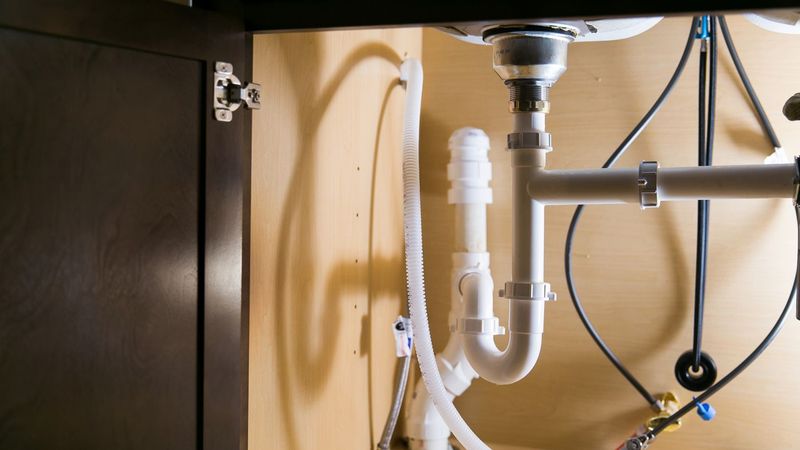
Plumbing issues rank among the most common problems in mobile homes. Pipes in older units may be made of materials now considered substandard, like polybutylene.
Check water pressure throughout the home and look underneath for signs of leaks. Mobile home plumbing repairs can be more complicated than in traditional homes due to limited access points and specialized parts.
14. Roof Structure and Materials
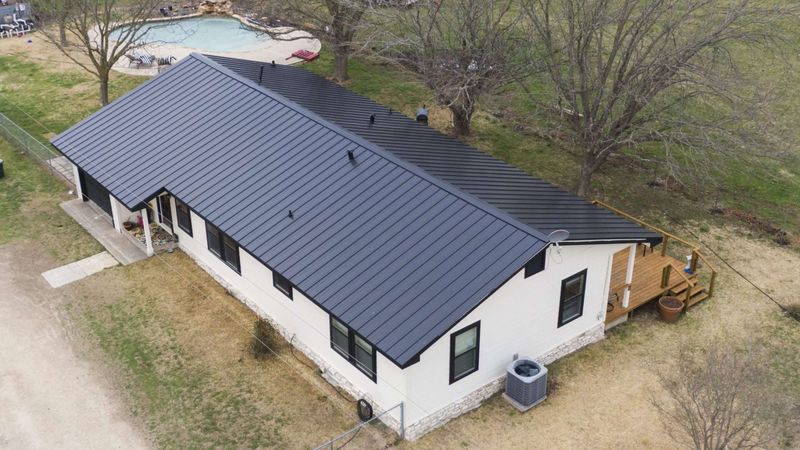
The roof is your mobile home’s first line of defense against the elements. Older mobile homes often have flat or slightly bowed roofs prone to leaking and damage.
Newer manufactured homes feature pitched roofs with standard shingles, offering better protection. Metal roofs provide excellent durability but can be noisy during rain. Inspect the ceiling for water stains indicating past or current leaks.
15. Professional Inspection Importance
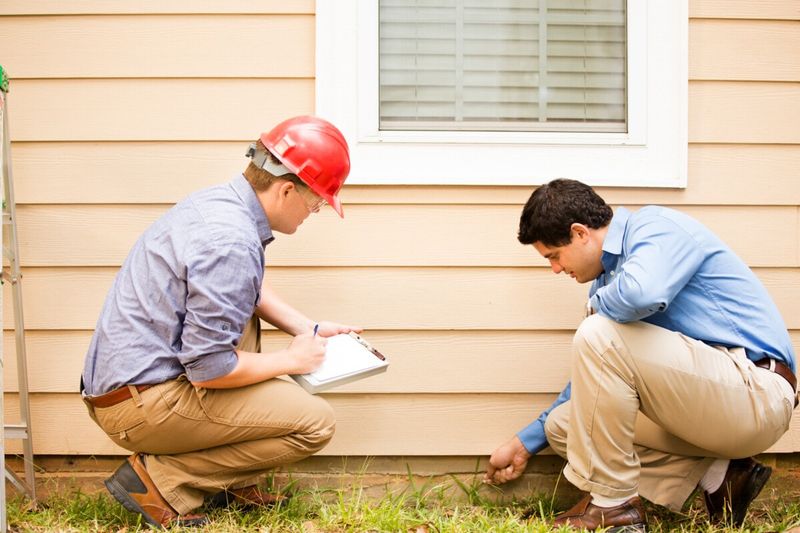
Never skip a professional inspection when buying a mobile home! Standard home inspectors may lack specialized knowledge about manufactured housing construction.
Find an inspector with specific experience in mobile homes who will check structural elements, electrical systems, plumbing, HVAC, and roof condition. The few hundred dollars spent on inspection could save thousands in unexpected repairs down the road.