
17 Steps Of Choosing The Right Kitchen Countertop For You
Selecting the perfect kitchen countertop can transform your cooking space from ordinary to extraordinary. This important decision affects not only the look of your kitchen but also its functionality and value.
Whether you’re renovating or building from scratch, following these 17 steps will guide you through the sometimes overwhelming process of finding your ideal countertop match.
1. Determine Your Budget Range

Money matters when picking countertops! Prices vary dramatically from affordable laminate (starting around $20 per square foot) to luxury materials like quartz or marble (upwards of $100 per square foot).
Creating a realistic budget early helps narrow your options and prevents falling in love with something beyond your means.
2. Assess Your Cooking Habits
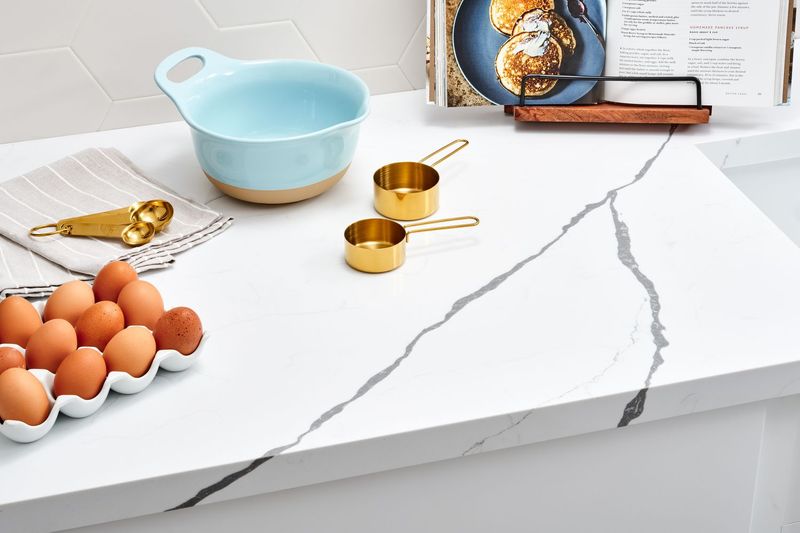
What happens in your kitchen on a typical day? Frequent bakers need heat-resistant surfaces, while enthusiastic cooks might prioritize scratch resistance.
Your unique cooking style should guide your countertop choice. Someone who rarely cooks needs different materials than a culinary enthusiast who uses every gadget imaginable.
3. Consider Maintenance Requirements

How much time are you willing to dedicate to countertop upkeep? Some materials demand regular sealing and special cleaning products.
Busy households might prefer low-maintenance options like quartz or solid surface materials. Natural stone enthusiasts should be prepared for periodic sealing and careful cleaning to maintain their investment.
4. Evaluate Durability Needs

Families with children might prioritize materials that can withstand dropped objects and spills. High-traffic kitchens demand surfaces that resist scratches, stains, and impact damage.
Consider how long you plan to keep your countertops. Some materials age gracefully while others may show wear more quickly, affecting your long-term satisfaction.
5. Match Your Kitchen Style

Your countertop should complement your kitchen’s overall aesthetic. Modern kitchens often feature sleek quartz or concrete, while traditional spaces might showcase granite or butcher block.
Think how your countertop will interact with cabinets, flooring, and backsplash. The right combination creates a cohesive look that enhances your home’s character and value.
6. Explore Material Options

Beyond the familiar granite and marble lie numerous possibilities! Engineered quartz offers consistent patterns, while concrete provides industrial charm. Butcher block brings warmth, and recycled glass adds eco-friendly sparkle.
Each material has unique properties affecting appearance, performance, and price. Expanding your knowledge helps you discover options you might have overlooked.
7. Visit Showrooms For Inspiration

Nothing beats seeing and touching materials in person! Showrooms display countertops in realistic settings, helping you visualize possibilities for your own space.
Bring cabinet samples or photos of your kitchen to compare alongside potential countertops. This hands-on experience often reveals preferences you didn’t know you had.
8. Request Material Samples

Lighting dramatically affects how countertops look! Samples let you see materials under your kitchen’s specific lighting conditions.
Place samples near your cabinets and flooring to check compatibility. Leave them in place for several days, observing how they appear at different times and how you feel about them as the novelty wears off.
9. Research Resale Value Impact

Forward-thinking homeowners consider how countertop choices affect property value. Certain materials consistently appeal to buyers and may offer better return on investment.
While trendy options might seem attractive now, classic materials often have broader appeal when selling. Balance personal preference with potential future marketability if resale is a consideration.
10. Measure Your Space Accurately

Precise measurements prevent costly mistakes! Calculate square footage including overhangs and backsplashes to determine material quantities needed.
Evaluate your layout to determine where seams would be least noticeable. Unusual shapes or sink cutouts can complicate both material needs and installation.
11. Understand Edge Profile Options

Edge profiles significantly impact both aesthetics and safety. Straight edges create modern, clean lines while bullnose or beveled edges add character and reduce injury risk.
More elaborate edges like ogee or waterfall can become design features themselves. Your choice affects both appearance and functionality, particularly in households with small children.
12. Consider Sink Compatibility

Your sink choice affects countertop decisions! Undermount sinks require specific edge treatments, while drop-in models work with most countertop materials.
Integrated sinks made from the same material as countertops create seamless looks but limit material options. Farm sinks need special support structures that must be planned during countertop selection.
13. Evaluate Environmental Impact

Eco-conscious consumers should investigate the sustainability of potential materials. Reclaimed wood, recycled glass, and bamboo offer renewable alternatives to quarried stone.
Factor in manufacturing methods and transport distances when assessing environmental impact. Many brands now provide certifications for sustainability and low emissions.
14. Plan For Backsplash Integration
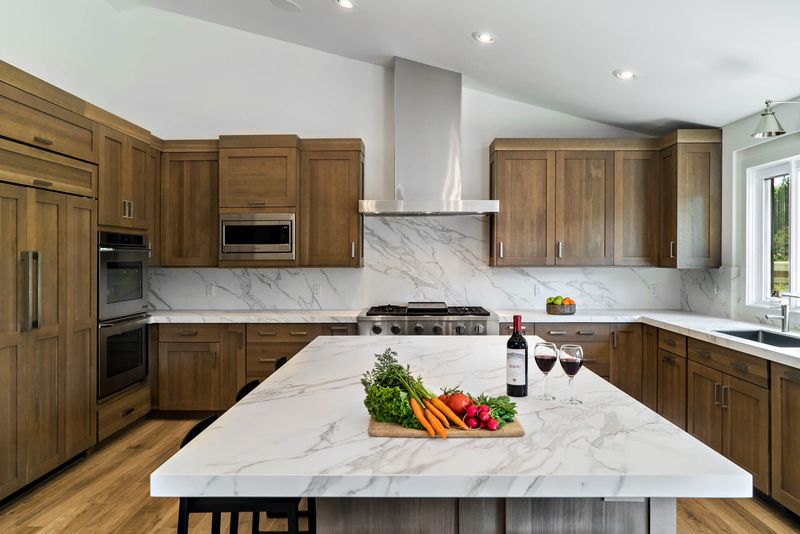
Harmonious transitions between countertops and backsplashes create polished kitchens. Some materials can extend up the wall as backsplashes, creating seamless visual flow.
Decide whether the countertop or backsplash should draw the eye. Using complementary—not identical—materials often results in a more dynamic, balanced look.
15. Interview Multiple Fabricators

Craftsmanship significantly impacts final results! Request references and view previous installations before selecting a fabricator.
Discuss specific details like seam placement, edge treatments, and cutouts. Experienced fabricators offer valuable insights about material performance and may suggest options you hadn’t considered.
16. Review Warranty Terms

Warranty coverage varies dramatically between materials and manufacturers! Natural stone typically has limited warranties, while engineered products often offer decades of protection.
Read the fine print carefully to understand what’s covered and what might void protection. Some warranties only apply when materials are installed by certified professionals, affecting your installation choices.
17. Plan For Installation Logistics

Installation timing can make or break your kitchen renovation! Countertop installation typically happens after cabinets but before backsplash and appliances.
Prepare for potential kitchen downtime during installation. Some materials require curing time or sealing before use, while others are ready immediately. Coordinating these details prevents frustrating delays.