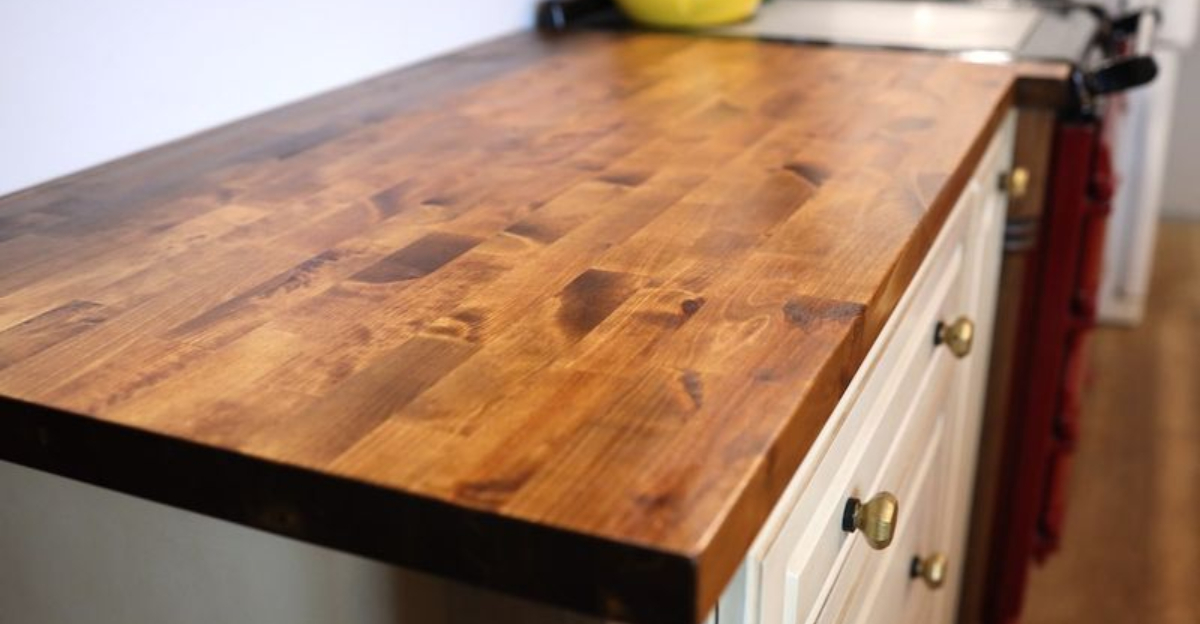
17 Biggest Mistakes People Make When Opting For Butcher Block Countertops
Butcher block countertops bring warm, natural charm to any kitchen, but they’re not as carefree as they appear. Many homeowners jump into installing these beautiful wood surfaces without understanding their special needs.
Before you commit to butcher blocks, let’s explore the common pitfalls that can turn your dream countertop into a maintenance nightmare.
1. Skipping regular oiling and sealing

Unlike stone countertops, wood is thirsty. Many homeowners underestimate how quickly butcher block can dry out and become vulnerable to stains and cracks.
Monthly oiling is essential, not optional. Without this ritual, your beautiful counters will quickly look dull, develop unsightly splits, and potentially harbor bacteria in the cracks.
2. Using them as direct cutting boards
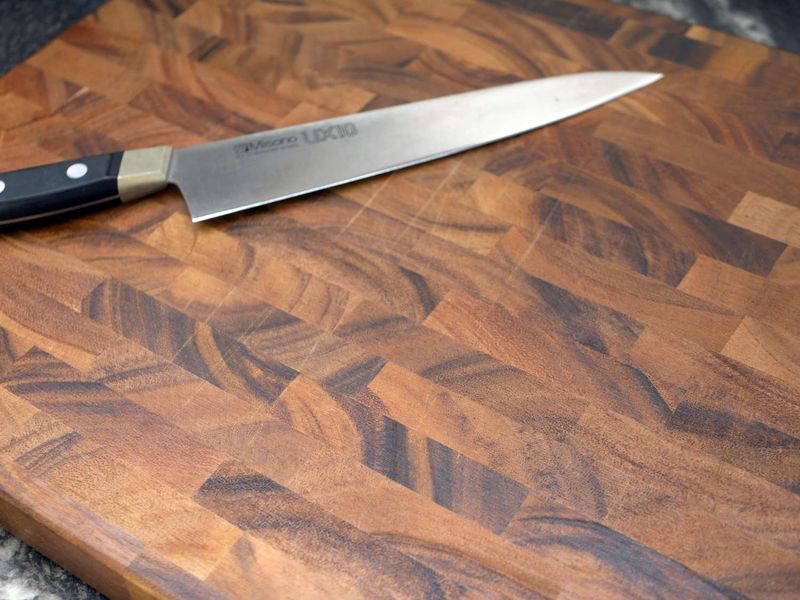
Knife marks aren’t just unsightly—they’re gateways for bacteria. Despite the name ‘butcher block,’ these countertops shouldn’t be your primary cutting surface.
Every slice leaves tiny grooves where moisture and food particles hide. Smart homeowners use separate cutting boards, preserving both their countertop’s appearance and their family’s health.
3. Ignoring water damage around sinks
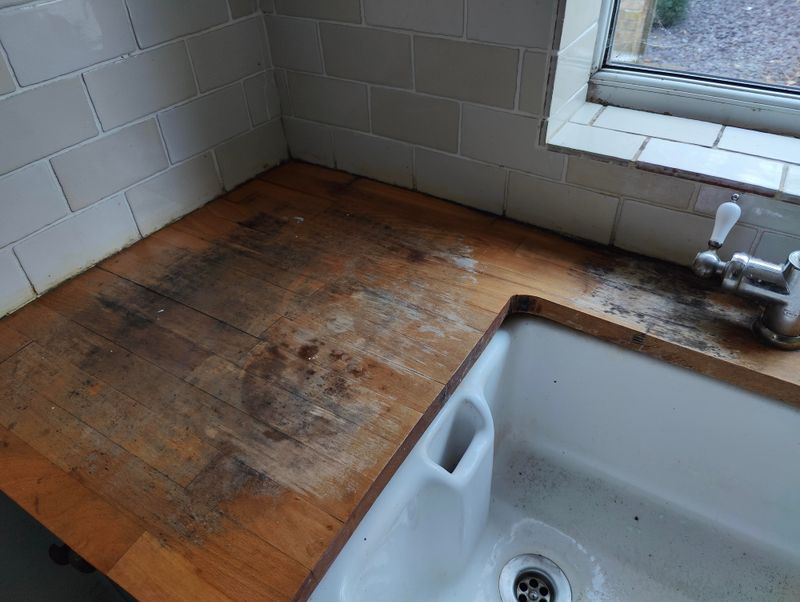
Water is wood’s worst enemy. Standing moisture near sink areas creates dark stains and can eventually rot your beautiful investment.
Wiping splashes immediately isn’t being fussy—it’s essential protection. Consider installing undermount sinks with caution, as they create vulnerable edges where water can seep directly into the wood grain.
4. Choosing the wrong wood type for kitchen use
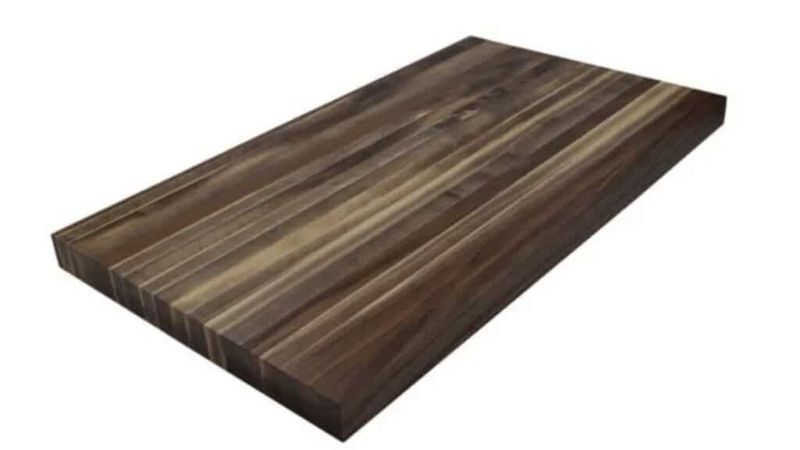
Softer woods like pine might save money initially but will dent when you drop a can of beans. Harder species like maple and walnut stand up better to daily kitchen abuse.
Your wood choice affects everything from maintenance frequency to how your countertop ages. Research hardness ratings (Janka scores) before making this crucial decision.
5. Not accounting for expansion and contraction
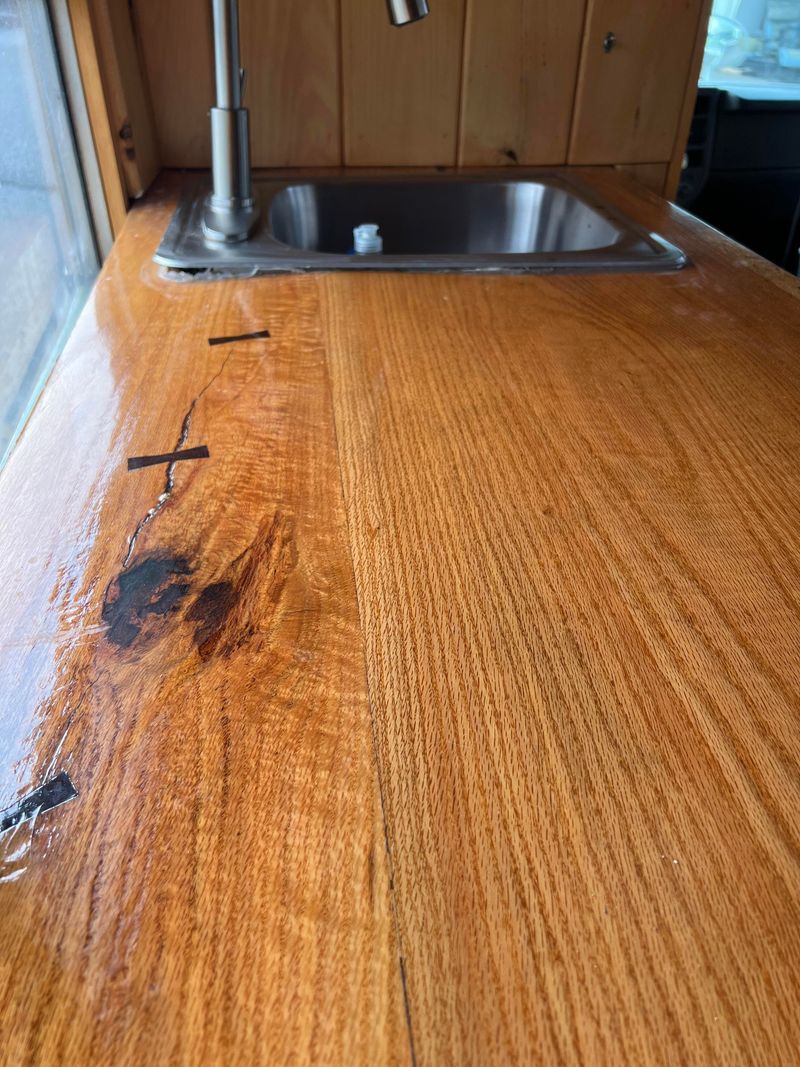
Seasonal humidity changes cause butcher blocks to expand and contract significantly. Homeowners who install these countertops too tightly against walls create pressure points that lead to warping.
Always leave small expansion gaps (typically ⅛ inch) around edges. This simple step prevents the heartbreak of watching your beautiful countertop buckle or crack months later.
6. Installing them too close to heat sources
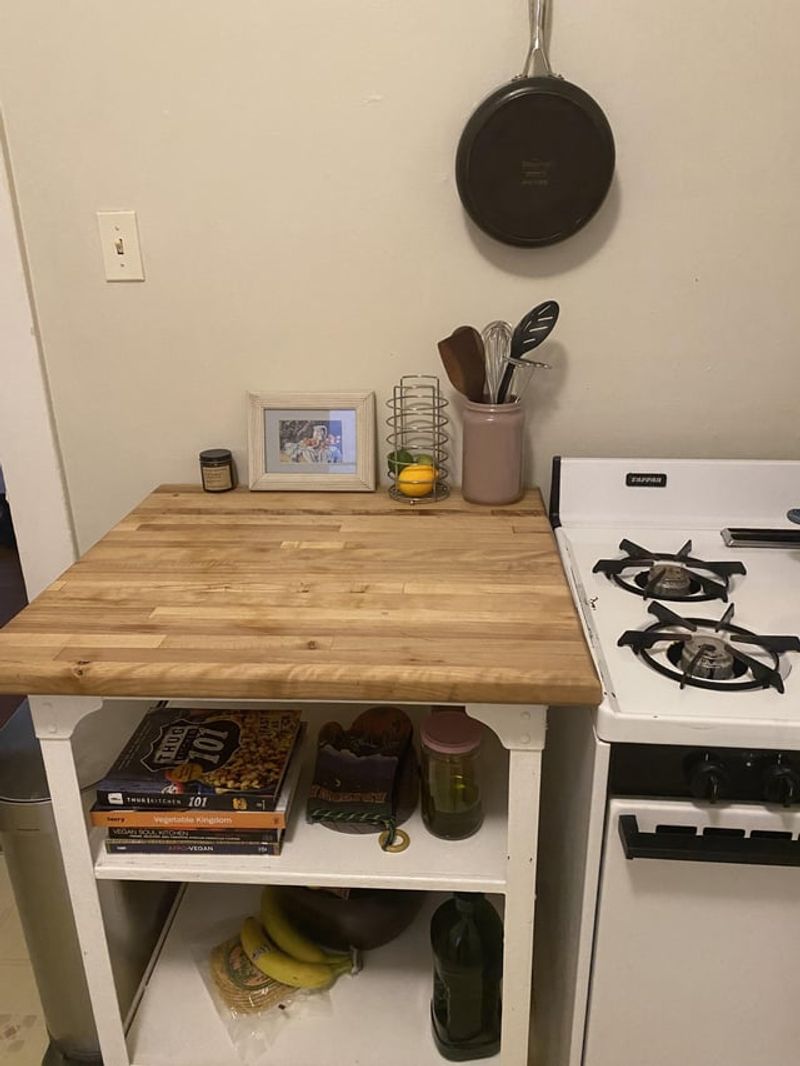
That gorgeous wood surface next to your range might look spectacular in photos but can become a scorched disaster in real life.
Excessive heat dries out oils and can even char wood fibers. Maintain proper clearance between butcher block and stovetops, ovens, or toaster ovens. Heat-resistant barriers or metal insets near cooking zones can save your investment.
7. Leaving spills too long—especially wine or juice

Five minutes can make the difference between an easy wipe-up and a permanent stain. Red wine, berry juices, and coffee are particularly notorious for quickly penetrating wood grain.
Keep absorbent cloths handy in your kitchen for immediate spill response. Colorful liquids left overnight often become permanent reminders of your dinner party, no matter how much sanding you try later.
8. Forgetting to sand and re-seal over time
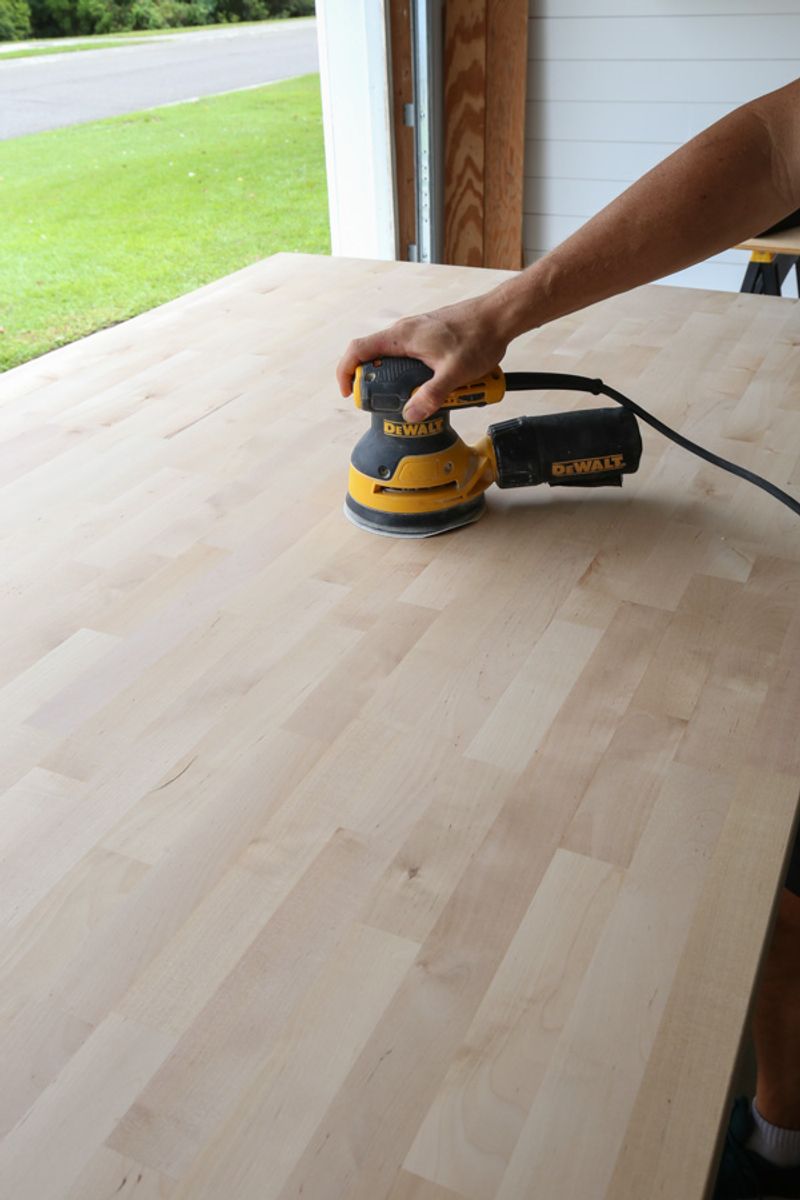
Even with perfect care, the surface eventually shows wear. Many homeowners mistakenly think initial sealing lasts forever.
Light sanding followed by fresh oil application rejuvenates tired-looking butcher block. This simple maintenance, typically needed annually, removes shallow stains and scratches while restoring the wood’s natural beauty and protective barrier.
9. Expecting them to stay pristine like stone
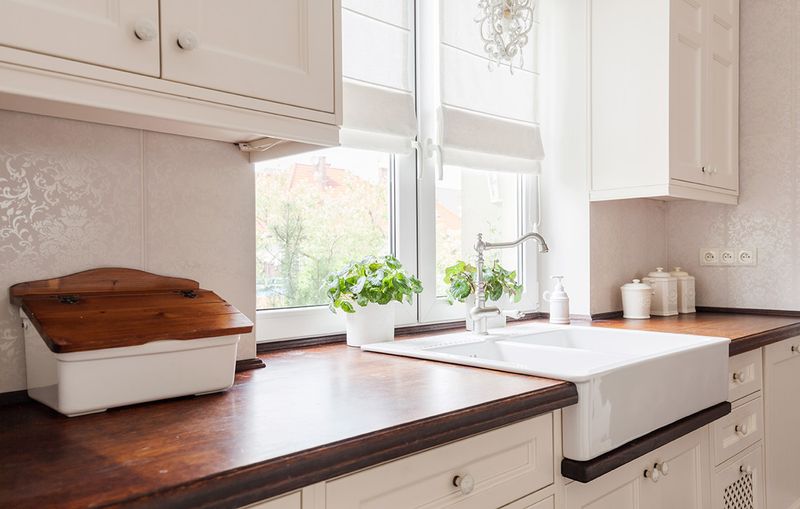
Wood tells stories. Each mark reflects your kitchen adventures, creating character that stone countertops can’t match. Unrealistic expectations lead to disappointment.
Embrace the living nature of wood rather than fighting it. The patina that develops over years of use is actually desirable to many homeowners who understand that butcher block’s charm comes from its natural evolution.
10. Using harsh chemical cleaners
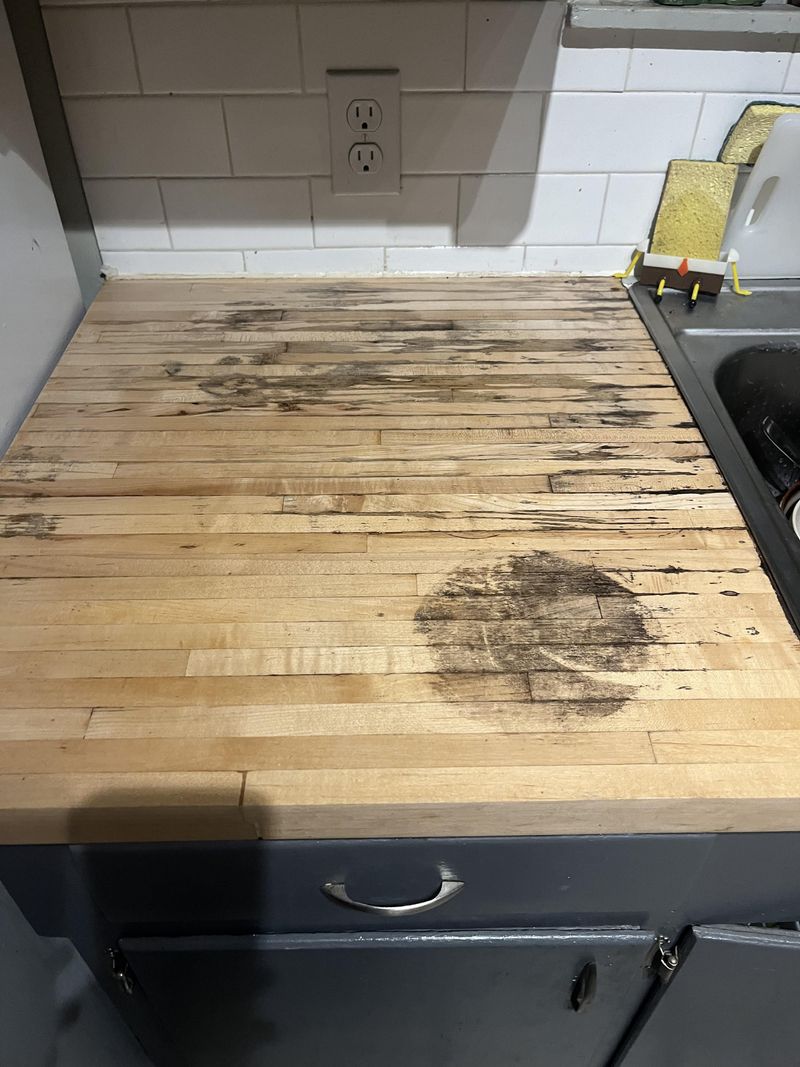
Chemical warfare on your countertops never ends well! Bleach, ammonia, and abrasive cleaners strip protective oils and damage wood fibers.
Stick with gentle solutions like diluted vinegar or mild dish soap. Your countertops will thank you by remaining beautiful for years instead of becoming dried-out, rough surfaces that trap dirt and bacteria.
11. Failing to reinforce longer spans properly
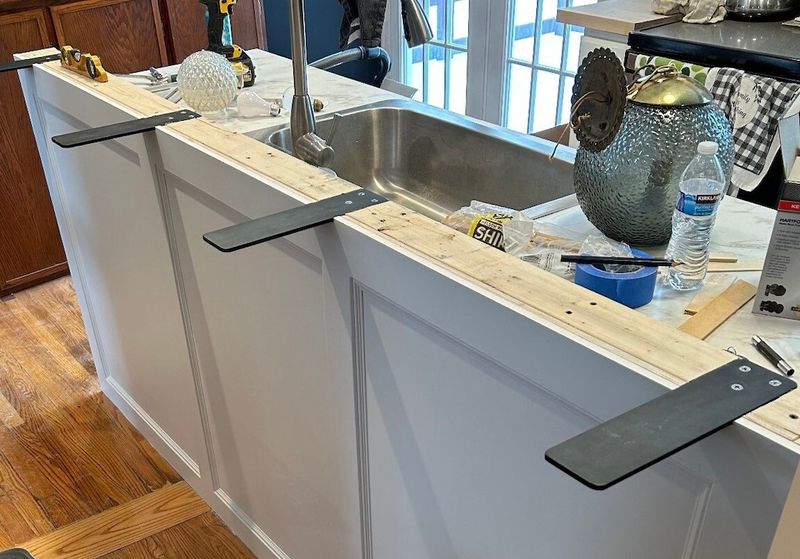
Unsupported sections of butcher block eventually sag, especially in areas where heavy appliances or frequently used items sit.
Professional installations include brackets or supports every 18-24 inches. This hidden reinforcement prevents the disappointing sight of your beautiful countertop developing a permanent dip where you knead bread or store your mixer.
12. Not considering end-grain vs. edge-grain durability
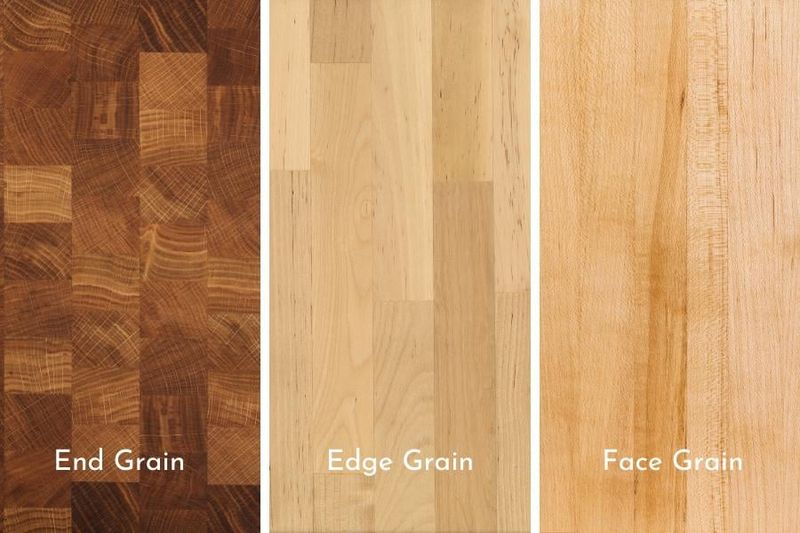
End-grain construction (showing the tree’s rings) offers superior durability but costs significantly more than edge-grain alternatives.
Budget-conscious shoppers often choose edge-grain without understanding the durability tradeoff. While both types work well, high-traffic areas benefit from end-grain’s self-healing properties and resistance to showing knife marks.
13. Overlooking color changes due to sunlight
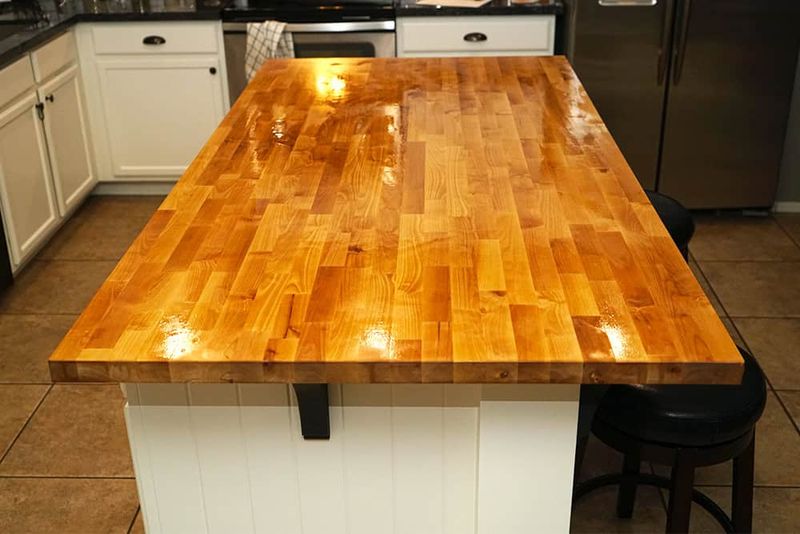
Surprise! That golden oak butcher block might turn honey-amber after a few months near a sunny window. Wood naturally darkens or changes tone with UV exposure.
Consider your kitchen’s natural lighting before selecting wood species. Some woods like cherry dramatically darken, while maple stays relatively stable. These natural changes can be beautiful if anticipated but shocking if unexpected.
14. Letting crumbs and food get trapped in seams
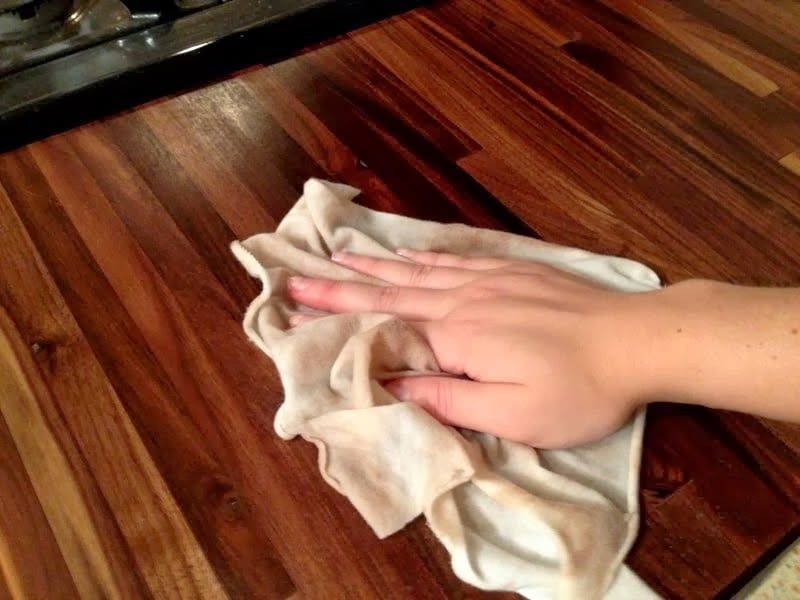
Those tiny gaps between boards aren’t just aesthetic issues—they’re potential health hazards! Food particles trapped in seams can harbor bacteria and cause unpleasant odors.
Regular cleaning with a soft brush helps remove debris from these crevices. Consider single-slab butcher blocks or those with tight, filled seams if you’re particularly concerned about food safety or have family members with compromised immunity.
15. Sealing them with food-unsafe finishes
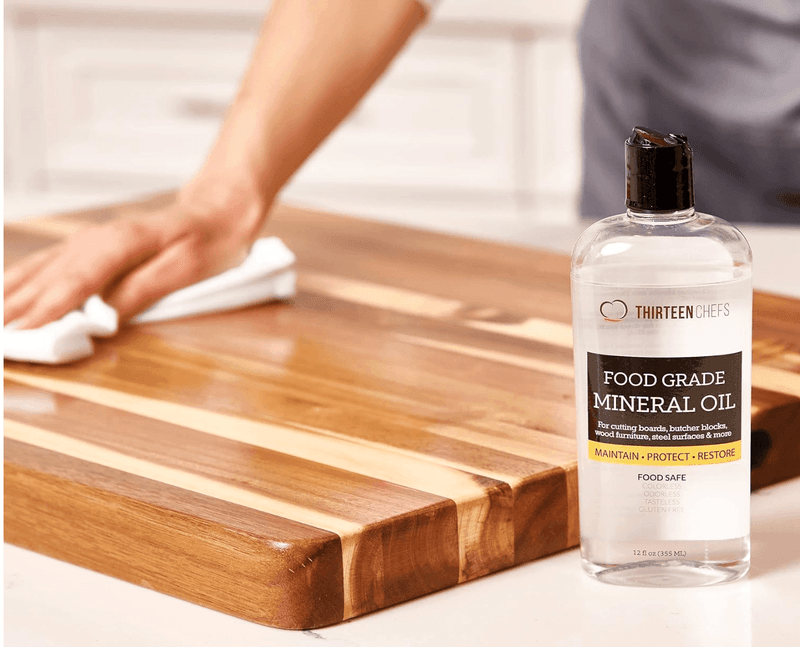
Not all wood sealers belong in kitchens. Some finishes contain toxic compounds that can leach into food prepared on your counters.
Always verify that your chosen oil or sealer is food-safe. Mineral oil, beeswax, and specific food-grade products are designed for surfaces that contact edibles. Standard polyurethane and many varnishes should be avoided for food preparation areas.
16. Not checking for warping before installation
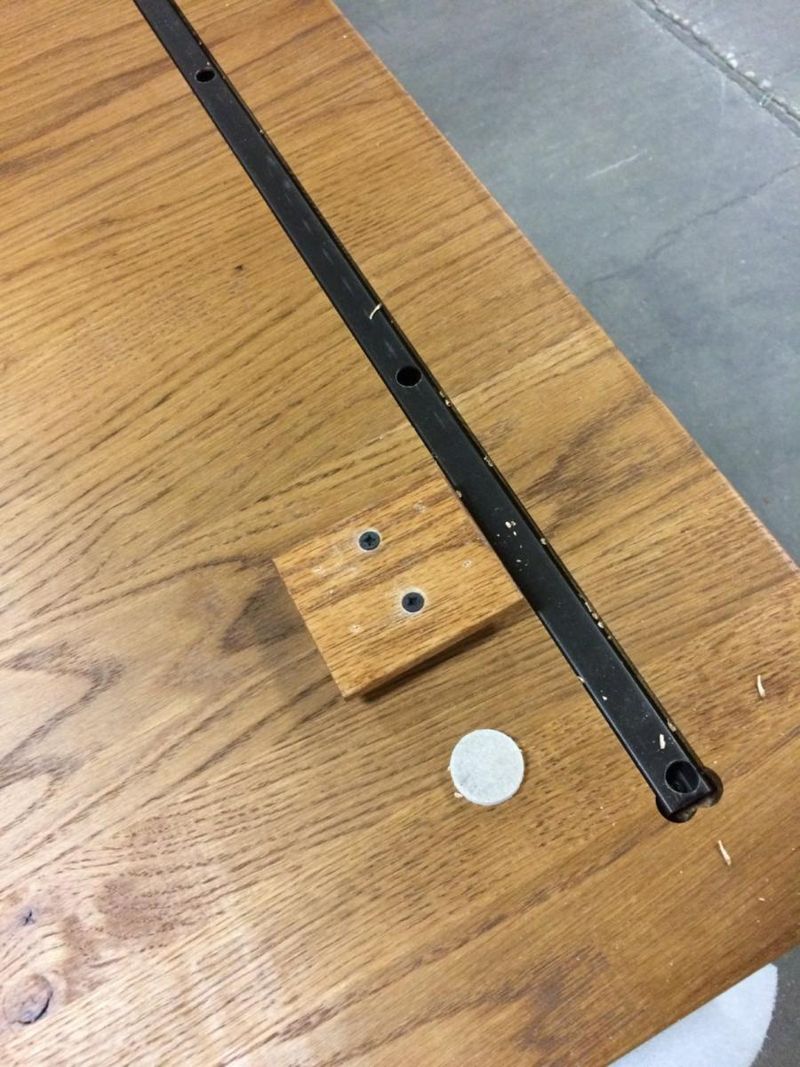
Twisted or cupped boards installed today become bigger problems tomorrow. Wood can develop subtle warps during storage or transportation that worsen after installation.
Lay your butcher block flat for several days before installation and check with a straightedge. This simple precaution helps identify potential issues before they’re permanently attached to your cabinets, saving considerable frustration and expense later.
17. Treating them as low-maintenance when they’re not
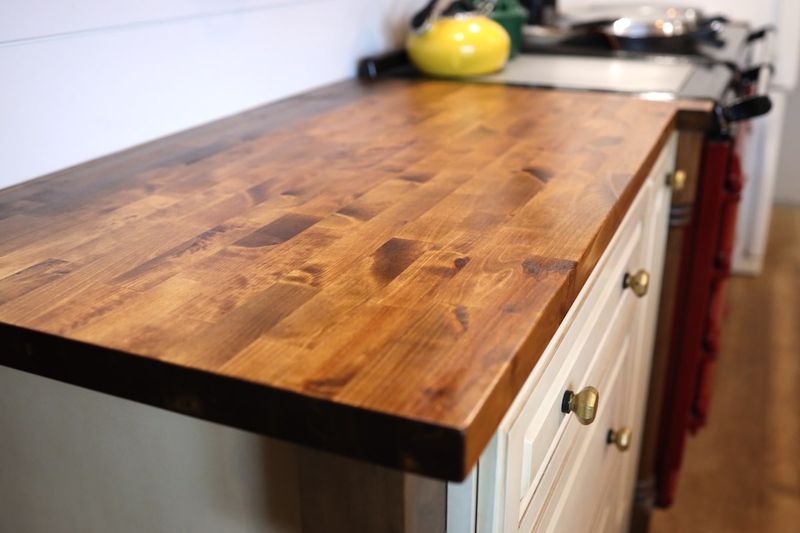
Butcher block isn’t a set-it-and-forget-it countertop. The biggest misconception is that wood requires the same minimal care as quartz or laminate surfaces.
Realistic expectations lead to happier outcomes. These countertops reward regular attention with decades of beautiful service, but they’ll quickly deteriorate if neglected. Monthly oiling, prompt spill cleanup, and seasonal deep care are simply part of the wood countertop lifestyle.