15 Brown Decor Secrets Only The Pros Know
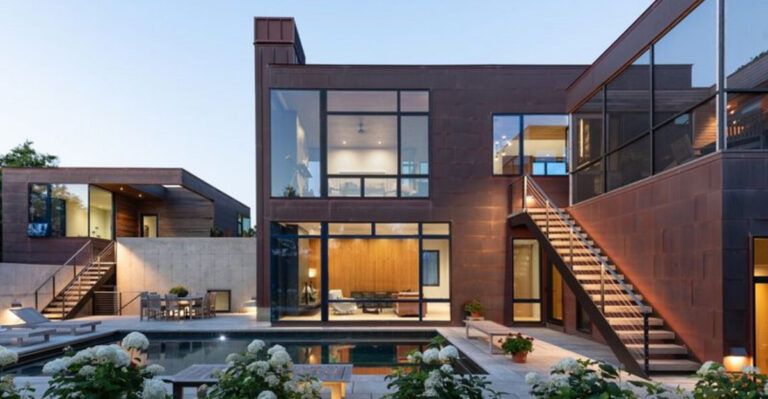
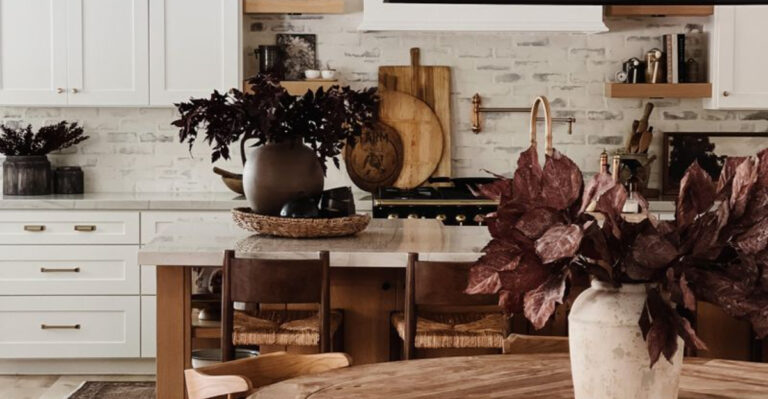
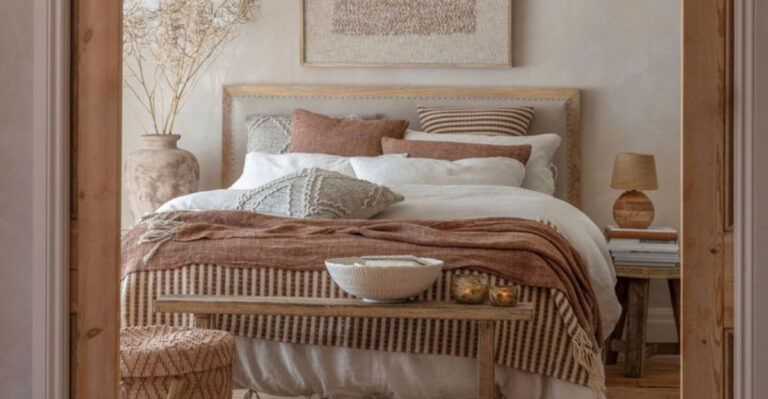
Brown is making a major comeback in home decor, bringing warmth and sophistication to modern spaces. Professional designers have mastered the art of using this versatile color without making rooms feel dark or dated.
If you’re looking to incorporate brown into your home in stylish ways, these insider secrets from design experts will transform your space from basic to breathtaking.
1. Layer Different Shades of Brown
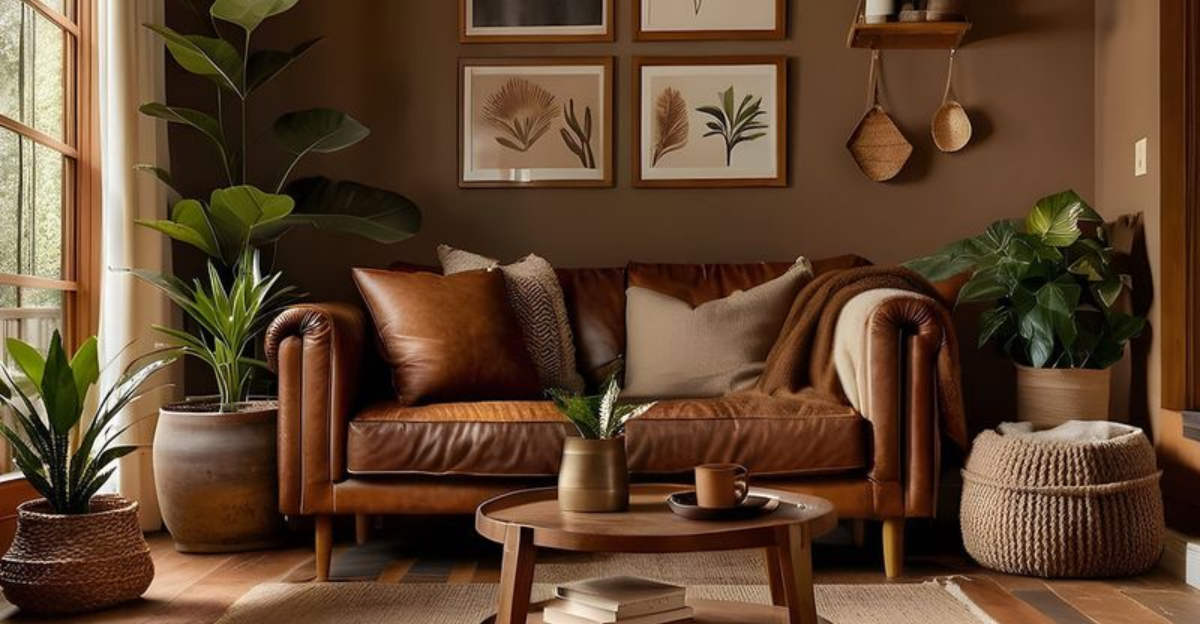
Never stick to just one brown tone! Creating depth in a room happens when you mix chocolates, taupes, and caramels together. A monochromatic brown palette feels luxurious when you incorporate at least three different shades. Start with a light base and build up to darker accents for a professional-looking space that feels intentional rather than flat.
2. Mix Textures Like Leather, Wood, and Linen
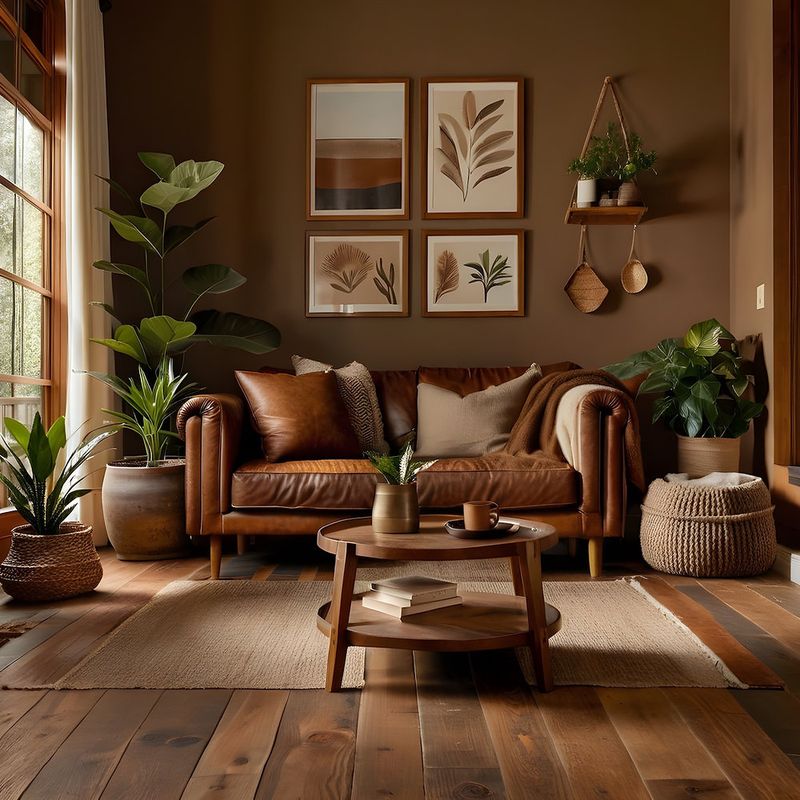
Varying textures prevents brown from feeling one-dimensional. Imagine buttery leather against rough-hewn wood and crisp linen. When working with similar color tones, texture becomes your best friend. A room with smooth, glossy, matte, and nubby brown elements creates visual interest that keeps the eye moving throughout the space while maintaining a cohesive color story.
3. Use Brown as a Neutral Backdrop
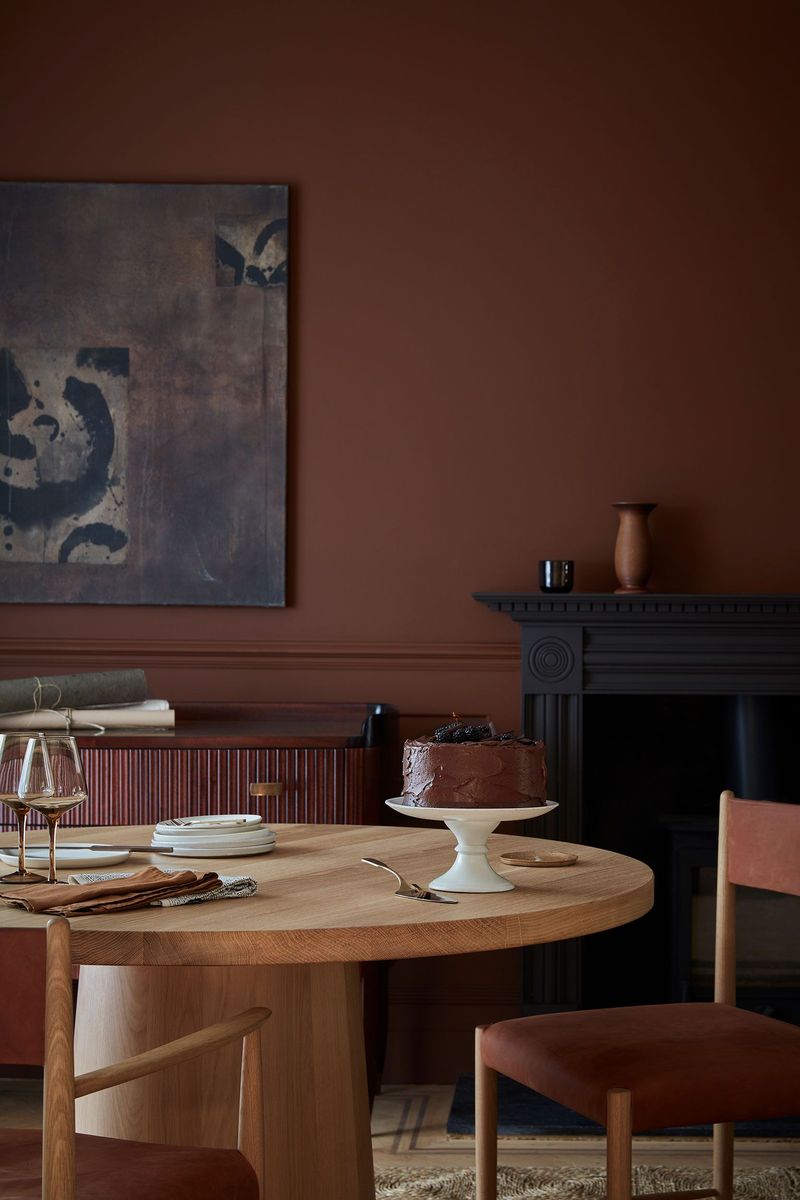
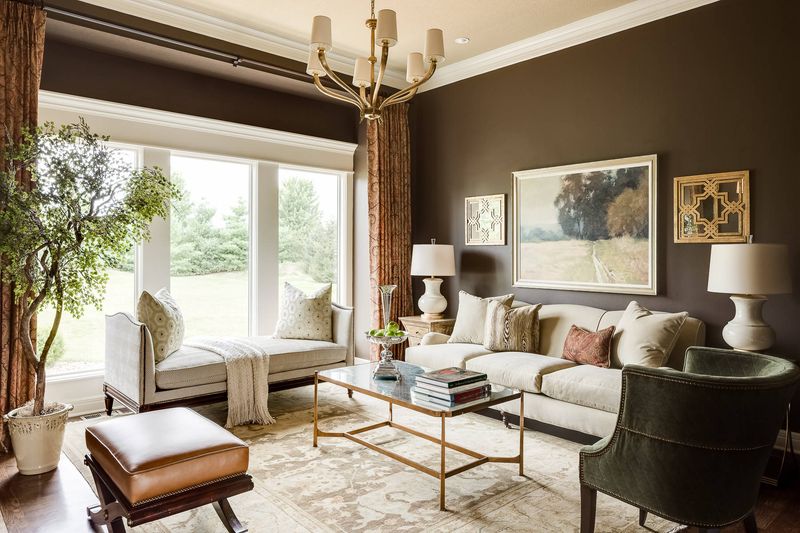
Brown serves as an excellent neutral foundation that works with virtually any accent color. Professional designers often use chocolate or coffee-colored walls as sophisticated backdrops. Unlike stark white, brown walls create immediate warmth and depth, allowing artwork and furniture to stand out while still feeling grounded and connected to the overall design.
4. Pair Brown with Crisp White for Contrast
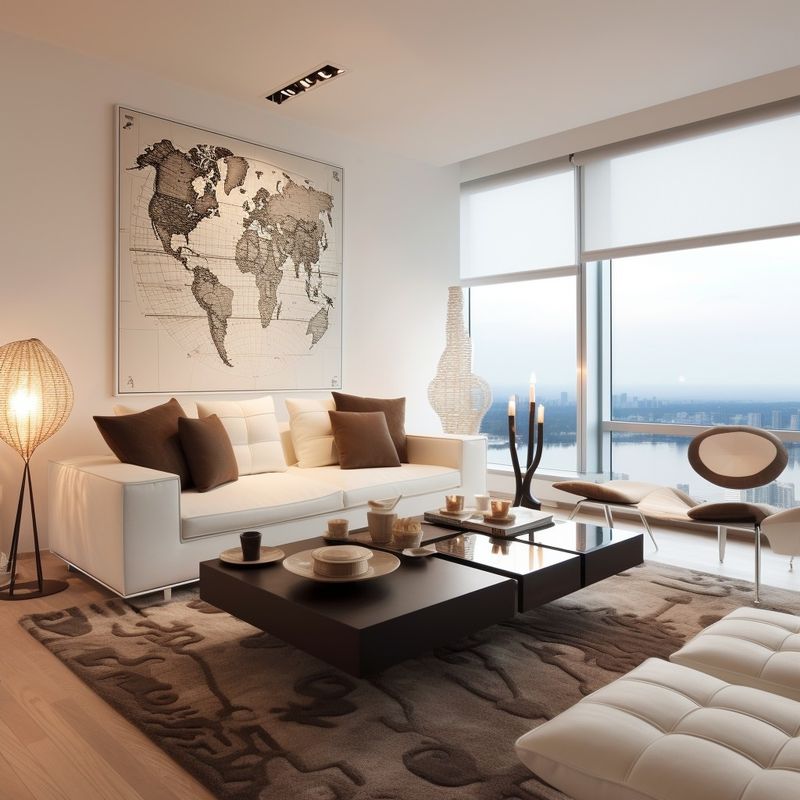
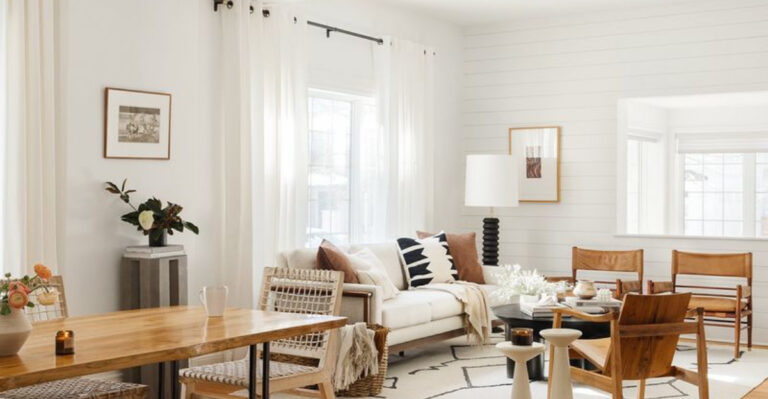
Nothing makes chocolate tones pop quite like crisp, clean white accents. Consider a deep walnut dining table against white walls or dark leather chairs with white cushions. Professional designers deliberately create this high-contrast pairing to add definition and prevent brown elements from blending together into an undefined mass.
5. Add Brass or Gold Accents for Warmth
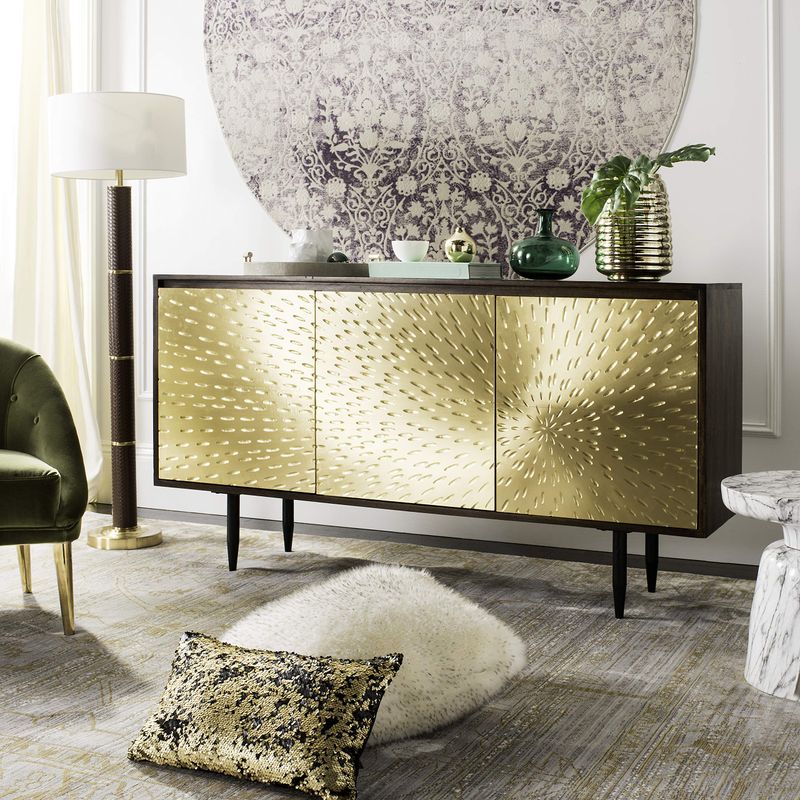
Gold and brass accents create an instant luxe factor when paired with chocolate tones. Unlike silver or chrome which can feel cool and stark, warm metals complement brown’s inherent richness. Look for picture frames, lamp bases, or cabinet hardware in these finishes to add subtle gleam that catches light and adds dimension to brown spaces.
6. Incorporate Earthy Tones for Depth
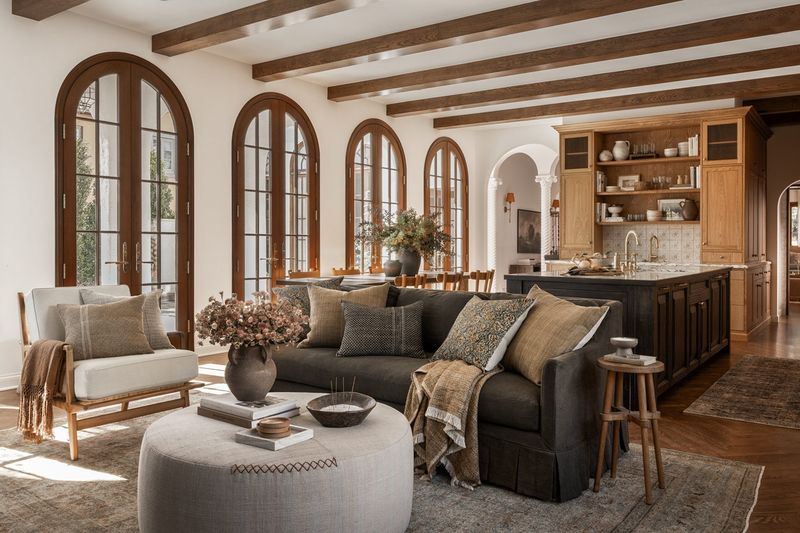
Brown’s natural companions include mossy greens, burnt oranges, and deep teals. Professional designers know that brown looks most authentic when paired with other colors found in nature. Just as forest floors blend brown with countless organic hues, your home gains richness when brown mingles with earthy companions. A chocolate sofa with terracotta pillows and jade green accents creates a balanced, grounded palette.
7. Choose Matte Finishes for a Modern Look
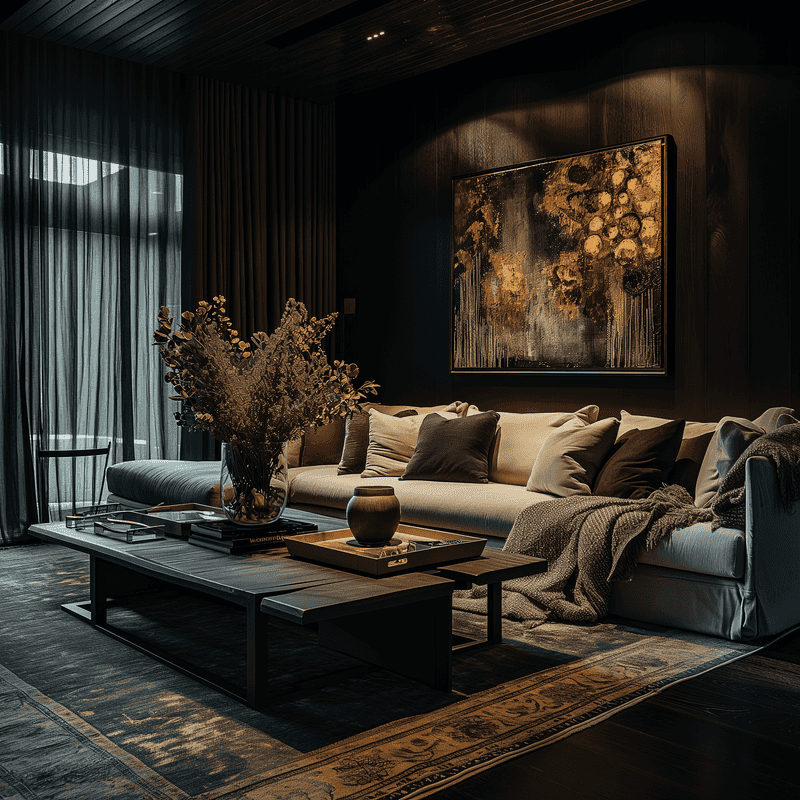
Glossy brown can quickly feel dated or reminiscent of 1970s paneling. Contemporary designers opt for matte or flat brown finishes that feel current and sophisticated. From flat-finish paints to suede upholstery, the absence of shine allows the richness of brown to speak for itself. Matte brown creates depth without reflection, resulting in spaces that feel both modern and timeless.
8. Combine Light and Dark Browns for Balance
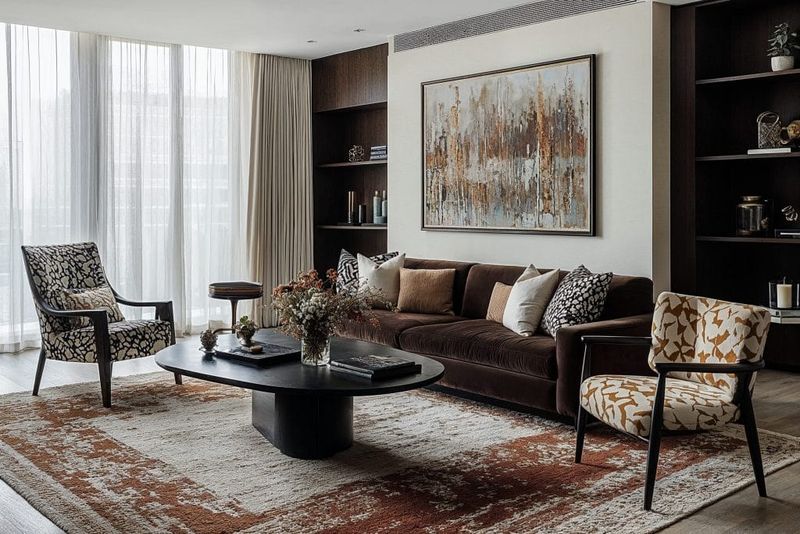
Visual weight distribution makes or breaks a brown color scheme. Imagine floating in a sea of dark chocolate furniture without lighter elements to provide relief! Professional designers strategically place light oak or tan pieces alongside deeper walnut or espresso elements. A pale sisal rug under a dark brown sofa, or honey-colored accents on deep brown shelving creates necessary contrast that prevents heaviness.
9. Use Brown in Unexpected Materials
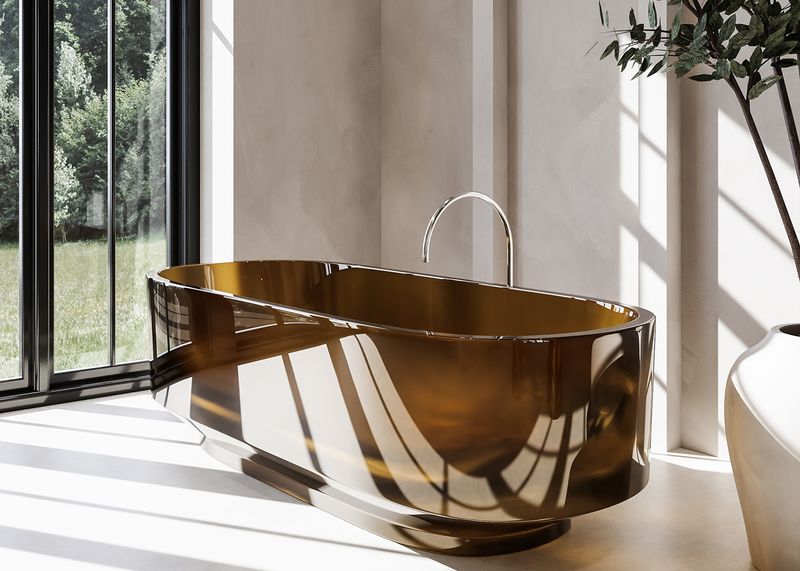
Beyond traditional wood and leather, brown shines in surprising applications. Glass vases with amber tints, brown marble countertops, or chocolate-colored ceramic tiles offer fresh perspectives. Innovative designers incorporate brown concrete floors, smoked glass pendants, or woven paper wall coverings. Exploring unusual materials prevents brown from feeling predictable while maintaining its grounding, natural quality that makes it so appealing.
10. Offset Brown with Soft Pastels
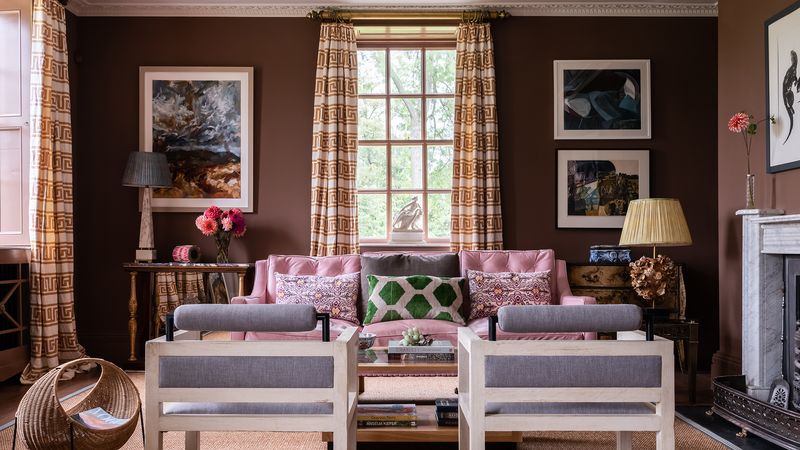
Surprisingly, brown’s earthy strength pairs beautifully with delicate pastels. Think chocolate walls with blush accents or walnut furniture against pale blue. Professional designers leverage this contrast between strength and softness. Brown anchors ethereal pastels that might otherwise feel too sweet or insubstantial on their own. Meanwhile, the pastels prevent brown from becoming too serious or heavy.
11. Anchor Bold Colors with Brown
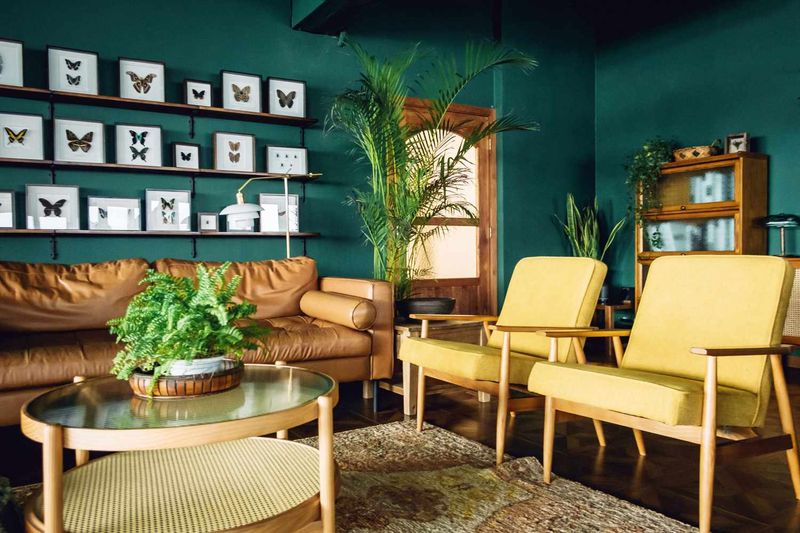
Vibrant jewel tones find their perfect partner in grounding brown elements. Emerald green, sapphire blue, or ruby red pop dramatically against chocolate backdrops. Without brown to anchor them, bold colors can feel chaotic or overwhelming. Professional designers use brown flooring, furniture, or architectural elements as stabilizing forces that allow vivid colors to shine without dominating. Brown creates breathing room for the eye.
12. Let Wood Tones Shine Instead of Painting
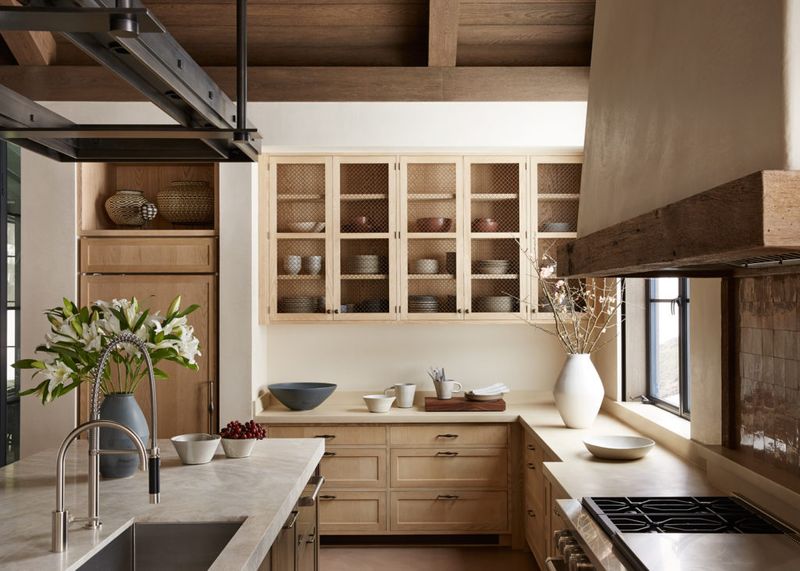
Authentic wooden elements bring natural brown variation no paint can match. Rather than covering beautiful grain patterns, designers showcase them. From ceiling beams to hardwood floors, natural wood introduces organic brown tones with built-in character. Mixing different wood species—perhaps walnut, oak, and cherry in one space—creates a collected, curated feel that mass-produced brown painted surfaces can’t replicate.
13. Break It Up with Pattern
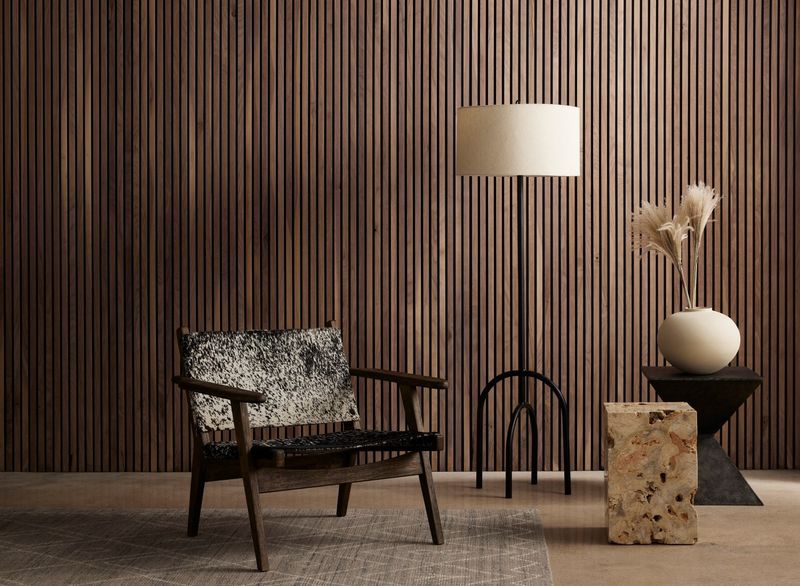
Geometric prints, organic motifs, or subtle textures prevent brown from feeling flat or boring. Look at how design professionals incorporate patterned brown rugs, textured wallpaper, or printed fabrics. Patterns create visual rhythm that draws the eye around the room while maintaining color cohesion. Even tone-on-tone brown patterns add sophisticated depth.
14. Keep Lighting Warm and Ambient
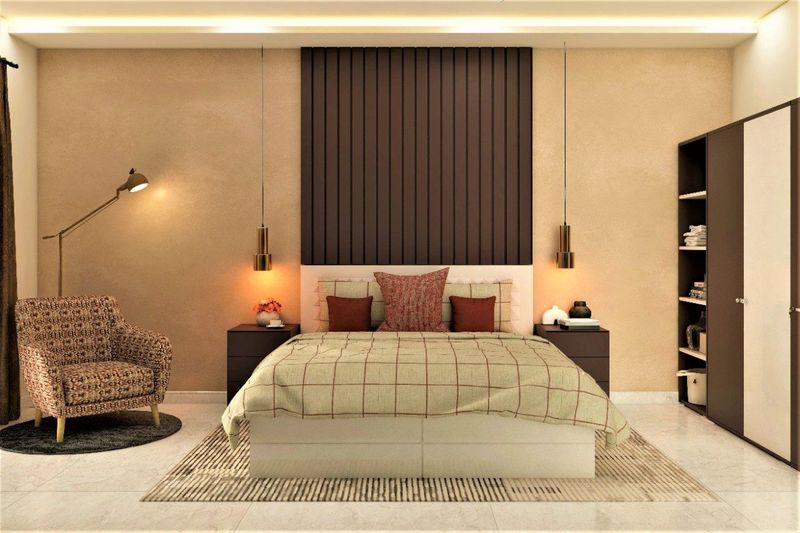
Brown spaces transform dramatically under different lighting conditions. Harsh, cool-toned bulbs can make brown look muddy or drab. Professional designers install warm-temperature lighting (2700-3000K) that enhances brown’s rich undertones. Multiple light sources at different heights—table lamps, sconces, and ceiling fixtures—create layers of illumination that highlight texture and prevent brown rooms from feeling cave-like.
15. Balance Brown with Plenty of Natural Light
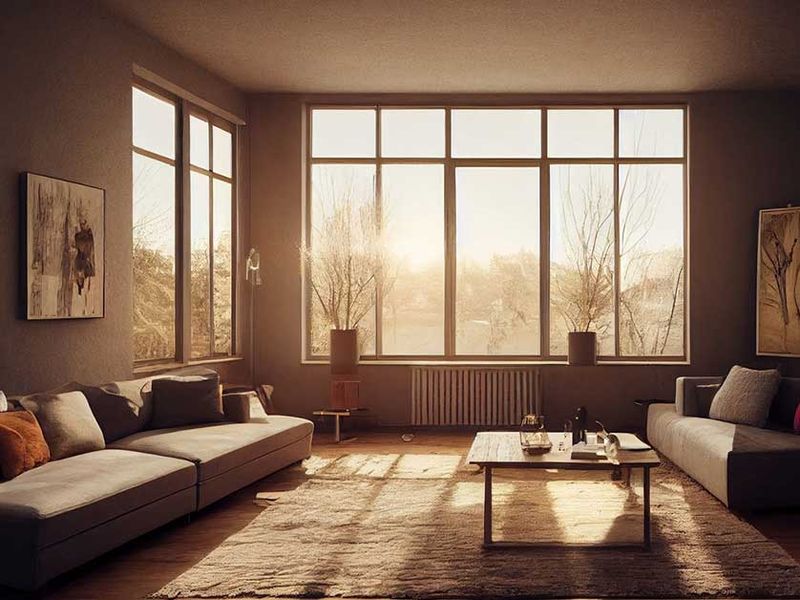
Windows become crucial design elements in brown-dominant spaces. Natural daylight prevents brown from feeling oppressive or confining. Savvy designers position brown furniture to benefit from window proximity. Sheer window treatments maximize light while still providing privacy. In rooms with limited windows, strategically placed mirrors reflect available light, keeping brown spaces feeling open and airy rather than closed-in.