15 Pro Tips For Fitting A Bookcase Into A Small Living Room
Living in a cozy space doesn’t mean giving up your beloved book collection. With some clever planning, you can incorporate stylish storage without making your living room feel cramped.
Whether you’re a bookworm with hundreds of volumes or simply need a place for your favorite reads and decorative items, these smart solutions will help maximize your space while keeping your room looking open and inviting.
1. Choose a Slim Vertical Design
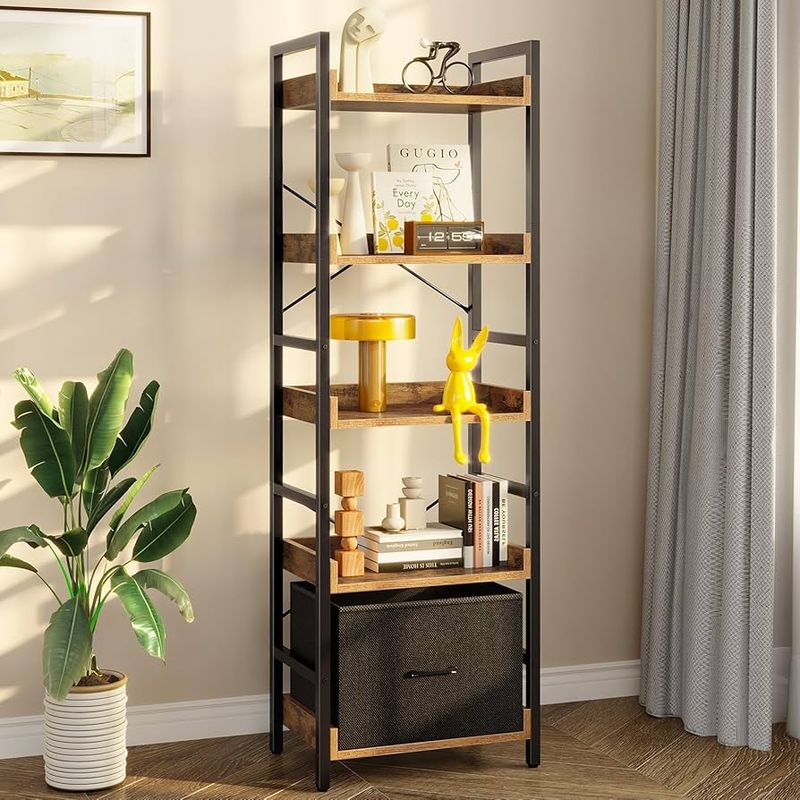
Reaching for the ceiling instead of spreading out horizontally makes perfect sense in tight quarters. Tall, narrow bookcases occupy minimal floor space while providing ample storage capacity.
Look for units no wider than 24 inches to maintain walking paths through your room. The vertical orientation naturally draws the eye upward, creating the illusion of higher ceilings.
2. Use Corner Bookcases
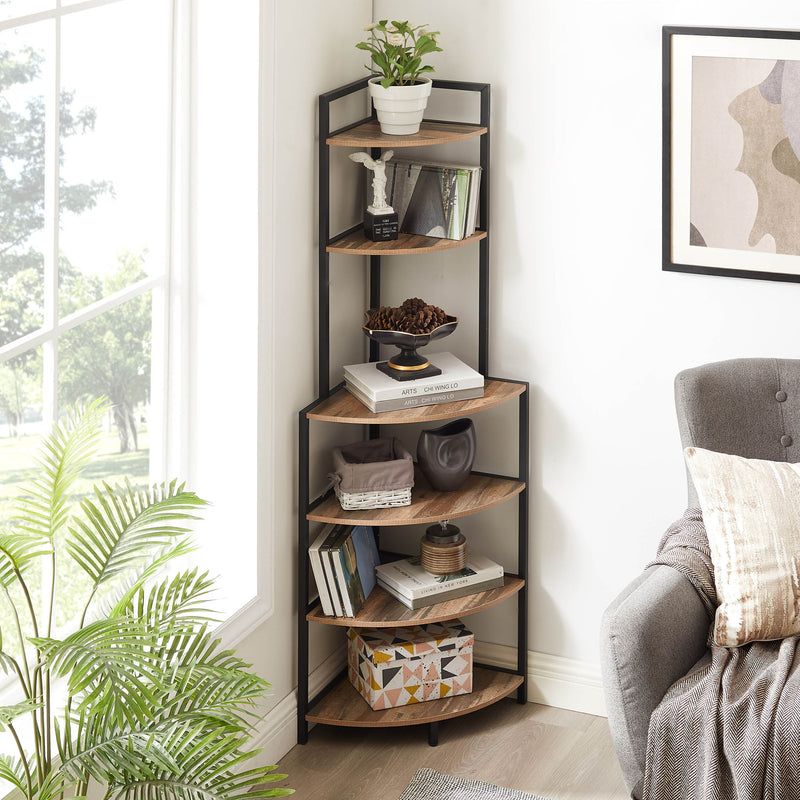
Forgotten corners become functional focal points with the right furniture. Corner bookcases utilize those awkward angles that often go unused in compact living spaces.
V-shaped or triangular designs nestle perfectly where walls meet, transforming dead space into storage gold. Many corner units feature adjustable shelves, allowing you to customize heights for various book sizes and decorative objects.
3. Opt for Wall-Mounted Shelves
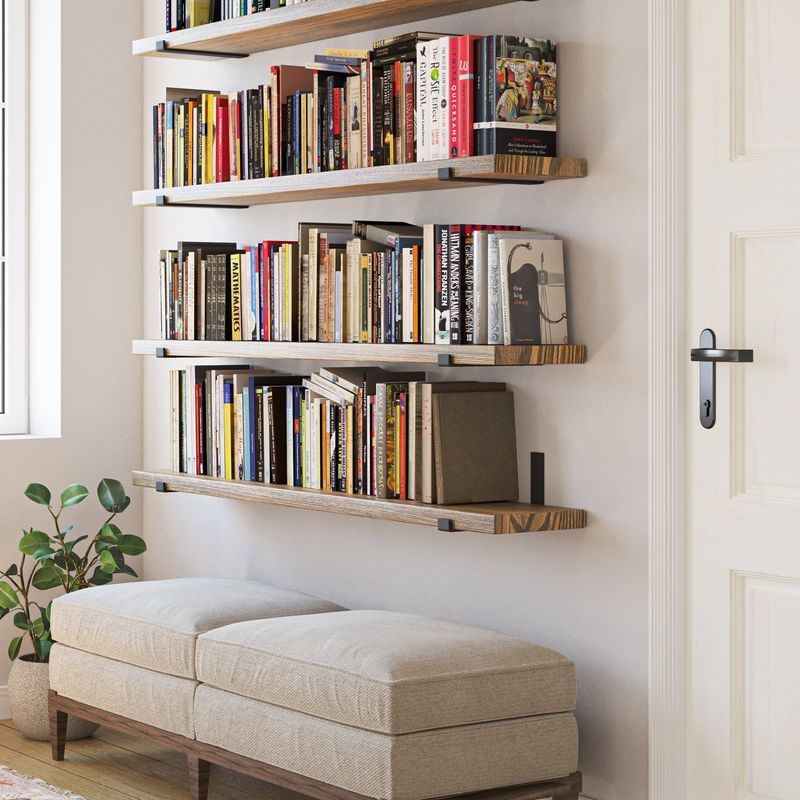
Floating your storage solutions eliminates the bulky base of traditional bookcases. Wall-mounted shelves create breathing room underneath, which visually expands your floor space.
Staggering shelf arrangements adds visual interest while keeping books within easy reach. Since nothing touches the floor, cleaning becomes infinitely easier—no more awkward vacuuming around furniture legs!
4. Go for a Built-In Look
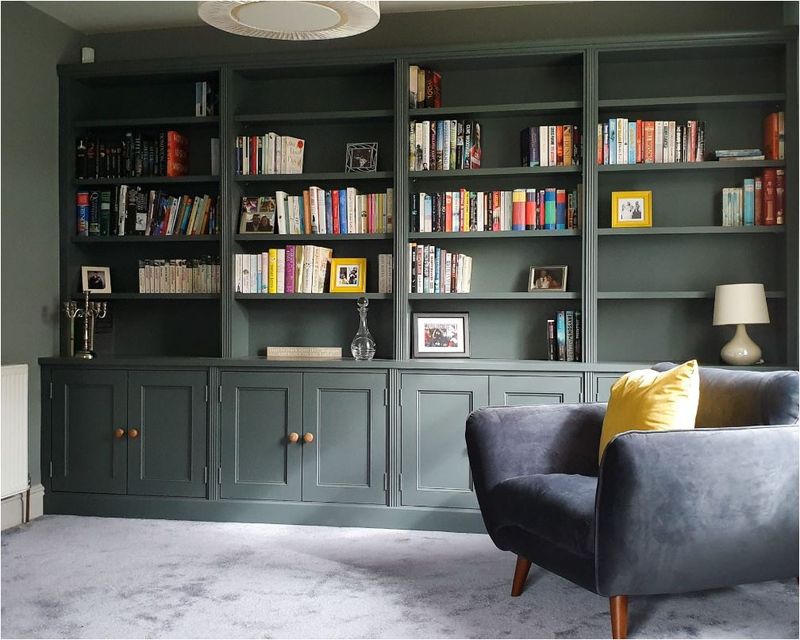
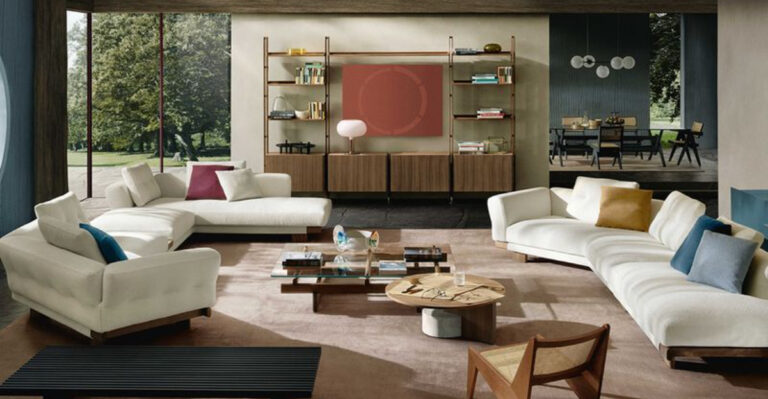
Customizing shelving to fit your exact space dimensions creates a polished, intentional appearance. Even pre-made bookcases can achieve this effect when installed wall-to-wall and floor-to-ceiling.
Measure carefully before purchasing, aiming for minimal gaps between units and walls. Painting your bookcase the same color as your walls further enhances the seamless, built-in aesthetic that looks both luxurious and space-conscious.
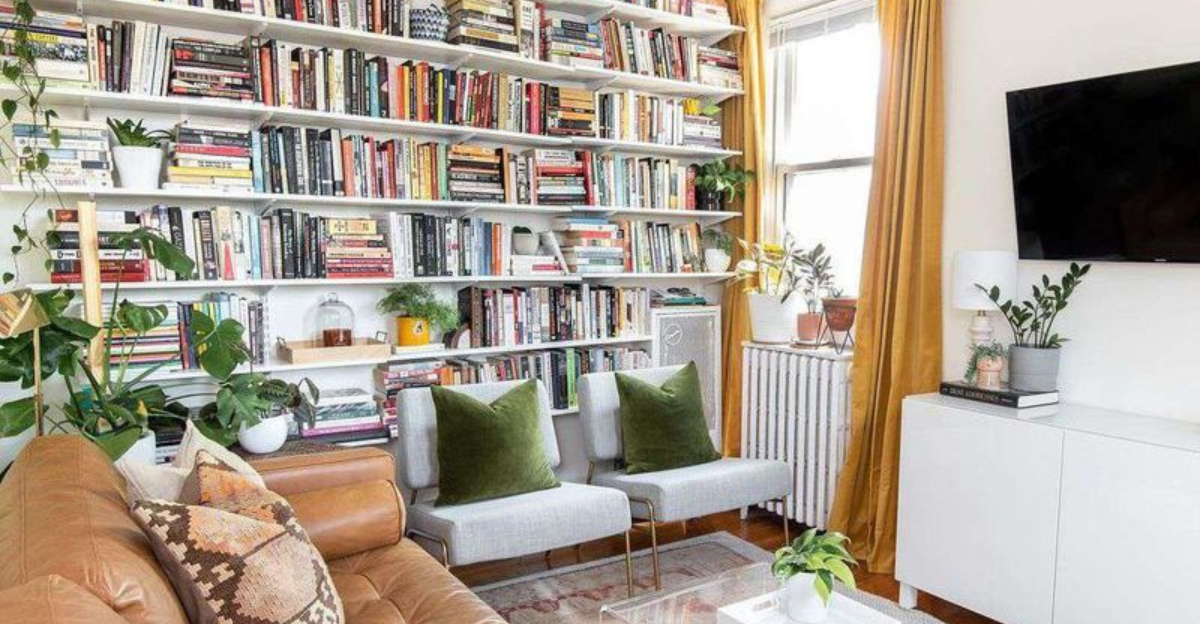
5. Float Shelves Above Furniture
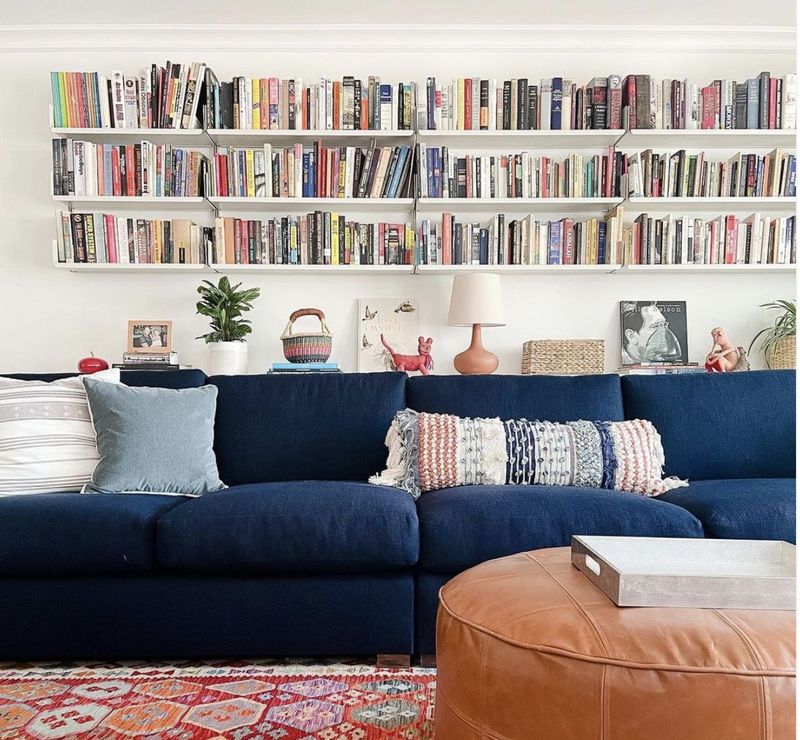
Maximizing vertical layering unlocks a whole new dimension of storage potential. Installing shelves above sofas, console tables, or even doorways utilizes space that typically remains empty.
Maintain at least 12 inches clearance above furniture pieces for visual breathing room. For safety and stability, ensure proper anchoring to wall studs—especially important when storing heavy hardcover books.
6. Use the Space Behind the Sofa
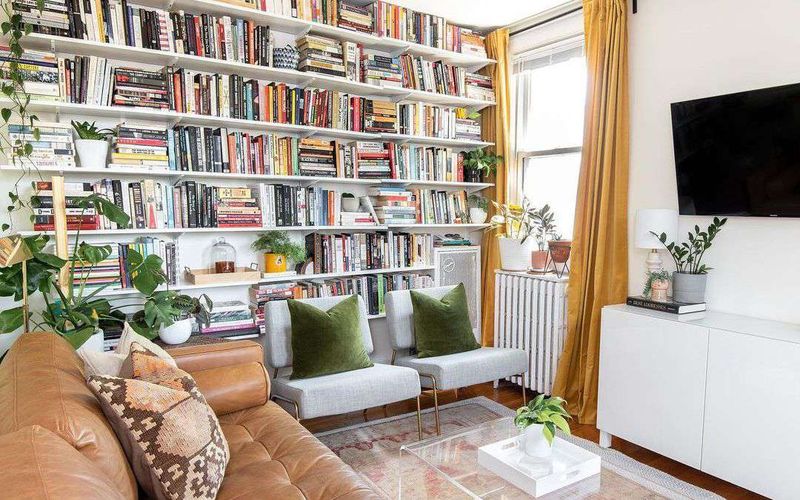
Unconventional thinking transforms that narrow gap between your couch and wall into valuable real estate. Low-profile bookcases (around 30-36 inches tall) fit perfectly behind sofas, creating an unexpected storage zone.
Position your sofa a few inches away from the wall to accommodate the shelf depth. This arrangement works especially well for paperbacks and magazine collections that don’t require deep shelving.
7. Try a Half-Height Bookcase
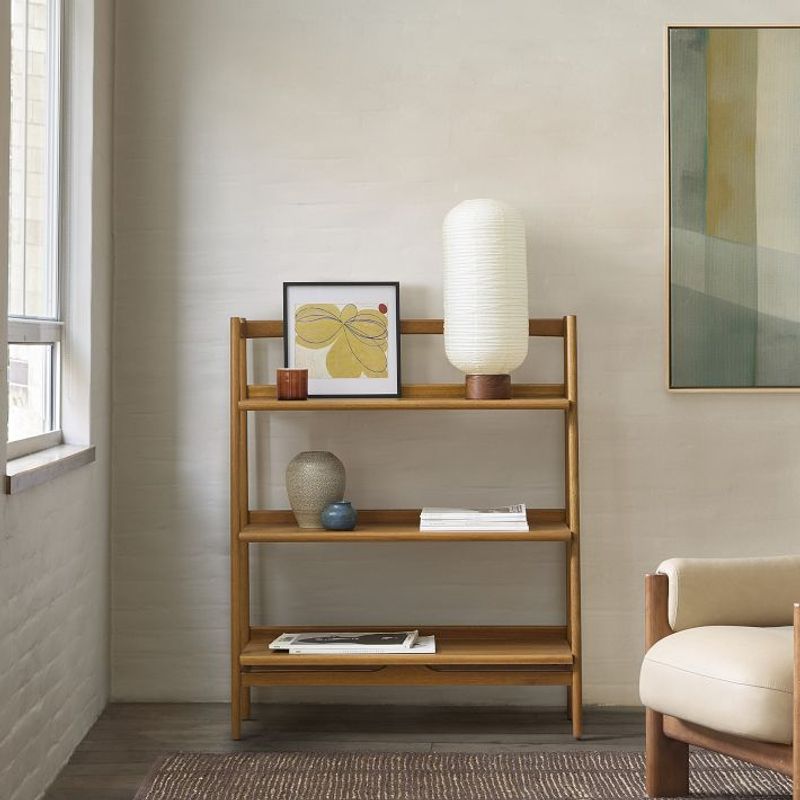
Mid-sized units provide substantial storage without overwhelming your space visually. Half-height bookcases (approximately 3-4 feet tall) offer enough room for essentials while maintaining an open feeling above.
Place a mirror or artwork above these shorter units to draw the eye upward. The flat surface on top creates a perfect display area for plants, lamps, or rotating seasonal décor.
8. Mix Books with Decorative Objects
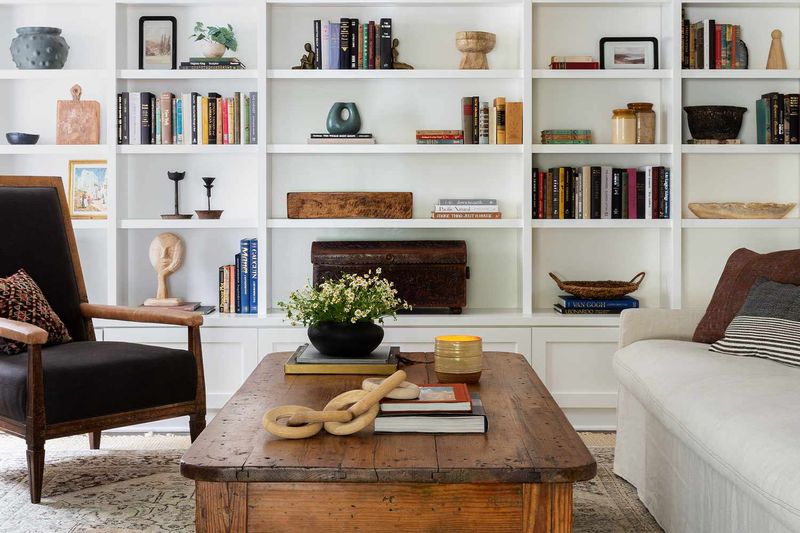
Varying your shelf contents prevents the heavy, cluttered look that can make rooms feel smaller. Alternate stacks of books with decorative objects, framed photos, or small plants to create visual breathing space.
Arrange some books horizontally and others vertically for dimensional interest. Leave approximately 20% of shelf space empty to avoid an overcrowded appearance that can make your living area feel cramped.
9. Incorporate Bookshelves into TV Units
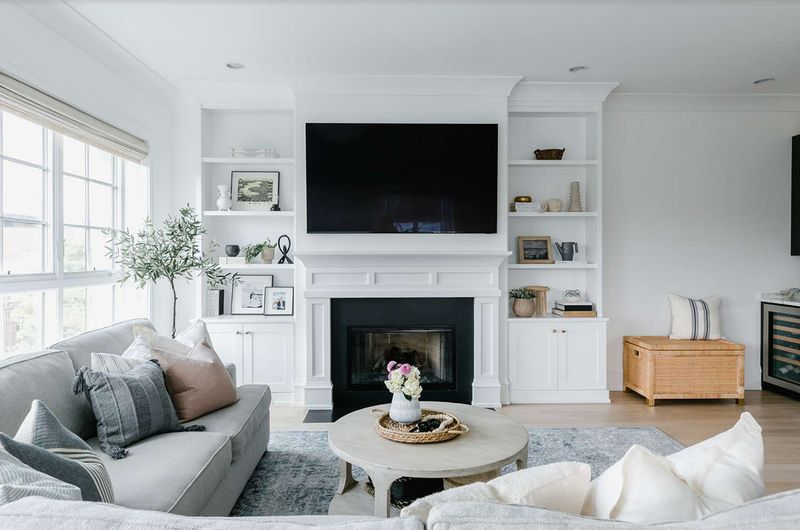
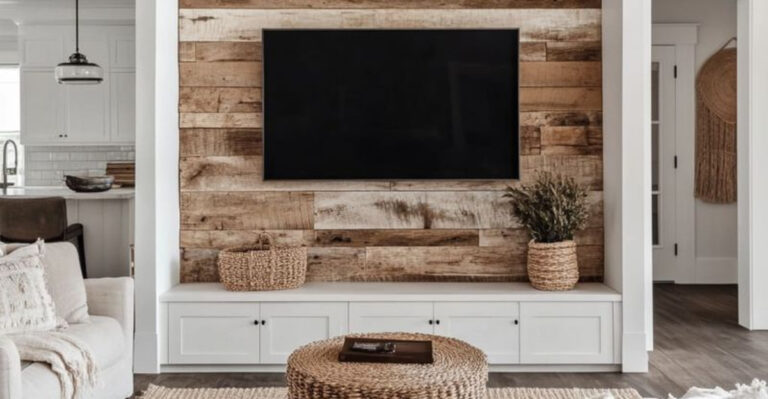
Multi-functional furniture saves precious square footage in compact spaces. Modern media centers often feature bookshelf sections flanking the television area, combining entertainment and storage needs.
Seek out designs with adjustable shelving to accommodate various media components and book sizes. Cable management systems built into these units help contain technological clutter, keeping your small living room looking neat.
10. Tuck Shelving Beside a Fireplace
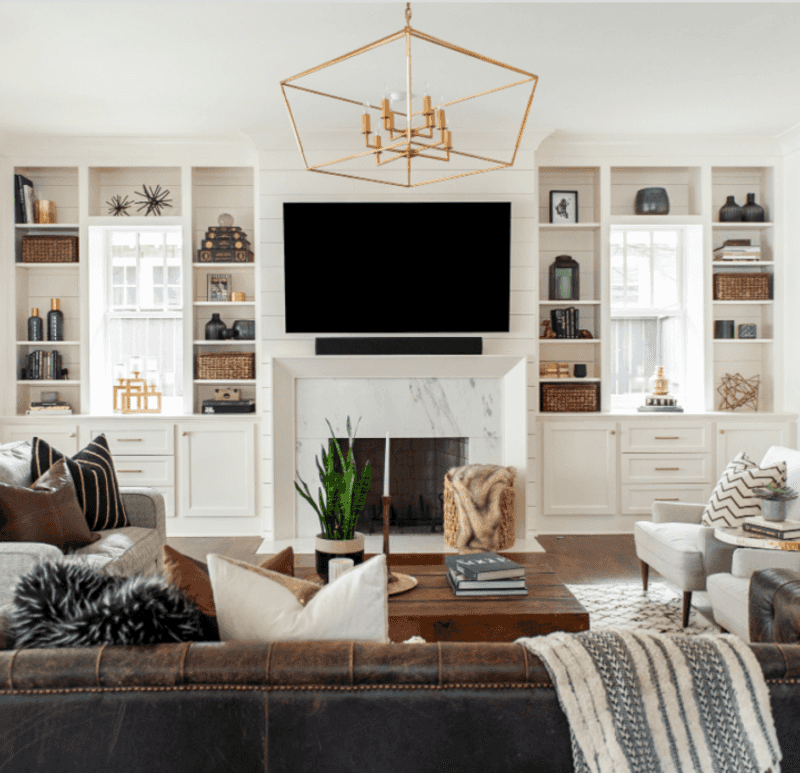
Architectural features provide natural framing opportunities for your book collection. Narrow shelving units installed on either side of a fireplace create a balanced, intentional look while utilizing often-overlooked spaces.
Symmetrical arrangements work particularly well here, lending a formal, designed appearance. For safety, maintain proper clearance between shelving and the fireplace according to your local fire codes.
11. Use Ladder-Style Shelves
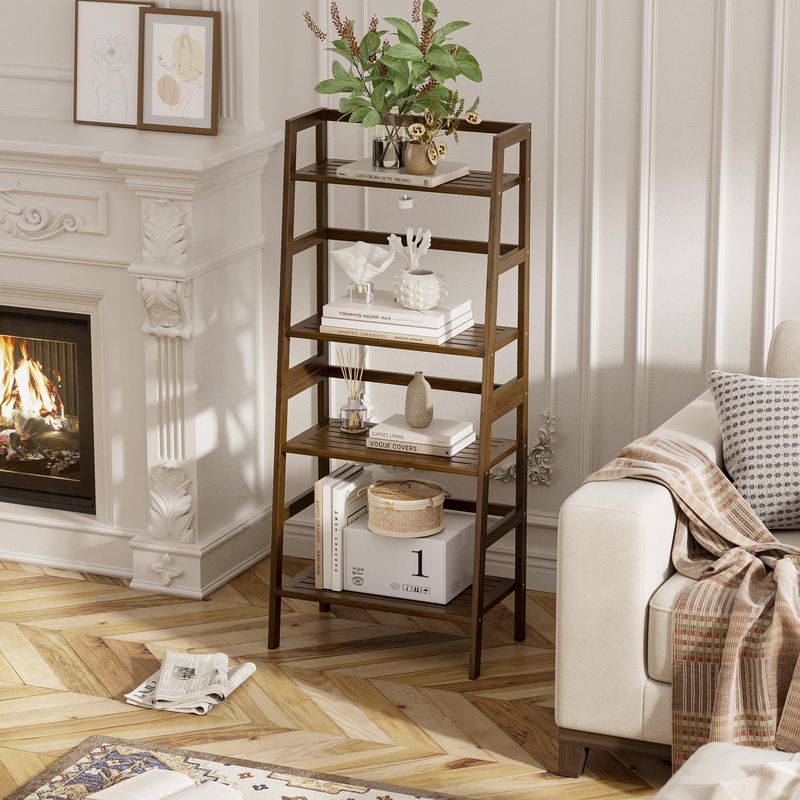
Visually lightweight designs prevent the boxed-in feeling that traditional bookcases sometimes create. Ladder shelves feature a tapered profile—wider at the bottom, narrower at the top—that feels less imposing in tight quarters.
Air flows freely through the open sides and back of these units. The graduated shelf depths naturally accommodate larger books below and smaller items above, creating an organized display.
12. Keep It Light and Neutral
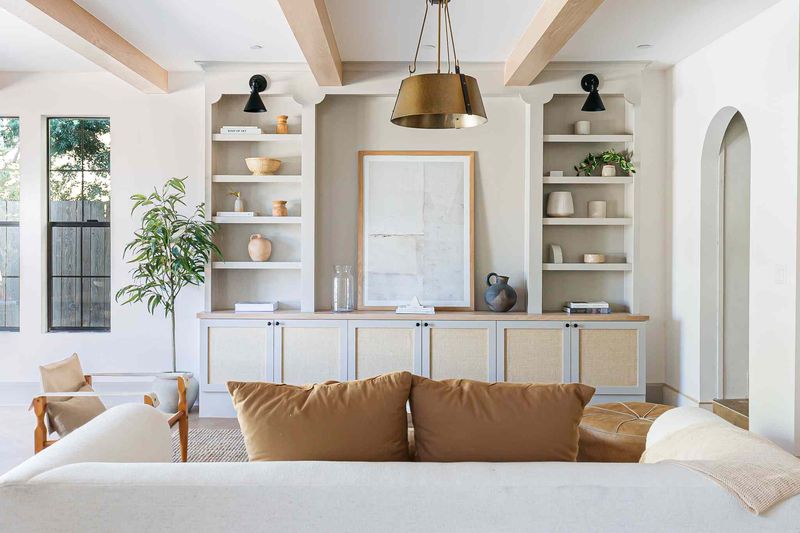
Color psychology plays a crucial role in perceived spaciousness. White, light wood, or glass bookcases virtually disappear against neutral walls, preventing the heavy, space-consuming look of darker furniture.
Open-backed designs allow wall color to show through, further minimizing visual weight. Consider painting the interior back panel a shade lighter than your wall color for subtle depth without sacrificing the airy quality.
13. Choose Open-Back Bookcases
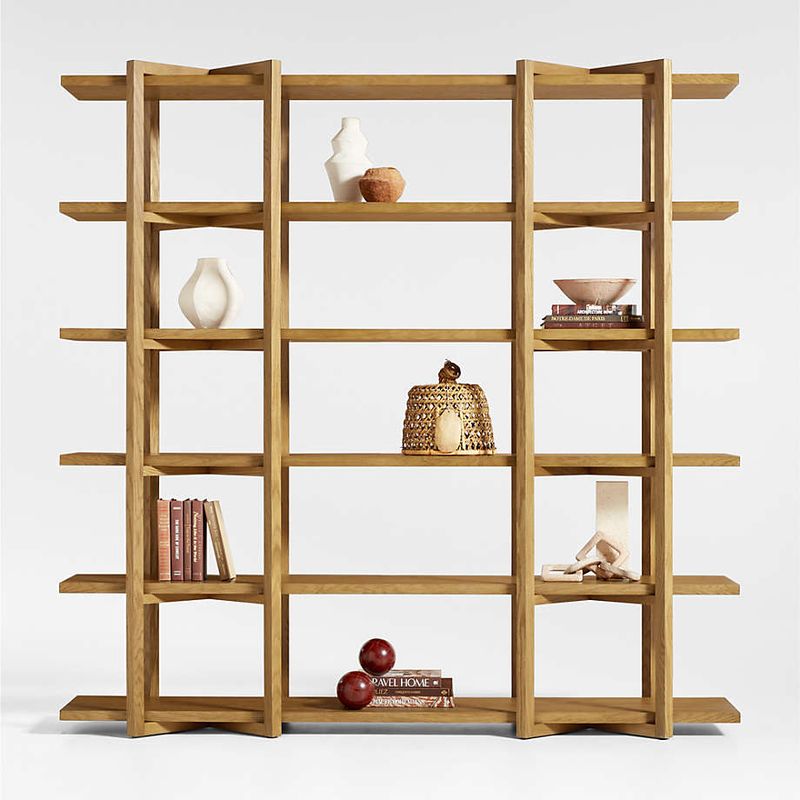
Solid backings create visual barriers that can make small rooms feel chopped up. Open-back designs allow light to filter through and wall colors to remain visible, maintaining visual flow throughout your space.
Room divider bookcases with this feature work particularly well in studio apartments. Position them perpendicular to walls to delineate functional zones while preserving the sense of openness throughout your compact living area.
14. Maximize Space Around Windows
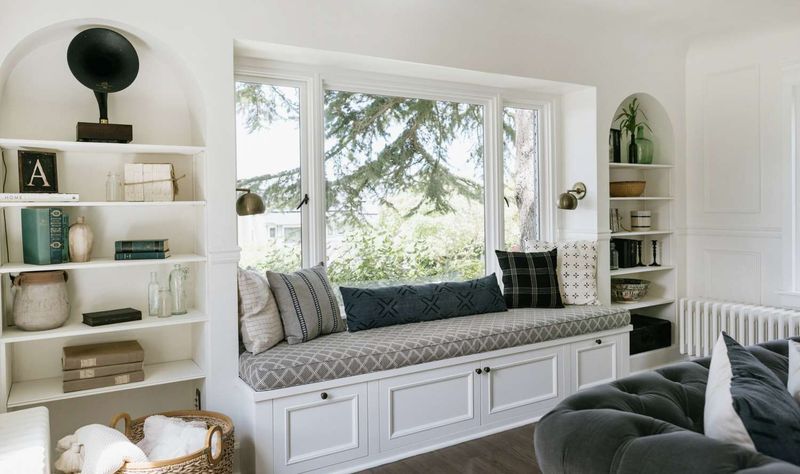
Surrounding windows with shelving creates an architectural feature while utilizing often-wasted wall space. Custom or carefully measured pre-made units can transform window alcoves into cozy reading nooks flanked by your favorite books.
Ensure shelving doesn’t block natural light or window operation. The combination of books and daylight creates a wonderfully inviting atmosphere, making your small living room feel like a personal library.
15. Style Vertically to Draw the Eye Up
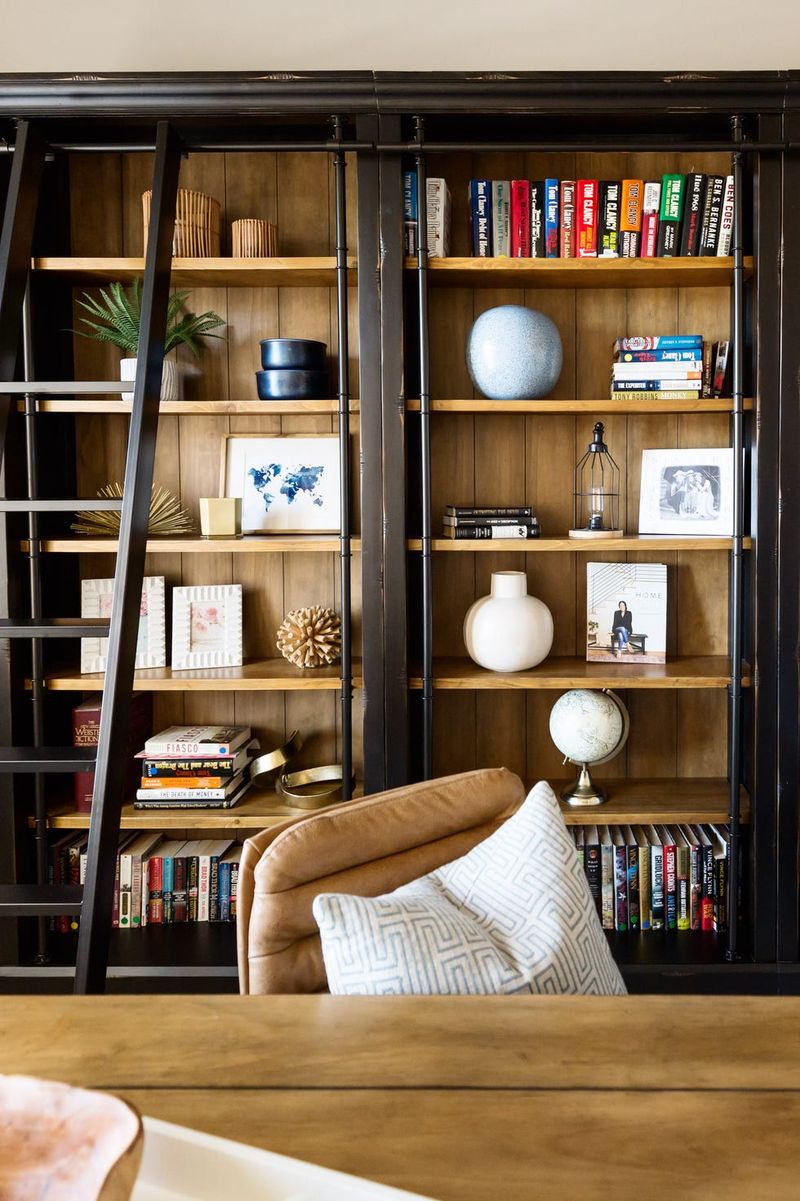
Strategic arrangement techniques create the illusion of height in compact spaces. Organizing books by color in vertical rainbow patterns naturally pulls the gaze upward, making ceilings appear higher than they actually are.
Place visually interesting objects on top shelves to encourage an upward visual journey. Adding small LED strip lighting to upper shelves further emphasizes height while showcasing special editions or decorative pieces.