8 Biggest Houses Ever Built In The US And 8 Smallest Ones (That Are No Less Brilliant)
American homes are anything but average – some stretch into sprawling estates with hundreds of rooms, while others squeeze charm and function into less space than a studio apartment.
From Gilded Age mansions to record-breaking tiny houses, the extremes of U.S. architecture tell a story of ambition, resourcefulness, and wildly different ideas of what “home” means.
These homes don’t just push boundaries – they redraw them entirely.
1. Biltmore Estate (Asheville, North Carolina)
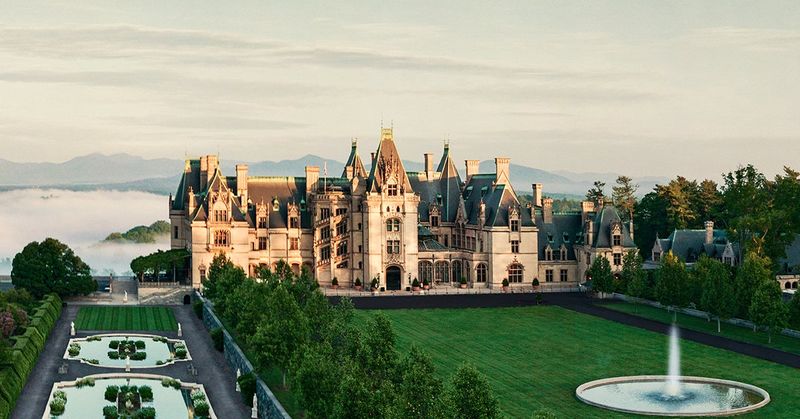
Ever wondered what it would be like to live in a real-life castle? Completed in 1895 for George Vanderbilt, this breathtaking 178,926-square-foot château remains America’s largest privately-owned home.
The estate boasts 250 rooms, including 35 bedrooms, 43 bathrooms, and 65 fireplaces. Nestled on 8,000 acres of stunning Blue Ridge Mountain landscape, this Gilded Age masterpiece continues to dazzle visitors with its French Renaissance architecture and meticulously maintained gardens.
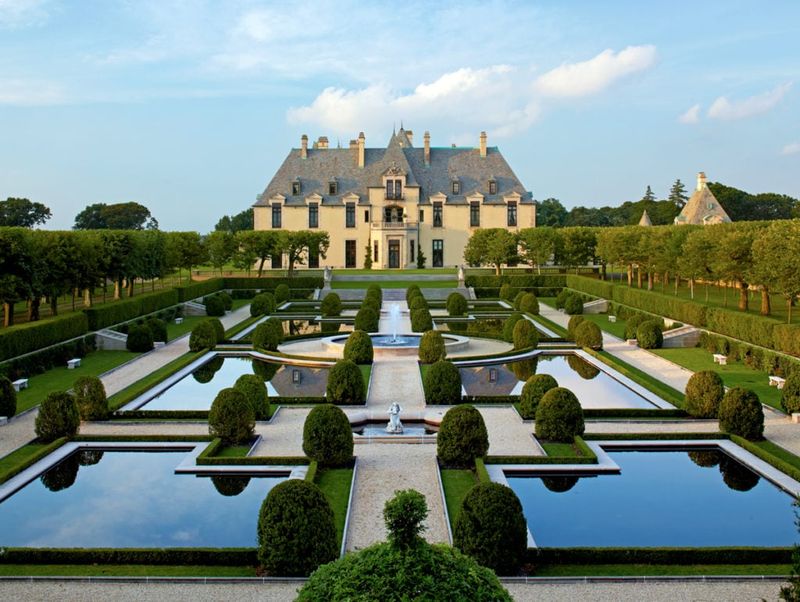
2. Oheka Castle (Huntington, New York)
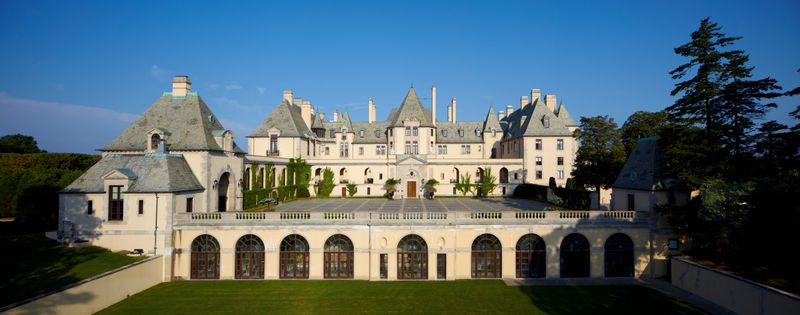
Stepping onto the grounds of this magnificent estate feels like being transported to a European wonderland. Built in 1919 by financier Otto Hermann Kahn, this 109,000-square-foot French-style château was once the second-largest private residence in America.
With 127 rooms and 443 acres of land, Kahn spared no expense, spending approximately $11 million (equivalent to $158 million today). After falling into disrepair, this Long Island gem has been beautifully restored and now operates as a luxury hotel and popular wedding venue.
3. Lynnewood Hall (Elkins Park, Pennsylvania)
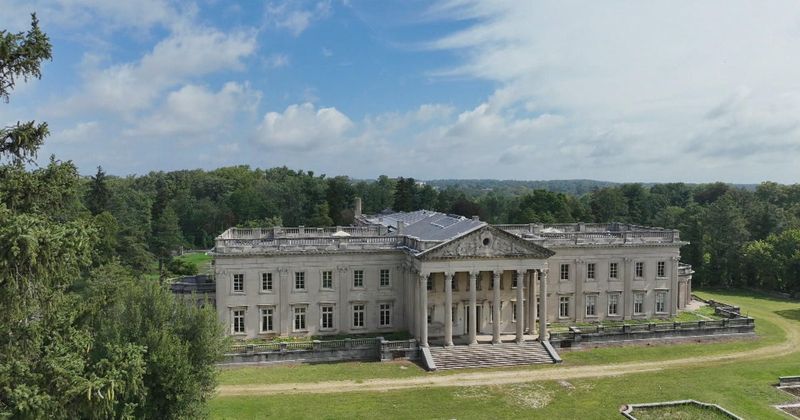
Hidden behind overgrown foliage lies a sleeping giant of American architecture. This 110-room Neoclassical mansion, spanning an impressive 70,000 square feet, was commissioned by streetcar magnate Peter A.B. Widener in 1900.
Within its limestone walls once stood 55 bedrooms, a massive art gallery, and a ballroom that could accommodate 1,000 guests. Sadly, this architectural treasure has fallen into severe disrepair since being abandoned in the 1950s. Ghost stories and legends now surround this decaying masterpiece that once hosted presidents and royalty.
4. The One (Bel Air, California)
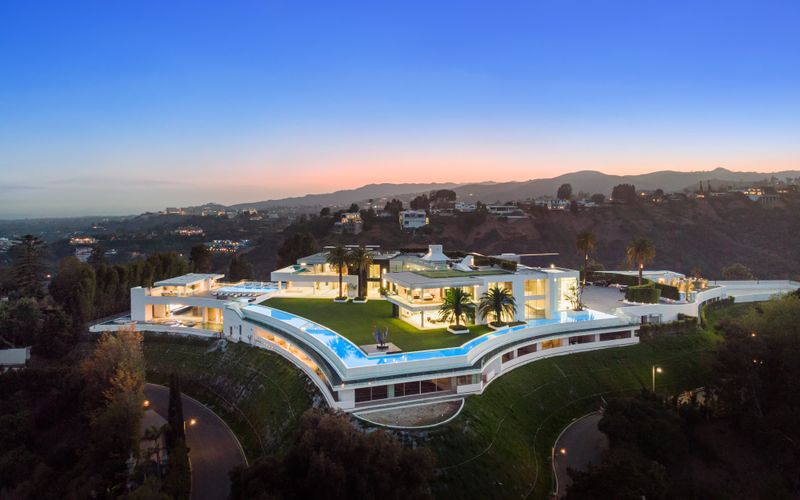
Imagine a house so lavish it makes regular mansions look like modest cottages! Completed in 2021 after nearly a decade of construction, this ultra-modern mega-mansion spans a mind-boggling 105,000 square feet on a five-acre promontory.
Originally listed for $500 million, the property eventually sold for $141 million at bankruptcy auction. Its over-the-top amenities include 21 bedrooms, 42 bathrooms, a 30-car garage, five swimming pools, a 10,000-square-foot sky deck, and even a private nightclub. Talk about taking luxury to unprecedented heights!
5. Fair Field (Sagaponack, New York)
Money can’t buy happiness, but it certainly bought billionaire Ira Rennert an extraordinary 62,000-square-foot compound in the Hamptons. Constructed in the late 1990s, this controversial oceanfront estate sits on 63 acres of prime real estate.
The main house features 29 bedrooms, 39 bathrooms, and a dining room that can seat 100 guests. What’s even more impressive? The property includes its own power plant, three swimming pools, a 164-seat theater, two bowling alleys, and a basketball court.
6. Versailles (Windermere, Florida)
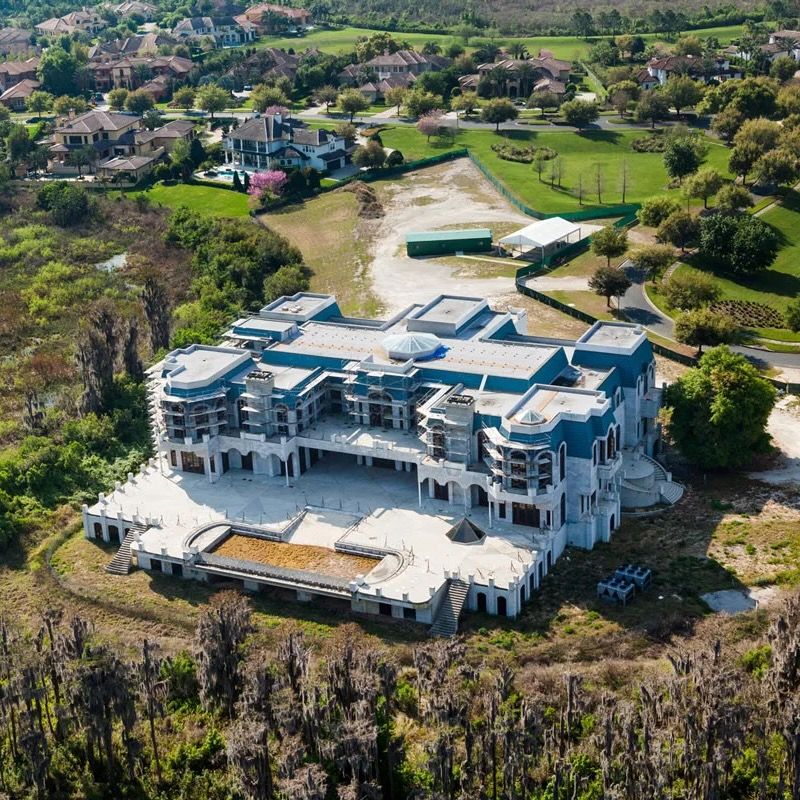
What happens when you combine reality TV fame with extravagant wealth? You get a 90,000-square-foot palace inspired by the French royal château of the same name.
Time-share mogul David Siegel and his wife Jackie began construction in 2004, but faced delays during the 2008 financial crisis. Finally completed in 2019, this palatial residence boasts 14 bedrooms, 32 bathrooms, 11 kitchens, a 30-car garage, two movie theaters, and a ballroom that can accommodate 1,000 guests.
7. Pensmore (Highlandville, Missouri)
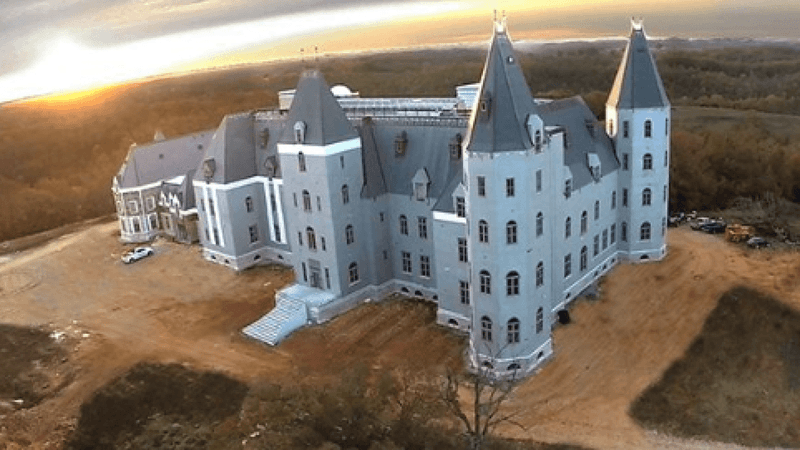
Tucked away in the Missouri Ozarks stands a fortress-like mansion that’s built to withstand practically anything nature throws at it. This 72,000-square-foot concrete behemoth was designed by astrophysicist and software entrepreneur Steven Huff to withstand F5 tornadoes, earthquakes, and even bombings.
Construction began in 2008 using special concrete technology, with 13-inch thick walls and a design intended to last for centuries. Despite its imposing size, the home was designed with energy efficiency in mind, utilizing geothermal heating and cooling systems. Talk about preparing for the apocalypse in style!
8. Pritzker Estate (Los Angeles, California)
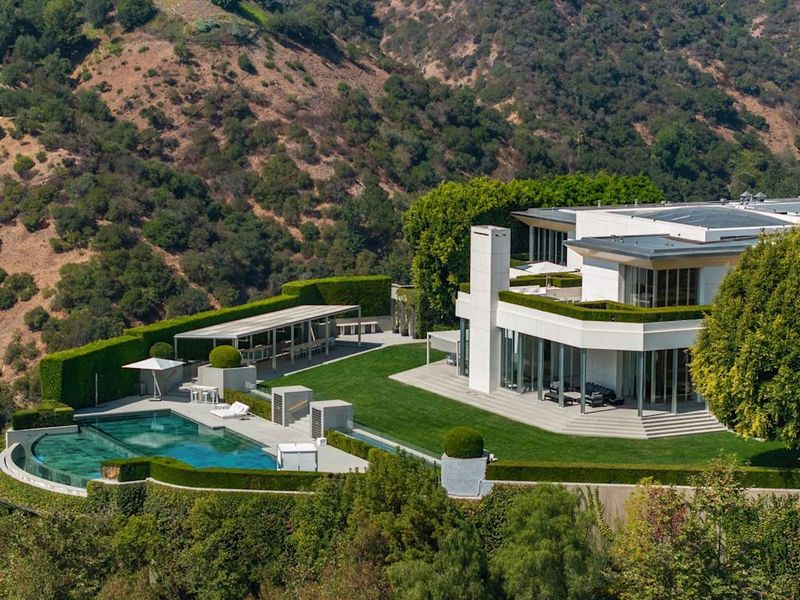
Perched high in the hills above Los Angeles sits a contemporary palace that epitomizes California luxury living. This approximately 49,000-square-foot compound belongs to Anthony Pritzker, heir to the Hyatt Hotels fortune.
Among its lavish amenities are a bowling alley, game room, gym, and a spectacular zero-edge swimming pool with panoramic views of the city below. The property also boasts impressive eco-friendly features including geothermal cooling and solar panels.
1. The Matchbox House (Detroit, Michigan)
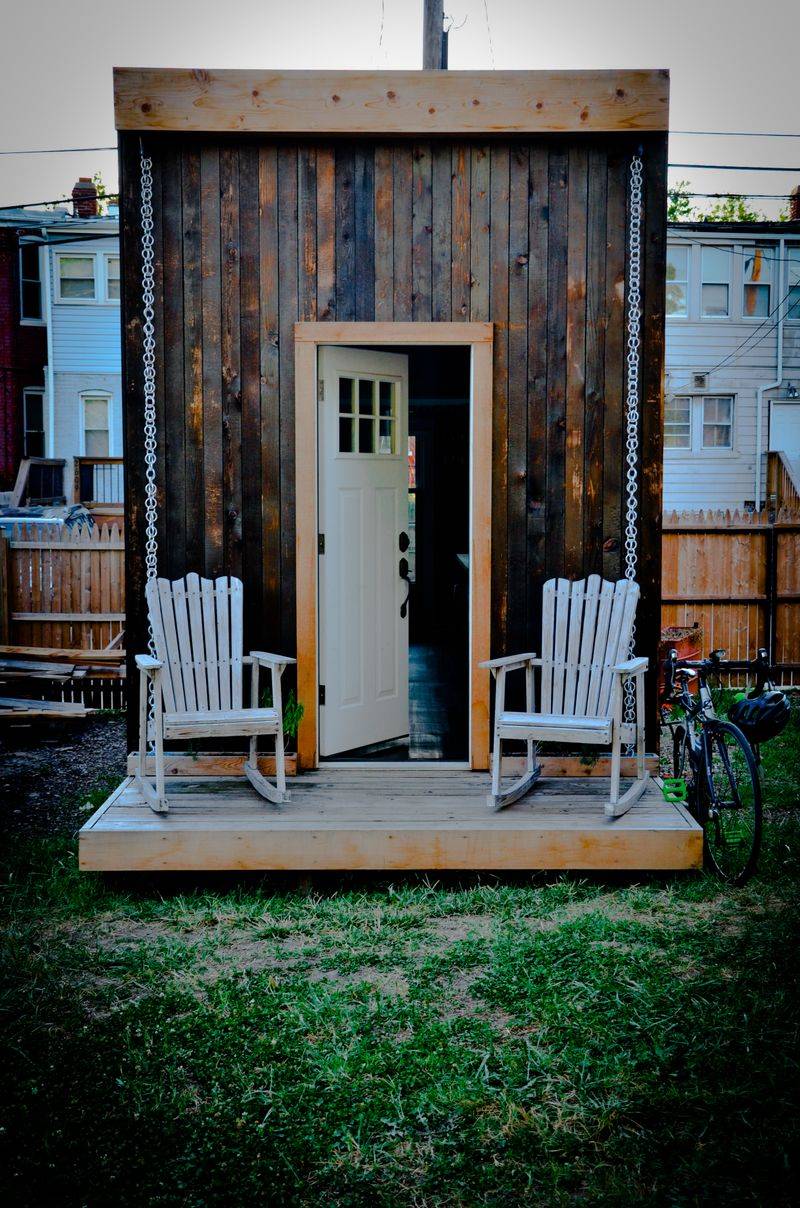
Measuring just 7 feet wide and 36 feet long, this sliver of a home earned its name from its striking resemblance to an actual matchbox. Built in 2011 during Detroit’s urban renewal movement, it stands as a symbol of affordable housing innovation.
The entire structure was constructed from reclaimed materials found within a five-mile radius of its location. Inside, every furniture piece transforms—the dining table becomes a bed, walls slide away to reveal storage, and the bathroom sink doubles as a shower.
2. The Shipping Container Micro-Studio (Portland, Maine)
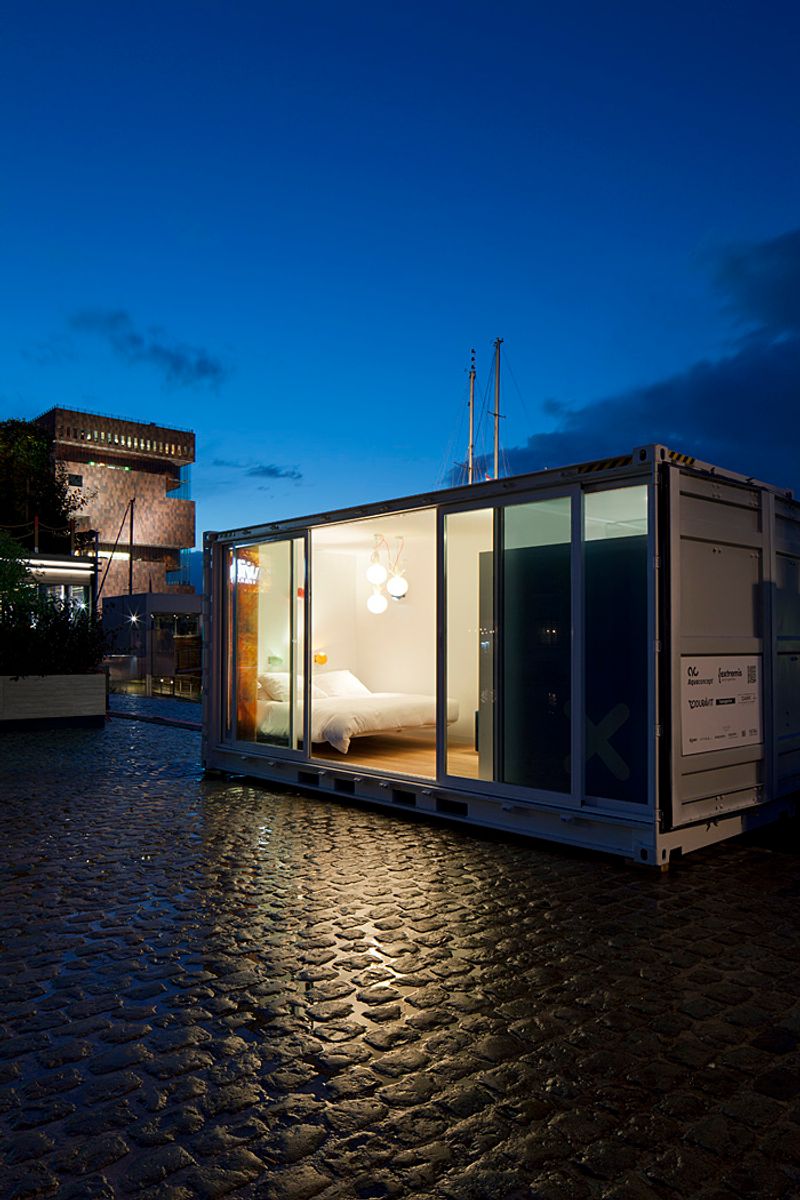
Born from a single 8×20 foot shipping container, this 160-square-foot home proves that upcycling can create remarkable living spaces. The container’s industrial exterior contrasts with its surprisingly cozy interior, where salvaged pine planks line the walls and ceiling.
Massive windows cut into the metal sides flood the space with natural light, making it feel much larger than its measurements suggest. The owner, a minimalist artist, designed a pull-down Murphy bed that transforms into a painting studio by day.
3. The Lighthouse Micro-Tower (Key West, Florida)
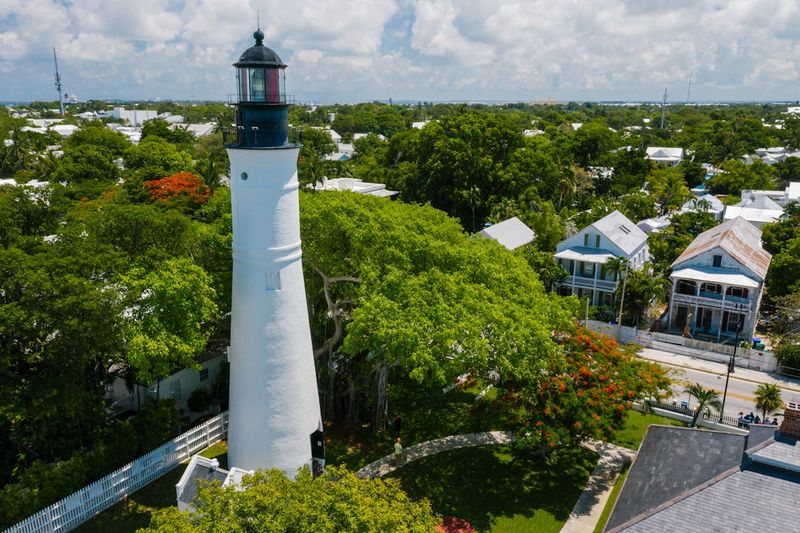
Rising just 14 feet tall but measuring only 6 feet in diameter, this cylindrical home might be the skinniest dwelling in America. Modeled after a lighthouse, its spiral staircase connects three tiny circular floors—each serving a different purpose.
The ground level houses a compact bathroom with a shower that doubles as the entrance. The middle floor contains a kitchenette with a fold-down table and built-in seating. The top floor features a round bed positioned beneath a glass dome ceiling, offering panoramic views of the night sky.
4. The Boxcar Bungalow (Flagstaff, Arizona)
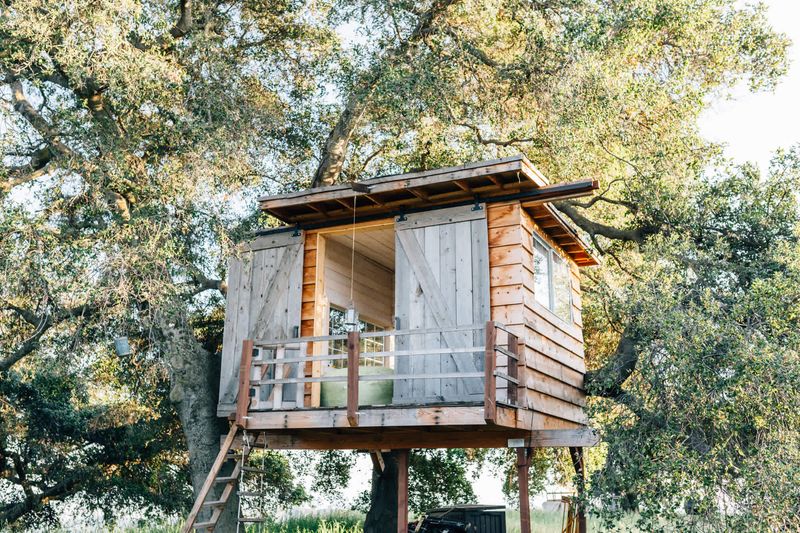
A century-old train boxcar found abandoned along the historic Route 66 transformed into an 8×20 foot desert dwelling. The resourceful owner, a railroad enthusiast, preserved the original sliding door but added insulation and southwestern-style windows that frame the stunning mountain views.
Inside, the ceiling still bears the original serial numbers and manufacturing dates from 1923. Space-saving innovations include a lofted sleeping area accessible by a ladder crafted from old railroad spikes and a kitchen counter made from a repurposed station ticket desk.
5. The John Dorsett House (Savannah, Georgia)
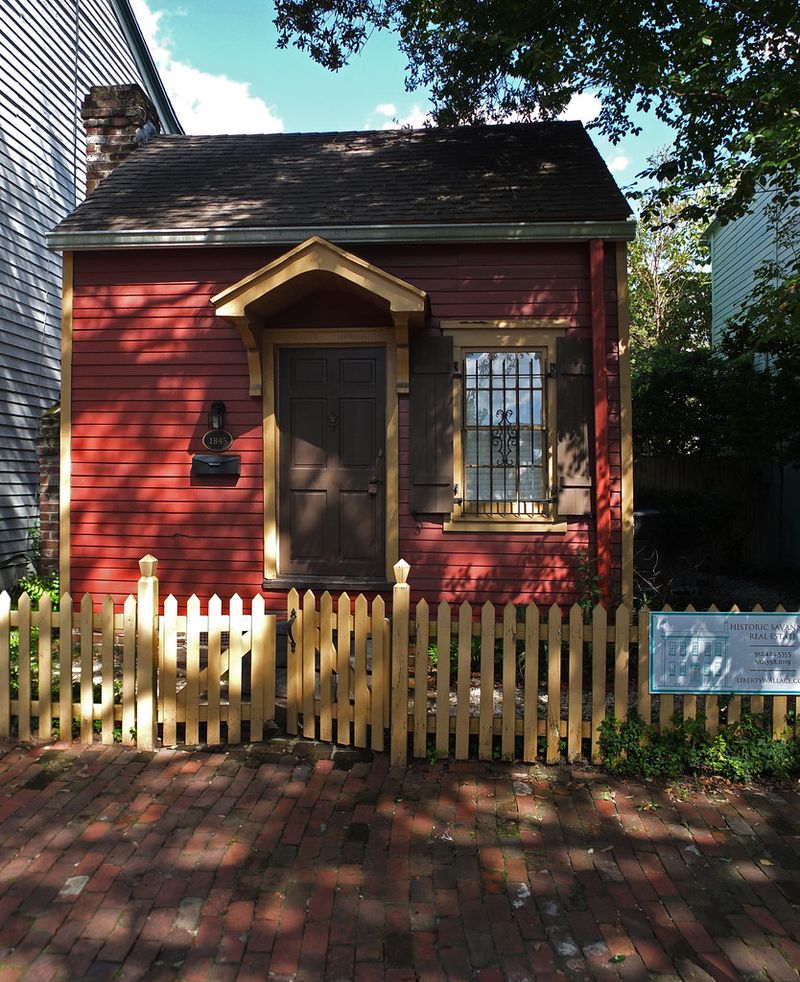
Affectionately dubbed Savannah’s “Tiny House” – it perches at 536 East State Street within the city’s historic Greene Square. Built in 1845 for shipbuilder John W. Dorsett, it holds the distinction of being the smallest free‑standing house in Savannah
Despite its diminutive size, the cottage exemplifies Savannah’s charm and adaptability, having been relocated in the mid‑20th century to preserve its legacy within the National Historic Landmark district.
6. Hollensbury Spite House (Alexandria, Virginia)
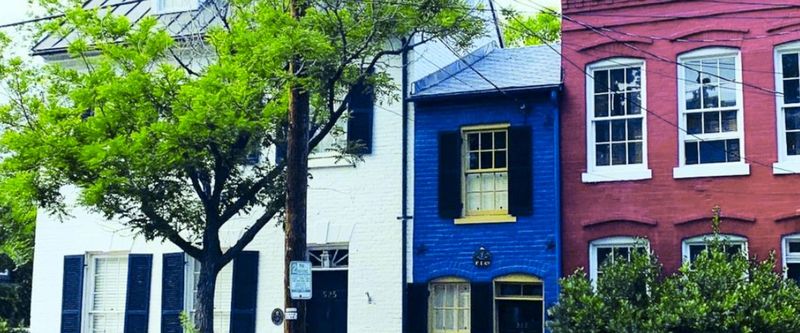
The Hollensbury Spite House perches at 523 Queen Street in Alexandria, Virginia, earning fame as the narrowest historic home in the U.S. at just 7 ft 6 in wide and around 25 ft deep
Built in 1830 by brickmaker John Hollensbury – the two-story home spans roughly 350 sq ft and even features the original carriage scrape marks on its shared walls
Still occupied today, it draws curious visitors on walking tours of Old Town Alexandria and has captured attention from The Oprah Show to Architectural Digest.
7. Pickle Barrel House (Grand Marais, Michigan)
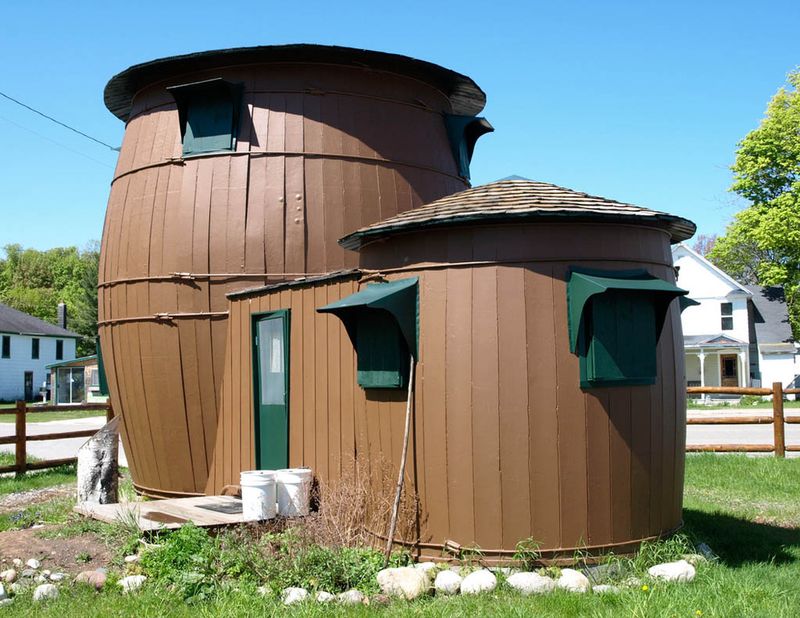
Perched at the corner of Lake Ave (M‑77) and Randolph Street in Grand Marais, Michigan’s Upper Peninsula, the whimsical Pickle Barrel House stands out as a playful architectural landmark.
Despite its tiny footprint, it has offered decades of summer refuge—and laughs—to visitors. A bite-sized icon turned educational stop, it reminds us that bold creativity fits in surprisingly small packages.
8. The Fire Lookout Micro-Home (Montana Wilderness)
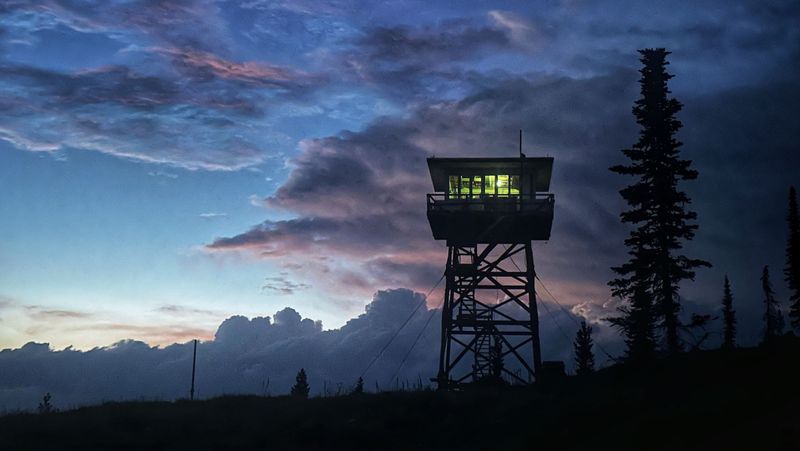
Perched atop a remote mountain in Montana’s wilderness, this 10×10 foot structure originally served as a 1930s forest fire lookout tower. Decommissioned in the 1980s, a wilderness photographer purchased it for $500 and transformed it into America’s most isolated tiny home.
Floor-to-ceiling windows on all four sides offer 360-degree panoramic views of untouched forest stretching for miles. The spartan interior contains just the essentials—a woodstove, a desk that converts to a bed, and a small cabinet kitchen with hand-pumped water.