
15 Biggest Design Mistakes And What I Learned From Them In My 20 Years Of Decorating And Renovating
Home design is a journey filled with learning curves and unexpected challenges. After two decades of transforming spaces, I’ve made plenty of blunders along the way.
Looking back at my design failures actually taught me more than my successes ever did. Here are the biggest mistakes I’ve encountered and the valuable lessons they taught me.
1. Ignoring Natural Light and Overusing Artificial Lighting
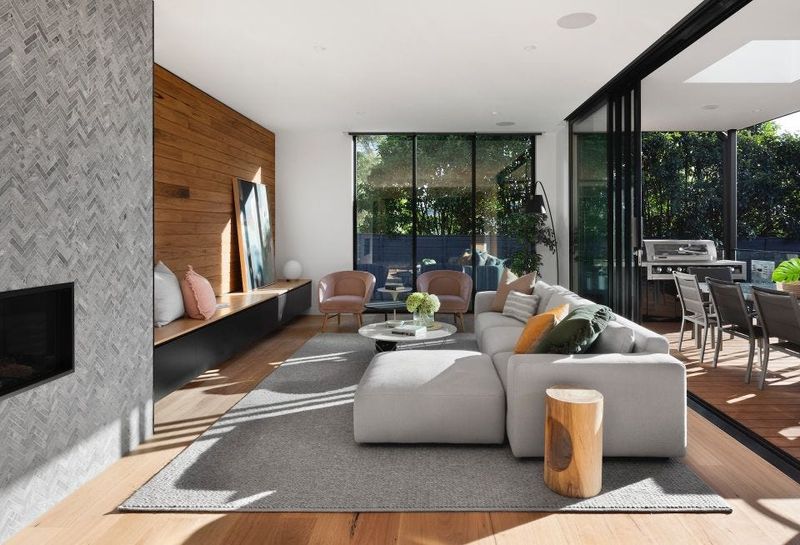
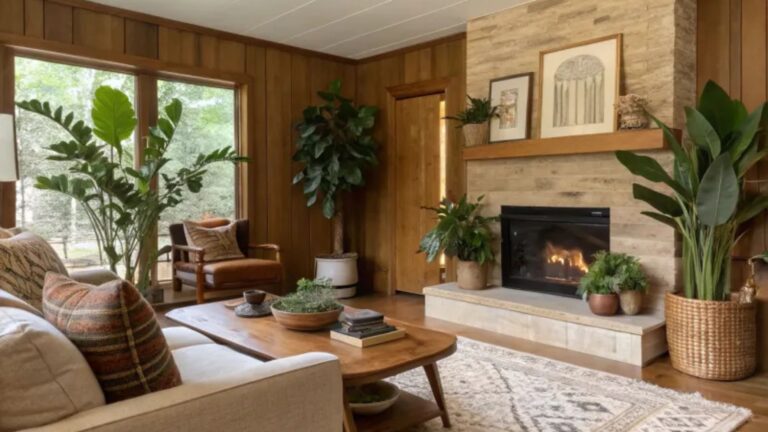
Walking into a room flooded with sunshine feels magical, yet I’ve repeatedly blocked this free resource with heavy drapes and poor furniture placement.
My worst offense? A beautiful living room where I installed six recessed lights when three strategically placed lamps would have created a much cozier atmosphere.
Natural light should always be your primary light source, with artificial lighting playing a supporting role.
2. Choosing Trends Over Timeless Pieces
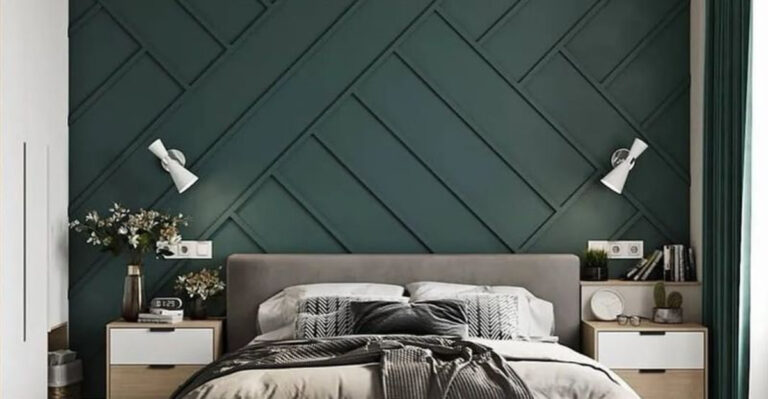
Remember chevron patterns? I certainly do – they were plastered across my entire guest bedroom in 2013.
Six months later, I couldn’t stand looking at them anymore, but had already invested in expensive custom pillows, curtains, and even a painted accent wall.
Save trendy designs for easily replaceable items like throw pillows or small accessories, while investing in classic, timeless pieces for furniture and major fixtures.
3. Skimping on Quality Flooring
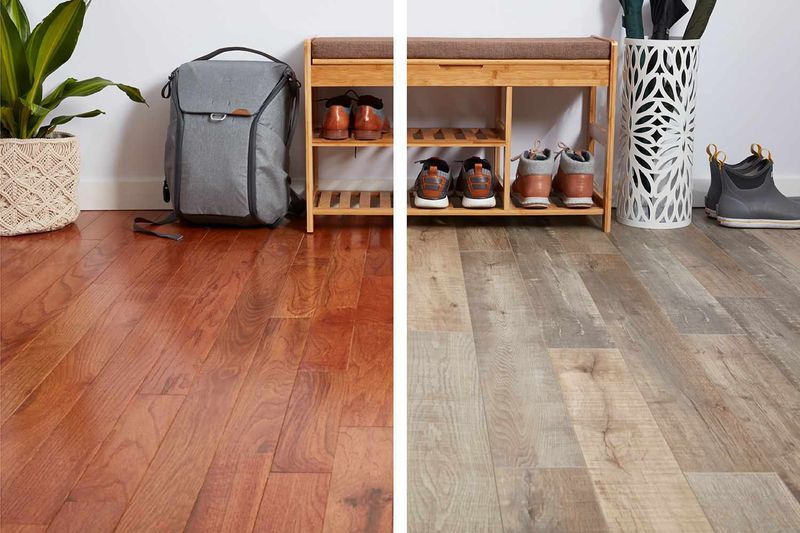
Years ago, I installed the cheapest laminate I could find in my first home. What a disaster!
Within months, it was scratched, warped from minor water exposure, and looked terrible no matter how much I cleaned it. I ended up replacing it twice before finally investing in quality hardwood.
Flooring takes the most abuse of any surface in your home – it’s worth spending extra for materials that will stand the test of time.
4. Forgetting About Traffic Flow
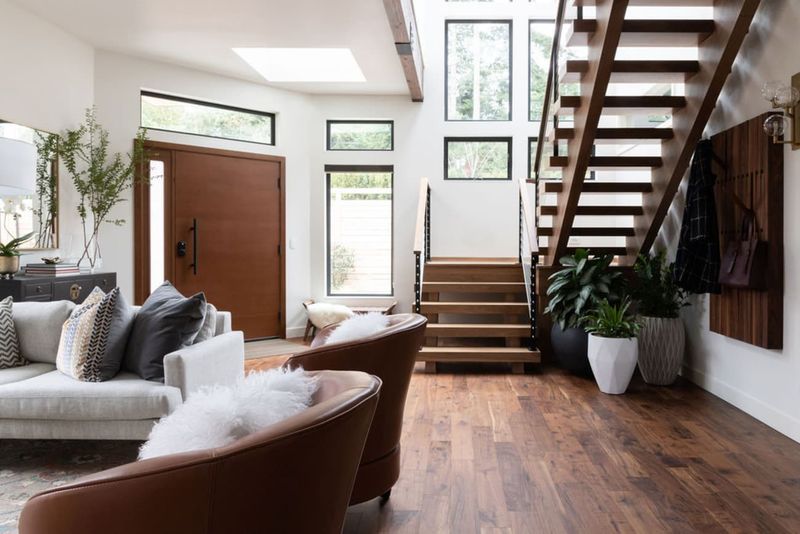
Once upon a time, I placed a gorgeous coffee table smack in the middle of my living room’s natural pathway. Everyone had to awkwardly zigzag around it just to cross the room!
Moving through spaces should feel intuitive and effortless. Map out how people naturally walk through rooms before placing furniture.
Always leave at least 30-36 inches of clearance for main pathways to avoid creating an obstacle course in your home.
5. Overcrowding Rooms with Too Much Furniture
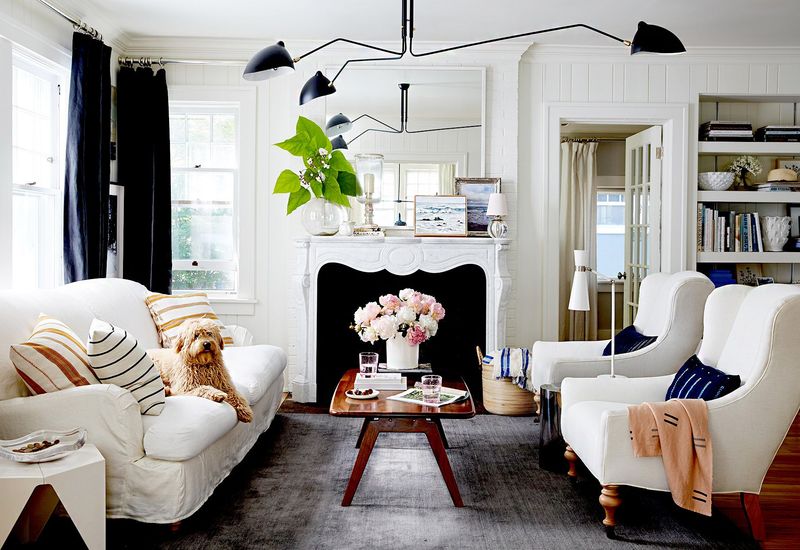
My first apartment looked like a furniture showroom – every inch was crammed with pieces I loved individually but that collectively suffocated the space.
Less really is more! I’ve learned to carefully select fewer, better pieces that serve multiple functions instead of filling every corner.
Empty space isn’t wasted space – it’s breathing room that makes your carefully chosen items stand out and allows the room to feel peaceful rather than chaotic.
6. Neglecting Proper Scale and Proportion
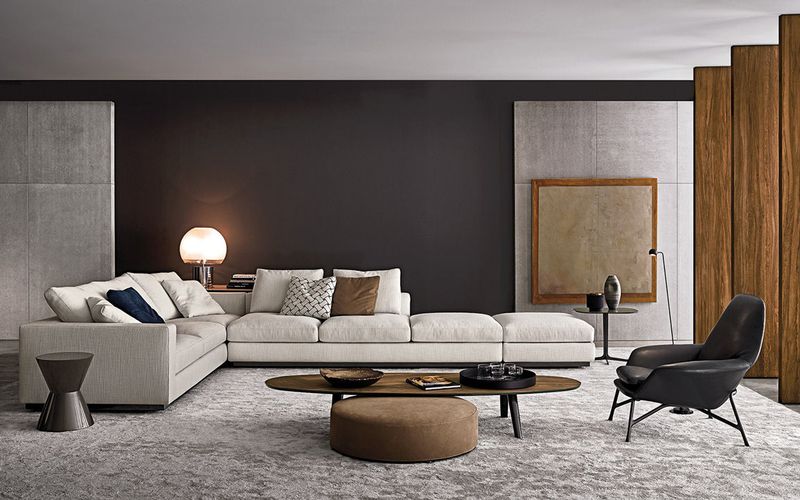
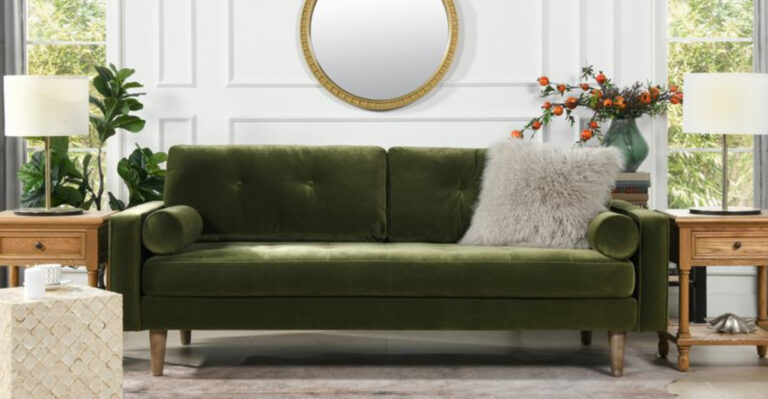
My biggest facepalm moment? Buying an enormous sectional for my modest-sized living room that made the space look like a furniture storage unit!
Scale matters tremendously. Sketch your room dimensions and furniture sizes before purchasing anything substantial.
Measure doorways too – I once bought a beautiful armoire that couldn’t fit through my apartment door and had to be returned after hours of frustrating attempts.
7. Overusing Matching Sets Instead of Mixing Styles
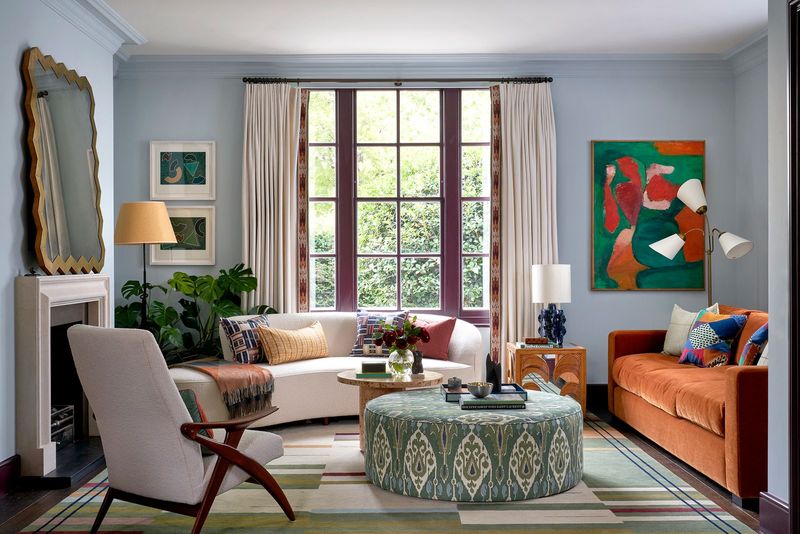
Long ago, I purchased an entire bedroom set straight from a showroom floor – matching nightstands, dresser, headboard, the works. The room looked like a hotel, not a home.
Gradually, I replaced pieces with items collected over time that reflected my personality.
Mixing different styles, textures, and eras creates visual interest and tells your unique story, giving rooms character that catalog-perfect spaces simply can’t match.
8. Failing to Plan for Storage Needs
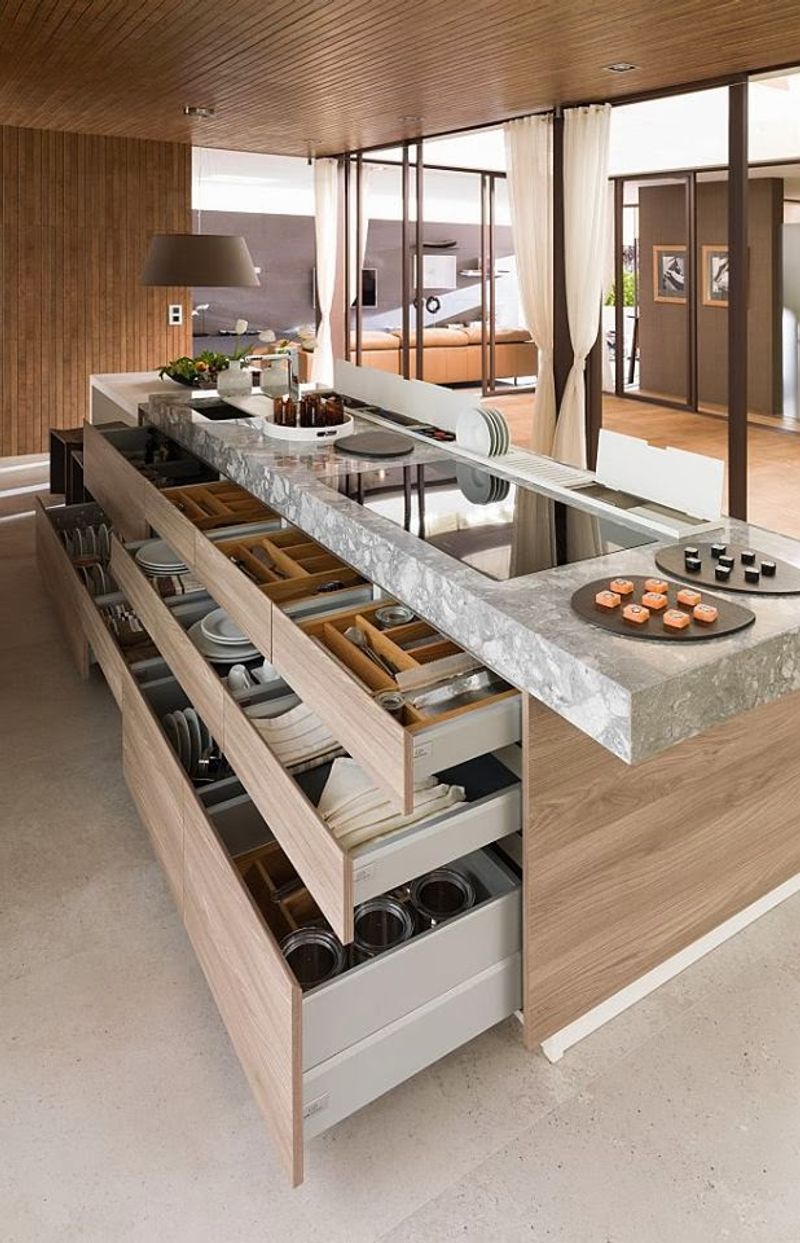
My gorgeous minimalist kitchen remodel looked spectacular in photos but proved completely impractical for actual cooking. Where was I supposed to store all my appliances and cookware?
Beautiful spaces must also be functional. I now carefully inventory what needs to be stored in each room before finalizing any design.
Built-in storage solutions integrated into your design from the beginning will save you from cluttered countertops and overflowing closets later.
9. Picking Paint Colors Without Testing
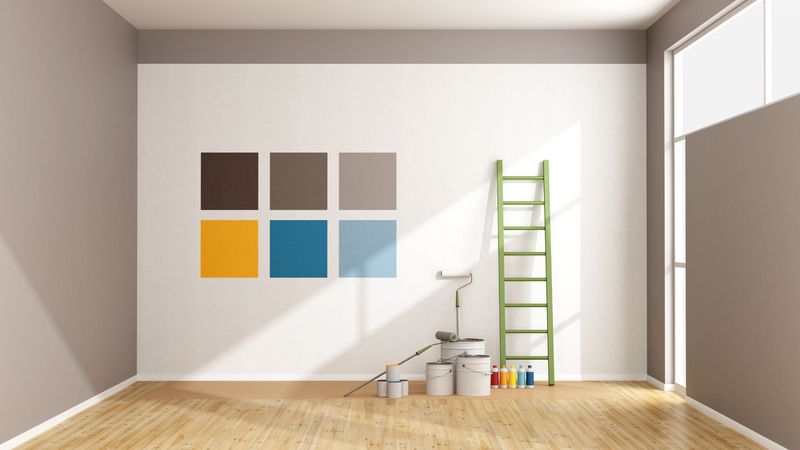
Rushing into painting my dining room a bold terracotta color without testing it first ranks among my worst decisions. What looked warm and inviting on a tiny paint chip transformed into an overwhelming orange-red cave!
Light dramatically affects how colors appear. Always test large swatches (at least 2ft square) on multiple walls and observe them throughout the day.
Paint is relatively inexpensive to change, but repainting an entire room is time-consuming and frustrating.
10. Underestimating the Power of Window Treatments
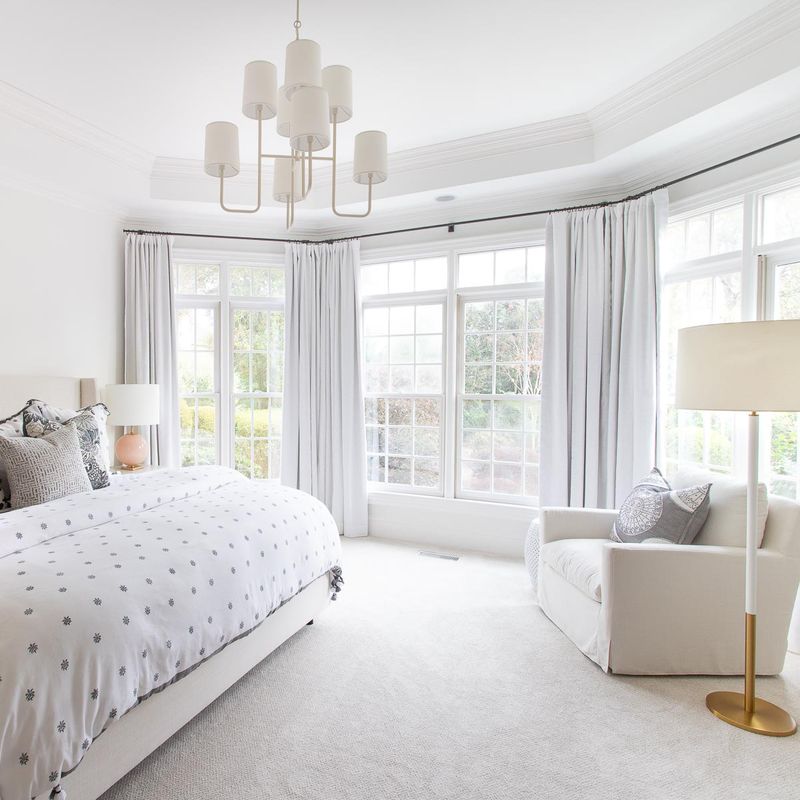
For years I hung standard-size curtains directly above my windows, making ceilings appear lower and windows smaller than they actually were.
Window treatments should enhance architecture, not diminish it. Mount curtain rods close to the ceiling and extend them beyond window frames to create an illusion of height and width.
Quality window coverings also provide crucial light control, privacy, and can dramatically improve a room’s acoustics and energy efficiency.
11. Overlooking Ceiling Design and Height
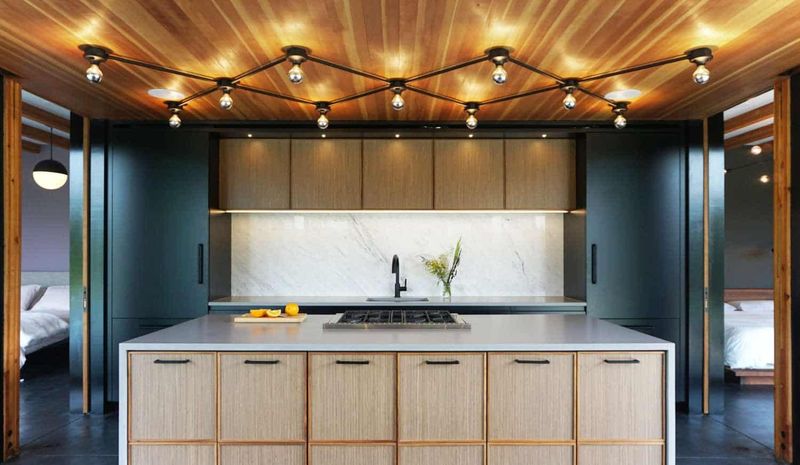
My first renovation included standard 8-foot flat white ceilings throughout, missing a golden opportunity to add character overhead.
Ceilings represent a fifth wall with enormous design potential! Adding simple crown molding, painting with a subtle color, or installing beams can transform a forgettable ceiling into a standout feature.
In rooms with challenging proportions, ceiling treatments can visually correct the space – making low ceilings appear higher or large rooms feel more intimate.
12. Using Too Many Bold Patterns at Once
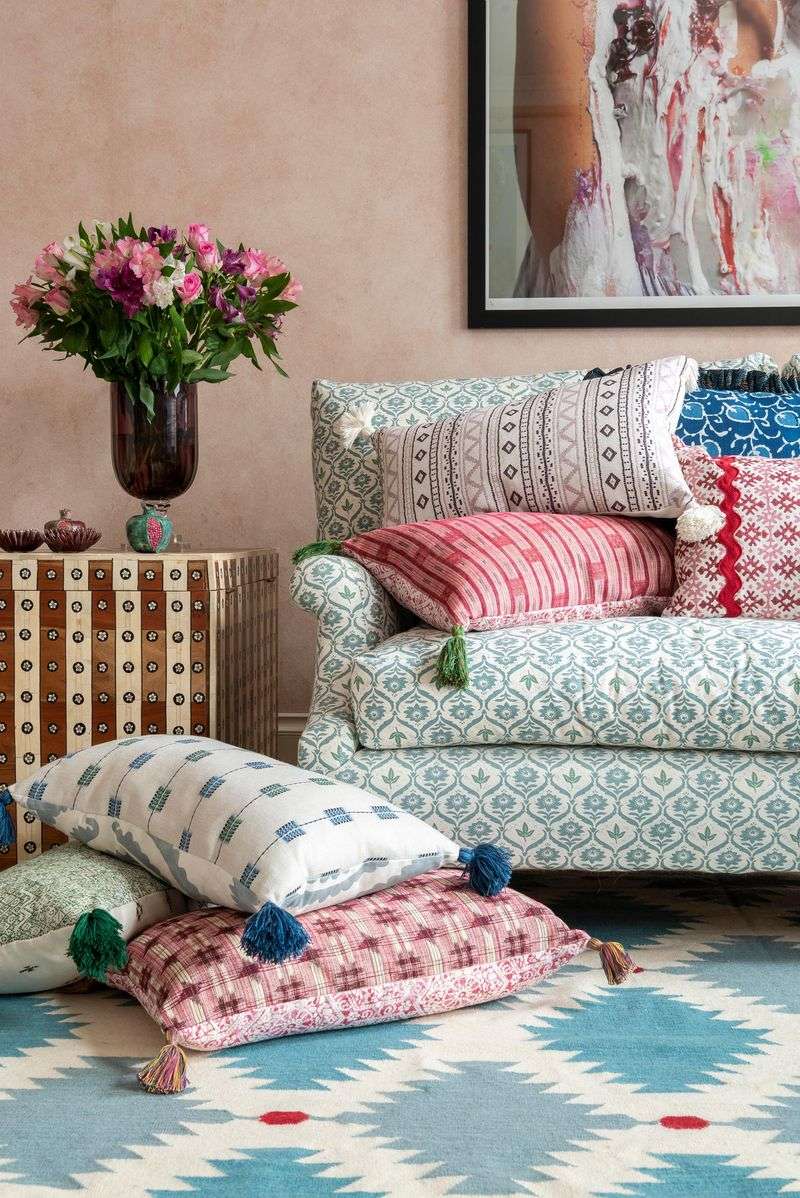
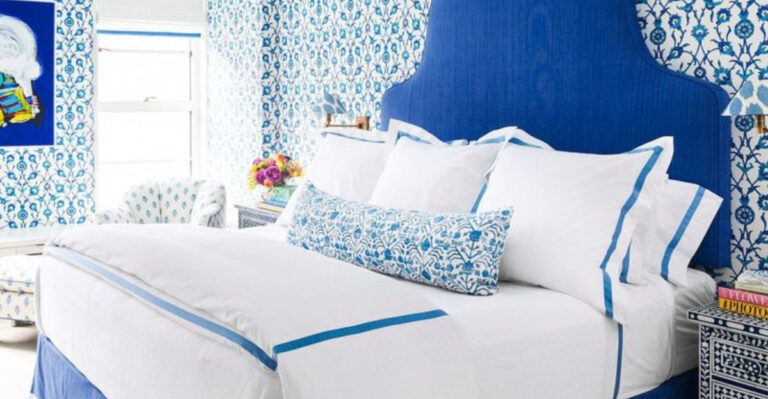
My maximalist phase resulted in one particularly memorable disaster – a guest bathroom with boldly patterned wallpaper, geometric floor tiles, AND a shower curtain with a competing design. Visitors needed sunglasses just to use the toilet!
Patterns create energy and interest, but need breathing room. Let one bold pattern be the star, with others in supporting roles.
Balance is key – pair patterns with solid colors and vary their scale (mixing large, medium, and small patterns) for a cohesive look.
13. Forgetting to Layer Lighting Sources
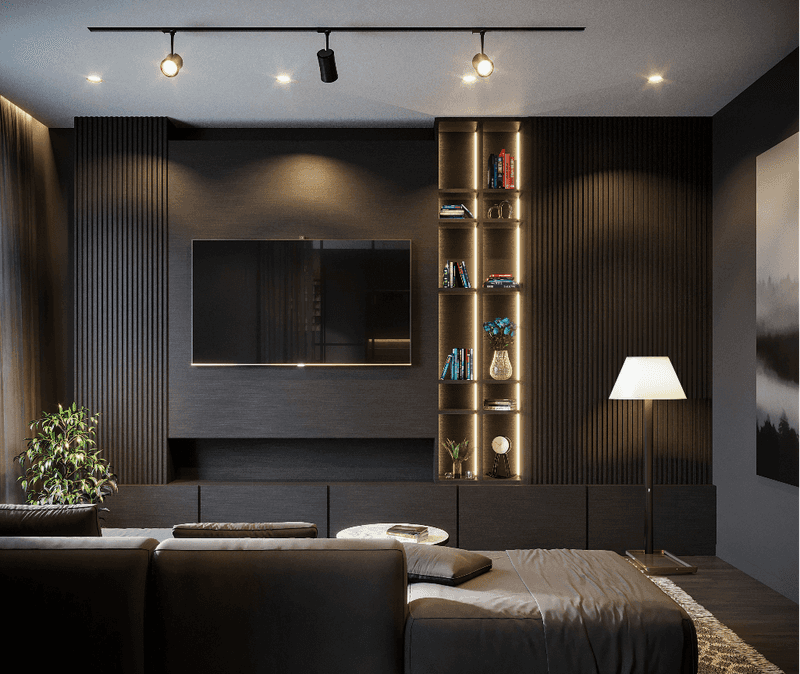
Relying solely on overhead lighting often creates harsh shadows and an uninviting atmosphere, no matter how stylish the furniture may be.
Proper lighting requires layers: ambient (general illumination), task (functional lighting for specific activities), and accent (highlighting architectural features or art).
Varying light sources at different heights creates depth and allows you to adjust the mood of a room depending on time of day or activity.
14. Choosing Fixtures That Don’t Match the Home’s Style
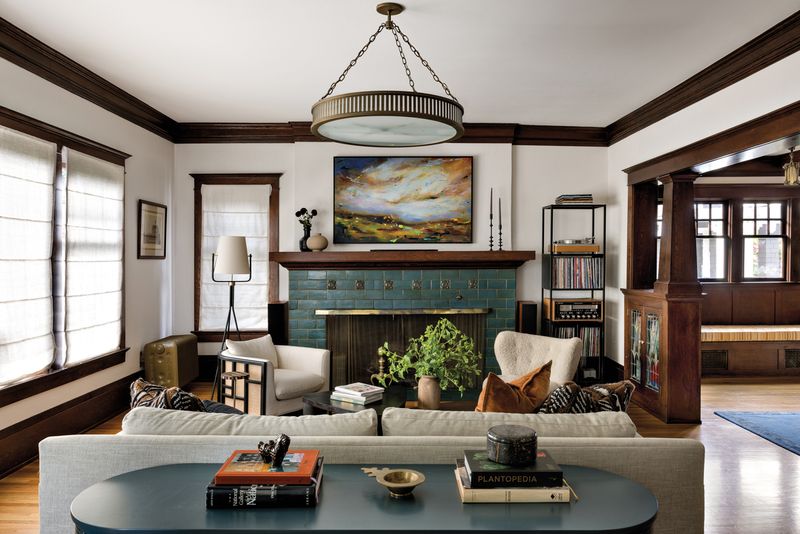
Ultra-modern pendant lights looked strikingly out of place in my traditional 1920s bungalow, creating a jarring disconnect rather than the cool contrast I’d imagined.
Fixtures should complement your home’s architectural character. While mixing periods can work beautifully, it requires thoughtful curation and a unifying element like finish or scale.
Light fixtures, hardware, and plumbing elements act as jewelry for your home – they should enhance its natural style, not fight against it.
15. Rushing Renovations Without a Clear Vision
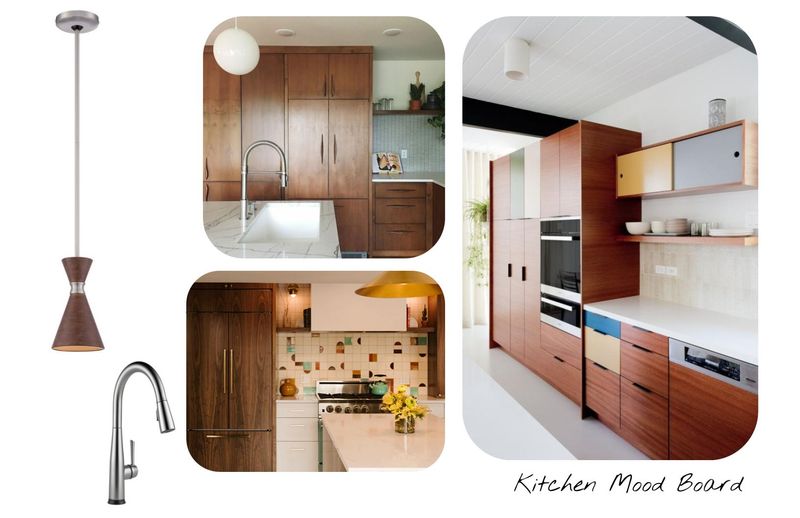
Impatience led me to start demolishing my kitchen before finalizing the design. Midway through, I changed my mind about layout, creating costly delays and compromises that could have been avoided.
Successful renovations require thorough planning. Create detailed mood boards, gather samples, and visualize the complete space before swinging a single hammer.
Patience during planning prevents expensive mistakes and ensures your finished space achieves the vision you actually want, not just what seemed expedient in the moment.