18 Ways To Make Your One-Bedroom Apartment Look Like You Hired A Designer (Without The Cost)
Design envy hits hard when you’re scrolling through perfectly curated interiors – especially in a one-bedroom apartment where space is limited and budget even more so.
But good style doesn’t have to come from a professional. It comes from knowing what to elevate, what to simplify, and how to let your personality speak without shouting.
A few smart choices can shift your space from “just okay” to effortlessly polished. Think of it as the art of looking expensive, without spending like it.
1. Hang Curtains High and Wide
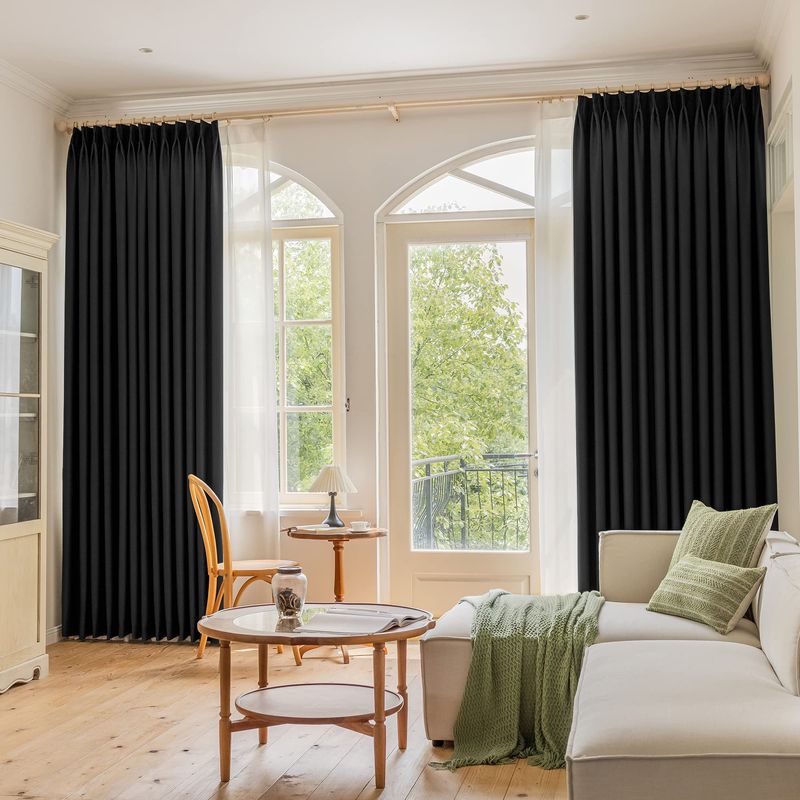
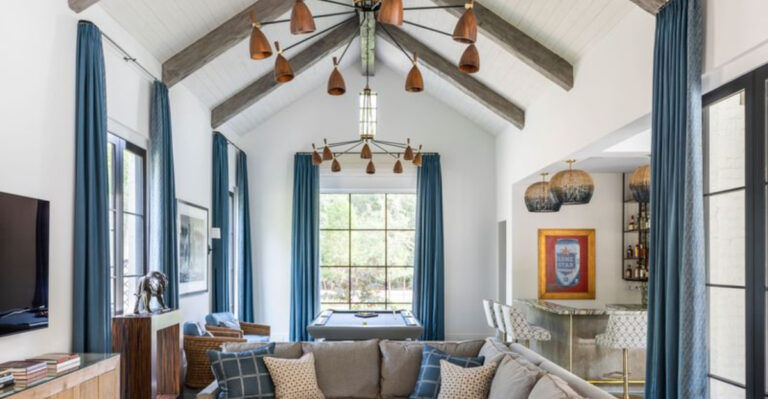
Would you believe that proper curtain placement can completely transform your space? Mount curtain rods close to the ceiling and extend them beyond window frames.
This simple trick creates the illusion of taller ceilings and larger windows – instant architectural interest! Opt for floor-length panels that just kiss the floor for that tailored, professional look designers always achieve.
2. Invest in Statement Lighting
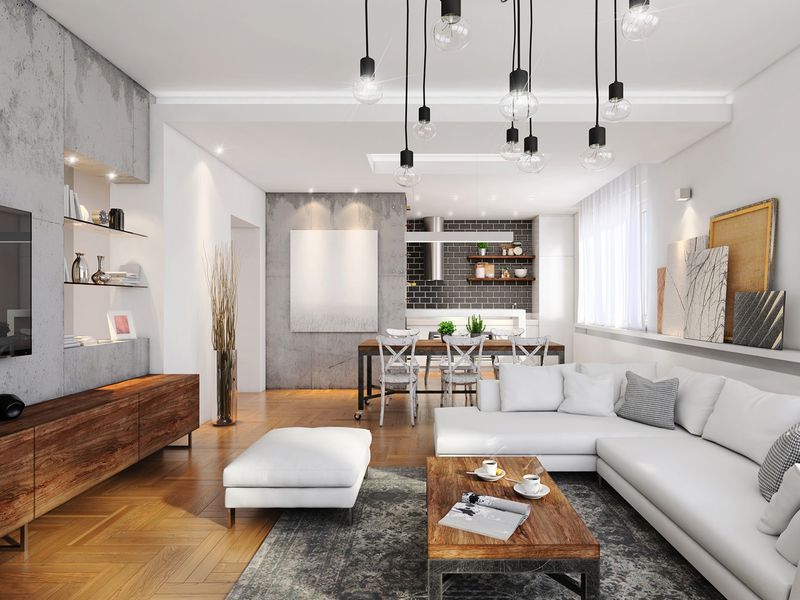
Forget boring builder-grade fixtures! A striking pendant light or sculptural floor lamp acts like jewelry for your room, instantly elevating the entire space.
You’d be amazed how swapping out just one light fixture can transform your apartment’s vibe. Hunt for unique pieces at thrift stores or online marketplaces where you’ll find designer-worthy options without the markup.
3. Add Mirrors Strategically
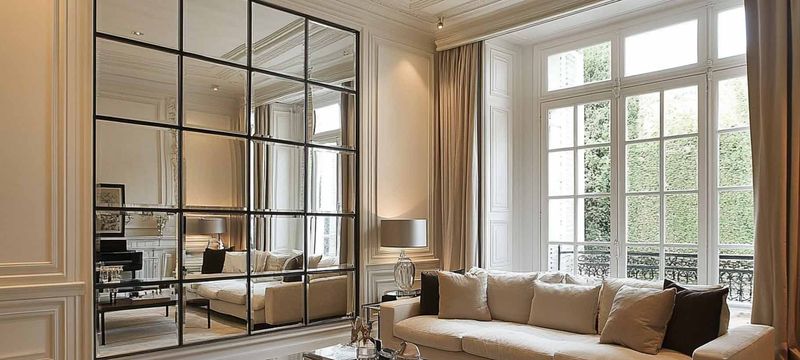
Mirrors are a designer’s secret weapon for making spaces feel larger and brighter. Position a large mirror opposite a window to bounce natural light throughout the room.
Try grouping several smaller mirrors gallery-style for a collected look that adds dimension. Thrift stores and flea markets often hide mirror treasures that need only a fresh coat of spray paint to look high-end.
4. Layer Area Rugs
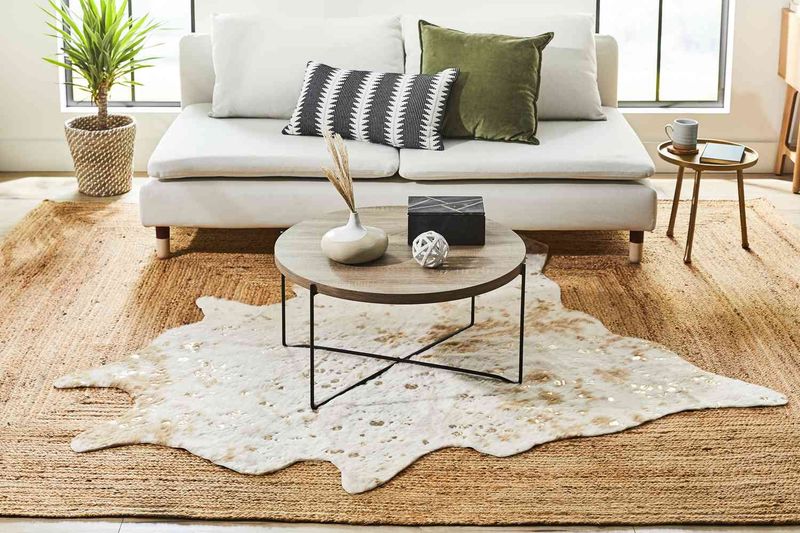
Bare floors scream rental property! A well-chosen rug anchors your furniture and adds instant texture and warmth.
For an unexpected designer touch, try layering a smaller statement rug over a larger neutral one. This creates visual interest and allows you to incorporate pattern without overwhelming your space. Even budget-friendly rugs look expensive when thoughtfully layered.
5. Float Furniture Away From Walls
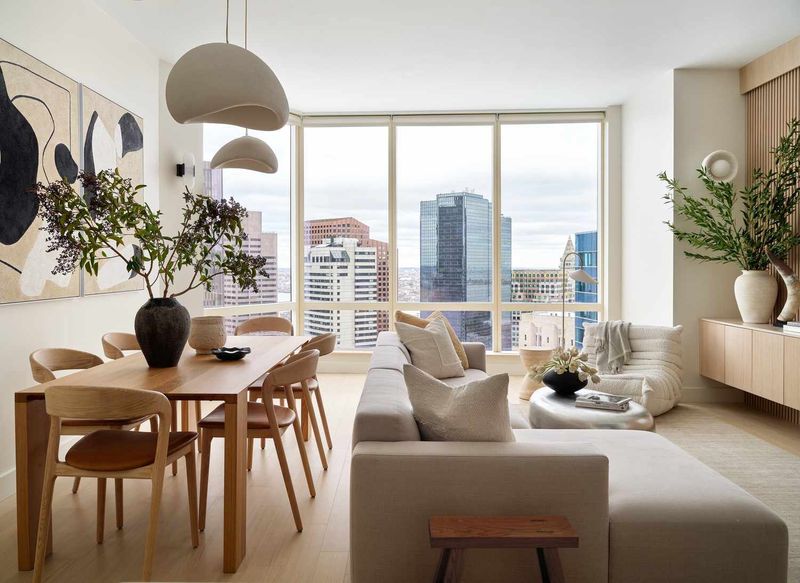
Pushing all your furniture against the walls is a dead giveaway that a professional wasn’t involved! Create conversation areas by pulling pieces toward the center of the room.
Even a few inches of breathing room between furniture and walls makes spaces feel more intentional and curated. This arrangement trick works magic in small apartments, making them feel more spacious rather than cramped.
6. Style Open Shelving Like a Pro
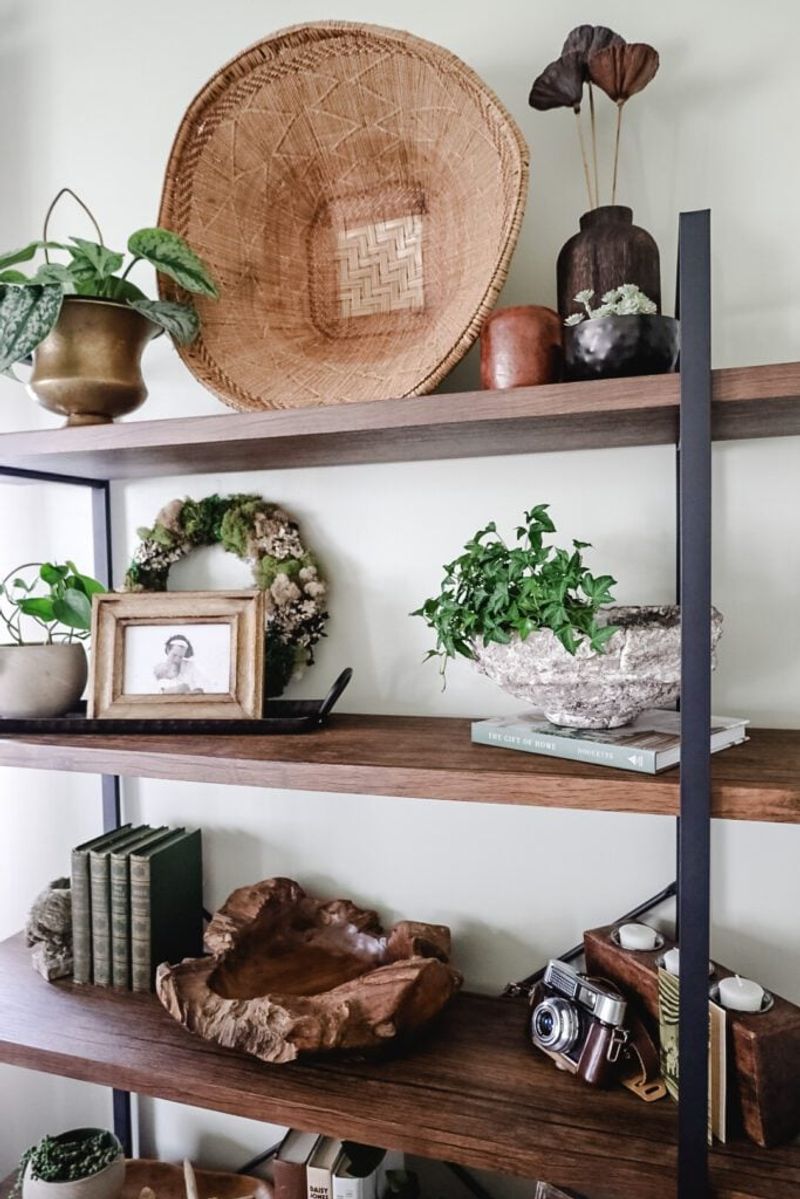
Random clutter on shelves is a design disaster! The secret to professional-looking shelves is thoughtful curation and negative space.
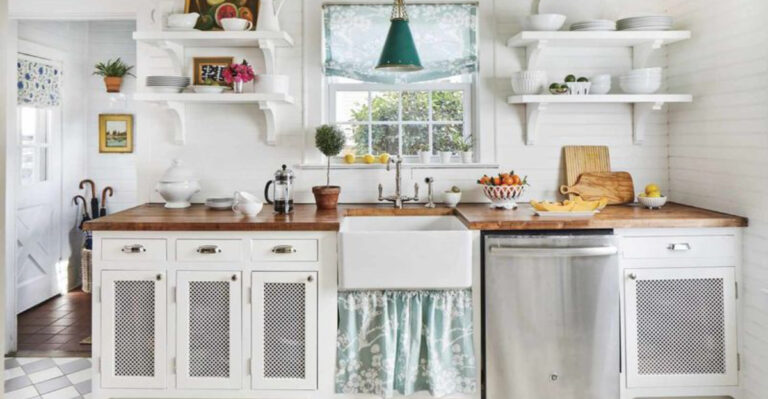
Group items in odd numbers, vary heights and textures, and leave some breathing room around objects. Include a mix of practical and decorative items – books stacked both vertically and horizontally, a small plant, and a few meaningful accessories create that perfect designer balance.
7. Display Oversized Art
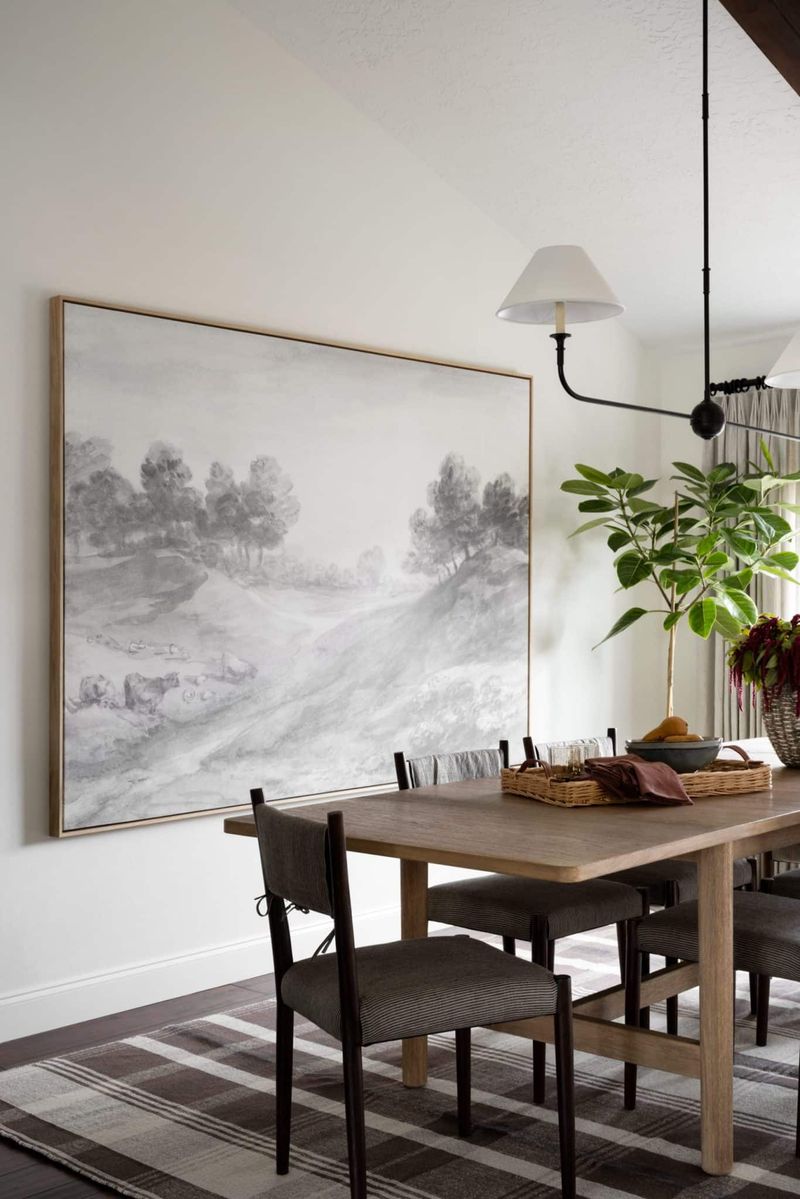
Small artwork scattered around looks cluttered and amateur. Instead, make a bold statement with one large piece that commands attention.
Can’t afford original art? Frame a vintage scarf, blow up a favorite photo, or create a DIY canvas with paint in your color palette. The scale is what matters – designers know that bigger is often better when it comes to visual impact.
8. Upgrade Cabinet Hardware
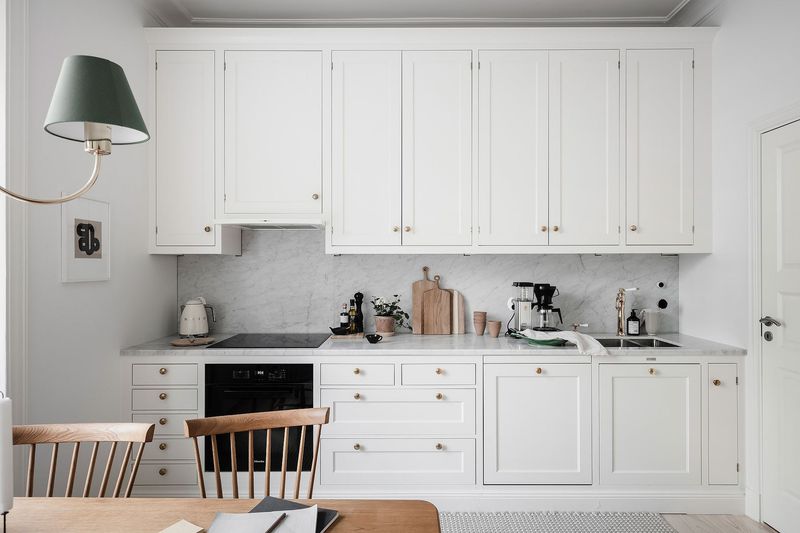
Those standard-issue knobs and pulls are practically screaming “rental unit”! Swapping them for stylish replacements is like adding perfect accessories to a basic outfit.
Look for unique shapes in materials like brass, matte black, or leather for instant character. Save the original hardware to reinstall when you move out. This five-minute upgrade delivers serious design impact for minimal investment.
9. Corral Clutter With Decorative Trays
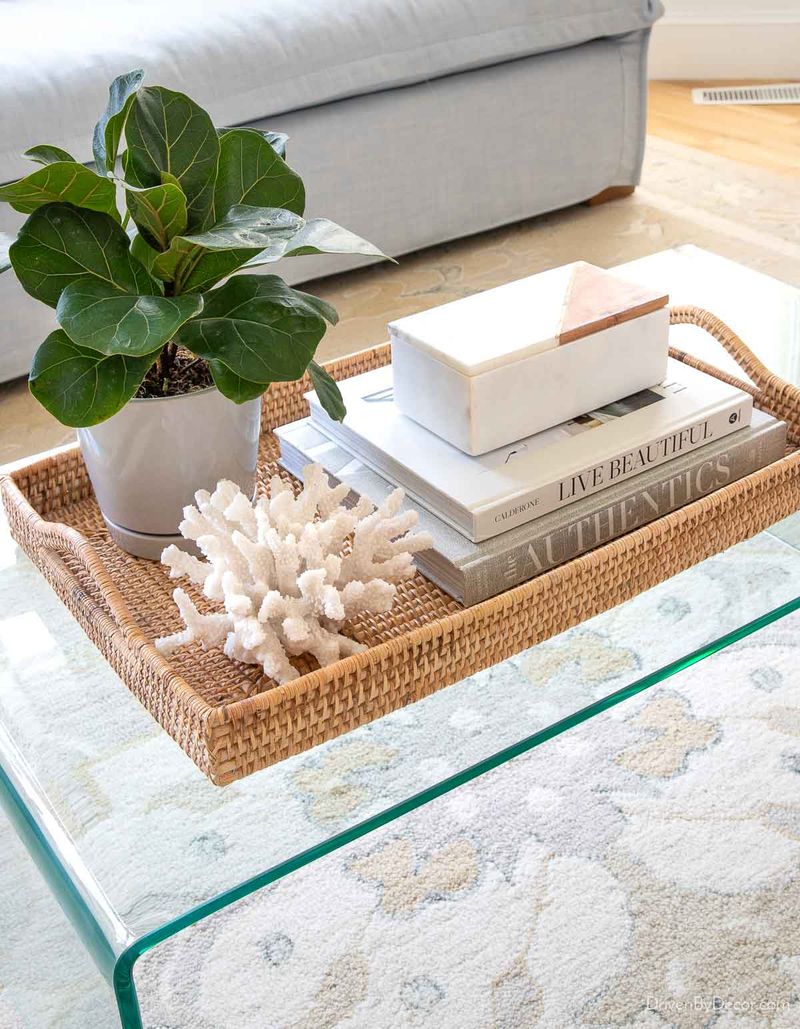
Random items scattered across surfaces instantly downgrade your decor! Professional designers use decorative trays to transform everyday objects into intentional vignettes.
Group your remote controls, favorite books, or bathroom essentials on a beautiful tray. Suddenly, these ordinary items become a curated collection rather than clutter. Look for unexpected tray options like vintage silver plates or repurposed picture frames.
10. Mix Materials Thoughtfully
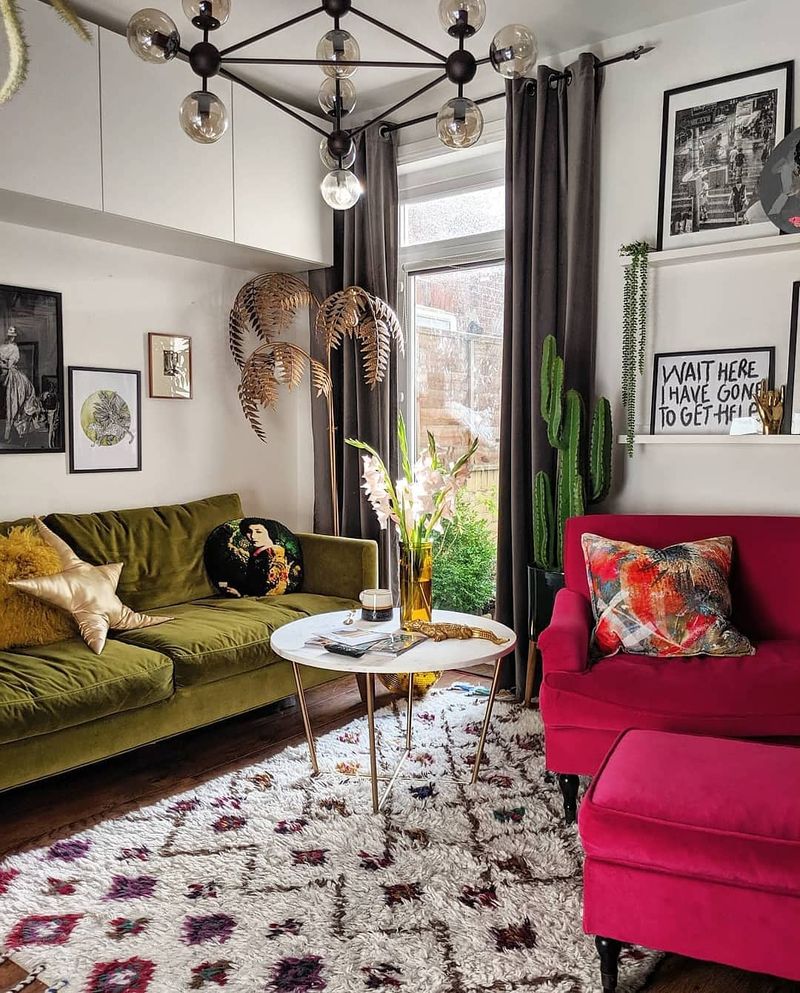
Amateur decorators often stick to matching sets, but designers know the magic happens when materials mingle! Combine wood, metal, glass, and textiles for a collected-over-time look.
Balance is key – pair a sleek glass coffee table with a textured fabric sofa, or wooden side tables with metallic lamps. This thoughtful contrast creates visual interest that makes spaces feel professionally designed rather than purchased as a package.
11. Incorporate Living Plants
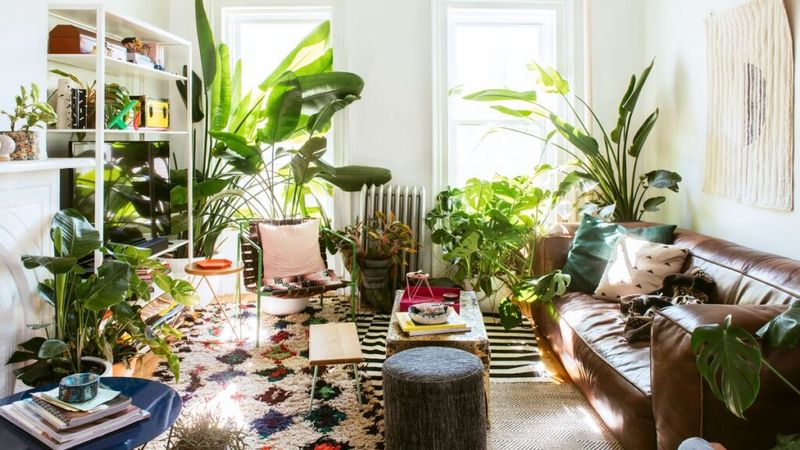
Fake plants might be convenient, but they rarely fool a discerning eye! Live greenery brings organic shape, texture, and literal life to your space that no other decor element can match.
Start with easy-care varieties like pothos, snake plants, or ZZ plants if you’re not naturally green-thumbed. Even a single statement plant in an interesting pot can elevate your entire apartment with that fresh, designer-curated feel.
12. Coordinate Bedding Layers
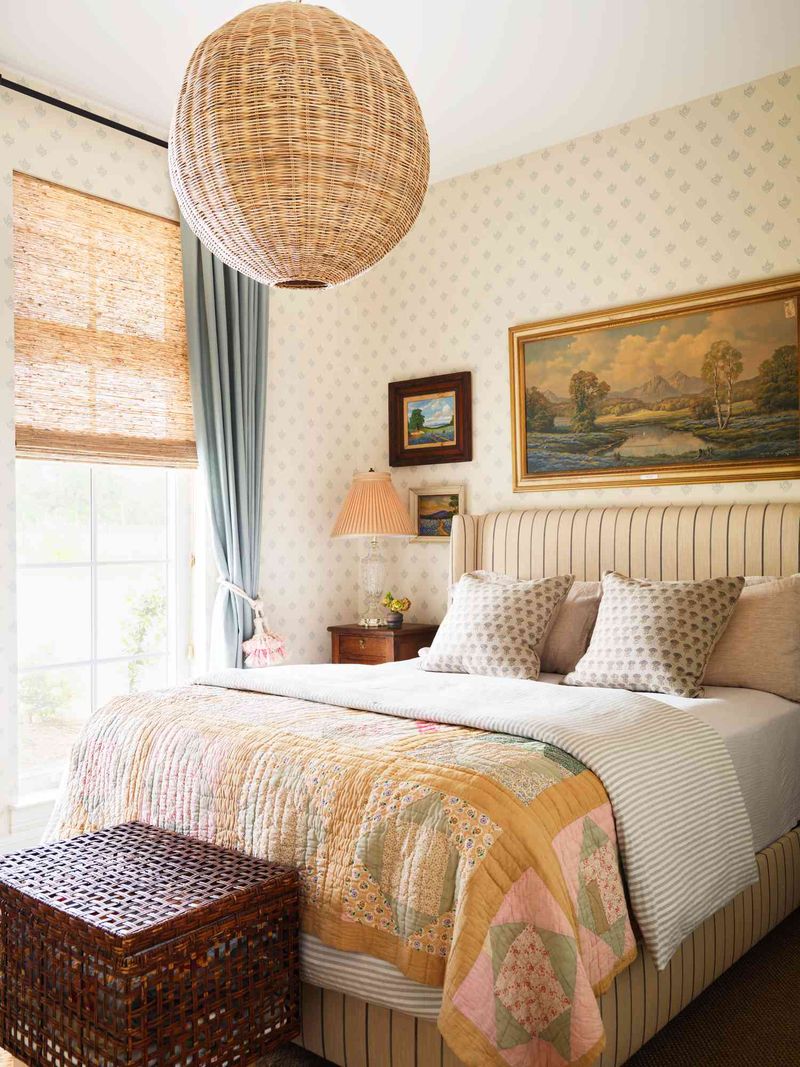
Hotel-worthy beds don’t happen by accident! The secret lies in thoughtful layering of textures and complementary colors.
Start with crisp white sheets, add a textured duvet or quilt, then finish with throw pillows in varying sizes and fabrics. The designer trick is mixing patterns while keeping colors coordinated – try combining stripes, solids, and one statement pattern for that magazine-worthy look.
13. Install a Statement Headboard
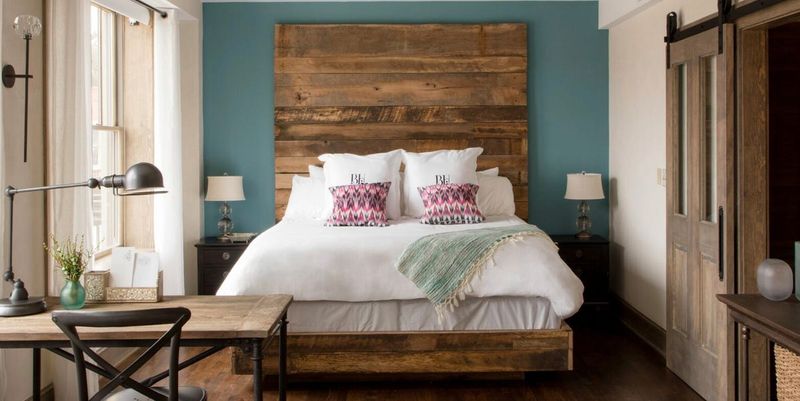
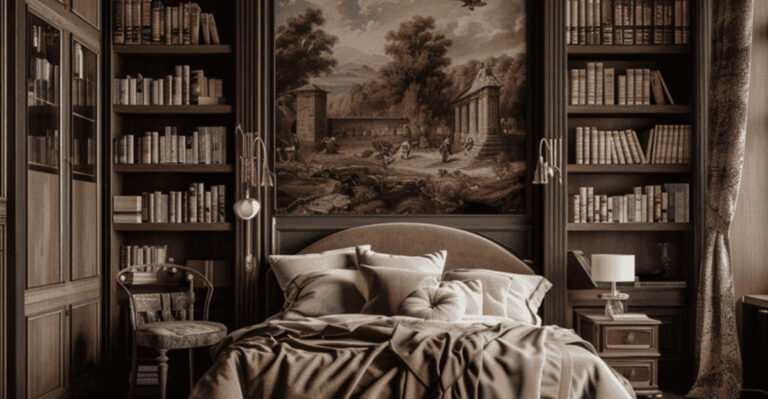
Beds without proper headboards look unfinished and temporary! Creating a focal point with an interesting headboard instantly upgrades your bedroom’s design credibility.
Can’t afford a new one? Try a DIY approach with painted plywood, a vintage door, or even fabric stretched over foam board. This single element anchors your entire bedroom and creates that intentional, designed look professionals achieve.
14. Choose Multi-Functional Furniture
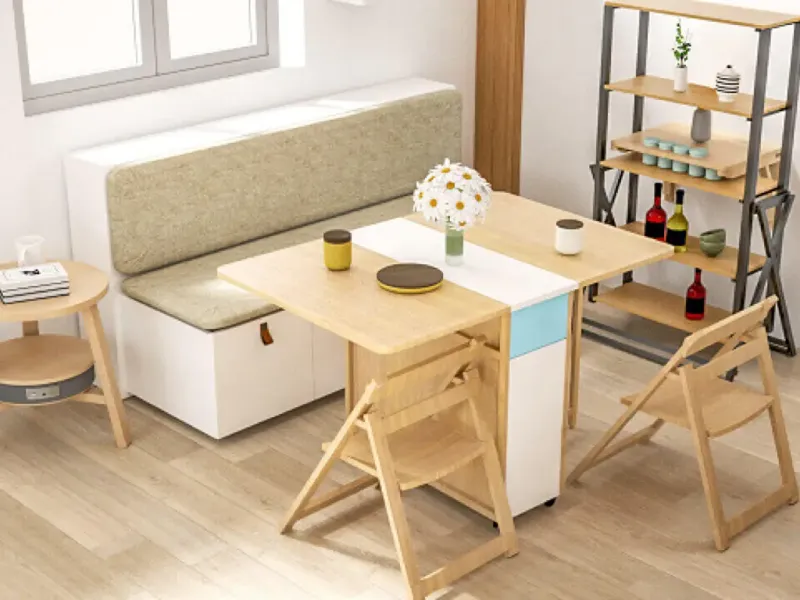
Smart designers know that small spaces demand furniture that works twice as hard! Seek out pieces that serve multiple purposes – storage ottomans, expandable tables, or sleeper sofas.
The key is selecting items that don’t scream “convertible.” Look for streamlined designs that perform their secondary functions discreetly. This approach maximizes your space while maintaining that sophisticated, intentionally designed aesthetic.
15. Organize With Stylish Baskets
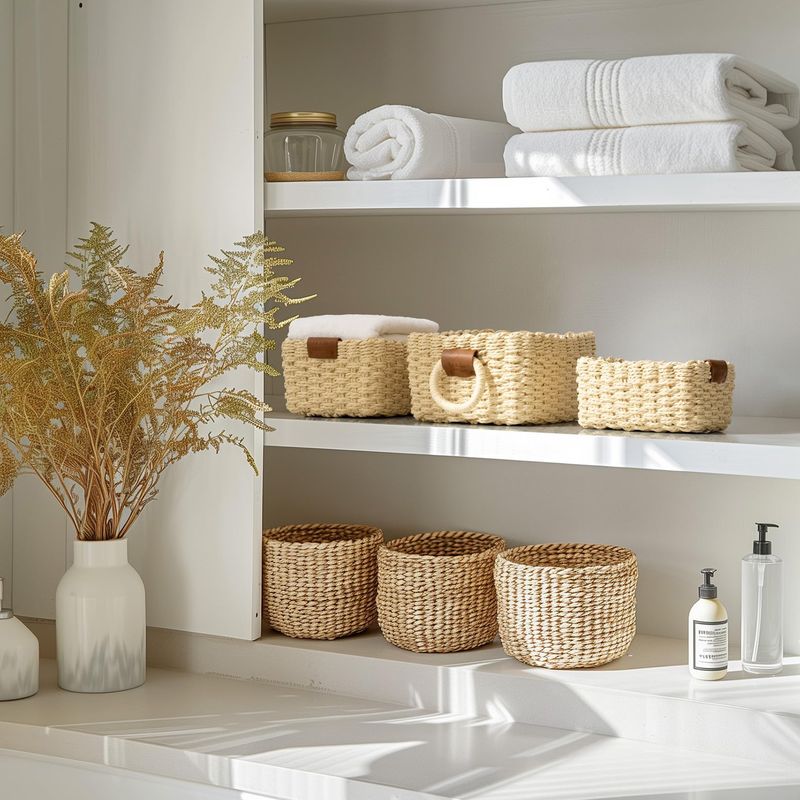
Visible clutter is the enemy of designer spaces! Beautiful baskets hide everyday items while adding natural texture and warmth to your rooms.
Stash magazines, extra throws, or electronic gadgets in woven baskets that complement your decor. The designer secret is consistency – choose baskets in similar materials or colors for a cohesive look, even if their shapes and sizes vary.
16. Display Curated Personal Items
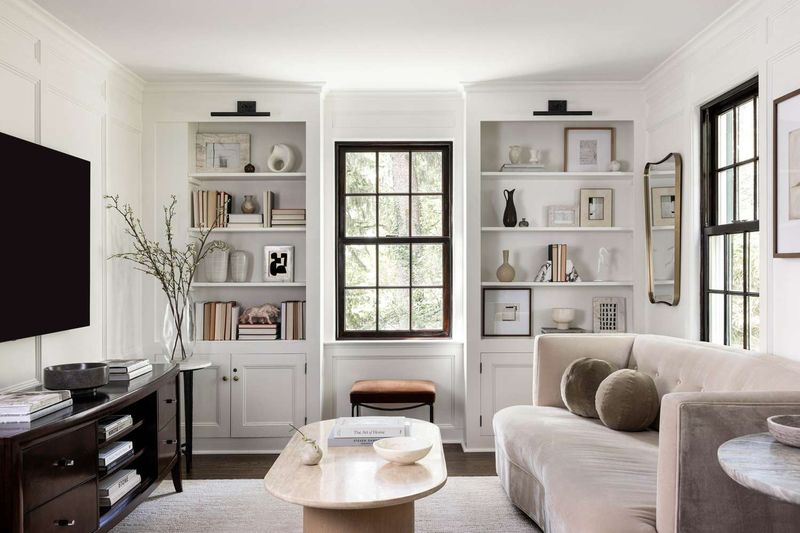
Cluttered shelves packed with random souvenirs scream amateur decorator! The designer approach is selective curation of meaningful pieces that tell your story.
Choose quality over quantity – display only your most beautiful or significant items, giving each enough space to shine. Group similar objects together (like vintage cameras or pottery) for a collected look that appears intentional rather than accidental.
17. Play With Scale in Decor
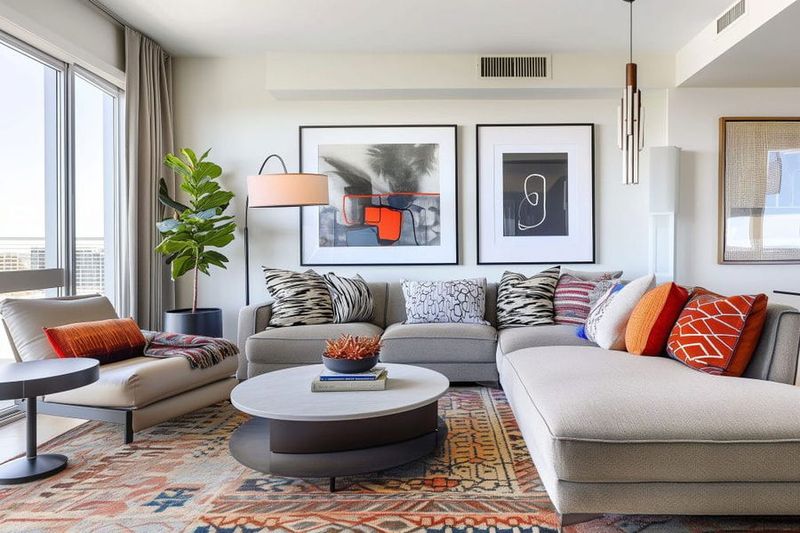
Uniformly sized decor creates a flat, uninteresting vibe that lacks designer flair! Professional decorators understand the importance of varying scale to create visual excitement.
Mix one oversized statement piece with medium and smaller elements in any arrangement. This principle applies to everything from artwork to decorative objects. The contrast between sizes creates dynamic tension that makes spaces feel thoughtfully designed.
18. Keep Surfaces Clean and Intentional
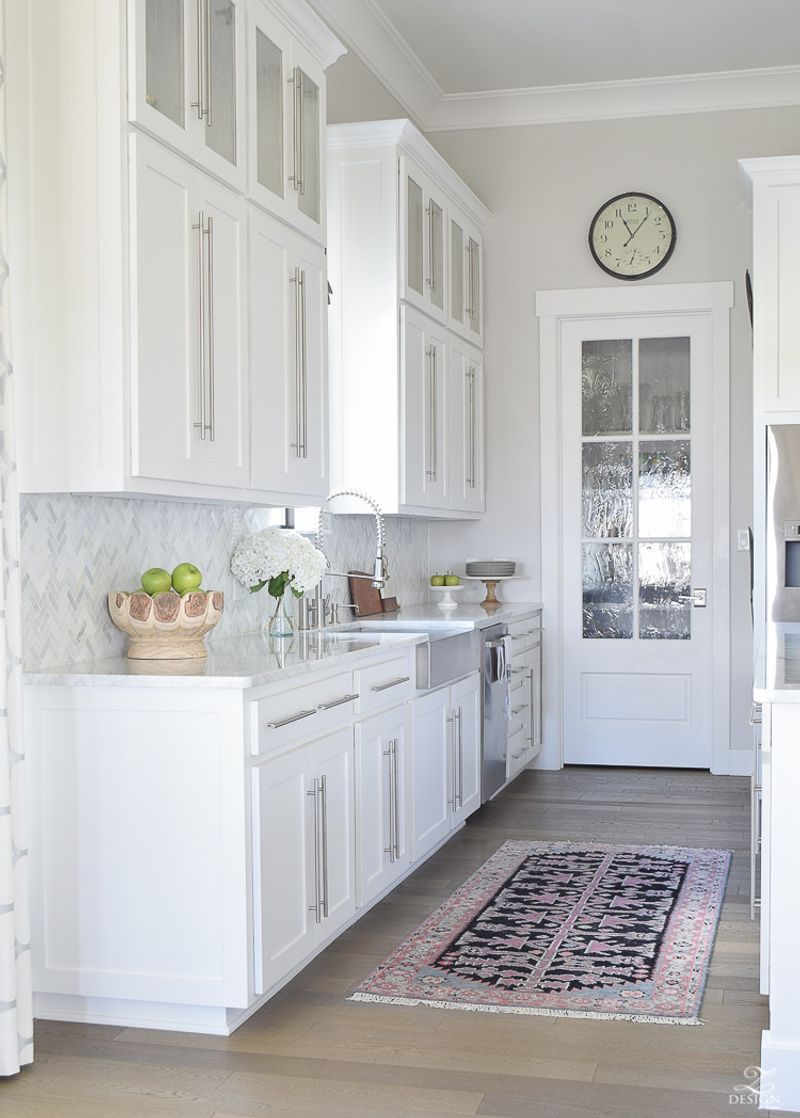
Cluttered countertops and tabletops are the hallmark of amateur decorating! Professional designers embrace negative space – the empty areas that let your eyes rest.
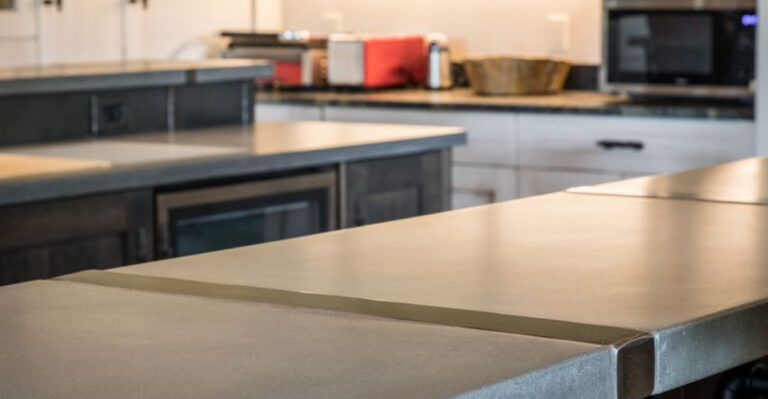
Edit your surfaces ruthlessly, keeping only beautiful essentials visible. On kitchen counters, limit displays to a cutting board, a plant, and perhaps a canister of cooking utensils. This restrained approach creates a sense of calm and intention that defines professional design.