20 Iconic Antique Furniture Pieces That Captured The Spirit Of Their Time
Antique furniture tells the story of entire eras through wood, craftsmanship, and design. Each iconic piece – from ornate Victorian dressers to sleek Art Deco sideboards – captures the values, technology, and aesthetic preferences of its time.
These timeless designs weren’t just functional; they helped shape the way people lived and expressed their identities.
If you’re drawn to history, design, or simply love a good story behind your décor, these 20 legendary furniture pieces offer a fascinating look at how style and society have always gone hand in hand.
1. Chippendale Chairs
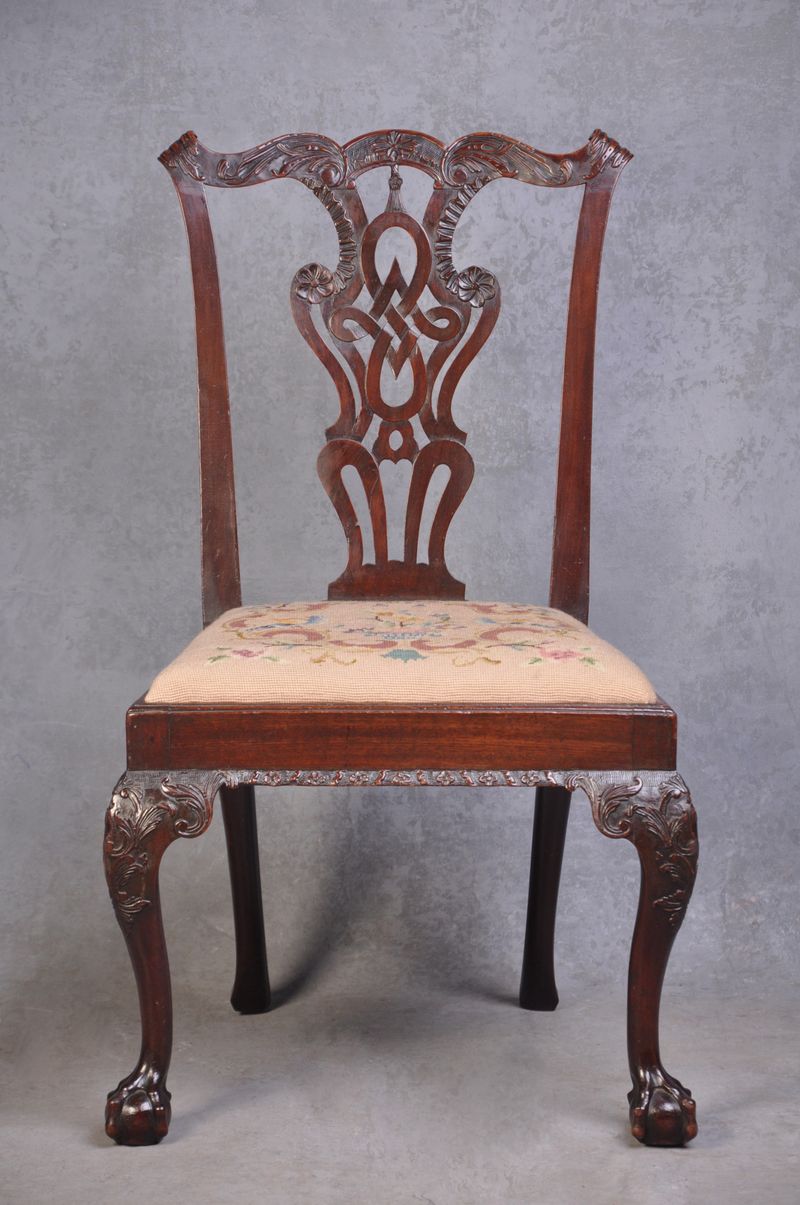
During the 1700s, these elegant seats graced the homes of wealthy Americans and Europeans alike. Named after English cabinetmaker Thomas Chippendale, they feature graceful cabriole legs and intricate carvings.
The distinctive back designs often included ribbon patterns, Gothic arches, or Chinese-inspired lattice work. Crafted from mahogany, walnut, or cherry wood, these chairs weren’t just for sitting—they were status symbols that showed refined taste.
2. Queen Anne Highboy
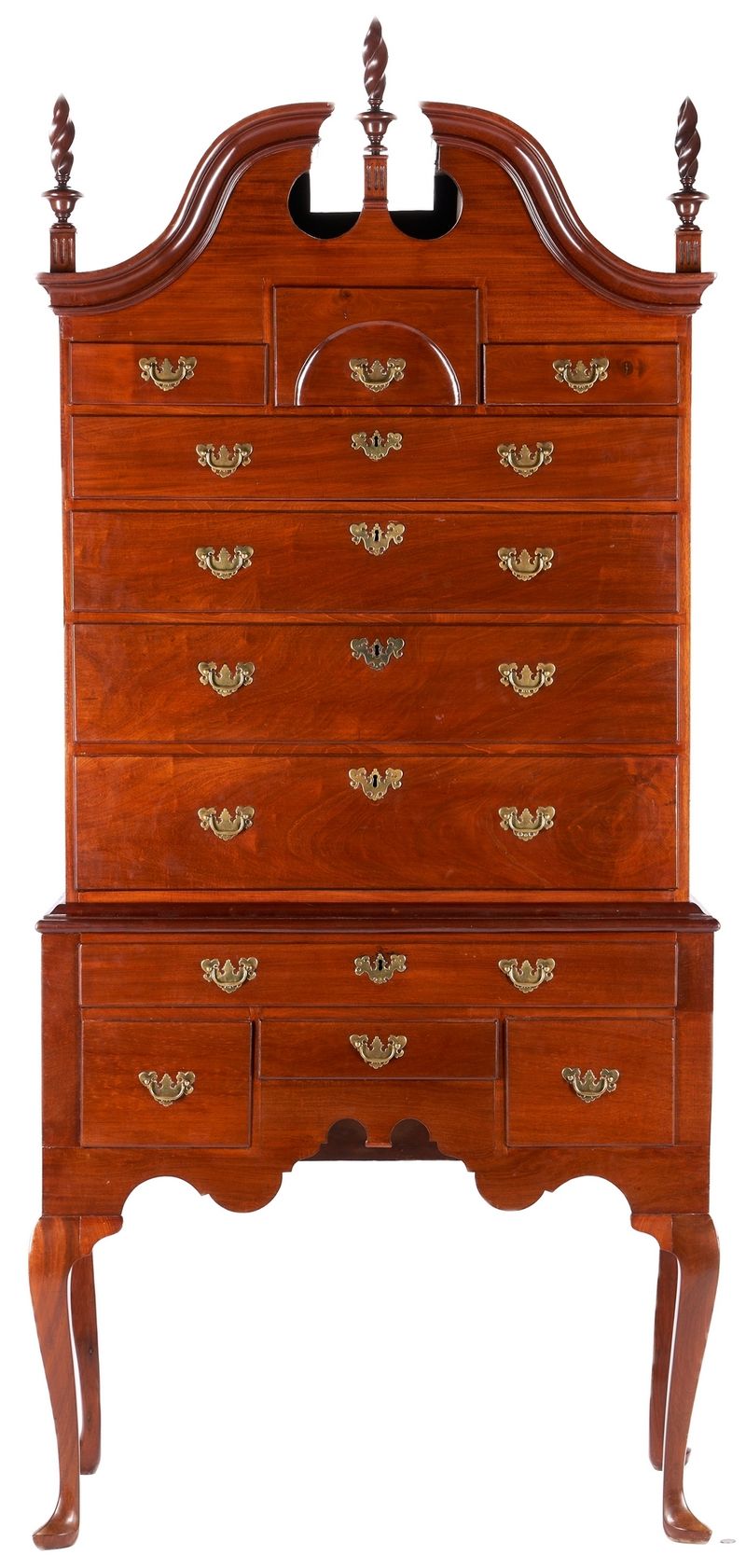
Standing nearly six feet tall, the Queen Anne highboy combined practicality with elegance through its two-piece construction.
Graceful cabriole legs ending in pad feet supported the lower section, while the upper chest featured additional drawers and decorative bonnet top. Popular between 1720-1760, these pieces showcased American craftsmanship while borrowing English design sensibilities.
3. Hepplewhite Sideboard
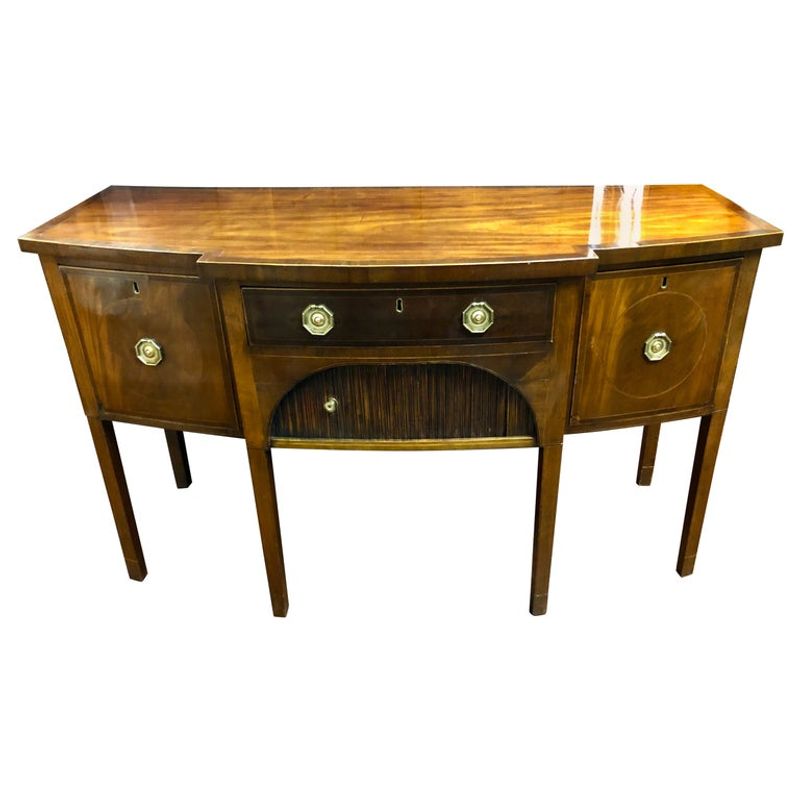
With its shield-back chairs and delicate inlays, this style embraced refinement over ostentation. George Hepplewhite’s designs featured tapered legs, contrasting wood inlays, and graceful curved fronts.
The sideboard’s practical compartments stored fine china and silverware, while its elegant surface displayed candelabras during formal dinners. These pieces married function with neoclassical beauty.
4. Sheraton Writing Desk
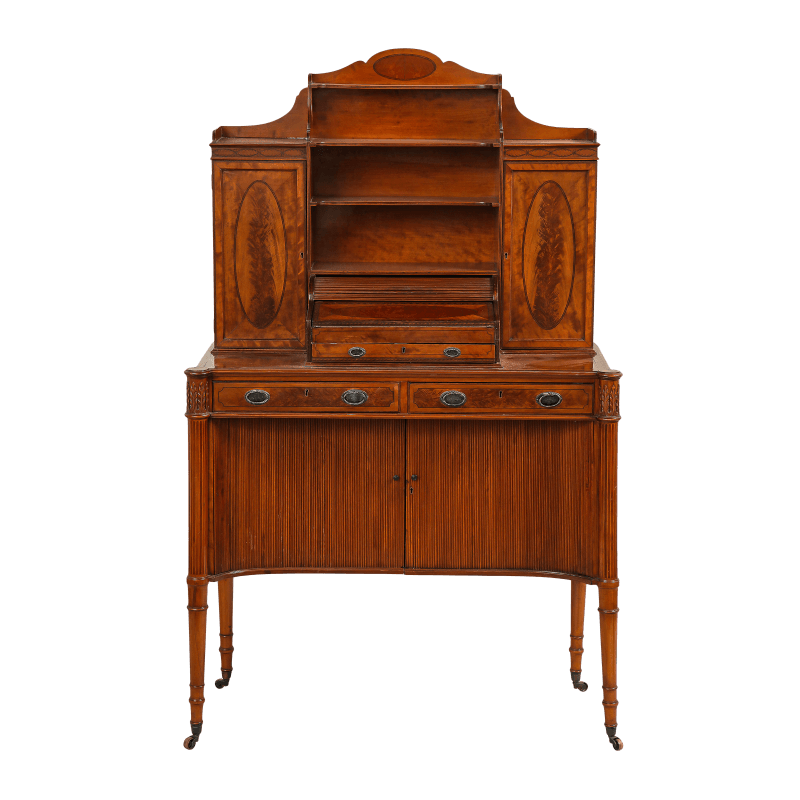
Quill pens scratched across important documents atop these elegant writing surfaces during the Federal period. Thomas Sheraton’s designs emphasized straight lines, contrasting wood veneers, and delicate proportions.
Unlike heavier earlier styles, Sheraton desks appeared light and refined with their slender legs and minimal ornamentation. Clever compartments concealed letters and documents, while brass hardware added subtle decorative touches. These desks reflected a new American identity—practical yet sophisticated.
5. Jacobean Court Cupboard
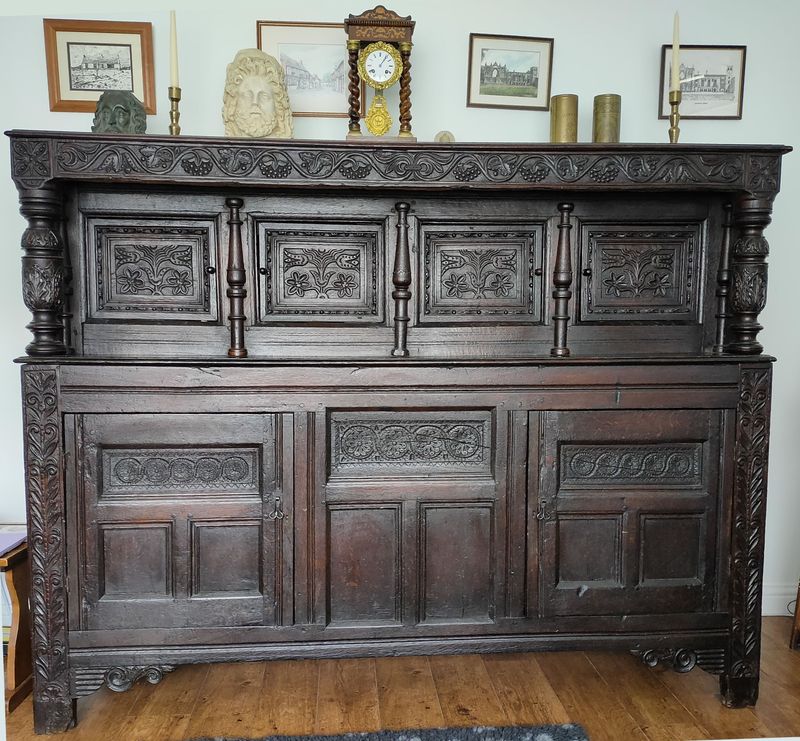
Feasts in 17th-century manor houses were served from these imposing oak storage pieces. Characterized by heavy proportions and architectural details, Jacobean court cupboards stood as symbols of prosperity during uncertain times.
Craftsmen carved geometric patterns, split spindles, and bulbous supports into the dark oak. The upper section displayed prized pewter and silver, while the enclosed cabinet below protected valuable linens and tableware. These substantial pieces survived civil wars and changing tastes to become treasured heirlooms.
6. Louis XV Bergère Chair
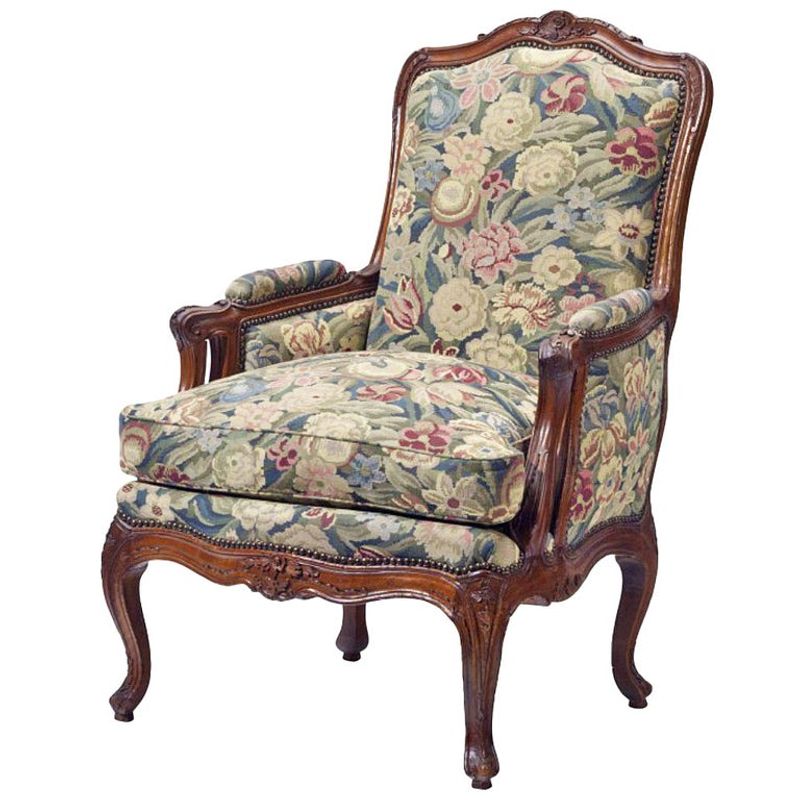
Whispered court gossip and literary salons found their perfect setting in these comfortable, enclosed armchairs. French aristocrats lounged in bergères while discussing philosophy or plotting political maneuvers during the mid-1700s.
Unlike earlier rigid seating, these chairs embraced comfort with padded arms, seats, and backs. The exposed wooden frame featured sinuous curves and delicate carvings of flowers and shells. Upholstered in silk damasks or tapestries, bergères embodied the Rococo movement’s emphasis on intimacy and pleasure.
7. Victorian Balloon-Back Chair
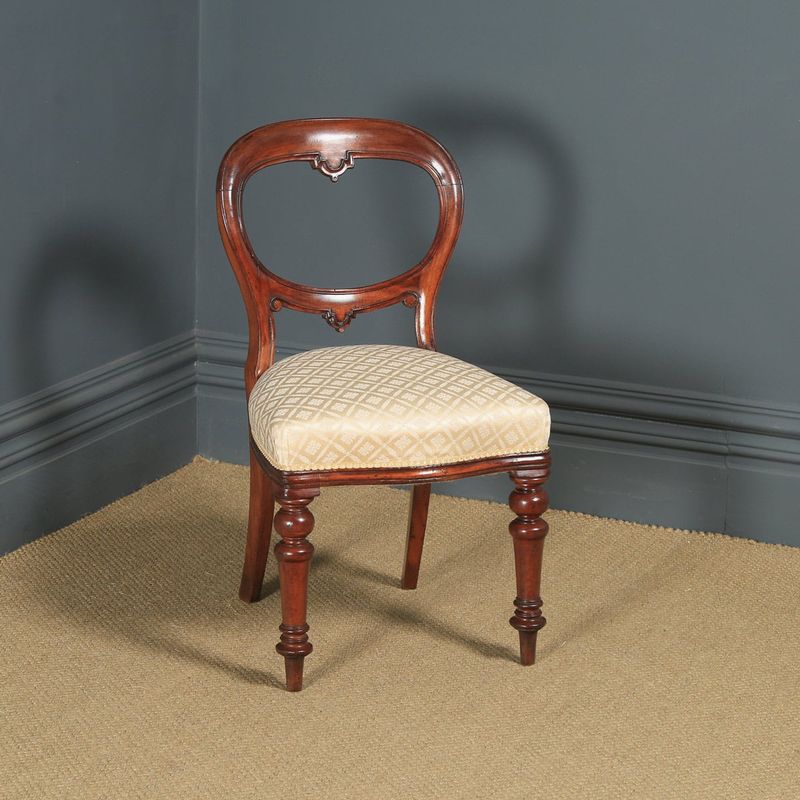
Middle-class Victorian families proudly displayed these chairs in their parlors as proof of their rising social status. Named for their distinctive rounded backs resembling hot air balloons, these seats became ubiquitous in 19th-century homes.
Mass production techniques made them affordable while maintaining decorative carved details. The seats typically featured horsehair stuffing covered in richly patterned fabrics. Perfectly sized for crinolined ladies to perch upon while taking tea, these chairs reflected Victorian ideals of domesticity and propriety.
8. Regency Sofa
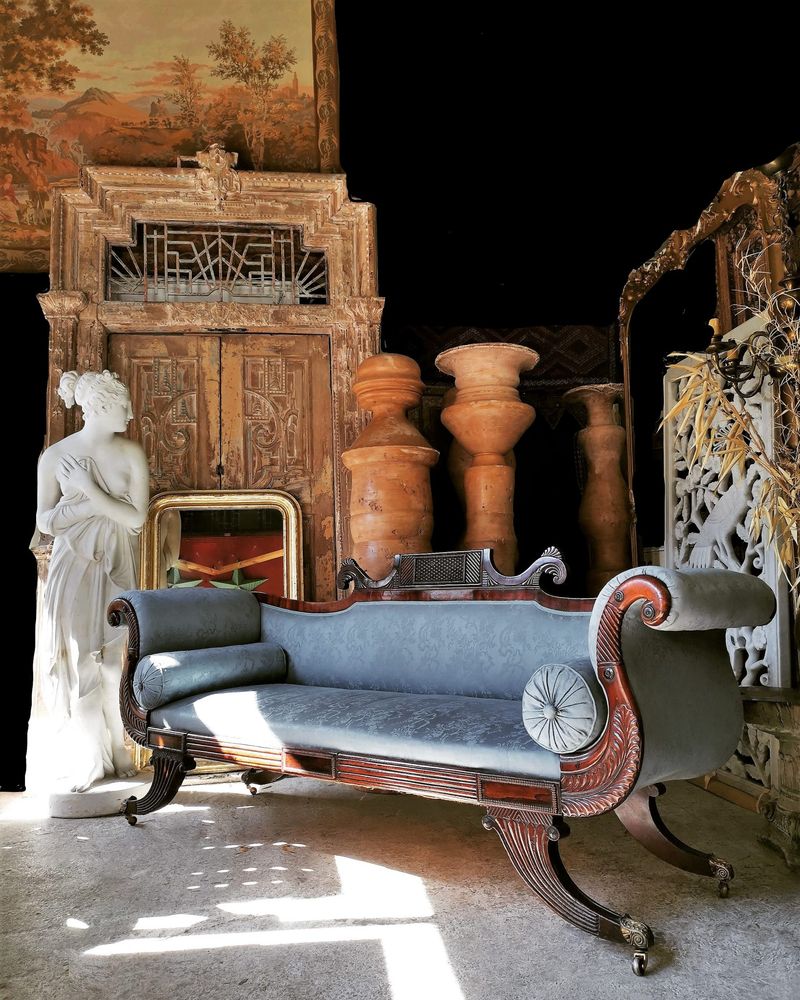
Literary figures like Jane Austen might have sat upon such elegant seating while crafting their social observations. Regency sofas captured England’s fascination with ancient Greece and Rome through their clean lines and classical motifs.
Scrolled arms, sabre legs, and brass inlays characterized these sophisticated pieces. Unlike the frilly excesses of earlier periods, Regency furniture emphasized restraint and symmetry. These sofas often featured contrasting dark wood against light upholstery, creating dramatic visual impact in fashionable drawing rooms.
9. Empire Sleigh Bed
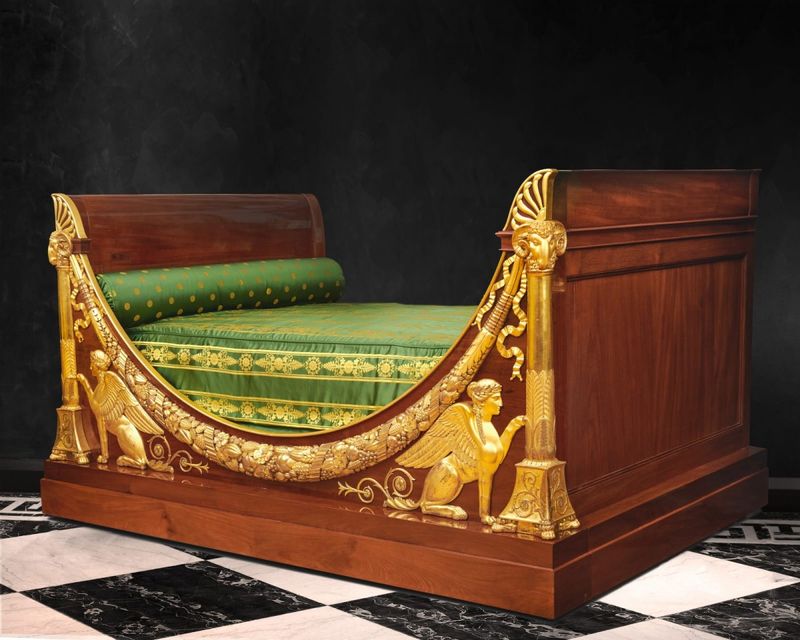
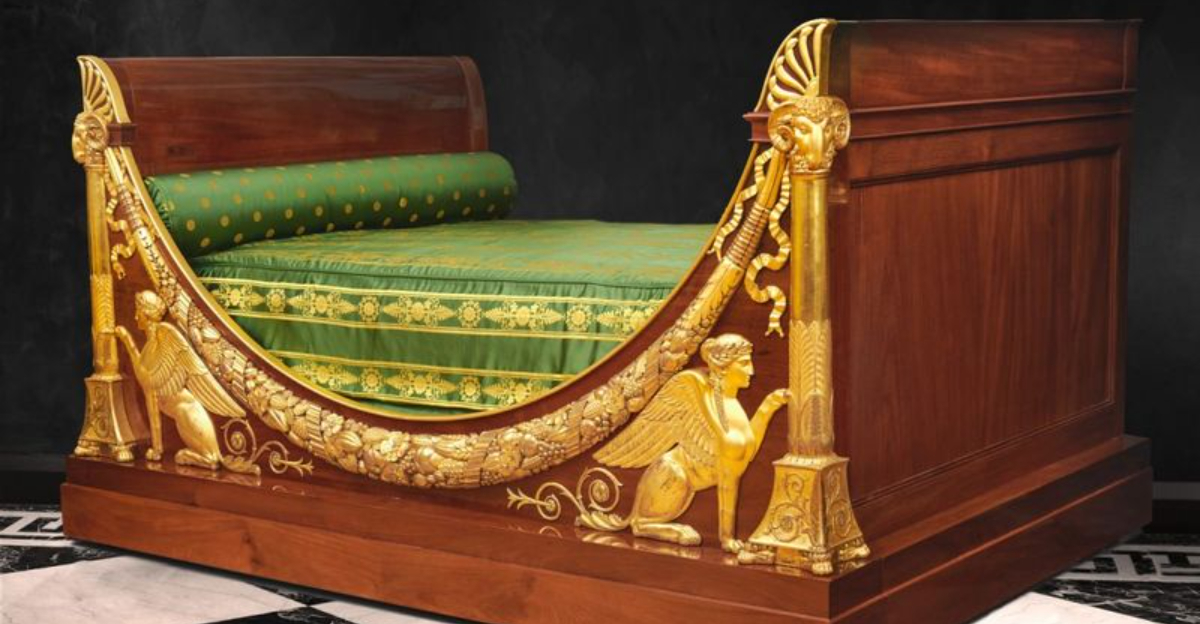
After Napoleon’s Egyptian campaigns, French furniture took on dramatic new forms like the imposing Empire sleigh bed. Massive scrolled headboards and footboards created a boat-like silhouette that commanded attention in early 19th-century bedchambers.
Rich mahogany or walnut veneers contrasted with gilt bronze mounts depicting imperial eagles, laurel wreaths, and Egyptian motifs. These beds weren’t just for sleeping—they were political statements celebrating French military conquests.
10. Art Nouveau Armoire
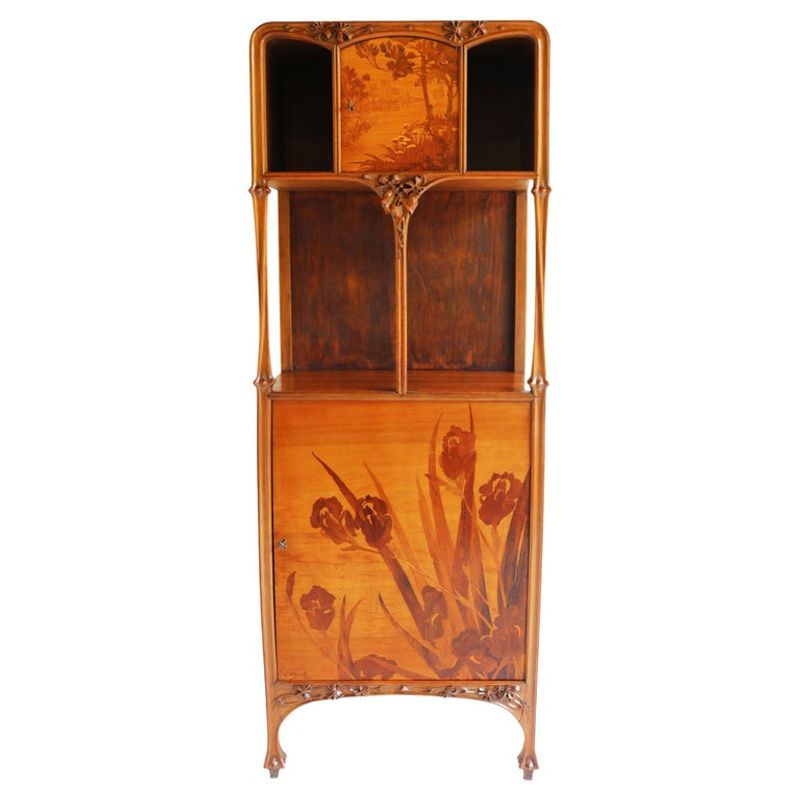
Breaking free from historical revivals, Art Nouveau furniture embraced nature’s flowing forms. These armoires featured sinuous lines reminiscent of unfurling ferns and flowering vines carved into exotic woods.
Stained glass panels often depicted dragonflies or water lilies, while curved hardware resembled twisting stems. More than storage pieces, these armoires represented rebellion against industrialization and Victorian stuffiness.
11. Gustavian Cabinet
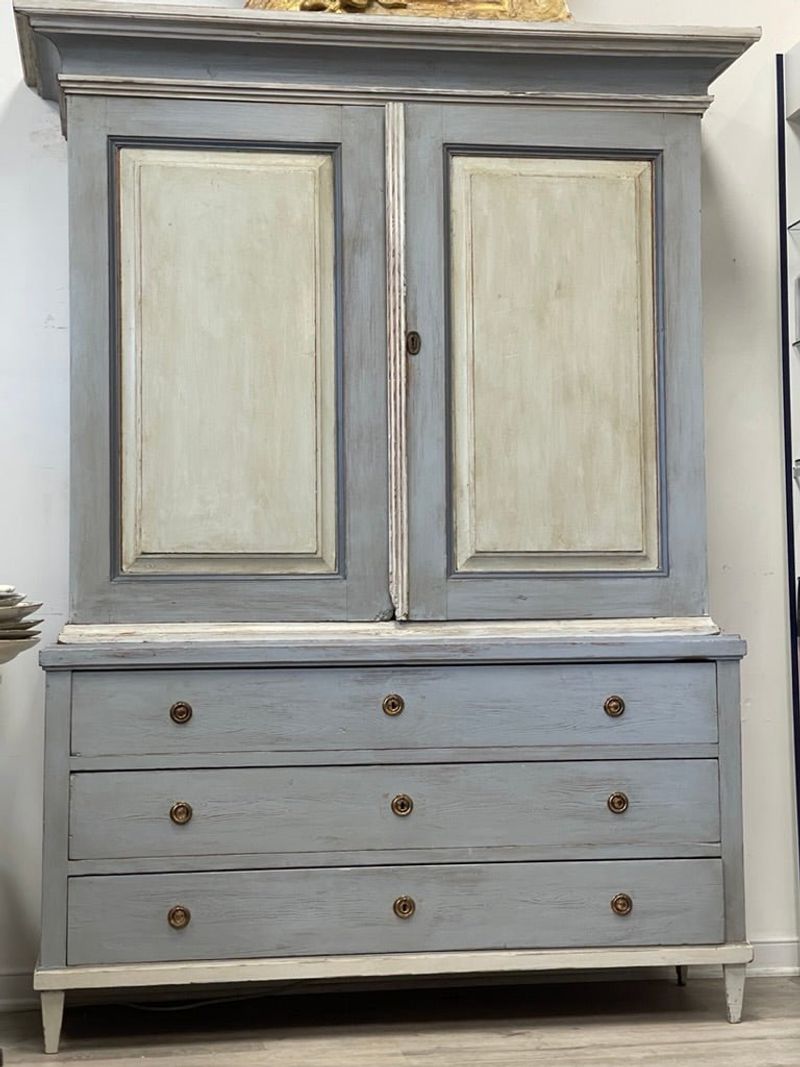
Swedish royalty brought French elegance to Scandinavia, resulting in this lighter, brighter interpretation of neoclassical design. King Gustav III, inspired by visits to Versailles, introduced a style that adapted rococo and Louis XVI elements to northern sensibilities.
Painted in soft grays, blues, or whites, these cabinets featured fluted columns, delicate carvings, and restrained gold accents. Perfect for long Nordic winters, Gustavian furniture reflected light in otherwise dark interiors. This style’s understated elegance has experienced several revivals over the centuries.
12. Biedermeier Chest of Drawers
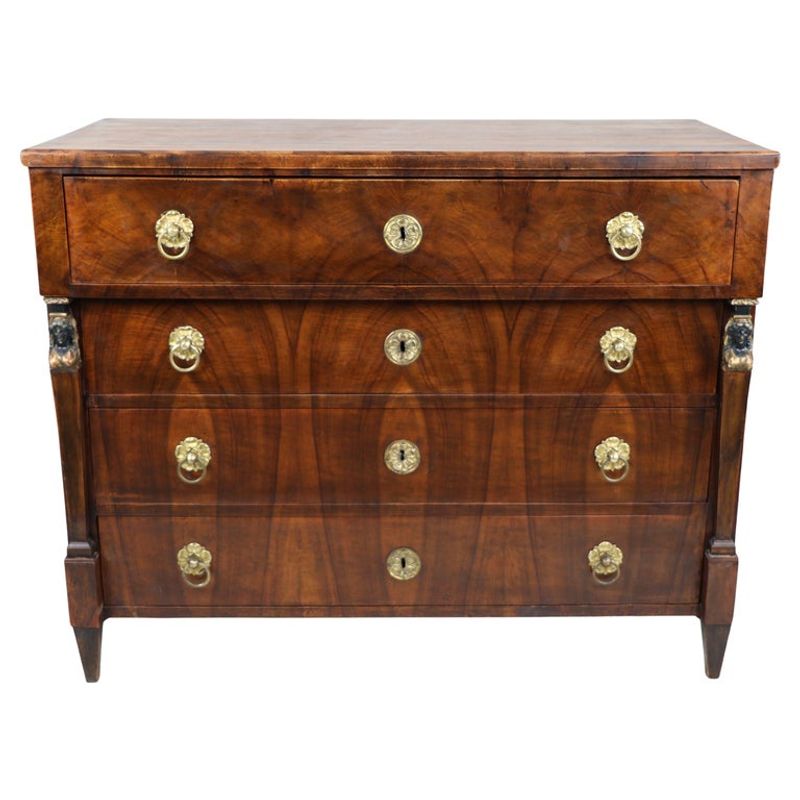
When Europe’s middle class gained prominence after the Napoleonic Wars, they embraced furniture that was elegant yet practical. Biedermeier chests abandoned excessive ornamentation in favor of clean lines and beautiful wood grains.
German and Austrian craftsmen created these pieces using locally sourced woods like cherry, ash, and walnut. The simple forms were enlivened by contrasting veneers arranged in geometric patterns.
13. Rococo Console Table
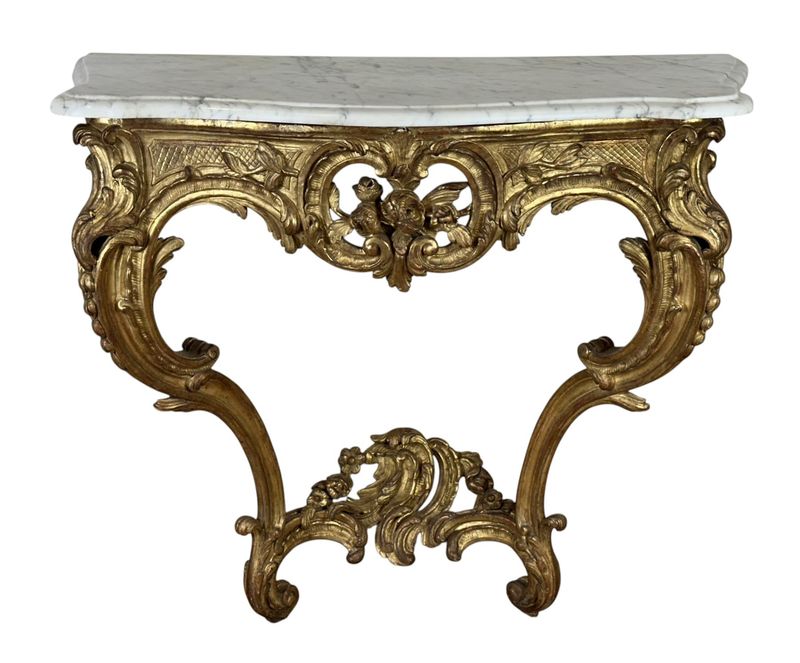
Court life during Louis XV’s reign demanded furniture as extravagant as the aristocracy’s lifestyle. These wall-mounted tables transformed hallways into theatrical spaces with their elaborate carved bases and marble tops.
Master carvers created asymmetrical compositions of shells, flowers, and scrollwork that seemed to defy gravity. Often gilded to resemble solid gold, these tables weren’t merely functional—they were displays of wealth and artistic patronage.
14. Federal-Style Mirror
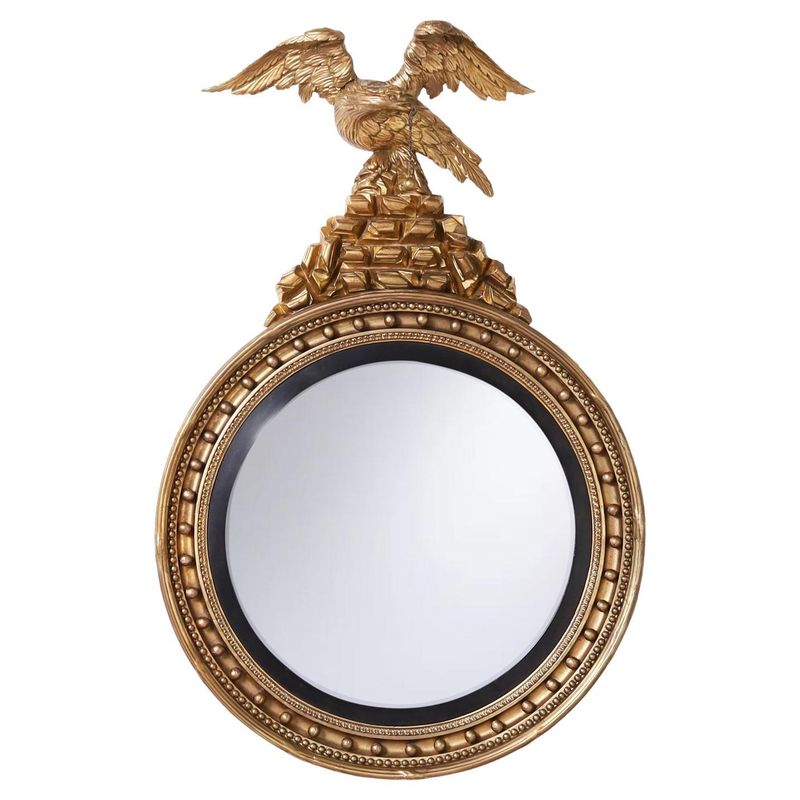
Early Americans expressed their new national identity through distinctive adaptations of English designs. Federal-style mirrors featured patriotic eagles, stars, and classical motifs that celebrated the young republic’s democratic ideals.
Topped with carved eagles or broken pediments, they combined functionality with symbolic decoration. These mirrors hung proudly in the homes of merchants and politicians who shaped America’s early government.
15. Eastlake Parlor Table
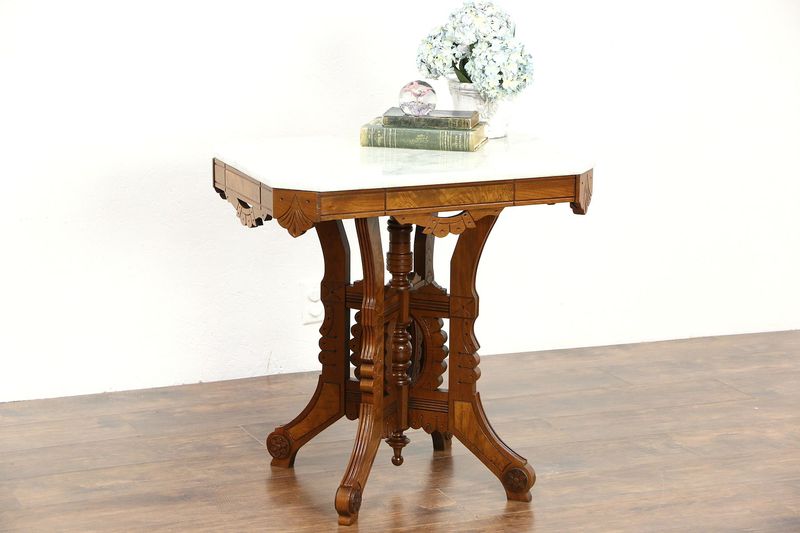
Victorian homes became showcases for the machine age’s capabilities through furniture like Eastlake parlor tables. Inspired by Charles Eastlake’s influential book “Hints on Household Taste,” these tables rejected elaborate curved forms for simpler geometric designs.
Factory-made yet decorative, they featured incised lines, turned legs, and modest proportions. These affordable tables represented a democratic approach to design that made stylish furniture accessible to America’s growing middle class.
16. Windsor Rocking Chair
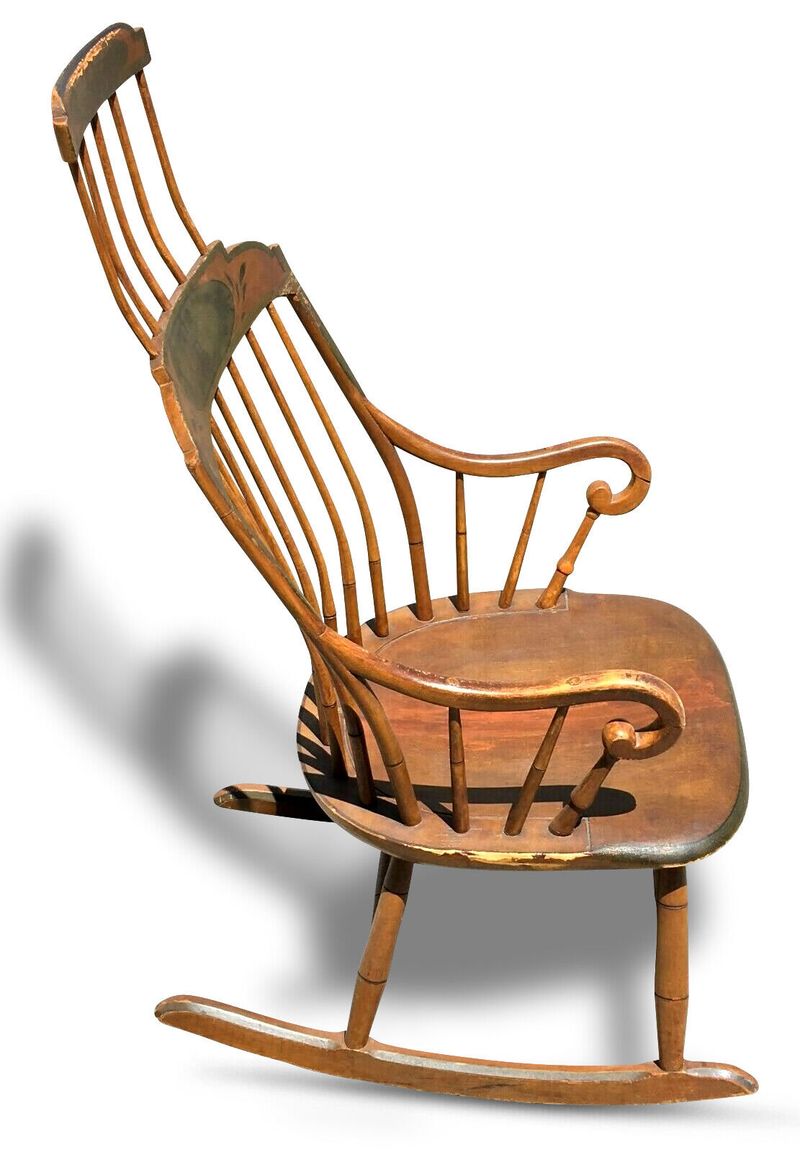
Few pieces capture early American ingenuity better than the Windsor rocker. Combining English design with American practicality, these chairs evolved from static seating to movable comfort when curved rockers were added in the early 1800s.
Their spindle backs provided ventilation during hot summers, while continuous arm designs offered comfort. Presidents, farmers, and frontier families alike embraced these democratic, comfortable seats.
17. Colonial Ladder-Back Chair
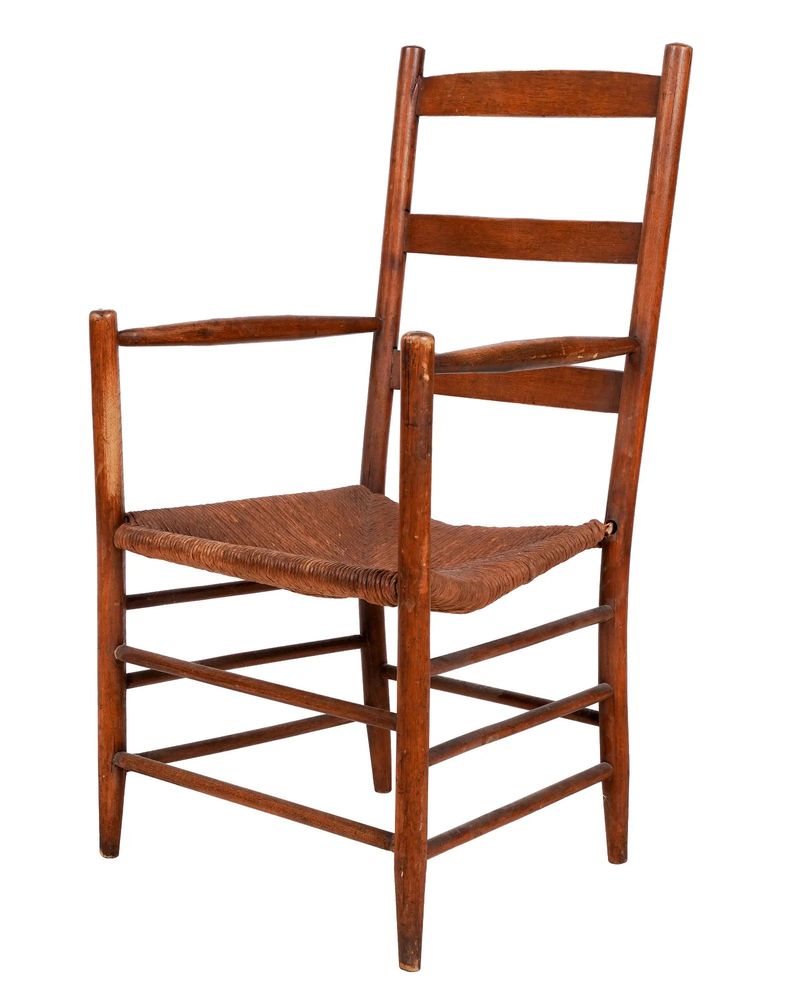
Simplicity and practicality defined these essential chairs found in nearly every early American home. Featuring horizontal slats resembling ladder rungs, these chairs were often crafted by local woodworkers rather than trained cabinetmakers.
Rush or splint seats could be easily replaced when worn, making these chairs remarkably durable investments. Their straightforward design allowed them to be pulled up to dining tables or positioned near fireplaces as needed.
18. Renaissance Revival Side Chair
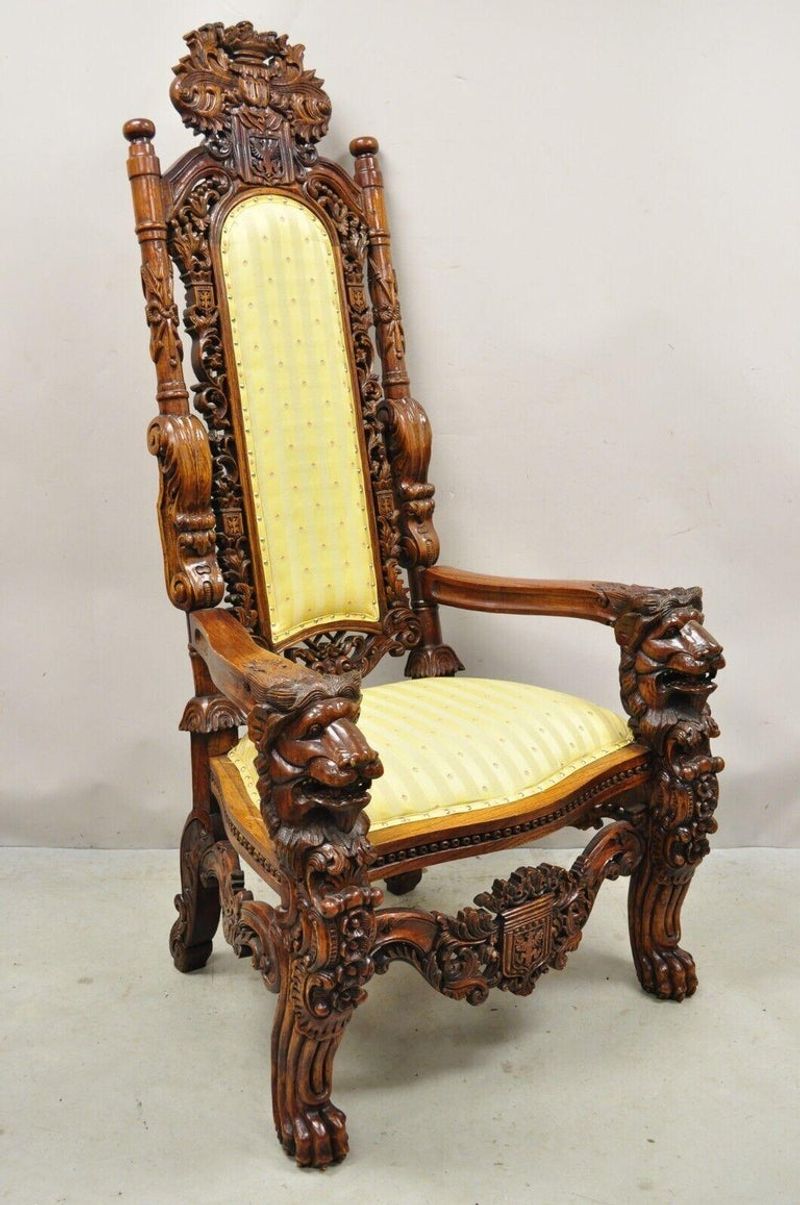
America’s Gilded Age industrialists furnished their mansions with these imposing chairs that recalled European grandeur. Massive proportions, dark woods, and elaborate carvings helped nouveau riche families establish their cultural credentials through historical associations.
Though manufactured in factories, these chairs maintained hand-carved details that mimicked Renaissance craftsmanship, creating an illusion of aristocratic heritage for families who had recently acquired their wealth.
19. French Provincial Buffet
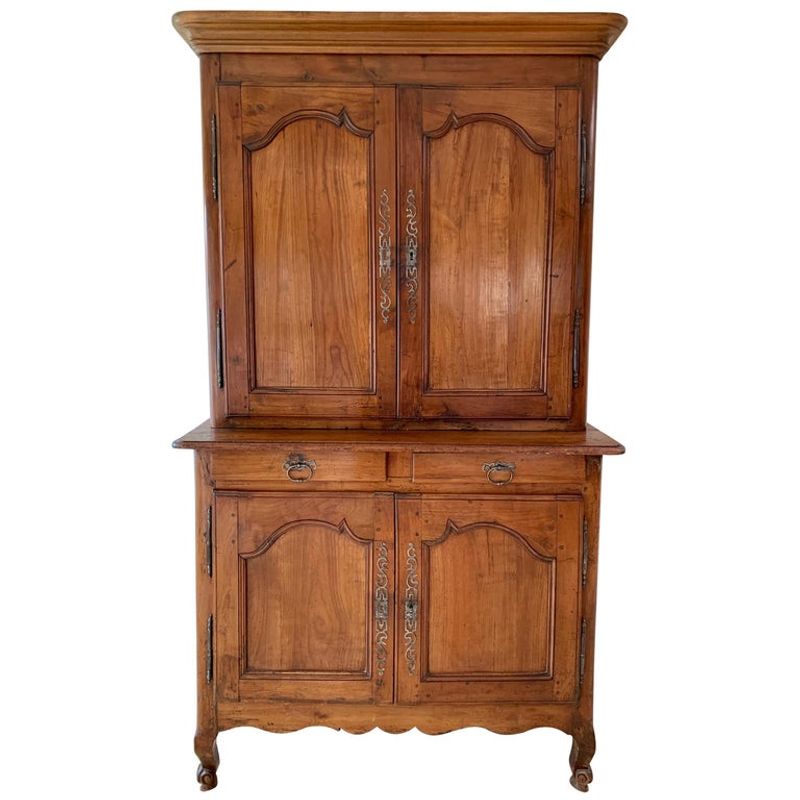
While French aristocrats embraced elaborate court styles, rural craftsmen created sturdy yet elegant furniture for country homes. These buffets stored linens, silver, and foodstuffs in provincial manors and farmhouses throughout 18th-century France.
Regional variations included carved wheat sheaf motifs in grain-producing areas or grape clusters in wine regions. Constructed from local fruitwoods like cherry or walnut, these pieces featured curved aprons, cabriole legs, and practical storage.
20. Art Deco Waterfall Vanity
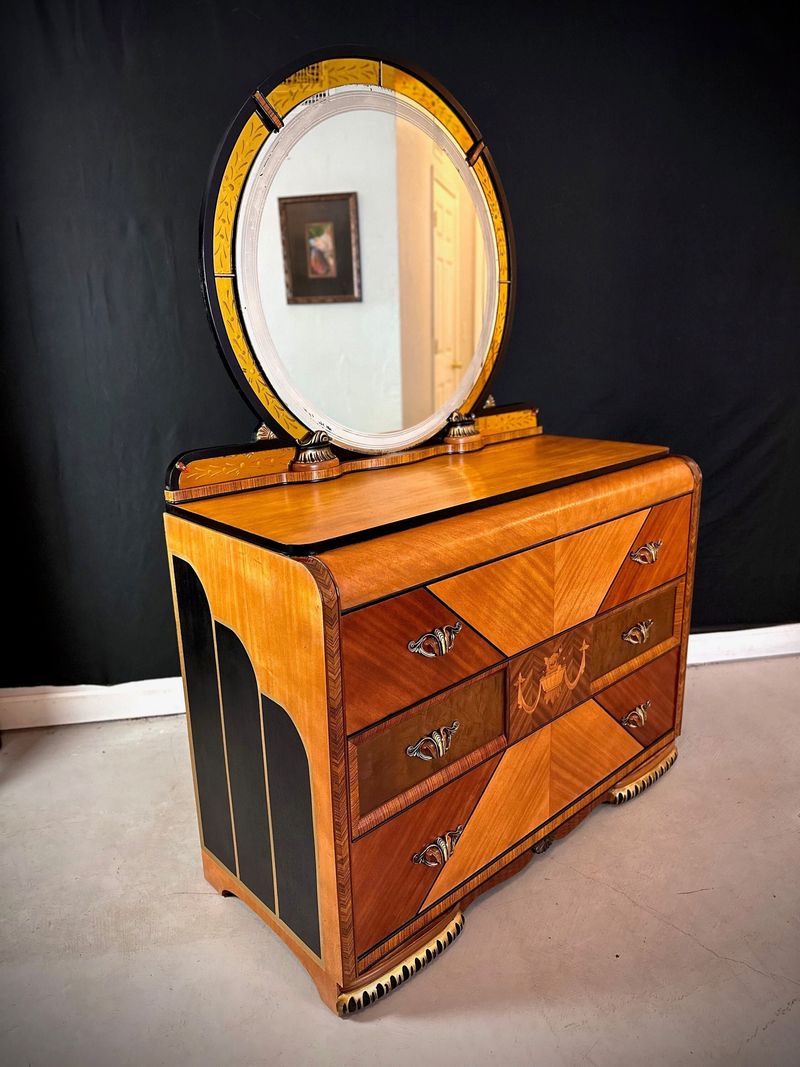
Modern women embraced new freedoms and self-expression through furniture like the Art Deco waterfall vanity. Named for their cascading front edges that appeared to flow like water, these bedroom pieces celebrated machine precision and new materials.
Manufactured using innovative veneering techniques, they featured geometric patterns, rounded corners, and Bakelite hardware. Their built-in mirrors and multiple drawers accommodated expanding cosmetic collections as makeup became widely acceptable.