8 Design Mistakes That Are Making Your Home Look Less Than Dreamy (Plus 8 Things That Do The Exact Opposite)
A beautiful home isn’t just about what you add – it’s also about what you avoid. Sometimes, even well-intentioned design choices can leave a space feeling off, dull, or just not quite right.
From awkward furniture placement to the wrong lighting, small missteps can quietly chip away at the dream-home vibe you’re going for. But the good news? A few thoughtful changes can make a big difference.
These 8 common design mistakes could be holding your space back – plus 8 smart swaps that instantly elevate the look and feel of your home.
1. Poorly Scaled Furniture
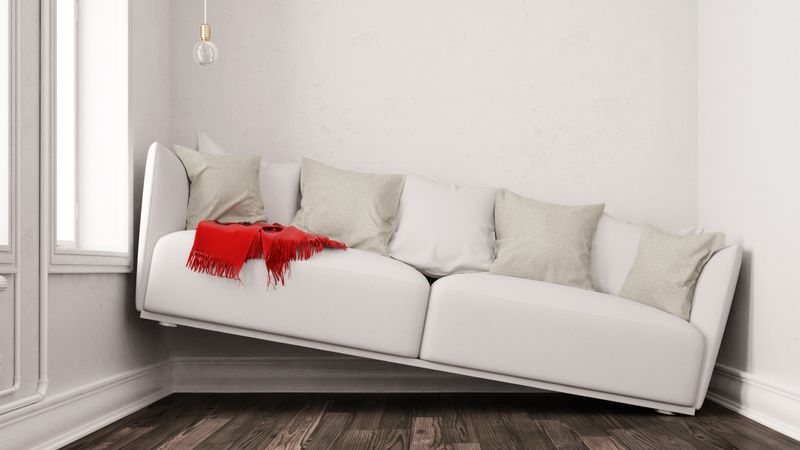
Walking into a room with a gigantic sectional crammed into a tiny living space feels like wearing shoes three sizes too big – awkward and uncomfortable! When sofas dwarf the room or dining tables leave no walking path, the entire flow feels off.
Grab that measuring tape before shopping and leave at least 30-36 inches for walkways. Your guests (and shins) will thank you for not having to perform gymnastics just to navigate your living room.
2. Wall-to-Wall Clutter
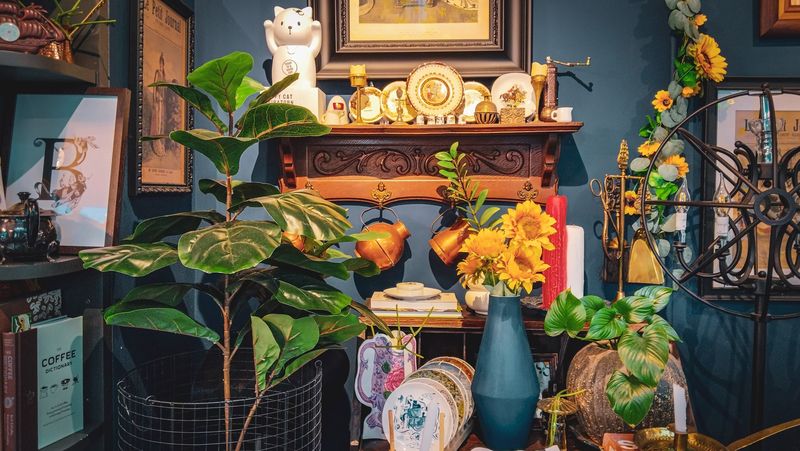
Imagine trying to enjoy a peaceful cup of coffee while surrounded by fifteen decorative pillows, seven candles, and countless trinkets from your travels. Not exactly relaxing, is it? Overcrowded shelves and surfaces create visual noise that subtly stresses us out.
Your collection of vintage teacups might be adorable individually, but displaying all thirty creates chaos rather than charm. Try the designer’s 80/20 rule – leave 80% of surfaces clear and display only your most treasured items in the remaining 20%.
3. Pushing All Furniture Against Walls
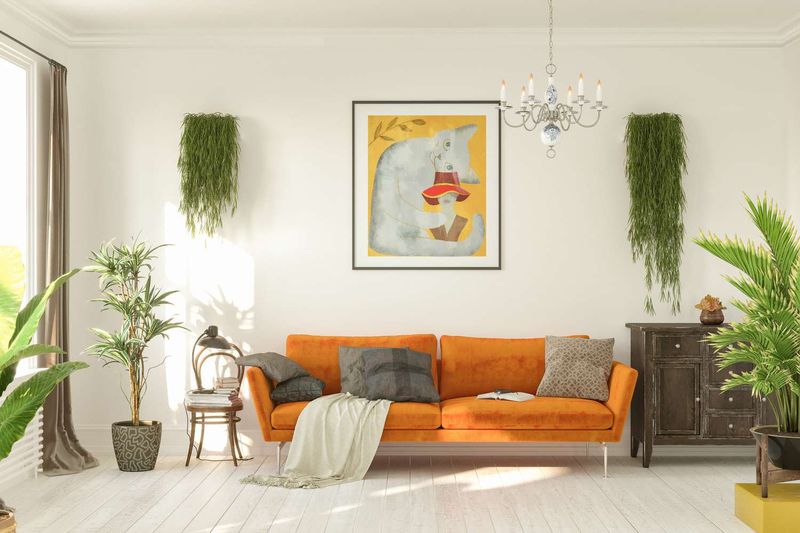
The “high school dance” approach to furniture arrangement (everything pushed against the walls) creates an awkward empty space in the middle and conversation zones that require shouting across the room.
Counterintuitively, floating furniture away from walls often makes rooms feel larger and more intentional. Creating conversation groupings where people can comfortably chat transforms a sterile setup into an inviting haven.
4. Insufficient Lighting Layers
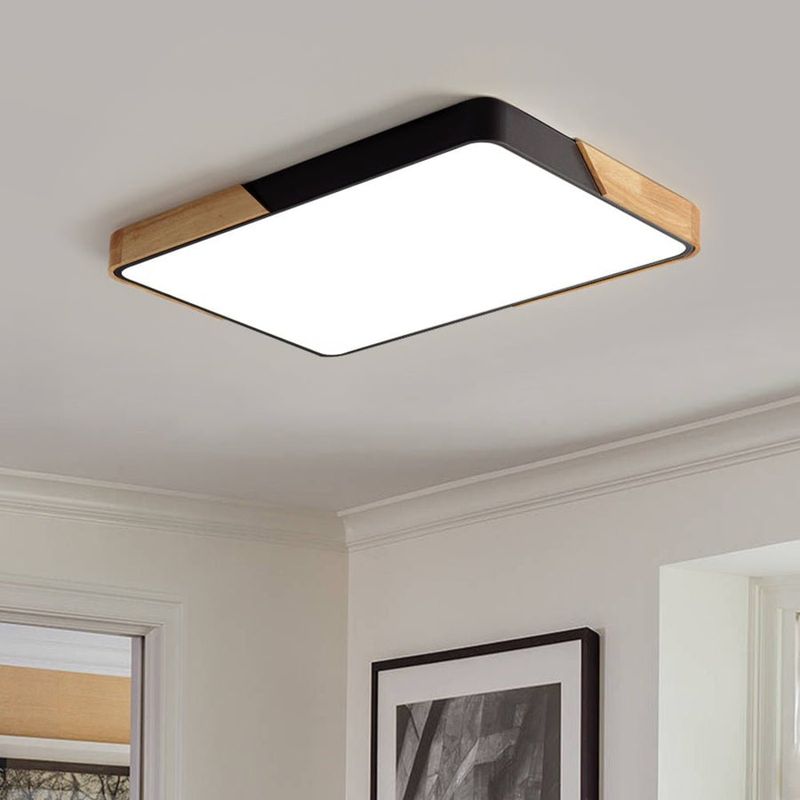
Relying solely on that harsh overhead ceiling light is the equivalent of wearing unflattering dressing room lighting all day long in your home. Yikes! Beautiful spaces need three lighting types: ambient (general illumination), task (for reading/cooking), and accent (highlighting architectural features or art).
Without this layering, rooms feel flat and uninviting. Add floor lamps at seating areas, pendants over dining tables, and small accent lights to showcase artwork.
5. Mismatched Color Temperatures
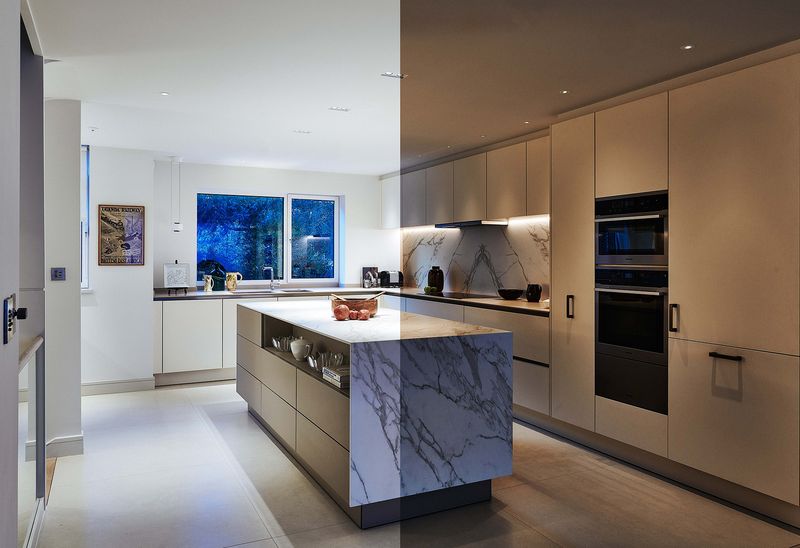
Have you noticed how some rooms feel oddly disjointed despite your best efforts? The culprit might be lurking in your light bulbs! Mixing cool white bulbs (bluish) with warm white ones (yellowish) creates a jarring effect that subtly makes spaces feel unharmonious.
Your brain registers this inconsistency even when you can’t quite identify what’s wrong. Stick with one temperature throughout your home – warm white creates a cozy atmosphere, while cool white works better in kitchens and bathrooms where task lighting matters more than ambiance.
6. Artwork Hung Too High
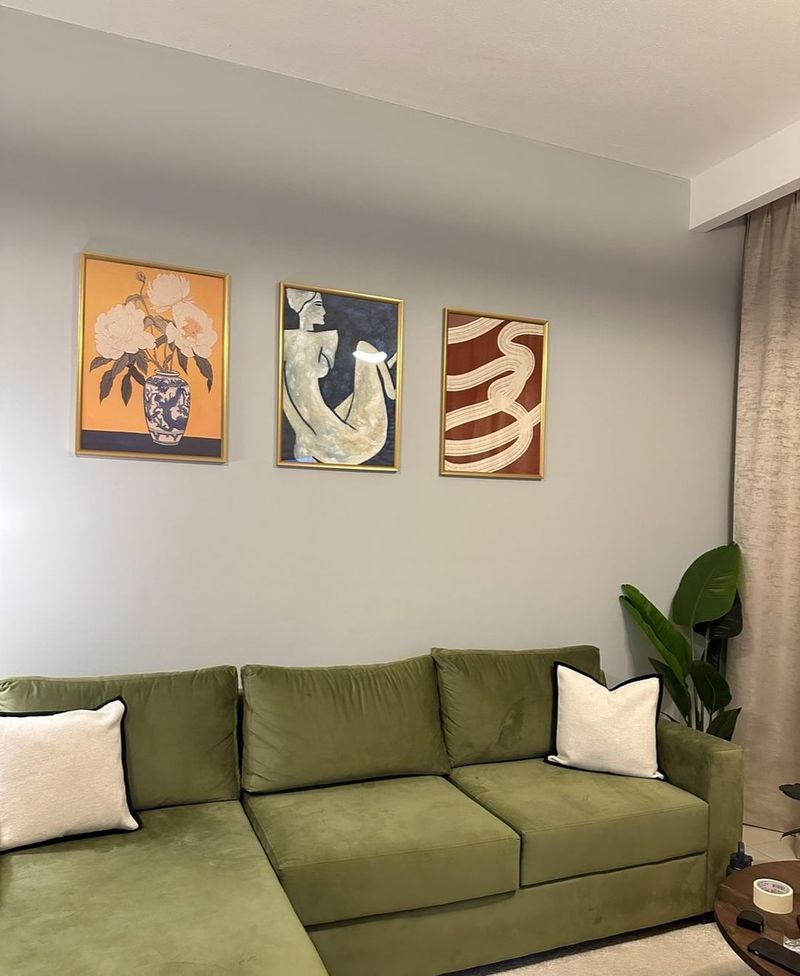
Nothing screams “amateur decorator” faster than paintings floating awkwardly near the ceiling! Yet this sky-high art placement remains one of the most common design blunders in homes everywhere.
Gallery owners and designers follow a simple rule: hang art at eye level, with the center of the piece about 57-60 inches from the floor. When artwork connects visually with furniture below it, the entire vignette feels cohesive rather than disconnected.
7. Ignoring Scale in Rug Selection
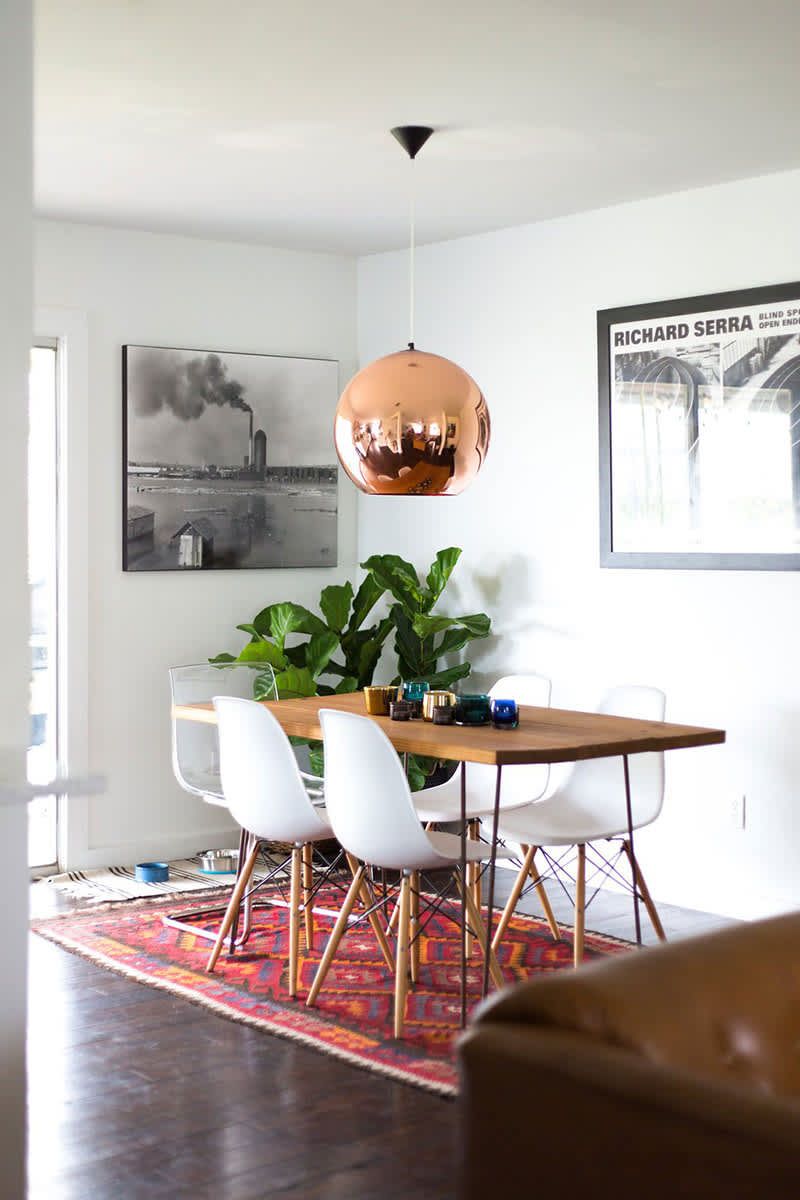
That postage stamp-sized rug floating sadly under your coffee table is the equivalent of wearing pants that are four inches too short – awkward and visually confusing! Undersized rugs make rooms feel choppy and unfinished.
A properly scaled rug should allow all furniture legs (or at least the front legs) to rest comfortably on it, creating a defined conversation area that feels intentional. For living rooms, aim for at least an 8×10 foot rug in standard rooms.
8. Matching Furniture Sets
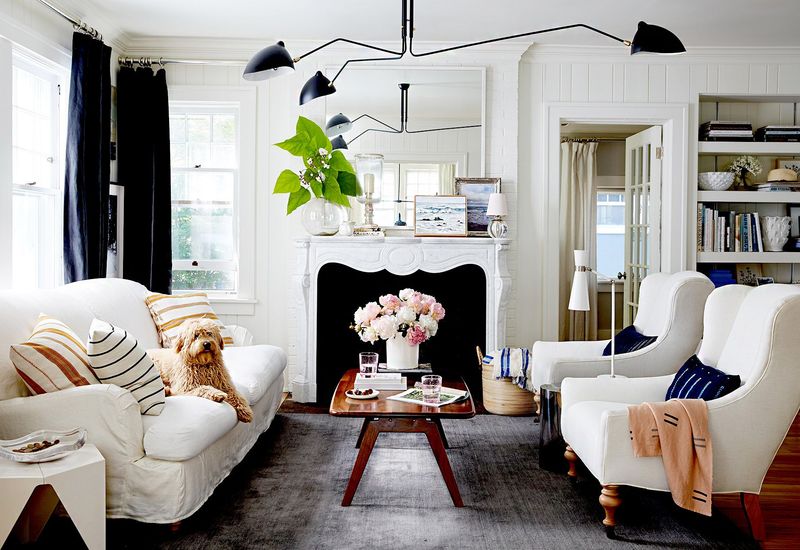
Remember those showroom furniture packages where everything matches perfectly? While tempting for their convenience, these matching sets create spaces that feel like impersonal furniture showrooms rather than lived-in homes.
The most interesting rooms tell a story through varied pieces that complement rather than clone each other. When everything matches too perfectly, you lose the personality and character that makes a house feel like your unique home.
1. Mismatched Vintage Doorknobs Throughout Your Home
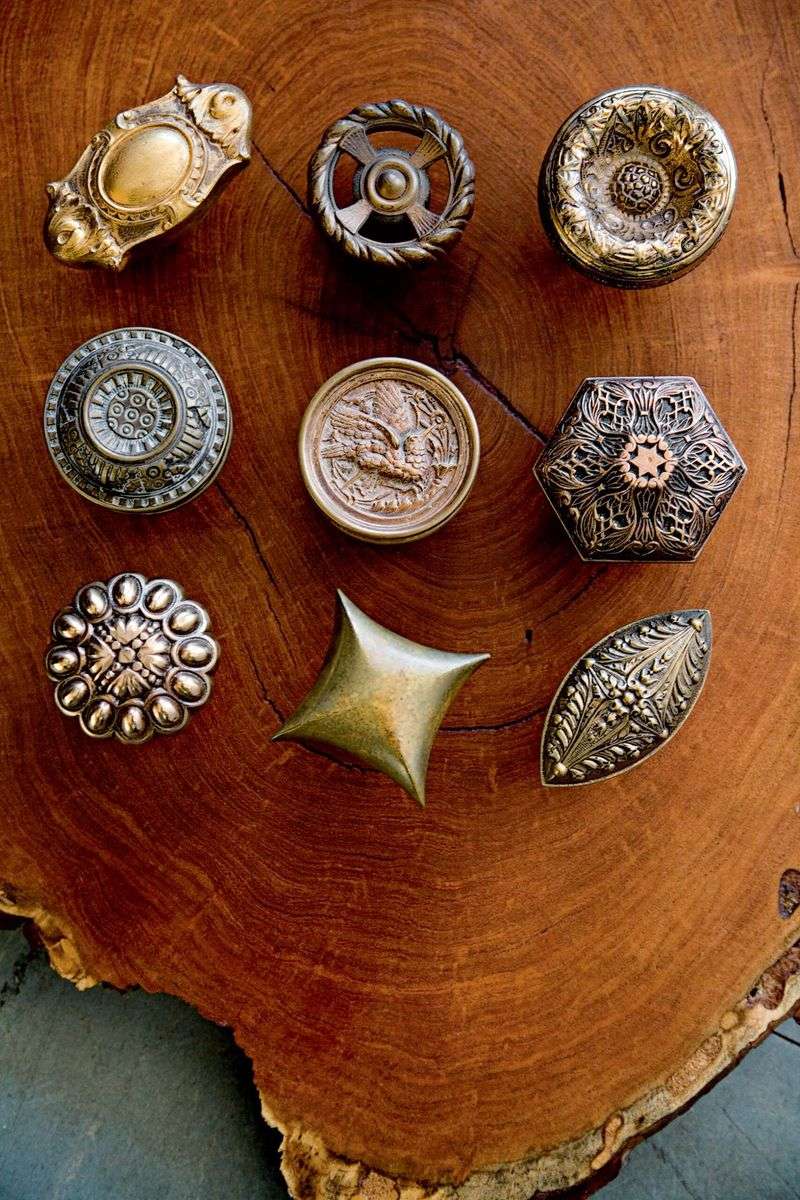
Those odd doorknobs you’ve collected from flea markets create a treasure hunt experience for guests. Each one tells a different story – brass lions from the 1920s, colored glass from Victorian times, or hand-painted ceramic from distant travels.
Children especially love discovering these little works of art throughout your home. The inconsistency breaks design convention while adding magical touchpoints to everyday spaces.
2. Ceiling-Mounted Indoor Swing in Your Living Room
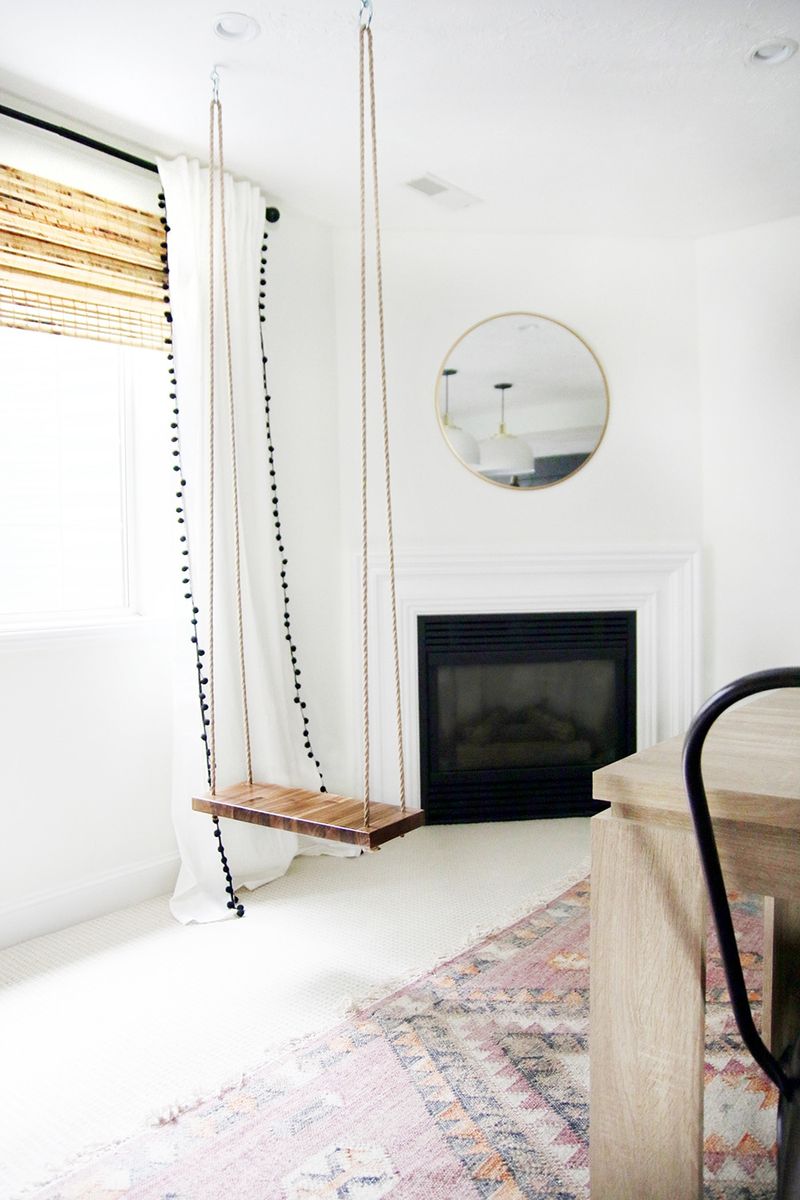
A swing hanging from your living room ceiling breaks every rulebook about formal spaces. Yet nothing captures childlike wonder better than this unexpected addition that transforms a serious room into a playful haven.
Guests can’t help but smile when they spot it, and even the most dignified visitors eventually give in to its invitation. Choose a beautiful wooden seat or a plush fabric hammock style for different vibes.
3. Bathroom Plants Taking Over Like a Jungle
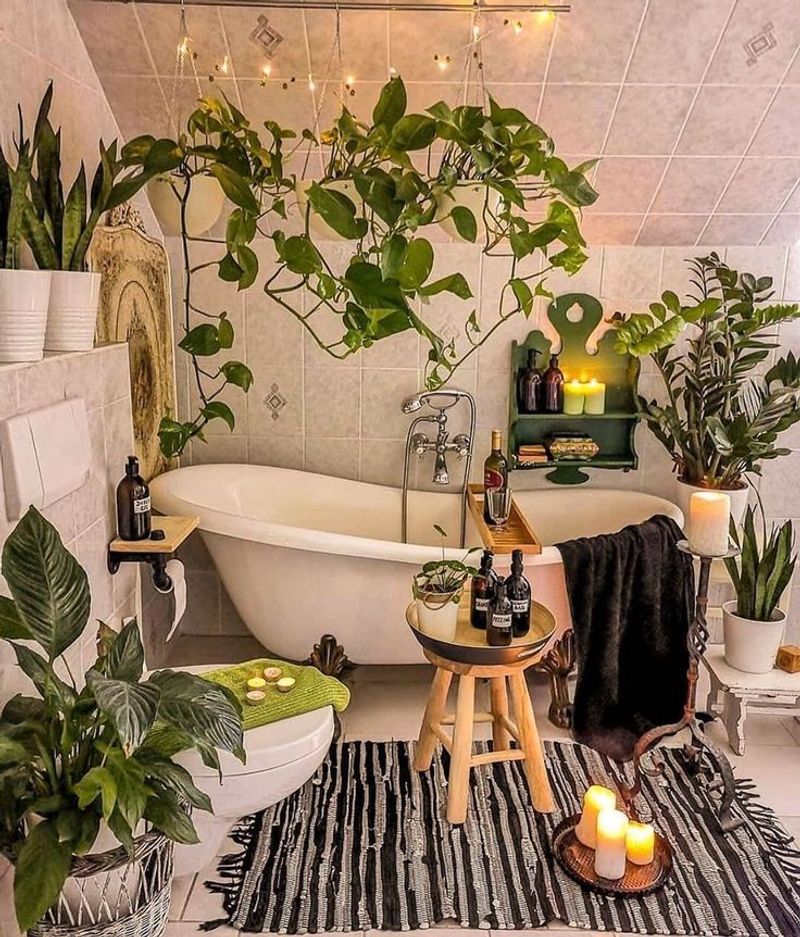
Forget the minimalist bathroom trend! Allowing plants to multiply until your shower feels like a tropical rainforest creates an unexpectedly luxurious escape.
Morning routines become magical when surrounded by lush greenery draping from shelves and hanging from ceiling hooks. The contrast between hard tile surfaces and soft, organic foliage creates visual poetry that expensive renovations can’t match.
4. Book Stacks as Impromptu Furniture
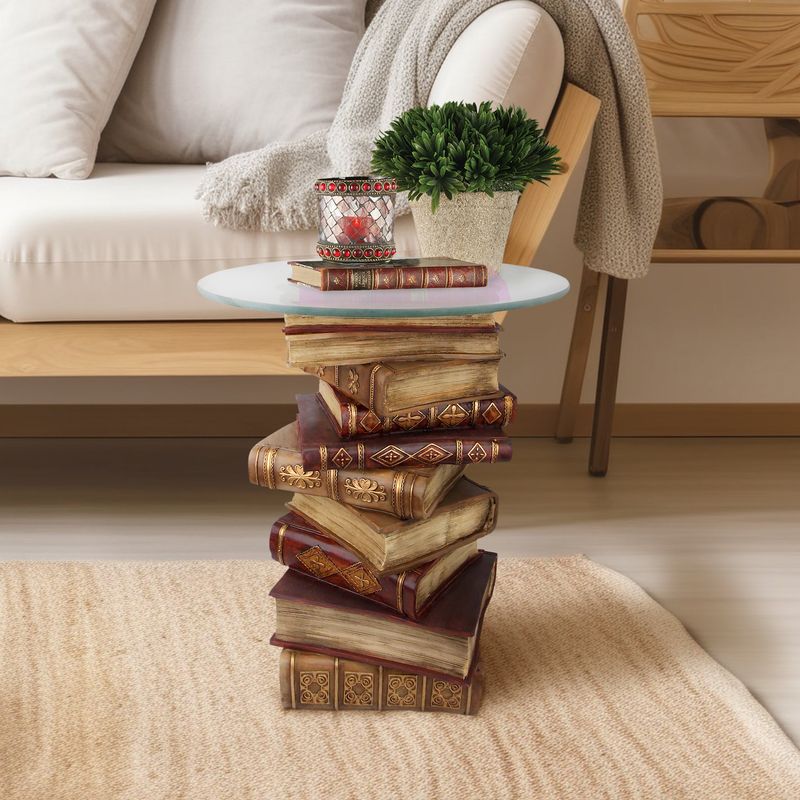
Those teetering towers of books that never made it to your shelves? They’re actually bohemian furniture in disguise! Stacks of hardcovers make surprisingly sturdy nightstands, end tables, or even impromptu seating when topped with a cushion.
Literary lovers find this approach irresistibly charming. The random spines create color stories no designer could plan, with titles offering conversation starters for curious guests.
5. Fairy Lights Strung Year-Round in Adult Spaces
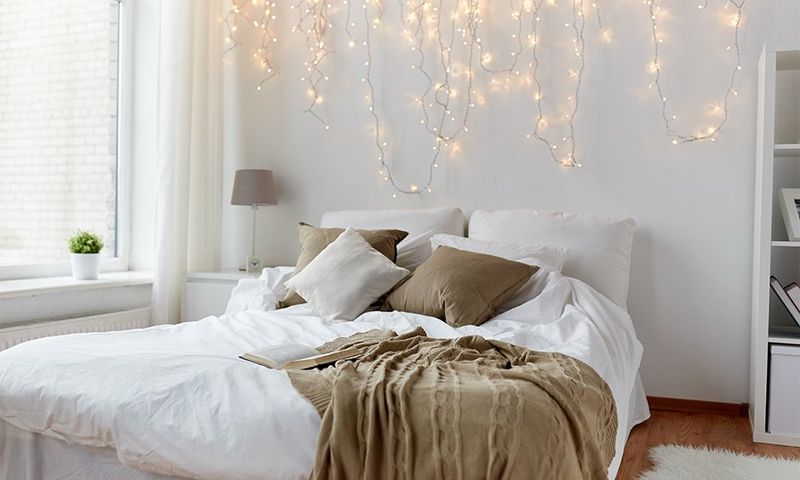
Tiny twinkling lights aren’t just for teenage bedrooms or holiday decorations. Draping delicate strands permanently across headboards, mantels, or kitchen windows breaks decorating conventions while creating magical ambient lighting.
The soft glow transforms ordinary evenings into extraordinary ones. Dinner conversations feel more intimate, reading sessions more enchanted, and everyday moments more special under their gentle sparkle.
6. Intentionally Unfinished Wall Treatments
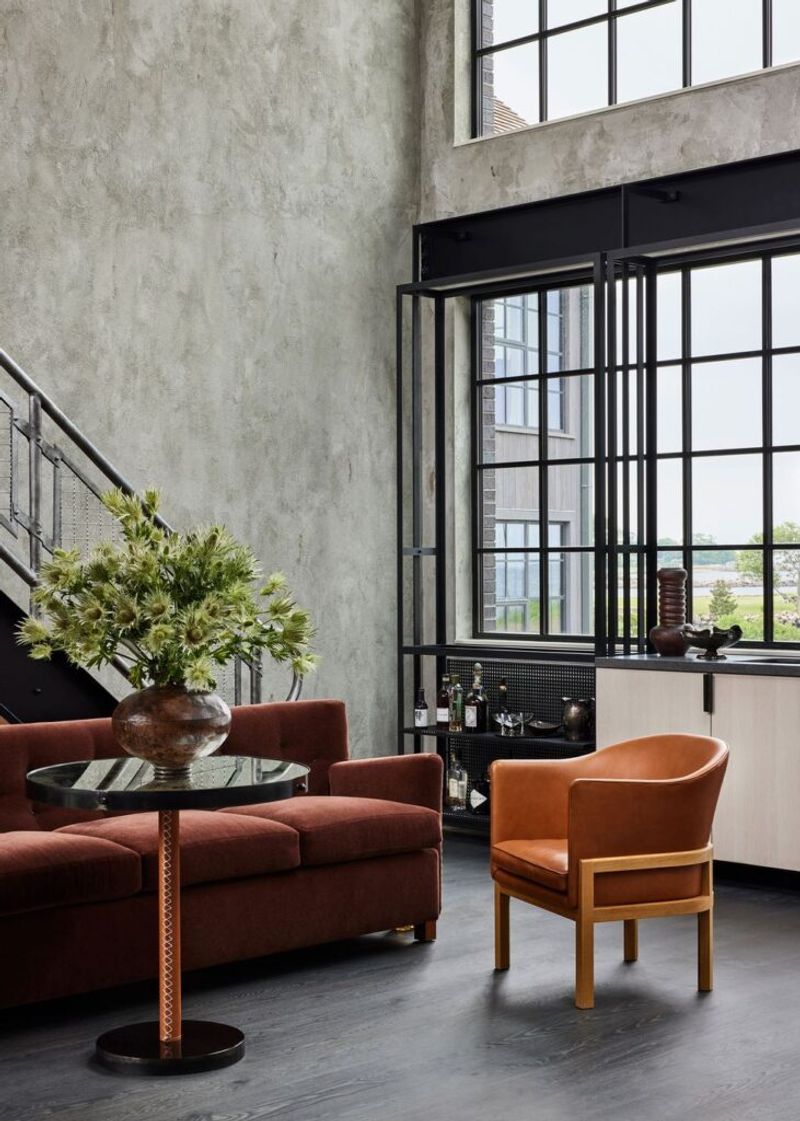
Half-painted walls or partially exposed brick might look like renovation projects abandoned midway, but they’re actually artistic statements embraced by design rebels. These deliberate “mistakes” create visual interest no perfectly finished surface can match.
A wall with plaster partially stripped to reveal layers of old wallpaper tells your home’s history. Similarly, ombré paint effects that fade into bare surfaces create dreamy transitions between colors and textures.
7. Mixing Grandma’s China with Modern Tableware
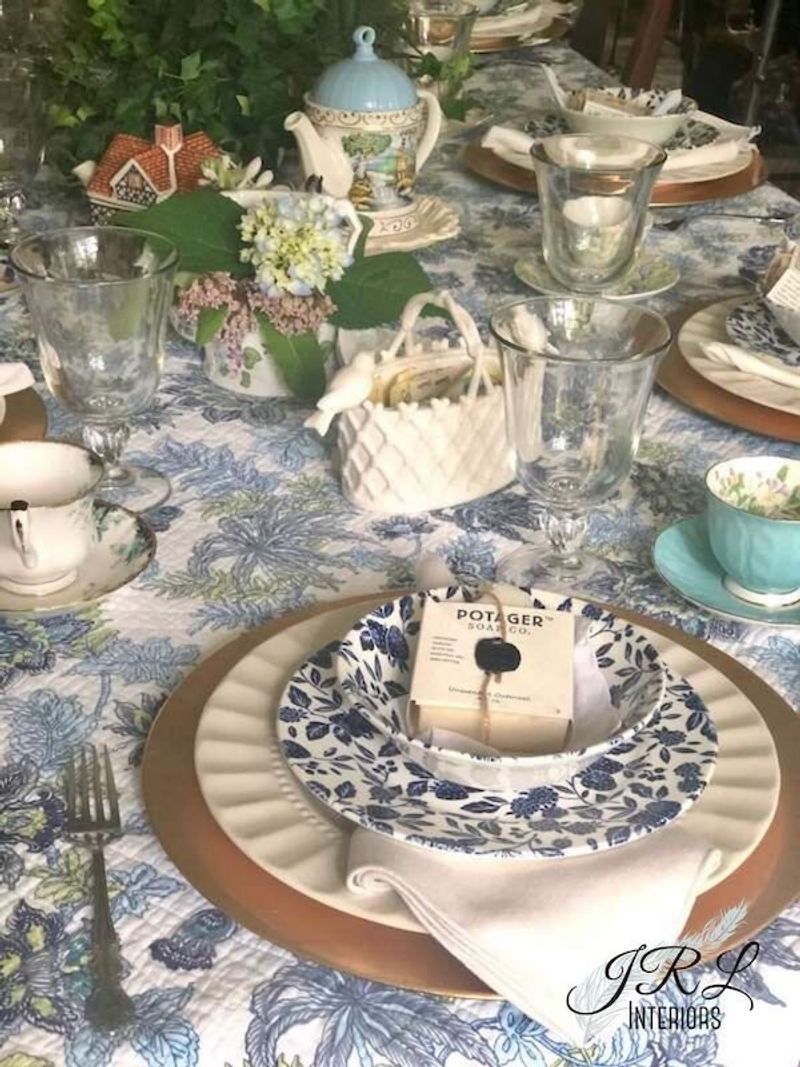
Design rules suggest cohesive table settings, but the most enchanting dinner parties happen when vintage floral china mingles with sleek modern pieces. This rebellious pairing creates unexpected magic that matching sets never could.
Rose-patterned teacups alongside minimalist plates tell a story of generations and evolving tastes. The juxtaposition creates visual excitement that sparks conversation and makes meals memorable.
8. Allowing Climbing Plants to Creep Across Interior Walls
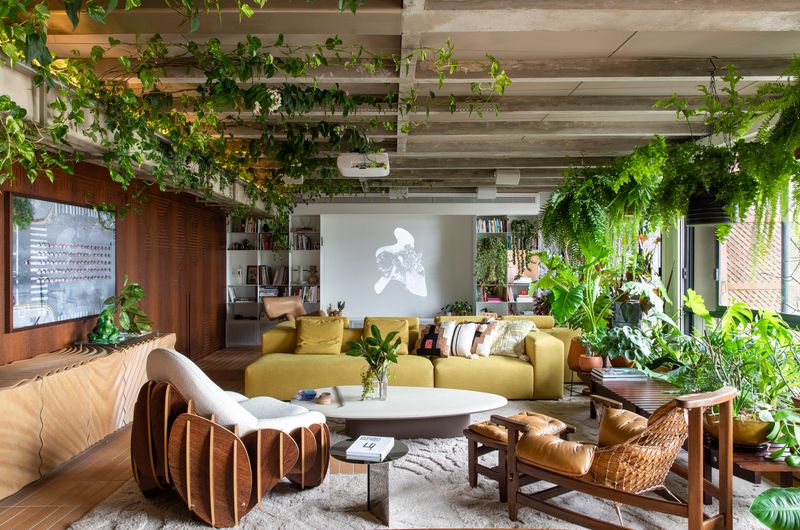
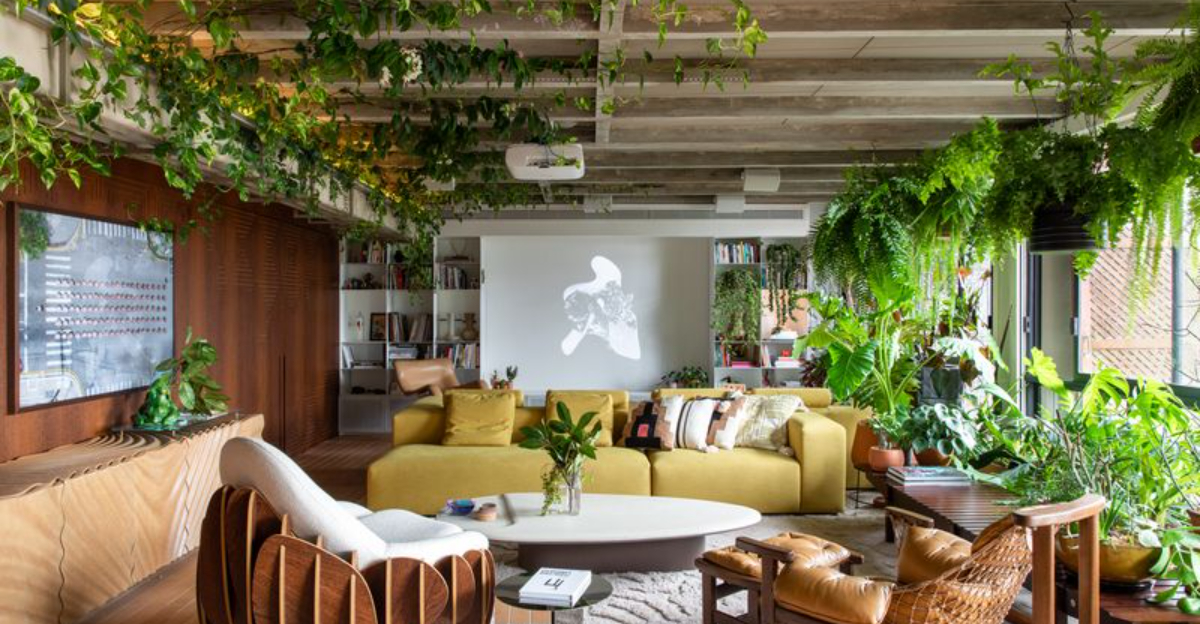
Interior design conventions suggest keeping nature outdoors, but allowing ivy or pothos to climb across interior walls creates a fairytale atmosphere impossible to achieve with conventional decor. The living tapestry blurs boundaries between outdoors and in.
Start with small command hooks or invisible wire guides to direct growth. Over time, these green tendrils transform plain walls into dynamic, breathing art installations that change subtly with each new leaf.